

Choose between Japan’s flawless order or Vietnam’s unbeatable $40 daily budget.
Japan and Vietnam stand at opposite ends of Asia’s travel spectrum. Japan demands at least $150 per day for a typical trip, thanks to efficient transport, high-quality hotels, and precise service. Vietnam, by contrast, can be done for $40 daily, with street food at $1 and motorbike rentals at $7 per day. This price gap isn’t just about money—it shapes how you experience each country. Japan’s Pack Lightly tourist infrastructure score of 95/100 means you’ll find clear signage, punctual trains, and spotless streets. Vietnam’s 70/100 score means more improvisation, less English, and a rougher ride, but with more chances to haggle and explore spontaneously.

Visa requirements also diverge sharply. US citizens can enter Japan visa-free for up to 90 days, while Vietnam requires a visa or e-visa application before arrival, adding planning steps. Safety scores differ too: Japan scores 95/100, reflecting low crime and reliable healthcare access, while Vietnam’s 70/100 means more caution in traffic and street food hygiene. Climate varies with Tokyo’s dry winters averaging 41°F in January and Hanoi’s humid summers hitting 85°F in July. Your choice boils down to whether you want a polished, high-cost trip or a raw, budget-friendly adventure with more unpredictability.
Insider tip: In Hanoi, a $1 bowl of phở at Pho Thin beats any $15 ramen in Tokyo for street-level authenticity.
Japan costs nearly 4 times more per day than Vietnam, defining the entire travel experience.
Japan vs Vietnam: Key Travel Differences
| Topic | Japan | Vietnam |
|---|---|---|
| Budget level | $150+ daily typical cost in Tokyo | $40 daily budget possible in Hanoi |
| Visa requirements | US citizens visa-free 90 days | E-visa required, $25 fee, apply 1 week ahead |
| Transport & infrastructure | Shinkansen trains at $120+ per trip | Motorbike rentals $7/day, chaotic traffic |
| Safety | Pack Lightly safety score 95/100, low crime | Safety score 70/100, watch traffic and street food |
| Accommodation quality | Business hotels $120+ per night, spotless | Guesthouses $15-$30, variable cleanliness |
| Food & cuisine | Sushi $30+ per meal, Michelin options | Street pho $1, fresh herbs, bold flavors |
| Planning effort | High: train passes, hotel reservations needed | Low: flexible bookings, more on-the-fly decisions |
| Crowds in peak season | Tokyo cherry blossom season, crowded trains | Hanoi Tet holiday, busy markets, fewer tourists |
| Language barrier | English signage common in cities | Limited English, rely on translation apps |
| Best time to visit | March-May and October-November, 55-75°F | October-December, dry season, 70-80°F |

Best for Japan
- Couples with $150+/day seeking city comfort and food precision
- Solo travelers who want spotless transport and safety
- Business travelers needing reliable infrastructure and English signage
Best for Vietnam
- Backpackers with $40/day craving street food and adventure
- Photographers chasing chaotic street scenes in Hanoi
- Small groups wanting flexible plans and low-cost accommodation
Japan vs Vietnam: Clear Travel Choices
- If you want flawless safety and infrastructure, choose Japan — Pack Lightly safety score 95/100.
- If your budget caps at $50/day, choose Vietnam — daily costs can be under $40.
- If you need visa simplicity, choose Japan — US citizens enter visa-free for 90 days.
- If you want street-level food variety under $5, choose Vietnam — pho bowls cost $1.
- If you prefer low-effort planning, choose Japan — tourist infrastructure score 95/100 means fewer surprises.
- If you want more nature and active travel, choose Vietnam — nature score 85/100 offers varied landscapes.
Pack Lightly Scores
11 categories scored from 0 (low) to 100 (high)
Still torn between Japan and Vietnam?
Use the interactive comparison tool to see how both countries score across 11 travel categories. Match your priorities for culture, budget, safety, and adventure to find your perfect fit.
What you’ll actually spend
Vietnam is cheaper for mid-range travelers by about $40 per day. Japan uses JPY with an exchange rate of 1 JPY = 0.006293 USD, while Vietnam uses VND with 1 VND = 0.00003811 USD. Both countries offer unique experiences but expect Japan to cost significantly more across most categories.
Daily cost comparison: Japan vs Vietnam
| Category | Japan (JPY / USD) | Vietnam (VND / USD) |
|---|---|---|
| Backpacker daily budget | ¥1,500–¥3,000 ($9.44–$18.88) | ₫350,000–₫700,000 ($13.34–$26.67) |
| Mid-range daily budget | ¥15,000–¥20,000 ($94.40–$125.86) | ₫1,800,000–₫2,500,000 ($68.60–$95.27) |
| Luxury daily budget | ¥40,000–¥60,000 ($251.72–$377.58) | ₫6,000,000–₫10,000,000 ($228.66–$381.10) |
| Street food meal | ¥500–¥800 ($3.15–$5.03) | ₫20,000–₫40,000 ($0.76–$1.52) |
| Restaurant meal | ¥1,200–¥2,000 ($7.55–$12.59) | ₫150,000–₫300,000 ($5.72–$11.43) |
| Local transport (per day) | ¥800–¥1,200 ($5.03–$7.55) | ₫50,000–₫100,000 ($1.90–$3.81) |
| Activities/tours (average) | ¥3,000–¥6,000 ($18.88–$37.73) | ₫200,000–₫400,000 ($7.62–$15.24) |
Vietnam wins on price across every category, especially for mid-range and backpacker budgets. Japan demands a premium for safety, infrastructure, and food quality but scores only 45 on Pack Lightly’s budgetFriendly scale versus Vietnam’s 90. Choose Vietnam if you want to stretch your dollar; pick Japan if you want precision and polish Hotels JapanHotels Vietnam.
Pro tip: In Vietnam, use Grab for cheap, reliable rides instead of taxis in big cities.
Watch out: Japan’s public transport passes can save money, but buying single tickets everywhere adds up fast.
Street food vs restaurants

Vietnam wins street food with bold, cheap eats like pho (around $1.50) and banh mi ($1-$2) found in Hanoi’s Old Quarter. Japan’s street snacks like takoyaki ($4) and yakitori ($3-$5) in Tokyo’s Asakusa are cleaner but pricier.
Vegetarian options are more reliable in Japan, especially in Buddhist temple cuisine and urban spots. Vietnam offers many fresh vegetable dishes but struggles with consistent labeling and halal options are rare in both countries.
Japan’s drink culture is refined: sake, shochu, and craft beers like Asahi dominate. Vietnam favors bia hoi (fresh draft beer for about $0.30) and rice wine, with a more casual social vibe. Japan edges out with quality and variety.
Food and drink comparison
| Category | Japan | Vietnam |
|---|---|---|
| Signature dish | Sushi and ramen with precise technique and quality ingredients | Pho and banh mi with bold flavors and street-level prices |
| Street food quality | Clean, well-regulated stalls; higher prices ($3-$5 per item) | Vibrant, cheap, and abundant ($1-$2 per item), but hygiene varies |
| Vegetarian-friendly | Good options, especially in temples and urban restaurants | Many vegetable dishes but inconsistent labeling and rare halal |
| Restaurant variety | Extensive range from casual to Michelin-starred | Strong local cuisine focus, fewer international options |
| Drink culture | Sake, shochu, craft beers; formal and diverse | Bia hoi, rice wine; casual and social street drinking |
Pho
Iconic street dish at unbeatable street price
Insider tip: Try yakitori at Omoide Yokocho in Tokyo for authentic grilled skewers under $5.
Where to sleep

Japan offers consistently high-quality hotels with a Pack Lightly hotelQuality score of 90. Tokyo neighborhoods like Shinjuku and Ginza deliver polished mid-range and luxury stays. Vietnam’s hotelQuality is 70, reflecting more variability. Hoan Kiem in Hanoi has solid mid-range hotels, but quality drops quickly outside main areas. Use Hotels Japan for Japan and Hotels Vietnam for Vietnam to secure top options.
Vietnam’s budget hotels and hostels can be excellent value but expect inconsistent cleanliness and service. Japan’s weaker spots are in remote rural areas where prices spike and options thin. Both countries require careful booking in advance for peak seasons to avoid disappointment.
See full lodging breakdown by budget
Typical lodging options
| Type | Japan | Vietnam |
|---|---|---|
| Budget hostels | Capsule hotels and hostels in Tokyo, $30-$50/night, clean and efficient | Hostels in Hanoi’s Old Quarter, $10-$20/night, lively but variable quality |
| Mid-range hotels | Business hotels in Shinjuku, $100-$150/night, reliable and modern | 3-star hotels near Hoan Kiem Lake, $40-$70/night, decent but inconsistent |
| Boutique stays | Design ryokans in Kyoto, $150-$250/night, traditional with modern comfort | Boutique guesthouses in Hoi An, $60-$100/night, charming but limited luxury |
| Luxury resorts | 5-star hotels in Tokyo and Osaka, $300+, impeccable service | Beach resorts in Da Nang, $150-$250, good value but less polished |
| Alternatives | Business hotels and ryokans with advanced booking platforms | Homestays and Airbnb in Hanoi and Hoi An, affordable but quality varies |

Booking tip: Book Japan hotels on Rakuten Travel 2-3 months ahead; Vietnam’s Agoda offers best last-minute deals.
What it actually feels like

Morning in Tokyo’s Shibuya hits with a rush of neon, efficient subway crowds, and perfectly timed pedestrian crossings.
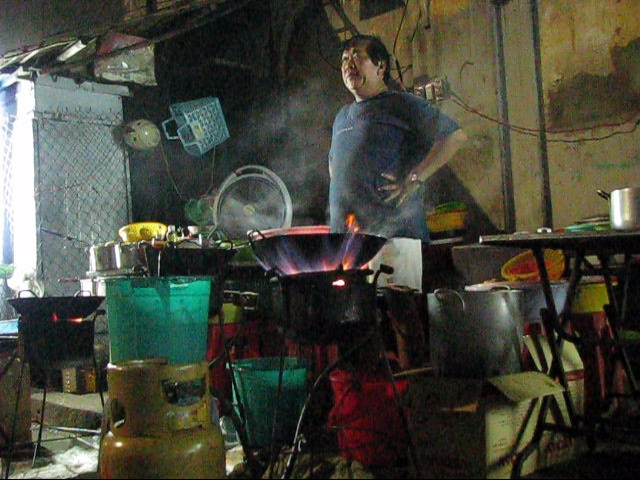
Evening in Hanoi’s Old Quarter is a collision of motorbikes, street food smoke, and locals chatting on plastic stools.
Japan demands punctual trains and quiet respect in public; Vietnam tests patience with chaotic streets and flexible schedules.
Japan highlights
- Tsukiji Outer Market(Tokyo): Fresh seafood stalls and sushi counters bustling early morning.
- Fushimi Inari Shrine(Kyoto): Thousands of vermilion torii gates winding up the mountain.
- Shibuya Crossing(Tokyo): World’s busiest intersection with synchronized pedestrian waves.
- Hiroshima Peace Memorial Park(Hiroshima): Reflective site with museum and iconic Atomic Bomb Dome.
Vietnam highlights
- Ha Long Bay(Quang Ninh Province): Limestone karsts and emerald waters, best on an overnight boat.
- Old Quarter Street Food Tour(Hanoi): Sample pho, bun cha, and egg coffee from street vendors.
- Cu Chi Tunnels(Near Ho Chi Minh City): Explore underground tunnels used in Vietnam War.
- Hoi An Ancient Town(Quang Nam Province): Lantern-lit streets with tailor shops and riverside cafes.
Ideal duration: Japan: 10–14 days — covers Tokyo, Kyoto, Hiroshima, and day trips · Vietnam: 7–10 days — enough to explore Hanoi, Hoi An, Ho Chi Minh City
What to do in Japan & Vietnam
Japan
- Take Shinkansen between Tokyo and Kyoto for speed and comfort
- Visit Tsukiji Outer Market before 10 a.m. for freshest sushi
- Explore Fushimi Inari Shrine early to avoid crowds
Vietnam
- Join a street food tour in Hanoi’s Old Quarter at dusk
- Book an overnight cruise on Ha Long Bay for full experience
- Rent a motorbike to explore Hoi An countryside
What to skip in Japan & Vietnam
Japan
- Skip long waits at Tokyo Tower; opt for Mori Building instead
- Avoid touristy ramen chains near Shinjuku Station
- Don’t rely on cash only; many places accept cards
Vietnam
- Avoid overpriced souvenir shops in touristy districts
- Don’t expect strict schedules; stay flexible with transport
- Skip Saigon’s Ben Thanh Market for shopping; it’s tourist-heavy
Choose based on
- If you want precision and safety, choose Japan — score 95 safety
- If you prioritize budget and adventure, choose Vietnam — score 90 budgetFriendly
- If you expect high-quality hotels, choose Japan — score 90 hotelQuality
- If you want more nature access, choose Vietnam — score 85 nature
Japan demands strict schedules and higher costs; Vietnam trades order for spontaneity and value.
Real safety picture

Japan is significantly safer with a Pack Lightly safety score of 95 compared to Vietnam’s 70. Pickpocketing and road safety incidents are rare in Japan but more common in Vietnam, especially in Ho Chi Minh City and Hanoi. Health risks like dengue fever and traffic accidents are real concerns in Vietnam. Japan’s strict regulations and infrastructure keep risks low.
See detailed safety factors table
Safety factors compared
| Factor | Japan | Vietnam | Practical tip |
|---|---|---|---|
| Pickpocketing | Rare, mostly limited to crowded Tokyo subway stations like Shinjuku. | Common in tourist-heavy areas like Ben Thanh Market, Ho Chi Minh City. | Use the Grab app in Vietnam to avoid street scams; keep wallets in front pockets. |
| Tourist scams | Few scams; avoid overpriced taxi rides by using JapanTaxi app. | Frequent scams around Old Quarter, Hanoi, including fake taxis and overpriced tours. | Book tours through official websites or trusted agencies like Klook in Vietnam. |
| Solo female traveler safety | Very safe; public transit and streets well-lit and monitored. | Generally safe but avoid walking alone late in districts like District 1, Ho Chi Minh City. | Use ride-hailing apps like Grab at night in Vietnam; trust your instincts. |
| Health risks | Low; clean water and excellent healthcare. | Moderate; dengue fever risk and street food hygiene vary widely. | Use mosquito repellent and drink bottled water in Vietnam. |
| Road safety | Excellent; strict traffic laws and pedestrian infrastructure. | Poor; chaotic traffic in Hanoi and Ho Chi Minh City with frequent accidents. | Cross streets slowly and watch motorbikes carefully in Vietnam. |
| Natural disasters | Occasional earthquakes, typhoons mostly in southern regions. | Typhoons common during June-November; flooding in low-lying areas. | Check weather.gov.jp for Japan and vietnamweather.gov.vn for Vietnam before travel. |
Scam spotlight: Old Quarter, Hanoi
How it works: Fake taxi drivers offer low fares then demand much higher payment after the ride.
How to avoid: Always book rides via Grab app or insist on meter use before boarding.
Watch out: Taking unlicensed motorbike taxis in Ho Chi Minh City can lead to $200+ fines or injury.
Insider tip: Japan’s convenience stores double as safe cash points and reliable emergency supply spots.
Visa & entry requirements
Japan requires no visa for US citizens for stays up to 90 days and is free but recommends online registration via Visit Japan Web. Vietnam requires a $25 e-Visa applied strictly in advance at evisa.xuatnhapcanh.gov.vn. Neither country offers visa on arrival for US citizens, so plan ahead.
Full visa & entry requirements table
Visa comparison
| Factor | Japan | Vietnam | Practical note |
|---|---|---|---|
| Visa requirement | No visa required for stays up to 90 days. | Visa required; e-Visa only. | Japan is visa-free but requires Visit Japan Web registration; Vietnam mandates e-Visa. |
| Visa type & cost | Visa-free; free of charge. | e-Visa; $25 single entry fee. | Vietnam’s e-Visa is affordable but non-refundable if plans change. |
| Application process | Recommended online registration via Visit Japan Web (vjw-lp.digital.go.jp). | Apply exclusively online at evisa.xuatnhapcanh.gov.vn. | Start Vietnam visa process at least 1 week before travel to avoid delays. |
| On-arrival option | No on-arrival visa for US citizens. | No on-arrival visa; must have e-Visa pre-approved. | Avoid airport visa counters in Vietnam; they do not accept US citizens without e-Visa. |
| Max stay & extension | 90 days; extensions possible via immigration offices in Japan. | 90 days; no extension allowed on e-Visa. | Plan Vietnam trips within 90 days; extensions require leaving and re-entering. |
Visa rules change frequently; always check official government sites before travel. Secondary registration systems like Japan’s Visit Japan Web may update independently. for unexpected delays or medical issues.
How you’ll move

Japan is easier to navigate thanks to its extensive high-speed rail network and integrated urban transit. Pack Lightly touristInfrastructure: Japan 95, Vietnam 70. Vietnam relies heavily on buses and scooters, while Japan’s Shinkansen and domestic flights cover long distances efficiently.
Compare every transport option side-by-side
Comparing transport modes in Japan and Vietnam
| Mode | Japan | Vietnam | Practical note |
|---|---|---|---|
| Domestic flights | ANA and JAL offer Tokyo-Osaka for about $120, 1h 15m flight. | VietJet and Vietnam Airlines fly Hanoi-Ho Chi Minh City for $50, 2h flight. | Book Japan flights 1 month ahead on Skyscanner for best fares; use Vietnam Airlines app for promotions. |
| Buses | JR highway buses cover Tokyo to Kyoto for $35, 8h trip. | Sinh Tourist buses run Hanoi to Hue for $12, 10h trip. | Use Willer Express app in Japan for bus seat reservations; book Sinh Tourist tickets online 2 days before. |
| Trains | Shinkansen from Tokyo to Kyoto costs $130, 2h 30m. | Reunification Express Hanoi to Da Nang costs $25, 14h overnight. | Buy Japan Rail Pass in advance for savings; use Baolau app in Vietnam for train schedules and bookings. |
| Taxi/ride-hailing | Japan uses JapanTaxi app; average ride $10 for 3 miles in Tokyo. | Grab is dominant; $3 for 3 miles in Hanoi. | Use JapanTaxi app for fixed fare estimates; in Vietnam, always check Grab fare before confirming. |
| Ferries | JR Ferry connects Honshu to Shikoku for $25, 2h trip. | Phu Quoc ferry from Rach Gia costs $7, 2h trip. | Book JR Ferry tickets on JR West site; buy ferry tickets in Vietnam at port or via Baolau. |
| Scooter rental | Limited scooter rental in rural Japan; about $30/day at local shops. | Widely available in cities for $8/day; use Grab Rentals app. | Japan requires international driving permit; in Vietnam, use Grab Rentals for easy scooter pickup and drop-off. |
| Bicycle rental | Available in Kyoto and Tokyo parks; around $10/day. | Common in Hanoi Old Quarter; $5/day from local shops. | In Japan, rent via community bike apps like Docomo Bike Share; in Vietnam, negotiate price directly or use Grab Rentals. |
Japan wins for ease and speed with its 95 touristInfrastructure score versus Vietnam’s 70. The Shinkansen and JapanRailPass make cross-country travel predictable and fast, unlike Vietnam’s slower trains and buses. Grab app in Vietnam helps in cities but can’t compete with JapanTaxi’s integration. For efficient travel, Japan dominates Book transport.
App tip: Baolau app works for booking trains, buses, and ferries in both countries with clear pricing and schedules.
Sample routes:
Japan: Tokyo → Kyoto, Shinkansen, $130, 2h 30m
Vietnam: Hanoi → Ho Chi Minh City, VietJet flight, $50, 2h
How far English gets you
Vietnam beats Japan on English skills. In Vietnam’s big cities like Hanoi and Ho Chi Minh City, English is common in hotels, restaurants, and with younger locals. Japan’s English is spotty outside Tokyo and Osaka, with many signs only in Japanese. Expect communication gaps in rural Japan and smaller towns in Vietnam. Use Google Translate to bridge the gap fast and avoid frustration.
App tip: Google Translate app on iOS and Android; offline mode works well for both countries.
Wifi, data, payments
Japan has reliable public wifi in major cities but often requires registration or Japanese phone numbers. Mobile data is fast and stable, but SIM cards can be pricey and tricky to get. Vietnam offers good mobile coverage and cheap SIM cards with unlimited data options. Card payments are common in Japan’s urban spots but cash still rules in rural areas and many restaurants. In Vietnam, cash dominates outside major cities; apps like MoMo and ZaloPay are popular in cities.
eSIM picks:
Japan: Japan: Airalo eSIM, $11 for 3GB, 8-day plan eSIM Japan
Vietnam: Vietnam: Holafly eSIM, $15 for 5GB, 15-day plan eSIM Vietnam
Japan: Cash dominates outside Tokyo and Osaka. Vietnam: Cash rules outside big cities; mobile wallets common in urban centers.
When to go

Japan’s best months are April, May, October, and November for mild temps and manageable rain. Vietnam shines in December, January, and February with cooler, drier weather. Vietnam’s shoulder seasons in March and November are more forgiving than Japan’s rainy summers.
Full season-by-season climate breakdown
Seasonal climate comparison
| Season | Japan | Vietnam | Best Pick | Notes |
|---|---|---|---|---|
| Winter (Dec–Feb) | Temps average 44°F to 44.5°F with very low rain (6–85 mm). | Temps average 64°F to 69°F with low rain (13–104 mm). | Vietnam | Vietnam’s warm, dry winter beats Japan’s cold and dry. |
| Spring (Mar–May) | Temps rise from 46°F to 66°F with moderate rain (117–247 mm). | Temps rise from 71°F to 81°F with variable rain (37–305 mm). | Japan | Japan’s spring is cooler and less rainy than Vietnam’s heavy May rains. |
| Summer (Jun–Aug) | Temps peak 73°F to 84°F with heavy rain in June and August (118–289 mm). | Temps steady 84°F to 84°F with very heavy rain (331–558 mm). | Japan | Japan’s summer rain is heavy but shorter; Vietnam’s monsoon is relentless. |
| Fall (Sep–Nov) | Temps cool from 79°F to 44°F with moderate rain (145–139 mm). | Temps cool from 81°F to 74°F with mixed rain (80–633 mm). | Japan | Japan’s fall is cooler with less rain than Vietnam’s wet September. |
Climate tip: Late October in Japan offers crisp weather and fewer crowds before winter.

The call
Japan wins for safety, infrastructure, and refined urban culture. Vietnam dominates on budget and nature access. Choose Japan for precision, food quality, and ease. Pick Vietnam for adventure, affordability, and warmer winters.
Category winners
| Topic | Winner | Reason |
|---|---|---|
| Budget | Vietnam | ~$40/day cheaper mid-range travel |
| Nature | Vietnam | More diverse landscapes and outdoor activities |
| Culture | Japan | Deep, well-preserved traditions and museums |
| Cities | Japan | Modern, efficient, and clean urban centers |
| Food & drinks | Japan | High-quality, diverse culinary experiences |
| Accommodation | Japan | Higher quality hotels and guest services |
| Transport | Japan | Reliable, fast, and extensive rail network |
| Safety | Japan | Extremely low crime and high traveler safety |
| Crowds | Vietnam | Less tourist saturation outside major cities |
| Digital infrastructure | Japan | Better connectivity and English support |
Japan delivers polished travel; Vietnam offers unbeatable value and warmth.
Japan suits travelers who want urban refinement and safety. Vietnam fits those chasing budget adventure and nature.
Book your trip
Using these links supports Pack Lightly at no extra cost to you.
Your questions, answered
01Which country is cheaper in 2026?
Vietnam is the clear winner for budget travelers. Daily costs average $40 less than Japan, with mid-range expenses around $60/day versus Japan’s $100/day. Backpackers can stretch $20/day in Vietnam compared to $45/day in Japan.
02What are the visa requirements for US citizens traveling to Japan and Vietnam?
US citizens don’t need a visa for Japan for stays up to 90 days, no cost. Vietnam requires a $25 e-Visa applied online before arrival, valid for 90 days single entry.
03Which country is safer for solo travelers?
Japan tops safety with a score of 95 versus Vietnam’s 70. Street crime is rare in Japan, and public transport is reliable and secure. Vietnam is safe but expect more petty scams and crowded conditions.
04Which country has better street food and local cuisine?
Japan scores 95 for food and drinks, edging out Vietnam’s 90. Japan delivers precision, quality, and iconic dishes like sushi and ramen. Vietnam offers bold, fresh flavors and unbeatable street food variety at lower prices.
05Which country offers richer cultural experiences and historical sites?
Japan leads with a culture score of 95 against Vietnam’s 85. Expect polished temples, museums, and traditional arts in Japan. Vietnam’s culture is vibrant and diverse but less curated for tourists.
06Can you realistically combine both countries in one trip?
Yes, but plan at least two weeks. Flights between Hanoi and Tokyo take about 5 hours. Combining lets you contrast Japan’s urban precision with Vietnam’s raw energy but adds complexity and visa prep.
07Which country is better for nature, hiking, and adventure?
Vietnam wins for active vacation with a score of 80 over Japan’s 70. Vietnam’s landscapes range from Ha Long Bay to Sapa’s mountains. Japan offers nature but leans more toward urban and cultural trips.
08What is the best time to visit Japan and Vietnam?
Visit Japan in April or October for mild weather and cherry blossoms or fall colors. Vietnam’s best months are February to April, avoiding the monsoon season and extreme heat.
Insider tip: Visit Vietnam’s northern mountains in March for cool weather and fewer tourists than Japan’s crowded spring.


