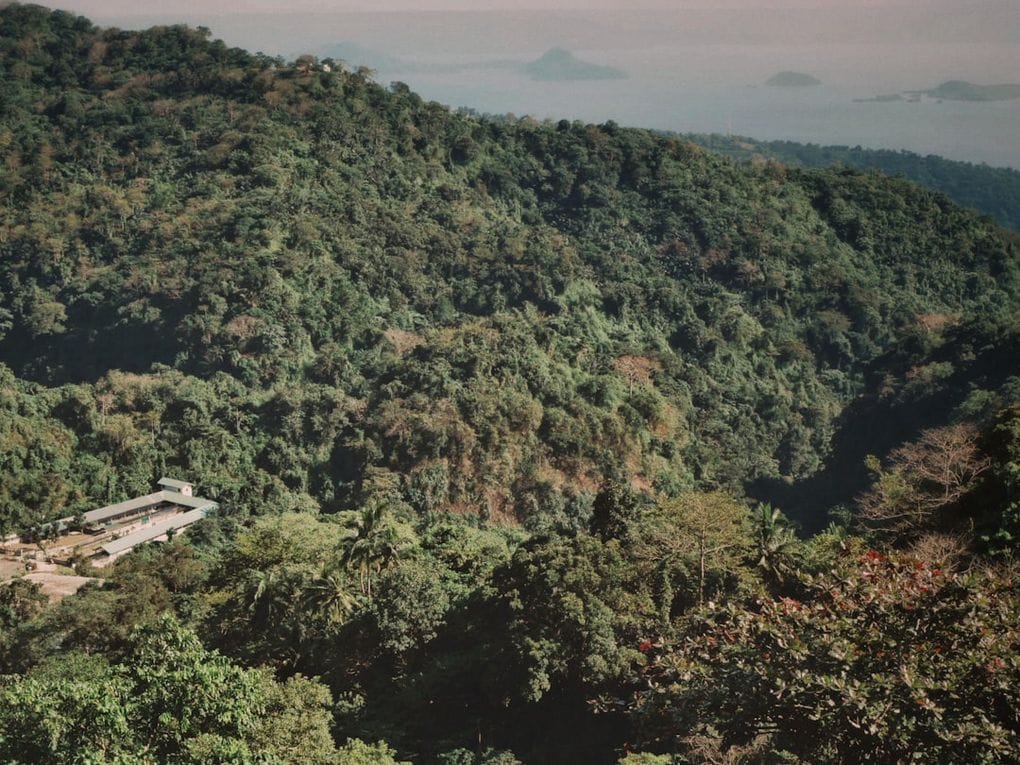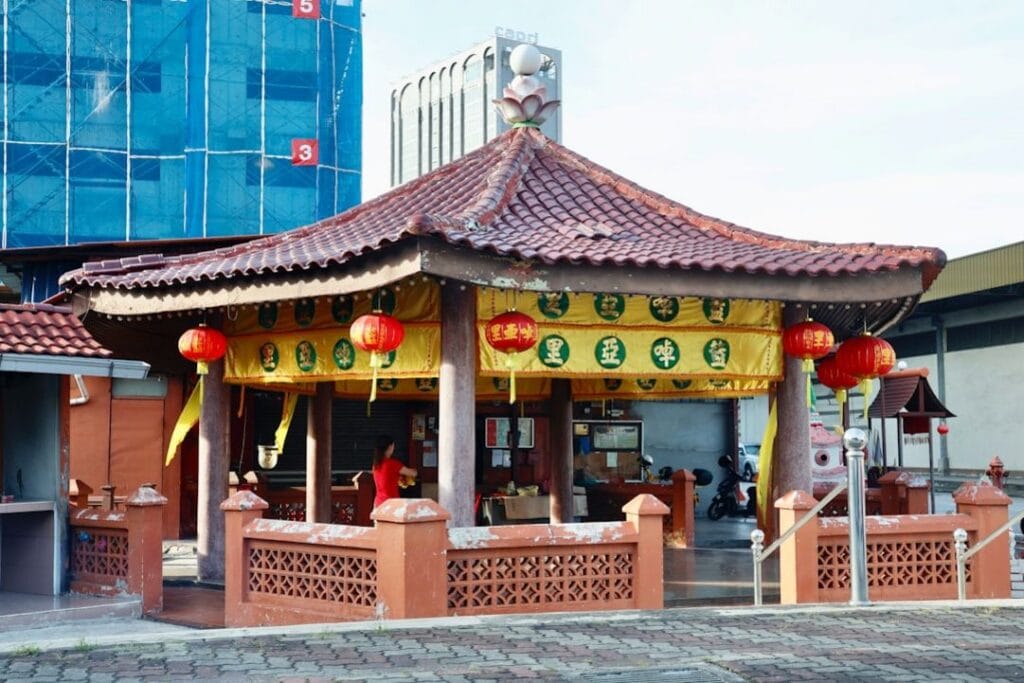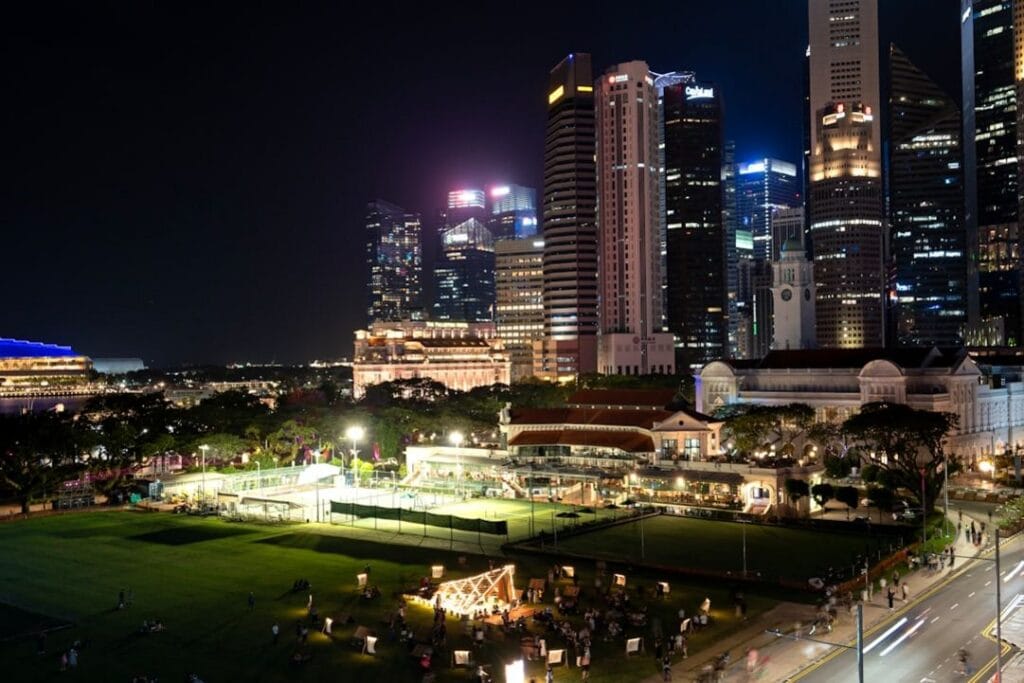


Choose Japan for craft and nature or South Korea for food and urban energy.
Japan and South Korea stand as Asia’s top picks for travelers craving culture mixed with city life. Japan’s Tokyo averages 77°F / 25°C in August, with a tourist infrastructure score of 95/100, making it ideal for those who want smooth logistics and deep historical experiences. South Korea’s Seoul hits 81°F / 27°C in August, with a slightly lower infrastructure score of 90/100 but offers a livelier urban vibe and a budget-friendlier daily spend. US citizens need no visa for either country for stays up to 90 days, making entry straightforward for both. The choice boils down to what matters more: Japan’s refined tradition or South Korea’s dynamic nightlife and street food.

Japan demands more planning with higher costs, expect $150 to $300 daily, while South Korea stretches your dollar better, with $100 to $200 daily budgets common in Seoul. Japan’s safety score is 95/100, reflecting low crime and reliable public transport, while South Korea’s safety score is 90/100, with a slightly higher risk in crowded nightlife districts. Japan’s best travel window is March to May for cherry blossoms, while South Korea shines in October with fall foliage and cooler temps around 57°F / 14°C. Both countries offer strong digital connectivity, but Japan’s language barrier is tougher, with fewer English speakers outside major cities. Your trip style will decide the winner here.
Insider tip: In Seoul, a full Korean BBQ dinner with drinks can cost $25 at Mapo district, far cheaper than Tokyo’s $70 average.
South Korea’s budget friendliness score is 55/100, 10 points higher than Japan’s 45/100, meaning daily expenses run noticeably lower.
Japan vs South Korea: Key Travel Differences
| Topic | Japan | South Korea |
|---|---|---|
| Budget level | $150 – $300/day in Tokyo and Kyoto | $100 – $200/day in Seoul and Busan |
| Food & cuisine | Sushi at Tsukiji Market $30 – $50 per meal | Korean BBQ in Mapo for $20 – $30 |
| Accommodation quality | Business hotels from $120/night in Tokyo | Guesthouses $50/night in Seoul’s Hongdae |
| Transport & infrastructure | Shinkansen bullet trains at $120+ per trip | Seoul subway $1.20 per ride, extensive coverage |
| Safety | Pack Lightly safety score 95/100, low crime | Pack Lightly safety score 90/100, nightlife risks |
| Visa requirements | No visa needed for US citizens up to 90 days | No visa needed for US citizens up to 90 days |
| Language barrier | Limited English outside Tokyo, Kyoto | More English signage, especially in Seoul |
| Nightlife | Quiet after 11 PM, bars close early | Clubs open till 5 AM in Itaewon |
| Cultural depth | Temples, shrines, tea ceremonies in Kyoto | Palaces and modern art galleries in Seoul |
| Best time to visit | March – May for cherry blossoms, 50 – 70°F / 10 – 21°C | September – November for fall, 55 – 70°F / 13 – 21°C |

Best for Japan
- Couples with $250/day for 2-week city and nature trip
- Travelers who want traditional crafts and temples
- Visitors planning March – May for cherry blossoms
Best for South Korea
- Food lovers with $120/day for street food and BBQ
- Nightlife seekers wanting clubs open past midnight
- Solo travelers wanting easy subway access and English signs
Key Takeaways for Choosing Japan or South Korea
- If you want the highest safety score (95/100), choose Japan for low crime and reliable transport.
- If you need a lower daily budget, choose South Korea with a budget friendliness score of 55/100.
- If you prioritize cultural depth with temples and traditional crafts, choose Japan’s 95/100 culture score.
- If you want vibrant nightlife and late-night food, choose South Korea’s more open club scene.
- If you dislike language barriers, choose South Korea with more English signage and easier communication.
- If you travel in spring for cherry blossoms, choose Japan; for fall foliage and cooler temps, choose South Korea.
Pack Lightly Scores
11 categories scored from 0 (low) to 100 (high)
Still torn between Japan and South Korea?
Use the interactive tool to compare 11 categories weighted by your travel style. It breaks down costs, culture, safety, and more to show your best match clearly.
Watch: Japan vs South Korea in motion

What you’ll actually spend

South Korea is cheaper for mid-range travelers by about $28 per day. Japan uses JPY with an exchange rate of 0.006294 USD, while South Korea uses KRW at 0.00067913 USD. Pack Lightly budgetFriendly scores show South Korea at 55 and Japan at 45, reflecting Korea’s relative affordability.
Daily cost comparison: Japan vs South Korea
| Category | Japan (JPY / USD) | South Korea (KRW / USD) |
|---|---|---|
| Backpacker daily budget | 1,500 – 3,000 JPY / $9.44 – 18.88 | 15,000 – 25,000 KRW / $10.19 – 16.98 |
| Mid-range daily budget | 10,000 – 15,000 JPY / $62.94 – 94.41 | 25,000 – 50,000 KRW / $16.98 – 33.96 |
| Luxury daily budget | 30,000 – 50,000 JPY / $188.82 – 314.70 | 70,000 – 120,000 KRW / $47.54 – 81.50 |
| Street food meal | 300 – 600 JPY / $1.89 – 3.77 | 3,000 – 5,000 KRW / $2.04 – 3.40 |
| Restaurant meal | 1,000 – 2,500 JPY / $6.29 – 15.73 | 8,000 – 15,000 KRW / $5.43 – 10.19 |
| Local transport (per day) | 800 – 1,500 JPY / $5.04 – 9.44 | 4,000 – 7,000 KRW / $2.72 – 4.75 |
| Activities/tours (average) | 3,000 – 7,000 JPY / $18.88 – 44.06 | 10,000 – 20,000 KRW / $6.79 – 13.58 |
South Korea wins on cost across every budget level. Japan demands a premium for quality and cultural depth, reflected in higher daily budgets. Pack Lightly budgetFriendly: Japan 45, South Korea 55. Go Korea if you want to stretch your dollar further. Hotels JapanHotels South Korea
Pro tip: Use T-money card in Seoul for unlimited daily subway rides and save on transport.
Watch out: Japan’s public transport passes often require upfront purchase; skipping them adds surprise costs.
What you’ll eat
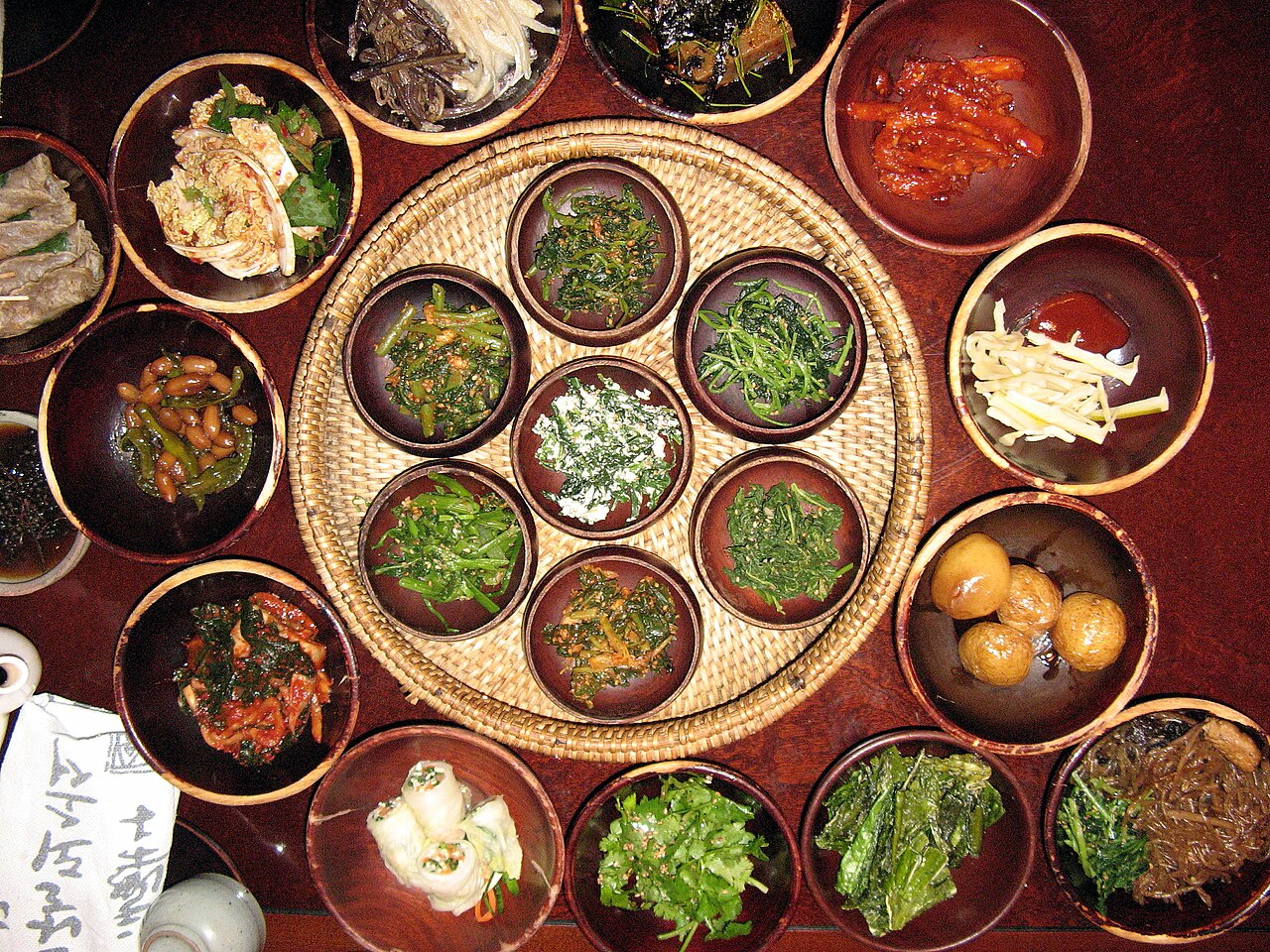
South Korea wins the street food battle. Seoul’s Gwangjang Market offers bindaetteok (mung bean pancakes) for around $3 and tteokbokki (spicy rice cakes) for $2. Japan’s street snacks like takoyaki in Osaka cost about $5 for six but feel less vibrant and fewer options on the street.
Japan leads for dietary access. Tokyo and Kyoto have more vegetarian and gluten-free options, though halal is limited. South Korea struggles with vegetarian meals but has growing halal spots in Seoul’s Itaewon.
Drink culture favors Japan for variety and tradition. Sapporo and Asahi beers are everywhere, plus sake bars in Tokyo. South Korea offers soju and makgeolli, with lively nightlife in Seoul, but lacks Japan’s refined drinking rituals.
Food and drink comparison
| Category | Japan | South Korea |
|---|---|---|
| Signature dish | Sushi (Tokyo) – fresh, high-end, $15-$40 per meal | Bibimbap (Seoul) – hearty mixed rice, $7-$12 per bowl |
| Street food quality | Takoyaki and yakitori stalls, $4-$6, less variety | Bindaetteok, tteokbokki, hotteok, $2-$5, more vibrant |
| Vegetarian-friendly | Good options in major cities, tofu and vegetable dishes | Limited vegetarian, mostly side dishes; growing vegan cafes |
| Restaurant variety | Wide range from ramen to kaiseki, high culinary craft | Strong BBQ and noodle spots, fewer upscale vegetarian |
| Drink culture | Sake, Japanese whisky, local beers, refined etiquette | Soju, makgeolli, casual drinking, strong nightlife scene |
Bindaetteok (mung bean pancake)
Affordable, iconic Korean street food in a bustling market
Insider tip: Try Kyoto’s shojin ryori (temple vegetarian cuisine) for unique meat-free meals.
Where to sleep

Japan offers higher hotel quality with a score of 90 versus South Korea’s 85. Tokyo neighborhoods like Shinjuku and Ginza deliver polished mid-range to luxury hotels. Kyoto’s Gion has traditional ryokans worth booking. Hotels Japan Seoul’s Gangnam and Myeongdong provide solid hotel options but tend to be pricier for the quality. Hotels South Korea
Both countries have weak spots. Japan’s budget hostels outside major cities can be inconsistent. South Korea’s cheaper guesthouses in less central areas sometimes lack English support. Booking platforms like Agoda and Booking.com are reliable for both, but avoid last-minute deals in Korea’s less touristy neighborhoods.
See full lodging breakdown by budget
Sleep options by type
| Type | Japan | South Korea |
|---|---|---|
| Budget hostels | Capsule hotels in Tokyo, $30-$50/night, clean and efficient | Guesthouses in Hongdae, $25-$45/night, lively but variable quality |
| Mid-range hotels | Business hotels in Shinjuku, $100-$150/night, reliable comfort | Boutique hotels in Myeongdong, $90-$140/night, modern style |
| Boutique stays | Ryokans in Kyoto, $150-$250/night, traditional experience | Design hotels in Itaewon, $130-$200/night, trendy vibe |
| Luxury resorts | Tokyo luxury chains in Ginza, $300+ per night, top service | High-end hotels in Gangnam, $250+ per night, sleek and modern |
| Alternatives | Airbnb apartments in Osaka, $80-$130/night, local feel | Serviced apartments in Seoul, $100-$150/night, convenient |

Booking tip: Book hotels 2-3 months ahead for best rates, especially in Tokyo and Seoul.
What it actually feels like

Morning in Tokyo’s Shibuya district hits hard with neon signs flickering, crowds surging, and the smell of fresh coffee mixing with street food. The city hums with precision and order despite the chaos.
Seoul’s Hongdae at night is a raw, electric mix of street performers, craft beer bars, and the chatter of young locals. It’s fast, loud, and unapologetically modern with a constant flow of energy.
Japan demands patience navigating its complex train systems and rigid etiquette rules. South Korea throws you into a whirlwind of English signage gaps and noisy nightlife, which can overwhelm but never dulls the experience.
Japan highlights
- Shinjuku Gyoen National Garden(Tokyo): Peaceful green space contrasting Tokyo’s urban sprawl, perfect for a morning stroll.
- Fushimi Inari Shrine(Kyoto): Thousands of vermilion torii gates winding up the mountain trail.
- Tsukiji Outer Market(Tokyo): Fresh sushi vendors and lively stalls bustling early morning.
- Hokkaido’s Furano Flower Fields(Hokkaido): Expansive lavender and flower fields best visited in July.
South Korea highlights
- Gyeongbokgung Palace(Seoul): Historic royal palace with changing of the guard ceremony.
- N Seoul Tower(Seoul): Panoramic city views from a hilltop observation deck.
- Myeongdong Shopping Street(Seoul): Bustling shopping district packed with street food and cosmetics shops.
- Jeju Island’s Manjanggul Lava Tube(Jeju Island): One of the longest lava tubes in the world, cool underground hike.
Ideal duration: Japan: 10 – 14 days, enough for cities, culture, and nature. · South Korea: 7 – 10 days, focused urban and island highlights.
What to do in Japan & South Korea
Japan
- Explore Tsukiji Outer Market for sushi breakfasts.
- Hike the torii path at Fushimi Inari Shrine.
- Visit Shinjuku Gyoen at sunrise for calm.
- Take a day trip to Hokkaido’s flower fields.
South Korea
- Attend the changing of the guard at Gyeongbokgung Palace, then browse the Seoul nightlife scene.
- Try street food at Myeongdong after dark.
- Visit N Seoul Tower at sunset for city views.
- Explore Jeju Island’s lava tubes and coastal trails.
What to skip in Japan & South Korea
Japan
- Skip overly touristy Kyoto streets like Pontocho at night.
- Avoid peak hours on Tokyo subway lines.
- Don’t waste time on overpriced souvenirs in Asakusa.
South Korea
- Skip Itaewon at night if you want quiet.
- Avoid overly commercialized shopping malls like COEX.
- Don’t rely solely on English in local markets.
Choose based on
- If you want flawless transport and order, choose Japan, touristInfrastructure 95.
- If food and nightlife drive your trip, choose South Korea, foodAndDrinks 90.
- If budget matters, South Korea is more wallet-friendly, budgetFriendly 55 vs 45.
- If you crave nature and traditional culture, pick Japan, culture 95, nature 75.
Japan demands patience for its rules and transport but rewards with unmatched cultural depth; South Korea trades some polish for vibrant energy and food.
Real safety picture
Japan scores a 95 on Pack Lightly’s safety scale, edging out South Korea’s 90. Both countries are very safe by international standards, but Japan’s lower petty crime and fewer tourist scams give it the clear advantage. Expect smooth urban and rural travel in Japan, while South Korea demands more vigilance around nightlife districts and busy markets.
Insurance: Buy cover before you go and it runs the whole trip, with 5% off Heymondo through this link. Check Heymondo travel insurance
See detailed safety factors table
Safety factors compared
| Factor | Japan | South Korea | Practical tip |
|---|---|---|---|
| Pickpocketing | Rare, but watch crowded Tokyo stations like Shinjuku during rush hour. | More common in Seoul’s Myeongdong and Hongdae areas, especially at night. | Use the Japan Transit Planner app to avoid peak crowd times in Tokyo stations. |
| Tourist scams | Minimal; avoid overpriced taxi rides in Narita Airport area. | Fake taxi meters in Itaewon and Hongdae can overcharge tourists. | Always insist on meter use or book taxis via Kakao Taxi app in Seoul. |
| Solo female traveler safety | Very safe; women report few issues even at night in major cities. | Generally safe but avoid late-night alleys in Itaewon and Gangnam after heavy drinking. | Use local rideshare apps and avoid walking alone late in Seoul nightlife zones. |
| Health risks | Low; tap water is safe everywhere, no major outbreaks reported. | Low; tap water is safe but avoid street food stalls with poor hygiene in Busan. | Download the Japan Ministry of Health app for real-time health alerts. |
| Road safety | Excellent; strict traffic laws and pedestrian-friendly crossings in Tokyo and Kyoto. | Moderate; aggressive driving common in Seoul, watch for scooters on sidewalks. | Use Google Maps driving mode and avoid rush hour in Seoul’s Gangnam district. |
| Natural disasters | Earthquakes frequent; tsunami risk on Pacific coast. Emergency drills common. | Typhoons hit in late summer; less earthquake risk than Japan. | Register with your embassy and monitor JMA (Japan Meteorological Agency) alerts. |
Scam spotlight: Seoul’s Itaewon district
How it works: Fake taxi drivers refuse meters and charge inflated flat rates to tourists.
How to avoid: Use the official Kakao Taxi app or insist on the meter before starting the ride.
Watch out: Taking unlicensed taxis in Seoul can cost $50+ for short rides and no refund.
Insider tip: In Japan, avoid convenience store ATMs at night; use 7-Eleven ATMs for safer cash access.
Visa & entry requirements
US citizens do not need a visa for either Japan or South Korea for stays up to 90 days, both free of charge. Japan recommends using the Visit Japan Web system before arrival, while South Korea requires a mandatory digital e-Arrival Card starting in 2026, adding paperwork despite visa-free status.
Full visa & entry requirements table
Visa rules at a glance
| Factor | Japan | South Korea | Practical note |
|---|---|---|---|
| Visa requirement | No | No | Both allow 90-day visa-free stays for US citizens. |
| Visa type & cost | Visa-free, Gratis | Visa-free (K-ETA exempt until Dec 2026), Gratis | No visa fees, but South Korea requires additional digital entry forms. |
| Application process | Visit Japan Web recommended (vjw-lp.digital.go.jp) | Digital e-Arrival Card mandatory from 2026 | Japan’s system is online pre-registration; South Korea adds digital arrival forms. |
| On-arrival option | No visa on arrival; pre-registration preferred | No visa on arrival; digital entry card required | Both require paperwork before arrival, no visa issuance at airport. |
| Max stay & extension | 90 days, no extension without applying at immigration | 90 days, extensions possible through immigration office | Extensions are possible but require local immigration procedures. |
Visa and entry rules change frequently; always check official government sites before travel. South Korea’s digital entry systems may update independently of visa rules. for unexpected travel disruptions.
How you’ll move

South Korea is easier to navigate thanks to its compact size and dense urban transit. Pack Lightly touristInfrastructure: Japan 95, South Korea 90. Japan’s vast geography demands longer train rides and more domestic flights, while South Korea’s rail and bus networks cover most destinations quickly. The biggest difference is Japan’s extensive Shinkansen high-speed rail versus South Korea’s newer but smaller KTX network.
Compare every transport option side-by-side
Comparing transport modes in Japan and South Korea
| Mode | Japan | South Korea | Practical Note |
|---|---|---|---|
| Domestic flights | ANA and JAL operate Tokyo to Sapporo for about $120, 1hr 45min. | Koreanair flies Seoul to Jeju Island for around $60, 1hr. | Use Skyscanner to book early; Korea flights are cheaper and more frequent. |
| Buses | JR Highway buses connect Tokyo to Kyoto for $30, 6hrs. | Express buses run Seoul to Busan for $20, 4hrs. | T-money card works on Korean buses; Japan uses JR Bus app for reservations. |
| Trains | Shinkansen Tokyo to Osaka costs $135, 2hr 30min. | KTX Seoul to Busan costs $55, 2hr 40min. | Book Japan Rail Pass 1 month ahead; Korail app offers English ticketing. |
| Taxi / ride-hailing | Japan taxis start at $4.50, apps like JapanTaxi for booking. | South Korea taxis start at $3.50; KakaoTaxi app is essential. | KakaoTaxi is easier to use than JapanTaxi for foreigners due to English support. |
| Ferries | Ferries connect Hiroshima to Matsuyama for $40, 2hrs. | Ferries run Busan to Jeju for $50, 4hrs. | Book ferries 1 – 2 days ahead on respective operators’ sites for best price. |
| Scooter rental | Limited in Japan; mainly in Okinawa, about $25/day. | Available in Seoul and Jeju via Lime, $15/day with app unlock. | South Korea’s Lime app works in English and requires minimal setup. |
| Bicycle rental | Japan’s Docomo bike share in Tokyo costs $2/hr. | Seoul’s Seoul Bike rents at $1/hr with the Seoul Bike app. | Seoul Bike app supports English and is cheaper for short trips. |
Japan’s transport network is bigger and more efficient for long-distance travel, scoring 95 on Pack Lightly touristInfrastructure versus South Korea’s 90. South Korea wins for urban ease and lower costs using KakaoTaxi and Korail apps. If you want fast intercity travel with extensive coverage, Japan’s Shinkansen dominates. For compact, budget-friendly city moves, South Korea is simpler and cheaper. Book transport
App tip: KakaoTaxi app matters because it offers seamless English ride-hailing across South Korea.
Sample routes:
Japan: Tokyo → Osaka, Shinkansen, $135, 2hr 30min
South Korea: Seoul → Busan, KTX, $55, 2hr 40min
How far English gets you
South Korea edges out Japan for English ease. Seoul and Busan have decent English signage and service, but expect gaps in rural areas. In Japan, English in Tokyo and Kyoto is OK, but outside those cities it drops sharply. Both countries rely on translation apps, with Japan’s train stations and restaurants often lacking English menus. Use Google Translate for quick fixes in both, especially for menus and directions.
App tip: Google Translate app, iOS and Android, works offline and handles handwriting recognition well.
Wifi, data, payments
South Korea offers fast, reliable public wifi everywhere, including subways and cafes. Japan’s wifi is patchier, especially outside major cities, so grab a pocket wifi or local SIM. Both countries accept cards in urban areas, but cash remains king in smaller shops and markets. South Korea favors mobile payments like KakaoPay and Naver Pay, while Japan leans on cash and Suica cards for transit and convenience stores. For data plans, check out eSIM Japan and eSIM South Korea for competitive eSIM options.
eSIM picks:
Japan: South Korea – Airalo eSIM, $20 for 3GB, valid 15 days
South Korea: Japan – Nomad eSIM, $25 for 5GB, valid 30 days
Japan still runs on cash in rural towns and small eateries; South Korea mostly card but carry cash in markets.
When to go

Japan shines in spring and fall with mild temps and manageable rain. South Korea’s shoulder seasons are less rainy but colder in winter. Summer is brutal in both, but Japan’s rains are more spread out. Spring (March to May) favors Japan; late fall suits South Korea better.
Full season-by-season climate breakdown
Seasonal climate comparison
| Season | Japan | South Korea | Best Pick | Notes |
|---|---|---|---|---|
| Winter (Dec – Feb) | Temps average 42 – 44°F / 6 – 7°C with very low rain, especially December and February. | Temps are colder, averaging 28 – 36°F / -2 – 2°C, with very low precipitation in December and February. | Japan | Japan’s winter is milder and drier, better for urban sightseeing. |
| Spring (Mar – May) | Temps rise from 46°F / 8°C to 66°F / 19°C with moderate rain, peaking in May at 9.7 inches / 246 mm. | Temps climb from 40°F / 4°C to 62°F / 17°C with low rain until May, which sees a jump to 5 inches / 127 mm. | Japan | Japan’s cherry blossoms and warmer temps make spring prime travel time. |
| Summer (Jun – Aug) | Hot and humid, 73 – 84°F / 23 – 29°C, with heavy rain in June and August, July less rainy. | Hotter, 77 – 81°F / 25 – 27°C, with a monsoon peak in July (20.6 inches / 523 mm), very wet overall. | Japan | Japan’s rain is heavy but more balanced; South Korea’s monsoon is intense. |
| Fall (Sep – Nov) | Temps cool from 79°F / 26°C to 44°F / 7°C, rain tapers from 5.7 to 0.2 inches / 145 to 5.1 mm. | Temps fall from 74°F / 23°C to 46°F / 8°C, with rain dropping from 8.3 to 1.7 inches / 211 to 43 mm. | depends | Both offer pleasant fall; South Korea’s drier late fall edges it slightly. |
Climate tip: Late November in Japan avoids crowds and rain, offering crisp clear days.

The call
Japan wins overall for culture, nature, and safer, more efficient travel. South Korea beats Japan on budget and nightlife but trails in transport and tourist infrastructure. Choose Japan if you want depth and smooth logistics. Pick South Korea for food, nightlife, and a cheaper daily budget.
Category winners
| Topic | Winner | Reason |
|---|---|---|
| Budget | South Korea | ~$5.51/day cheaper mid-range than Japan |
| Nature | Japan | More diverse landscapes and accessible outdoor options |
| Culture | Japan | Deeper historical sites and traditional experiences |
| Cities | Japan | Larger, more varied urban environments with better infrastructure |
| Food & drinks | tie | Both offer world-class cuisine but differ in style |
| Accommodation | Japan | Higher hotel quality and variety |
| Transport | Japan | More efficient, extensive, and tourist-friendly network |
| Safety | Japan | Higher safety ratings and lower crime |
| Crowds | South Korea | Less tourist congestion outside Seoul |
| Digital infrastructure | Japan | Better connectivity and English-friendly services |
Japan is the smarter pick for most; South Korea wins for budget nightlife lovers.
Japan suits travelers craving cultural depth and smooth logistics. South Korea fits those chasing vibrant food scenes and nightlife on a budget.
Book your trip
Using these links supports Pack Lightly at no extra cost to you.
Your questions, answered
01Which country is cheaper in 2026?
South Korea is cheaper overall. Mid-range daily costs are about $120 in South Korea versus $167 in Japan, a $47 gap. Budget travelers stretch $40/night further in Korea, while luxury travelers pay more for Japan’s higher hotel quality.
02What are the visa requirements for US citizens?
Neither Japan nor South Korea requires a visa for US citizens for stays up to 90 days. Japan recommends using Visit Japan Web but it’s free. South Korea requires a digital e-Arrival Card starting 2026, also free.
03Which country is safer for solo travelers?
Japan is safer for solo travelers, scoring 95 on safety versus South Korea’s 90. Crime rates are lower and public transport is more reliable, especially in Tokyo and Kyoto.
04Which country has better street food and local cuisine?
Japan wins for food and drinks with a 95 score compared to South Korea’s 90. Japan offers refined craft and regional variety, while Korea excels in spicy street food and vibrant night markets.
05Which country offers richer cultural experiences and historical sites?
Japan leads with a 95 culture score over South Korea’s 85. Expect deep traditions, temples, and crafts in Kyoto and Nara. South Korea is more modern but less focused on historical depth.
06Can you combine both countries in one trip realistically?
Yes. Seoul to Tokyo flights take about 2.5 hours. A week split between cities in each country works well if you want contrast: Japan for calm and culture, Korea for nightlife and food.
07Which country is better for nature, hiking, and adventure?
Japan is better for nature with a 75 score versus Korea’s 70. The Japanese Alps, Mount Fuji trails, and national parks offer more variety and scale than Korea’s mountains and coastal hikes.
08What is the best time to visit each country?
Japan is best from late March to early May for cherry blossoms and September to November for fall colors. South Korea shines in April-May and September-October with milder weather and festivals.
Insider tip: Visit South Korea’s night markets after exploring Japan’s temples for a perfect balance of calm and energy.