


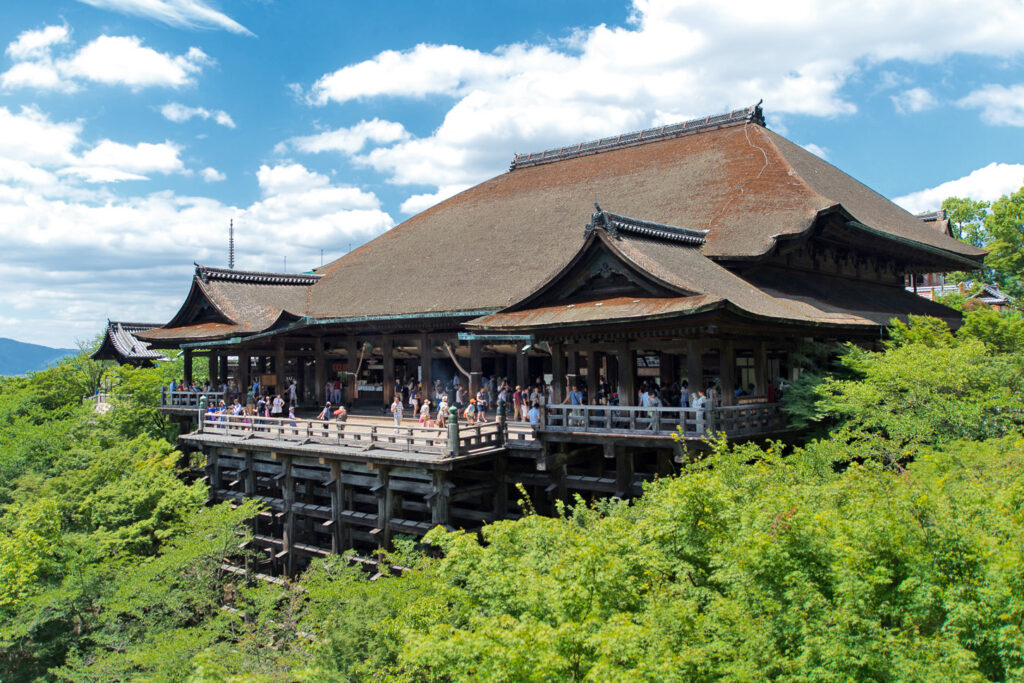
Kyoto’s bars range from quiet, refined counters to lively neighbourhood haunts clustered near the Kamo River.
Kyoto’s bar scene is shaped by its historic districts, where narrow alleys and traditional wooden buildings house small cocktail bars and sake-focused taverns. Unlike Tokyo’s sprawling nightlife, Kyoto’s drinking concentrates into a small central grid: Pontocho, Kiyamachi and the blocks of Nakagyo-ku between them, with Gion just across the river.
Most notable bars sit within walking distance of each other along the Kamo River, which makes two or three in one evening practical. The main constraint is that many have six to nine seats and no walk-ins, so timing and choice matter more than sheer volume. The other constraint is that a few of the biggest names in central Kyoto are nightclubs rather than bars, and the difference is worth knowing before you walk in.
Key takeaways
- Pontocho’s narrow alleyway hosts intimate bars with small counters and serious cocktail work.
- Nakagyo-ku, north and west of the alley, holds the specialist counters: sake, gin, single malt.
- Kiyamachi is the loud strip. Central Kyoto’s largest nightclub sits on it, not a quiet riverside bar.
- Several of the best counters seat under ten people and expect a reservation.
- Mibu, west of the centre, is a residential pocket with a cocktail bar worth the tram ride.
How to Choose the Right Kyoto Bar for Your Evening
Start with the split between counter bars and clubs, because central Kyoto mixes the two on the same streets. Pontocho, the single narrow alley running north from Shijo between Kiyamachi and the Kamo River, is the counter-bar spine. Bars there are small, quiet, and built around one bartender working in front of you. This is the choice if you want technique and conversation, and it is the choice that most rewards booking ahead.
Nakagyo-ku, the ward covering the blocks north and west of the alley, is where Kyoto keeps its specialists. A sake counter on Nijo-dori, cocktail bars on quiet side streets, rooms with nine seats and one thing they do properly. These are worth the extra five minutes of walking and they are considerably less crowded than anything fronting the river.
Kiyamachi, the street running parallel to Pontocho along the canal, is the loud counterweight. It carries the bulk of Kyoto’s late nightlife including its largest club. That is a legitimate night out, but it is a different night out: standing, loud, and priced with a door charge rather than a seating charge. Do not wander onto Kiyamachi at 11 PM expecting a quiet drink by the water.
Gion, across the river, is the most photographed district and the least useful for drinking. Its atmosphere is real, but the traditional teahouses are not open to walk-in visitors, and the bars aimed at tourists there charge for the address rather than the drink. Skip the large hotel bars too unless you specifically want an international list and a table. Kyoto’s bar scene rewards planning around seating limits, not volume.
On the map
Where to go
This list ranks notable bars in Kyoto by their style and setting, focusing on spots that offer distinct local drinking experiences. Each entry highlights what sets the bar apart and who should prioritize it during a visit.
Bar K6 for Whisky and Cocktails off Pontocho
Bar K6 occupies a wooden machiya townhouse just off the Pontocho alley, and it is the most serious drinks list in central Kyoto. The back bar runs to roughly 1,200 bottles, of which around 600 are single malts, which puts it in the same conversation as the specialist whisky bars of Osaka and Tokyo rather than in the tourist tier of Kyoto’s nightlife. It carries a World’s 50 Best Discovery listing. The cocktails are classical and precisely made, but the whisky is the reason to come.
The machiya setting does a lot of work here: dark wood, low light, and a room that absorbs sound rather than amplifying it. That suits pairs and solo drinkers and works badly for a group of six. Prices sit at the top of the Kyoto range and a seating charge is normal. Go early in the evening if you want the bartender’s attention on choosing a dram rather than on a full room.
With 600 single malts on the shelf, do not try to read the list. Name a region and a price ceiling and let the bartender narrow it down.
Best for: Single malt drinkers, cocktail purists
L’Escamoteur for Magic and Mixology
L’Escamoteur is run by French bartender and magician Christophe Rossi, and it seats eight. The name means the conjuror, and the theme runs through the room: apothecary bottles, curiosities, close-up card work between drinks. That could easily be a gimmick, but the cocktails hold up on their own, which is why the bar has been covered by the Japan Times and appears in 50 Best coverage of the city.
It sits about five minutes from Kyoto-Kawaramachi Station, in the same central pocket near Sanjo as most of this list. Eight seats and a growing reputation means it fills early and often turns people away, so this is a first-drink-of-the-evening bar rather than a fallback. Anyone who wants to sit quietly and talk to their own party should go elsewhere, because the performance is part of the room.
Eight seats go fast. Arrive when the bar opens rather than after dinner, and be ready to come back later if the door is already full.
Best for: Theatrical cocktail experiences
Sake Bar Yoramu for Serious Sake in Nakagyo-ku
Sake Bar Yoramu is on Nijo-dori, east of Karasuma in Nakagyo-ku, and it has been run since 2000 by Yoram Ofer, an Israeli sake specialist who became one of the most respected non-Japanese authorities on the drink. The room is a plain, modern nine-seat counter with no traditional styling at all. That is the point. Nothing about the setting competes with what is in the glass.
The specialism is aged and unusual sake, the kind most bars in Japan do not stock and many drinkers have never encountered: koshu with years on it, undiluted brews, bottles that taste closer to sherry than to the chilled junmai served with dinner. Ordering a flight and letting the owner build it is the correct move. The one hard constraint is the schedule: it opens Thursday to Saturday only, which catches out visitors who assume they can drop in mid-week. Nine seats, so arriving early matters.
Check the day before you plan your evening around it. Thursday to Saturday only, and nine seats, is a narrow window in a city this busy.
Best for: Sake-focused drinkers, Thursday to Saturday
World Kyoto for a Full-Scale Nightclub
World Kyoto is one of the largest nightclubs in the city, not a bar. It is a multi-floor venue in Shijo-Kiyamachi with a capacity north of a thousand, running electronic music across several rooms, and its booking history includes names on the scale of Skrillex and Fatboy Slim. Treat it as a club night with a door charge, not as a place to end an evening with a quiet drink.
It is the right choice if you want a proper night out with a sound system and a crowd, and Kyoto has few genuine alternatives at that size. It is the wrong choice for anyone chasing riverside atmosphere, conversation or cocktail work. Doors are late, the peak is well after midnight, and the last trains will be gone long before you leave. Anyone who wants a relaxed late drink near the water should stay in Pontocho or walk north into Nakagyo-ku instead.
Check who is playing before committing. The door charge swings a long way between a local DJ night and an international booking, and so does the crowd size.
Best for: Club nights, electronic music
Bar Nayuta for a Cocktail Counter in Mibu
Kyoto’s Bar Nayuta is at 22-2 Mibu-Aiaicho in Nakagyo Ward, in the Mibu district west of the centre, and it is a genuinely separate business from the Osaka bar of the same name. The location is the defining feature: Mibu is residential, well away from the Pontocho and Kiyamachi crowds, and the bar draws a local rather than a tourist crowd as a result. It is a small cocktail counter with a quiet, unhurried pace.
Come here if you want an evening that does not involve queueing behind visitors, and if you are willing to take a tram or a short taxi ride out of the central grid. It suits pairs and solo drinkers who plan to stay for two drinks rather than one. Skip it if your evening is built around walking between bars, because Mibu is a destination rather than a stop on a route.
Mibu is west of the centre, not on the river. Plan it as the whole evening or as the first stop, and check the return route before you settle in.
Best for: Quiet counters away from the crowds
Plan your visit
Optimal Times to Experience Kyoto’s Bars
Evenings from Thursday to Saturday are the busiest, and they are also the only window in which Sake Bar Yoramu opens at all, so a sake-focused evening has to fall in that range. If you prefer quiet, a Sunday or Monday visit gets you a counter seat without booking, though a few independents close on those days. Small bars fill between 7 PM and 9 PM. Counters start closing around 1 AM, well before the clubs on Kiyamachi reach their peak.
Navigating Between Bars in Kyoto
Kyoto’s central bars cluster tightly around Pontocho, Kiyamachi and the Nakagyo-ku blocks behind them, and the whole grid is walkable in fifteen minutes. Kyoto-Kawaramachi and Sanjo stations both put you at the edge of it. The Karasuma subway line is the useful one for reaching Nijo-dori. Mibu sits further west, so budget a tram ride or a short taxi rather than a walk, and check the return journey before you go.
Admission and Operating Hours for Bars
Most bars in Kyoto do not charge admission, but a seating charge is common at counter bars and is rarely printed on the menu. Ask before you sit. Typical hours run from 6 PM to 2 AM, later at weekends. Clubs are the exception in both directions: they charge a door fee, they open late, and they run past the last train. Individual hours vary a lot, and a nine-seat specialist may open three days a week.
Do’s and Don’ts for Enjoying Kyoto’s Bar Scene
| Do | Don’t |
|---|---|
| Carry cash, many small bars are cash-only. | Assume a card reader, especially in the alley bars. |
| Check whether there is a seating charge before you sit. | Expect it to be printed on the menu. |
| Be mindful of local customs, such as not speaking loudly. | Disregard the atmosphere; it can be quite intimate. |
| Check a bar’s opening days, not just its hours. | Assume a specialist counter opens every night of the week. |
| Engage with bartenders; they can provide great recommendations. | Ignore the drink specials, they can vary nightly. |
| Plan your route to avoid long walks between bars. | Underestimate travel time, especially if you’re unfamiliar with the area. |
| Know whether you are heading to a counter bar or a club. | Walk into a Kiyamachi club expecting a quiet riverside drink. |
Best Time for Cocktails
For the best cocktail experience, arrive early in the evening. At a six or eight seat counter that is the difference between a bartender who has time to talk you through the list and one working a full room. It is also the most reliable way to get in at all.
Want a guided option? Find a tour →
Frequently Asked Questions about Bars in Kyoto
1What is the best bar in Kyoto for cocktails?
Bar K6, in a wooden machiya just off the Pontocho alley, is the strongest all-round choice: classical cocktails plus a back bar of around 1,200 bottles, and a World’s 50 Best Discovery listing. For something more theatrical, L’Escamoteur near Kyoto-Kawaramachi Station pairs cocktails with close-up magic across eight seats.
2Where can I drink good sake in Kyoto?
Sake Bar Yoramu on Nijo-dori in Nakagyo-ku, run since 2000 by Israeli sake specialist Yoram Ofer. It focuses on aged and unusual bottles that most bars do not stock, served across a plain nine-seat counter. Note that it opens Thursday to Saturday only, so plan the rest of your evening around it.
3How many bars can I realistically visit in one night in Kyoto?
Two, or three if they are all in the central grid. Counter service is deliberately slow. A workable route is L’Escamoteur early, then Bar K6 off Pontocho, both within a few minutes of Kyoto-Kawaramachi Station. Add Sake Bar Yoramu in Nakagyo-ku if you are drinking on a Thursday, Friday or Saturday.
4Is World Kyoto a good place for a quiet late drink?
No. World Kyoto is one of the city’s largest nightclubs, a multi-floor electronic music venue in Shijo-Kiyamachi with a capacity over a thousand and a booking history that has included Skrillex and Fatboy Slim. Go for a club night, not for conversation. For a late quiet drink, stay on a Pontocho counter instead.
5Which bar should I skip if I’m short on time?
Bar Nayuta in Mibu. It is a good quiet counter, but Mibu sits west of the centre and needs a tram or a taxi each way, which is a poor trade on a single evening. Keep to the Pontocho and Nakagyo-ku cluster where everything is within a fifteen-minute walk.
6What should I expect to pay at a Kyoto bar?
Budget for the drink plus a seating charge, which counter bars commonly add and rarely print on the menu. Serious counters such as Bar K6 sit at the top of the local range, especially once you move into aged single malts. Clubs work differently: World Kyoto charges at the door and the price depends on who is playing.
Explore Kyoto’s Izakayas
After enjoying the bars, consider visiting a local izakaya for a more casual dining experience. This will give you a taste of traditional Japanese pub culture, complete with small plates and a relaxed atmosphere.
Photos via Unsplash and Wikimedia Commons.
Some links on this page are affiliate links. We may earn a small commission at no extra cost to you when you book through them.
Hero image: Jordy Meow (CC BY-SA 3.0), via Wikimedia Commons. Other photos via Unsplash and Wikimedia Commons.