


At dawn, the torii gates of Fushimi Inari Taisha glow red-orange as pilgrims begin their climb through Kyoto’s wooded hills.
Japan’s religious landscape centers on the Shinto shrines of Ise Grand Shrine and Fushimi Inari Taisha, alongside Kyoto’s Zen Buddhist temples like Kinkaku-ji and Ryoan-ji. These sites reveal the coexistence of Shinto and Buddhist traditions, shaping centuries of worship and architecture.
This guide clarifies which landmarks are active worship sites with strict dress codes, prayer-time closures, and peak seasons. It advises when to visit and what to avoid, ensuring respect for ongoing religious practices and efficient use of limited time.
Key facts to navigate Japan’s religious landmarks
- Wear modest clothing covering shoulders and knees at all shrines and temples.
- Visit Fushimi Inari Taisha at dawn to avoid hikers and crowds.
- Ise Grand Shrine has no ornate temples; focus on spiritual experience, not sightseeing.
- Kinkaku-ji and Ryoan-ji are best early morning to enjoy gardens without noise.
- Kasuga Taisha is mainly for lantern enthusiasts; skip if pressed for time.
- Okunoin (Koyasan) requires overnight stay for full experience; plan accordingly.
- Photography is restricted inside Sanjusangen-do; respect no-photo zones.
- To-ji market on the 21st offers cultural access beyond temple visits.
Which of these landmarks are actually worth your time
Anchor your trip around Fushimi Inari Taisha for Shinto pilgrimage and Kinkaku-ji for Zen Buddhist culture. Ise Grand Shrine offers spiritual depth but lacks sightseeing spectacle, so visit only if time allows. Skip Kasuga Taisha unless lanterns fascinate you, and avoid Kotoku-in if Buddhist history isn’t your focus. Sites like Sanjusangen-do and Okunoin reward deeper interest in Buddhist practice but require more time. Prioritize dawn or early visits to dodge crowds at popular temples.

Overview of Japan’s 20 religious landmarks
This table summarizes each site’s tradition, crowd level, and a clear verdict on whether to prioritize it during your trip.
| Site | Tradition | Crowds | Verdict |
|---|---|---|---|
| Senso-ji | Buddhist (Tendai) | Moderate | Visit early or late |
| Meiji Jingu | Shinto | Moderate | Skip if short on time |
| Fushimi Inari Taisha | Shinto | Crowded | Anchor your trip here |
| Kinkaku-ji (Golden Pavilion) | Zen Buddhist (Rinzai) | Crowded | Anchor your trip here |
| Kiyomizu-dera | Buddhist (Hosso) | Crowded | Visit early or late |
| Todai-ji | Buddhist (Kegon) | Moderate | Only for history buffs |
| Kasuga Taisha | Shinto | Moderate | Skip unless lanterns fascinate |
| Itsukushima Shrine (Floating Torii) | Shinto | Moderate | Plan for high tide |
| Ise Grand Shrine (Naiku) | Shinto | Moderate | Visit if time allows |
| Nikko Toshogu | Shinto / Buddhist (syncretic) | Moderate | Save for cultural deep dive |
| Kotoku-in (Great Buddha of Kamakura) | Buddhist (Pure Land) | Moderate | Skip if not Buddhist history fan |
| Byodoin | Buddhist (Pure Land / Tendai) | Moderate | Brief visit suffices |
| Ginkaku-ji (Silver Pavilion) | Zen Buddhism (Rinzai) | Crowded | Pair with Philosopher’s Path |
| Ryoan-ji | Zen Buddhism (Rinzai) | Crowded | Visit at opening or skip |
| Tenryu-ji | Zen Buddhism (Rinzai) | Crowded | Enter via back gate |
| To-ji | Shingon Buddhism | Moderate | Visit on market days |
| Yasaka Shrine | Shinto | Crowded | Visit at night only |
| Sanjusangen-do | Tendai Buddhism | Moderate | Underrated, avoid photos |
| Okunoin (Koyasan) | Shingon Buddhism | Moderate | Overnight stay required |
| Hase-dera (Kamakura) | Jodo Buddhism | Crowded | Visit at opening, skip June if no hydrangeas |

Where these religious landmarks are
Every religious landmark worth your time in Japan
This guide profiles every significant religious landmark in Japan, assessing their value for your visit. Each site is evaluated based on its cultural importance, accessibility, and the experience it offers, ensuring you make informed choices on your journey.
Senso-ji, Tokyo
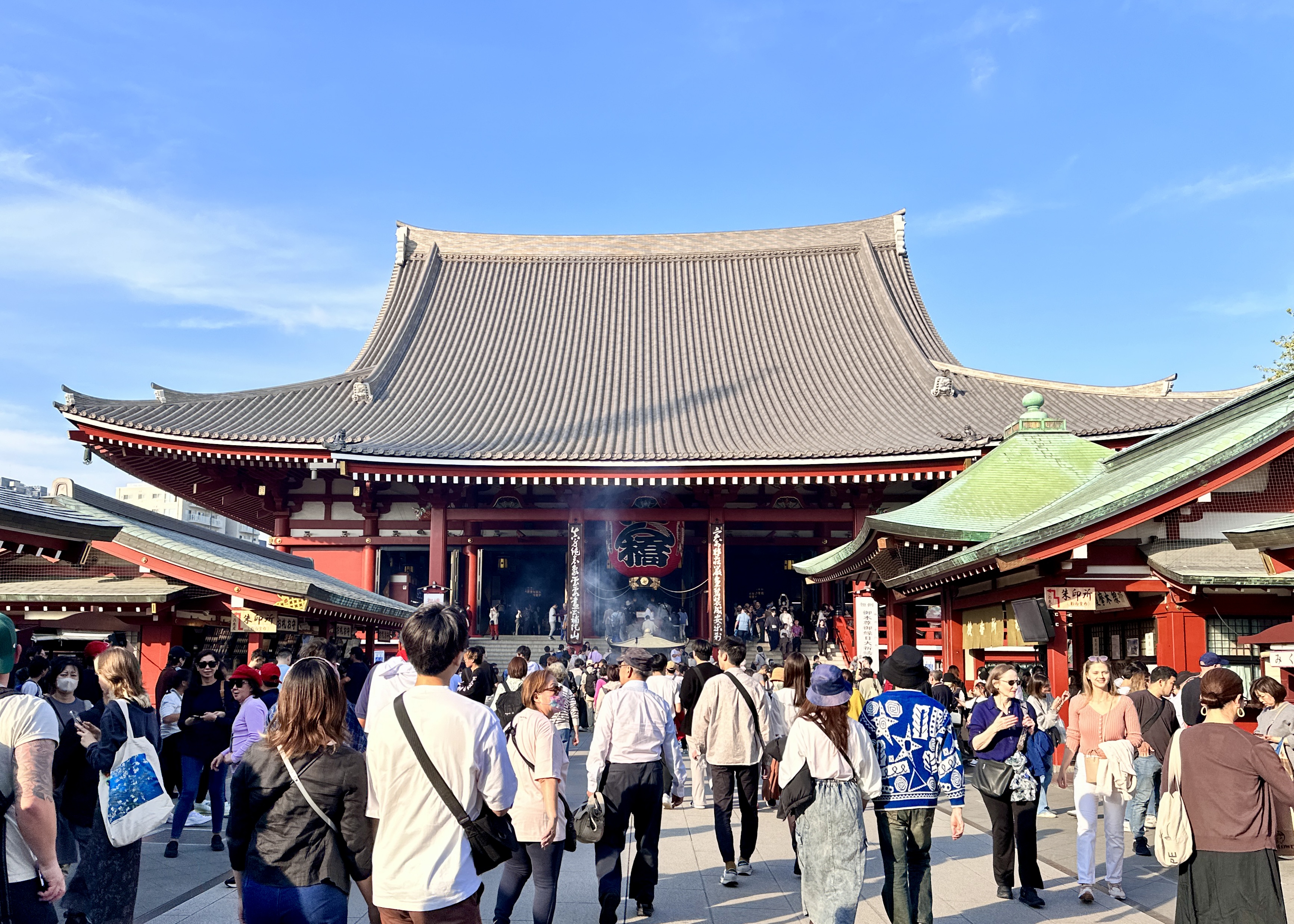
Visit Senso-ji early or late to avoid the crowds; otherwise, it turns into a congested photo opportunity. Ideal for those seeking a historic temple experience.
Tradition: Buddhist (Tendai), Senso-ji is Tokyo‘s oldest temple, founded in 628.
Senso-ji, founded in 628, is the oldest temple in Tokyo and a must-visit for its iconic Kaminarimon gate featuring a giant red lantern. The entrance leads to Nakamise, a bustling shopping arcade filled with snacks and souvenirs, which detracts from the temple’s serene atmosphere during peak hours.
To truly appreciate Senso-ji, arrive before 8 AM or after 7 PM when the lanterns are lit, allowing for quieter photos. The midday crowd can overwhelm the experience, so skip visiting during this time. After exploring the temple, consider a stroll along Nakamise for local treats but avoid shopping during busy hours. Allocate about 90 minutes for a satisfying visit.
- Tradition: Buddhist (Tendai)
- Era: 7th century
- Best time: Weekday mornings before 8 AM
What to look for: Kaminarimon gate with giant red lantern · Main hall with traditional Buddhist architecture
Why it earns the detour:
- Visit before 8 AM for fewer crowds
- Nakamise street is packed midday; skip it for quieter photos
- Enjoy the illuminated lanterns after 7 PM

Meiji Jingu, Tokyo
Meiji Jingu is perfect for those wanting a serene forest walk in Tokyo; skip it if pressed for time or crowds. It’s a peaceful retreat amidst the city’s hustle.
Tradition: Shinto, Meiji Jingu was built in 1920 and is surrounded by a 100-acre forest.
Meiji Jingu, established in 1920, offers a tranquil escape within a 100-acre forest, contrasting sharply with the bustling Harajuku district. The shrine’s approach through the giant torii gate sets the stage for a peaceful experience, making it a favorite among those seeking a break from urban life.
To avoid the weekend crowds, visit before 9 AM. While the main torii gate is a popular photo spot, venture deeper into the forest for a more serene experience. The inner garden provides a peaceful retreat, and the Treasure Museum is worth a visit if time allows. Plan for about an hour here, and skip the overpriced souvenir stalls near the entrance.
- Tradition: Shinto
- Era: 1920
- Best time: Early mornings on weekdays
What to look for: Giant wooden torii gate · Inner garden with traditional landscaping
Why it earns the detour:
- Visit before 9 AM to avoid crowds
- Explore the peaceful inner garden away from main paths
- Treasure Museum offers insight into Shinto culture

Fushimi Inari Taisha, Kyoto
Start at dawn to beat hikers and crowds at Fushimi Inari Taisha; skip it if your schedule can’t handle a long trek. This site rewards those who invest time in the hike.
Tradition: Shinto, Fushimi Inari Taisha was founded in 711 and is renowned for its thousands of vermilion torii gates.
Fushimi Inari Taisha is famous for its thousands of vermilion torii gates that create a stunning pathway up Inari mountain. The main shrine is at the base, but the gates become more photogenic as you ascend, especially past the halfway point, where the views open up.
Plan for a 2 – 3 hour hike to the summit for the best experience, starting before 8 AM to avoid crowds. If short on time, the lower loop can be completed in about 45 minutes. The lower gates near the base tend to be crowded and less visually impactful, so focus on the ascent. Bring water and wear comfortable shoes for the hike.
- Tradition: Shinto
- Era: 8th century
- Best time: Weekday mornings before 8 AM
What to look for: Senbon Torii – tunnel of vermilion gates · Main shrine at the base with traditional architecture
Why it earns the detour:
- Best views and photo opportunities past the halfway point
- Main shrine is quieter early in the morning
- Hiking trail offers a rewarding experience for those who venture up

Kinkaku-ji (Golden Pavilion), Kyoto- Tradition: Zen Buddhist (Rinzai)
- Era: 14th century
- Best time: Weekday mornings right at 9 AM

Visit Kinkaku-ji first thing to avoid the throng; the golden pavilion loses charm when swarmed by tourists. A quick stop that rewards early risers.
Tradition: Zen Buddhist (Rinzai), Kinkaku-ji was founded in 1397 and features a gold-leaf-covered pavilion.
Kinkaku-ji is renowned for its stunning gold-leaf-covered pavilion, which reflects beautifully in the surrounding pond. The current structure is a reconstruction from 1955, following a fire, but the original gardens from the Muromachi era remain intact, showcasing classical Japanese landscaping.
Arrive right at the 9 AM opening to catch the pavilion’s reflection in the pond before the crowds arrive. A visit takes about 30 – 45 minutes, making it an easy stop. Avoid the souvenir stalls at the entrance, as they detract from the experience without adding value. Focus on the gardens and the pavilion for the best experience.
- Tradition: Zen Buddhist (Rinzai)
- Era: 14th century
- Best time: Weekday mornings right at 9 AM
What to look for: Golden Pavilion – covered in gold leaf · Muromachi-era gardens with classical landscaping
Why it earns the detour:
- Best reflections in the pond at 9 AM
- Pond views provide excellent photo opportunities
- Skip the souvenir stalls for a more authentic experience
Kiyomizu-dera, Kyoto- Tradition: Buddhist (Hosso)
- Era: 8th century
- Best time: Early mornings or evenings during illumination periods

Avoid midday by arriving early or late; otherwise, the wooden stage experience gets drowned in noise. Worth the visit for its unique architecture and views.
Tradition: Buddhist (Hosso), Kiyomizu-dera was founded in 778 and is famous for its wooden stage built without nails.
Kiyomizu-dera is a historic temple known for its impressive wooden stage that extends dramatically over a hillside, built without nails. Founded in 778, this architectural marvel offers sweeping views of Kyoto and is a significant site in Japanese Buddhist history.
To avoid the heavy crowds, visit before 8 AM or after 6 PM during illumination periods in March, August, and November. The approach via Sannenzaka street is also notable, lined with traditional shops and tea houses. The main hall can be crowded and lacks the charm of the views, so focus on the stage and the approach for the best experience.
- Tradition: Buddhist (Hosso)
- Era: 8th century
- Best time: Early mornings or evenings during illumination periods
What to look for: Wooden stage built without nails · Sannenzaka approach lined with traditional shops
Why it earns the detour:
- Stage offers stunning city views
- Evening illumination periods enhance the experience
- Skip the main hall during peak hours for quieter enjoyment
Todai-ji, Nara- Tradition: Buddhist (Kegon)
- Era: 8th century
- Best time: Weekday mornings before 9 AM
Todai-ji is ideal for history fans intrigued by the giant Buddha; skip it if your itinerary demands strict time management. A significant site for its scale and history.
Tradition: Buddhist (Kegon), Todai-ji was founded in 728 and houses Japan’s giant bronze Buddha.
Todai-ji is home to the Daibutsu, a 15-meter bronze Buddha cast in 752, housed within the world’s largest wooden building. This remarkable structure, rebuilt at two-thirds of its original size, showcases the grandeur of Japanese Buddhist architecture.
Arrive early, before 9 AM, to avoid long lines and crowds. The deer in Nara Park surrounding the temple are known for their aggressive behavior regarding food, so buy crackers only if prepared for their attention. Focus on the Daibutsu and the Great Buddha Hall for the most rewarding experience, and skip the souvenir shops unless interested in deer-themed items.
- Tradition: Buddhist (Kegon)
- Era: 8th century
- Best time: Weekday mornings before 9 AM
What to look for: Daibutsu – 15-meter bronze Buddha · Great Buddha Hall – largest wooden building
Why it earns the detour:
- Historic significance of the Daibutsu adds depth to the visit
- Nara Park deer are a unique experience but approach with caution
- Avoid souvenir shops for a more authentic experience
Kasuga Taisha, Nara- Tradition: Shinto
- Era: 8th century
- Best time: During Mantoro festivals or early mornings on weekdays
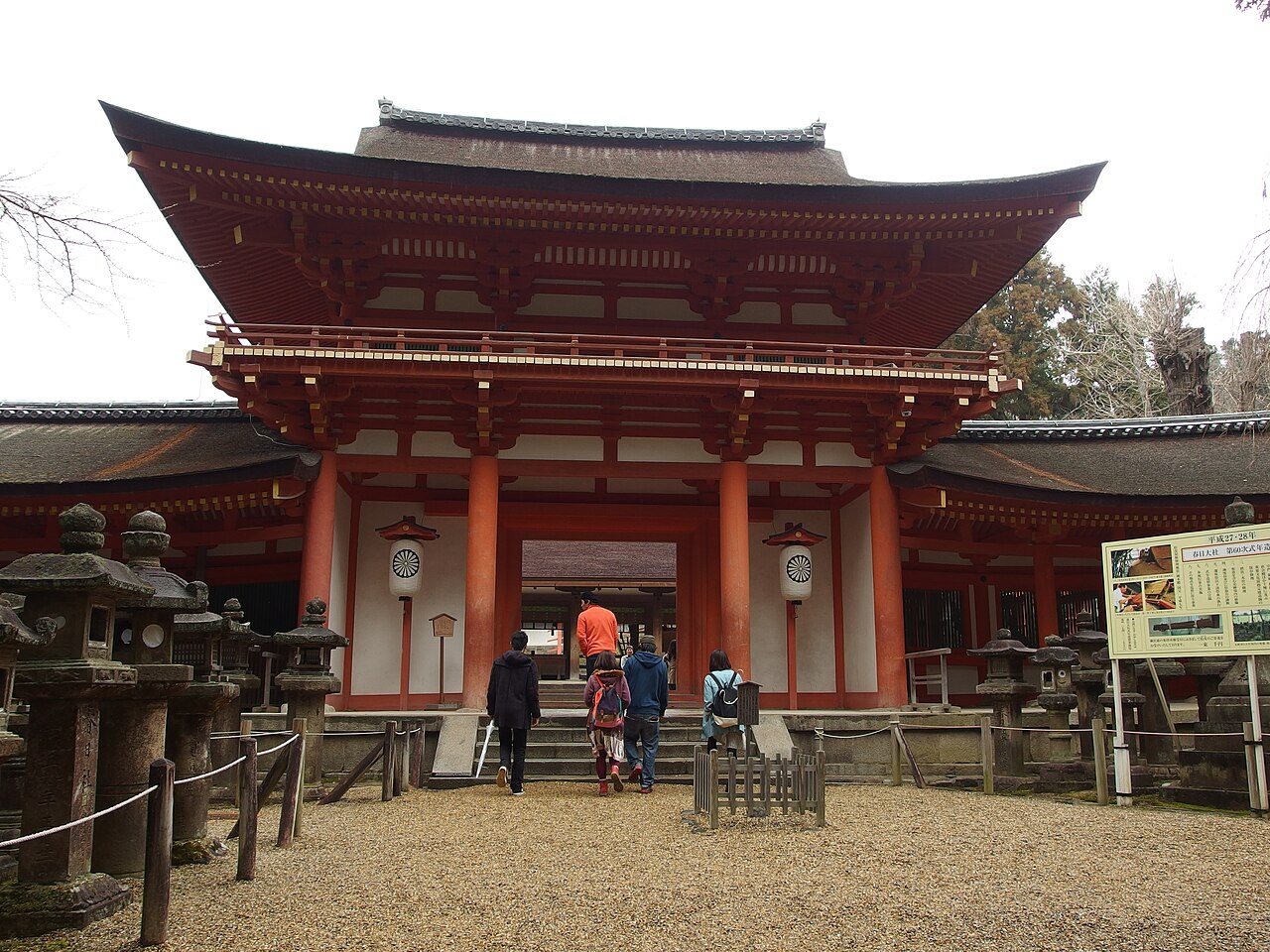
Go for the lanterns only if you love ancient Shinto sites; otherwise, it’s a low-priority stop. Best paired with Todai-ji for a comprehensive Nara experience.
Tradition: Shinto, Kasuga Taisha was founded in 768 and is lined with 3,000 stone and bronze lanterns.
Kasuga Taisha is renowned for its 3,000 stone and bronze lanterns that line the approach to the shrine. Founded in 768, it remains one of Japan’s most significant Shinto shrines, reflecting centuries of religious tradition.
The lanterns are only lit during the Mantoro festivals in early February and mid-August, so visiting outside these dates means missing the atmospheric display. Pair your visit with Todai-ji for an efficient day in Nara. The interior of the shrine is modest and less impressive than the grounds, so don’t linger inside unless you have a deep interest in Shinto rituals.
- Tradition: Shinto
- Era: 8th century
- Best time: During Mantoro festivals or early mornings on weekdays
What to look for: Stone and bronze lantern-lined approach · Classic Shinto architecture of the main shrine
Why it earns the detour:
- Impressive lantern display during Mantoro festivals
- Nara Park deer roam freely, adding to the experience
- Main shrine buildings reflect traditional Shinto design

Itsukushima Shrine (Floating Torii), Miyajima- Tradition: Shinto
- Era: 6th century
- Best time: 1 hour before to 1 hour after high tide
Plan around high tide to see the floating torii; off-tide visits kill the main spectacle. Essential for those interested in iconic Shinto architecture.
Tradition: Shinto, Itsukushima Shrine dates back to 593 and features a torii gate that appears to float at high tide.
Itsukushima Shrine is famous for its iconic torii gate that appears to float during high tide. This Shinto shrine, established in 593, offers a unique experience that draws visitors for its stunning visual impact.
To see the torii gate floating, visit 1 hour before to 1 hour after high tide, which changes daily. Low tide allows you to walk to the gate but ruins the postcard shot. Avoid weekends after 10 AM when ferries get crowded. Combine the shrine visit with the Mt Misen ropeway in the afternoon for a more relaxed experience and better views.
- Tradition: Shinto
- Era: 6th century
- Best time: 1 hour before to 1 hour after high tide
What to look for: Floating torii gate during high tide · Shinto shrine buildings with traditional architecture
Why it earns the detour:
- Best views during high tide for iconic photos
- Explore shrine buildings before 9 AM to avoid crowds
- Mt Misen ropeway offers scenic views in the afternoon
Ise Grand Shrine (Naiku), Ise- Tradition: Shinto
- Best time: Weekday mornings before 9 AM
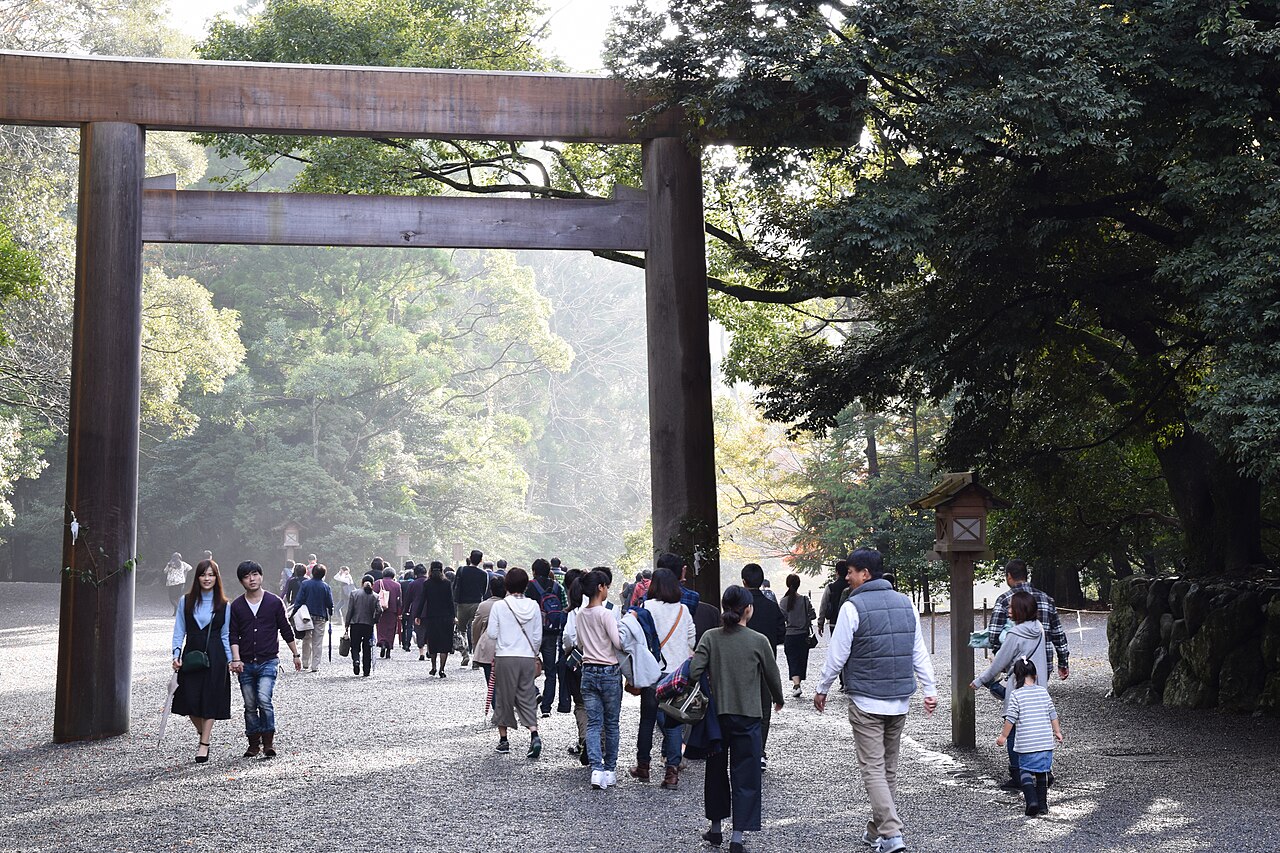
Not for tourists expecting ornate temples or views; this is about spiritual significance over sightseeing. Ideal for those seeking a deeper understanding of Shinto.
Tradition: Shinto, Ise Grand Shrine is dedicated to the sun goddess Amaterasu and is Shinto’s holiest site.
Ise Grand Shrine (Naiku) is dedicated to the sun goddess Amaterasu and is considered Shinto’s holiest site. The inner sanctum is rebuilt every 20 years, with the next reconstruction scheduled for 2033, making the pilgrimage path through ancient cypress forest the main experience.
Arrive before 9 AM to enjoy the serene pilgrimage path without crowds. The focus here is on the spiritual journey rather than the shrine’s buildings, which are not accessible to visitors. Nearby Okage Yokocho street offers food and crafts but skip it if short on time, as it can detract from the shrine’s tranquility.
- Tradition: Shinto
- Best time: Weekday mornings before 9 AM
What to look for: Pilgrimage path through ancient cypress forest · Uji Bridge – traditional wooden bridge at shrine entrance
Why it earns the detour:
- Experience the serene walk along the pilgrimage path
- Okage Yokocho offers local food but can be touristy
- The inner sanctum is off-limits, emphasizing the spiritual journey
Nikko Toshogu, Nikko- Tradition: Shinto / Buddhist (syncretic)
- Era: 1617
- Best time: Weekday mornings before 9 AM

Save for a cultural deep dive day; this lavish complex deserves more than a quick glance. Best for those interested in intricate craftsmanship and historical significance.
Tradition: Shinto / Buddhist (syncretic), Nikko Toshogu was built in 1617 as the mausoleum of shogun Tokugawa Ieyasu.
Nikko Toshogu is a lavish shrine complex built in 1617 as the mausoleum for shogun Tokugawa Ieyasu. Known for its intricate wood carvings, including the original ‘see no evil, hear no evil, speak no evil’ monkeys, this site showcases craftsmanship that few shrines can match.
To make the most of your visit, arrive before 9 AM to avoid crowds, especially on weekends. Focus on the main shrine and the five-story pagoda, and skip the souvenir shops near the entrance that can add noise and clutter. Pair your visit with Kegon Falls and Lake Chuzenji for a full day trip from Tokyo.
- Tradition: Shinto / Buddhist (syncretic)
- Era: 1617
- Best time: Weekday mornings before 9 AM
What to look for: Yomeimon Gate with intricate carvings · Five-story Pagoda – colorful and historic
Why it earns the detour:
- The ‘Three Wise Monkeys’ carving is a must-see
- Main shrine is a highlight for its detailed craftsmanship
- Nikko Toshogu pairs well with nearby natural attractions
Kotoku-in (Great Buddha of Kamakura)- Tradition: Buddhist (Pure Land)
- Era: 13th century
- Best time: Early morning before 9 AM

Visit if interested in Buddhist history or a unique outdoor statue; skip if time is tight. The statue’s impact is subtle and may not resonate with everyone.
Tradition: Pure Land Buddhism, a prominent tradition in Japan emphasizing faith in Amida Buddha.
Kotoku-in’s Great Buddha is a 13-meter bronze statue from 1252, an unusual outdoor Daibutsu since the original temple hall was destroyed by a tsunami. This statue stands exposed to the elements, allowing for a different experience compared to typical indoor displays. You can pay a small fee to enter the hollow statue, which adds a unique perspective to the visit.
Easily accessible from Tokyo, this site makes for a quick day trip. Arrive early, ideally before 9 AM, to avoid crowds, as it can get busy later in the morning. The $3 entry fee includes access inside the statue, which many visitors overlook. Pair your visit with Hasedera temple, just a 10-minute walk away, to maximize your time. Avoid the souvenir shops around the entrance, as they tend to be overpriced and low quality. Ninety minutes is sufficient for both sites.
- Tradition: Buddhist (Pure Land)
- Era: 13th century
- Best time: Early morning before 9 AM
What to look for: 13-meter bronze Great Buddha · Hollow interior accessible for entry
Why it earns the detour:
- Unique outdoor setting for a Daibutsu, unlike most which are indoors
- Nearby Hasedera temple offers beautiful gardens and coastal views
- Entry to the Great Buddha provides a rare opportunity to step inside

Byodoin- Tradition: Buddhist (Pure Land / Tendai)
- Era: 11th century
- Best time: Morning hours before 10 AM

A brief visit satisfies history buffs; don’t allocate a full day unless you’re a temple enthusiast. The site is compact and can be enjoyed quickly.
Tradition: Pure Land and Tendai Buddhism, showcasing significant architectural and artistic heritage from the Heian period.
Byodoin in Uji is renowned for its Phoenix Hall, built in 1053, which appears on the back of the 10-yen coin, symbolizing its cultural significance. This temple is one of the few surviving wooden structures from the Heian era and represents Pure Land Buddhist architecture. The onsite Hoshokan museum enhances the experience with original artifacts like the temple bell and bodhisattva carvings.
Plan to visit early, ideally before 10 AM, to avoid crowds. The large souvenir shops near the station can be skipped in favor of local matcha tea shops just five minutes away. This combination allows for a quick yet enriching experience. Entry is straightforward, and you can comfortably explore both the temple and museum in under an hour.
- Tradition: Buddhist (Pure Land / Tendai)
- Era: 11th century
- Best time: Morning hours before 10 AM
What to look for: Phoenix Hall from 1053 · Hoshokan museum with original artifacts
Why it earns the detour:
- Cultural significance of Phoenix Hall reflected on currency
- Hoshokan museum provides deeper historical context
- Proximity to Uji’s famous matcha shops enhances the visit
Ginkaku-ji (Silver Pavilion)- Tradition: Zen Buddhism (Rinzai)
- Era: 15th century
- Best time: Early morning or late afternoon
- Crowds: crowded

Less photogenic than its golden cousin but the silver-sand garden and quiet uphill loop deliver more atmosphere; pair with the Philosopher’s Path for a full experience.
Tradition: Zen Buddhism (Rinzai), reflecting the aesthetics and principles of Japanese Zen gardens.
Ginkaku-ji, built as a retirement villa for shogun Ashikaga Yoshimasa in 1482, features the Kannon-den pavilion and a meticulously designed dry-sand garden. The Sea of Silver Sand and the Moon-Viewing Mound create a serene landscape that invites contemplation. The moss garden and pond circuit offer a peaceful climb to a viewpoint overlooking Kyoto.
Expect crowds, especially during peak seasons, but the atmosphere remains tranquil if visited early. Entry is 500 yen, and the site is open from 8:30 AM to 5 PM. Combine your visit with a stroll along the Philosopher’s Path, which enhances the overall experience. Take your time to explore the gardens rather than rushing through; aim for at least an hour to soak in the surroundings.
- Tradition: Zen Buddhism (Rinzai)
- Era: 15th century
- Best time: Early morning or late afternoon
- Crowds: crowded
What to look for: Kannon-den pavilion · Dry-sand garden with Moon-Viewing Mound
Why it earns the detour:
- Less crowded than Kinkaku-ji, offering a more contemplative environment
- The garden design exemplifies Zen principles and aesthetics
- Views from the hillside provide a unique perspective of Kyoto
Ryoan-ji- Tradition: Zen Buddhism (Rinzai)
- Era: 15th century
- Best time: At opening time before 8 AM
- Crowds: crowded

Show up at opening or skip it – the garden is meditative empty and a tourist conveyor by 10 AM, with no rebooking value. Prioritize timing for a meaningful visit.
Tradition: Zen Buddhism (Rinzai), famous for its rock garden that embodies Zen principles.
Ryoan-ji is home to Japan’s most famous karesansui rock garden, featuring fifteen stones arranged on white gravel, with one stone always hidden from any viewing angle. This UNESCO-listed site is often crowded, especially at midday with school groups, diminishing the meditative quality of the experience. Entry is 600 yen, and the site is open from 8 AM to 5 PM from March to November.
To truly appreciate the garden’s tranquility, arrive right at opening time. By 10 AM, it becomes crowded, making it difficult to find solitude. The simplicity and design of the garden are best enjoyed without distractions. Plan for a brief visit, as the site can be fully appreciated in about 30 minutes if timed correctly.
- Tradition: Zen Buddhism (Rinzai)
- Era: 15th century
- Best time: At opening time before 8 AM
- Crowds: crowded
What to look for: Famous karesansui rock garden · UNESCO-listed site
Why it earns the detour:
- Unique arrangement of stones encourages contemplation
- The garden’s design reflects Zen Buddhist principles
- Crowds can detract from the experience, emphasizing the need for timing
Tenryu-ji- Tradition: Zen Buddhism (Rinzai)
- Era: 14th century
- Best time: March or November for seasonal beauty
- Crowds: crowded

The Sogenchi garden alone justifies the ticket; enter from the back gate straight into the bamboo grove and skip the Arashiyama main-street crush for a more serene experience.
Tradition: Zen Buddhism (Rinzai), recognized for its historical significance and beautiful gardens.
Tenryu-ji, a top-ranked Zen temple in Kyoto, was founded in 1339 to appease the spirit of Emperor Go-Daigo. Its Sogenchi pond-garden, designed by Muso Soseki, is considered Japan’s oldest surviving designed landscape, beautifully framing the Arashiyama mountains. Entry is 500 yen for the garden and an additional 300 yen for the buildings.
To avoid the tourist crowds, enter through the back gate, which leads directly into the tranquil bamboo grove. This approach enhances the experience and allows for a more peaceful exploration of the gardens. Allocate at least an hour to fully enjoy the gardens and the temple’s features. Visiting in March or November offers the best scenery.
- Tradition: Zen Buddhism (Rinzai)
- Era: 14th century
- Best time: March or November for seasonal beauty
- Crowds: crowded
What to look for: Sogenchi pond-garden · UNESCO World Heritage site
Why it earns the detour:
- Considered Japan’s oldest designed landscape
- The bamboo grove offers a serene entry point
- Stunning views of the Arashiyama mountains enhance the experience

To-ji- Tradition: Shingon Buddhism
- Era: 8th century
- Best time: Visit on the 21st for the market or during night illuminations
- Crowds: moderate

Most travelers miss it because it sits south of Kyoto station – go on the 21st for the market or during the night illuminations during cherry blossom and autumn for a unique experience.
Tradition: Shingon Buddhism, known for its significant historical and architectural contributions.
To-ji is Kyoto’s southern guardian temple, founded at the city’s birth in 796. It boasts Japan’s tallest wooden pagoda at 55 meters and houses a three-dimensional Shingon Buddhist mandala of 21 statues, making it a significant religious art ensemble. The 21st of each month brings a sprawling flea market (Kobo-san) that attracts locals and visitors alike.
The temple is open to visitors, but the market day offers a unique cultural experience. Consider visiting during the night illuminations in spring and autumn for a different perspective of the temple’s beauty. Allocate at least an hour for the temple and market, especially if you plan to explore the stalls. The temple’s location makes it a bit quieter than other sites, providing a more relaxed atmosphere.
- Tradition: Shingon Buddhism
- Era: 8th century
- Best time: Visit on the 21st for the market or during night illuminations
- Crowds: moderate
What to look for: Japan’s tallest wooden pagoda at 55 meters · Three-dimensional Shingon Buddhist mandala
Why it earns the detour:
- Flea market on the 21st of each month adds local flavor
- Night illuminations offer a unique visual experience
- Significant religious art collection within the temple
Yasaka Shrine- Tradition: Shinto
- Era: 7th century
- Best time: Evenings after sunset for the lantern-lit atmosphere
- Crowds: crowded

The Kyoto shrine to walk through at night – not a deep visit, but a free crossing of Gion that beats the daytime tour-bus version; ideal for a quick stroll.
Tradition: Shinto, serving as a guardian shrine for the Gion district and a focal point for local festivals.
Yasaka Shrine, founded 1,350 years ago, is the spiritual home of the July Gion Matsuri, Japan’s most famous festival. This shrine, located at the end of Shijo-dori, offers free entry and is open 24 hours, making it accessible for evening visits when the lanterns illuminate the main hall.
While not a deep cultural experience, the shrine is a beautiful spot to walk through at night, especially when combined with a visit to the nearby Maruyama Park for cherry blossom hanami. The atmosphere after sunset is particularly captivating, making it a worthwhile stop for a brief exploration. A quick visit of about 30 minutes is sufficient to appreciate its charm.
- Tradition: Shinto
- Era: 7th century
- Best time: Evenings after sunset for the lantern-lit atmosphere
- Crowds: crowded
What to look for: Lantern-lit main hall · Free entry open 24 hours
Why it earns the detour:
- Free access allows for spontaneous visits at any time
- Illuminated lanterns create a unique evening atmosphere
- Proximity to Maruyama Park enhances the cherry blossom experience
Sanjusangen-do- Tradition: Tendai Buddhism
- Era: 12th century
- Best time: Morning or late afternoon to avoid crowds
- Crowds: moderate

The most underrated headline-temple in Kyoto – completely unphotographable so it doesn’t show up in feeds, but the 1,001-statue corridor hits harder than Kinkaku-ji; prioritize this for a unique experience.
Tradition: Tendai Buddhism, known for its remarkable collection of Kannon statues and historical significance.
Sanjusangen-do is home to Japan’s longest wooden hall at 120 meters, housing 1,001 life-sized standing Kannon statues flanking a giant seated central Kannon. All statues are designated National Treasures, making this site a significant cultural and religious landmark. The experience of walking the length of the hall past the rank-and-file gold figures is unlike anywhere else.
No photography is allowed inside, which preserves the solemnity of the experience. Allocate at least an hour to fully appreciate the temple’s unique offerings. Visiting in the morning or late afternoon can help avoid crowds, allowing for a more personal interaction with the statues. This temple is often overlooked, making it a hidden highlight of Kyoto.
- Tradition: Tendai Buddhism
- Era: 12th century
- Best time: Morning or late afternoon to avoid crowds
- Crowds: moderate
What to look for: 120-meter wooden hall · 1,001 life-sized Kannon statues
Why it earns the detour:
- Unphotographable experience enhances the sense of reverence
- National Treasure status underscores its cultural importance
- Walking the hall provides a unique perspective on Buddhist art
Okunoin (Koyasan)- Tradition: Shingon Buddhism
- Era: 9th century
- Best time: Overnight stay for the night walk experience
- Crowds: moderate

Stay overnight in a Koyasan temple lodging – the night Okunoin walk is the experience, not the daytime ramble. Worth the 2-hour cable-car detour from Osaka for a unique spiritual experience.
Tradition: Shingon Buddhism, with Okunoin serving as a significant pilgrimage site and the mausoleum of its founder, Kobo Daishi.
Okunoin is Japan’s largest cemetery and the mausoleum of Kobo Daishi, the founder of Shingon Buddhism. The 2-kilometer pilgrim path winds through 200,000 moss-covered graves under ancient cedars, creating a profound atmosphere. Open 24 hours, the night walk from Ichinohashi bridge with shukubo monks is the most evocative way to experience this sacred site.
To fully appreciate the spiritual significance, plan to stay overnight in a temple lodging. The night walk offers a unique perspective that contrasts sharply with the daytime experience. Allocate at least two hours for the walk to soak in the atmosphere. This site is worth the 2-hour cable-car detour from Osaka, providing a memorable experience that stands apart from typical tourist attractions.
- Tradition: Shingon Buddhism
- Era: 9th century
- Best time: Overnight stay for the night walk experience
- Crowds: moderate
What to look for: Mausoleum of Kobo Daishi · 200,000 moss-covered graves
Why it earns the detour:
- Night walk offers a unique spiritual experience
- Significant pilgrimage site for Shingon Buddhism
- Ancient cedars enhance the cemetery’s atmosphere

Hase-dera (Kamakura)- Tradition: Jodo Buddhism
- Era: 8th century
- Best time: Early morning during hydrangea season for fewer crowds
- Crowds: crowded

Pair with the Great Buddha next door; come at opening to actually walk the hydrangea path in June or skip the month entirely due to crowds.
Tradition: Jodo Buddhism, known for its beautiful temple complex and significant wooden statue of Kannon.
Hase-dera is a hillside temple complex in Kamakura featuring a 9.18-meter wooden eleven-headed Kannon, one of Japan’s largest wooden statues. The temple also offers a sea-view terrace over Sagami Bay. The hydrangea season in June draws large crowds, making it challenging to enjoy the path unless visited early.
To experience the hydrangea path without long queues, arrive at opening time. The rest of the year, the site remains manageable for visitors. Entry is 400 yen, and the temple’s beautiful views and serene atmosphere make it worth the visit. Allocate about an hour to explore the temple and enjoy the scenery.
- Tradition: Jodo Buddhism
- Era: 8th century
- Best time: Early morning during hydrangea season for fewer crowds
- Crowds: crowded
What to look for: 9.18-meter wooden eleven-headed Kannon · Sea-view terrace over Sagami Bay
Why it earns the detour:
- Large Kannon statue is a significant cultural landmark
- Hydrangea path offers seasonal beauty in June
- Stunning views of Sagami Bay enhance the experience
When to visit, and which festivals reshape the experience
Timing is crucial when exploring Japan’s religious landmarks, as the interplay of seasonal weather and significant religious events can greatly influence the experience. Understanding both aspects ensures a more meaningful visit, whether it’s avoiding peak crowds or participating in key ceremonies.
The spring season, and the influx of cherry blossom viewers
March to May
Spring brings beautiful cherry blossoms, attracting both locals and tourists. Expect crowded sites, especially during peak bloom in late March to early April. Plan visits early in the morning or later in the afternoon to avoid the heaviest crowds. Be mindful that some religious sites may have special events or ceremonies during this time, which can also draw larger crowds.
The summer season, and the heat at popular sites
June to August
Summer can be hot and humid, making outdoor visits uncomfortable. However, this is also when many festivals occur, drawing large crowds. If visiting during this season, prioritize early morning visits to avoid the heat and crowds. Be aware that some sites may have altered hours or closures during major festivals, so check ahead.
The autumn season, and the vibrant foliage
September to November
Autumn offers pleasant weather and stunning fall colors, making it an ideal time for visits. However, this season also sees an increase in visitors, particularly during the peak foliage weeks in late October to early November. Arrive early to enjoy the sites with fewer crowds and take advantage of the beautiful scenery.
- Vesak – April/May full moon
Vesak celebrates the birth, enlightenment, and death of the Buddha, making it a significant time for Buddhist sites. Sites: Todai-ji, Sanjusangen-do - Shinto New Year (Shogatsu) – January 1-3
Shogatsu is a major celebration for Shinto practitioners, drawing large crowds to shrines for the first prayers of the year. Sites: Meiji Jingu, Fushimi Inari Taisha
Timing your visits to avoid crowds
Be aware of local prayer times, especially at Shinto shrines and Buddhist temples, which may see increased visitors during weekends and holidays. Major festivals can also attract large crowds, so plan visits during off-peak hours. Consider visiting popular sites on weekdays or early in the morning to experience a quieter atmosphere.
Dress Code Essentials
Always carry a lightweight long scarf. It serves as a shoulder cover in temples and shrines, ensuring respect for local customs while keeping you comfortable.
Best Sites for Different Traveler Types
Use this table to find the ideal site based on your travel style. Each recommendation highlights the best fit for your interests.
| Traveler type | Best site for them | Why |
|---|---|---|
| Religious-architecture buff | Todai-ji | Explore the giant Buddha and intricate architecture, perfect for history enthusiasts. |
| Family with young children | Itsukushima Shrine (Floating Torii) | Engaging for kids, especially during high tide when the torii appears to float. |
| Spiritual-practice traveler | Okunoin (Koyasan) | Experience monastic life and participate in the night walk for a deeper spiritual connection. |
| First-time religious-tourism visitor | Fushimi Inari Taisha | A must-visit for its iconic torii gates; start at dawn to avoid crowds. |
| Comfort-first or luxury traveler | Kinkaku-ji (Golden Pavilion) | Enjoy the serene beauty of the pavilion early in the morning, away from the crowds. |
| Budget or slow traveler | Sanjusangen-do | A unique experience with its 1,001 statues; visit during quieter hours to appreciate the space. |
Your Step-by-Step Visit Plan
Follow these steps to ensure a smooth visit to Japan’s religious sites. This plan will help you maximize your experience and respect local customs.
Decide which sites to visit based on your interests and the chooser table recommendations.
Check the opening hours for each site, noting any days they may be closed.
Pack a lightweight long-sleeve top and knee-length bottoms to adhere to dress codes at all sites.
Plan your visit around prayer times; avoid visiting during Fajr, Dhuhr, Asr, Maghrib, and Isha at mosques.
Bring cash for offerings or merit-making at Buddhist sites, as many do not accept cards.
Consider purchasing a multi-site ticket if available to save on entry fees.
Arrive early or late to popular sites to avoid peak crowds and enjoy a more peaceful experience.
Be prepared to remove shoes at certain sites; wear slip-on shoes for convenience.
Respect silence and avoid loud conversations, especially in prayer areas.
Frequently Asked Questions
1What is the dress code at Fushimi Inari Taisha?
Wear modest clothing; long sleeves and knee-length bottoms are recommended to show respect.
2Are photos allowed at Kinkaku-ji?
Photos are allowed, but avoid using flash to respect the tranquility of the site.
3What are the opening hours for Todai-ji?
Todai-ji typically opens at 8 AM and closes at 5 PM, but check for seasonal variations.
4When should I avoid visiting Okunoin?
Avoid visiting during the daytime if you want a quieter experience; the night walk is more serene.
5What are the general etiquette rules for visiting temples in Japan?
Dress modestly, remove shoes when required, and maintain silence in prayer areas.
6Is there a combined ticket for multiple sites?
Check for multi-site tickets at major tourist centers; they can save money and time.
7What should I know about donation practices at Buddhist sites?
Participate in merit-making by offering small amounts of cash, typically in a donation box.
8What is the best time to visit Itsukushima Shrine?
Plan your visit around high tide to see the torii floating; check tide schedules before your visit.
Some links on this page are affiliate links. We may earn a small commission at no extra cost to you when you book through them.