
Paraguay wins for most travelers due to lower costs, visa-free entry, and simpler travel logistics.
Choose Bolivia if you want high-altitude adventure and richer indigenous culture despite higher costs.
Choose between Bolivia’s high-altitude adventure or Paraguay’s low-key, cheaper travel grind.
You’re staring at two South American countries that rarely top travel lists but promise something different. Paraguay and Bolivia both offer landlocked adventure without crowds, but your choice shapes everything. Do you want a trip with iconic salt flats and mountain cities or one with quiet rivers and Jesuit ruins? The stakes are real: your daily budget, travel hassle, and what kind of landscape you’ll wake up to. This is the kind of debate that turns a weekend plan into a full itinerary.
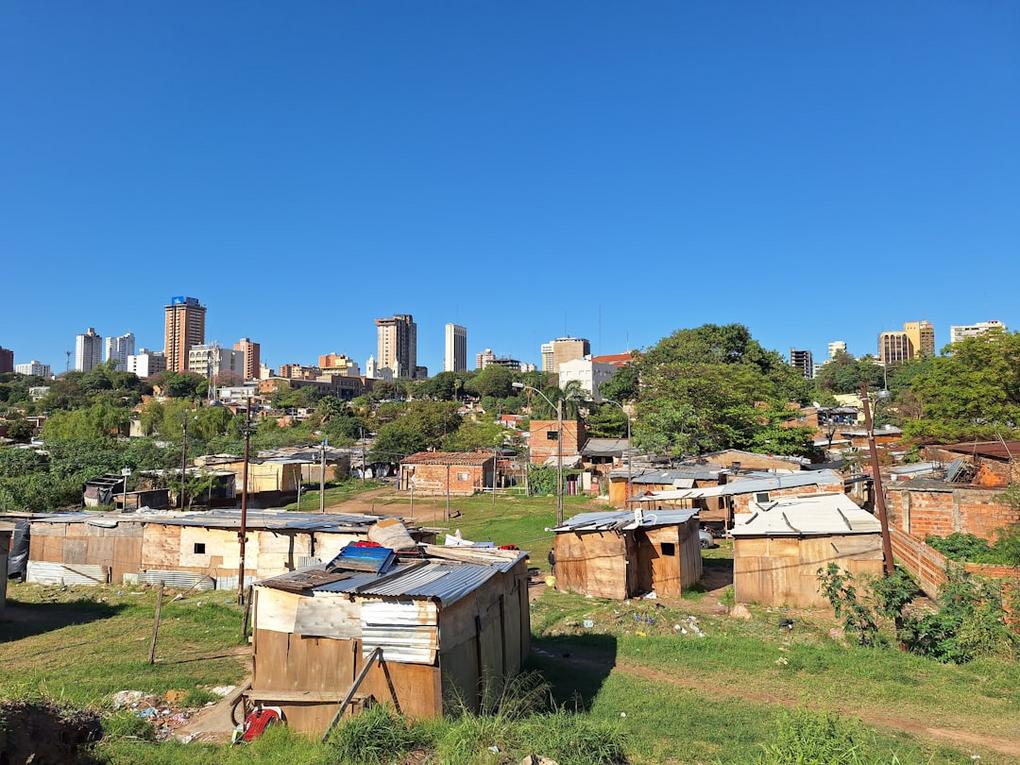
Right now, Bolivia pulls more travelers with sights like Salar de Uyuni, but Paraguay wins on cost and ease. Bolivia’s average daily budget can run $20 higher, and visa rules differ for U.S. citizens. You’ll also weigh safety and transport infrastructure—Bolivia’s roads are rougher, Paraguay’s cities quieter. This comparison breaks down what you actually need to know before booking flights and packing bags.
Insider tip: Visa for U.S. citizens: Paraguay is visa-free; Bolivia requires $30 on arrival.
Bolivia costs about $20 more per day than Paraguay, impacting trip length and comfort.
Paraguay vs Bolivia: Key Travel Differences
| Topic | Paraguay | Bolivia |
|---|---|---|
| Budget level | $40–$60/day in Asuncion and countryside | $60–$80/day in La Paz and Uyuni |
| Top destinations | Jesuit Ruins of Encarnación, Chaco wilderness | Salar de Uyuni salt flats, La Paz city |
| Nature & landscape | Lowland rivers and dry Chaco, 70°F–90°F year-round | High-altitude mountains, 40°F–65°F, thin air |
| Transport & infrastructure | Limited buses, cheaper taxis, Asuncion airport | Rough mountain roads, flights to Uyuni, crowded buses |
| Visa requirements | Visa-free entry for U.S. citizens | $30 visa on arrival for U.S. citizens |
| Safety | Moderate crime, Pack Lightly score 55/100 | Similar crime levels, Pack Lightly score 55/100 |
| Planning effort | Simpler routes, fewer transport options | Complex logistics for remote sites like Uyuni |
| Language barrier | Spanish and Guaraní spoken, limited English | Spanish, Quechua, Aymara; English rare outside cities |
| Cultural depth | Jesuit missions, Guaraní heritage | Indigenous traditions, colonial cities like Sucre |
| Digital nomad suitability | Low Wi-Fi reliability, cheaper guesthouses | Better internet in cities, more coworking spots |
Best for Paraguay
- Couples with $50/day for 2-week relaxed river and ruins trip
- Solo travelers avoiding altitude, seeking quiet towns
- Budget travelers wanting visa-free entry and simple logistics
Best for Bolivia
- Adventurers with $80/day chasing Uyuni salt flats
- Hikers ready for 12,000-foot altitudes and mountain trails
- Cultural explorers wanting indigenous festivals in La Paz
Key Takeaways for Paraguay vs Bolivia
- If you want the cheapest trip under $50/day, choose Paraguay — Pack Lightly’s budget-friendly score (80/100) supports this.
- If you want iconic high-altitude landscapes and don’t mind $20 extra daily, choose Bolivia — nature score (85/100) is unbeatable.
- If you want visa-free entry as a U.S. citizen, choose Paraguay — Bolivia requires a $30 visa on arrival.
- If you want easier travel logistics and fewer transport headaches, choose Paraguay — simpler routes reduce planning effort.
- If you want stronger cultural variety with indigenous languages and colonial cities, choose Bolivia — culture score (80/100) is higher.
- If you want better digital nomad infrastructure, choose Bolivia — more reliable internet and coworking in La Paz.
Pack Lightly Scores
11 categories scored from 0 (low) to 100 (high)
Lock in your best travel timing
Use the interactive tool to compare Paraguay and Bolivia by season. Filter by your travel dates to find which country fits your budget and adventure style best.
What you’ll actually spend

Paraguay is cheaper than Bolivia for mid-range travelers by about $10 per day. Paraguay uses PYG (1 PYG = 0.00015695 USD), and Bolivia uses BOB (1 BOB = 0.1443 USD). Bolivia offers better infrastructure and nature but comes at a higher daily cost. Both countries have similar safety scores but different budget realities.
Daily cost comparison between Paraguay and Bolivia
| Category | Paraguay (PYG & USD) | Bolivia (BOB & USD) |
|---|---|---|
| Backpacker daily budget | 70,000–90,000 PYG ($11.0–$14.1) | 50–70 BOB ($7.2–$10.1) |
| Mid-range daily budget | 150,000–200,000 PYG ($23.5–$31.4) | 120–160 BOB ($17.3–$23.1) |
| Luxury daily budget | 350,000–450,000 PYG ($54.9–$70.6) | 300–400 BOB ($43.3–$57.7) |
| Street food meal | 5,000–8,000 PYG ($0.8–$1.3) | 4–6 BOB ($0.6–$0.9) |
| Restaurant meal | 20,000–30,000 PYG ($3.1–$4.7) | 25–35 BOB ($3.6–$5.1) |
| Local transport (per day) | 7,000–10,000 PYG ($1.1–$1.6) | 10–15 BOB ($1.4–$2.2) |
| Activities/tours (average) | 70,000–120,000 PYG ($11.0–$18.8) | 80–130 BOB ($11.5–$18.8) |
| Hidden costs (visa, tipping, fees) | Tourist visa free for US citizens; tipping 5–10% common | Visa free for US citizens; tipping optional but appreciated |
Paraguay wins on lower mid-range and luxury daily budgets, making it the budget leader overall. Bolivia beats Paraguay only on backpacker daily budgets and street food prices. Pack Lightly budgetFriendly: Paraguay 80, Bolivia 90. Bolivia’s higher score reflects better infrastructure and nature options but at a higher cost. Hotels ParaguayHotels Bolivia
Pro tip: In Bolivia, buy multi-day bus passes to cut local transport costs significantly.
Watch out: Paraguay’s hidden airport departure fees can add unexpected costs to your budget.
What you’ll eat
Paraguay wins street food with classics like chipa (about 1,000 PYG / $0.16) and sopa paraguaya, especially around Asuncion’s Mercado 4. Bolivia’s street food shines with salteñas ($0.75-$1) in La Paz but feels less varied.
Vegetarian options are limited in both, but Bolivia edges out Paraguay with more quinoa-based dishes and better market produce. Paraguay’s menus often rely heavily on meat and cheese, making vegetarian meals a challenge outside major cities.
Bolivia’s drink scene is stronger with local beers like Paceña and Singani liquor, a national spirit. Paraguay offers tereré, a cold yerba mate drink, popular socially but less appealing for alcohol drinkers. Bolivia’s bars and pubs cater better to tourists looking for nightlife.
Food and drink face-off
| Category | Paraguay | Bolivia |
|---|---|---|
| Signature dish | Sopa Paraguaya (cornbread with cheese and onions) | Salteñas (savory baked empanadas) |
| Street food quality | Chipa and mandioca snacks, fresh and cheap in Asuncion | Salteñas and anticuchos, especially in La Paz markets |
| Vegetarian-friendly | Limited; heavy on meat and cheese, few veggie options | Better with quinoa dishes and fresh produce markets |
| Restaurant variety | Small range, mostly traditional Paraguayan fare | More diverse menus in tourist areas like Sucre and La Paz |
| Drink culture | Tereré dominates; beer options limited outside cities | Local beers Paceña, Singani liquor, stronger bar scene |
Salteñas
Popular, filling street food at under $1 each
Insider tip: Try chipa guasu at Mercado 4 in Asuncion for fresh, authentic Paraguayan cornbread.
Where to sleep
Both Paraguay and Bolivia score 40 for hotelQuality, meaning expect basic to mid-range options with occasional quality spikes. In Paraguay, Asuncion’s Villa Morra neighborhood offers the best mid-range hotels. Bolivia’s Sucre and La Paz neighborhoods like Calacoto provide more polished stays. Use Hotels Paraguay for Paraguay and Hotels Bolivia for Bolivia to find reliable options.
Quality gaps appear in Paraguay’s Chaco region and Bolivia’s remote highlands where infrastructure is weak. Booking platforms like Airbnb can be hit or miss outside major cities. Bolivia’s tourist hubs still edge Paraguay in variety and quality consistency, but both need patience for luxury stays.
See full lodging breakdown by budget
Typical stays by budget
| Type | Paraguay | Bolivia |
|---|---|---|
| Budget hostels | Hostels in Asuncion around $10-$15/night, basic but clean | Hostels in La Paz and Sucre $8-$12/night, more social vibe |
| Mid-range hotels | Villa Morra hotels $40-$60/night, decent comfort | Calacoto and San Jorge $35-$55/night, better amenities |
| Boutique stays | Limited boutique options, mostly guesthouses in Asuncion | Sucre offers colonial boutique hotels $60-$80/night |
| Luxury resorts | Almost none; Asuncion has a few 4-star hotels $100+ | La Paz and Santa Cruz have some 4-star hotels $90-$130 |
| Alternatives | Guesthouses and farm stays outside cities | Eco-lodges near Uyuni and Lake Titicaca |
Booking tip: Book early in Sucre and Asuncion for best mid-range hotel rates and availability.
What it actually feels like
A typical day in Asuncion starts with the hum of motorcycles and street vendors setting up along Palma and Mariscal Lopez streets. By noon, the city feels slow, with locals lingering over tereré in shaded plazas. The lack of tourists means quiet streets and genuine interactions.
In La Paz, mornings hit fast and loud. The city’s steep streets, like Sagárnaga, flood with market sellers shouting deals and cable cars zipping overhead. The altitude sharpens the air, and the buzz never quite fades, even late at night in Sopocachi.
Paraguay forces patience with minimal tourist infrastructure and limited English spoken outside Asuncion. Bolivia demands stamina, with high altitude causing headaches and slower pace when trekking. Paraguay’s quiet can feel isolating; Bolivia’s crowds and altitude fatigue can wear you down.
Paraguay offers a rare chance to explore South America’s least touristy Chaco wilderness, while Bolivia lets you hike the surreal salt flats and climb mountains over 16,000 feet. Choose Paraguay for low-key cultural immersion, Bolivia for high-adrenaline nature and altitude challenges.
Paraguay highlights
- Jesuit Ruins of Trinidad(Encarnacion)
Explore well-preserved 17th-century missions with minimal crowds and informative local guides. - Chaco National Park(Western Paraguay)
See unique dry forest wildlife and vast empty landscapes far from tourist routes. - Asuncion Historic Center(Asuncion)
Walk colonial streets, visit Palacio de los Lopez and local markets by midday. - Ybycuí National Park(Near Paraguarí)
Hike waterfalls and dense forest trails within a few hours from Asuncion.
Bolivia highlights
- Salar de Uyuni(Uyuni)
Tour the world’s largest salt flat with multi-day 4×4 trips and surreal landscapes. - Valle de la Luna(Near La Paz)
Walk bizarre rock formations and canyons 10 miles from city center. - Sucre Colonial District(Sucre)
Stroll whitewashed streets, visit museums, and relax in plazas at high altitude. - Death Road Mountain Biking(Near La Paz)
Ride one of the world’s most dangerous roads with guided downhill tours.
Ideal duration: Paraguay: 5–7 days — enough to see Asuncion, Jesuit ruins, and Chaco wilderness · Bolivia: 7–10 days — time for Uyuni, La Paz, Sucre, and high-altitude activities
Do
- Paraguay: Visit Jesuit Ruins in Trinidad with a local guide
- Paraguay: Explore Asuncion markets early morning
- Paraguay: Take a day trip hiking Ybycuí waterfalls
- Bolivia: Book a multi-day Uyuni salt flat tour
- Bolivia: Bike Death Road with a certified guide
- Bolivia: Walk Sucre’s colonial center at sunset
Don’t
- Paraguay: Skip Ciudad del Este unless crossing to Brazil
- Paraguay: Avoid weekend crowds at local parks
- Paraguay: Don’t expect extensive English outside Asuncion
- Bolivia: Avoid La Paz taxis at night
- Bolivia: Skip crowded city buses during rush hour
- Bolivia: Don’t attempt high-altitude hikes without acclimatizing
Choose based on
- If you want rugged wilderness and low tourism, choose Paraguay — less crowded and cheaper.
- If you seek dramatic landscapes and active adventure, choose Bolivia — better nature and culture scores.
- If altitude bothers you, choose Paraguay — Bolivia’s high elevations can cause severe headaches.
- If budget is top priority, choose Bolivia — Pack Lightly score 90 vs Paraguay’s 80.
Paraguay demands patience and low infrastructure but rewards with quiet culture; Bolivia tests altitude tolerance for epic nature.
Real safety picture
Safety overview
Paraguay
Bolivia

Paraguay and Bolivia share the same Pack Lightly safety score of 55, meaning risks are similar but different. Bolivia’s higher-altitude cities like La Paz have petty crime hotspots, while Paraguay’s Asuncion sees more street-level theft. Solo female travelers face moderate risks in both, especially after dark. Know where to avoid and how to act to keep your trip smooth.
See detailed safety factors table
Safety factors compared
| Factor | Paraguay | Bolivia | Practical tip |
|---|---|---|---|
| Pickpocketing | Common in Asuncion downtown and bus terminals. | Frequent in La Paz markets and crowded buses. | Use the app ‘Bsafe’ to share location and avoid busy market pockets. |
| Tourist scams | Taxi overcharging near Silvio Pettirossi Airport. | Fake tour operators around Uyuni train station. | Book taxis and tours via official apps like ‘Easy Taxi’ or ‘RedBus Bolivia’. |
| Solo female traveler safety | Avoid walking alone at night in Villa Morra neighborhood. | Stay clear of dark alleys in El Alto after sunset. | Use ride-share apps like ‘Bolt’ instead of hailing street taxis after dark. |
| Health risks | Mosquito-borne illnesses in rural Chaco region. | Altitude sickness common above 11,000 ft in La Paz. | Carry mosquito repellent and acclimate gradually when ascending high altitude. |
| Road safety | Poorly lit highways outside Asuncion; reckless local drivers. | Mountain roads near Sucre have sharp curves and limited guardrails. | Avoid night driving; use reputable bus companies with good reviews. |
| Natural disasters | Flooding risk during rainy season (Nov-Mar). | Occasional landslides in rainy season around Cochabamba. | Check local weather apps like ‘Windy’ before planning outdoor trips. |
Scam spotlight: La Paz’s Witches’ Market
How it works: Vendors lure tourists with overpriced souvenirs and fake rituals.
How to avoid: Set prices upfront and compare with other stalls before buying.
Watch out: Paying for unlicensed taxi rides in La Paz can cost triple the normal fare.
Insider tip: Local police presence is low; rely on hotel advice and trusted transport apps.
Visa & entry rules compared
Both Paraguay and Bolivia offer visa-free entry to US citizens at zero cost for stays up to 90 days. Neither country requires visas or secondary digital entry systems like TDAC or ECD, making border crossing straightforward. Paraguay’s process is the simplest with no paperwork, while Bolivia demands a standard passport check only.
Full visa & entry requirements table
Visa requirements overview
| Factor | Paraguay | Bolivia | Practical note |
|---|---|---|---|
| Visa requirement | No | No | US citizens enter visa-free in both countries. |
| Visa type & cost | Visa-free, Gratis | Visa-free, Gratis | No visa fees for US travelers. |
| Application process | None required | None required | Just present a valid US passport on arrival. |
| On-arrival option | N/A | N/A | No visa needed on arrival. |
| Max stay & extension | 90 days, no formal extension process noted | 90 days, extensions possible via immigration offices | Bolivia offers official extensions; Paraguay does not clearly advertise extensions. |
| Digital entry systems (TDAC/ECD/ETIAS/eTravel) | None | None | No extra digital registration systems required. |
Visa rules can change without notice; always check official embassy sites before travel. Secondary registration systems, if introduced, may update separately from visa policies. for unexpected entry issues.
How you’ll move

Paraguay is easier to navigate for first-timers thanks to simpler bus and taxi options. Pack Lightly touristInfrastructure: Paraguay 35, Bolivia 40. Bolivia edges Paraguay on transport variety but requires more patience and local know-how.
Compare every transport option side-by-side
Comparing transport modes in Paraguay vs Bolivia
| Mode | Paraguay | Bolivia | Practical Note |
|---|---|---|---|
| Domestic flights | LATAM and Paranair cover routes like Asuncion to Ciudad del Este; flights cost $100-$150. | Amaszonas and Boliviana de Aviacion run Sucre to La Paz, $80-$120 per flight. | Book 2 weeks ahead on LATAM or Amaszonas websites for best fares. |
| Buses | Frequent buses connect Asuncion with major cities; ticket $5-$15, duration varies widely. | Long-distance buses are extensive but slow; Sucre to Uyuni takes 9+ hours, $10-$20. | Use Plataforma 10 app in Bolivia for schedules; in Paraguay, check local terminals. |
| Trains | No passenger trains in Paraguay. | No passenger trains in Bolivia. | Ignore trains; rely on buses or flights. |
| Taxi/ride-hailing | Taxi and Uber available in Asuncion; Uber fares start around $2-$5. | Taxi apps like Easy Taxi work in La Paz; fares start $2 but negotiate in smaller towns. | Use Uber in Paraguay; Easy Taxi or Bolt in Bolivia. |
| Ferries | Limited river ferries on Paraguay River; mainly for locals, not tourists. | No ferries; landlocked with no navigable tourist routes. | Skip ferries; they don’t serve tourist routes. |
| Scooter rental | Rare to find scooter rentals; mostly in Asuncion but unreliable. | Scooter rentals nearly nonexistent outside La Paz. | Rent scooters only in Asuncion via local shops; avoid in Bolivia. |
| Bicycle rental | Bikes available in Asuncion for $10/day; limited outside capital. | Bicycles common in La Paz; rent for $8-$12/day, good for city but tough terrain. | Use La Paz’s Bicicletas Públicas app for rentals; Asuncion bike shops require cash. |
| Budget route — cheapest A-to-B connection | Asuncion → Ciudad del Este by bus, $7, 6 hours. | Sucre → Potosi by bus, $5, 4 hours. | Book bus tickets day of travel in Paraguay; Bolivia requires booking 1 day ahead. |
Bolivia scores higher on transport variety with a 40 touristInfrastructure rating versus Paraguay’s 35. Bolivia’s bus network covers more remote areas but demands patience and local apps like Plataforma 10. Paraguay offers simpler, cheaper bus and taxi options with easier ride-hailing via Uber. Overall, Paraguay wins for straightforward, budget-conscious travelers, while Bolivia suits those willing to invest time for wider access. Book transport
App tip: Use Plataforma 10 for Bolivia bus bookings; Uber for taxis in Paraguay.
How far English gets you
English is scarce in both Paraguay and Bolivia outside major cities. In Asunción and Santa Cruz, you’ll find some English speakers in hotels and tourist spots. Rural areas and smaller towns rely heavily on Spanish and indigenous languages. Use Google Translate to bridge gaps, especially in Bolivia’s highlands where Quechua and Aymara dominate. Avoid assuming English will work beyond urban centers.
App tip: Google Translate, iOS and Android, works offline and handles Spanish plus indigenous languages well.
Essential phrases cheat sheet
| English | Paraguay | Bolivia | When to use |
|---|---|---|---|
| Hello | Hola | Hola | Basic greeting in both countries. |
| Thank you | Gracias | Gracias | Polite expression for any interaction. |
| How much does this cost? | ¿Cuánto cuesta esto? | ¿Cuánto cuesta esto? | When shopping or negotiating prices. |
Wifi, data, payments
Wifi is patchy outside major cities in both countries. Mobile data is your best bet for reliable connectivity. Paraguay’s Claro and Tigo offer decent coverage in Asunción and border areas. Bolivia’s Entel dominates but expect drops in rural zones. Always carry cash; card acceptance is limited outside urban centers and tourist hubs. Get an eSIM before arrival to avoid hunting for SIM cards on the ground.
eSIM picks:
Paraguay: Claro, $10 for 3GB eSIM Paraguay
Bolivia: Entel, $12 for 4GB eSIM Bolivia
Cash rules in markets, buses, and small towns; cards mostly accepted in hotels and larger restaurants.
When to go
When to go — month by month
Paraguay
Bolivia
Paraguay
Bolivia
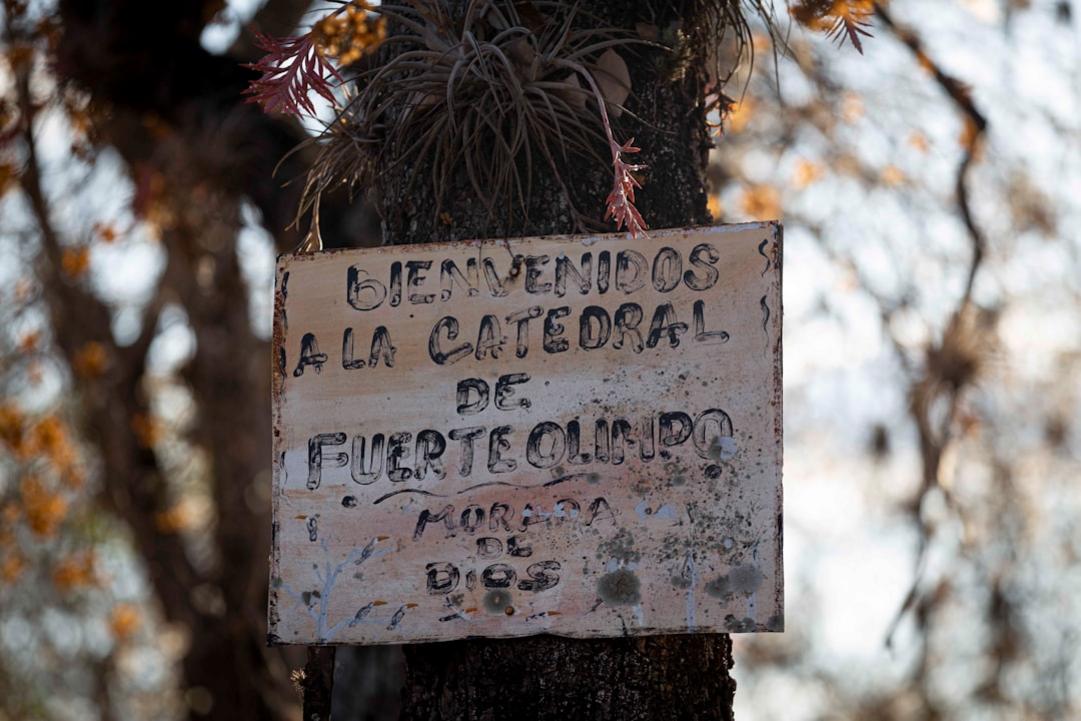
Paraguay is best from May to September with cooler, drier weather. Bolivia shines from May through October, offering dry, mild days. Paraguay’s shoulder months are wetter but warmer; Bolivia’s shoulder seasons are colder but drier. Choose Paraguay for warmth, Bolivia for dryness and altitude-friendly temps.
Full season-by-season climate breakdown
Seasonal climate comparison
| Season | Paraguay | Bolivia | Best Pick | Notes |
|---|---|---|---|---|
| Winter (Dec–Feb) | Temps hover from 63°F to 84°F with moderate rain (60–80 mm/month). | Cooler temps 59°F to 63°F with heavy rain early, tapering to 82 mm. | Paraguay | Paraguay offers warmer, less rainy winter than Bolivia. |
| Spring (Mar–May) | Warm temps drop from 85°F to 66°F; rain peaks at 215 mm in April. | Temperatures steady 62°F to 63°F; rain drops sharply from 98 mm to 2 mm. | depends | Paraguay is warmer but wetter; Bolivia is cooler and drier. |
| Summer (Jun–Aug) | Cool season with temps 62°F to 71°F; rain drops to 40–78 mm monthly. | Cooler temps 54°F to 60°F; almost no rain, under 7 mm monthly. | Bolivia | Bolivia’s dry, crisp summer beats Paraguay’s wetter, cooler months. |
| Fall (Sep–Nov) | Warming temps 74°F to 81°F; rain increases from 42 mm to 213 mm. | Temps rise 62°F to 64°F; rain increases from 10 mm to 100 mm. | Paraguay | Paraguay warms faster but faces rising rain; Bolivia stays cooler. |
Climate tip: Late May to early June offers dry Paraguay and Bolivia weather overlap.
The call
Bolivia wins overall with stronger nature, culture, and budget appeal. Paraguay holds ground in warmth and lower crowds but falls short on infrastructure and city life. Choose Bolivia if you want adventure, better transport, and cheaper daily costs. Pick Paraguay for fewer tourists and milder winter weather.
Category winners
| Topic | Winner | Reason |
|---|---|---|
| Budget | Bolivia | ~$5.51/day cheaper mid-range travel |
| Nature | Bolivia | Higher scores for active vacations and nature |
| Culture | Bolivia | Stronger cultural offerings and heritage sites |
| Cities | Bolivia | Better urban infrastructure and city options |
| Food & drinks | tie | Equal scores and variety in local cuisine |
| Accommodation | tie | Similar hotel quality and options |
| Transport | Bolivia | More developed transport and connectivity |
| Safety | tie | Equal safety scores and travel advisories |
| Crowds | Paraguay | Fewer tourists and less crowded sites |
| Digital infrastructure | Bolivia | Better connectivity and digital services |
The bottom line
Bolivia leads for budget, nature, and culture; Paraguay wins for fewer crowds and warmth.
Adventure seekers and budget travelers pick Bolivia. Travelers wanting quiet, warm weather pick Paraguay.
Book your trip
Using these links supports Pack Lightly at no extra cost to you.
Your questions, answered
01Which country is cheaper to travel in 2026?
Bolivia is cheaper overall with a daily mid-range budget around $40-$60, while Paraguay runs about $50-$70. The exact cost gap is $5.60 per day, favoring Bolivia’s lower prices on food, transport, and accommodation.
02What is the cheapest month to visit Paraguay and Bolivia?
Visit Bolivia in May or September for the lowest prices and fewer tourists. Paraguay is cheapest in March and April. Traveling in these months saves up to 20% on lodging and flights.
03How do safety levels compare for solo travelers?
Both countries score 55 in safety, but Bolivia’s tourist hubs like La Paz demand higher street smarts due to petty crime. Paraguay’s low tourist traffic means fewer scams but less infrastructure for emergencies.
04What are the visa requirements for US citizens?
Neither Paraguay nor Bolivia requires a visa for US citizens. Both offer visa-free entry for 90 days with no fees or advance application needed.
05Which country offers better nature and adventure opportunities?
Bolivia wins decisively with an 85 nature score versus Paraguay’s 60. Bolivia’s Uyuni Salt Flats, Andes treks, and Amazon access beat Paraguay’s Chaco and river landscapes for active travelers.
06Can you realistically combine Paraguay and Bolivia in one trip?
Yes, but expect long overland travel. The 500-mile distance between capitals plus limited direct flights means budgeting extra travel days. Combining both is rewarding if you want contrasting landscapes.
07Which country has richer cultural experiences and historical sites?
Bolivia leads with a culture score of 80 against Paraguay’s 55. Bolivia’s indigenous heritage, colonial cities like Sucre, and festivals offer deeper immersion than Paraguay’s Jesuit ruins and Guarani traditions.
08Which country has better street food and local cuisine?
Both score 60, but Bolivia’s markets in La Paz and Sucre offer more variety and bold flavors. Paraguay’s food is simpler and less diverse, focused on grilled meats and corn dishes.
Insider tip: Travel Paraguay in March-April to avoid crowds and save on lodging, then hit Bolivia in May for unbeatable nature and budget.


