Arabic for travellers: essential words and phrases for Kuwait
June 4, 20269 min read
Arabic script is unreadable to most visitors, making a few spoken words and a translation app essential. English covers most tourist areas, but having basic Arabic phrases will help bridge the gap.
Getting by as a tourist is manageable, as English is widely used in commerce and signage. A few local words not only show respect but can also open doors with locals, enhancing your travel experience.
Learn a few basic Arabic phrases to connect with locals.
Use translation apps for better communication in non-tourist areas.
Expect English to be prevalent in hotels, restaurants, and shops.
Be aware that Arabic script may be challenging to read.
Engage with locals by attempting to speak Arabic; it’s appreciated.
Quick Facts about Language in Kuwait
Official language(s): Arabic
Regional or common minority languages: None significant
Honest English level: Widely spoken in tourist hubs, less so in rural areas
Readability: Arabic script is used; English is present on many signs
English is widely spoken in Kuwait, particularly among the younger generation and in tourist hubs. In areas such as shopping malls, hotels, and restaurants, visitors can expect to communicate effectively in English. However, in local markets and with older generations, English proficiency may be limited. Here, relying on Arabic phrases or gestures can enhance communication.
Quick Decision Rules
Assume little English in local markets; lead with a translation app and pointing.
Expect English in tourist hubs but carry basic Arabic phrases for beyond.
Use English in most places, but always be polite and considerate.
Readability of Signs and Menus
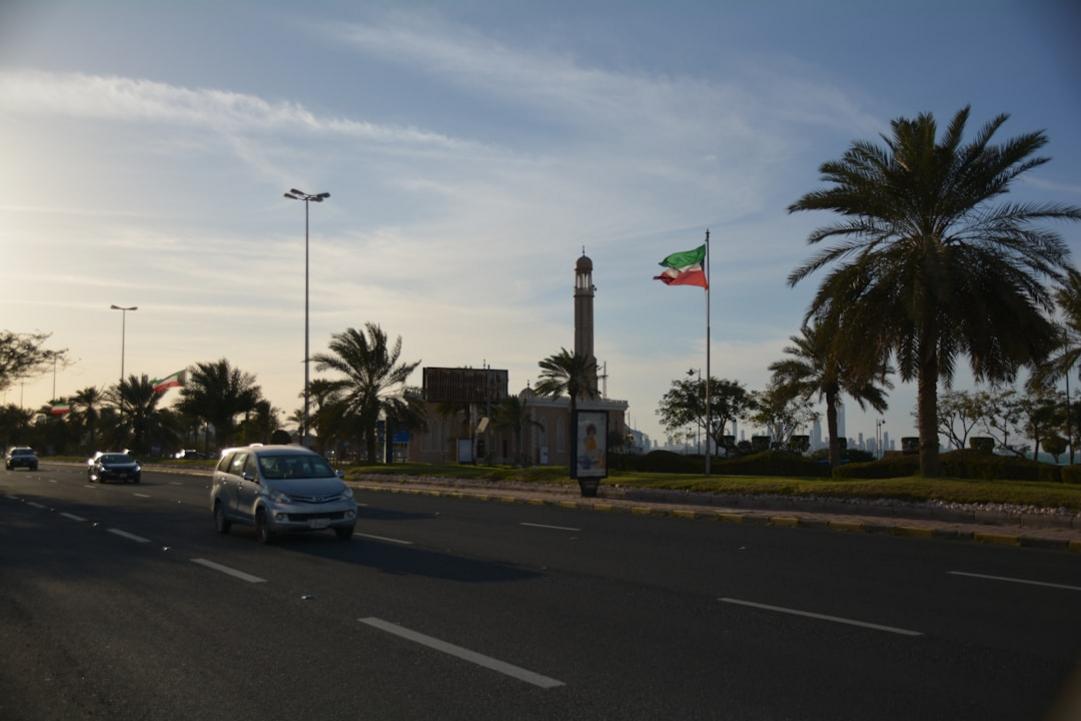
Most signs, menus, and street names in Kuwait feature both Arabic and English, making navigation easier for foreign travellers. Bilingual signage is common in urban areas, ensuring that visitors can read essential information without difficulty. However, in more rural areas, English signage may be less prevalent.
Communication Tips
Use non-verbal signals to convey messages; gestures can bridge language gaps.
Download a translation app before travelling; it helps in areas with limited English.
Practice basic Arabic phrases; locals appreciate the effort and it fosters goodwill.
Maintain eye contact and smile; it shows friendliness and openness.
Be patient and clear when speaking; slow down to ensure understanding.
Ask for help politely; a respectful approach often leads to better assistance.
Frequently Asked Questions
1Is there a gap between younger and older people in English proficiency?
Yes, younger people are generally more fluent in English, while older generations may have limited skills.
2Are body language or gestures understood differently in Kuwait?
Yes, some gestures may be interpreted differently, so observe local customs to avoid misunderstandings.
3Is there a need for offline translation apps in rural areas?
Yes, in rural areas, English may be less common, making offline translation apps essential.
4What is the social etiquette for addressing someone in the street?
Use polite greetings and approach individuals respectfully to initiate conversation.
5How can I understand public transport tickets and destinations?
Check for bilingual signs or ask staff for assistance, as English may not always be used.
6What is a local word or greeting that builds rapport?
‘Salam’ (peace) is a common greeting that shows respect and friendliness.