


The salty breeze carries the scent of grilled seafood along Playa Delfines’ wide sandy shore at sunset.
Cancún is a Caribbean resort city on Mexico’s Yucatán Peninsula, known for its long Hotel Zone strip along the coast. Visitors come for swimmable beaches like Playa Delfines, the ferry to Isla Mujeres, and nearby Mayan ruins such as El Rey. The city’s Hotel Zone offers easy access to Riviera Maya cenotes and snorkeling spots like Punta Nizuc. Downtown Cancún delivers a more local vibe with markets and authentic eateries. While Cancún lacks the quiet charm of Tulum, it compensates with infrastructure and direct access to cenotes and ruins within 30 miles / 48 km. Planning to stay in the Hotel Zone puts you close to beaches and day trips, but downtown offers better prices and local flavor.
Swim and relax at Playa Delfines for calm water and beach clubs. Snorkel at Punta Nizuc reef to see healthy coral. Explore El Rey ruins for a short cultural stop. Take the ferry to Isla Mujeres for a laid-back island day. Visit nearby cenotes like Cenote Azul for freshwater swimming.
Key takeaways
- Book Hotel Zone accommodation for beach access and cenote day trips.
- Reserve ferry tickets to Isla Mujeres in advance during high season.
- Plan snorkeling at Punta Nizuc in the morning for clearer water.
- Visit El Rey ruins early to avoid midday heat and crowds.
- Use local buses downtown for authentic food markets and lower prices.
- Rent snorkel gear near Playa Delfines for ~$10/day, 2026.
- Avoid late-night walking outside Hotel Zone; taxis run until midnight.
- Expect ~$60-$120/day budget for mid-range stays and meals, 2026.
Why visit Cancún
Cancún stands out from Playa del Carmen, Tulum, and Cozumel by combining a long stretch of swimmable Caribbean beaches with easy access to Yucatán’s cenotes and Mayan ruins. The Hotel Zone offers a unique resort base with calm bays ideal for snorkeling right off the shore, unlike the busier party scenes in nearby Playa del Carmen. The El Rey ruins sit within the city limits, giving a quick cultural dive without the long drives required elsewhere. Ferry access to Isla Mujeres adds a laid-back island option with less commercial bustle than Cozumel. This blend of beachside relaxation, shallow reef snorkeling, and proximity to inland natural wonders makes Cancún a practical and peaceful Caribbean gateway.
- Hotel Zone’s calm bays provide swimmable beaches with snorkel-ready coral reefs just steps from small bungalows.
- El Rey archaeological site offers Mayan ruins inside the city, avoiding the long drives to Chichen Itza or Tulum.
- Isla Mujeres ferry departs frequently from Puerto Juárez, delivering a quieter island day trip than Cozumel.
- Local seafood markets near downtown supply fresh catches daily, supporting casual beachfront meals under $15.
- Cancún’s summer rain season drops sharply by July, creating clear water ideal for snorkeling through August.
- Many guides miss that the Hotel Zone’s northern end has fewer crowds and better sunset bars than the south.
Best for
Solo travelers or pairs looking for slow beach days with easy snorkel access and fresh seafood will appreciate Cancún’s Hotel Zone. It suits those who want a quiet base with quick trips to cenotes and ruins without overnight travel.
Skip if
Skip Cancún if nightlife or party scenes dominate your trip goals; Playa del Carmen offers a livelier social vibe and boutique hotels.

Top things to do in Cancún
Start with snorkeling in the calm bays of the Hotel Zone where coral reefs sit steps from the shore. Explore the El Rey ruins inside the city to combine beach days with a quick cultural visit. Use Cancún’s Hotel Zone as your base for nearby cenotes and Isla Mujeres, all without long drives or crowded party scenes.
1. Snorkel at Punta Nizuc ·
Punta Nizuc offers shallow coral reefs right off calm beaches, ideal for solo travelers wanting easy snorkel access without crowds.
Punta Nizuc sits at the southern tip of Cancún’s Hotel Zone, where clear, calm waters shelter coral reefs ideal for gentle snorkeling. The shallow reefs start just a few feet from the sandy shore, allowing you to swim out easily without a boat. Licensed snorkeling operators run small group tours from the nearby beach, keeping crowds light and the pace relaxed. The area is part of a marine park, so coral health remains good compared to busier spots. The quiet beach here offers a calm atmosphere to rest between swims, with local vendors selling fresh fruit nearby. Book on GetYourGuide.
Choose Punta Nizuc over busier spots like Playa Chac Mool or Isla Mujeres for easier shore access to reefs and fewer crowds.
- When: Go early morning between 8:00 AM and 10:00 AM for calm seas and better visibility, from November through April for the clearest water.
- Cost: ~$30-$45, 2026
- Duration: 2-3 hours
- How to reach: Take a taxi or colectivo east on Kukulcán Boulevard to the southern end of the Hotel Zone near Boulevard Luis Donaldo Colosio. Walk a few minutes to the public beach area for snorkeling access.
Insider tip: If closed
Head to Tortugas Beach for shallow swimming and snorkeling right off the shore if conditions at Punta Nizuc are poor.
2. Relax on Playa Delfines Beach ·
Playa Delfines delivers wide swimmable sands with fewer tourists on the northern Hotel Zone stretch and a popular sunset viewpoint.
Playa Delfines opens onto a wide bay with soft white sand and turquoise water clear enough for casual swimming. Unlike the crowded beaches near central Hotel Zone, Delfines is less commercial, with no hotels directly fronting the beach, giving it a more open feel. The beach curves along Kukulcán Boulevard’s northern stretch near the scenic Mirador viewpoint, offering expansive views of the Caribbean Sea at sunset. Public facilities include shaded palapas and a few food stalls, but no full-service beach clubs, keeping the vibe low-key. The strong but manageable waves make it ideal for swimming and lounging, especially late afternoon when the sun softens.
Pick Playa Delfines for a less crowded, more natural beach experience compared to busy Playa Forum or Playa Tortugas.
- When: Visit mid to late afternoon through early evening, especially from December to April, to catch the sunset and calmer crowds.
- Cost: Free
- Duration: Half day
- How to reach: Walk or take a short taxi ride north along Kukulcán Boulevard from central Hotel Zone to the public access point near Avenida Delfines.
Insider tip: If closed
Relax at Playa Tortugas nearby if Playa Delfines is closed for maintenance or weather.
3. Visit El Rey Ruins ·
El Rey ruins sit inside Cancún’s Hotel Zone, offering a brief Mayan site experience without the long drives to major ruins.
El Rey ruins occupy a small archaeological park in the central Hotel Zone, accessible via Avenida Kukulcán near the Plaza Caracol mall. The site features well-preserved stone structures and platforms dating back to the late Postclassic Maya period. Walking the shaded paths, you can spot native iguanas sunning on the ruins and read interpretive signs explaining the site’s role as a trading post. The compact site takes about an hour to explore, making it a convenient cultural break from beach time. Nearby cafes and souvenir stalls line the entrance road, allowing a quick snack or local craft purchase after the visit.
El Rey offers a quick Mayan ruins fix inside Hotel Zone, saving you the 1-2 hour drive required for bigger sites like Tulum or Chichen Itza.
- When: Visit early morning or late afternoon to avoid midday heat, preferably between November and April for drier conditions.
- Cost: ~$5, 2026
- Duration: 1-1.5 hours
- How to reach: Walk or take a short taxi from the central Hotel Zone along Avenida Kukulcán near Plaza Caracol; the site is well-signposted.
Insider tip: If closed
Visit the small Museo Maya de Cancún downtown for Mayan artifacts and history if El Rey is unexpectedly closed.
4. Take the ferry to Isla Mujeres ·
Ferry from Puerto Juárez to Isla Mujeres offers a laid-back island day trip with calm beaches and snorkeling spots less busy than Cozumel.
Depart from the Puerto Juárez ferry terminal north of Cancún’s center for a 15-minute ride to Isla Mujeres, a small island with calm, shallow waters. The ferry runs frequently throughout the day, operated by licensed companies with covered seating and open-air decks. Once on the island, you can rent a golf cart or bike to explore quiet beaches like Playa Norte, famed for its shallow turquoise water and soft sand. Snorkeling is excellent off the island’s west coast, with coral reefs accessible from shore or short boat rides. Small local eateries serve fresh seafood along the waterfront, keeping the day relaxed and manageable without long travel. Book on GetYourGuide.
Isla Mujeres provides a calmer alternative to Cozumel with easier access from Cancún and swimmable beaches right off the ferry dock.
- When: Catch the first ferry around 8:00 AM for fewer crowds and calmer water, especially from November through April.
- Cost: ~$15-$20 round trip, 2026
- Duration: Half day to full day
- How to reach: Take a taxi or colectivo from central Cancún north to Puerto Juárez ferry terminal, about 5 miles / 8 km from downtown.
Insider tip: If closed
Explore Playa Tortugas or Punta Nizuc for snorkeling near Cancún if ferry service is suspended due to weather.
Solo female travel: Puerto Juárez terminal is safe and well-lit until 8 PM; book ferry tickets in advance during high season to avoid long lines.

5. Swim and snorkel at Tortugas Beach ·
Tortugas Beach features shallow waters and coral reefs right off the shore, perfect for relaxed snorkeling and swimming without boat trips.
Tortugas Beach lines the central Hotel Zone near Avenida Tulum, offering easy access to calm, shallow waters protected by offshore reefs. The sandy beach is popular with locals and tourists alike but remains less crowded than beaches near the hotel strip’s southern end. Snorkeling equipment rentals and small eateries cluster near the beach’s public access points, making it easy to spend a few hours swimming and relaxing. The coral reefs start just a few hundred feet offshore, letting you snorkel directly from the shore without a boat. The beach also serves as a ferry terminal for Isla Mujeres, so the atmosphere is lively but manageable.
Tortugas Beach combines easy shore snorkeling with local vendors and eateries, avoiding the need to book boat tours required at other reef sites.
- When: Visit mornings between 8:00 AM and 11:00 AM for calm water and less foot traffic, best from December to April during dry season.
- Cost: Free
- Duration: 2-4 hours
- How to reach: Walk or take a short taxi along Avenida Tulum from central Hotel Zone; the beach is near the ferry dock to Isla Mujeres.
Insider tip: If closed
Head to Playa Delfines for a wide, less crowded beach with good swimming if Tortugas is too busy or closed.
6. Explore Cenote Azul ·
Cenote Azul lies about 25 miles / 40 km south of Cancún, offering a refreshing swim in clear freshwater surrounded by jungle, great for a slow day trip.
Cenote Azul presents a broad open water sinkhole with crystal-clear freshwater ideal for swimming and snorkeling. The surrounding jungle creates a quiet, shaded retreat with natural trails along the rim. You can rent snorkeling gear on site or simply float in the calm, cool water. The area lacks heavy commercialization, letting you enjoy a laid-back afternoon in nature without crowds. Book on GetYourGuide.
Choose Cenote Azul over the more tourist-heavy cenotes near Playa del Carmen for a less crowded, more relaxed swim surrounded by jungle. It avoids the long lines and commercial feel of Ik Kil.
- When: Visit in the morning between 8:00 AM and 11:00 AM to avoid afternoon crowds and enjoy cooler temperatures, especially from November through April.
- Cost: ~$8, 2026
- Duration: Half day
- How to reach: Take a rental car or a colectivo south along Highway 307 toward Puerto Morelos, then follow local signs to Cenote Azul near the town of Tankah. The drive is about 40 minutes from downtown Cancún.
Insider tip: If closed
Head to Laguna Nichupté for a kayak trip and birdwatching closer to Cancún’s Hotel Zone.
7. Visit Mercado 28 for fresh seafood ·
Mercado 28 near downtown Cancún serves fresh seafood and local dishes under $15, ideal for casual beachfront meals with a local touch.
Mercado 28 offers a bustling market atmosphere with dozens of small stalls selling fresh seafood ceviche, grilled fish, and traditional Yucatecan dishes. It sits a few miles inland from the Hotel Zone, giving access to more authentic local flavors away from tourist traps. The market’s open-air seating lets you enjoy casual meals at low prices, with many vendors preparing food to order. The area around Avenida Tulum has a handful of small cafes ideal for a relaxed lunch.
Mercado 28 beats the more tourist-focused restaurants in the Hotel Zone by offering true local prices and a wider selection of fresh seafood in a lively market setting.
- When: Arrive by noon on weekdays to avoid weekend crowds and get the freshest seafood; best between November and April when the weather is dry.
- Cost: ~$10-$15, 2026
- Duration: 2 hours
- How to reach: From downtown Cancún, walk or take a short taxi ride to Mercado 28 on Avenida Tulum, near the intersection with Calle 28, about 2 miles from the Hotel Zone.
Insider tip: If closed
Try the small seafood stalls on Avenida Bonampak in the Hotel Zone for quick ceviche and grilled fish.
8. Sunset drinks at the northern Hotel Zone bars ·
The quieter northern Hotel Zone offers sunset bars with ocean views and fewer crowds than the southern strip, perfect for slow evenings.
The northern end of the Hotel Zone hosts several laid-back bars and lounges perched on cliffs or beachfront with direct views of the Caribbean Sea. These spots serve fresh cocktails and light bites, letting you watch the sun dip below the horizon at a relaxed pace. Unlike the southern Hotel Zone’s nightlife hubs, the north feels less crowded and more intimate, ideal for winding down after a swim or snorkel. Many bars open around 4:00 PM and stay lively through sunset.
Opt for the northern Hotel Zone bars to avoid the bustle and noise of the southern strip, enjoying a calmer atmosphere and unobstructed ocean sunsets.
- When: Arrive around 5:30 PM for prime sunset views year-round, especially during the dry season from November to April.
- Cost: ~$10-$20, 2026
- Duration: 2-3 hours
- How to reach: Use a taxi or local bus along Kukulcán Boulevard heading north within the Hotel Zone; most bars are within walking distance from mid-Hotel Zone hotels.
Insider tip: If closed
Visit the rooftop bars in downtown Cancún for city views and evening drinks.
Solo female travel: Bars in the northern Hotel Zone often have well-lit, open layouts and staff accustomed to solo travelers, making it easy to find a comfortable spot alone.

9. Laguna Nichupté birdwatching and kayak ·
Kayak or relax on Laguna Nichupté’s calm waters, spotting local birdlife and escaping the beach bustle without leaving the Hotel Zone.
Laguna Nichupté is a mangrove-lined lagoon that stretches behind Cancún’s Hotel Zone, offering quiet waterways for kayaking and birdwatching. Renting a kayak from one of the operators near Playa Delfines lets you glide through calm, protected waters spotting herons, pelicans, and kingfishers. The lagoon’s mangroves provide a peaceful contrast to the ocean beaches and are accessible without leaving the Hotel Zone. Guided tours are available, but solo kayaking is straightforward for experienced paddlers. Book on GetYourGuide.
This lagoon experience offers a low-effort way to connect with nature right inside the Hotel Zone, unlike cenote visits that require longer travel south.
- When: Morning hours between 7:00 AM and 10:00 AM are best for bird activity and calmer waters, especially from November to May.
- Cost: ~$20-$30, 2026
- Duration: 2-3 hours
- How to reach: Walk or take a short taxi ride to Playa Delfines in the Hotel Zone, where kayak rentals and guided tours launch directly from the beach area.
Insider tip: If closed
Explore the mangrove trails at nearby Punta Nizuc, accessible by taxi from the Hotel Zone.
10. Day trip to Cenote Ik Kil ·
Cenote Ik Kil lies roughly 80 miles / 130 km from Cancún but is reachable on a long day trip for swimming in a large, photogenic sinkhole surrounded by jungle.
Cenote Ik Kil is a vast, open-air cenote with vertical walls covered in hanging vines and moss, creating a dramatic natural pool. Swimming in the cool water feels refreshing after exploring the nearby Chichen Itza ruins. The site has stairs leading down to the water, lifeguards, and changing facilities, but expect crowds, especially mid-day. Vendors sell snacks and souvenirs near the entrance, making it a full-stop on a longer day trip south of Cancún. Book on GetYourGuide.
Ik Kil stands out for its sheer size and iconic look, unlike smaller cenotes around Cancún, but it requires a longer trip and shares space with many tourists visiting Chichen Itza.
- When: Arrive early between 8:00 AM and 10:00 AM to beat the mid-day rush, best from November through April during the dry season.
- Cost: ~$10, 2026
- Duration: Full day
- How to reach: Rent a car or join a guided tour heading south on Highway 180 from Cancún toward Valladolid, then follow signs to Ik Kil, about 2.5 hours each way.
Insider tip: If closed
Visit Cenote Azul closer to Cancún for a less crowded swim in a freshwater sinkhole.
11. Explore downtown Cancún’s Avenida Tulum ·
Avenida Tulum offers a local urban vibe with street food stalls, markets, and casual cafes away from the Hotel Zone’s resort scene.
Walk along Avenida Tulum to find a mix of street vendors selling tacos, fresh fruit, and local snacks. The street pulses with daily life, with small markets offering produce, handmade goods, and affordable souvenirs. Casual cafes and bakeries serve coffee and pastries, giving a break from the hotel zone’s tourist spots. This area shows a side of Cancún where locals shop and socialize.
Choose this for a grounded urban experience where food and daily life take center stage, unlike the beach-centric Hotel Zone.
- When: Mornings and early afternoons on weekdays avoid weekend crowds and offer the freshest market selections.
- Cost: Free to browse; food and snacks around ~$2-$7, 2026
- Duration: 1-2 hours
- How to reach: Take a local bus or taxi from downtown Cancún; the street runs parallel to the central plaza and is easy to find on foot from main transit points.
Insider tip: If closed
Visit Mercado 23 for a similar local market and street food environment.
12. Visit the Cancún Underwater Museum (MUSA) by snorkel or glass-bottom boat ·
MUSA’s submerged sculptures create a unique snorkeling spot near Cancún’s coast, combining art and marine life in calm, shallow waters.
Explore over 500 life-size sculptures submerged just off Cancún’s coast, designed to promote coral growth while offering a surreal underwater gallery. Snorkeling here lets you glide over statues while spotting tropical fish and coral formations. Alternatively, glass-bottom boats provide dry viewing for those less confident in the water. The calm bay waters make this accessible for most swimmers with basic snorkel skills. Book on GetYourGuide.
Pick this for a low-effort, visually striking activity that pairs art with nature without leaving Cancún’s coastline.
- When: Mornings between 8:00 AM and 11:00 AM offer the clearest water and fewer boats; avoid afternoons when wind stirs sediment.
- Cost: ~$40-$60, 2026 including gear rental and boat trip
- Duration: 2-3 hours
- How to reach: Book tours departing from the Hotel Zone marinas; taxis or buses from downtown Cancún take 15-20 minutes to the marina area.
Insider tip: If closed
Snorkel at Playa Caracol for natural reef viewing without sculptures.

13. Relax at Playa Caracol Beach ·
Playa Caracol offers a quieter beach on the Hotel Zone’s northern end with easy snorkel access and fewer visitors than the main strip beaches.
Settle into the calm waters of Playa Caracol, where the beach crowds thin out compared to the southern Hotel Zone. The shallow bay is ideal for solo swimmers and snorkelers wanting to explore coral formations close to shore. Small local eateries along the beach serve fresh seafood and cold drinks, providing laid-back options without the resort prices. Shade from palm trees and hammocks add to the relaxed vibe.
Pick Playa Caracol for a peaceful beach day with snorkel opportunities without the bustle of Cancún’s main beaches.
- When: Weekday mornings or late afternoons avoid weekend family crowds and midday sun; May through November offers warmer water for swimming.
- Cost: Free access; food and drink ~$5-$15
- Duration: Half day
- How to reach: Reach Playa Caracol by local bus or taxi from downtown Cancún; it’s near the northern Hotel Zone, about 10 miles / 16 km from the city center.
Insider tip: If closed
Head to Playa Tortugas for a livelier beach with similar snorkeling.
14. Explore local seafood and produce at Mercado 23 ·
Mercado 23 in downtown Cancún is less touristy than Mercado 28, where locals shop daily for fresh fish, fruits, and street snacks.
Walk through Mercado 23’s maze of stalls to find fresh seafood, tropical fruits, and local ingredients that Cancún’s residents rely on. The market’s food stands serve quick, authentic dishes like ceviche and tamales at local prices. This spot offers a more grounded market atmosphere than the tourist-heavy Mercado 28. Vendors often chat with regulars, giving you a window into local life.
Choose Mercado 23 for an unfiltered look at Cancún’s food culture and fresh ingredients beyond tourist traps.
- When: Weekday mornings after 8:00 AM when produce is freshest and before the midday heat sets in.
- Cost: Free to browse; street food ~$3-$8, 2026
- Duration: 1-2 hours
- How to reach: Take a short taxi or local bus from downtown Cancún; the market is a few blocks from the central plaza, accessible on foot from major transit stops.
Insider tip: If closed
Visit the markets around Avenida Tulum for similar local shopping and street food.
15. Visit Museo Maya de Cancún ·
Museo Maya de Cancún displays regional Mayan artifacts and offers a calm cultural break from the beach with well-curated exhibits near the Hotel Zone.
Step into Museo Maya de Cancún to see a range of artifacts from the Yucatán Peninsula’s ancient Mayan civilization, including pottery, tools, and ceremonial items. The museum’s architecture and tranquil gardens provide a quiet atmosphere away from the beach crowds. Located close to the Hotel Zone, it’s easy to combine with a calm afternoon or early evening visit. Exhibits include detailed explanations in English and Spanish, making it accessible for international visitors.
Pick this museum for a low-key cultural interlude that connects Cancún to its regional history without venturing far from the resort strip.
- When: Weekday mornings or late afternoons avoid school groups and offer cooler temperatures inside the air-conditioned space.
- Cost: ~$7, 2026
- Duration: 1-2 hours
- How to reach: Reach the museum by taxi or bus from downtown or the Hotel Zone; it’s located on Avenida Kukulcán, near the El Rey archaeological site.
Insider tip: If closed
Visit the El Rey ruins for an outdoor archaeological experience closer to the beach.
72 hours in Cancún
This three-day plan guides you through Cancún’s best slow-paced beach mornings and relaxed afternoons, ideal for solo travelers or pairs who favor calm swims, hammocks, and fresh seafood. Each day unfolds with a distinct rhythm, blending quiet beach spots, gentle cultural outings, and local dining away from the busiest tourist crowds.
Day 1
Morning
Start your day with a slow morning at Playa Delfines Beach on the northern Hotel Zone stretch. Arrive before 9:00 AM to claim a quiet spot and watch how the early light softens the wide swimmable sand. Grab a coffee from the small beach kiosk near the famous ‘Cancún’ sign, then stroll the shoreline before the sun climbs too high.
Afternoon
Head to El Rey Ruins just before noon to beat the midday heat and crowds. The compact site lets you explore Mayan ruins without a long drive, and its shaded paths make the walk comfortable. Afterward, walk five minutes to a casual seafood spot on Boulevard Kukulcán for a fresh ceviche plate under $15, then relax at Tortugas Beach for an easy afternoon snorkel among shallow reefs.
Evening
Finish the day with sunset drinks at one of the quieter northern Hotel Zone bars overlooking the ocean. The calmer vibe here beats the southern strip’s party scene. Choose a place with outdoor seating, order a light seafood appetizer, and watch the sun dip behind the lagoon side, then take a slow walk back along the beach path to your guesthouse or bungalow.

Day 2
Morning
Ease into the day with a late start and a visit to Mercado 28 near downtown Cancún. Arrive by 9:30 AM to see the market wake up and sample fresh tropical fruits and local breakfast snacks. The atmosphere is lively but manageable, perfect for a solo traveler wanting to blend in with locals. Grab a coffee at a street stall before heading out.
Afternoon
Make the 40-minute drive south to Cenote Azul for a refreshing swim in clear freshwater surrounded by jungle. Arrive by early afternoon to enjoy the natural shade and avoid late-day crowds. Pack a light lunch or pick up grilled fish from a modest vendor near the entrance to fuel your slow swim and hammock rest time.
Evening
Return to the Hotel Zone for dinner around 7:00 PM in the El Centro neighborhood, choosing a casual seafood restaurant specializing in grilled fish or shrimp tacos. The streets here feel quieter after dark, with fewer tourists and more local families. End the night with a stroll along Avenida Tulum, where low-key bars and street food stalls offer a relaxed close to your day.
Day 3
Morning
Get an early start at Mercado 23 downtown to catch the freshest fish and produce being unloaded and sold by 7:30 AM. This market draws mostly locals, so it’s a chance to see daily life beyond the tourist bubble. Pick up a few snacks for later or sit at a small café inside the market for a strong Mexican coffee and a light breakfast.
Afternoon
Spend the afternoon at the Museo Maya de Cancún near the Hotel Zone. Arrive just after it opens to explore the exhibits in cool, quiet galleries before the afternoon heat peaks. Follow this with a slow walk to Playa Caracol Beach for a peaceful swim and snorkeling session on the northern side, where the water is calm and less trafficked. This combination balances culture and beach with minimal transit.
Evening
For your last night, settle into a seafood dinner at a beachfront restaurant on the southern Hotel Zone strip. Pick a spot with sunset views and order a plate of fresh grilled lobster or fish accompanied by local sides. After dinner, enjoy a gentle walk along the lit beach promenade, soaking in the softer night energy without the club scene.
If you have a fourth day
Spend a fourth day exploring Laguna Nichupté’s calm waters by kayak or paddleboard, a quiet retreat within the Hotel Zone that offers birdwatching and mangrove views. This slower pace lets you unwind away from the beach while staying close to your base.
Best time to visit Cancún
Quick answer
Visit from April to June or October to early December for warm, pleasant weather and fewer crowds.
| Months to go | April to June, October to early December |
|---|---|
| Months to avoid | July to September due to intense heat, humidity, and hurricane risk |
Cancún’s climate offers warm temperatures year-round, but the best months for slow beach days and snorkeling range from April to June and October to early December. During these periods, average highs sit comfortably between 76°F and 82°F, making swimming and hammock afternoons enjoyable without oppressive heat. The summer months from July through September bring highs in the mid-70s to upper 70s but come with heavy humidity, very low rainfall, and a higher chance of hurricanes, which can disrupt outdoor plans. Winter months from December to February stay warm but see more frequent rain days, which can interrupt beach time and snorkeling. The shoulder seasons balance warmth and lower rain, keeping the bay swimmable and the reef lively for relaxed days by the water.
Average temperature (°F)
Monthly weather
Warm but frequent rain showers
Warm with regular rain days
Warm, wetter, less ideal beach days
Warm and humid, some rain
Warm with heavy rain, still swim-friendly
Warm, less rain, good for beach
Hot, dry, hurricane season risk
Hot and humid, hurricane risk
Warm, hurricane season, some rain
Cooling down, fewer storms
Warm, more rain, quieter beach
Warm with frequent showers

How to get to Cancún
Nearest airport
Cancún International Airport (CUN), 7 miles / 11 km from downtown Cancún
From the airport
Take the public airport bus from Terminal 2 or 3 to downtown Cancún for around $10, 2026, booked on-site. Avoid airport taxis charging $40–$50; instead, grab a metered taxi or a rideshare app for about $20–$25. Rental cars are available at the airport if planning to explore beyond Cancún, but parking in the Hotel Zone can be limited and costly.
Other ways to arrive
- From Playa del Carmen by ADO bus or colectivo van, 1 hour, ~$10, 2026
- From Mérida by long-distance bus, 4 hours, ~$30, 2026
- From Tulum by colectivo or bus, 2 hours, ~$12, 2026
- From Chetumal by bus, 5 hours, ~$40, 2026
Getting around Cancún
Local buses run frequently along the Hotel Zone strip and downtown, costing under $1 per ride. For your beachside bungalow or guesthouse, rideshare apps offer affordable, reliable rides, especially after dark. Renting a bike or scooter works well for short distances but avoid driving yourself in heavy traffic.
- Public bus – best for budget travel along the Hotel Zone and downtown, ~$0.75 per ride
- Rideshare apps – use for airport transfers and evening returns, ~$5–$15 depending on distance
- Metered taxi – reliable for short trips when rideshares are unavailable, ~$3–$10
- Bicycle rental – ideal for short beachside trips, around $10 per day
- Scooter rental – good for quick Hotel Zone runs, ~$25 per day
- Walking – practical within the Hotel Zone beaches and downtown plazas
Avoid
Avoid hailing unmetered taxis on the street, especially late at night; they often overcharge.
Day trips from Cancún
These day trips offer a break from the Hotel Zone’s beach rhythm, diving into Yucatán’s natural and archaeological highlights. Each destination requires at least 30 minutes travel, perfect for half- or full-day escapes.
Valladolid
Explore a colonial town with colorful streets, cenotes nearby, and local markets.
Why: Valladolid offers a slower pace and authentic Yucatecan architecture, plus access to cenotes like Suytun and Zací. It’s a cultural contrast to Cancún’s resort vibe and a great spot for fresh regional food.
Skip if: Not interested in colonial towns or willing to spend more time in Cancún itself.
Coba Ruins
Visit a less crowded Mayan archaeological site with the option to climb ancient pyramids.
Why: Coba’s jungle setting and climbable Nohoch Mul pyramid give a more active, immersive ruins visit than El Rey. Rent a bike on-site to cover the large area efficiently.
Skip if: Already visited major ruins or prefer sites closer to the coast.
Puerto Morelos
Relax in a laid-back fishing village with good snorkeling off the reef and a quiet beach.
Why: Puerto Morelos offers a calmer beach day with local seafood eateries and a small-town feel. The reef here is part of the Mesoamerican Barrier Reef, great for snorkeling without Cancún’s crowds.
Skip if: Looking for more urban or archaeological day trips.
Combine Cancún with
Extend your Yucatán exploration by adding multi-night stops that deepen the region’s natural and cultural layers. These routes balance beach relaxation with inland discovery beyond day-trip reach.
Cancún – Playa del Carmen – Tulum Cancún, Playa del Carmen, Tulum
Start in Cancún’s Hotel Zone for beachside comfort, then move south to Playa del Carmen for boutique shopping and nightlife. Finish in Tulum to unwind with cenotes and less crowded beaches over multiple days.
Cancún – Mérida – Uxmal Cancún, Mérida, Uxmal
Combine Cancún’s coast with Mérida’s colonial charm and Yucatán’s interior culture. Uxmal ruins near Mérida offer a quieter alternative to Chichen Itza, ideal for a slower-paced cultural stay.
Cancún – Holbox Island Cancún, Holbox Island
After Cancún’s resort buzz, head northwest to Holbox Island for rustic beaches and wildlife viewing. Holbox’s car-free streets and laid-back vibe contrast sharply with Cancún’s Hotel Zone, perfect for a relaxed multi-day retreat.

Where to stay in Cancún
Cancún’s Hotel Zone anchors most stays along its 14-mile / 22 km beachfront strip, ideal for beach lovers and quick ferry rides to Isla Mujeres. Downtown Cancún offers walkability and local markets, with neighborhoods like Centro and Barrio Antiguo providing a more authentic city feel. Puerto Juárez, north of downtown, serves as a quieter residential area with ferry access and fewer tourists. The Zona Hotelera’s south end near Kukulcán Boulevard hosts luxury resorts and nightlife, while areas like El Crucero and Av. Tulum connect to busier local hubs. Each neighborhood splits by vibe and pace—Hotel Zone for beachside calm, Centro for city life, and Puerto Juárez for quieter stays with easy water access.

Centro
Budget stays here lean toward small guesthouses, modest hostels, and family-run inns mostly in downtown Cancún’s Centro and Barrio Antiguo. These offer basic comfort with shared bathrooms or simple rooms, putting you close to markets, street food, and local bus lines. The trade-off is distance from the beach and limited hotel amenities, but you gain a grounded city experience. Expect lively streets and local eateries within walking distance.
Insider tip: Request a room facing the quieter inner courtyards in Centro to avoid street noise and get a cooler breeze during the hotter months.
Hotel Zone
Mid-range options cluster in the central Hotel Zone and El Crucero, featuring boutique hotels, beachside cabanas, and small resorts with pools. These properties balance proximity to the beach and downtown access, often including breakfast and Wi-Fi. The vibe suits travelers who want comfort without full resort prices, plus easy access to ferry terminals and cenote tours. Rooms tend to be modern but lack the extensive amenities of all-inclusives.
Insider tip: Book a room on the lagoon side of the Hotel Zone to avoid traffic noise and enjoy calmer sunsets away from the beach crowds.
Hotel Zone
Splurge accommodations dominate the south end of the Hotel Zone near Kukulcán Boulevard, where luxury resorts offer beachfront infinity pools, spa services, and fine dining. These all-inclusive or boutique resorts provide direct beach access, upscale design, and concierge services. Expect to pay premium rates for privacy, top-tier amenities, and easy connections to Riviera Maya day trips. This tier suits travelers prioritizing relaxation without compromise.
Insider tip: Request a room in the south-facing towers for quieter ocean views and early morning sun; avoid north-facing rooms that catch late afternoon party noise.
Local institution: JW Marriott Cancun Resort & Spa — a long-established luxury resort known for its beachfront location and comprehensive amenities.
Where not to stay
The stretch along Avenida Bonampak near the bus terminal is noisy and congested with cruise crowds and transit traffic after 9 PM.
Solo female travelers
Stay in downtown Centro near Avenida Yaxchilán, where streets stay well-lit late and local eateries remain busy, plus small guesthouses have strong community vibes for solo travelers.
Booking through these links supports Pack Lightly at no extra cost to you.
Neighborhoods in Cancún
Cancún’s neighborhoods align closely with its geography: the long Hotel Zone strip hugs the Caribbean coast, while Centro and Puerto Juárez lie inland and north along the bay. The city’s layout separates beachside resorts from urban life, with each area shaped by its function and pace. This division creates clear zones but with some overlap around transit corridors like Avenida Tulum.

Centro
Centro blends mid-century grid streets with newer developments, hosting a mix of working-class families, small businesses, and government offices. Its commercial heart pulses during the day, with bustling markets and street vendors, while residential pockets grow quieter at night. The architecture ranges from simple concrete blocks to colorful low-rise apartments, reflecting its role as the city’s original core.
Hotel Zone
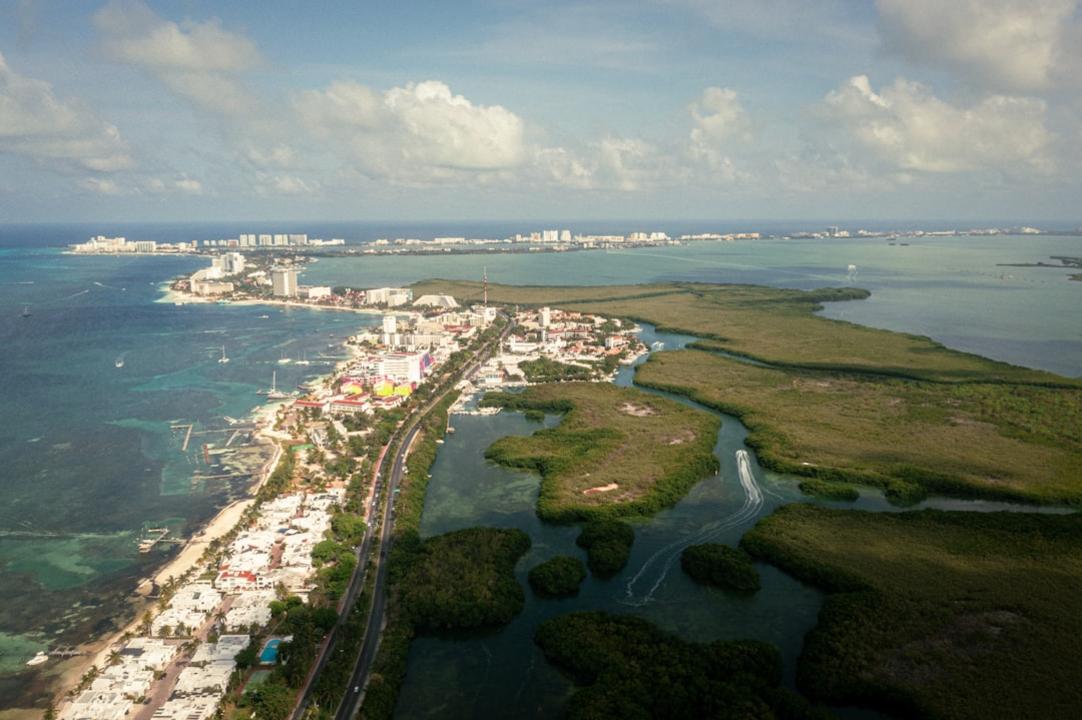
The Hotel Zone stretches along a thin barrier island with modern high-rise resorts, white sand beaches, and wide boulevards. Its architecture is predominantly sleek resorts and condo towers, with tourist-oriented shops and restaurants concentrated near Kukulcán Boulevard. The area is designed for relaxation and beach access, with a steady flow of visitors and resort staff.
Puerto Juárez
Puerto Juárez is a quiet, residential neighborhood north of downtown, featuring low-rise housing and a working harbor. It has a slower pace, with fishing boats, ferry terminals, and local markets defining the waterfront. The community is more local than tourist-focused, with modest homes and a few small eateries.
Av. Tulum
Avenida Tulum serves as a busy commercial corridor linking Centro with the Hotel Zone, lined with mid-rise office buildings, shopping centers, and local eateries. The street acts as a transit spine, bustling with buses, taxis, and shoppers. The architecture mixes utilitarian commercial blocks with newer malls and chain stores, reflecting its role as a city connector.
El Crucero
El Crucero sits at the southern entrance to the Hotel Zone, a mixed-use area where residential neighborhoods meet commercial hubs. It features low-rise apartment blocks, small businesses, and transit terminals. The vibe is practical and local, with a steady flow of commuters and shoppers rather than tourists.
Where to eat and drink in Cancún
Cancún’s food scene centers on fresh seafood sourced from the nearby Caribbean Sea, with a focus on Yucatán regional flavors like achiote and sour orange marinades. The fishing port of Puerto Juárez influences many cevicherias and casual seafood joints. Downtown neighborhoods like Centro offer bustling markets and family-run kitchens serving cochinita pibil, a regional slow-cooked pork dish. The Hotel Zone blends upscale dining with casual beachfront spots, where Mexican Caribbean flavors meet international touches. Local Maya culinary traditions shape the city’s food identity, especially in marinades and spice blends unique to this coastline.
Must-try dishes
Cochinita Pibil
Slow-roasted pork marinated in achiote and sour orange, wrapped in banana leaves.
This Yucatán regional specialty is a pillar of Cancún’s downtown food scene, particularly in Centro’s family kitchens where recipes pass through generations.
Insider tip: Skip the tourist spots and hunt down the small lunch counters in Centro for the most flavorful and tender cochinita.
Tikin Xic
Caribbean-style grilled fish marinated in achiote and sour orange, wrapped in banana leaves and cooked over charcoal.
A coastal Yucatán dish anchored in Cancún’s fishing heritage, especially popular in Puerto Juárez where fresh catch meets traditional preparation.
Insider tip: Order Tikin Xic near the ferry dock in Puerto Juárez for a meal that tastes like the sea itself.
Ceviche de Caracol (Conch Ceviche)
Fresh conch meat cured in lime juice with tomatoes, onions, and local herbs.
Cancún’s proximity to Isla Mujeres and its fishing port makes conch ceviche a local staple, distinct from more common fish ceviches elsewhere in Mexico.
Insider tip: Choose cevicherias near the beach with high turnover to ensure the freshest conch ceviche.
Xtabentún
A honey-based liqueur made from fermented anise seed and honey from local bees.
Produced in the Yucatán region, Xtabentún is a local drink tied to Maya traditions and enjoyed in Cancún’s bars and markets.
Insider tip: Try Xtabentún as a digestif after dinner to experience a flavor unique to this region.
Taco de Mariscos al estilo Cancún
Seafood tacos featuring fresh fish or shrimp with a local spicy habanero sauce and tropical salsas.
While seafood tacos are common nationally, Cancún’s version highlights local catches and unique salsas that reflect the Caribbean coast’s influence.
Insider tip: Grab these tacos late afternoon in Centro for a snack that feels like a local ritual.
Local drinks
- XtabentúnHotel Zone bars and liquor stores stock Xtabentún; try it neat or in cocktails at upscale lounges along Kukulcán Boulevard.
A sweet, anise-flavored liqueur made from local honey and fermented anise seeds, rooted in Maya tradition. - Michelada Cancún StyleBeach bars and local cantinas in the Hotel Zone serve this refreshing drink, ideal for cooling off after sunbathing.
A beer cocktail spiced with local hot sauces and fresh lime, with a salted rim often mixed with tajín seasoning.
Where to eat – by neighborhood
Centro
Bustling markets and family-run kitchens dominate, serving regional Yucatán staples and casual street food.
Insider tip: Order cochinita pibil at small eateries around Avenida Tulum during lunchtime to join locals in their midday meal.
Hotel Zone
A mix of upscale beachfront restaurants, casual seafood shacks, and bars offering Caribbean-influenced menus.
Insider tip: Head to the quieter south end for laid-back seafood spots where locals avoid the busiest tourist strips.
Puerto Juárez
Residential with a fishing village feel, home to fresh seafood joints and cevicherias near the ferry dock.
Insider tip: Try Tikin Xic grilled fish at beachside shacks right by the ferry pier; locals come here for the freshest catch.
Av. Tulum
A commercial corridor in Centro lined with street food stalls and casual eateries specializing in tacos and local specialties.
Insider tip: Visit in the late afternoon for seafood tacos at street stalls favored by locals after work.
Restaurants worth knowing
Lorenzillo’s
La Habichuela
El Fish Fritanga
Local markets
| Mercado 23 | Daily 7:00 AM to 6:00 PM – Fresh produce, local spices, and small food stalls selling cochinita pibil and regional snacks. |
|---|---|
| Mercado 28 | Daily 9:00 AM to 7:00 PM – Artisan crafts and food stalls offering Yucatán specialties like relleno negro and fresh seafood tostadas. |
| Marina Market Puerto Juárez | Daily 8:00 AM to 5:00 PM – Fresh fish and shellfish caught daily, plus cevicherias serving conch and fish ceviche. |
Dietary note
Vegetarian options are limited but available in Hotel Zone restaurants; Centro markets offer fresh fruit and vegetable snacks. Gluten-free diners should specify corn tortillas and avoid breaded items.
Daily budget for Cancún
Cancún’s daily costs sit above typical Mexican destinations due to its resort-heavy Hotel Zone and high tourist demand. Expect prices closer to a mid-to-high tier Mexican city, especially for beachfront lodging and activities.
Shoestring
- lodging – budget guesthouse or small bungalow off the main strip
- food – street tacos, local markets, and casual seafood stands
- transport – local buses and shared colectivos
- activities – snorkeling gear rental and self-guided beach days
- buffer – occasional taxi or small extras
Trade-offs: Sacrifice beachfront views for affordable guesthouses inland or near downtown to keep lodging costs down.
Comfort
- lodging – mid-range bungalow or boutique hotel in the Hotel Zone
- food – fresh seafood lunches at casual beachside restaurants
- transport – occasional taxis and local buses
- activities – guided cenote visits or ferry to Isla Mujeres
- buffer – drinks or small souvenirs
Trade-offs: Pay a premium for proximity to the beach and amenities, but skip expensive resort extras to stay within budget.
Splurge
- lodging – upscale boutique hotel or beachfront bungalow with amenities
- food – fine dining seafood and cocktails at sunset bars
- transport – private transfers and taxis
- activities – private tours to cenotes and ruins
- buffer – spa treatments or premium excursions
Trade-offs: Enjoy luxury accommodations and curated experiences but avoid all-inclusive resorts that inflate costs without added local flavor.
Money-saver tip
Book lodging on the north end of the Hotel Zone or near downtown to avoid inflated beachfront prices while staying close to swimmable beaches.
Splurge that’s worth it
Invest in a day pass at a reputable beach club with direct reef access and quality snorkeling gear—it beats crowded public beaches and rental hassles.
Skip to save
Skip airport taxis charging $40+; instead, take the public airport bus for around $10-$15 to downtown or the Hotel Zone.
Practical tips for Cancún
Money
Cash or card. Card payments work widely in Cancún’s Hotel Zone and tourist spots, but small street vendors and local markets in Centro often require cash. Carry small bills for food stalls and taxis, as many avoid cards or have minimums.
ATMs. ATMs are plentiful in Hotel Zone and Centro, but foreign-card fees can reach 3-5%. Use cards with no foreign transaction fees like Wise or Charles Schwab, and withdraw larger amounts to minimize fees.
Tipping. Tipping runs 10-15% in restaurants, with $1-$2 tipping hotel housekeeping per day common. For taxi rides, rounding up or adding $1 is standard if the driver helps with bags.
Safety
Cancún’s tourist areas maintain visible police presence, but petty theft happens in crowded spots and on public transit. Avoid flashing valuables and keep an eye on belongings, especially in markets and buses.
Where to walk at night. Hotel Zone stays safe for evening walks along Kukulcán Boulevard and beach areas. Centro is lively but avoid wandering late in poorly lit streets south of Avenida Tulum. Puerto Juárez is quiet and safe but less active after dark.
Common scams:
- Taxi drivers overcharging or refusing meters in Centro and Puerto Juárez
- Fake charity or souvenir sellers near ferry terminals
- ATM skimming at standalone machines outside banks
Local warnings:
- Strong sun requires sunscreen and hydration year-round
- Rip currents can occur on open beaches—swim near lifeguard stations
- Roads in Hotel Zone have fast traffic; cross only at marked crosswalks
Connectivity
Mobile data. Coverage is strong across Cancún, including Hotel Zone and Centro. Purchase a Telcel SIM or eSIM for reliable 4G/5G service, costing around $15-$25 for 5-10 GB, 2026.
Wi-Fi. Wi-Fi quality varies; most hotels and cafes in Hotel Zone offer stable connections. Centro’s cafes near Avenida Tulum have better Wi-Fi than local markets or street stalls.
Late-night transit. Public buses stop running around 10:30 PM; after that, rideshare apps or taxis are necessary. Hotel Zone and Centro rely on taxis after dark, especially for solo travelers returning late.
Language
Main language: Spanish. English level: English is widely spoken in Hotel Zone and tourist businesses, but less so in Centro and Puerto Juárez. Learning basic Spanish phrases helps in markets and local eateries.
Cultural notes
- Dress modestly when visiting religious sites like local churches in Centro
- Ask permission before photographing people, especially in markets
- Avoid discussing drug-related violence or politics with locals
- Use formal greetings like ‘Buenos días’ when entering shops or restaurants
Solo female travel
Solo female travelers find Hotel Zone comfortable with its beachfront walkways and nightlife spots. Centro offers more local flavor but requires vigilance after dark due to dimly lit streets. Public transport is busy; rideshare apps provide safer late-night options.
- Neighborhood: Stay in Hotel Zone near Kukulcán Boulevard for well-lit streets and easier taxi access at night.
- Transport: Use rideshare apps like DiDi or Uber after 10 PM, especially when traveling between Centro and Hotel Zone.
Frequently asked questions about Cancún
1Is snorkeling at Punta Nizuc worth it?
Yes, Punta Nizuc offers some of the clearest water and healthiest coral reefs in Cancún’s Hotel Zone. Morning visits deliver the best visibility. Skip it only if you want a quieter reef, as this spot can get busy midday.
2Hotel Zone or Centro — where should I stay in Cancún?
Choose Hotel Zone for direct beach access, resort vibes, and easy cenote day trips. Pick Centro (downtown) for lower prices, local markets like Mercado 28, and authentic street food. Solo travelers often prefer Hotel Zone for safer late-night taxi options.
3Should I visit Museo Maya de Cancún or spend more time at El Rey ruins?
Skip Museo Maya if pressed for time. El Rey ruins offer a compact, open-air site right in the Hotel Zone with fewer crowds and a relaxed pace. Museo Maya suits culture buffs but demands half a day and more travel.
4How many days do you need in Cancún to cover beaches and cenotes?
Four to five days balance beach relaxation and cenote exploration. Plan two full days in the Hotel Zone for beaches like Playa Delfines and snorkeling at Punta Nizuc, plus a day trip to nearby cenotes within 30 miles / 48 km.
5Is it safe to walk around Centro at night for solo female travelers?
No, avoid walking alone at night in Centro. Use registered taxis or rideshares after dark. Hotel Zone stays safer late with well-lit streets and active taxi services until midnight.
6What does a typical day cost in Cancún for mid-range travelers?
Expect around $60-$120 per day in 2026, covering a beachfront guesthouse, fresh seafood meals, snorkel rental (~$10/day), and local transport. Booking accommodations in Centro lowers lodging costs but adds taxi fares.
7Can you swim safely at Playa Delfines year-round?
Yes, Playa Delfines has calm, swimmable water most of the year thanks to its wide sandy shore and natural protection. Avoid rough water days during brief fall storms, but summer through spring offers consistent swim conditions.
8Is the ferry to Isla Mujeres crowded and should I book tickets in advance?
Yes, the ferry gets crowded during high season and weekends. Book tickets in advance online or at the Puerto Juárez terminal to avoid long lines, especially between December and April.
9What local dishes should I try in Cancún’s markets or eateries?
Try Cochinita Pibil for slow-roasted pork, Tikin Xic for grilled fish with achiote, and Ceviche de Caracol (conch ceviche) at Mercado 28 or Mercado 23. These dishes showcase Yucatán flavors unique to Cancún’s region.
10Is visiting Cenote Azul a good day trip from Cancún?
Yes, Cenote Azul offers clear freshwater swimming about 25 miles / 40 km south of Cancún. It’s less touristy than some Riviera Maya cenotes and has shaded picnic spots, making it ideal for a relaxed, nature-focused day.
Estimate your daily budget
See realistic daily costs by tier and category.