

Spain’s islands deliver some of Europe’s clearest waters and softest sands.
Split between the Mediterranean’s Balearics and the volcanic Canaries off Africa, Spain’s islands offer warm seas and easy island hopping. These islands stand out for their water quality, beach variety, and relaxed pace, far from crowded mainland coasts. If your trip centers on swimming, beach-hopping, and pure relaxation, this is where you’ll find it—without the noise or hassle of typical tourist traps.
Key takeaways
- Menorca’s calm coves offer quiet beaches away from crowds.
- Formentera boasts some of the clearest, whitest sand in the Mediterranean.
- Ibiza balances lively beach clubs with hidden tranquil bays.
- La Palma’s volcanic shores provide a different kind of coastal beauty.
- The Cies Islands in Galicia feature pristine Atlantic waters perfect for day trips.
Explore Spain on the interactive map
See all 10 islands pinned on our country map — filter by vibe and find your perfect base.
Some links on this page are affiliate links. We may earn a small commission at no extra cost to you when you book through them.
Why Visit Spain’s Islands
Spain’s islands stand apart for their water clarity, beach diversity, and distinct atmospheres split between two seas. The Balearics deliver Mediterranean warmth and calm, while the Canaries offer volcanic landscapes and Atlantic breezes. This combination creates a rare island collection where you can swim in warm, transparent waters or explore volcanic coasts without long flights between them. These islands matter because they offer a beach-focused trip that feels effortless and refreshing, unlike crowded mainland resorts.
Unmatched Water Clarity and Sand Quality in Formentera
Formentera’s beaches rank among Europe’s clearest and whitest, with shallow turquoise waters that invite long swims and easy wading. This island’s small size means you can explore multiple beaches by scooter or bike in a day, all with water quality that beats most Mediterranean spots. For swimmers and beach lovers, Formentera delivers a rare combination of calm, crystal-clear seas and soft sand.
Quiet, Secluded Beaches on Menorca
Menorca’s coastline is dotted with hidden coves and quiet beaches that avoid the crowds common on Mallorca or Ibiza. The island’s protected status limits development, preserving natural beauty and tranquility. This makes Menorca ideal for travelers who want to relax on the beach without the party scene or busy tourist infrastructure.
Volcanic Coastlines and Atlantic Breezes on La Palma
La Palma’s volcanic origins create dramatic black sand beaches and rugged shorelines that contrast with the Balearics’ Mediterranean calm. The island’s Atlantic location means cooler water and a different beach vibe, perfect for travelers who want a relaxing beach trip with a wild, natural edge. La Palma offers a coastal experience that’s both refreshing and visually striking.
Best for: This island cluster is perfect for solo travelers and friends focused on swimming, beach-hopping, and low-key relaxation in clear, warm waters.
Skip if: Avoid these islands if you want nonstop nightlife or urban beach scenes; the focus here is on calm, quality beaches and nature.

Islands of Spain
Spain’s island clusters split between the Balearics in the Mediterranean and the Canaries off Africa, plus the wild Cies Islands in Galicia. This list covers 13 islands, each with sharply different vibes and activities, so pick your archipelago by what you want from beach calm to volcanic hiking.
| Island | Top tip | Budget level |
|---|---|---|
| Mallorca | Arrive at Cala Deià early to enjoy crystal-clear water before crowds arrive. | Mid-range with budget options. |
| Menorca | Choose Cala Macarella for swimming in calm, turquoise water surrounded by pine forests. | Mid-range with affordable options. |
| Ibiza | Visit Cala d’Hort early for clear water and views of Es Vedrà without the afternoon crowds. | Mid-range to premium. |
| Formentera | Arrive at Playa de Ses Illetes early to enjoy calm, shallow water and avoid midday crowds. | Mid-range with fewer budget options. |
| Tenerife | Visit Playa de las Teresitas early for golden sand and calm water, rare on the island. | Mid-range with budget options. |
| Gran Canaria | Visit Maspalomas dunes early to avoid crowds and enjoy the unique desert-like landscape. | Mid-range with budget options. |
| Lanzarote | Swim at Playa Papagayo for calm, clear water in a protected bay. | Mid-range with some budget options. |
| La Palma | Hike the Caldera de Taburiente national park for dramatic volcanic scenery. | Budget-friendly to mid-range. |
| El Hierro | Dive at La Restinga marine reserve for clear water and abundant sea life. | Budget-friendly. |
| Cies Islands | Book ferry tickets early, especially in summer, to secure access to the islands. | Budget-friendly. |
Tours & day trips in Spain
Island day trips, snorkeling tours, and ferry combos — with local operators who know the routes.
Mallorca: Mediterranean Classic
Mallorca blends clear turquoise coves with lively towns and rugged mountains. It suits travelers who want a mix of beach time, hiking, and nightlife. Skip it if you want total seclusion—Mallorca’s popularity means some beaches get crowded, especially near Palma.
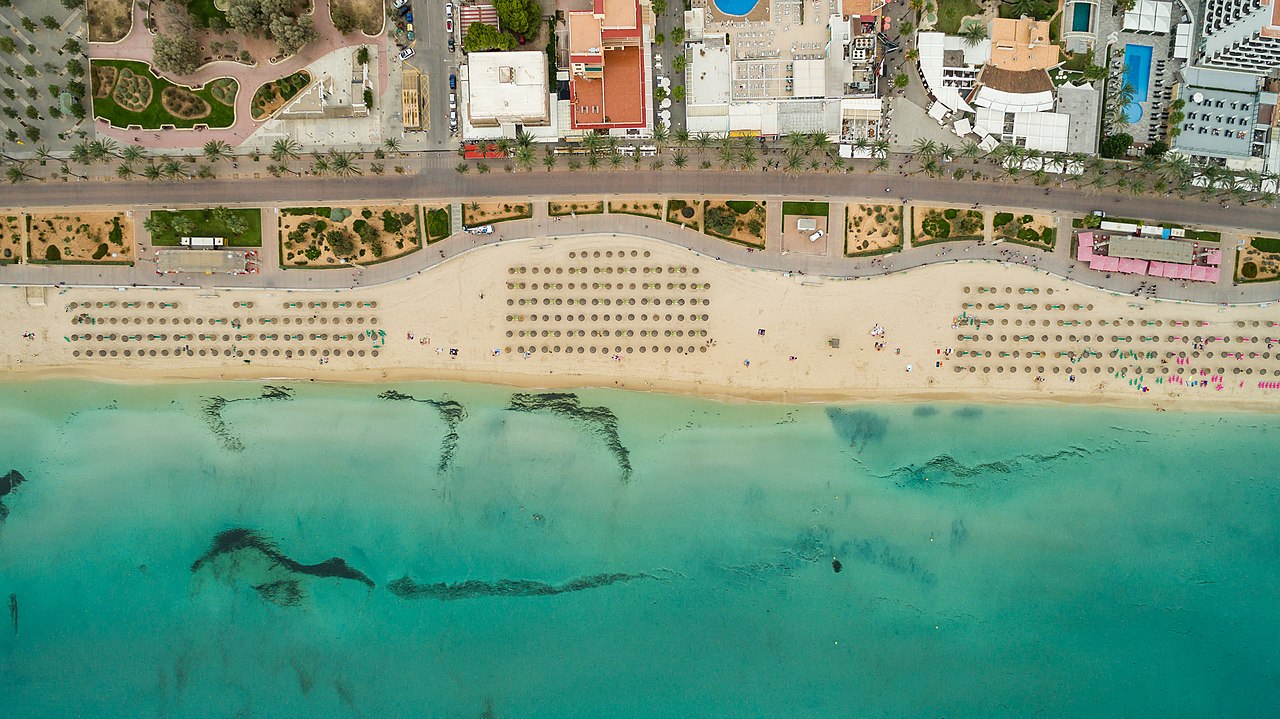
Mallorca offers a wide range of activities from swimming in calas (small coves) to hiking the Serra de Tramuntana mountains. The food scene includes fresh seafood and traditional Mallorcan dishes. Accommodation varies from budget hostels to upscale resorts, and the island is well-developed with shops, ATMs, and reliable transport. Palma’s nightlife and historic sites add cultural depth, making Mallorca a versatile choice for beach lovers who want options beyond sunbathing.
Find accommodation in Mallorca
- Arrive at Cala Deià early to enjoy crystal-clear water before crowds arrive.
- Hike the Torrent de Pareis gorge for a challenging but rewarding inland adventure.
- Avoid the busiest beaches near Palma on weekends to skip the crowds and overpriced vendors.
Food & drink
Mallorca’s food scene focuses on Mediterranean and Spanish cuisine, with local specialties like sobrassada sausage and ensaïmada pastry. Prices range from affordable tapas bars to pricier seaside restaurants. Tourist areas can be expensive, but inland villages offer better value and authentic flavors.
Facilities
ATMs are widely available, especially in Palma and larger towns. The island has full medical facilities, including hospitals and clinics. Transport options include bus networks, car and motorbike rentals, and taxis. Accommodation spans hostels, mid-range hotels, and luxury resorts, supporting all traveler types.
Where to base yourself
Palma is the best base for nightlife, dining, and cultural sites. For quieter beach days and hiking access, base yourself in Sóller or Deià on the northwest coast. Palma suits travelers wanting urban energy; Sóller and Deià fit those seeking calm and nature.
Budget
Mid-range with budget options. A typical day includes affordable tapas or mid-priced restaurants, public transport or rental scooters, and guesthouses or 3-star hotels.
Getting there: Mallorca is accessible via Palma de Mallorca Airport with frequent flights from mainland Spain and Europe. Ferries connect the island to Barcelona and Valencia.
What to skip: Avoid the main beaches near Palma during weekends and August afternoons, as they get packed and noisy, which reduces swimming comfort and local vibe.
Menorca: Quiet Beach Escape
Menorca offers calm, clear waters and quiet beaches that feel far from tourist crowds. It’s ideal for travelers prioritizing relaxation and swimming in serene coves. Skip Menorca if you want nightlife or extensive cultural activities—it’s low-key and slow-paced.

Menorca’s main draw is its peaceful beaches with shallow, clear waters perfect for swimming and snorkeling. The island also features walking trails, small towns with traditional architecture, and a relaxed food scene. Accommodation tends toward boutique hotels and guesthouses. Menorca is less developed than Mallorca but still offers necessary amenities and transport, making it a solid choice for a restful beach-focused trip.
- Choose Cala Macarella for swimming in calm, turquoise water surrounded by pine forests.
- Walk the Cami de Cavalls trail to discover hidden coves and varied coastal scenery.
- Book accommodations outside Mahón or Ciutadella to avoid the small-town crowds during peak season.
Food & drink
Menorca’s cuisine highlights fresh seafood and local cheeses like Mahón. The dining scene is modest but quality-driven, with many family-run restaurants offering affordable meals. Tourist crowds are low, so you’ll find mostly locals in eateries.
Facilities
ATMs are reliable in main towns, but scarce in rural areas. Medical facilities include basic clinics and a hospital in Mahón. Transport options are limited to buses, car rentals, and taxis. Accommodation ranges from small hotels to mid-range guesthouses.
Where to base yourself
Ciutadella suits travelers wanting charming old town vibes and access to western beaches. Mahón provides a livelier harbor town atmosphere and better transport links. Choose Ciutadella for quiet beaches; Mahón for convenience.
Budget
Mid-range with affordable options. Expect reasonable prices for food and lodging, with car rental or bus transport keeping daily costs manageable.
Getting there: Menorca is served by Menorca Airport with flights from mainland Spain and Europe. Ferries connect to Mallorca and Barcelona during summer months.
What to skip: Skip visiting beaches in Mahón town during weekends as they can be crowded and less ideal for swimming or relaxing.
Ibiza: Nightlife and Blue Waters
Ibiza is famous for its clear blue waters and world-renowned nightlife. It suits travelers who want beach days combined with clubbing and social scenes. Skip Ibiza if you want quiet beaches or a low-key pace—crowds and parties dominate peak season.

Ibiza offers a mix of lively beach clubs, quiet coves, and historic towns. Water sports, boat trips, and hiking trails add variety. The food scene ranges from casual beach bars to upscale restaurants. Accommodation includes budget hostels to luxury resorts. Ibiza’s infrastructure is highly developed, with frequent transport and nightlife options concentrated around San Antonio and Ibiza Town.
- Visit Cala d’Hort early for clear water and views of Es Vedrà without the afternoon crowds.
- Book club entry tickets in advance to avoid long lines and overpriced door fees.
- Explore the quieter northern beaches like Cala Xarraca to escape party crowds.
Food & drink
Ibiza’s food scene is diverse, with Mediterranean, Spanish, and international cuisine. Local dishes include bullit de peix (fish stew). Prices skew higher in tourist hotspots but affordable options exist inland and in smaller towns.
Facilities
ATMs are plentiful in Ibiza Town and San Antonio. Medical services include a hospital and clinics. Transport options include buses, car and scooter rentals, and taxis. Accommodation spans hostels to premium resorts.
Where to base yourself
Ibiza Town is best for nightlife and dining. San Antonio suits those wanting party beaches and sunset bars. For quieter stays, base in Santa Eulària des Riu on the east coast.
Budget
Mid-range to premium. Expect higher costs for nightlife, dining, and accommodation during summer, with budget options limited to hostels or off-season stays.
Getting there: Ibiza Airport connects with major European cities and mainland Spain. Ferries run from Valencia, Barcelona, and Mallorca.
What to skip: Avoid the main party beaches and clubs on weekend nights if you want to swim or relax without noise and crowds.
Formentera: Quiet Mediterranean Retreat
Formentera offers crystal-clear shallow waters and quiet beaches with a laid-back vibe. It’s perfect for travelers focused on swimming and relaxing away from crowds. Skip it if you want nightlife or extensive dining options—Formentera is peaceful and low-key.

Formentera’s main attraction is its pristine beaches with calm, clear water ideal for swimming and snorkeling. The island has limited nightlife and a small food scene focused on seafood and Mediterranean dishes. Accommodation is mostly small hotels and guesthouses. Infrastructure is modest but sufficient, keeping the island tranquil and less developed than Ibiza.
Find accommodation in Formentera
- Arrive at Playa de Ses Illetes early to enjoy calm, shallow water and avoid midday crowds.
- Rent a scooter to explore remote beaches and avoid the limited public transport.
- Book accommodations well in advance during summer, as options are limited.
Food & drink
Formentera features Mediterranean and Spanish cuisine with an emphasis on fresh seafood. The dining scene is small but quality-focused, with prices leaning toward mid-range. Most restaurants cater to tourists but maintain local flavors.
Facilities
ATMs are available in main towns but not everywhere. Medical facilities are limited to a basic clinic. Transport options are mainly scooter rentals and taxis. Accommodation includes small hotels and guesthouses.
Where to base yourself
Sant Francesc Xavier is the best base for access to shops, dining, and central location. Es Pujols suits travelers wanting closer beach access and nightlife.
Budget
Mid-range with fewer budget options. Daily costs can be higher due to limited accommodation and food variety.
Getting there: Formentera is reachable only by ferry from Ibiza, with frequent summer services. No airport is available.
What to skip: Skip visiting Ses Illetes beach midday in summer, as it becomes crowded and parking is difficult, reducing swimming comfort.
Tenerife: Volcanic Beaches and Hiking
Tenerife mixes black volcanic beaches with lush forests and the towering Mount Teide. It suits travelers who want beach relaxation combined with hiking and nature exploration. Skip Tenerife if you want white sand beaches or a compact, walkable town—this island is large and varied.

Tenerife offers diverse activities from swimming and sunbathing on volcanic and golden sand beaches to hiking in Teide National Park. The food scene includes Canarian specialties and Spanish cuisine. Accommodation ranges from budget hostels to luxury resorts. The island is well-developed with reliable transport and medical facilities, but distances between attractions require planning.
Find accommodation in Tenerife
- Visit Playa de las Teresitas early for golden sand and calm water, rare on the island.
- Hike Mount Teide’s trails for unbeatable volcanic landscapes and cooler temperatures.
- Avoid the southern beaches during peak holiday weeks when resorts fill up and parking is scarce.
Food & drink
Tenerife’s food scene features Canarian dishes like papas arrugadas and fresh seafood. Restaurants range from affordable local spots to tourist-oriented eateries. Prices are generally reasonable, with better value inland.
Facilities
ATMs and full medical services are available, including hospitals in Santa Cruz and Playa de las Américas. Transport options include buses, car rentals, and taxis. Accommodation covers hostels to high-end resorts.
Where to base yourself
Santa Cruz suits cultural travelers wanting city amenities. Costa Adeje is best for beach resorts and nightlife. Base choice depends on whether you want nature or beach focus.
Budget
Mid-range with budget options. Daily costs vary but affordable meals and transport keep expenses manageable.
Getting there: Tenerife has two airports with flights from Europe and mainland Spain. Ferries connect it to other Canary Islands.
What to skip: Skip the crowded southern beaches during major holidays to avoid packed resorts and limited swimming space.
Gran Canaria: Diverse Beaches and Towns
Gran Canaria offers a mix of golden beaches, dunes, and lively towns. It fits travelers wanting beach comfort with nightlife and cultural spots. Skip it if you want untouched nature—this island is busy and developed.

Gran Canaria features beaches like Playa del Inglés and Maspalomas dunes, alongside historic towns and hiking trails. The food scene is varied, with Canarian and international options. Accommodation ranges from budget hostels to large resorts. The island is highly developed with extensive transport and medical infrastructure.
Find accommodation in Gran Canaria
- Visit Maspalomas dunes early to avoid crowds and enjoy the unique desert-like landscape.
- Explore the old town of Vegueta in Las Palmas for a cultural break from the beach.
- Avoid Playa del Inglés during peak season if you want quieter swimming spots.
Food & drink
Gran Canaria’s cuisine includes Canarian specialties and international dishes. Restaurants cater to tourists, with a mix of affordable and high-end options. Expect more tourists than locals in dining areas.
Facilities
ATMs and full medical services are widely available. Transport includes buses, taxis, car rentals, and well-developed roads. Accommodation covers all budgets.
Where to base yourself
Las Palmas suits city and cultural travelers. Playa del Inglés is best for beach and nightlife. Choose based on whether you want urban or resort vibes.
Budget
Mid-range with budget options. Daily costs are affordable with many dining and lodging choices.
Getting there: Gran Canaria Airport connects with Europe and mainland Spain. Ferries link to Tenerife and other Canaries.
What to skip: Skip the busiest beaches during summer weekends to avoid crowded water and limited beach space.
Lanzarote: Volcanic Coast and Calm Waters
Lanzarote offers volcanic landscapes and calm, clear waters ideal for swimming and snorkeling. It suits travelers wanting beach time paired with unique geology. Skip Lanzarote if you want lush greenery or nightlife—the island is dry and quiet after dark.
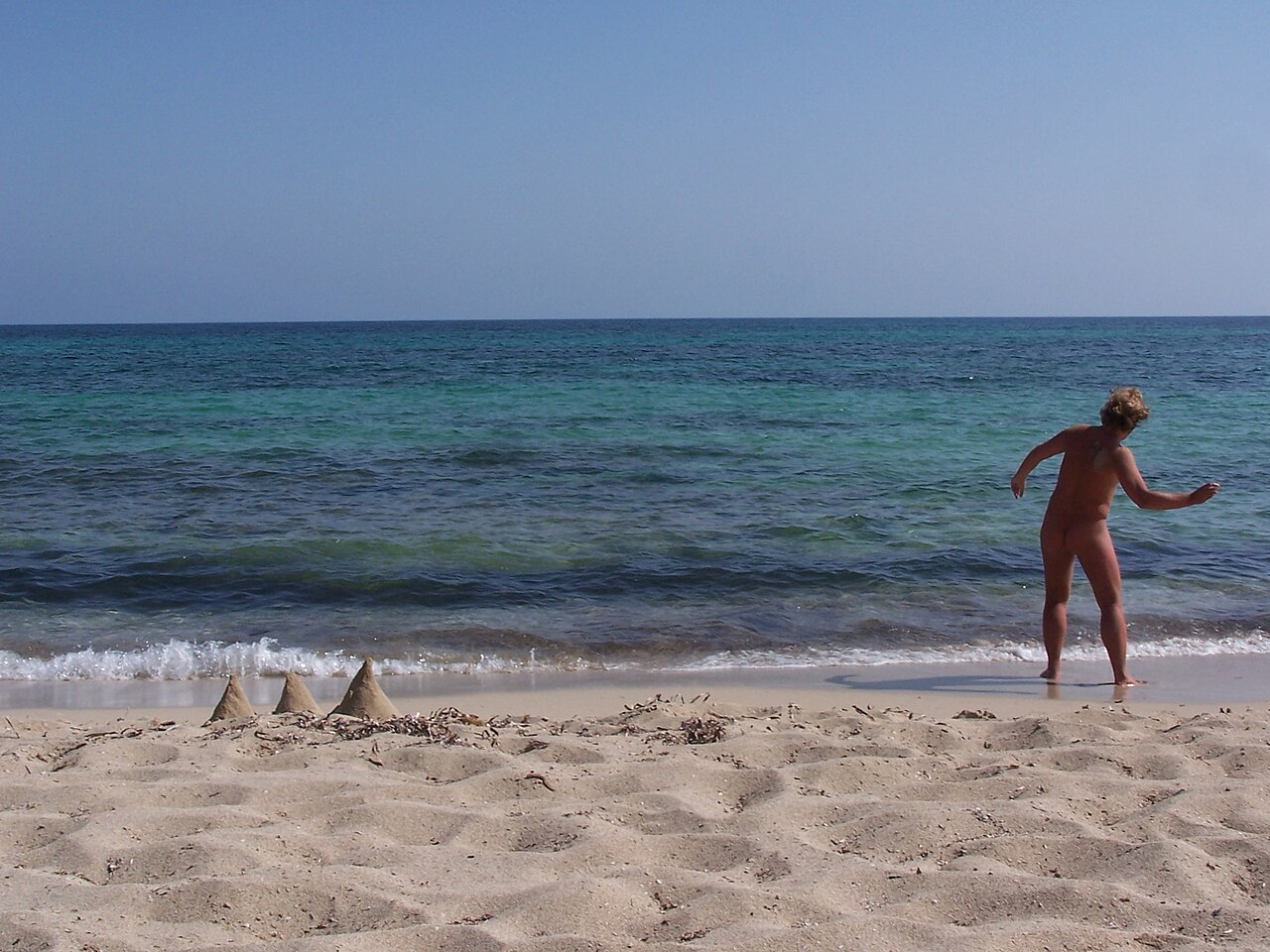
Lanzarote combines black volcanic beaches, calm bays, and volcanic parks. Water sports and hiking are popular. The food scene is modest but quality-focused, with local seafood and Canarian dishes. Accommodation ranges from budget to mid-range hotels. The island is moderately developed with sufficient transport and medical services.
Find accommodation in Lanzarote
- Swim at Playa Papagayo for calm, clear water in a protected bay.
- Explore Timanfaya National Park early to avoid crowds and midday heat.
- Avoid the northern beaches during winter, as winds can make swimming unpleasant.
Food & drink
Lanzarote’s food is mainly Canarian with fresh fish and local wines. Dining options are limited but good quality, especially outside tourist resorts. Prices are moderate.
Facilities
ATMs are available in main towns. Medical services include clinics and a hospital. Transport options include buses, car rentals, and taxis. Accommodation is mostly hotels and guesthouses.
Where to base yourself
Puerto del Carmen suits beach lovers wanting easy access to calm bays. Arrecife is best for those seeking town amenities and transport connections.
Budget
Mid-range with some budget options. Daily costs are reasonable if staying outside main tourist areas.
Getting there: Lanzarote Airport has flights from mainland Spain and Europe. Ferries connect to Fuerteventura and other Canaries.
What to skip: Skip the northern beaches in winter due to strong winds that reduce swimming comfort.
La Palma: Hiking Island with Quiet Shores
La Palma is a hiker’s paradise with volcanic trails and quiet black sand beaches. It suits travelers who want active exploration and solitude. Skip it if you want sandy white beaches or nightlife—La Palma is remote and low-key.
La Palma offers extensive hiking routes through volcanic landscapes and laurel forests. Beaches are mostly black sand and quiet. The food scene is local and rustic, with Canarian dishes. Accommodation is mostly small hotels and rural guesthouses. The island has limited but sufficient infrastructure, with fewer tourists than other Canaries.
Find accommodation in La Palma
- Hike the Caldera de Taburiente national park for dramatic volcanic scenery.
- Swim at Puerto Naos beach for calm water and black sand.
- Avoid winter hiking without proper gear as trails can be slippery and cold.
Food & drink
La Palma’s food is traditional Canarian with fresh fish and local produce. Dining options are limited but authentic and affordable, mostly family-run restaurants.
Facilities
ATMs and medical clinics are available in main towns. Transport includes limited buses and car rentals. Accommodation is small-scale and rustic.
Where to base yourself
Santa Cruz de La Palma is best for town amenities and ferry connections. Los Llanos suits hikers wanting closer access to trails.
Budget
Budget-friendly to mid-range. Daily costs are low with affordable food and lodging.
Getting there: La Palma Airport connects to mainland Spain and Tenerife. Ferries run to Tenerife and other Canaries.
What to skip: Skip hiking in winter without proper equipment due to weather risks and trail conditions.
El Hierro: Remote Volcanic Wilderness
El Hierro is the smallest and most remote Canary Island, with rugged volcanic coastlines and quiet black sand beaches. It suits travelers wanting solitude and nature hiking. Skip it if you want nightlife or sandy beaches—El Hierro is isolated and low-key.
El Hierro offers hiking, diving, and swimming in volcanic coves. Its remoteness means fewer tourists and limited nightlife. The food scene is local and modest. Accommodation is mainly guesthouses and small hotels. Infrastructure is basic but sufficient for independent travelers.
Find accommodation in El Hierro
- Dive at La Restinga marine reserve for clear water and abundant sea life.
- Hike the El Sabinar forest for unique twisted junipers and volcanic views.
- Avoid visiting during winter storms when ferry and flight schedules can be disrupted.
Food & drink
El Hierro’s cuisine is simple Canarian fare with fresh fish and local vegetables. Restaurants are few but authentic and affordable.
Facilities
ATMs are limited to main towns. Medical facilities include a small clinic. Transport options are limited to car rentals and taxis. Accommodation is basic guesthouses.
Where to base yourself
Valverde is the main town with essential services and best base for exploring the island.
Budget
Budget-friendly. Daily costs are low due to limited dining and lodging options.
Getting there: El Hierro Airport has flights from Tenerife and Gran Canaria. Ferries connect to Tenerife.
What to skip: Skip visiting during winter when weather can disrupt transport and outdoor plans.
Cies Islands: Wild Atlantic Beaches
The Cies Islands offer wild, unspoiled beaches with Atlantic waves and crystal-clear water. They suit travelers wanting nature and solitude, especially solo female travelers looking for safe, quiet spots. Skip if you want nightlife or easy access—visits require planning and ferry tickets.
The Cies Islands feature white sand beaches, hiking trails, and birdwatching. The islands are protected, limiting visitor numbers. No accommodation exists, so day trips are the norm. Food options are nonexistent, so bring supplies. Facilities are minimal but well maintained. The islands are perfect for swimming, kayaking, and nature walks.
Find accommodation in Cies Islands
- Book ferry tickets early, especially in summer, to secure access to the islands.
- Swim at Rodas Beach, often called one of Europe’s best, for calm, turquoise water.
- Avoid weekends and holidays to skip ferry crowds and packed beaches.
Food & drink
No food services are available on the islands. Bring packed meals and water for your visit.
Facilities
No ATMs or medical facilities. Basic toilets and waste disposal exist. Access is only by ferry from Vigo or Cangas. No on-island transport; all walking.
Where to base yourself
Base yourself in Vigo or Cangas to catch early ferries and have full services before and after day trips.
Budget
Budget-friendly. Costs mainly involve ferry tickets and meals off-island.
Getting there: Ferries run from Vigo and Cangas during spring to early fall. Tickets sell out fast in summer.
What to skip: Skip visiting on weekends or public holidays to avoid ferry lines and crowded beaches that diminish swimming quality.
Island-Hopping Routes in Spain’s Archipelagos
Choosing the right island-hopping route shapes your beach and relaxation experience. Focus on logical ferry connections and swim-friendly stops within the Balearics or Canaries to avoid wasting time on long flights or transfers.
| Route | Islands | Duration | Transport | Best for |
|---|---|---|---|---|
| Balearic Beach Loop | Mallorca → Menorca → Formentera | 7 days | ferry | quiet beaches, swimming, relaxed island vibes |
| Ibiza Night & Chill | Ibiza → Formentera | 5 days | ferry | nightlife, beach clubs, laid-back swimming spots |
| Canary Volcanic Shores | Tenerife → La Palma → El Hierro | 8 days | ferry and short flights | volcanic beaches, hiking, remote swimming |

Getting there
Reach the Balearics via direct flights to Mallorca, Ibiza, or Menorca from major European hubs. Formentera requires a ferry from Ibiza. The Canaries connect through Tenerife or Gran Canaria airports with international flights. La Palma and El Hierro are accessible by short domestic flights from Tenerife. Ferries link most islands seasonally but check schedules in advance.
Getting around
Ferries dominate island-to-island travel in the Balearics, with frequent, budget-friendly routes especially between Mallorca, Menorca, Ibiza, and Formentera. In the Canaries, use a mix of ferries and short domestic flights to cover longer distances efficiently. Ferry prices range from budget to mid-tier depending on speed and season. Book tickets early in summer to secure spots.
Best Visiting Months for Spain’s Islands
The best overall period to visit Spain’s islands for beach and swimming is from May through October. This window offers warm sea temperatures and plenty of sun across the Balearics and Canaries. For a full country-wide climate breakdown, see the dedicated best time to visit page.
Mallorca, Menorca, Ibiza, Formentera
May–October — Balearics shine in late spring through early fall for beach days and calm seas.
Tenerife, Gran Canaria, Lanzarote, La Palma, El Hierro
March–November — Canary Islands have a longer warm season due to subtropical climate.
Cies Islands
June–September — Galicia’s Cies Islands suit summer visits for beach access and boat trips.
Shoulder season: Visit in May or September to avoid peak summer crowds while enjoying warm water and good weather.
Practical Information for Spain’s Islands
Money
Euros are standard across all islands. ATMs are common on the Balearics and Canaries but limited on smaller islands like Formentera and Cies. Expect daily budgets of roughly $65–$120 depending on dining and accommodation choices.
Safety
Watch for strong currents on some Canarian beaches, especially Lanzarote’s northern coasts. Use reef shoes on rocky Balearic shores. Sun protection and hydration are mandatory year-round. Boat transfers can be rough in off-season winds—check local weather before departure.
Connectivity
Mobile signal is reliable on major islands; smaller and remote islands may have patchy coverage. Buy a local SIM or eSIM with data before arrival for best rates. WiFi is widely available in hotels and cafes but spotty on small islands like El Hierro or Cies.

Packing tip
Bring reef shoes and a snorkel for Balearic rocky beaches and underwater life. Pack strong sunblock and a dry bag for boat trips, especially around the Canaries. Lightweight layers work best for cooler evenings outside peak summer.
Frequently Asked Questions about Spain’s Islands
1How frequent are ferries between the Balearic Islands?
Ferries run multiple times daily between Mallorca, Menorca, Ibiza, and Formentera in peak season. Book tickets in advance for summer weekends to avoid sold-out trips. Off-season schedules reduce frequency, so check dates before planning.
2What’s the best way to get to the Canary Islands from mainland Spain?
Direct flights from Madrid and Barcelona serve Tenerife, Gran Canaria, Lanzarote, and others year-round. Avoid connecting through multiple airports—direct flights save time and reduce missed connections, especially for short trips.
3When is the best time to swim at the Cies Islands?
June through September offers the warmest water and calmest seas at the Cies Islands. Outside this period, strong Atlantic currents and cooler water make swimming uncomfortable and less safe.
4What marine life can you expect around the Balearics and Canaries?
The Balearics have extensive Posidonia seagrass beds supporting fish and octopus, ideal for snorkeling. The Canaries offer volcanic reefs with colorful fish, rays, and occasional dolphin sightings on boat tours.
5Which island is best for a first-time visitor wanting beaches and easy access?
Mallorca hits the sweet spot with large sandy beaches, good infrastructure, and frequent flights. Ibiza follows closely but is livelier. Formentera offers quieter beaches but fewer transport options.
6How many islands can you realistically visit in one week?
Focus on one archipelago per trip. In a week, explore Mallorca and Menorca or Ibiza and Formentera in the Balearics. Attempting the Canaries and Balearics together wastes time on long flights and transfers.