


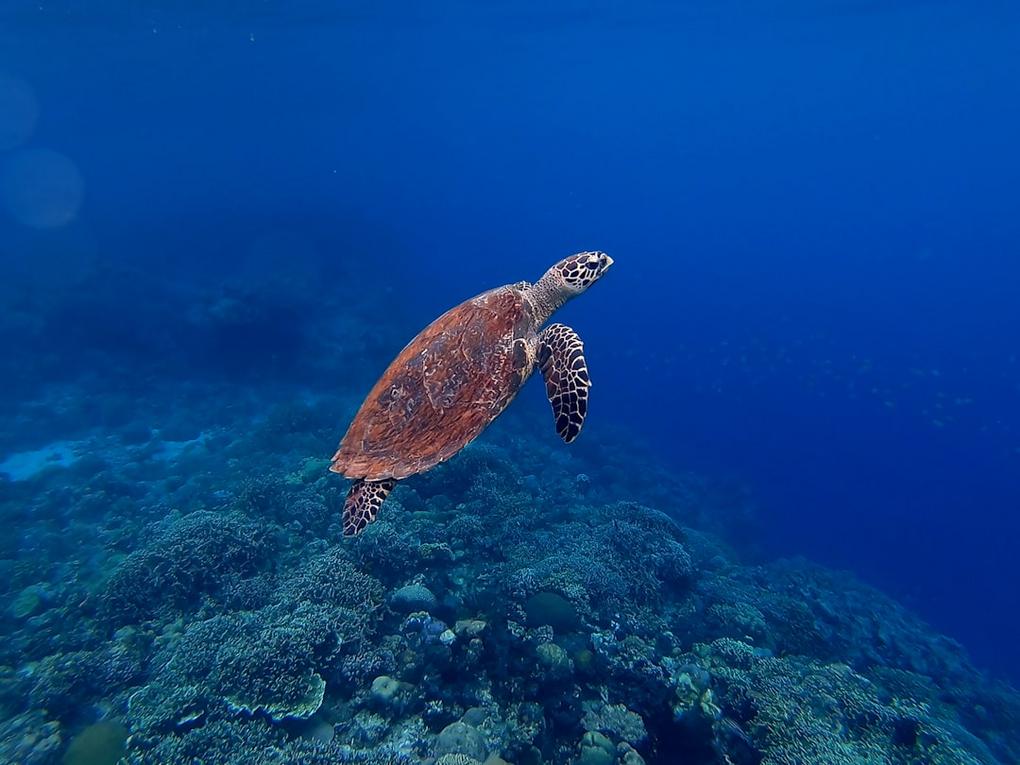
Crystal-clear waters teem with vibrant marine life beneath the sun-drenched surface.
Tubbataha Reefs and Apo Reef anchor the Philippines’ national parks, showcasing stunning underwater ecosystems. These marine parks offer unparalleled diving experiences, making them essential stops.
This guide highlights which parks deserve your time, considering access rules and crowding. Expect permits for certain areas and plan visits during off-peak months.
Key Takeaways
- Tubbataha requires advance booking; only accessible by liveaboard.
- Apo Reef offers diving at half the cost of Tubbataha.
- Visit Mount Apo in March to May for best conditions.
- Puerto Princesa is crowded; go early to avoid lines.
- Biak-na-Bato is quiet but rich in history.
- El Nido’s tours are best done early to avoid crowds.
- Check Taal’s hike status; often closed since 2020.
Which of these parks are actually worth your time?
Prioritize Tubbataha Reefs and Apo Reef for serious diving; both deliver incredible marine experiences. Mount Apo is ideal for trekkers seeking solitude and challenge. Skip parks like Hundred Islands and Taal Volcano unless you’re nearby, as they are crowded and less rewarding compared to the marine offerings.

Overview of National Parks
Refer to this table for a quick comparison of the parks.
| Park | Region | Size (km2) | Best months | Crowds | Verdict |
|---|---|---|---|---|---|
| Puerto Princesa Subterranean River National Park | Palawan | 22500 | Dec-May | crowded | Skip unless early |
| Mount Apo National Park | Mindanao | 73357 | Mar-May | quiet | Anchor your trip here |
| Bataan National Park | Bataan | 32760 | Nov-Apr | moderate | Worth a detour |
| Biak-na-Bato National Park | Bulacan | 2117 | Dec-Apr | quiet | Only for history buffs |
| Tubbataha Reefs Natural Park | – | 970 | Mar-Jun | quiet | Anchor your trip here |
| Mount Pulag National Park | – | 115 | Jan-Mar, Nov-Dec | moderate | Worth a detour |
| Mayon Volcano Natural Park | – | 56 | Feb-May | moderate | Skip unless nearby |
| Hundred Islands National Park | – | 17 | Feb-May | crowded | Skip unless nearby |
| Apo Reef Natural Park | – | 274 | Mar-Jun | quiet | Anchor your trip here |
| El Nido-Taytay Managed Resource Protected Area | – | 904 | Dec-Apr | crowded | Skip unless early |
| Mount Hamiguitan Range Wildlife Sanctuary | – | 68 | Mar-May | quiet | Worth a detour |
| Balinsasayao Twin Lakes Natural Park | – | 81 | Jan-May | quiet | Worth a detour |
| Mount Kitanglad Range Natural Park | – | 470 | Feb-May | quiet | Skip unless experienced |
| Northern Sierra Madre Natural Park | – | 3597 | Feb-Apr | quiet | Only for serious eco-tourists |
| Mount Isarog Natural Park | – | 101 | Jan-Apr | quiet | Skip unless nearby |
| Taal Volcano Protected Landscape | – | 626 | Dec-Mar | crowded | Skip unless nearby |
| Minalungao National Park | – | 22 | Jan-Apr | moderate | Skip weekends |
| Mounts Iglit-Baco Natural Park | – | 1067 | Mar-May | quiet | Specialist destination only |
| Samar Island Natural Park | – | 3334 | Mar-May | quiet | Skip unless equipped |
Where these parks are
Explore the Marine Parks and Volcanoes of the Philippines
Every national park in the Philippines is profiled and rated here, focusing on marine experiences and volcanic landscapes. The parks are judged on their unique offerings for travelers seeking ecological depth and comfort, with an emphasis on avoiding mass tourism. Expect concrete advice on what to prioritize or skip for an enriching visit.
Puerto Princesa Subterranean River National Park, Palawan
Verdict
This park is worth a visit for those curious about unique cave systems, but expect crowds. Go early to enjoy the underground river without the tourist rush.
The highlight is an 8-km navigable underground river winding through limestone caverns. A 1.5-hour boat tour reveals impressive stalactites and stalagmites in a dark, serene environment.
Located near Puerto Princesa, this UNESCO World Heritage site can get crowded, especially during midday tours. To avoid the rush, aim for the 6-7 AM tours; however, be prepared for some walking on the upland trail for a different perspective.
- Region: Palawan
- Area: 22500 km2
- Best time: December to May
- Crowds: crowded
Wildlife to look for: bats · cave ecosystems · various bird species · mangroves
What to do: take the underground river boat tour · hike the upland trail loop · explore limestone formations · bird-watch along the trails
Why it earns the detour:
- Iconic underground river navigable by boat.
- Stalactites and stalagmites create stunning formations.
- Recognized as a UNESCO World Heritage site.
- Home to diverse wildlife, including bats.
Insider tip
Book the early boat tour to experience the cave with fewer visitors.

Mount Apo National Park, Mindanao
Verdict
Best for serious trekkers, Mount Apo offers a challenging ascent to the Philippines’ highest peak. Opt for this park if you seek adventure and solitude in a less crowded environment.
Mount Apo stands at 2,954 m, featuring a volcanic crater and lush forest ecosystems. The trek is technical, requiring 2-3 days and a mandatory guide, making it ideal for experienced hikers.
Located in Mindanao, the park is accessible from Davao City. March to May provides the clearest skies, but be cautious of cloud cover above 2,300 m. The trails can be steep and challenging, so prepare accordingly.
- Region: Mindanao
- Area: 73357 km2
- Best time: March to May
- Crowds: quiet
Wildlife to look for: eagles · Philippine tarsiers · rare mountain flora · various bird species
What to do: climb to the summit of Mount Apo · explore volcanic features · observe endemic wildlife · camp in alpine forests
Why it earns the detour:
- Philippines’ highest peak with stunning vistas.
- Volcanic crater showcases unique geological features.
- Home to rare mountain flora and fauna.
- Quiet trails away from tourist crowds.
Insider tip
Book your guide in advance in Davao City to secure a spot.

Bataan National Park, Bataan
Verdict
Ideal for day hikes and accessible nature, Bataan National Park is perfect for those looking for a quick escape from Manila. Choose this park for a mix of scenic hikes and historical context.
This park features multiple hiking trails, including a moderate ascent to Mount Mariveles. The area is rich in biodiversity, with options for waterfall hikes and bird-watching.
Located just two hours from Manila, Bataan National Park is easily accessible. November to February is the best time to visit for cooler weather, but avoid the rainy season when trails can be slippery.
- Region: Bataan
- Area: 32760 km2
- Best time: November to April
- Crowds: moderate
Wildlife to look for: endemic bird species · monkeys · various reptiles · butterflies
What to do: hike to Mount Mariveles · visit Oasis waterfall · bird-watch along trails · explore historical sites
Why it earns the detour:
- Mount Mariveles offers a moderate peak hike.
- The Oasis waterfall is a short and scenic trek.
- Rich bird-watching opportunities with endemic species.
- Conveniently close to Manila for easy access.
Insider tip
Visit during weekdays for a quieter experience on the trails.

Biak-na-Bato National Park, Bulacan- Region: Bulacan
- Area: 2117 km2
- Best time: November to April
- Crowds: quiet
Verdict
A worthwhile stop for history enthusiasts, Biak-na-Bato offers a unique glimpse into Philippine history through its caves. Visit if historical significance is a priority.
This park features limestone caves with notable historical importance, including Aguinaldo’s headquarters during the Philippine Revolution. Guided tours navigate the cave’s fascinating formations.
Located about two hours from Manila, the park is easily accessible. The best time to visit is from November to April, avoiding the rainy season when access may be limited.
- Region: Bulacan
- Area: 2117 km2
- Best time: November to April
- Crowds: quiet
Wildlife to look for: various bats · cave-dwelling insects · endemic plants · birds
What to do: take a guided cave tour · explore Aguinaldo’s headquarters · observe limestone formations · hike the surrounding trails
Why it earns the detour:
- Aguinaldo cave showcases revolutionary history.
- Unique limestone formations are a geological highlight.
- Archaeological sites reveal ancient burial artifacts.
- Easily accessible from Manila for a day trip.
Insider tip
Join a guided tour to fully appreciate the historical context.
Tubbataha Reefs Natural Park- Area: 970 km2
- Best time: March to June
- Crowds: quiet
Verdict
This park is essential for serious divers seeking incredible marine biodiversity. Only visit if you have extensive diving experience and can commit to a liveaboard trip.
Tubbataha is a UNESCO-listed marine park in the Sulu Sea, known for its extensive coral reefs and rich marine life. It requires a liveaboard to access its stunning underwater ecosystems.
The park is only accessible from March to June, and divers must have logged at least 50 dives. Book well in advance, as spots fill quickly for this sought-after diving destination.
- Area: 970 km2
- Best time: March to June
- Crowds: quiet
Wildlife to look for: 600+ fish species · 360 coral species · hawksbill turtles · pelagic sharks
What to do: dive the pristine reefs · explore underwater ecosystems · observe diverse marine life · experience liveaboard diving
Why it earns the detour:
- Home to one of the world’s most biodiverse marine environments.
- Access is limited to liveaboard only, enhancing exclusivity.
- Offers encounters with large pelagic species and vibrant coral.
- A UNESCO World Heritage site, underscoring its global significance.
Insider tip
Book your liveaboard trip at least a year in advance for the best chances of securing a spot.
Mount Pulag National Park- Area: 115 km2
- Best time: January to February
- Crowds: moderate
Verdict
Visit for a chance to see the famous ‘sea of clouds’ at sunrise, but avoid the rainy season to maximize visibility. This park suits those seeking a unique photo opportunity.
Mount Pulag is the highest peak in Luzon, renowned for its grassland summit and stunning sunrises. The view of clouds settling in the valleys below creates a picturesque scene.
The park is accessible from various points, with the best time to visit being January to February for clearer skies. Be prepared for chilly temperatures, especially at the summit campground.
- Area: 115 km2
- Best time: January to February
- Crowds: moderate
Wildlife to look for: various bird species · rare flowers · endemic plants · small mammals
What to do: hike to the summit · camp at the summit campground · photograph the sunrise · explore the grassland ecosystems
Why it earns the detour:
- Famous for its breathtaking ‘sea of clouds’ at sunrise.
- Unique grassland ecosystem supports diverse flora and fauna.
- Offers various trails of different difficulty levels.
- A popular spot for photographers and nature lovers.
Insider tip
Arrive early to secure a good spot for sunrise photography.
Mayon Volcano Natural Park- Area: 56 km2
- Best time: February to May
- Crowds: moderate
Verdict
Best viewed from a distance rather than hiked, as access is often restricted. Opt for viewpoints instead of attempting a hike unless conditions are favorable.
Mayon Volcano is known for its perfect cone shape and is one of the most active volcanoes in the Philippines. The park offers stunning views, but hiking is often limited due to safety concerns.
Visitors typically enjoy viewpoints like Cagsawa Ruins and Lignon Hill. The best months for viewing are February to May, but be aware that hiking permits can be hard to obtain.
- Area: 56 km2
- Best time: February to May
- Crowds: moderate
Wildlife to look for: various birds · small mammals · insects · endemic plants
What to do: view Mayon from Cagsawa Ruins · explore Lignon Hill · take ATV tours across lava fields · photograph the volcano
Why it earns the detour:
- Mayon is known for its symmetrical cone shape, making it visually striking.
- Access to hiking is often restricted for safety reasons.
- Viewpoints offer great photo opportunities without the hike.
- ATV tours provide a unique way to explore the lava fields.
Insider tip
Visit early in the morning for the best light and fewer people at viewpoints.
Hundred Islands National Park- Area: 17 km2
- Best time: February to May
- Crowds: crowded
Verdict
Skip this park unless you’re in the area; it has become overcrowded and lacks unique experiences. If you do visit, go midweek to avoid the crowds.
This park consists of 124 small islands, primarily for day trips and tours. While the scenery is pleasant, the experience is often marred by large crowds.
Located a few hours from Manila, it’s best to visit during weekdays to avoid the rush. The standard boat tour includes a few developed islands, but the snorkeling experience has declined due to overuse.
- Area: 17 km2
- Best time: February to May
- Crowds: crowded
Wildlife to look for: various seabirds · marine life · coral species · small fish
What to do: island-hop between the developed islands · snorkel at designated sites · enjoy beach activities · take photos at viewpoints
Why it earns the detour:
- Cluster of 124 islands offers a variety of beach experiences.
- Popular for day trips, leading to crowded conditions.
- Only a few islands are developed for tourism.
- Standard tours include swimming and zip-lining activities.
Insider tip
Avoid the standard tour and rent a kayak to explore at your own pace.
Apo Reef Natural Park- Area: 274 km2
- Best time: March to June
- Crowds: quiet
Verdict
Apo Reef is a prime destination for divers seeking an intact reef experience. Prioritize this park if you’re looking for less crowded diving opportunities.
This marine park features the second-largest contiguous coral reef in the world. Its remote location offers pristine diving conditions and encounters with diverse marine life.
Accessible only by liveaboard or multi-day expeditions from Sablayan, Apo Reef is ideal for serious divers. The best diving conditions are from March to June, with no tourism infrastructure on the islets.
- Area: 274 km2
- Best time: March to June
- Crowds: quiet
Wildlife to look for: sharks · manta rays · tropical fish · coral species
What to do: dive on the outer reef · explore uninhabited islets · snorkel in clear waters · observe marine life
Why it earns the detour:
- Home to diverse marine life with numerous species.
- Less crowded than Tubbataha, making for a more intimate experience.
- Sheer wall drops make for exciting diving opportunities.
- No tourism infrastructure ensures a natural environment.
Insider tip
Plan a multi-day trip from Sablayan for the best access to diving spots.
El Nido-Taytay Managed Resource Protected Area- Area: 904 km2
- Best time: December to April
- Crowds: crowded
Verdict
This area is perfect for those seeking iconic landscapes and snorkeling opportunities. Prioritize kayaking to avoid the crowds on standard tours.
The marine reserve features limestone karsts, hidden lagoons, and clear water channels. It’s a popular destination for snorkeling and island-hopping tours.
Located in Palawan, the best time to visit is from December to April. To avoid the crowds, consider renting a kayak and exploring the Big Lagoon early in the morning instead of joining a packed tour.
- Area: 904 km2
- Best time: December to April
- Crowds: crowded
Wildlife to look for: marine life · various fish species · coral reefs · birds
What to do: kayak into the Big Lagoon · snorkel at popular spots · island-hop among the limestone formations · explore hidden beaches
Why it earns the detour:
- Iconic scenery with limestone karsts and clear waters.
- Standard tours can be overcrowded, especially during peak season.
- Kayaking offers a more personalized experience.
- Diverse marine life is easily observed while snorkeling.
Insider tip
Rent a kayak and explore at dawn to avoid the tour crowds.
Mount Hamiguitan Range Wildlife Sanctuary- Area: 68 km2
- Best time: March to May
- Crowds: quiet
Verdict
Visit if you’re keen on unique ecosystems; otherwise, skip unless you can commit to a longer trek. This park is best for serious nature enthusiasts who appreciate rare flora.
Home to a UNESCO World Heritage site, this sanctuary features a distinctive ‘pygmy forest’ with stunted bonsai-like trees and carnivorous pitcher plants. The experience is concentrated along a ridge, making it a fascinating day trip from Mati if time is limited.
Located in Davao Oriental, the park requires a permit and a guide for hikes. Expect a quiet atmosphere, especially on weekdays. Be prepared for potential closures during the rainy season, which can affect access.
- Area: 68 km2
- Best time: March to May
- Crowds: quiet
Wildlife to look for: Philippine eagle · tamaraw · endemic pitcher plants · various bird species
What to do: hike to the bonsai forest · birdwatching · explore the unique vegetation · photograph rare species
Why it earns the detour:
- The bonsai forest is a rare ecological feature, making it a unique visit.
- A guided trek offers insights into the diverse flora and fauna.
- Quiet surroundings allow for peaceful exploration.
- The area is rich in biodiversity, ideal for nature lovers.
- Day trips from Mati provide an efficient way to experience the park.
Insider tip
Prioritize the bonsai forest viewing deck at Tinagong Dagat for the best experience.
Balinsasayao Twin Lakes Natural Park- Area: 81 km2
- Best time: January to May
- Crowds: quiet
Verdict
Ideal for a half-day trip; combine with nearby attractions for a fuller experience. Perfect for those looking for a tranquil escape without heavy hiking.
This park features two serene crater lakes, Balinsasayao and Danao, separated by a lush forested ridge. The area is perfect for kayaking and birdwatching, particularly for endemic species like the Visayan hornbill.
Located about 45 minutes from Dumaguete, the park remains quiet and less crowded than other tourist spots. The best visits are during the dry season, and travelers should be aware that facilities are limited.
- Area: 81 km2
- Best time: January to May
- Crowds: quiet
Wildlife to look for: Visayan hornbill · Philippine tarsier · various freshwater fish · endemic bird species
What to do: kayak on the lakes · hike the ridge trail · birdwatching · picnicking by the water
Why it earns the detour:
- The twin lakes provide stunning reflections and peaceful scenery.
- Kayaking offers a unique perspective of the lakes.
- Birdwatching opportunities abound with endemic species.
- Short hikes between the lakes are manageable and rewarding.
- Easily accessible from Dumaguete for a quick nature escape.
Insider tip
Pair your visit with Casaroro Falls for a complete day of natural beauty.
Mount Kitanglad Range Natural Park- Area: 470 km2
- Best time: February to May
- Crowds: quiet
Verdict
Skip unless you can secure a guide and permit; this park is not for casual hikers. It’s best suited for serious trekkers seeking a challenging climb.
This park is sacred to the Talaandig people and features Mount Dulang-Dulang, the second-highest peak in the Philippines. The area is rich in biodiversity, including the endangered Philippine eagle, making it a significant conservation site.
Access requires coordination with local elders and a strict permit process, making spontaneous visits difficult. Expect a quiet environment, but be prepared for challenging terrain and potential weather issues.
- Area: 470 km2
- Best time: February to May
- Crowds: quiet
Wildlife to look for: Philippine eagle · various endemic birds · monkeys · rare orchids
What to do: summit Mount Dulang-Dulang · guided nature walks · cultural experiences with locals · birdwatching
Why it earns the detour:
- The park is a critical habitat for the Philippine eagle.
- Cultural interactions with the Talaandig people enhance the experience.
- The challenging terrain attracts serious climbers.
- Strict regulations ensure the preservation of the ecosystem.
- The park’s elevation offers stunning views for those who reach the summit.
Insider tip
Only attempt the climb with a registered guide to respect local customs.
Northern Sierra Madre Natural Park- Area: 3597 km2
- Best time: February to April
- Crowds: quiet
Verdict
Best for dedicated eco-tourists; skip if you’re looking for casual hikes. This park is suited for those who want a deep dive into untouched nature.
Covering a vast area of rainforest, this park is the largest terrestrial protected area in the Philippines. It hosts a variety of ecosystems, making it a refuge for numerous endemic species, including the Philippine crocodile.
Access is primarily by boat, and the park has minimal tourism infrastructure. Expect a quiet experience, but be prepared for the challenges of remote travel and the need for proper gear.
- Area: 3597 km2
- Best time: February to April
- Crowds: quiet
Wildlife to look for: Philippine eagle · Philippine crocodile · endemic reptiles · various bird species
What to do: ranger-guided river trips · wildlife spotting · exploring remote areas · fishing in the river
Why it earns the detour:
- The park’s vast size offers a true wilderness experience.
- Ranger-guided trips provide in-depth knowledge of the ecosystem.
- It’s a critical habitat for endangered species.
- The remote location ensures minimal human impact.
- Adventure seekers will find plenty of exploration opportunities.
Insider tip
Base in Palanan to arrange guided trips and maximize your experience.
Mount Isarog Natural Park- Area: 101 km2
- Best time: January to April
- Crowds: quiet
Verdict
Visit for the mossy forest and waterfalls; skip the summit unless you’re an experienced climber. This park suits those looking for a shorter, scenic hike.
Mount Isarog features a solitary stratovolcano surrounded by lush rainforest. The mossy forest near the crater is home to endemic Bicol birds and tarsiers, making it a great spot for wildlife enthusiasts.
Located in Camarines Sur, the park is accessible for day trips. Expect a quiet experience, especially outside of weekends, but be cautious of potential trail closures due to weather.
- Area: 101 km2
- Best time: January to April
- Crowds: quiet
Wildlife to look for: Bicol tarsier · endemic birds · various butterflies · rare plants
What to do: explore the mossy forest · visit Malabsay and Nabontolan waterfalls · birdwatching · short nature walks
Why it earns the detour:
- The mossy forest provides a unique ecosystem to explore.
- Waterfalls are easily accessible for a refreshing visit.
- The park is less crowded, offering a peaceful experience.
- Wildlife spotting opportunities are plentiful.
- Day hikes can be completed within a few hours.
Insider tip
Focus on the mossy forest day walk from Panicuason hot spring for the best experience.
Taal Volcano Protected Landscape- Area: 626 km2
- Best time: December to March
- Crowds: crowded
Verdict
Skip the hike unless the crater is open; focus on Tagaytay’s views instead. This park is best for those looking for a quick escape from Manila.
Taal Volcano, located on an island within a lake, presents a unique geological feature. However, the hike to the crater has been frequently closed since 2020, limiting access to the volcano itself.
Tagaytay offers several viewpoints, including Ridge and Picnic Grove, which provide stunning views of the volcano. Expect heavy crowds on weekends, especially from Manila, so plan accordingly.
- Area: 626 km2
- Best time: December to March
- Crowds: crowded
Wildlife to look for: various bird species · freshwater fish · endemic plants · small mammals
What to do: view the volcano from Tagaytay · picnic at the viewpoints · explore local eateries · take photos of the landscape
Why it earns the detour:
- Tagaytay’s viewpoints offer the best views of Taal Volcano.
- The area is a popular escape from Manila’s hustle.
- Local eateries provide unique culinary experiences.
- Expect a vibrant atmosphere, especially on weekends.
- The geological features are fascinating for those interested in volcanology.
Insider tip
Confirm the crater hike status before planning your visit, as it is often closed.
Minalungao National Park- Area: 22 km2
- Best time: January to April
- Crowds: moderate
Verdict
Visit on weekdays for a quieter experience; skip weekends when locals flock to the area. This park suits those looking for a short, scenic getaway.
Minalungao features a narrow river gorge framed by 16m-high marble cliffs. The Peñaranda River offers opportunities for bamboo raft rides and cliff jumping, making it a fun day trip.
Located about four hours from Manila, the park is a popular domestic destination but sees little international traffic. Expect a lively atmosphere on weekends, which can detract from the natural beauty.
- Area: 22 km2
- Best time: January to April
- Crowds: moderate
Wildlife to look for: various bird species · freshwater fish · small mammals · plants along the river
What to do: bamboo raft rides · cliff jumping · exploring the gorge · hiking along the river
Why it earns the detour:
- The marble cliffs create a stunning backdrop for activities.
- Raft rides offer a unique way to explore the gorge.
- Cliff jumping is a thrilling experience for adventure seekers.
- Weekday visits provide a more serene atmosphere.
- The park is easily accessible for a quick getaway.
Insider tip
Avoid weekends to enjoy a quieter experience and appreciate the natural beauty.
Mounts Iglit-Baco Natural Park- Area: 1067 km2
- Best time: March to May
- Crowds: quiet
Verdict
Only visit if you’re a committed conservation traveler; otherwise, skip this park. It’s best for those willing to undertake a multi-day expedition.
This park is Mindoro’s largest protected area and the last refuge of the critically endangered tamaraw. Access is highly restricted, requiring permits and a guided expedition.
Expect a quiet experience, but be prepared for the challenges of remote travel and the need for proper gear. The tamaraw count area is off-limits to casual visitors, making this a specialist destination.
- Area: 1067 km2
- Best time: March to May
- Crowds: quiet
Wildlife to look for: tamaraw · endemic birds · various reptiles · flora unique to Mindoro
What to do: multi-day overland expedition · wildlife observation · cultural exchanges with locals · exploring diverse ecosystems
Why it earns the detour:
- The park is crucial for the conservation of the tamaraw.
- Access is highly regulated, ensuring minimal human impact.
- Multi-day expeditions offer immersive experiences.
- The unique ecosystems provide opportunities for research and observation.
- Cultural interactions with local communities enhance the visit.
Insider tip
Plan your visit well in advance and coordinate with park rangers for a successful expedition.
Samar Island Natural Park- Area: 3334 km2
- Best time: March to May
- Crowds: quiet
Verdict
Best for caving enthusiasts; skip if you’re looking for casual day trips. This park is suited for those ready for serious exploration.
Samar Island features one of the largest cave systems in the Philippines, with the Langun-Gobingob cave being a highlight. The park’s interior wilderness offers karst landscapes and underground rivers.
Access is limited, requiring multi-day expeditions for serious caving. Day-trippers should consider visiting Sohoton Natural Bridge for a more accessible experience. Expect a quiet atmosphere with minimal tourism.
- Area: 3334 km2
- Best time: March to May
- Crowds: quiet
Wildlife to look for: various bat species · endemic birds · freshwater fish · unique cave flora
What to do: caving expeditions · river trekking · exploring sinkholes · wildlife spotting
Why it earns the detour:
- The Langun-Gobingob cave system is a major attraction for caving enthusiasts.
- The park’s vast wilderness is perfect for serious explorers.
- Unique geological features add to the park’s allure.
- Minimal tourism ensures a pristine environment.
- Day trips to Sohoton provide a more accessible alternative.
Insider tip
Consider day trips to Sohoton Natural Bridge if caving isn’t your focus.

When to go, and what to do if your dates are fixed
Timing is crucial for maximizing your experience in the Philippines’ parks, especially given the diverse climates and peak seasons. Understanding when to visit can mean the difference between a serene adventure and a crowded one.
The dry season, and why it is busy
December to May
This period attracts the highest number of visitors, particularly from December to February. Expect crowded parks, especially those near Manila like Taal Volcano and Hundred Islands. To enjoy the parks with fewer crowds, aim for visits in March or April. Be prepared for higher accommodation prices and book ahead to secure your stay.
The shoulder months, and why they can be rewarding
November and June
These months are transitional, often offering good weather with fewer tourists. November can still provide decent conditions before the peak season kicks in, while June marks the start of the rainy season but can still offer clear days. Plan visits to parks like Bataan and Mount Apo during this time for a more tranquil experience.
- Tubbataha Reefs diving season — March to June
This is the only time divers can access Tubbataha, known for its rich marine biodiversity. Parks: Tubbataha Reefs Natural Park - Sea of clouds phenomenon — January to February
Witnessing the sea of clouds is a unique experience that peaks during these months, providing stunning views. Parks: Mount Pulag National Park
Avoiding crowds
Weekends and local holidays see a surge in visitors, particularly in parks close to urban areas. To dodge the crowds, plan your visits midweek and avoid major Philippine holidays. International tourist peaks typically align with the dry season, so consider visiting during shoulder months for a quieter experience.


Some links on this page are affiliate links. We may earn a small commission at no extra cost to you when you book through them.