


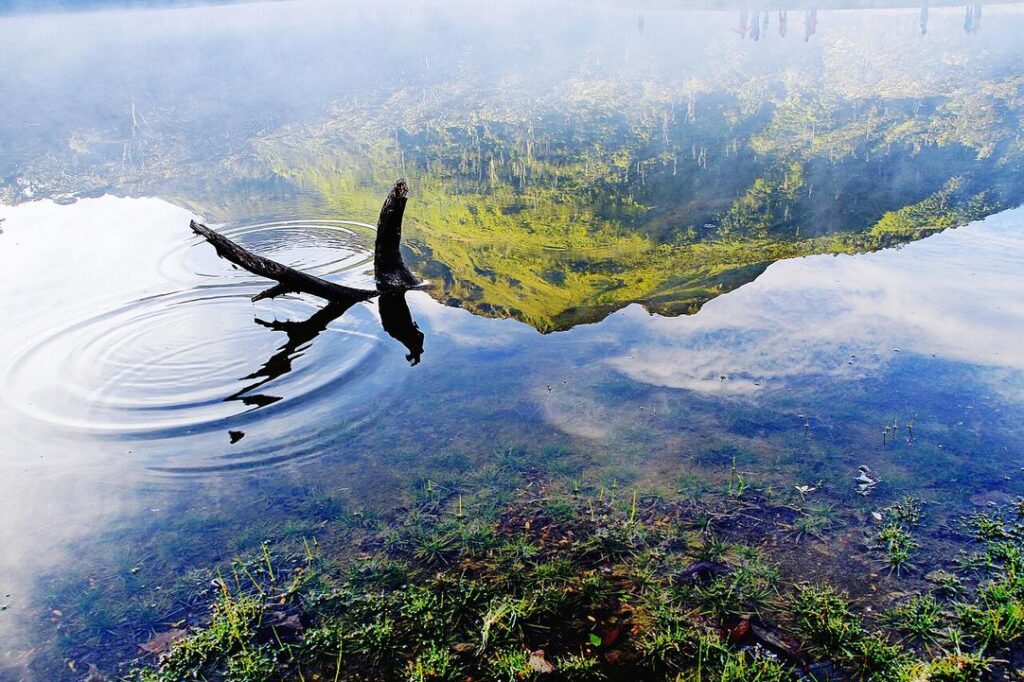
At the base of Mount Apo, the morning mist clings to the vibrant jungle trails.
Mount Apo National Park is home to the Philippines‘ highest peak, attracting adventure hikers with its challenging multi-day treks. Located just 30 miles / 48 km from Davao City, the park features lush jungles and diverse wildlife. Visitors come to conquer the summit and experience the breathtaking landscapes. The park offers a range of trails, making it a prime destination for those seeking outdoor adventure.
Trek to Mount Apo’s summit, explore the diverse trails, and camp under the stars for an unforgettable adventure.
Key takeaways
- Summit Mount Apo at 9,692 feet / 2,950 m in 2-3 days.
- Camp at designated sites for around $10 per night.
- Explore trails with diverse flora and fauna.
- Reach the park entrance just 30 miles / 48 km from Davao.
- Best trekking season is from March to May.
Why visit Mount Apo National Park
Mount Apo National Park stands out from nearby destinations like Mount Pulag and Banaue due to its challenging multi-day treks and diverse ecosystems. As the highest peak in the Philippines, it offers a unique opportunity to summit a volcano surrounded by lush jungle trails and stunning vistas. The park’s rugged terrain and rich biodiversity make it a prime spot for adventure hikers seeking a true wilderness experience.
- Summit Mount Apo at 9,692 feet / 2,950 m / 2,954 meters, the highest point in the Philippines.
- Explore diverse ecosystems, from tropical rainforest to mossy forest, teeming with unique wildlife.
- Hire local guides from nearby Davao City for insider knowledge and safer treks.
- Visit during the dry season (March to May) for the best hiking conditions and fewer crowds.
Best for
Adventure hikers and solo travelers comfortable with rough terrain will thrive here. Those seeking a physical challenge and a connection with nature will find Mount Apo rewarding.
Skip if
Skip Mount Apo if you’re looking for a leisurely getaway or prefer well-developed tourist infrastructure. Consider the beaches of Samal Island instead for relaxation.
Top things to do in Mount Apo National Park
Mount Apo National Park offers exhilarating adventures that showcase the beauty of the Philippines’ highest peak. From challenging treks to stunning views, these activities will immerse you in the park’s natural splendor.
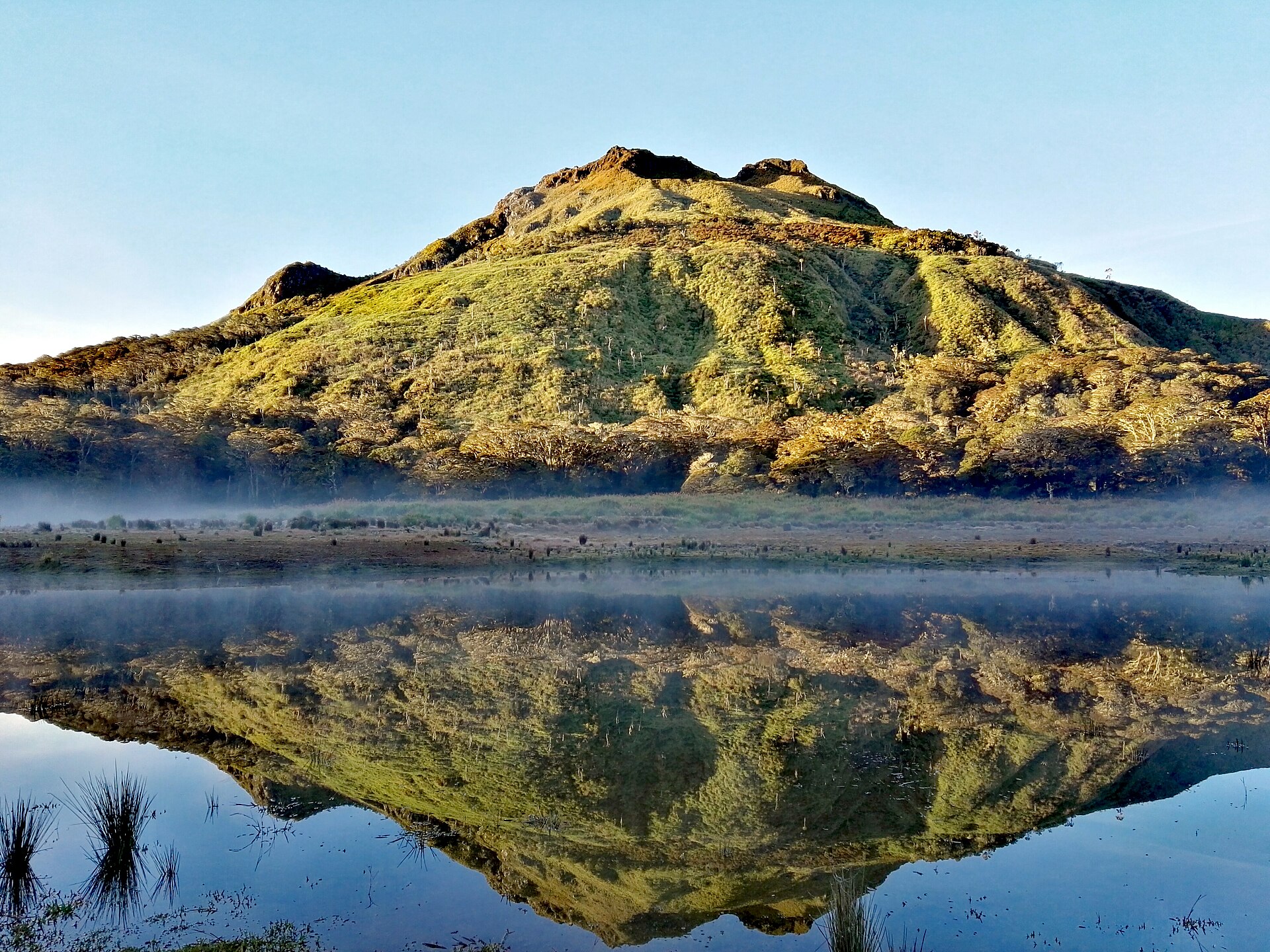
1. Summit Mount Apo ·
Conquer the Philippines’ highest peak for breathtaking views and a sense of achievement.
The trek to the summit of Mount Apo is a multi-day adventure that takes you through lush forests and rocky terrains. Guided by one of the licensed outfitters in the area, you’ll experience the thrill of reaching the 9,692-foot peak, where panoramic views of Davao and beyond await. The journey is challenging but rewarding, especially as you witness the sunrise from the summit.
This trek is the highlight of Mount Apo National Park, offering a unique combination of physical challenge and stunning scenery that other trails simply can’t match.
- When: Plan your ascent during the dry season from March to May for the best weather conditions.
- Cost: ~$150
- Duration: 2-3 days
- How to reach: From the park entrance, take a local jeepney to the starting point of the trail, which is about 30 minutes away.
Solo female travel: Consider joining a group for added safety and camaraderie during the trek.
2. Explore the Lake Venado ·
Discover the serene beauty of Lake Venado, a perfect rest stop on your trek.
Nestled at the foot of Mount Apo, Lake Venado is a stunning alpine lake that serves as a campsite for trekkers. The crystal-clear waters reflect the surrounding mountains, creating a peaceful atmosphere. Spend some time here to relax, take photos, and enjoy the tranquility before continuing your hike.
Unlike other lakes, Lake Venado offers a unique vantage point of Mount Apo, making it a picturesque spot for both rest and reflection.
- When: Visit during the day for the best light and to enjoy the surrounding nature.
- Cost: Free
- Duration: Half day
- How to reach: Hike from the main trail to the lake, which takes about 2-3 hours from the nearest campsite.
Insider tip: If closed
If the lake is inaccessible, explore nearby waterfalls like the Sibulan Falls instead.
3. Visit the Hot Springs ·
Relax in the natural hot springs after a long day of hiking.
The hot springs near Mount Apo are a perfect way to unwind after your adventures. These natural thermal pools are rich in minerals and provide a soothing experience for tired muscles. Enjoy the serene environment while soaking in the warm waters, surrounded by lush greenery.
This is a great way to rejuvenate after a strenuous trek, offering a unique experience that complements the hiking activities.
- When: Visit in the late afternoon or early evening for a relaxing soak as the sun sets.
- Cost: ~$5
- Duration: 2 hours
- How to reach: Take a local transport from the park entrance to the hot springs, about 20 minutes away.
Insider tip: If closed
If the hot springs are closed, consider visiting a local spa for a massage instead.
Solo female travel: The area is generally safe, but it’s best to visit during daylight hours.
4. Birdwatching at Mount Apo ·
Spot rare bird species in the rich biodiversity of Mount Apo.
Mount Apo is home to over 270 bird species, including the endangered Philippine Eagle. Join a guided birdwatching tour to explore the diverse habitats within the park, from mossy forests to open grasslands. Bring your binoculars and enjoy the thrill of spotting these magnificent creatures in their natural environment.
This activity allows you to connect with the park’s unique wildlife, offering a different perspective than the typical hiking experience.
- When: Early morning is the best time for birdwatching, especially from March to June during the breeding season.
- Cost: ~$30
- Duration: Half day
- How to reach: Meet your guide at the park entrance, where they will provide transportation to the best birdwatching spots.
Insider tip: If closed
If birdwatching is not possible, consider a nature walk along the lower trails instead.
5. Visit the Davao Crocodile Park ·
Learn about wildlife conservation at this educational park.
The Davao Crocodile Park offers an engaging experience where you can learn about various species of crocodiles and other wildlife. The park features educational exhibits and live shows, making it a fun stop for those interested in wildlife conservation. It’s a great way to spend a half-day away from the trails.
This park provides a unique opportunity to see wildlife up close, which complements the natural experiences in Mount Apo.
- When: Visit during the weekdays to avoid crowds, ideally in the morning.
- Cost: ~$10
- Duration: 2-3 hours
- How to reach: Take a taxi or local transport from the park entrance, approximately 30 minutes away.
Insider tip: If closed
If the park is closed, explore the local markets for a taste of Davao’s culture.
6. Trek the Kidapawan Trail ·
Experience a less crowded trail with stunning views of Mount Apo.
The Kidapawan Trail offers a scenic alternative to the more popular routes, leading you through diverse landscapes and offering breathtaking views of Mount Apo. This trail is less frequented, providing a more peaceful hiking experience. Expect to encounter various flora and fauna along the way.
This trail is ideal for those looking to escape the crowds while still enjoying the beauty of the park.
- When: Hike during the dry season from March to May for the best conditions.
- Cost: Free
- Duration: Full day
- How to reach: Access the trailhead via a local jeepney from Kidapawan City, about an hour’s ride.
7. Photography at the Base Camp ·
Capture stunning landscapes and wildlife at the base camp of Mount Apo.
The base camp of Mount Apo is a fantastic spot for photography enthusiasts. With its dramatic landscapes and diverse wildlife, you’ll find plenty of opportunities to capture the beauty of the park. Spend some time exploring the area and snapping photos of the surrounding scenery.
This is a great backup option for those who may not want to hike to the summit but still want to enjoy the park’s beauty.
- When: Visit during the golden hour, either early morning or late afternoon, for the best lighting.
- Cost: Free
- Duration: 2 hours
- How to reach: Walk from the nearest campsite to the base camp, which takes about 30 minutes.
Book tours and tickets
Booking through these links supports Pack Lightly at no extra cost to you.
24 hours in Mount Apo National Park
This itinerary suits adventure hikers eager to tackle the Philippines’ highest peak while enjoying the surrounding natural beauty. Expect a day filled with effort, recovery, and local flavors.
Morning
Start your day early at 5:00 AM, gearing up for the trek to Mount Apo’s summit. Head to the trailhead at Baranggay Kapatagan, where the morning light casts a golden hue over the lush landscape. The first leg of the hike is steep but rewarding, with views that open up as you ascend. Bring plenty of water and snacks to fuel your climb.
Afternoon
By noon, reach the summit and take a moment to soak in the panoramic views of Davao and Cotabato. After descending, refuel at a local eatery in Kapatagan around 1:30 PM, where you can enjoy a hearty meal of grilled chicken and rice. Spend the afternoon relaxing at your accommodation, perhaps a family-run cabana, to recharge after the morning’s exertion.
Evening
As the sun sets around 6:00 PM, find a spot near your cabana to watch the sky transform into vibrant shades of orange and pink. For dinner, savor local flavors at a nearby restaurant, opting for a traditional Filipino dish like sinigang or adobo. The evening atmosphere is calm, perfect for reflecting on the day’s adventure.
If you have a second day
If you have another day, consider exploring the nearby hot springs for a relaxing soak or take a guided tour of the local wildlife. Both options offer a great way to unwind after your summit challenge.
Best time to visit Mount Apo National Park
Quick answer
Mount Apo National Park stays cool all year, so plan around rain rather than temperature: the drier, most comfortable window is Feb-Mar, Nov. Skip Apr-Oct, Dec-Jan unless you can handle the heaviest rain.
| Months to go | Feb-Mar, Nov |
|---|---|
| Months to avoid | Apr-Oct, Dec-Jan |
Mount Apo National Park stays cool the whole year, roughly 51 to 53F, with little seasonal change. The bigger variable is rain, which decides how comfortable each month feels far more than temperature does.
The wet season runs Jan-Dec, averaging about 29 rainy days a month with heavy but usually short downpours. Rain is fairly steady across the year with no sharp dry season, so pack for showers whenever you go.
Average temperature (°F)
Monthly weather
Warm but soaked often
Warm but soaked often
Warm but soaked often
Warm but soaked often
Warm but soaked often
Warm but soaked often
Warm but soaked often
Warm but soaked often
Warm but soaked often
Warm but soaked often
Warm but soaked often
Warm but soaked often
Time it around
Expect the biggest crowds and highest prices in Dec-Mar. Shoulder months on either side stay calmer.
How to get to Mount Apo National Park
Nearest airport
Francisco Bangoy International Airport (DVO), about 35 miles / 56 km from Mount Apo National Park
From the airport
Skip the expensive airport taxis charging around $30-$40; instead, take a metered taxi or Grab ride to the city bus terminal for about $8-$12, then catch a direct van or bus to Kidapawan City near the park entrance for ~$10-$15. Book transport at the airport taxi counter or via the Grab app for best rates and reliability.
Other ways to arrive
- Davao City, van or bus to Kidapawan City, 2.5-3 hours, ~$10-$15, 2026
- Cotabato City, bus to Kidapawan City, 3-4 hours, ~$12-$18, 2026
- General Santos City, bus to Kidapawan City, 4-5 hours, ~$15-$20, 2026
Getting around Mount Apo National Park
Local jeepneys and habal-habal (motorcycle taxis) dominate transport inside and near the park. For solo adventure hikers, renting a habal-habal with a trusted driver offers the best balance of flexibility and access to trailheads.
- Habal-habal: Use for reaching trailheads and campsites; costs ~$10-$20 depending on distance and negotiation, ideal for solo travelers.
- Jeepney: Use for short rides between towns and park entry points; costs under $2 per trip, slower but cheaper.
- Guided trek transfers: Book with your guide or operator for direct drop-offs and pickups; typically included or $15-$25 extra.
Avoid
Avoid renting private cars unless confident driving on rough, unpaved mountain roads.
Day trips from Mount Apo National Park
These day trips complement your summit or trek by offering local culture, waterfalls, and nearby natural attractions worth exploring before or after your climb.
Kidapawan City Waterfalls
Explore several accessible waterfalls near Kidapawan for refreshing swims and short hikes.
Why: These waterfalls offer a low-effort nature break after a multi-day trek, with fewer crowds than Davao’s urban parks.
Skip if: Skip if you prefer full rest days or have limited time.
Lake Venado
Visit this crater lake inside Mount Apo National Park for a scenic spot to relax or camp.
Why: Its proximity to the summit trail makes it a strategic acclimatization or rest stop, with fewer hikers than the main campsites.
Davao City Cultural Tour
Experience Mindanao’s urban culture, markets, and local cuisine before or after your trek.
Why: Davao’s city vibe contrasts the park’s wilderness, offering a practical recovery day with quality food and shopping options.
Skip if: Skip if focused solely on outdoor adventure.
Combine Mount Apo National Park with
Mount Apo National Park fits well into a Mindanao adventure itinerary focused on hiking, nature, and regional culture.
7-day Mindanao Adventure Loop Davao City → Mount Apo National Park → Kidapawan City → Lake Sebu
Start in Davao for urban prep and gear, tackle the summit from Mount Apo, then recover in Kidapawan before heading to Lake Sebu for waterfalls and indigenous culture.
10-day Mindanao Trek and Culture Davao City → Mount Apo National Park → General Santos City → Cotabato City
Combine the highest peak climb with visits to Mindanao’s southern urban centers, balancing rugged hiking with cultural exploration and efficient transport connections.
Where to stay in Mount Apo National Park
Compare prices across booking sites on the map below and see which neighbourhood fits your plans.
Travelers typically choose accommodations near the trailheads for easy access to hiking routes. The areas around Barangay Kapatagan and the nearby town of Digos offer a mix of guesthouses and lodges, catering to different budgets and preferences.
Budget – Barangay Kapatagan
Hostels and basic guesthouses provide no-frills lodging for budget-conscious travelers, often with shared facilities. Expect a lively atmosphere but limited privacy.
Insider tip: Ask for a room away from the common area for a quieter stay.
Mid-range – Digos City
Family-run lodges and guesthouses offer comfortable rooms with local charm, often including breakfast and guided tour options. These places strike a balance between comfort and affordability.
Insider tip: Book in advance during peak hiking season to secure the best rates.
Solo female travelers
Choose a guesthouse in Barangay Kapatagan known for its friendly staff and social atmosphere, ensuring a welcoming environment.
Book your stay
Booking through these links supports Pack Lightly at no extra cost to you.
Where to eat and drink in Mount Apo National Park
Mount Apo National Park features a unique culinary scene influenced by the local indigenous communities and the abundance of fresh produce from the surrounding highlands. Expect to find dishes that highlight regional ingredients like fresh trout from the rivers and locally grown vegetables, often prepared using traditional methods.
Must-try dishes
Sinuglaw (Grilled Fish Ceviche)
A combination of grilled fish marinated in vinegar, mixed with fresh vegetables and spices.
Insider tip: Try it during lunch when it’s freshest and served with a side of local rice.
Pinakbet (Vegetable Stew)
A hearty stew made with a mix of local vegetables, often including eggplant, bitter melon, and squash, flavored with shrimp paste.
Insider tip: Order it with grilled meat for a complete meal; locals often enjoy it with a side of rice.
Tuna Kinilaw (Raw Fish Salad)
Fresh raw tuna marinated in vinegar, mixed with onions, ginger, and chili peppers.
Insider tip: Visit early in the morning for the best selection and enjoy it as a refreshing appetizer.
Local drinks
- Kape Barako (Barako Coffee)Any local coffee shop or café in the nearby towns, especially those that promote local brews.
A strong, bold coffee variety grown in the Batangas region, known for its rich flavor. - Buko Juice (Coconut Water)Street vendors near the hiking trails, especially during the warmer months.
Fresh coconut water served straight from the fruit, often enjoyed chilled.
How to eat like a local in Mount Apo National Park
Lunch is the main meal of the day for locals, so aim to eat your big meal around 1:00 PM. Many small eateries close by 4:00 PM and reopen later as bars, so plan your dining accordingly.
Daily budget for Mount Apo National Park
Mount Apo National Park offers a mix of affordability and adventure, with costs skewing slightly higher due to its remote location and the need for guided treks.
Shoestring
- lodging – dormitory bed in a local hostel
- food – meals at local eateries
- transport – shared jeepney rides
- activities – park entrance fee
- buffer – miscellaneous expenses
Trade-offs: Expect basic accommodations and limited dining options.
Comfort
- lodging – private room in a guesthouse
- food – meals at mid-range restaurants
- transport – private transport for convenience
- activities – park entrance fee
- buffer – miscellaneous expenses
Trade-offs: You might sacrifice some local authenticity for comfort.
Splurge
- lodging – upscale lodge with amenities
- food – dining at high-end restaurants
- transport – private guided transport
- activities – guided trek with a certified guide
- buffer – miscellaneous expenses
Trade-offs: Luxury comes at the cost of missing out on local experiences.
Money-saver tip
Book your guided trek directly with local operators instead of through third-party websites to save up to 20%.
Splurge that’s worth it
Invest in a guided trek to the summit for expert insights and safety, enhancing your experience significantly.
Skip to save
Avoid overpriced souvenir shops near the park entrance; local markets offer better prices and authentic crafts.
Practical tips for Mount Apo National Park
Money
| Cash or card | Cash is essential in Mount Apo National Park, as many places do not accept cards. |
|---|---|
| ATMs | ATMs are available in nearby Davao City, but may charge high fees for foreign cards. |
| Tipping | Tip around 10% for guides and service staff, such as $2-$5 for a day hike guide. |
Safety
Travelers should stay aware of their surroundings, especially in remote areas, and ensure they have proper gear for the hike.
Local warnings:
- Altitude sickness can affect those ascending Mount Apo; acclimatization is crucial.
- Sandflies are prevalent, especially in the lower trails; use insect repellent.
Connectivity
| Mobile data | Mobile data coverage is decent in the park, with Smart and Globe being the recommended providers. |
|---|---|
| Wi-Fi | Wi-Fi is limited; expect it mainly in accommodations in Davao City, not in the park. |
Language
| Main language | Filipino |
|---|---|
| English level | English is commonly understood in tourist areas, but proficiency may vary among locals. |
Cultural notes
| Dress modestly when visiting local communities or religious sites. |
| Always ask permission before taking photos of people. |
Solo female travel
Solo female travelers generally find Mount Apo safe, but should remain vigilant and travel during daylight.
| Neighborhood | Stay in Davao City for better safety and amenities before heading to the park. |
|---|---|
| Transport | Use registered transport services for night travel; avoid walking alone after dark. |
| Meeting people | Join group hikes or local tours to meet fellow travelers and locals. |
Frequently asked questions about Mount Apo National Park
1Is Mount Apo National Park worth visiting?
Yes – it’s a premier destination for adventure hikers. The trails lead to the country’s highest peak, offering stunning views and diverse ecosystems.
2How many days do you need in Mount Apo National Park?
Plan for at least 3 days. Use the first day to acclimatize, the second for the summit trek, and the third for recovery or exploring nearby trails.
3When is the best time to visit Mount Apo National Park for hiking?
The best time is from March to May, when the weather is dry and temperatures are comfortable for trekking.
4Do you need a car to visit Mount Apo National Park?
No – public transport options are available. Take a bus from Davao City to the nearest entry point, which is around 30 miles / 48 km away.
5Is Mount Apo National Park safe for solo female travelers?
Yes – many solo female hikers visit. Stick to well-trodden trails and consider joining a guided group for added security.
6Can you actually drink the water in Mount Apo National Park?
No – it’s best to bring your own water. Tap water is not safe to drink, so carry enough for your hikes.
7What should you NOT do in Mount Apo National Park?
Avoid straying off marked trails. The terrain can be challenging, and it’s crucial to respect the park’s regulations to protect its natural beauty.