


The massive buttresses of Paoay Church stand firm against Ilocos Norte’s typhoon winds, embodying Spanish colonial baroque built to endure.
San Agustin, Paoay, and Miag-ao churches anchor the Philippines’ religious landscape as prime examples of Spanish colonial baroque architecture engineered for typhoon and earthquake resistance. These UNESCO-listed churches showcase robust buttresses, intricate facades, and centuries of layered restoration that define the country’s architectural identity.
This guide clarifies which sites merit your limited time, detailing dress codes, prayer-time closures, and peak pilgrimage periods. Prepare for active worship at some and quiet heritage visits at others, avoiding crowds and respecting photo restrictions.
Key facts to optimize your visit
- Wear modest clothing covering shoulders and knees inside all churches.
- Avoid Sinulog Festival in January unless prepared for intense crowds.
- Visit Quiapo Basilica on Friday mornings to avoid dangerous Traslacion crowds.
- Plan Paoay and Miag-ao visits in dry months (Nov-Apr) to avoid weather delays.
- Photography is allowed in most churches but check for restrictions near altars.
- Combine Our Lady of Manaoag Shrine with Hundred Islands day trip inland Luzon.
- Book specialist guides in Manila for San Agustin’s layered restoration history.
- Skip Simala Shrine if focused on heritage architecture; it’s contemporary and theatrical.
Which of these landmarks are actually worth your time
Prioritize San Agustin, Paoay, Miag-ao, and Baclayon churches for their architectural significance and heritage value. San Agustin offers the oldest stone church experience in Manila, while Paoay and Miag-ao demonstrate baroque adaptations to local climate challenges. Baclayon adds Visayan context with its stone construction. Skip Simala Shrine if heritage is your focus; it caters to contemporary devotion with kitsch architecture. The Sinulog Festival is culturally rich but overwhelming for solo travelers seeking architecture. Quiapo Basilica’s crowds are dangerous during Traslacion; visit on Friday mornings for devotion without risk.

Philippines Religious Landmarks Overview
This table summarizes key details on crowd levels and visit value to help plan your itinerary efficiently.
| Site | Tradition | Crowds | Verdict |
|---|---|---|---|
| San Agustin Church | Roman Catholic | Moderate | Anchor your trip here |
| Sinulog Festival, Cebu | Roman Catholic, Indigenous Ati-Atihan | Very crowded | Only for festival culture |
| Paoay Church | Roman Catholic | Quiet | Anchor your trip here |
| Baclayon Church | Roman Catholic | Quiet | Anchor your trip here |
| Nuestra Señora de Peñafrancia | Roman Catholic | Crowded | Skip unless pilgrimage focus |
| Quiapo Basilica (Minor Basilica of the Black Nazarene) | Roman Catholic | Crowded | Visit Friday mornings only |
| Basilica Minore del Santo Niño (Cebu) | Roman Catholic | Crowded | Worth a short stop |
| Our Lady of Manaoag Shrine | Roman Catholic | Crowded | Worth a detour |
| Miag-ao Church (Santo Tomás de Villanueva) | Roman Catholic | Quiet | Anchor your trip here |
| Simala Shrine (Monastery of the Holy Eucharist) | Roman Catholic | Crowded | Skip for heritage seekers |
| Taal Basilica (Minor Basilica of Saint Martin of Tours) | Roman Catholic | Moderate | Worth a detour |

Where these religious landmarks are
Every religious landmark worth your time in the Philippines
Explore the Philippines’ rich tapestry of religious architecture through the country’s most significant landmarks. Each site is evaluated for its architectural merit, cultural relevance, and visitor experience, ensuring that every landmark listed is worth your attention. Whether you’re drawn to historical significance or vibrant contemporary practices, this guide provides a clear path to the must-visit sites.
San Agustin Church, Manila
Prioritize San Agustin Church for its status as the oldest stone church in the Philippines, ideal for history enthusiasts and architecture buffs. Skip if seeking modern experiences.
Tradition: Roman Catholicism, the predominant faith in the Philippines, deeply influences this architectural treasure.
San Agustin Church, founded in 1589, stands as the oldest stone church in the Philippines, showcasing UNESCO-listed baroque architecture in the historic Intramuros district. Built by Augustinian friars, it has withstood numerous earthquakes and wars, making it a resilient symbol of faith. The interior features an ornate wooden ceiling and intricate retablos, reflecting the artistry of the period.
Reaching San Agustin is straightforward; it’s a short walk from major attractions in Intramuros. Expect moderate crowds, especially during weekend masses, so visit early in the day for a quieter experience. Dress respectfully, as this is an active church. Avoid the peak hours around noon on Sundays when the church fills with worshippers. Spend about 60 minutes to appreciate the architecture and the adjacent museum showcasing religious artifacts.
- Region: Manila
- Tradition: Roman Catholic
- Era: 1589
- Best time: Weekday mornings before 10am
- Crowds: moderate
What to look for: UNESCO-listed baroque architecture · Ornate wooden ceiling · Intricate retablos
Why it earns the detour:
- Survived multiple earthquakes and wars, showcasing architectural resilience.
- Located in the historic walled city of Intramuros, enhancing its cultural context.
- The church’s museum displays significant religious artifacts, enriching the visit.

Sinulog Festival, Cebu

Skip Sinulog Festival if you dislike crowds; it’s mobbed during the main event. Ideal for those seeking vibrant cultural experiences and street celebrations.
Tradition: This festival blends Roman Catholic devotion with Indigenous Ati-Atihan traditions, celebrating the Santo Niño.
Sinulog Festival is a lively annual celebration in Cebu, honoring the Santo Niño with street dancing and parades. This vibrant event, held every January, showcases thousands of dancers adorned in colorful costumes, creating a dynamic atmosphere filled with music and cultural expression. The festival’s roots intertwine Catholic and pre-Hispanic traditions, making it a unique cultural experience.
The festival peaks from January 9 to 15, attracting massive crowds; plan accommodation well in advance. If attending, arrive early to secure a good viewing spot for the parades. Expect a bustling environment, especially on the main days, which can be overwhelming. To fully enjoy the experience, consider participating in the street dancing or visiting local food stalls for a taste of Cebu’s culinary offerings. Allocate a full day to immerse yourself in the festivities.
- Region: Cebu
- Tradition: Roman Catholic, Indigenous Ati-Atihan
- Era: 1981
- Best time: January 9 – 15 for the main events
- Crowds: mobbed
What to look for: Colorful street dancing performances · Religious processions honoring the Santo Niño
Why it earns the detour:
- The festival uniquely combines Catholic and Indigenous cultural elements.
- Street performances are coordinated and highly energetic, showcasing local talent.
- Cultural immersion through food and local crafts at various stalls.

Paoay Church, Ilocos Norte
Visit Paoay Church for its exceptional baroque architecture and quiet setting; it’s a must for architecture enthusiasts. Skip if seeking bustling tourist spots.
Tradition: Roman Catholicism, prominently expressed through the church’s architectural style, is central to this region’s cultural identity.
Paoay Church, constructed in 1694, is a UNESCO World Heritage site renowned for its unique baroque architecture and twin bell towers. Its design incorporates earthquake-resistant features, such as slanted columns and flexible walls, making it a remarkable example of adaptation to local conditions. The ornate facade is well-preserved, showcasing the ingenuity of its builders.
Located in a tranquil provincial setting, Paoay Church is easily accessible by road from Laoag City. Expect a quiet visit, especially outside of weekends and holidays. There are no strict dress codes, but modest attire is recommended. The church is less crowded than urban sites, allowing for a more reflective experience. Spend about 90 minutes here to fully appreciate the architecture and the surrounding area, including the nearby Paoay Lake.
- Region: Ilocos Norte
- Tradition: Roman Catholic
- Era: 1694
- Best time: Weekday mornings for fewer visitors
- Crowds: quiet
What to look for: Ornate baroque facade · Innovative earthquake-resistant design · Distinctive twin bell towers
Why it earns the detour:
- The church’s architectural style is a significant adaptation to local environmental challenges.
- Paoay’s quiet town atmosphere enhances the architectural experience.
- The site is a UNESCO World Heritage site, underscoring its global significance.

Baclayon Church, Bohol- Region: Bohol
- Tradition: Roman Catholic
- Era: 1595
- Best time: Weekday mornings for a quieter experience
- Crowds: quiet
Baclayon Church is worth visiting for its historical significance and serene location; skip if only seeking larger urban churches.
Tradition: Roman Catholicism is integral to the cultural and historical landscape of the Visayas region.
Baclayon Church, established in 1595, is the oldest church in the Visayas, featuring a commanding baroque facade that overlooks the Bohol Strait. The church’s elevated position offers stunning views, while its austere stone architecture reflects the simplicity and strength of its design. An adjacent museum displays a collection of religious artifacts, adding depth to the visit.
Easily accessible from Tagbilaran City, Baclayon Church is typically quiet, making it ideal for contemplation. Visit during weekdays to avoid potential crowds on weekends. While there are no strict dress codes, respectful attire is appreciated. Expect to spend around 60 to 90 minutes exploring the church and museum. Consider taking a moment to enjoy the view of the strait, which adds to the church’s charm.
- Region: Bohol
- Tradition: Roman Catholic
- Era: 1595
- Best time: Weekday mornings for a quieter experience
- Crowds: quiet
What to look for: Baroque stone architecture · Elevated location with views of Bohol Strait
Why it earns the detour:
- The church’s historical significance as the oldest in the Visayas enhances its appeal.
- The adjacent museum provides insights into local religious practices and history.
- The elevated position allows for unique photographic opportunities of the surrounding landscape.
Nuestra Señora de Peñafrancia, Bicol- Region: Bicol
- Tradition: Roman Catholic
- Era: 1605
- Best time: Visit outside September to avoid crowds
- Crowds: crowded

Visit Nuestra Señora de Peñafrancia for its vibrant cultural significance and pilgrimage experience; skip if you prefer solitary visits.
Tradition: Roman Catholicism is central to the devotion surrounding the Virgin Mary in the Bicol region.
Nuestra Señora de Peñafrancia is a minor basilica in Naga, known for its annual pilgrimage and the September river procession honoring the Virgin Mary. This site serves as the spiritual center of the Bicol region, drawing thousands of devotees each year. The basilica hosts a major cultural festival that blends religious devotion with local traditions.
The basilica is especially crowded during the Peñafrancia Festival from September 1 to 8; consider visiting outside this period for a quieter experience. The church is easily accessible and welcomes visitors year-round. Dress respectfully, as this is a pilgrimage site. Expect to spend about an hour exploring the basilica and the surrounding area. Engage with local traditions to enhance your visit, especially if attending during the festival.
- Region: Bicol
- Tradition: Roman Catholic
- Era: 1605
- Best time: Visit outside September to avoid crowds
- Crowds: crowded
What to look for: Pilgrimage destination for the Virgin Mary · Major cultural festival venue
Why it earns the detour:
- The annual festival features a vibrant river procession that showcases local devotion.
- The basilica serves as a cultural hub, reflecting the traditions of the Bicol region.
- Crowds during the festival provide a unique opportunity for cultural immersion.
Quiapo Basilica (Minor Basilica of the Black Nazarene)- Tradition: Roman Catholic
- Era: 1933
- Best time: Friday mornings for a safer, quieter experience
- Crowds: crowded

Skip Quiapo Basilica during the Traslacion due to dangerous crowds; visit on Friday mornings for a safer experience of devotion.
Tradition: Roman Catholicism, particularly the devotion to the Black Nazarene, plays a significant role in Manila’s spiritual landscape.
Quiapo Basilica is home to the Black Nazarene, a revered dark-wood statue of Christ that attracts millions during the Traslacion procession every January 9. The basilica serves as Manila’s spiritual epicenter, surrounded by a vibrant plaza filled with vendors and devotees. Mass is held every hour on Fridays, offering a chance to experience the local faith without the overwhelming crowds.
The basilica is typically crowded, especially during significant religious events; Friday mornings are ideal for a more intimate experience. Dress modestly, as this is an active place of worship. Avoid the Traslacion crowds, which can be dangerous due to the sheer volume of people. Plan to spend about an hour to appreciate both the basilica and the lively atmosphere of the surrounding area, where local culture thrives.
- Tradition: Roman Catholic
- Era: 1933
- Best time: Friday mornings for a safer, quieter experience
- Crowds: crowded
What to look for: Home of the revered Black Nazarene statue · Vibrant surrounding plaza with local vendors
Why it earns the detour:
- The basilica attracts millions during the Traslacion, highlighting its cultural significance.
- Local vendors offer a unique glimpse into Manila’s folk-Catholic traditions.
- Friday morning masses provide a quieter alternative to the busy weekend services.
Basilica Minore del Santo Niño, Cebu- Tradition: Roman Catholic
- Era: 1565
- Best time: Visit early in the morning or during weekdays to avoid the crowds.
- Crowds: crowded

Prioritize a visit for a brief yet impactful experience, especially for those interested in the roots of Filipino Catholicism. Expect crowds, particularly during festivals.
Tradition: Roman Catholicism, deeply embedded in the cultural fabric of the Philippines since the arrival of Spanish colonizers.
Founded in 1565, this is the oldest Roman Catholic church in the Philippines, built on the site where Magellan presented the Santo Niño image to the local chieftain’s wife. The church houses the original Santo Niño statue, a significant relic that draws countless devotees. The atmosphere here is charged with reverence, especially during the Sinulog festival in January.
Located in Cebu City, the basilica is easily accessible via local transport. Arrive early to avoid the midday rush, as crowds peak around noon. The dress code is casual, but respectful attire is advised. Be prepared for long lines to touch the glass case housing the Santo Niño; this is a must-do for many visitors. Instead of waiting in line, consider exploring the surrounding area, where vendors sell religious items and local delicacies. A quick 30-minute stop is sufficient to absorb the essence of this site.
- Tradition: Roman Catholic
- Era: 1565
- Best time: Visit early in the morning or during weekdays to avoid the crowds.
- Crowds: crowded
What to look for: 16th-century Santo Niño statue · Baroque-style facade · Intricate wooden retablo
Why it earns the detour:
- The basilica’s historical significance as a symbol of the spread of Catholicism in the Philippines cannot be overstated.
- The vibrant Sinulog festival, held annually, transforms the area into a lively celebration of faith and culture.
- The surrounding market offers a glimpse into local religious practices, with many vendors selling candles and traditional snacks.
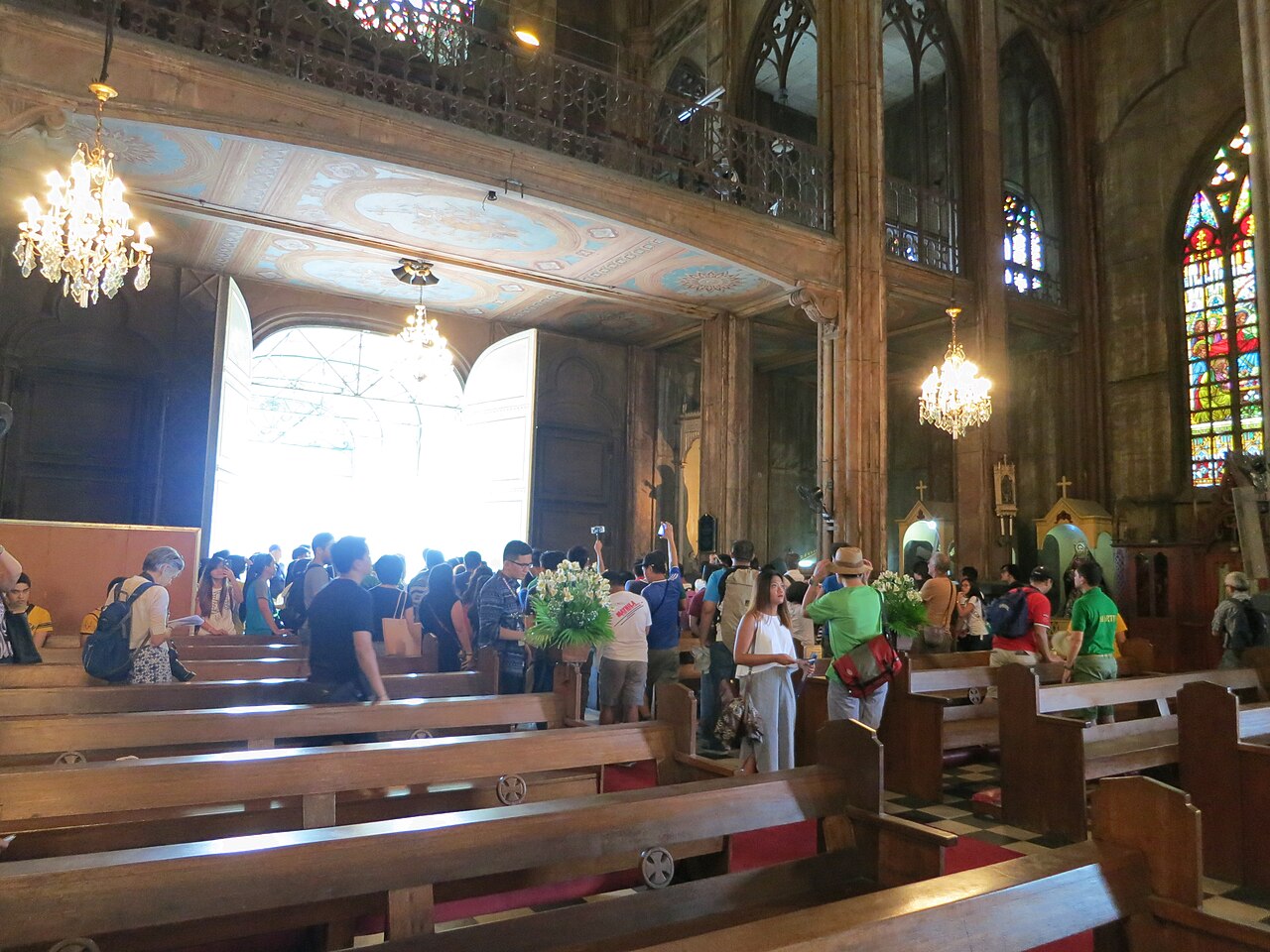
Our Lady of Manaoag Shrine- Tradition: Roman Catholic
- Era: 1610
- Best time: Weekdays in the morning are ideal for a quieter experience.
- Crowds: crowded

Combine this site with a day trip to the Hundred Islands for a unique provincial experience. Ideal for those seeking authentic pilgrimage over tourist-heavy attractions.
Tradition: Roman Catholicism, a vital part of Filipino spirituality, especially in rural areas.
Established in 1610, the Our Lady of Manaoag Shrine is a pilgrimage site built around a revered ivory statue of the Virgin Mary, known for surviving numerous disasters. This Minor Basilica, elevated by Pope Francis in 2015, attracts thousands of pilgrims who come to seek blessings and touch the statue’s robe.
Located about 90 minutes inland from Lingayen, the shrine is accessible via local transportation. Expect crowds, especially on weekends and during festivals. The dress code is casual but respectful. Be aware that the shrine can become congested during peak times, so plan your visit accordingly. A highlight is the surrounding market, where visitors can purchase candles and local snacks. Allocate about an hour for your visit to fully engage with the experience.
- Tradition: Roman Catholic
- Era: 1610
- Best time: Weekdays in the morning are ideal for a quieter experience.
- Crowds: crowded
What to look for: Ivory Marian image · Baroque-style architecture · Surrounding market stalls
Why it earns the detour:
- The shrine’s historical resilience adds a layer of depth to its significance as a pilgrimage destination.
- Visitors often leave with rosaries blessed by priests, enhancing the personal connection to the site.
- The local market provides an opportunity to taste regional delicacies and purchase religious artifacts.
Miag-ao Church (Santo Tomás de Villanueva), Iloilo- Tradition: Roman Catholic
- Era: 1797
- Best time: Visit during the cooler months from December to April for the best experience.
- Crowds: quiet
Essential for architecture enthusiasts, Miag-ao Church’s unique facade warrants a detour from Iloilo City. Perfect for those seeking a quieter site with rich heritage.
Tradition: Roman Catholicism, reflecting the Spanish colonial influence on Filipino culture and architecture.
Constructed in 1797, Miag-ao Church is a UNESCO World Heritage site renowned for its fortress-like baroque architecture. The facade features a striking relief of St. Christopher under a coconut palm, crafted by local artisans, making it a standout example of tropical baroque style.
Situated about 30 kilometers from Iloilo City, the church is easily reachable by local transport. It remains relatively quiet, especially on weekdays, making it an excellent spot for reflection. Dress modestly, as this is an active place of worship. While the interior is impressive, the real draw is the facade, so prioritize your time outside. A visit of around 90 minutes allows for ample exploration of the church grounds and nearby attractions.
- Tradition: Roman Catholic
- Era: 1797
- Best time: Visit during the cooler months from December to April for the best experience.
- Crowds: quiet
What to look for: Tropical relief of St. Christopher · Asymmetric twin belfries · Yellow-sandstone facade
Why it earns the detour:
- The church’s design reflects the adaptation of baroque architecture to local conditions, showcasing indigenous craftsmanship.
- Miag-ao’s historical context as a fortress against Moro raids adds depth to its architectural significance.
- The serene environment allows for a peaceful visit, ideal for solo travelers seeking solitude.
Simala Shrine (Monastery of the Holy Eucharist), Cebu- Tradition: Roman Catholic
- Era: 1998
- Best time: Weekdays are best to avoid the large crowds typically seen on weekends.
- Crowds: crowded
Skip if heritage architecture is the goal; visit for a glimpse of contemporary Filipino devotion. Best for those interested in modern religious expressions.
Tradition: Roman Catholicism, focusing on the veneration of the Virgin Mary in a modern context.
Constructed in 1998, the Simala Shrine is a striking, castle-like structure built by the Marian Monks of the Eucharist. The shrine is known for its colorful Gothic architecture and an image of the Virgin Mary said to weep blood and tears, attracting thousands of pilgrims each week.
Located in Sibonga, Cebu, the shrine is accessible via local transport. It draws large crowds, especially on weekends and during festivals. Dress code is casual, but respectful attire is recommended. Be prepared for a lively atmosphere filled with pilgrims. Instead of following the main path, explore the side areas where visitors often leave thank-you letters. A visit of about an hour is sufficient to appreciate the site’s unique character.
- Tradition: Roman Catholic
- Era: 1998
- Best time: Weekdays are best to avoid the large crowds typically seen on weekends.
- Crowds: crowded
What to look for: Castle-like Gothic structure · Weeping Virgin Mary image · Colorful exterior design
Why it earns the detour:
- The shrine’s modern construction contrasts sharply with the historical sites in the region, offering a different perspective on Filipino devotion.
- Visitors often leave personal notes and tokens, creating a unique communal atmosphere.
- The vibrant market surrounding the shrine enhances the experience with local food and religious items.
Taal Basilica (Minor Basilica of Saint Martin of Tours), Batangas- Tradition: Roman Catholic
- Era: 1856
- Best time: Weekdays in the morning are ideal for a quieter experience.
- Crowds: moderate

A worthwhile stop between Manila and Batangas, especially for those interested in heritage architecture. Ideal for a brief exploration.
Tradition: Roman Catholicism, showcasing the resilience of faith through architectural restoration after natural disasters.
Rebuilt in 1856 after the original was destroyed by the Taal Volcano eruption, Taal Basilica is the largest Catholic church in Asia by floor area. Its coral-stone facade and intricate trompe-l’œil ceiling are highlights of its baroque restoration.
Located in Taal Heritage Town, the basilica is easily accessible from both Manila and Batangas. Expect moderate crowds, especially on weekends. Dress respectfully, as this is an active place of worship. Allocate about an hour for your visit to appreciate the architecture and take in the surrounding heritage town. Pair your visit with a stroll through the historic streets of Taal for a fuller experience.
- Tradition: Roman Catholic
- Era: 1856
- Best time: Weekdays in the morning are ideal for a quieter experience.
- Crowds: moderate
What to look for: Coral-stone facade · Trompe-l’œil ceiling · Wooden retablo behind the altar
Why it earns the detour:
- The basilica’s reconstruction story highlights the resilience of the community and its faith.
- The surrounding heritage town offers a rich historical context that enhances the visit.
- The church’s size and architectural details make it a significant landmark in the region.

When to visit, and which festivals reshape the experience
Timing is crucial for visits to religious landmarks in the Philippines, where weather conditions and the religious calendar significantly influence the experience. Understanding the interplay between these factors can enhance visits, ensuring access to sites during their most meaningful moments.
The dry season, and why the major sites are at their fullest
November to April
This season offers the best weather for exploring the Philippines’ religious sites, with comfortable temperatures and minimal rain. However, this is also peak pilgrimage season, especially around major festivals, leading to larger crowds. Plan visits during weekdays or early mornings to avoid the busiest times. Be aware that some sites may have limited access during significant religious events, so check ahead if your visit coincides with any major celebrations.
- Easter / Holy Week – March or April, check before visiting
This is the most significant religious observance in the Philippines, attracting large crowds and special ceremonies. Sites: San Agustin Church, Quiapo Basilica (Minor Basilica of the Black Nazarene), Basilica Minore del Santo Niño (Cebu) - Sinulog Festival – January, approximately the third Sunday
This vibrant festival celebrates the Santo Niño and draws massive crowds, transforming the area into a lively celebration of culture and faith. Sites: Basilica Minore del Santo Niño (Cebu) - Peñafrancia Festival – September, check before visiting
This pilgrimage features a river procession and is a key event for devotees, making it a unique time to experience local faith practices. Sites: Nuestra Señora de Peñafrancia
Timing your visit to avoid crowds
To dodge the heaviest crowds, avoid visiting during Sunday mornings and major religious holidays when local worshippers fill the sites. Weekdays generally offer a quieter experience. Additionally, consider visiting early in the day or later in the afternoon, especially at popular sites like Quiapo Basilica, where midday crowds can be intense.

Dress Code Essentials
Carry a lightweight long scarf to cover shoulders and arms at all religious sites. This versatile accessory ensures compliance with dress codes and can also be used for sun protection or warmth.
Best Sites for Different Traveler Types
Use this table to find the ideal site based on your travel style. Each recommendation is tailored to enhance your experience in the Philippines’ religious landmarks.
| Traveler type | Best site for them | Why |
|---|---|---|
| Religious architecture buff | Paoay Church | Distinctive baroque architecture showcases adaptation to local climate. |
| Family with young children | Baclayon Church | Quiet atmosphere and historical significance make it suitable for kids. |
| Spiritual-practice traveler | Nuestra Señora de Peñafrancia | Visit during the September river procession for an immersive experience. |
| First-time religious-tourism visitor | San Agustin Church | As the oldest stone church, it offers a foundational experience of Philippine heritage. |
| Comfort-first or luxury traveler | Basilica Minore del Santo Niño (Cebu) | A quick visit provides a glimpse into pre-colonial Catholicism without long waits. |
| Budget or slow traveler | Miag-ao Church | Quiet setting allows for reflection and appreciation of UNESCO heritage. |
Your Step-by-Step Visit Plan
Follow these steps to ensure a smooth visit to the religious sites in the Philippines. This plan covers everything from preparation to on-the-day actions.
Decide which sites to visit based on your interests and the table above.
Check the opening hours for each site; some may close on specific weekdays.
Pack a long-sleeve top and knee-length bottoms to comply with dress codes.
Include a lightweight scarf for covering shoulders and a pair of slip-on shoes for convenience.
Plan your visit to avoid prayer times; check for mass or liturgy schedules.
Bring cash for offerings or donations, especially at smaller sites.
Consider visiting during off-peak hours, such as early mornings or late afternoons.
If attending a festival, verify the exact dates and plan for larger crowds.
On the day, arrive early to secure a good spot and enjoy a more peaceful experience.
Frequently Asked Questions
1What is the dress code at San Agustin Church?
Visitors should wear long-sleeve tops and knee-length bottoms. A scarf can help cover shoulders.
2Are photos allowed inside Paoay Church?
Photography is permitted, but avoid flash during mass.
3What are the opening hours for Baclayon Church?
Baclayon Church is generally open from 8 AM to 5 PM, but check for any special closures.
4When is the best time to visit Nuestra Señora de Peñafrancia?
The September river procession is the highlight; plan your visit around this event for a unique experience.
5What are the general donation norms at religious sites?
Offerings are appreciated; place them in designated boxes or during puja.
6Is there a combined ticket for multiple sites?
Currently, there are no combined tickets available for the major religious sites.
7How do I avoid crowds at Quiapo Basilica?
Visit on Friday mornings to experience devotion without the overwhelming crowds.
8Are there any gender-specific access rules at these sites?
Some sites may have gender-segregated areas; be observant and follow local customs.
Some links on this page are affiliate links. We may earn a small commission at no extra cost to you when you book through them.