


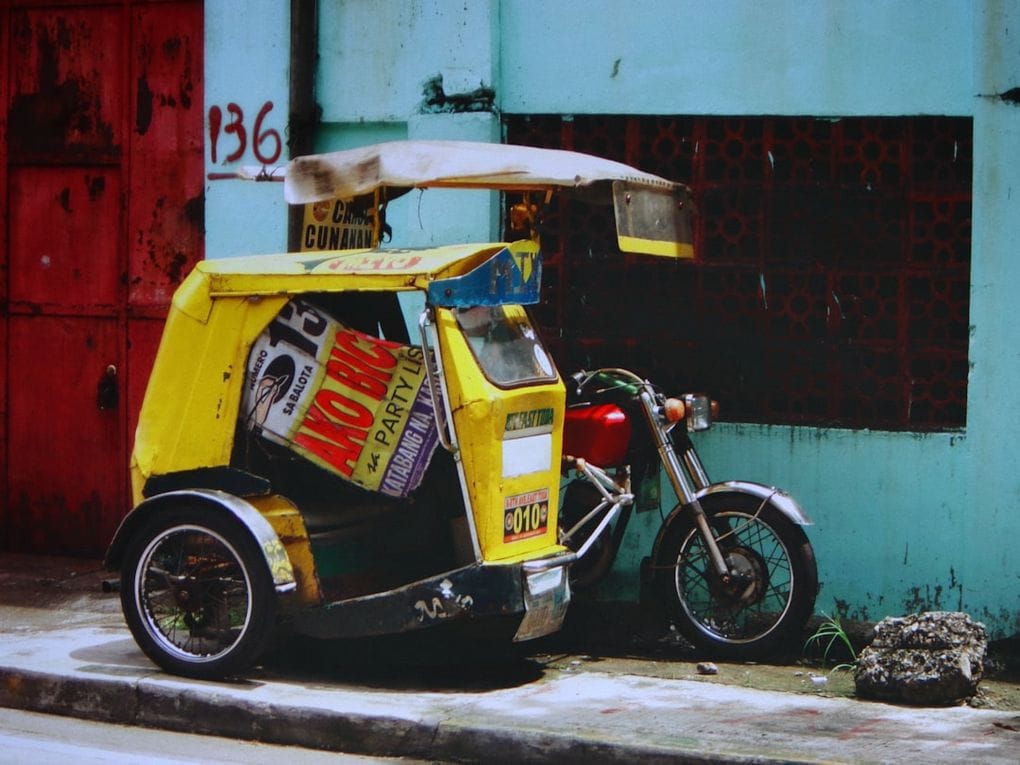
The scent of incense fills Quiapo Church as vendors shout prices along Manila’s busy Hidalgo Street at dawn.
Philippines stands apart from neighbors like Indonesia and Vietnam with its dominant Roman Catholic faith and Spanish-American cultural imprint. Its 40.7 Gini index reveals deep social inequality shaping daily life. Sensitive topics like the Duterte drug war and Mindanao conflict remain central to understanding local dynamics.
Never disrespect utang na loob—Filipino debt of gratitude shapes all social exchanges in this Catholic-influenced culture.
Key takeaways
- Remove shoes before entering any Filipino home or Catholic church.
- Use Grab rides over jeepneys or tricycles after dark in Manila for safety.
- Tip 10% in restaurants if no service charge is included.
- Avoid discussing Duterte drug war or Mindanao conflict in public.
- Filipino identity mixes Spanish, English, and Tagalog in daily speech.
History that shaped Philippines today
- 1898 — Philippine independence declared from Spain — established national identity distinct from colonial rule
- 1942 — Japanese occupation begins during WWII — fostered resilience and suspicion of foreign powers
- 1565 — Spanish colonial Catholicism introduced — deeply embedded Catholic values and rituals
- 1986 — People Power Revolution ousts Marcos dictatorship — reinforced peaceful mass protest as political tool
- 2016 — Duterte elected president — intensified polarized views on law, order, and human rights
Utang na loob (debt of gratitude) dominates Filipino social interactions, rooted in 1565 when Spanish Catholic colonizers enforced religious conversion and community dependence. This past event → collective memory of mutual support and reciprocal loyalty → shapes today's Filipino behavior toward favors and relationships. Tourists will see locals obliging repeatedly and expect gratitude, which is not mere politeness but a binding social contract. Without understanding this, visitors might mistake repeated requests or offers of help as intrusive or manipulative, while Filipinos see it as essential social harmony and respect for shared history.
indirect communication
1942 — Japanese occupation bred caution in speech to avoid conflict or punishment.
For you as a traveler: You will notice vague or roundabout answers instead of direct refusals or criticisms.
respect for authority
1898 — Independence from Spain left a legacy of hierarchical governance and deference to leaders.
For you as a traveler: Filipinos often avoid openly challenging officials or elders, showing formal politeness even if disagreeing.
welcoming hospitality
1565 — Spanish influence blended with indigenous values created a culture of open homes and generosity to guests.
For you as a traveler: Visitors will frequently be offered food and invited into homes without prior notice.
flexible time perception
1986 — Post-Marcos democratization relaxed rigid schedules in favor of relational priorities.
For you as a traveler: Appointments and events may start late or run over as relationships take precedence over strict timing.
Religion and spirituality
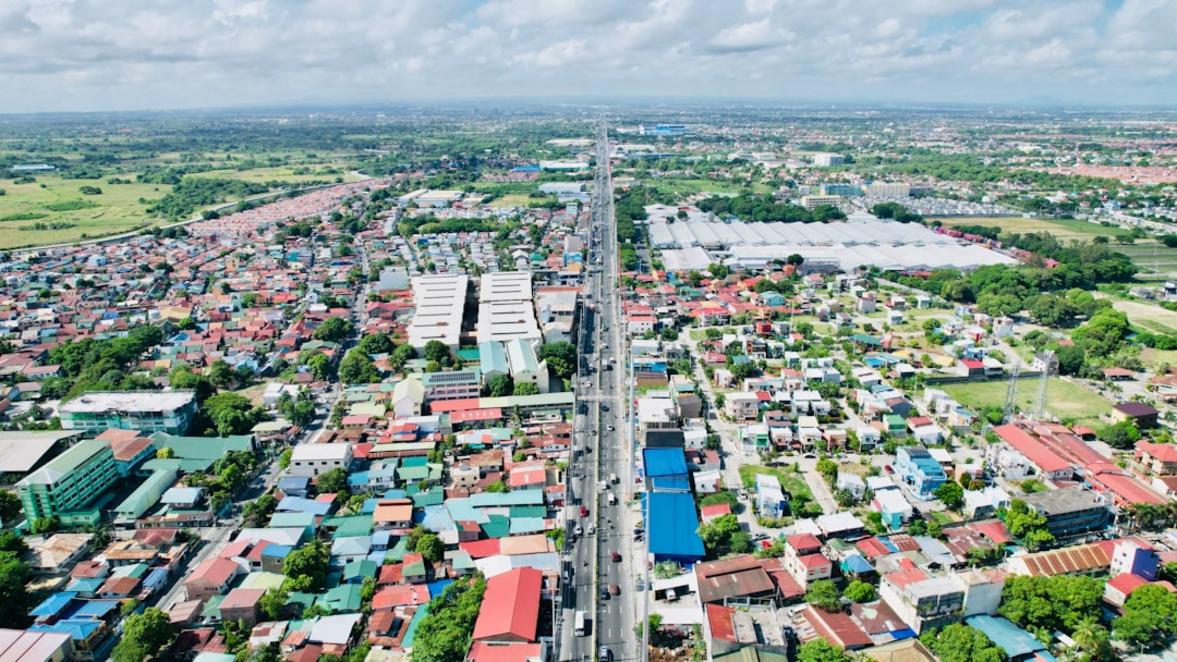
Religion shapes Manila’s urban soundscape and architecture visibly. Catholic church bells ring regularly, especially around Quiapo and Intramuros, marking prayer times and daily rituals. The scent of burning incense wafts through streets near Quiapo Church, where vendors sell religious candles and rosaries. Friday masses and Sunday services draw crowds that temporarily slow city life. Muslim call to prayer echoes in Mindanao regions, contrasting with Catholic festivals like the Feast of the Black Nazarene in Quiapo, drawing millions annually. Chanting and hymns fill Manila’s historic churches, while the rhythm of religious holidays punctuates the calendar, causing some businesses to close or reduce hours. The 2020 census data confirms this religious presence as a core cultural fabric, making it impossible to separate faith from the city’s daily pulse. Visitors will notice the blend of Spanish colonial architecture and American-era churches, a visual testament to centuries of religious influence.
| Religion | % | Core value | What you see |
|---|---|---|---|
| Roman Catholic | 78.8% | Community, devotion, ritual | Church bells ringing, mass crowds in Quiapo |
| Muslim | 6.4% | Prayer, fasting, charity | Call to prayer in Mindanao |
| Iglesia ni Cristo | 2.6% | Discipline, unity, evangelism | Distinctive chapel architecture, organized worship |
| Other Christian | 11.0% | Faith, fellowship, scripture | Small evangelical gatherings, open-air services |
At sacred sites
At Quiapo Church, avoid photography during Mass; crowds are dense and respectful silence is expected. Remove shoes before entering homes but not churches. At Cordillera indigenous sites, expect to pay a fee and ask permission before photographing rituals or artifacts. Military checkpoints, especially in Mindanao, strictly forbid photos; violating this risks confiscation or arrest. At Malacañang Palace, photography is banned entirely, including the grounds. When entering Catholic churches, face the altar, cross yourself with the right hand touching forehead, chest, then shoulders. Donations go into designated boxes quietly. Interaction with clergy is formal; do not touch priests or imams unless invited. These behaviors maintain respect and avoid conflict with local customs.
Mixed with specific carve-outs. Religion influences daily rhythms—Sunday mass slows city traffic and some shops close. Food choices vary; pork is common in Catholic areas but avoided in Muslim Mindanao. Dress is casual in cities but modest clothing is mandatory when entering churches or mosques. Festivals like Holy Week cause widespread business closures and street processions. Outside sacred sites, religion subtly shapes social norms but does not dominate every hour of the day.
Handle with care
Photography banned at Malacañang Palace and military checkpoints; violation leads to confiscation or arrest.
How locals actually live
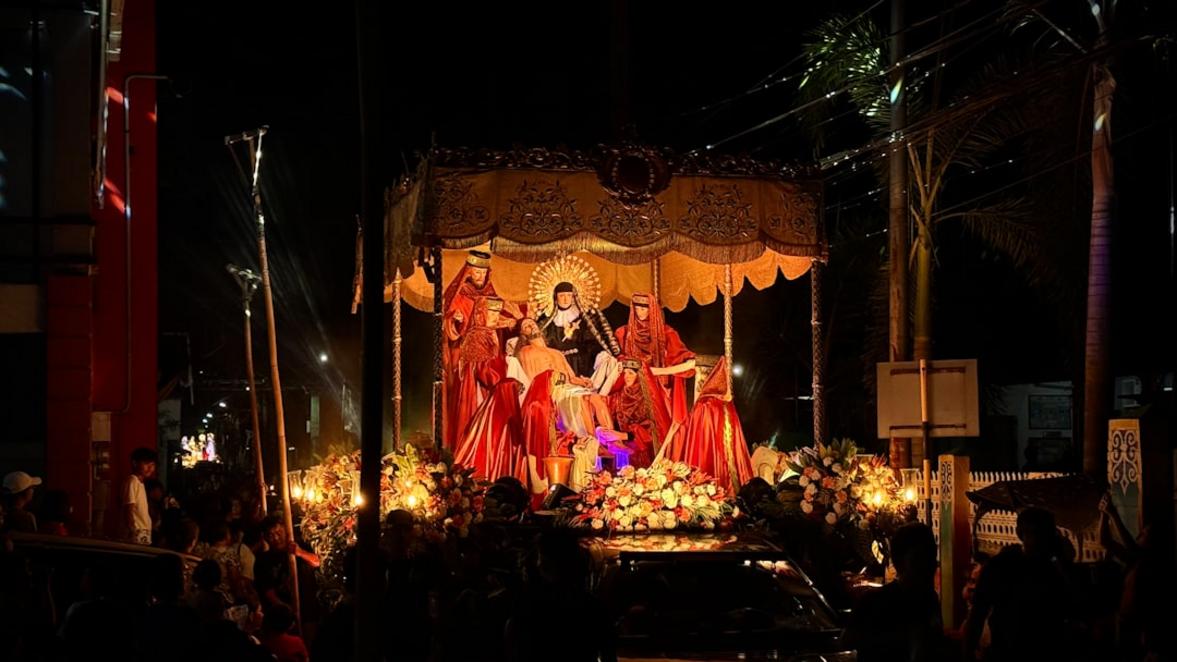
A median-income resident of Manila earns PHP 18,423 (~$320) monthly. They typically live in a modest apartment or rented unit in districts like Quezon City or Sampaloc, balancing affordability and access to work. The daily commute relies on jeepneys, MRT trains, or tricycles, often taking 45 minutes to an hour through heavy traffic. Breakfast costs about PHP 50 (~$0.85), usually consisting of pandesal bread with coffee or a simple rice meal from a nearby carinderia. The workday runs from 8 a.m. to 5 p.m., mostly in office or retail jobs. Evenings feature home-cooked dinners of rice, fish, and vegetables, often shared with family. Weekends are for socializing at local malls or visiting churches, reflecting Manila’s Catholic influence. This routine highlights urban life shaped by dense population, mixed transport, and food culture tied to local markets and affordable eateries.
The wealth gap in Manila is sharply visible between Makati, a wealthy business district with high-rise condos and luxury malls, and the adjacent informal settlements of Barangay Bagong Silang, home to thousands in cramped shanties. The Gini coefficient stands at 40.7 (2021), with the top 10% controlling 42.6% of wealth (WID 2022). Luxury cars and designer boutiques sit blocks away from makeshift homes built from scrap materials. Tourists experience both worlds naturally: financial districts host upscale hotels and business centers, while street markets and jeepney rides expose visitors to working-class neighborhoods. Common tourist activities like visiting Intramuros or Mall of Asia cross these social lines effortlessly.
| Region | What's distinctive | What it means for you |
|---|---|---|
| Luzon | Tagalog political core and Cordillera highlands shape identity. | Use Tagalog phrases and expect cooler mountain weather in Cordillera. |
| Visayas | Cebuano and Hiligaynon island-hopper heartland with distinct languages. | Prepare for boat travel and learn basic Cebuano greetings. |
| Mindanao | Muslim-majority BARMM and indigenous Lumad communities dominate. | Respect Muslim customs; dress conservatively in BARMM areas. |
| Manila metro | Cosmopolitan Filipino-Chinese-Spanish mestizo culture blends influences. | English widely spoken; dress casually but cover shoulders for churches. |
Most Manila households are multigenerational, with grandparents, parents, and children sharing space. Informal economy work accounts for roughly 30% of employment, including street vending and ride-sharing. Renting is common in Manila due to high urban density and expensive property prices, especially among median-income families. Home ownership tends to rise outside Metro Manila, but renters dominate in central districts like Tondo and Sampaloc.
Where your path crosses theirs
Tourists cross income groups daily: eating street food beside high-end mall dining, riding Grab with drivers from working-class neighborhoods, and visiting night markets near luxury rooftop bars. Tip modestly (10%) in informal settings to show respect without overdoing it. Bargain firmly but politely at markets; avoid haggling in upscale shops. Address service workers with friendly formality, adapting tone to context—more casual with jeepney drivers, more reserved with hotel staff.
Do's and don'ts in Philippines
Do
- Tip 10% in restaurants without a service charge
Local staff rely on tips; 10% is culturally expected and appreciated.
- Bargain up to 50% at Divisoria market stalls
Starting price is inflated; firm bargaining saves up to half the cost.
- Wear lightweight cotton or linen at Manila’s Rizal Park
90% humidity and 88°F/31°C heat demand breathable fabrics to avoid sweat discomfort.
- Queue patiently at SM Mall cashiers during weekends
Cutting lines is socially frowned upon and can cause public confrontation.
- Use Grab app for rides after 9 PM in Manila
Grab drivers are vetted and safer than jeepneys or tricycles at night.
- Ask permission before photographing locals in Banaue
Cordillera indigenous communities expect respect and may charge for photos.
- Pay with exact change when buying street food
Vendors have limited change; overpaying causes delays and social awkwardness.
Don't
- Don't discuss Duterte drug war in public spaces
Sensitive topic; may provoke social tension or surveillance under current ICC case.
- Don't visit Mindanao without military checkpoint clearance
Unauthorized entry is illegal; checkpoints enforce safety due to ongoing conflict.
- Don't attend Quiapo Church during Mass for photography
Distracts worshippers; discouraged by church authorities and locals.
- Don't wear political shirts referencing Marcos in Manila
Marcos rehabilitation is controversial; can provoke hostility or confrontation.
- Don't bargain in upscale malls like Greenbelt
Fixed prices; bargaining seen as rude and may cause refusal of sale.
- Don't enter Malacañang Palace grounds without permit
Strictly banned; security enforces no unauthorized access under presidential protocol.
- Don't photograph military checkpoints in Mindanao
Prohibited by law; risks confiscation of device and questioning.
For solo female travelers
Use Grab exclusively for night transport in Manila after 9 PM. Avoid Ermita, Malate alone after dark; skip Tondo any time and Quiapo at night. Dress in lightweight, breathable fabrics like cotton or linen for city streets; avoid revealing clothing to reduce unwanted attention. Catcalling is common but rarely escalates; the Safe Spaces Act 2019 criminalizes harassment, providing legal recourse. Locals often use polite refusal combined with walking away quickly to defuse catcalling, a tactic travelers miss. This approach maximizes control and comfort without confrontation.
For LGBTQ+ travelers
LGBTQ identities are legal with no marriage or civil union rights; the SOGIE bill remains stalled. PDA is visible and accepted in liberal urban neighborhoods like Manila’s Poblacion and Cebu’s IT Park. In rural areas, PDA is discreet to avoid social friction. No criminal penalties exist for LGBTQ expression; social friction can occur but rarely leads to confrontation or legal issues. Pride events are legal and increasingly visible in urban centers without police interference.
For couples
Holding hands and brief hugs are acceptable at beaches and restaurants but avoid kissing near religious sites like Quiapo Church. Public transport allows minimal affection, mostly hand-holding. Same-sex couples can display PDA openly in Manila and Cebu but should be discreet in rural areas. Overstepping these norms risks stares or denied service; no fines apply but social discomfort can occur.
Traveling with kids
Children are welcomed in public spaces and malls without restriction. Manila sidewalks are uneven and narrow; strollers are challenging but manageable in malls like SM and Ayala. Kid menus are rare except at international chains and upscale restaurants. Breastfeeding in public is socially accepted and protected by law. Car seats are not legally required, and helmet use for children on scooters is uncommon but recommended for safety.
Frequently asked questions
1Do I tip at street-food stalls or casual restaurants in the Philippines?
Tipping at street-food stalls is not expected. For casual restaurants, tip 10% if no service charge is included on the bill.
2Is tap water safe to drink in the Philippines?
Tap water is generally unsafe to drink. Always use bottled water or boil tap water before drinking to avoid illness.
3Where can I bargain when shopping in the Philippines?
Bargain hard in Divisoria and Greenhills markets, starting at 50% off. Do not bargain in malls or with taxi drivers using meters or Grab.
4What are the laws on alcohol and drugs in the Philippines after 2024?
Alcohol is legal with usual age restrictions. The Duterte drug war continues under ICC scrutiny in 2025; drug possession remains strictly illegal with harsh penalties.
5When should I remove my shoes in the Philippines?
Remove shoes before entering Filipino homes and Catholic churches. Shops and restaurants generally do not require shoe removal.
6What is one important public transport etiquette rule in the Philippines?
Do not eat or drink on jeepneys or tricycles. Priority seats are reserved for elderly, pregnant women, and disabled passengers.
7What hand gesture should I avoid in the Philippines?
Avoid pointing with your index finger; Filipinos find it rude. Use your lips or whole hand to point instead.
8What is one Filipino phrase every traveler should learn?
Learn the phrase that politely asks for help or directions; it opens doors and earns goodwill instantly.
9Can I take photos of people, religious ceremonies, or police in the Philippines?
Avoid photographing Malacañang, military checkpoints, and police. Ask permission before photographing Cordillera indigenous groups and during religious ceremonies.
10Is public affection acceptable in the Philippines?
Public displays of affection are visible and accepted in Manila and Cebu, especially among LGBTQ couples, but keep it discreet in rural areas.
The bottom line
The Philippines blends 333 years of Spanish Catholic heritage with American influence, creating a unique cultural and linguistic mix visible in daily life, language, and customs.