


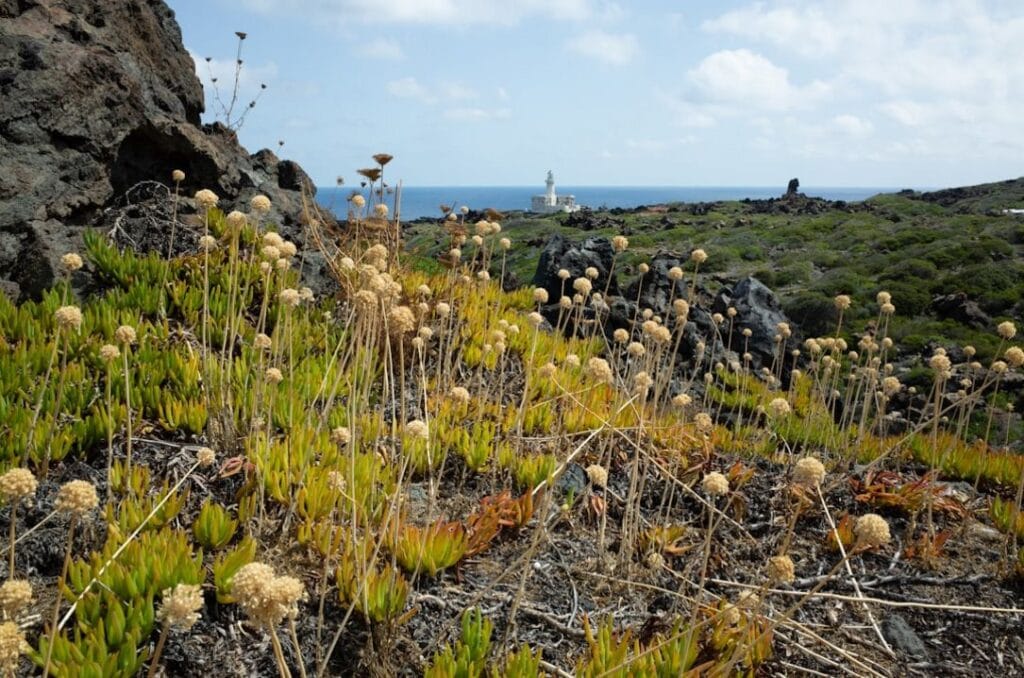
The vibrant coral gardens of Tubbataha’s North Atoll teem with life beneath the surface.
Tubbataha Reefs Natural Park is a remote marine sanctuary in the Sulu Sea, known for its exceptional wall diving and diverse marine life. Accessible only by liveaboard, this UNESCO World Heritage site offers unparalleled underwater experiences. The park spans over 97,000 acres and is home to over 600 species of fish and numerous shark species. Divers flock here for the chance to encounter manta rays and explore pristine coral reefs far from the mainland.
In Tubbataha Reefs Natural Park, dive with sharks, snorkel vibrant coral gardens, and explore remote dive sites accessible only by liveaboard.
Key takeaways
- Dive with sharks and manta rays in 2026.
- Access the park only via seasonal liveaboard trips.
- Explore over 600 fish species in the park.
- Expect dive costs around $150 per day.
- Visit between March and June for optimal conditions.
Why visit Tubbataha Reefs Natural Park
Tubbataha Reefs Natural Park stands out from nearby destinations like El Nido and Coron due to its remote, pristine coral reefs and world-class diving opportunities. Accessible only by liveaboard, this UNESCO World Heritage site features dramatic wall dives teeming with marine life, including sharks and manta rays. The park’s isolation ensures a less crowded experience, allowing divers to explore unspoiled underwater landscapes.
- Dive with sharks and manta rays at the famous Shark Airport site.
- Experience the unique biodiversity of over 600 fish species in a single dive.
- Visit during the peak season from March to June for optimal visibility and marine activity.
- Many divers overlook the stunning night dives, revealing a different underwater world.
Best for
This destination is perfect for solo travelers and adventurous divers seeking remote, high-quality diving experiences. Expect a focus on underwater exploration rather than nightlife or urban amenities.
Skip if
Avoid Tubbataha if you’re looking for a vibrant social scene or easy access to land-based activities; consider El Nido for a more balanced experience.
Top things to do in Tubbataha Reefs Natural Park
Tubbataha Reefs Natural Park offers unparalleled diving experiences and vibrant marine life, making it a must-visit for adventure seekers. Start with a liveaboard dive trip to explore the stunning underwater landscapes.
1. Liveaboard Diving ·
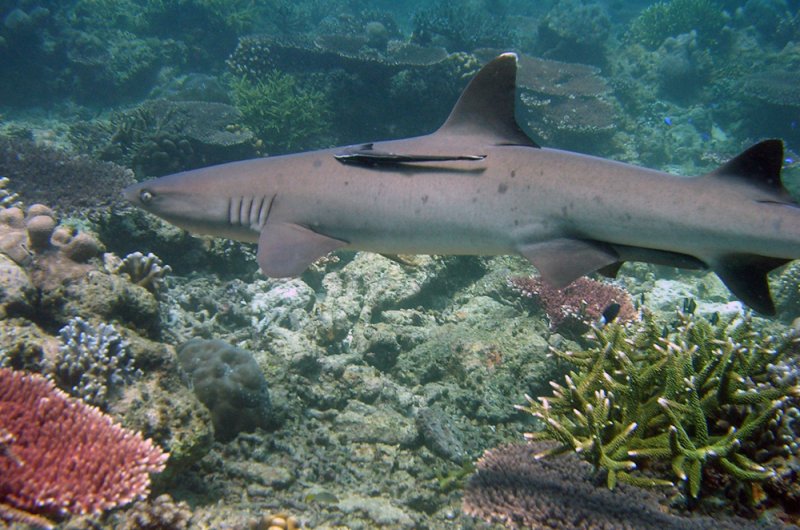
Experience world-class diving with sharks and manta rays in pristine coral gardens.
Join one of the licensed liveaboard operators for an immersive diving experience in Tubbataha Reefs. You’ll explore multiple dive sites, each showcasing vibrant coral reefs and diverse marine life. The thrill of diving alongside majestic creatures in crystal-clear waters is unforgettable.
This is the primary reason travelers come to Tubbataha; day trips can’t match the depth of experience offered by liveaboards.
- When: Book your trip between March and June for optimal visibility and marine activity.
- Cost: ~$1,200 for a 4-day trip, 2026
- Duration: 4 days
- How to reach: Depart from Puerto Princesa via a chartered boat to the liveaboard vessel.
Solo female travel: Liveaboards often have a mix of travelers, creating a social atmosphere.
2. Snorkeling at Malayan Reef ·
Snorkel in vibrant waters teeming with marine life just below the surface.
Take a guided snorkeling trip to Malayan Reef, where you can see colorful fish and coral formations without the need for scuba gear. The shallow waters make it accessible for all skill levels, allowing you to enjoy the underwater beauty at your own pace.
This spot is less crowded than other areas and offers a fantastic alternative for those not diving.
- When: Visit during the morning hours for the best visibility and calmer waters.
- Cost: ~$50, 2026
- Duration: Half day
- How to reach: Access the reef via a short boat ride from your liveaboard or a local operator.
Insider tip: If closed
Consider snorkeling at another nearby reef like Jessie Beazley Reef.
3. Birdwatching at Tubbataha’s Cays ·
Observe unique bird species nesting on the remote cays of Tubbataha.
Explore the cays of Tubbataha, home to various seabirds, including the endangered black noddy. Guided tours provide insight into the local ecosystem while you enjoy the stunning scenery and the chance to spot rare birds in their natural habitat.
This activity offers a break from diving and showcases the park’s biodiversity beyond marine life.
- When: Best during the early morning or late afternoon when birds are most active.
- Cost: ~$30, 2026
- Duration: 2-3 hours
- How to reach: Reach the cays via boat from your liveaboard or a local tour operator.
4. Photography at the Dive Sites ·
Capture stunning underwater shots of marine life and coral formations.
Bring your underwater camera on dives to document the incredible marine biodiversity. The clarity of the water and the vibrant colors of the coral make for breathtaking photographs. Many dive operators offer photography workshops to help you improve your skills.
This is a unique opportunity to create lasting memories of your diving adventures.
- When: Any time during your dive trips, but early morning light is ideal for photography.
- Cost: Free, but workshops may cost ~$100, 2026
- Duration: Varies with dive schedule
- How to reach: Join a liveaboard that offers photography workshops.
5. Kayaking Around the Reefs ·
Paddle through the calm waters and explore the reefs from a different perspective.
Rent a kayak to navigate the shallow areas of Tubbataha Reefs. This allows you to get close to the coral and observe marine life without disturbing the ecosystem. It’s a peaceful way to enjoy the beauty of the park and take in the surroundings.
Kayaking provides a unique vantage point and is a great way to relax between dives.
- When: Best during calm weather, typically in the morning.
- Cost: ~$20 for a half-day rental, 2026
- Duration: 2-3 hours
- How to reach: Kayaks can be rented from your liveaboard or local operators.
6. Stargazing at Night ·
Enjoy breathtaking views of the night sky away from city lights.
After a day of diving, take some time to relax on the deck of your liveaboard and gaze at the stars. The remote location of Tubbataha offers some of the clearest night skies, perfect for spotting constellations and enjoying the tranquility of the ocean at night.
This is a peaceful way to unwind and reflect on your day’s adventures.
- When: Any clear night, ideally during a new moon for the best visibility.
- Cost: Free
- Duration: 1-2 hours
- How to reach: Simply step outside your liveaboard.
Book tours and tickets
Booking through these links supports Pack Lightly at no extra cost to you.
24 hours in Tubbataha Reefs Natural Park
This day plan is perfect for adventurous travelers eager to dive into the stunning underwater world of Tubbataha Reefs while enjoying some downtime in between.
Morning
Start your day early at 6:00 AM with a hearty breakfast on your liveaboard. Fuel up with local fruits and eggs before gearing up for a morning dive. The first dive site, known for its vibrant coral walls and diverse marine life, is just a short boat ride away. Dive in and keep an eye out for sharks and manta rays as the sun rises over the horizon.
Afternoon
After an exhilarating morning, return to the boat around 12:00 PM for a well-deserved lunch. Enjoy a fresh seafood meal while discussing the morning’s highlights with fellow divers. By 1:30 PM, prepare for your second dive at a different site, where you can explore even more breathtaking underwater landscapes. This dive promises to be just as thrilling, with opportunities to see unique species and stunning coral formations.
Evening
As the sun begins to set around 6:00 PM, take a moment to relax on the deck of your liveaboard and soak in the views. For dinner, enjoy a communal meal prepared by the crew, featuring local dishes that showcase the flavors of the Philippines. The evening atmosphere is relaxed, perfect for sharing stories and planning your next dive adventures.
If you have a second day
If you have another day, consider a full-day dive trip to explore more remote sites within Tubbataha. Alternatively, spend some time snorkeling around the reefs to see the marine life from a different perspective.
Best time to visit Tubbataha Reefs Natural Park
Quick answer
Visit from April to June for the best diving conditions and wildlife sightings.
| Months to go | April to June, October to early December |
|---|---|
| Months to avoid | July to September due to heavy rainfall and rough seas. |
The dry season from April to June offers warm temperatures averaging 82°F / 28°C to 88°F / 31°C, ideal for diving and snorkeling. October to early December is also favorable, with pleasant weather and good visibility underwater. However, July to September brings heavy rainfall and rough seas, making diving conditions challenging and potentially dangerous. This period can also close access to certain dive sites, limiting your options.
Average temperature (°F)
Monthly weather
warm dry, good diving
warm dry, great visibility
warm dry, peak diving
hot dry, best diving
hot dry, excellent conditions
hot dry, still good diving
humid wet, rough seas
humid wet, limited access
humid wet, tough diving
warm dry, improving conditions
warm dry, good diving
warm dry, nice visibility
How to get to Tubbataha Reefs Natural Park
Nearest airport
Puerto Princesa International Airport (PPS), roughly 100 miles / 160 km from Tubbataha Reefs
From the airport
Book a liveaboard dive trip departing from Puerto Princesa harbor; the best operators arrange transfers from the airport to the port for around $20-$30, 2026. Skip taxis to the city – head straight to the harbor to catch the liveaboard, which is the only practical way to reach Tubbataha.
Other ways to arrive
- Coron, Palawan by boat: multi-day liveaboard trips run seasonally, $1,200-$1,800 for 5-7 days, 2026
- El Nido, Palawan by charter boat: rare and expensive option, $2,000+, full day plus, 2026
- Manila to Puerto Princesa flight plus liveaboard: fastest air route combined with standard liveaboard departure, $100-$150 flight plus liveaboard rates, 2026
Getting around Tubbataha Reefs Natural Park
Movement happens exclusively by liveaboard dive boats; no land transport exists on the reefs. Choose a reputable liveaboard operator that prioritizes dive safety and reef access over luxury extras.
- Liveaboard dive boat: the only way to explore the reefs, includes all transport and diving, $1,200-$1,800 for typical 5-7 day trips, 2026
- Tender boats from liveaboard: used for shore dives or snorkeling at specific reef sites, included in liveaboard price
- No land transport: the park is remote with no docks or roads, so all movement is by boat
Avoid
Avoid booking day trips or resort packages claiming direct access; no day boats operate due to distance and park regulations.
Day trips from Tubbataha Reefs Natural Park
Tubbataha’s remoteness means day trips aren’t feasible; the best option is a multi-day liveaboard that covers all dive sites.
Puerto Princesa City, Palawan
Last stop before or after Tubbataha for provisioning, flights, and city comforts
Why: Serves as the gateway for liveaboard departures; good for gear checks and rest before the dive trip
Skip if: You plan to spend all your time underwater on the liveaboard
Coron, Palawan
Alternative base for liveaboard departures and island exploration before or after Tubbataha
Why: Coron offers wreck diving and island hikes, a strong complement to Tubbataha’s reef focus
Skip if: You want to maximize time on Tubbataha reefs exclusively
El Nido, Palawan
Island hopping and beaches if extending your Palawan itinerary
Why: El Nido’s limestone karsts offer a sharp contrast to reef diving, good for rest days
Skip if: Your trip centers on diving and you have limited time
Combine Tubbataha Reefs Natural Park with
Tubbataha fits best as the diving highlight within a Palawan-focused Philippines itinerary.
10-day Palawan dive and island loop Puerto Princesa → Tubbataha Reefs Natural Park → Coron → El Nido
Start in Puerto Princesa for liveaboard departure to Tubbataha, then head north to Coron for wreck dives, finishing with island hopping and beaches in El Nido.
7-day Palawan dive and city combo Manila → Puerto Princesa → Tubbataha Reefs Natural Park → Puerto Princesa
Fly into Manila, then Puerto Princesa for a liveaboard trip; return for city exploration or onward flights, minimizing transfers and maximizing dive days.
14-day Philippines multi-region dive trip Manila → Puerto Princesa → Tubbataha Reefs Natural Park → Cebu → Moalboal
Combine Tubbataha’s remote reef diving with Cebu’s accessible dive sites and Moalboal’s sardine run, balancing remote adventure with easier access.
Where to stay in Tubbataha Reefs Natural Park
Compare prices across booking sites on the map below and see which neighbourhood fits your plans.
Accommodations in Tubbataha Reefs Natural Park are primarily focused on liveaboard options due to the park’s remote location. Travelers typically choose between budget-friendly dorms on boats, mid-range liveaboards with more amenities, or splurge options that offer luxury experiences while diving.
Budget – Liveaboard boats in the park
Budget options consist of basic dormitory-style accommodations on liveaboard boats, providing essential amenities for divers. These options are economical but lack extra comforts and private spaces.
Insider tip: Book early to secure a spot on popular budget liveaboards, as they fill up quickly during peak diving season.
Mid-range – Liveaboard boats in the park
Mid-range liveaboards offer comfortable cabins and additional amenities like meals and guided dives, catering to divers looking for a balance of comfort and cost. These boats often provide a more social atmosphere with shared dining and lounge areas.
Insider tip: Choose a liveaboard with a good safety reputation and experienced crew for a more enjoyable diving experience.
Solo female travelers
Opt for a well-reviewed liveaboard with a strong safety record and a good mix of solo travelers to ensure a welcoming atmosphere.
Book your stay
Booking through these links supports Pack Lightly at no extra cost to you.
Where to eat and drink in Tubbataha Reefs Natural Park
Tubbataha Reefs Natural Park offers a seafood-centric culinary experience, heavily influenced by the surrounding waters. Fresh catch from the Sulu Sea, particularly tuna and grouper, features prominently, showcasing local fishing techniques and flavors unique to this remote area.
Must-try dishes
Kinilaw (Filipino Ceviche)
Fresh fish marinated in vinegar, lime, and spices, often served with onions and chili.
Insider tip: Try it as an appetizer before your dive; it’s a refreshing way to start your meal.
Sinigang na Isda (Fish Sinigang)
A sour soup made with fresh fish, tamarind, and various vegetables.
Insider tip: Order it for lunch; it’s best enjoyed hot and pairs well with rice.
Lato (Sea Grapes)
A type of edible seaweed served fresh, often with vinegar or soy sauce.
Insider tip: Pair it with grilled fish for a true taste of the region.
Local drinks
- Buko JuiceAny beachside vendor or local market near the docks.
Fresh coconut water served straight from the coconut. - TubaLocal bars or gatherings, especially during festivals.
A traditional coconut wine made from the sap of coconut flowers.
How to eat like a local in Tubbataha Reefs Natural Park
Lunch is the main meal of the day; many local kitchens close by 4:00 PM and reopen as bars in the evening. Aim to enjoy your big meal around 1:00 PM to experience the freshest dishes.
Daily budget for Tubbataha Reefs Natural Park
Tubbataha Reefs Natural Park can be pricey due to its remote location and the exclusive nature of liveaboard diving. Expect to pay more for accommodations and activities compared to other areas in the Philippines.
Shoestring
- lodging – dormitory on a liveaboard
- food – basic meals on board
- transport – shared transfers to the dock
- activities – included dives
- buffer – snacks and drinks
Trade-offs: You’ll miss out on more comfortable accommodations and additional activities.
Comfort
- lodging – private cabin on a liveaboard
- food – more varied meals on board
- transport – private transfers to the dock
- activities – included dives and excursions
- buffer – drinks and snacks
Trade-offs: You might have to skip some premium dive sites or excursions.
Splurge
- lodging – luxury cabin on a liveaboard
- food – gourmet meals on board
- transport – private transfers with added comfort
- activities – premium dive packages
- buffer – high-end drinks and snacks
Trade-offs: You’ll spend significantly more, but enjoy top-tier experiences and amenities.
Money-saver tip
Book your liveaboard trip during the shoulder season to secure better rates without compromising on dive quality.
Splurge that’s worth it
Opt for a premium dive package that includes guided dives at the best sites, ensuring you experience the most vibrant marine life.
Skip to save
Avoid the overpriced souvenir shops at the dock; bring your own gear and snacks instead.
Practical tips for Tubbataha Reefs Natural Park
Money
| Cash or card | Cash is essential; credit cards are rarely accepted. |
|---|---|
| ATMs | There are no ATMs in Tubbataha Reefs Natural Park, so bring enough cash for your trip. |
| Tipping | Tip around 10% for services like diving or meals, rounding up to the nearest dollar. |
Safety
Travelers should be mindful of their surroundings, especially when on liveaboard boats, but serious issues are rare.
Local warnings:
- Be cautious of strong currents while diving or snorkeling.
- Protect against sunburn; the UV index can be high.
Connectivity
| Mobile data | Mobile coverage is limited; consider using a local SIM from Smart or Globe for better connectivity. |
|---|---|
| Wi-Fi | Wi-Fi is generally unavailable on liveaboard boats; expect to be offline during your stay. |
Language
| Main language | Filipino |
|---|---|
| English level | English is widely spoken among locals, especially those in tourism and diving sectors. |
Cultural notes
| Dress modestly when interacting with local communities. |
| Ask for permission before taking photos of people or their property. |
Solo female travel
Solo female travelers can feel comfortable, especially on liveaboards where safety is prioritized.
| Meeting people | Join group dives or activities to meet fellow travelers. |
|---|
Do
- Use reef-safe sunscreen to protect marine life.
- Follow guidelines from dive operators to minimize environmental impact.
Don’t
- Do not touch or disturb coral reefs.
- Avoid collecting shells or marine life as souvenirs.
Frequently asked questions about Tubbataha Reefs Natural Park
1Is Tubbataha Reefs Natural Park worth visiting?
Yes – Tubbataha is renowned for its exceptional diving, featuring pristine coral reefs and diverse marine life, including sharks and manta rays.
2How do you get to Tubbataha Reefs Natural Park from Puerto Princesa?
Travel by liveaboard boat, which typically departs from Puerto Princesa. Expect a journey of around 10-12 hours, depending on sea conditions.
3What does a day in Tubbataha Reefs Natural Park cost?
Roughly $150-250 per day, including accommodation on the liveaboard, meals, and diving activities. Prices can vary based on the operator.
4Can you swim in Tubbataha Reefs Natural Park?
Yes – swimming is allowed, but it’s primarily a diving destination. Ensure you follow safety guidelines and stay within designated areas.
5Is Tubbataha Reefs Natural Park safe for solo female travelers?
Yes – the liveaboard environment is generally safe, with a focus on diving and marine activities. However, always stay aware of your surroundings.
6When is the best time to visit Tubbataha Reefs Natural Park for diving?
The best time is from mid-March to mid-June, when visibility is optimal and marine life is abundant, making for excellent diving conditions.