

Choosing between Mexico and Costa Rica boils down to budget and nature intensity.
Mexico and Costa Rica attract millions of travelers yearly, but your choice shapes the entire trip. Mexico offers a sprawling country with 130 million people, packed with cities, beaches, and ancient ruins. Costa Rica, with just 5.3 million residents, focuses on intense biodiversity and outdoor adventure. For US citizens, Mexico requires no visa for stays under 180 days, while Costa Rica allows 90 days visa-free. Mexico’s Pack Lightly safety score is 55/100, lower than Costa Rica’s 75/100, making safety a key factor. Daily budgets in Mexico range from $50 to $150, while Costa Rica runs $80 to $200 daily, reflecting the cost gap most travelers underestimate.
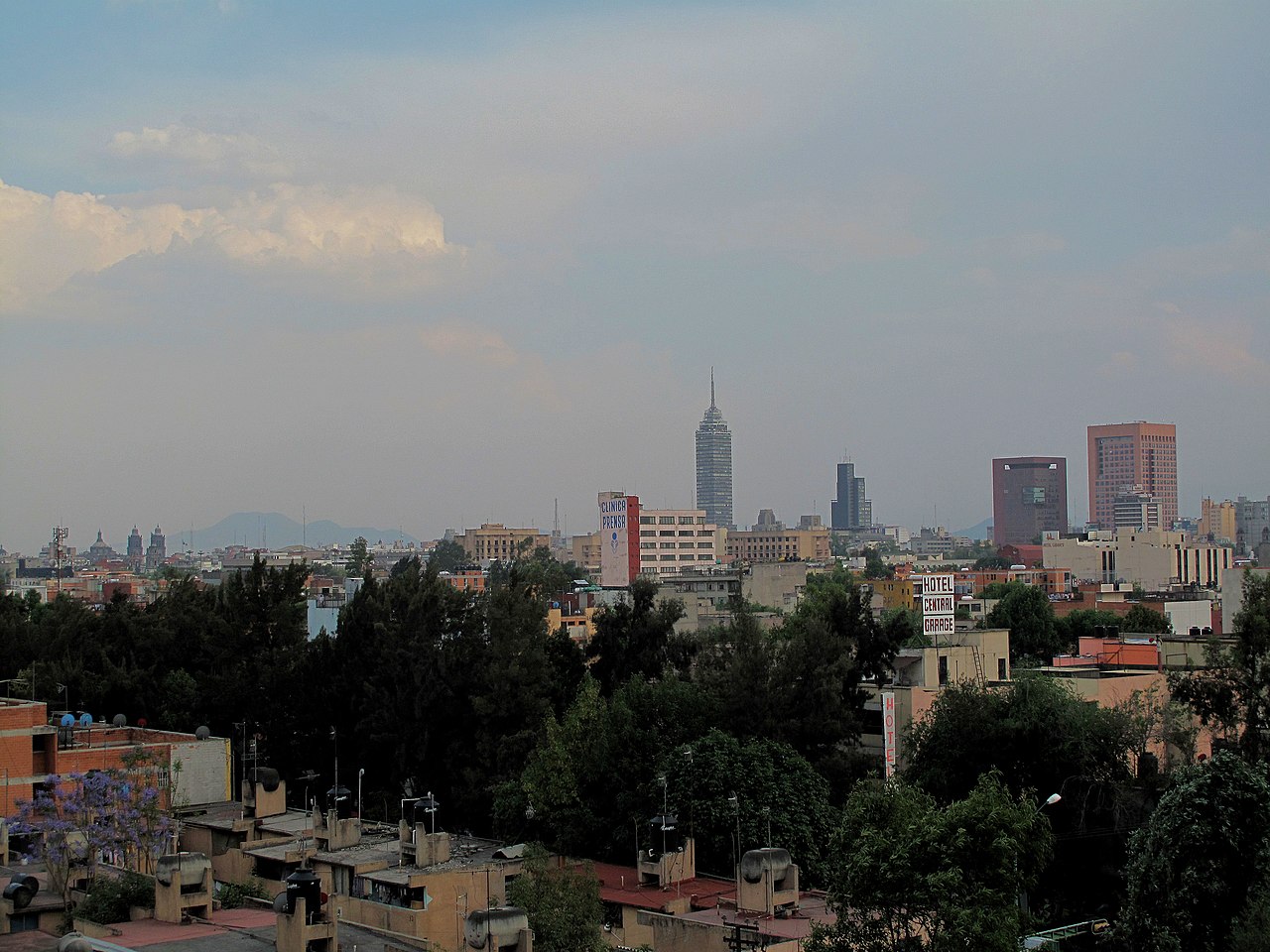
Practical differences start with infrastructure and vibe. Mexico’s tourist infrastructure scores 80/100, supporting easy travel between Mexico City, Cancun, and Oaxaca. Costa Rica scores 75/100 but demands more planning due to slower transport and fewer direct flights. Mexico’s food scene scores 95/100 with street tacos for $1.50, while Costa Rica’s food scores 65/100, leaning on fresh but simpler dishes. Nature in Costa Rica scores 95/100, with 12% of its land protected as national parks, compared to Mexico’s 85/100. The best time to visit Mexico City is March to May with temps around 70°F, while Costa Rica’s dry season runs December to April, ideal for outdoor activities.
Insider tip: In Mexico City, $3 tortas from La Casa de Toño beat expensive tourist spots every time.
Mexico’s massive population means more cities, cultural sites, and travel options, while Costa Rica offers concentrated nature experiences.
Mexico vs Costa Rica: Key Travel Differences
| Topic | Mexico | Costa Rica |
|---|---|---|
| Budget level | $50-$150/day, $1.50 street tacos in Mexico City | $80-$200/day, $7 casado plate in San Jose |
| Visa requirements | No visa for US citizens up to 180 days | No visa for US citizens up to 90 days |
| Safety | Pack Lightly safety score 55/100, avoid certain neighborhoods | Pack Lightly safety score 75/100, safer in most tourist areas |
| Nature & landscape | 85/100, Copper Canyon and beaches like Playa del Carmen | 95/100, Monteverde Cloud Forest and Tortuguero National Park |
| Food & cuisine | 95/100, tacos al pastor $1.50, Oaxacan mole | 65/100, casado plate $7, fresh seafood on Pacific coast |
| Transport & infrastructure | 80/100, Mexico City Metro, direct flights to Cancun | 75/100, slower buses, fewer direct international flights |
| Accommodation quality | 75/100, $40/night boutique hotels in Mexico City | 70/100, $60/night eco-lodges near Arenal Volcano |
| Crowds in peak season | High in Cancun and Mexico City during holidays | Moderate in national parks, crowded in Manuel Antonio |
| Best time to visit | March-May, 70°F average in Mexico City | December-April dry season, 75-85°F average |
| Cultural depth | 90/100, Aztec and Mayan ruins, colonial cities | 60/100, indigenous communities and small towns |

Best for Mexico
- Couples with $70/day for 2-week beach + city trip in Mexico
- Solo travelers wanting $1.50 street food and urban nightlife
- History buffs visiting Chichen Itza and Oaxaca ruins
Best for Costa Rica
- Nature lovers with $120/day for rainforest and volcano hikes
- Adventure seekers booking canopy tours and white-water rafting
- Families wanting safer, quieter beach towns like Tamarindo
Mexico vs Costa Rica: Key Takeaways
- If you want lower daily costs and cultural variety, choose Mexico — Pack Lightly budgetFriendly score 80/100
- If safety is your priority, choose Costa Rica — Pack Lightly safety score 75/100
- If you want intense biodiversity and outdoor activities, choose Costa Rica — Pack Lightly nature score 95/100
- If you want world-class street food under $2, choose Mexico — Pack Lightly foodAndDrinks score 95/100
- If you want easier travel logistics and more flight options, choose Mexico — Pack Lightly touristInfrastructure score 80/100
- If you want a relaxed vibe with fewer crowds in nature, choose Costa Rica — Pack Lightly relaxedVacation score 80/100
Pack Lightly Scores
11 categories scored from 0 (low) to 100 (high)
Still torn between Mexico and Costa Rica?
Use the interactive tool to compare scores in 11 categories like safety, budget, and nature. It weighs what matters most to your travel style and shows your clear winner.
What you’ll actually spend

Mexico is cheaper for mid-range travelers by about $30 per day. Prices use MXN (1 MXN = 0.05793 USD) and CRC (1 CRC = 0.002175 USD). Costa Rica’s higher cost reflects its tourist infrastructure and nature focus, despite Mexico’s larger scale. Pack Lightly budgetFriendly scores: Mexico 80, Costa Rica 55.
Daily cost comparison
| Category | Mexico (MXN/USD) | Costa Rica (CRC/USD) |
|---|---|---|
| Backpacker daily budget | 300-450 MXN ($17.38-$26.07) | 15,000-22,000 CRC ($32.63-$47.85) |
| Mid-range daily budget | 900-1,300 MXN ($52.14-$75.31) | 48,000-65,000 CRC ($104.40-$141.38) |
| Luxury daily budget | 3,000-5,000 MXN ($173.79-$289.65) | 120,000-180,000 CRC ($261.00-$391.50) |
| Street food meal | 40-70 MXN ($2.32-$4.05) | 1,500-2,500 CRC ($3.26-$5.44) |
| Restaurant meal | 150-300 MXN ($8.69-$17.38) | 7,000-12,000 CRC ($15.23-$26.10) |
| Local transport (per day) | 50-100 MXN ($2.90-$5.79) | 4,000-6,000 CRC ($8.70-$13.05) |
| Activities/tours (average) | 600-1,200 MXN ($34.76-$69.52) | 30,000-50,000 CRC ($65.25-$108.75) |
Mexico wins on price across all budget levels. Costa Rica’s nature and tours cost extra, pushing daily expenses up significantly. Pack Lightly budgetFriendly: Mexico 80, Costa Rica 55. For budget stays and food, Mexico dominates; Costa Rica demands higher spend on tours and lodging. Hotels MexicoHotels Costa Rica
Pro tip: Use colectivo vans in Costa Rica instead of taxis for cheaper transport.
Watch out: Tourist taxes and park fees in Costa Rica add up fast.
What you’ll eat

Mexico wins hands down for street food. Tacos al pastor run $1.50–$2 each in Mexico City’s La Merced market. Costa Rica’s street fare like gallo pinto or chorreadas costs $2–$3 but lacks variety and punch. Mexico’s street stalls are everywhere and deliver bold flavors at unbeatable prices.
Vegetarian options are stronger in Mexico, especially in Mexico City and Oaxaca, with many dedicated vegetarian restaurants. Costa Rica offers fresh fruits and rice-based dishes but struggles with limited vegetarian variety outside tourist spots. Halal and gluten-free options are rare in both countries but easier to find in Mexico’s bigger cities.
Drink culture favors Mexico with tequila, mezcal, and beers like Modelo and Pacifico widely available. Costa Rica leans on Imperial beer and guaro, a sugarcane liquor, but lacks the depth and international recognition Mexico has. Mexico’s nightlife and drinking scenes are bigger and more diverse, especially in Mexico City and Playa del Carmen.
Food and drink comparison
| Category | Mexico | Costa Rica |
|---|---|---|
| Signature dish | Tacos al pastor, mole poblano, tamales | Gallo pinto, casado, ceviche |
| Street food quality | High variety, bold flavors, $1.50–$3 per item | Limited variety, milder flavors, $2–$4 per item |
| Vegetarian-friendly | Good options in cities, many meat-free dishes | Basic vegetarian fare, limited outside tourist areas |
| Restaurant variety | Wide range from street to fine dining | Mostly casual, fewer upscale options |
| Drink culture | Tequila, mezcal, Modelo, Pacifico beers | Imperial beer, guaro, fewer international options |
Tacos al pastor
Best street tacos at unbeatable price in a top market
Insider tip: Try Oaxaca’s tlayudas for a filling vegetarian street snack with cheese and beans.
Where to sleep

Mexico offers stronger hotel quality overall with a Pack Lightly hotelQuality score of 75 versus Costa Rica’s 70. Mexico City’s Condesa and Roma neighborhoods deliver boutique hotels and well-priced mid-range options. Playa del Carmen and Tulum offer luxury resorts and villas. Costa Rica’s best stays cluster around Tamarindo and Manuel Antonio, where nature meets decent hotel quality. Use Hotels Mexico to book Mexico stays and Hotels Costa Rica for Costa Rica.
Both countries have weak spots. Mexico’s southern beach towns like Puerto Escondido sometimes lack consistent quality and reliable booking platforms. Costa Rica’s San Jose hotels often disappoint with outdated rooms and higher prices. Mexico’s scale means more options but also more risk of scams or poor service in less touristy areas.
See full lodging breakdown by budget
Typical lodging options
| Type | Mexico | Costa Rica |
|---|---|---|
| Budget hostels | Hostels in Mexico City’s Centro Histórico, $15–$25/night | Hostels in Tamarindo, $20–$30/night |
| Mid-range hotels | Boutique hotels in Condesa, $60–$120/night | Small hotels in Manuel Antonio, $70–$130/night |
| Boutique stays | Design hotels in Roma, $100–$180/night | Eco-lodges near Monteverde, $110–$170/night |
| Luxury resorts | Beach resorts in Playa del Carmen, $200+ | Resorts in Guanacaste, $220+ |
| Alternatives | Airbnb apartments in Mexico City, $40–$90/night | Vacation rentals near Jaco, $60–$120/night |

Booking tip: Book Mexico City stays early on Airbnb or Booking.com for best deals in Condesa and Roma.
What it actually feels like

Early morning in Mexico City’s Roma Norte, street vendors set up stalls while locals sip coffee on sidewalk cafes. The mix of colonial buildings and street art fills the air with a buzz of urban energy.
In Costa Rica’s Manuel Antonio at sunset, the jungle hums with wildlife sounds. Beaches are quieter, and the scent of saltwater blends with tropical flowers under a dimming sky.
Mexico demands navigation through crowds, traffic jams, and tourist-heavy zones. Costa Rica challenges you with slower travel logistics and pricier services, especially outside San Jose.
Mexico highlights
- Frida Kahlo Museum(Coyoacán, Mexico City): Explore Frida’s vibrant home filled with original artwork and personal artifacts.
- Chichen Itza(Yucatán Peninsula): Walk the famous Mayan pyramid early to avoid crowds and midday heat.
- Oaxaca City(Oaxaca): Sample traditional mezcal and street food at Mercado 20 de Noviembre.
- Tulum Beach(Tulum, Quintana Roo): Relax on white sand beaches with clear water, then visit nearby ruins.
Costa Rica highlights
- Arenal Volcano National Park(La Fortuna): Hike trails with views of the active volcano and hot springs nearby.
- Monteverde Cloud Forest(Monteverde): Walk hanging bridges through dense cloud forest rich in wildlife.
- Manuel Antonio National Park(Quepos): Combine easy hikes with secluded beaches and diverse animal sightings.
- Tortuguero Canals(Tortuguero): Boat through jungle waterways spotting turtles, monkeys, and birds.
Ideal duration: Mexico: 10–14 days — large country with diverse cities and regions · Costa Rica: 7–10 days — compact, nature-focused with travel time between parks
What to do in Mexico & Costa Rica
Mexico
- Visit Frida Kahlo Museum early morning on weekdays
- Book guided tour for Chichen Itza sunrise visit
- Eat street tacos at Mercado 20 de Noviembre
Costa Rica
- Book guided boat tour in Tortuguero canals
- Hike Monteverde Cloud Forest hanging bridges at dawn
- Reserve hot springs visit near Arenal Volcano
What to skip in Mexico & Costa Rica
Mexico
- Avoid souvenir shops near major ruins
- Skip Cancun’s Hotel Zone beaches for quieter spots
- Don’t rely solely on taxis; use ride apps
Costa Rica
- Avoid San Jose after dark
- Skip overpriced beach resorts near Manuel Antonio
- Don’t rent a car without 4WD for remote areas
Choose based on
- If you want rich culture and food, choose Mexico — foodAndDrinks score 95
- If you prioritize nature and wildlife, choose Costa Rica — nature score 95
- If budget is tight, choose Mexico — budgetFriendly score 80 over 55
- If you want safer travel, choose Costa Rica — safety score 75 over 55
Mexico’s urban chaos tests patience but rewards with culture; Costa Rica’s slower pace costs more but delivers unmatched nature.
How safe is it really

Costa Rica scores higher on safety with 75 versus Mexico’s 55 on Pack Lightly. Mexico’s risks concentrate in big cities like Mexico City and Cancun, while Costa Rica’s issues are mostly petty crime in tourist areas. Both countries have health and road risks, but Costa Rica’s nature hazards are more frequent. Know where to go and what to avoid to keep your trip smooth.
See detailed safety factors table
Safety factors compared
| Factor | Mexico | Costa Rica | Practical tip |
|---|---|---|---|
| Pickpocketing | Common in Mexico City’s historic center and Cancun’s hotel zone. | Frequent in San Jose downtown and popular beaches like Tamarindo. | Use the app ‘Lookout’ to track crime hotspots and keep valuables in front pockets. |
| Tourist scams | Fake taxi drivers near Mexico City airport and ATM skimming in Playa del Carmen. | Overpriced taxi meters in San Jose and timeshare pressure at Guanacaste resorts. | Book taxis via Uber or official apps, avoid street drivers. |
| Solo female traveler safety | Avoid walking alone at night in Tepito neighborhood, Mexico City. | San Jose’s Barrio Amón is safer but avoid isolated areas after dark. | Use rideshare apps after dark and stay in well-reviewed accommodations. |
| Health risks | Zika and dengue outbreaks in southern states; tap water not safe to drink. | Mosquito-borne diseases common; tap water generally safe in cities but avoid rural areas. | Use mosquito repellent with DEET and drink bottled water everywhere. |
| Road safety | Poorly lit roads outside major cities; aggressive drivers common on federal highways. | Narrow mountain roads with frequent landslides during rainy season. | Drive only during daylight and use Waze for live traffic updates. |
| Natural disasters | Earthquakes and hurricanes affect coastal and southern regions seasonally. | Volcanic activity and heavy rains cause floods and landslides, especially May-November. | Check USGS and local alerts daily during rainy season. |
Scam spotlight: Cancun airport taxi stands
How it works: Unlicensed drivers offer fixed fares double the official rate.
How to avoid: Pre-book rides with authorized apps like Uber or official taxi counters.
Watch out: Booking last-minute private transfers in Costa Rica can cost $150+ instead of $40 shared shuttle.
Insider tip: Mexico’s tourist police in Cancun and Playa del Carmen are active and approachable for help.
Visa & entry requirements
Neither Mexico nor Costa Rica requires a visa for US citizens. Mexico’s tourist card (FMM) is free and included with flights, valid for 180 days. Costa Rica requires proof of onward travel and allows 90 days free stay. Both countries have straightforward entry but Mexico’s longer stay makes it better for extended trips.
Full visa & entry requirements table
Visa details at a glance
| Factor | Mexico | Costa Rica | Practical note |
|---|---|---|---|
| Visa requirement | No visa required | No visa required | Both countries allow visa-free entry for US citizens. |
| Visa type & cost | Visa-free with FMM tourist card, free (included in flight ticket) | Visa-free, free | Mexico’s FMM is mandatory; Costa Rica charges no fee. |
| Application process | FMM tourist card given on arrival or included in flight; no online pre-application. URL: none | Proof of onward travel required at entry; no online form. URL: none | Mexico’s FMM is automatic with flights; Costa Rica requires outbound ticket proof. |
| On-arrival option | FMM issued on arrival at land borders and airports | No visa on arrival needed; just passport and travel proof | Mexico’s FMM can be obtained on arrival; Costa Rica requires no additional paperwork. |
| Max stay & extension | 180 days, no official extension | 90 days, possible extension at immigration offices | Costa Rica allows extensions; Mexico does not. |
Visa and entry rules change frequently. Check official embassy sites before travel. Secondary systems like Mexico’s FMM can update independently of visa policy. for unexpected delays or issues.
Getting around Mexico vs Costa Rica

Mexico is easier to navigate overall thanks to its extensive domestic flight network and bus system. Pack Lightly touristInfrastructure: Mexico 80, Costa Rica 75. Costa Rica’s geography forces longer travel times and fewer rail options, relying mostly on buses and smaller local airlines.
Compare every transport option side-by-side
Transport modes compared
| Mode | Mexico | Costa Rica | Practical note |
|---|---|---|---|
| Domestic flights | Volaris and Aeromexico offer frequent flights; Mexico City to Cancun costs about $60, 2.5 hours. | Sansa and Nature Air cover San Jose to Liberia for around $80, 45 minutes. | Book 2 weeks ahead on Volaris app or Sansa website for best fares. |
| Buses | ADO and ETN buses run Mexico City to Oaxaca for $25, 6 hours with AC and Wi-Fi. | Transnica buses from San Jose to Puerto Viejo cost $15, 4 hours, basic comfort. | Use ClickBus app in Mexico and Ticabus in Costa Rica to reserve seats. |
| Trains | No major passenger trains outside tourist lines like Tequila Express (~$50). | No passenger trains available; rely on road transport only. | Ignore train options in both countries except tourist-specific routes. |
| Taxi / ride-hailing | Uber widely available in Mexico City, $5 average 3-mile ride. | Uber operates in San Jose, but local taxis dominate; expect $6 for similar distance. | Use Uber app in both countries; cash taxis require negotiation. |
| Ferries | Ferries from Playa del Carmen to Cozumel cost $18 one-way, 45 minutes. | Limited ferries to Nicoya Peninsula; Puntarenas to Paquera costs $10, 1.5 hours. | Buy ferry tickets in person or via Ultramar app in Mexico; Costa Rica ferries cash only. |
| Scooter rental | Available in tourist spots like Tulum for $30/day. | Common in coastal towns like Tamarindo, $25/day. | Book through websites like ScootGo.mx in Mexico or Tamarindo Scooter Rentals in Costa Rica. |
| Bicycle rental | City bike rentals in Mexico City and Playa del Carmen, $10/day. | Popular in San Jose and beach towns, $12/day. | Use Bici Capital app in Mexico City; in Costa Rica, rent locally at hostels. |
Mexico beats Costa Rica for ease and speed of getting around, thanks to better flights and bus coverage. Volaris app makes booking domestic flights simple and affordable. Pack Lightly touristInfrastructure: Mexico 80, Costa Rica 75. Costa Rica’s slower, more limited options suit travelers who want nature over speed. Book transport
App tip: Use Volaris app for Mexico and Ticabus app for Costa Rica to book buses and flights early.
Sample routes:
Mexico: Mexico City → Cancun, flight, $60, 2.5 hours
Costa Rica: San Jose → Liberia, flight, $80, 45 minutes
How far English gets you
Mexico offers more English speakers in tourist hubs like Cancun, Playa del Carmen, and Mexico City. Outside these areas, English fades fast—especially in southern states and smaller towns. Costa Rica has better English penetration overall, especially in San José and beach towns like Tamarindo. Still, rural areas demand basic Spanish or a translation app to avoid communication hassles.
App tip: Use Google Translate (iOS, Android) for offline Spanish help and instant camera translation.
Wifi, data, payments
Both countries offer solid wifi in hotels and cafes, but Mexico’s urban areas have faster, more reliable connections. Mobile data is affordable and widespread in Mexico, with 4G coverage reaching most cities and tourist spots. Costa Rica’s mobile data can be spotty outside main towns; plan accordingly. Card payments work well in cities, but carry cash in Mexico’s markets and Costa Rica’s small villages where cash still rules.
eSIM picks:
Mexico: Mexico – Airalo $10 for 3GB, valid 30 days eSIM Mexico
Costa Rica: Costa Rica – Holafly $25 for 5GB, valid 30 days eSIM Costa Rica
In Mexico, cash dominates local markets; Costa Rica’s rural areas also prefer cash over cards.
When to go

Mexico’s best months run from November through May, avoiding heavy summer rains. Costa Rica shines December through April, with a drier, hotter stretch. Mexico offers a more forgiving shoulder season in spring. Costa Rica’s rainy season hits hard in summer but tapers off quickly in fall.
Full season-by-season climate breakdown
Seasonal climate overview
| Season | Mexico | Costa Rica | Best Pick | Notes |
|---|---|---|---|---|
| Winter (Dec–Feb) | Temps hover 59–62°F with minimal rain under 0.3 inches monthly. | Temps around 52–53°F; rainfall high at 5–6 inches monthly. | Mexico | Mexico’s dry, cool winter beats Costa Rica’s wet season. |
| Spring (Mar–May) | Temps rise from 67–73°F; rain stays low, under 1.5 inches monthly. | Temps climb from 54–63°F; rain drops sharply from 3.5 to under 1 inch. | depends | Mexico’s warmth vs. Costa Rica’s drying trend split this season. |
| Summer (Jun–Aug) | Temps steady 63–73°F; heavy rain 7–12 inches monthly. | Temps rise 69–73°F; rain nearly zero, under 0.05 inches monthly. | Costa Rica | Costa Rica’s dry summer beats Mexico’s heavy monsoon rains. |
| Fall (Sep–Nov) | Temps cool 59–63°F; rain drops from 11 to under 0.3 inches monthly. | Temps steady 68–70°F; rain low but rising from 0.2 to 3 inches monthly. | Mexico | Mexico’s fall dry-down beats Costa Rica’s early wet season return. |
Climate tip: Travel Mexico late October for fewer crowds and nearly dry weather.

The call
Mexico wins for most travelers thanks to lower cost, richer culture, and better cities. Costa Rica pulls ahead for nature lovers and active travelers who prioritize biodiversity and safety. Mexico’s budget advantage and food scene are decisive. Pick Costa Rica if you want top nature and a safer vibe.
Category winners
| Topic | Winner | Reason |
|---|---|---|
| Budget | Mexico | ~$5.51/day cheaper mid-range with better value |
| Nature | Costa Rica | Higher biodiversity density per square mile |
| Culture | Mexico | Stronger cultural heritage and urban experiences |
| Cities | Mexico | Better infrastructure and more dynamic urban centers |
| Food & drinks | Mexico | Superior street food and diverse culinary scene |
| Accommodation | tie | Similar quality and variety in both countries |
| Transport | Mexico | More extensive and affordable public transit options |
| Safety | Costa Rica | Higher safety scores and traveler friendliness |
| Crowds | Costa Rica | Less tourist congestion in key nature spots |
| Digital infrastructure | Mexico | Better internet access and connectivity options |
Mexico offers better value and culture; Costa Rica leads in nature and safety.
Choose Mexico for culture, budget, and urban life. Pick Costa Rica for nature, safety, and fewer crowds.
Book your trip
Using these links supports Pack Lightly at no extra cost to you.
Your questions, answered
01Which country is cheaper in 2026?
Mexico is cheaper by a solid margin. Mid-range daily costs run about $60 in Mexico versus $80 in Costa Rica. Backpackers spend $25-$35 daily in Mexico, $40-$50 in Costa Rica. Luxury travelers pay $150+ in Mexico, $220+ in Costa Rica, reflecting a $20 gap across budgets.
02What are the visa requirements for US citizens?
Neither Mexico nor Costa Rica requires a visa for US citizens. Mexico grants 180 days via a free tourist card included with flights. Costa Rica allows 90 days but requires proof of onward travel, no cost.
03Which country is safer for solo travelers?
Costa Rica is safer for solo travelers with a safety score of 75 versus Mexico’s 55. Tourist areas in Mexico City or Cancun can feel riskier after dark. Costa Rica’s smaller scale and friendlier locals reduce common petty crime risks.
04Which country has better street food and local cuisine?
Mexico wins hands down with a food and drinks score of 95 versus Costa Rica’s 65. Expect tacos, tamales, and vibrant markets across Mexico. Costa Rica’s cuisine is simpler and less varied, focused on rice, beans, and mild flavors.
05Which country offers better nature, hiking, and adventure?
Costa Rica dominates with a nature score of 95 and active vacation score of 90. It offers dense rainforests, volcanoes, and abundant wildlife in compact areas. Mexico is strong too (nature 85), but its vast size means more travel between spots.
06Can you combine both countries in one trip realistically?
Combining Mexico and Costa Rica in one trip is doable but not efficient. Flights between Mexico City and San Jose are about 3.5 hours. Both countries deserve at least a week each to explore properly, so plan two weeks minimum.
07Which country is better for first-time visitors to Latin America?
Mexico is better for first-timers due to its tourist infrastructure score of 80 versus Costa Rica’s 75 and richer culture score of 90 versus 60. It offers diverse cities, history, and easier transport options.
08What is the best time to visit each country?
Visit Mexico November through April for dry weather and fewer crowds. Costa Rica’s best window is December to April, avoiding the heavy rainy season. Both countries get expensive during peak holidays and spring break.
Insider tip: Visit Mexico’s less touristy states like Oaxaca in shoulder season for better prices and authentic food without the crowds.


