

Choosing between New Zealand’s compact landscapes and Australia’s vast terrain shapes your entire trip.
New Zealand and Australia are often lumped together, but your trip will feel completely different depending on which you pick. New Zealand covers roughly 103,483 square miles, about the size of Colorado, making it compact enough to explore by road trip in two weeks. Australia, by contrast, spans 2.97 million square miles, larger than the continental U.S., requiring longer flights and more planning for internal travel. For example, flying from Sydney to Cairns takes 3 hours, while driving from Auckland to Queenstown is about 11 hours. This size difference affects your itinerary, budget, and how much you can realistically see.

Visa requirements also differ sharply for U.S. citizens. Australia requires an Electronic Travel Authority (ETA) costing about $20 USD, approved instantly online. New Zealand uses the New Zealand Electronic Travel Authority (NZeTA), which costs $17 USD but can take up to 72 hours to process. Safety-wise, New Zealand scores higher with Pack Lightly’s safety score at 95/100, compared to Australia’s 90/100, reflecting lower crime rates and fewer natural hazards. The best time to visit New Zealand is November through March, with average temperatures around 60–70°F in Wellington, while Australia’s peak season runs December to February, with Canberra averaging highs near 80°F in January. Daily budgets start around $150 in New Zealand and $180 in Australia, reflecting accommodation and dining costs.
Insider tip: Rotorua’s $35 geothermal mud pools offer a cheaper, less crowded alternative to Australia’s pricey Blue Mountains tours.
Australia’s massive size demands more travel time and internal flights compared to New Zealand’s compact 103,483 square miles.
Key Differences Between New Zealand and Australia for Travelers
| Topic | New Zealand | Australia |
|---|---|---|
| Travel vibe | Compact road trips around Milford Sound and Queenstown | Vast Outback drives, Sydney to Cairns flights |
| Budget level | Daily budget $150, $30 hostel dorms in Auckland | Daily budget $180, $40 hostels in Sydney |
| Top destinations | Rotorua geothermal pools, Hobbiton tours $85 | Great Barrier Reef snorkeling $150, Uluru tours $200 |
| Nature & landscape | Glacier hikes on Fox Glacier, fjords in Fiordland | Red desert Outback, Daintree Rainforest hikes |
| Food & cuisine | Lamb chops $25, green-lipped mussels $15 in Wellington | Barramundi $30, meat pies $8 in Melbourne |
| Accommodation quality | 80% hotel quality score, boutique lodges in Queenstown | 85% hotel quality score, luxury hotels in Sydney |
| Crowds in peak season | Moderate crowds, 1.7 million annual tourists | Heavy crowds, 10 million annual tourists in Sydney alone |
| Transport & infrastructure | 90/100 tourist infrastructure, reliable bus links | 95/100 tourist infrastructure, extensive domestic flights |
| Visa requirements | NZeTA $17, 72-hour processing | ETA $20, instant approval |
| Best time to visit | November to March, 60–70°F in Wellington | December to February, 75–85°F in Canberra |

Best for New Zealand
- Couples with $150/day for 2-week road trip and nature hikes
- Solo travelers seeking active vacations with safety focus
- Photographers wanting cinematic landscapes within compact drives
Best for Australia
- Families with $200/day for city plus reef and Outback tours
- Travelers ready for long distances and multiple flights
- Nightlife seekers wanting Sydney and Melbourne club scenes
Key Takeaways for Choosing New Zealand or Australia
- If you want compact, manageable travel routes, choose New Zealand — Pack Lightly’s tourist infrastructure score is 90/100.
- If you prioritize city nightlife and cultural variety, choose Australia — Melbourne and Sydney offer diverse options.
- If safety is a top concern, choose New Zealand — Pack Lightly’s safety score is 95/100 versus Australia’s 90/100.
- If you need faster visa approval, choose Australia — ETA approval is instant versus New Zealand’s 72-hour NZeTA wait.
- If your budget caps near $150/day, choose New Zealand — accommodation and food costs are generally lower.
- If you want vast landscapes and varied climates, choose Australia — expect longer travel times but bigger scope.
Pack Lightly Scores
11 categories scored from 0 (low) to 100 (high)
Still stuck between New Zealand and Australia?
Use the interactive tool to compare 11 key travel categories weighted by your style. It helps pick the country that fits your budget, timing, and vibe best.
What you’ll actually spend

New Zealand is cheaper for mid-range travelers by about $21 USD per day. NZD converts to USD at 0.5911 and AUD converts to USD at 0.7156. Both countries demand a solid budget for daily expenses, but Australia consistently runs higher. Pack Lightly scores budgetFriendly: New Zealand 35, Australia 30.
Daily cost comparison
| Category | New Zealand (NZD / USD) | Australia (AUD / USD) |
|---|---|---|
| Backpacker daily budget | NZD 25–40 ($14.78–$23.64) | AUD 30–50 ($21.47–$35.78) |
| Mid-range daily budget | NZD 100–150 ($59.11–$88.67) | AUD 130–200 ($92.93–$143.12) |
| Luxury daily budget | NZD 300–450 ($177.33–$265.99) | AUD 400–600 ($286.24–$429.36) |
| Street food meal | NZD 6–10 ($3.55–$5.91) | AUD 8–12 ($5.72–$8.59) |
| Restaurant meal | NZD 20–35 ($11.82–$20.69) | AUD 25–45 ($17.89–$32.20) |
| Local transport (per day) | NZD 8–15 ($4.73–$8.87) | AUD 10–18 ($7.16–$12.88) |
| Activities/tours (average) | NZD 50–100 ($29.56–$59.11) | AUD 70–120 ($50.00–$85.87) |
New Zealand beats Australia on most cost fronts, especially mid-range and luxury budgets. Australia is pricier across meals, transport, and activities. Pack Lightly budgetFriendly: New Zealand 35, Australia 30. Book accommodations early Hotels New ZealandHotels Australia to lock in better rates.

Pro tip: In New Zealand, buy groceries in bulk at Countdown supermarkets to slash daily food costs.
Watch out: Australia’s national park entry fees and tours add up quickly, often overlooked by travelers.
What you’ll eat

Australia wins the street food battle with iconic meat pies ($5 USD in Melbourne) and fish and chips ($10 USD in Sydney). New Zealand’s best street bites include hangi-style roasted meats and whitebait fritters ($8 USD in Wellington), but the variety and quality lean heavier in Australia.
Vegetarian and gluten-free options are stronger in Australia’s major cities like Sydney and Brisbane, where vegan cafes and halal-certified restaurants are common. New Zealand has decent vegetarian fare but lags on halal availability outside Wellington and Auckland.
Australia’s drink scene edges out New Zealand with craft beers like Coopers Pale Ale and local wines from Barossa Valley. New Zealand offers excellent sauvignon blanc and craft brews like Garage Project, but alcohol prices are higher overall, making Australia better for casual drinkers.
Food and drink comparison
| Category | New Zealand | Australia |
|---|---|---|
| Signature dish | Hangi (earth-cooked meat and veggies) | Meat pie (savory pastry with minced meat) |
| Street food quality | Good but limited variety; whitebait fritters stand out | Wide variety and consistent quality; pies and fish & chips |
| Vegetarian-friendly | Decent options, especially in Wellington and Auckland | Strong vegan and halal presence in major cities |
| Restaurant variety | Focus on seafood and lamb; fewer international cuisines | Diverse global cuisines, especially Asian and Middle Eastern |
| Drink culture | Craft beers and sauvignon blanc; pricier alcohol | Craft beers, local wines; better value for casual drinkers |
Meat pie
Classic Aussie street food, widely available and affordable
Insider tip: Try Wellington’s night markets for fresh whitebait fritters, best around $8 USD.
Where to sleep

Australia offers higher hotel quality (85) than New Zealand (80), especially in Sydney’s Darling Harbour and Melbourne’s Southbank. New Zealand’s best stays cluster around Auckland’s Viaduct Basin and Wellington’s Te Aro neighborhood. Expect $120–$250 USD per night for mid-range hotels in both countries. Hotels New ZealandHotels Australia
Watch out for accommodation gaps in Australia’s Outback and New Zealand’s South Island smaller towns. Platforms like Airbnb can be hit-or-miss in remote areas. Even Australia’s winning hotel quality has weak spots outside major cities, so plan accordingly.
See full lodging breakdown by budget
Accommodation options by type
| Type | New Zealand | Australia |
|---|---|---|
| Budget hostels | Hostels in Auckland and Queenstown, $25–$40 USD/night | Hostels in Sydney and Brisbane, $20–$35 USD/night |
| Mid-range hotels | 3-star hotels in Wellington and Christchurch, $120–$180 USD | 3-star hotels in Melbourne and Sydney, $130–$200 USD |
| Boutique stays | Boutique B&Bs in Nelson and Rotorua, $150–$220 USD | Boutique hotels in Melbourne’s Fitzroy, $160–$250 USD |
| Luxury resorts | Luxury lodges in Queenstown, $400+ USD/night | Luxury resorts in Gold Coast, $350+ USD/night |
| Alternatives | Farm stays and holiday parks outside cities | Glamping and eco-lodges near Byron Bay |

Booking tip: Book mid-range hotels 2–3 months ahead in Sydney or Auckland for best rates.
What it actually feels like
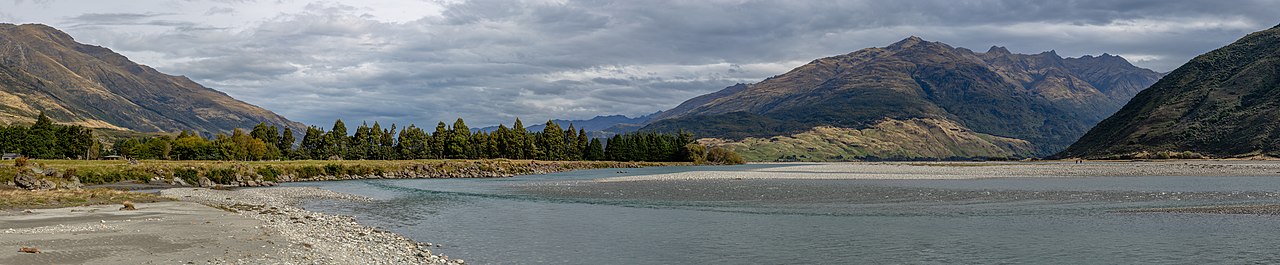
Morning light hits Queenstown’s lakefront. Crisp air, distant peaks reflect in the water. Cafes open early, hikers gear up for nearby trails. The town hums with focused energy, ready for adventure.
Sydney at dusk feels expansive. Harbor Bridge lights flicker on. Traffic hums on George Street. People spill out from bars and restaurants, city life pulsing late into the night.
New Zealand’s compact size means constant shifting scenery but limited nightlife. Australia demands long drives and flight hops to cover vast regions but rewards with diverse urban and wilderness contrasts.
New Zealand lets you cram mountains, fjords, and beaches into a week. Australia requires commitment: a road trip or multiple flights to experience Outback deserts, tropical reefs, and cosmopolitan cities.
New Zealand highlights
- Milford Sound(Fiordland National Park): Cruise through fjords framed by towering cliffs and waterfalls.
- Tongariro Alpine Crossing(Tongariro National Park): Day hike across volcanic landscapes with emerald lakes and steam vents.
- Wellington Waterfront(Wellington): Stroll along the harbor, visit Te Papa Museum, and enjoy craft coffee.
- Rotorua Geothermal Parks(Rotorua): Walk among geysers, mud pools, and Maori cultural experiences.
Australia highlights
- Great Barrier Reef(Queensland Coast): Snorkel or dive in the world’s largest coral reef system.
- Uluru(Northern Territory): Sunrise or sunset viewing of the massive red sandstone monolith.
- Sydney Opera House(Sydney): Catch a performance or walk the harbor for classic city views.
- Great Ocean Road(Victoria): Drive along dramatic coastline with limestone stacks and rainforests.
Ideal duration: New Zealand: 7–10 days — compact country with concentrated highlights · Australia: 14–21 days — vast distances between major attractions
What to do in New Zealand & Australia
New Zealand
- Hike Tongariro Alpine Crossing for volcanic terrain
- Cruise Milford Sound for dramatic fjords
- Explore Wellington’s Te Papa Museum
Australia
- Drive Great Ocean Road for coastal views
- Visit Uluru at sunrise or sunset
- Snorkel Great Barrier Reef off Cairns
What to skip in New Zealand & Australia
New Zealand
- Skip overcrowded Hobbiton tours near Matamata
- Avoid summer weekends at popular beaches due to crowds
- Don’t rush South Island drives, take time for stops
Australia
- Skip tourist-heavy Bondi Beach on weekends
- Avoid driving long Outback stretches at night
- Don’t try to cover east coast and Outback in under 10 days
Choose based on
- If you want compact nature and easy logistics, choose New Zealand — Pack Lightly score 90 touristInfrastructure
- If you want city variety and iconic landmarks, choose Australia — Pack Lightly score 85 cities
- If budget is priority, choose New Zealand — Pack Lightly score 35 budgetFriendly
- If you seek diverse wildlife and reef adventures, choose Australia — Pack Lightly score 80 foodAndDrinks
New Zealand’s tight geography means less travel time but fewer urban options than Australia’s sprawling diversity.
Real safety picture

New Zealand scores higher on safety with a 95 compared to Australia’s 90 on Pack Lightly. Both countries are generally safe but have different challenges. New Zealand is less crowded and has fewer urban crime issues. Australia’s bigger cities demand more street smarts, especially in areas like Sydney’s Kings Cross. Overall, New Zealand is safer for solo travelers and families.
See detailed safety factors table
Safety factors compared
| Factor | New Zealand | Australia | Practical tip |
|---|---|---|---|
| Pickpocketing | Rare outside Auckland CBD; avoid crowded markets like Otara. | More common in Sydney’s Central Station and Melbourne’s Flinders Street. | Use the app “Smart Traveler” to check real-time crime alerts in city centers. |
| Tourist scams | Fake jet boat tours near Queenstown try to overcharge tourists. | Taxi scams in Brisbane CBD where drivers refuse meters. | Book tours and taxis through official websites or apps like BookMe and Uber. |
| Solo female traveler safety | Safe in most areas; avoid poorly lit streets in Wellington at night. | Exercise caution in Sydney’s Kings Cross and some Melbourne nightlife districts. | Use rideshare apps instead of walking late at night in risky neighborhoods. |
| Health risks | Low risk; carry sunscreen and insect repellent for sandflies in South Island. | Watch for heatstroke in summer; carry water in Outback trips. | Download the “Health Navigator NZ” app for local health alerts and tips. |
| Road safety | Narrow winding roads in South Island require cautious driving, especially in winter. | Long highway stretches with wildlife hazards, especially at dawn/dusk. | Use the “AA Roadwatch” app for live road conditions and wildlife warnings. |
| Natural disasters | Earthquakes possible near Wellington; tsunami risk on east coast. | Bushfires common in summer; cyclones possible in northern Queensland. | Register with “SafeTravel” for emergency alerts and evacuation info. |
Scam spotlight: Sydney’s Kings Cross nightlife district
How it works: Taxi drivers refuse to use meters and demand inflated cash fares.
How to avoid: Always book rides via Uber or official taxi apps; insist on meter use.
Watch out: Booking unlicensed adventure tours in Queenstown can cost $500+ with no refund.
Insider tip: In NZ, some rural Wi-Fi dead zones mean offline maps are essential for safety.
Visa & entry requirements
US citizens do not need a traditional visa for New Zealand or Australia but must get travel authorizations. New Zealand’s NZeTA costs about $70 including the IVL levy. Australia’s ETA costs about $13 USD. Both require online pre-approval, so “visa-free” doesn’t mean no paperwork.
Full visa & entry requirements table
Visa and entry comparison
| Factor | New Zealand | Australia | Practical note |
|---|---|---|---|
| Visa requirement | No visa required, but NZeTA mandatory | No visa required, but ETA mandatory | Both require electronic travel authorizations before arrival. |
| Visa type & cost | NZeTA (required travel authorization) – ~$70 (NZeTA + IVL levy) | ETA (subclass 601) – AUD 20 (~$13 USD) | New Zealand’s cost includes an International Visitor Conservation and Tourism Levy. |
| Application process | Apply via NZeTA app or immigration.govt.nz | Apply via Australian ETA app | Download official apps or use government websites to avoid scams. |
| On-arrival option | No on-arrival visa or authorization option | No on-arrival visa or authorization option | Both require pre-travel approval; no visas issued at the border. |
| Max stay & extension | 90 days, no extension available | 90 days per visit, extensions possible with separate visa | Plan stays carefully; extensions require new visa applications. |
Visa rules can change without notice. Always check official sites before travel. Secondary systems like New Zealand’s IVL levy may update independently. for unexpected changes.
How you’ll move

Australia is easier to cover with its extensive domestic flights and city connectivity. Pack Lightly touristInfrastructure: New Zealand 90, Australia 95. The biggest difference is Australia’s vast size requiring longer flights and more reliance on air travel, while New Zealand’s compact geography favors road trips and ferries.
Compare every transport option side-by-side
Transport options comparison
| Mode | New Zealand | Australia | Practical note |
|---|---|---|---|
| Domestic flights | Air New Zealand routes like Auckland→Christchurch from $120, 1.5 hours | Qantas and Virgin Australia, Sydney→Melbourne from $85, 1.25 hours | Book Air New Zealand 2+ weeks ahead on their app for best fares. |
| Buses | InterCity buses cover major routes, Auckland→Wellington $40, 10 hours | Greyhound Australia covers routes like Sydney→Brisbane $60, 12 hours | Use InterCity app in NZ for real-time schedules; Greyhound app in AU. |
| Trains | Scenic rail like TranzAlpine $130, Christchurch→Greymouth, 4.5 hours | Limited commuter trains; Sydney Trains $10 for 1-hour trips | Book TranzAlpine tickets via Great Journeys NZ site 1 month ahead. |
| Taxi/ride-hailing | Uber operates in Auckland, Wellington; typical ride $10–$25 | Uber and Ola cover all major cities; Sydney $10–$30 rides | Install Uber app before arrival; cashless payments standard in both. |
| Ferries | Inter-island ferries like Wellington→Picton $60, 3.5 hours | Limited ferries, mostly Sydney Harbor commuter routes $7, 30 minutes | Book Interislander ferry online early to secure weekend spots. |
| Scooter rental | Lime scooters in Auckland, $1 unlock + $0.30/minute | Lime and Neuron scooters in Sydney, $1 unlock + $0.35/minute | Download Lime app; helmets mandatory in both countries. |
| Bicycle rental | Nextbike in Wellington, $10/day with app unlock | Lime Bikes in Melbourne, $15/day via app | Use respective apps for easy unlocks and local maps. |
Australia wins for sheer scale and flight options, with Qantas and Virgin Australia dominating. New Zealand scores well for compactness and ferry connections but lacks train depth. Pack Lightly touristInfrastructure: New Zealand 90, Australia 95. Download Air New Zealand and Qantas apps for best booking deals. Book transport
App tip: Air New Zealand app covers flights and ferries in one place, simplifying NZ travel.
Sample routes:
New Zealand: Auckland → Wellington, domestic flight, $120, 1.5 hours
Australia: Sydney → Melbourne, domestic flight, $85, 1.25 hours
How far English gets you
English works everywhere in Australia and New Zealand with zero issues in cities and tourist spots. In rural New Zealand, especially on the South Island, some Māori phrases pop up but you won’t need them to get by. Australia’s Outback and remote Aboriginal communities may challenge you with local slang and accents, so listen carefully. Use Google Translate or Microsoft Translator apps to bridge any gaps in remote areas or markets.
App tip: Microsoft Translator on iOS and Android for offline translation and voice recognition.
Wifi, data, payments
Both countries have strong wifi coverage in cities and most towns, but rural areas in New Zealand can get spotty. Mobile data is solid nationwide in Australia, thanks to Telstra’s wide network. New Zealand’s Spark and Vodafone cover most tourist routes well but expect dead zones in remote spots. Tap-to-pay apps like Apple Pay and Google Pay work everywhere; carry some cash in New Zealand for small vendors and rural shops.
eSIM picks:
New Zealand: Australia: Airalo eSIM, $10 for 3GB, valid 7 days eSIM New Zealand
Australia: New Zealand: Airalo eSIM, $8 for 2GB, valid 7 days eSIM Australia
Australia is mostly card-first; New Zealand still favors cash in rural areas and local markets.
When to go

The best months for visiting New Zealand are October through April, offering mild temperatures and lower rainfall. Australia shines from September to November and March to May, with cooler weather and fewer tourists. New Zealand’s shoulder seasons are more forgiving for outdoor activities, while Australia demands careful timing depending on the region. Plan around these windows for maximum value and comfort.
Full season-by-season climate breakdown
Seasonal climate comparison
| Season | New Zealand | Australia | Best Pick | Notes |
|---|---|---|---|---|
| Winter (Dec–Feb) | Temps average 64–65°F, rainfall low to moderate (21.6–27.2 mm monthly). | Temps 80–82°F, rain higher in Dec (105 mm), drops in Jan–Feb. | New Zealand | New Zealand offers milder, drier winter conditions for outdoor plans. |
| Spring (Mar–May) | Temps drop from 59°F to 52°F, rain increases (46.7–95.8 mm). | Temps cool from 64°F to 49°F, rain moderate (22–54 mm). | Australia | Australia’s spring is drier and warmer, better for road trips. |
| Summer (Jun–Aug) | Temps steady around 51–53°F, rain steady (76–92.8 mm monthly). | Temps cool 41–47°F, rain low (25.2–50.4 mm). | depends | New Zealand is warmer; Australia is drier but colder in summer. |
| Fall (Sep–Nov) | Temps rise from 53°F to 61°F, rain variable (91.8–45 mm). | Temps rise sharply 50–67°F, rain moderate (26–87.9 mm). | Australia | Australia’s fall offers warmer temps and less rain overall. |
Climate tip: Visit New Zealand in late spring for fewer crowds and stable weather.

The call
Australia wins for most travelers due to its diverse cities, better budget balance, and stronger infrastructure. New Zealand is the pick for nature lovers who want compact, cinematic landscapes and safer, friendlier vibes. If budget and urban variety matter, Australia delivers more. For active outdoor trips in a smaller, easier-to-navigate country, New Zealand leads.
Category showdown
| Topic | Winner | Reason |
|---|---|---|
| Budget | New Zealand | ~$5.51/day cheaper mid-range travel costs |
| Nature | tie | Both offer exceptional natural landscapes and outdoor activities |
| Culture | New Zealand | Stronger indigenous Maori presence and cultural integration |
| Cities | Australia | Larger, more diverse urban centers with more amenities |
| Food & drinks | Australia | Better variety and quality in dining options |
| Accommodation | Australia | Higher hotel quality and more choices |
| Transport | Australia | More extensive infrastructure and better road trip feasibility |
| Safety | New Zealand | Higher safety scores and lower crime rates |
| Crowds | New Zealand | Less tourist congestion outside peak months |
| Digital infrastructure | Australia | Better connectivity and digital services |
Australia wins overall for infrastructure and variety; New Zealand leads for budget and safety.
Choose New Zealand for compact adventure and safety; Australia for urban variety and better value on food and transport.
Book your trip
Using these links supports Pack Lightly at no extra cost to you.
Your questions, answered
01Which country is cheaper to visit in 2026?
New Zealand is cheaper overall. Daily budgets run $130-$230 in New Zealand versus $160-$270 in Australia. The cost gap is about $30 per day, mostly in accommodation and food.
02What are the visa requirements for US citizens traveling to New Zealand and Australia?
US citizens need a NZeTA for New Zealand, costing about $70, valid for 90 days. For Australia, an ETA costs roughly $13 and also lasts 90 days per visit. Both require applications before arrival.
03Which country is safer for solo travelers?
New Zealand scores higher on safety with 95 versus Australia’s 90. It’s less crowded and has fewer urban risks, making solo travel easier and more relaxed.
04Which country offers better nature, hiking, and adventure experiences?
New Zealand wins with a 95 score for nature and active vacations, edging out Australia’s 90. Its compact size makes it easier to hit iconic hikes and dramatic landscapes quickly.
05Can you realistically combine New Zealand and Australia in one trip?
Yes, but it requires at least two weeks. Flights between the two take 3-4 hours, and both countries deserve several days each. Plan carefully to avoid rushed itineraries.
06Which country has better cities and urban experiences?
Australia leads with an 85 city score versus New Zealand’s 65. Sydney and Melbourne offer vibrant nightlife, dining, and cultural scenes that New Zealand’s smaller cities can’t match.
07When is the best time to visit each country?
Visit New Zealand from November to March for warm weather and outdoor activities. Australia’s best window is September to November or March to May to avoid extreme heat and crowds.
08Which country has better local food and street eats?
Australia edges out New Zealand with an 80 food score versus 75. Larger cities have diverse street food and multicultural cuisine, while New Zealand focuses more on fresh, local produce.
Insider tip: Visiting New Zealand in shoulder seasons cuts costs sharply while avoiding Australia’s summer heat and tourist crush.


