7 min read • Last update: 2026
The Bottom Line
- Plan ahead to avoid busy travel days and crowded spots.
- Use holidays to experience authentic local festivals and culture.
- Expect most stores to close on major national holidays.
- Check holiday types to know if it’s a religious or national event.
- Adjust your itinerary around key dates for maximum comfort and efficiency.
Malaysia Public Holidays Overview
| Month | Date | Holiday (Name) | Type (National/Religious) | Stores (Status) |
|---|---|---|---|---|
| January | January 1 | New Year's Day | National | Closed |
| February | February 1 | Federal Territory Day | National | Closed |
| May | May 1 | Labor Day | National | Closed |
| May | May 7 | Hari Raya Puasa (Eid al-Fitr) | Religious | Closed |
| August | August 31 | National Day | National | Closed |
| September | September 16 | Malaysia Day | National | Closed |
| November | November 12 | Deepavali | Religious | Closed |
| December | December 25 | Christmas Day | Religious | Closed |
Celebrate All Year Long in Malaysia
January
January kicks off with the vibrant Thaipusam festival, where you’ll witness devotees carrying intricate kavadis through the streets. The tropical heat makes the colorful processions even more intense, but the cool coconut water stalls nearby offer instant refreshment. Dress light and stay hydrated. This month also brings the New Year’s excitement with local markets buzzing and street food stalls serving spicy satays and fresh roti canai.
- Experience Thaipusam’s powerful rituals up close.
- Stay cool with fresh coconut water and shaded spots.
- Use ride-hailing apps to skip traffic jams around festival sites.
February
February shines with Chinese New Year celebrations, lighting up cities like George Town and Kuala Lumpur. Streets fill with lion dances, firecrackers, and red lanterns. The air is thick with excitement and the scent of yee sang salad, symbolizing prosperity. Expect crowds but also unbeatable festive vibes. Book accommodations early and leverage air-conditioned taxis to avoid the heat and hustle.
- Join lively lion dance parades in key Chinatown areas.
- Try traditional yee sang for a taste of local prosperity rituals.
- Plan rides in advance to avoid delays during peak celebrations.
March
March brings the serene Hari Raya Haji, marking the end of the Hajj pilgrimage. The atmosphere is respectful yet festive, with communal prayers and feasts featuring succulent lamb dishes. The weather is warm but manageable with air conditioning. Visit local mosques early in the day to avoid crowds. Street vendors offer ketupat (rice cakes) wrapped in palm leaves, a must-try snack.
- Attend Hari Raya Haji prayers in major mosques for an authentic experience.
- Savor traditional lamb dishes and ketupat treats.
- Use ride apps to reach mosque areas efficiently and avoid parking hassles.
April
April is all about the Qing Ming Festival, a time for honoring ancestors. Visit peaceful cemeteries and temples where locals clean graves and offer prayers. The weather is hot and humid, so plan early morning visits to avoid midday heat. Street stalls nearby sell refreshing sugarcane juice and light snacks. This month also sees the start of vibrant weekend night markets, perfect for sampling local delicacies in comfort.
- Explore Qing Ming rituals respectfully at local cemeteries.
- Beat the heat with fresh sugarcane juice from street vendors.
- Hit night markets for hassle-free, air-conditioned shopping and dining.
May
May celebrates Wesak Day, marking Buddha’s birth, enlightenment, and death. Temples glow with lanterns and the air hums with chants. The cooler evenings make temple visits pleasant. Dress modestly and wear comfortable shoes for walking temple grounds. Street food stalls nearby serve vegetarian delights like fried tofu and sweet sticky rice. Use ride apps to navigate temple areas and avoid parking struggles.
- Visit temples illuminated by thousands of lanterns.
- Sample vegetarian street food made special for Wesak.
- Book air-conditioned rides to temple zones to save time and energy.
June
June welcomes the Rainforest World Music Festival in Sarawak, a must for culture lovers. The tropical heat is balanced by lush greenery and occasional light rains. Expect vibrant performances, workshops, and local crafts markets. Stay in air-conditioned accommodations nearby to recharge between events. Tipping is appreciated for guides and drivers who help you navigate the festival grounds smoothly.
- Immerse in global and indigenous music acts in a rainforest setting.
- Stay cool and comfortable with nearby air-conditioned lodging.
- Tip guides and drivers who enhance your festival experience.
July
July features the colorful Gawai Dayak harvest festival in East Malaysia. Expect traditional dances, music, and communal feasts under open skies. The warm weather invites light, breathable clothing. Try tuak, a local rice wine, but drink responsibly. Use ride apps to explore rural areas safely and avoid unlicensed transport. Keep bottled water handy—tap water isn’t safe to drink.
- Join lively Gawai Dayak dances and feasts.
- Sample local rice wine with caution.
- Rely on official ride apps for safe transport in rural zones.
August
August marks Malaysia’s Independence Day, a patriotic celebration with parades and fireworks. Cities buzz with energy, and you’ll find street food festivals offering satays, nasi lemak, and teh tarik. The heat peaks, so plan outdoor activities early or late in the day. Use air-conditioned taxis to move between events. Tipping drivers and guides during busy days ensures smooth service.
- Catch vibrant Independence Day parades and fireworks.
- Indulge in iconic Malaysian street foods at food festivals.
- Book rides early and tip well to avoid delays.

September
September brings the Mid-Autumn Festival, lighting up Chinatown with mooncakes and lanterns. The evenings are cooler, perfect for strolling through night markets. Try freshly baked mooncakes filled with lotus seed paste or salted egg yolk. Stay in air-conditioned hotels near festival spots for easy access. Keep an eye on official updates, as festival dates can shift slightly each year.
- Enjoy mooncake tastings and lantern displays in Chinatown.
- Explore bustling night markets with cooler evening temps.
- Stay close to festival hubs in comfortable, air-conditioned hotels.
October
October hosts Deepavali, the Hindu Festival of Lights. Streets glow with oil lamps and colorful rangoli patterns. The festive mood invites you to taste sweets like laddu and jalebi from street vendors. The weather remains warm but manageable with air conditioning. Use ride apps to avoid parking headaches near temples. Tipping temple guides and drivers is customary and appreciated.
- Witness stunning Deepavali light displays and rangoli art.
- Sample traditional sweets from trusted vendors.
- Use ride apps to navigate temple areas efficiently.
November
November features the Kaamatan Harvest Festival in Sabah, celebrating the rice harvest with music, dance, and rituals. The weather is warm with occasional showers, so pack a light rain jacket. Join communal feasts and try hinava, a local raw fish salad. Stay in comfortable lodging with air conditioning to unwind after full festival days. Official guides can enhance your experience—tip accordingly.
- Participate in traditional Kaamatan dances and ceremonies.
- Try hinava and other native delicacies.
- Bring rain protection and rely on official guides for smooth touring.
December
December turns festive with Christmas and year-end celebrations in Malaysia’s multicultural cities. Shopping malls sparkle with decorations, and special holiday menus appear in restaurants. The tropical heat stays, so plan outdoor activities early. Book rides in advance for holiday traffic and tip generously to ensure reliable service. Street food stalls offer seasonal treats like kuih-muih sweets, perfect for a quick snack.
- Enjoy multicultural Christmas and New Year festivities.
- Shop holiday markets and try seasonal street snacks.
- Pre-book rides and tip well to beat holiday rush.
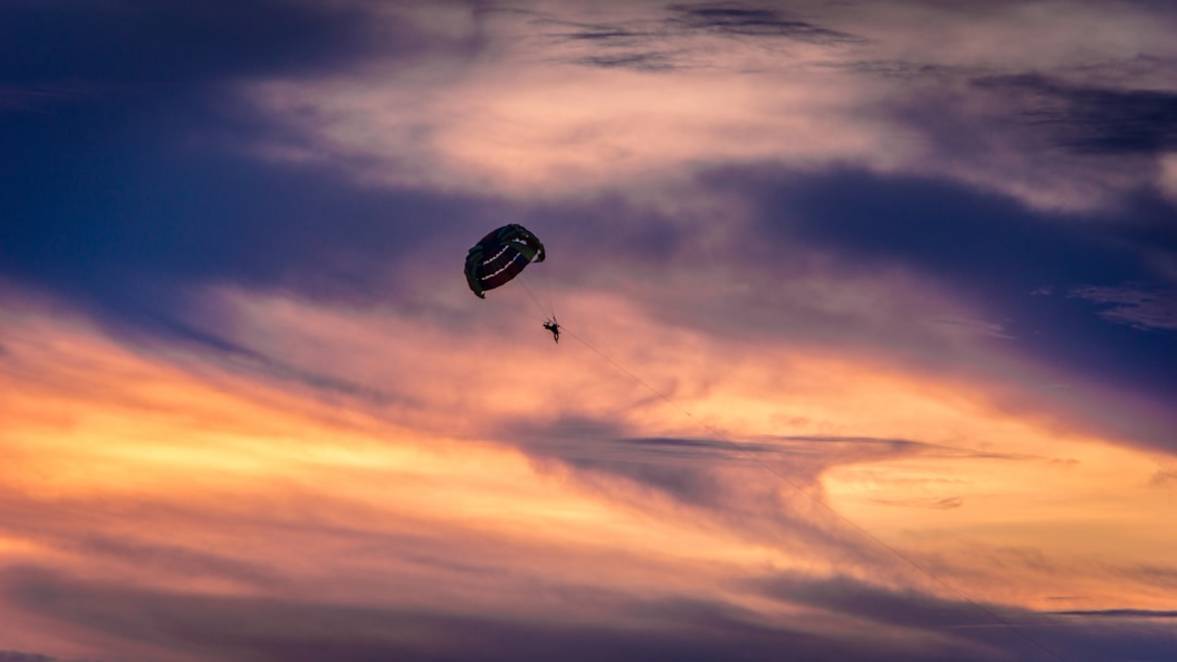
Explore Malaysia by Region
Peninsular Malaysia
Hit the ground running in Peninsular Malaysia. This region packs bustling cities, pristine beaches, and lush rainforests. Use official transport apps to dodge traffic and save time. Grab local street food like a pro—look for busy stalls trusted by locals. Stay alert in crowded areas; official government sources highlight common pickpocket spots in Kuala Lumpur’s Bukit Bintang district.
East Malaysia (Sabah & Sarawak)
Head to East Malaysia for wild adventures and cultural gems. Book tours through licensed operators to access protected parks like Borneo’s rainforests safely. Carry bottled water—official health advisories warn against tap water consumption here. Respect indigenous customs by following local guides’ instructions. Use airport shuttles instead of taxis for better rates and safety.
Langkawi & Islands
Langkawi and nearby islands offer laid-back vibes with modern comforts. Rent scooters only if experienced; official tourism boards caution about uneven roads. Use ride-hailing apps to skip haggling with taxis. Tip 10% in restaurants to show appreciation—locals value this. Avoid isolated beaches at night for safety.
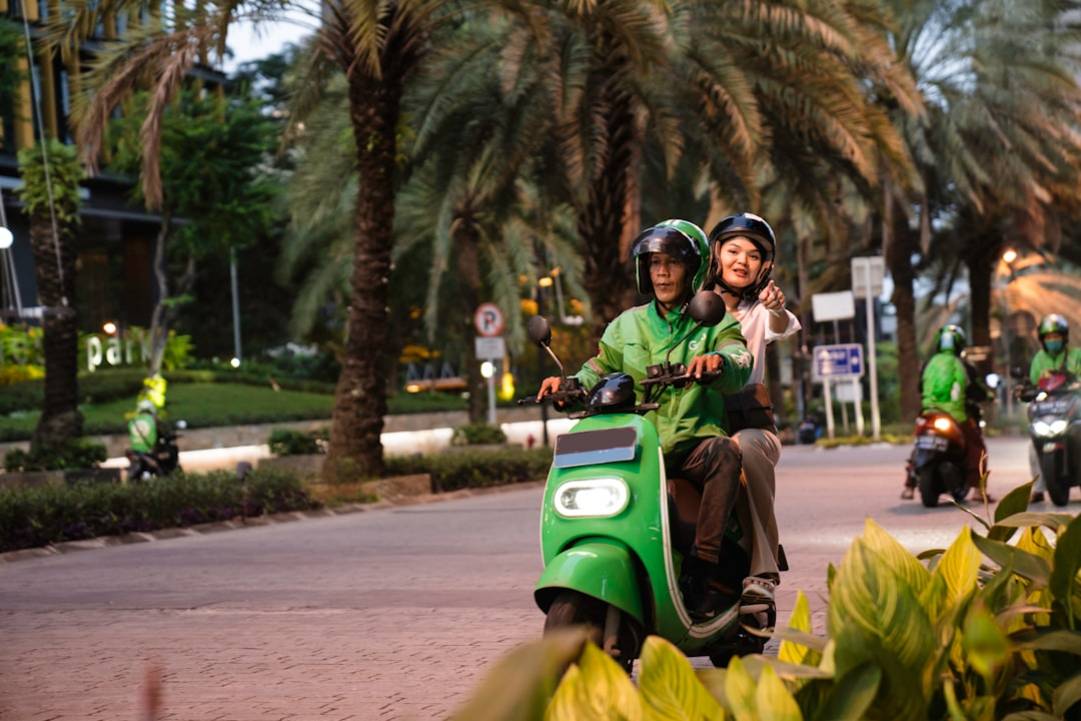
Do's & Don'ts
| Do's | Don'ts |
|---|---|
| Remove shoes before entering homes | Point feet at people |
| Use right hand for giving and receiving | Touch someone’s head |
| Dress modestly in religious places | Show public displays of affection |
| Respect elders and address politely | Raise voice or argue loudly |
| Tip 10% in restaurants | Tip taxi drivers excessively |
Pro Travel Tip