


Visit Malaysia from June to September for island-hopping under lower rainfall and more sunshine while the mainland remains wetter and less predictable.
Malaysia challenges typical tropical assumptions with a split monsoon pattern that makes June the driest island month at 78°F (26°C) and November the wettest mainland month with 354mm of rain. This divide means your experience changes drastically depending on where you go and when. Which months deliver the sun you want without the soggy surprises?
The country’s weather is governed by two distinct monsoons: the Southwest Monsoon from late May to September mainly affects the mainland with moderate rain, while the Northeast Monsoon from November to March drenches the east coast and parts of the peninsula heavily. Malaysia’s position near the equator and its varied topography create multiple microclimates, with coastal islands experiencing less rain during the Southwest Monsoon, unlike the wetter mainland. Unlike neighbors with a single monsoon season, timing here determines if you get tropical sun or relentless downpours.
This guide ranks every month by verified weather data, highlighting the pitfalls of peak monsoon months and the best windows for island hopping, city exploring, or cultural immersion. Expect clear verdicts for each traveler type and a detailed breakdown of how Malaysia’s climate quirks shape your trip, so you can plan with confidence.
The Bottom Line
For most travelers focused on island-hopping and outdoor adventure, June to September delivers drier, sunnier conditions despite mainland wetness. Those prioritizing cultural sites in Kuala Lumpur or Penang may tolerate the wet season’s downsides for fewer crowds and lower prices.
Compare Countries Month-by-Month
Use our best-travel-time worldmap to compare month-by-month weather and crowds across multiple countries, helping you pinpoint the ideal travel window for Malaysia and beyond.
Quick Facts
- July offers 294 sunshine hours and 163mm rain – best for island sun and fewer storms
- November’s 354mm rainfall and 28 rainy days make it the wettest and least outdoor-friendly month
- Peak crowds hit June to August, pushing prices up by 15 – 20% on popular islands
- Cheapest travel window is November to January with accommodation prices significantly lower
- Malaysia’s split monsoon means islands stay drier June – September, unlike the wetter mainland
- Solo female travelers find June to September safer for outdoor activities and transport reliability
Monthly Weather Overview
| Month | Rating | Day Temp | Night Temp | Sun Hours | Rainfall | Humidity | UV | Crowds |
|---|---|---|---|---|---|---|---|---|
| January | 1★ | 87°F (31°C) | 74°F (23°C) | 272 | 217mm | 82% | 7 | Low |
| February | 2★ | 90°F (32°C) | 75°F (24°C) | 276 | 142mm | 77% | 9 | Low |
| March | 1★ | 89°F (32°C) | 75°F (24°C) | 296 | 218mm | 80% | 11 | Medium |
| April | 1★ | 89°F (32°C) | 75°F (24°C) | 266 | 291mm | 84% | 11 | Medium |
| May | 1★ | 89°F (32°C) | 76°F (25°C) | 269 | 254mm | 84% | 9 | High |
| June | 2★ | 88°F (31°C) | 75°F (24°C) | 276 | 199mm | 81% | 7 | High |
| July | 2★ | 89°F (32°C) | 75°F (24°C) | 294 | 163mm | 78% | 9 | Peak |
| August | 1★ | 88°F (31°C) | 75°F (24°C) | 282 | 241mm | 81% | 11 | Peak |
| September | 1★ | 88°F (31°C) | 75°F (24°C) | 267 | 244mm | 82% | 11 | High |
| October | 1★ | 88°F (31°C) | 75°F (24°C) | 270 | 259mm | 83% | 9 | Medium |
| November | 1★ | 87°F (31°C) | 75°F (24°C) | 228 | 354mm | 85% | 7 | Low |
| December | 1★ | 86°F (30°C) | 74°F (24°C) | 248 | 349mm | 85% | 7 | Low |
Temperature & Rainfall
Temperature (°F)
Rainfall (mm)
When to Go
Avoid
low crowd · mid
Okay
low crowd · mid
Okay
low crowd · mid
Okay
medium crowd · mid
Okay
medium crowd · budget
Ideal
low crowd · budget
Ideal
medium crowd · mid
Ideal
medium crowd · mid
Okay
low crowd · mid
Okay
medium crowd · mid
Avoid
high crowd · mid
Avoid
peak crowd · premium
Okay
Avoid
Month-by-Month Breakdown
January in Malaysia: Mainland Wetness Meets City Culture
Skip unless your focus is Kuala Lumpur’s indoor cultural scene and budget lodging.
January paints Malaysia’s mainland with a persistent wet brush, especially in Kuala Lumpur where skies open up on 24 days. The 217mm of rain tempers outdoor adventures, but the city remains vibrant with its museums and temple visits. Temperatures hover around a warm 87°F / 31°C high and 74°F / 23°C low, making urban exploration comfortable despite humidity. Prices dip after the holiday surge, offering mid-budget travelers a chance to snag deals. Many travelers underestimate January’s rain impact inland, expecting island-style sunshine. Book now if you plan city museums or indoor markets, but avoid inland trekking this month.
What this means for you
- Outdoor trekking on the mainland is often disrupted by frequent heavy showers.
- Indoor cultural venues like the Islamic Arts Museum stay your best daytime option.
- Accommodation prices are lower than December but higher than February’s lull.
Events & culture
- Chinese New Year often falls late January or early February, increasing flight and hotel demand.
Pro tip
In Kuala Lumpur, schedule temple visits early morning to avoid afternoon downpours and peak crowds.
February in Malaysia: A Little Drier, Still Urban-Centric
Book this month if you want fewer crowds and tolerable rain for city and cultural trips.
Malaysia’s February brings a slight reprieve from January’s wetness, with rainfall dropping to 142mm over 19 days, mostly on the mainland. Kuala Lumpur’s humidity eases, and temperatures peak near 89°F / 32°C, making urban strolls and temple visits less oppressive. This month suits travelers who prefer fewer tourists and don’t mind occasional showers. Island-hopping remains less ideal, as the monsoon split favors June – September for that. Prices remain stable but slightly lower than January, rewarding flexible planners. Many overlook February’s cultural calm, mistakenly expecting heavy rain all month. Lock in bookings early to avoid Chinese New Year disruptions if it falls this month.
What this means for you
- City sightseeing is smoother with fewer rain interruptions than January.
- Island activities are less reliable, so focus on Penang or Kuala Lumpur.
- Flight prices drop slightly outside Chinese New Year spikes.
Pro tip
Penang’s George Town is best explored midweek in February to avoid weekend local crowds.

March in Malaysia: Balancing Rain and Sunshine in Transition
Conditional: Book if you’re ready for mixed weather and want early island access.
March balances lingering wetness with increasing sunshine, especially on Malaysia’s west coast islands. While Kuala Lumpur sees 218mm of rain across 25 days, sunshine hours rise to 296, hinting at drier spells. Temperatures hold steady near 89°F / 32°C highs and 75°F / 24°C lows, welcoming early outdoor activities. This month suits travelers seeking a mix of temple visits and nature adventures, though sudden showers can disrupt plans. Prices remain mid-tier, slightly higher than February but cheaper than peak summer months. Many travelers misjudge March as wet season’s end; in reality, it’s a patchy transition requiring flexible itineraries. Book island stays early to catch the sunniest windows.
What this means for you
- Morning hikes are doable but carry waterproof gear for afternoon showers.
- Cultural tours in cities remain accessible with intermittent rain breaks.
- Mid-budget accommodation fills up faster as travelers eye early dry season.
Events & culture
- Thaipusam festival in late February or early March draws regional pilgrims, affecting transport.
Pro tip
Reserve island accommodations by March to avoid last-minute price hikes as sunshine increases.
April in Malaysia: Increasing Rain, Cultural Depth, and Crowds
Book if you want cultural immersion with moderate crowd levels despite wetter weather.
April’s atmosphere is thick with humidity and rain, especially on the mainland where 291mm falls across 28 days. Kuala Lumpur and Penang remain lively hubs for temple and museum visits, but outdoor adventures face frequent interruptions. Temperatures hover around 88°F / 31°C highs and 75°F / 24°C lows, keeping things warm but sticky. Crowds build as travelers chase shoulder-season deals before the monsoon picks up fully. Prices sit in the mid-tier range, reflecting growing demand. The misconception here is that April is too wet for any outdoor plans; however, short bursts of sunshine allow selective nature treks. Book your city stays early to lock in mid-season rates.
What this means for you
- Expect frequent rain interruptions; plan indoor cultural activities in afternoons.
- Nature excursions require flexible timing to avoid long downpours.
- Hotels see increased bookings as travelers avoid peak monsoon months.
Events & culture
- Hari Raya Aidilfitri (varies April-May) impacts business hours and travel logistics.
Pro tip
In Kuala Lumpur, explore Chinatown early morning before humidity and crowds rise.

May in Malaysia: Wet Mainland, Quiet Islands, and Budget Opportunities
Book if you want budget accommodations and can handle wetter mainland conditions.
May deepens the wet season on the Malaysian mainland with 254mm of rain over 26 days, but the islands start trending drier. Temperatures stay steady near 88°F / 31°C highs and 76°F / 24°C lows, but humidity climbs. Mainland trekking and outdoor cultural excursions become riskier with frequent showers, pushing many travelers toward indoor activities or island escapes. Crowds thin compared to April, creating an opportunity for budget-conscious visitors to find deals. Many travelers mistakenly avoid May entirely; however, with careful planning, you can enjoy quieter spots and off-peak prices. Book island accommodations now for the best mid-budget deals before the dry season fully kicks in.
What this means for you
- Mainland outdoor plans require backup indoor options due to rain.
- Island resorts offer quieter stays and better prices than peak months.
- Travel costs drop, enabling longer stays on a mid-budget plan.
Events & culture
- Durian season peaks, especially in northern states, attracting food-focused travelers.
Pro tip
Book island resorts in Langkawi early May to secure mid-budget rates before summer rush.
June in Malaysia: Island Dry Season Begins, Mainland Still Damp
Book this month if island-hopping is your priority; skip mainland trekking.
June signals the start of the drier season for Malaysia’s islands, with rainfall dropping to 199mm and 23 rainy days, while mainland remains soggy. Temperatures peak around 88°F / 31°C with lows near 75°F / 24°C, ideal for beach days and snorkeling on islands like Langkawi and Tioman. Kuala Lumpur and inland areas stay humid and wet, limiting nature adventures but still good for city cultural tours. Crowds are low compared to peak season, and prices drop to budget-friendly levels, rewarding early planners. Many travelers miss that June offers the best island weather before the high season rush. Book island stays early to lock in budget rates and avoid late-summer price hikes.
What this means for you
- Island activities like diving and sunbathing become reliable and enjoyable.
- Mainland outdoor trekking remains risky due to lingering rain and humidity.
- Accommodation prices on islands are at their lowest before July’s peak.
Pro tip
Reserve Langkawi snorkeling tours in early June to avoid July’s tourist surge and higher prices.
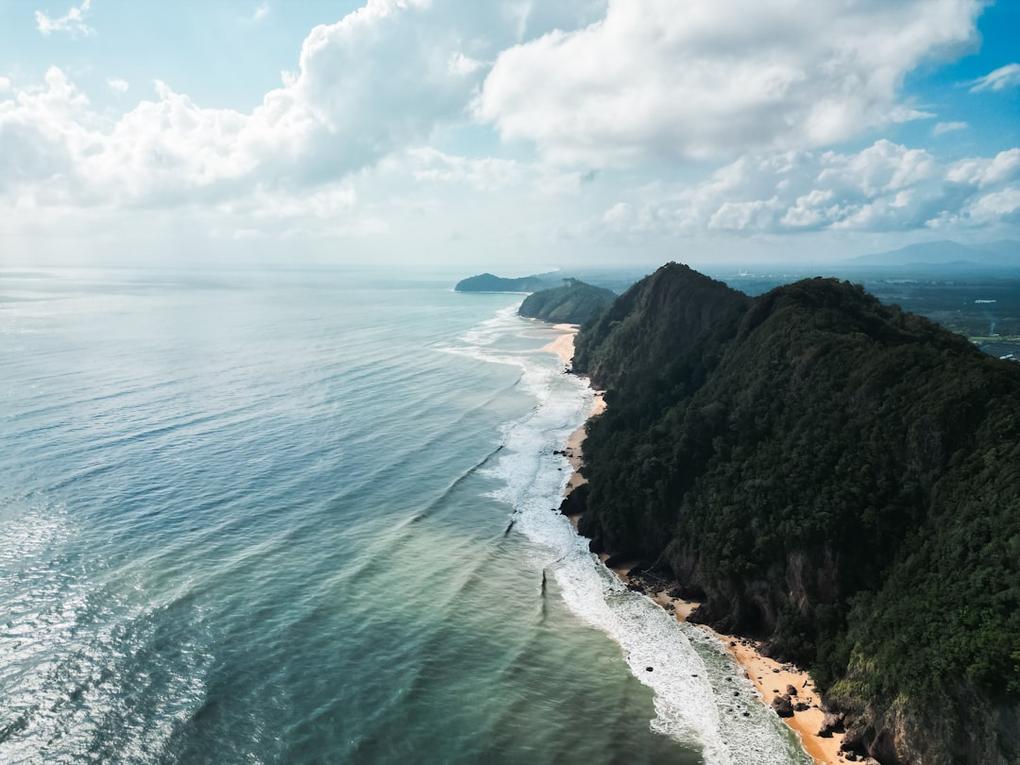
July in Malaysia: Island Sun, Mainland Wetness
Best for island hopping with plenty of sun and manageable rain.
July delivers 294 hours of sunshine and 163mm of rain, favoring Malaysia’s islands over the mainland. Expect warm highs near 89°F / 32°C and lows around 75°F / 24°C, ideal for beach days and water activities. Mainland trekking is less reliable due to wetter conditions, so focus on coastal and island adventures. Peak season crowds push prices up 15 – 20% on popular islands, but the trade-off is fewer storms and stable transport. Booking early secures spots on favored islands before availability tightens. Avoid inland hikes unless you want to gamble on weather disruptions.
What this means for you
- Island beaches offer dry spells and sun despite occasional showers.
- Mainland outdoor trekking often interrupted by rain.
- Accommodation prices rise on islands due to peak season demand.
Events & culture
- George Town Festival runs through July, showcasing arts and culture in Penang.
Pro tip
Reserve island accommodations early to avoid last-minute price surges and limited availability.
August in Malaysia: Balancing Rain and Culture
Good for island-focused travel; expect more rain but still manageable.
August sees rainfall climb to 241mm with 282 sunshine hours, keeping islands drier than the mainland. Temperatures hover near 88°F / 31°C high and 75°F / 24°C low, maintaining tropical warmth. Mainland trekking remains risky, but urban cultural sites in Kuala Lumpur and Penang are accessible. Crowds remain moderate, and prices stabilize after July’s peak. This month offers a solid balance between weather and cultural access, though sudden showers can disrupt outdoor plans. Booking a flexible itinerary helps you pivot between sun and rain.
What this means for you
- Island sun exposure remains strong despite increased rain.
- Mainland excursions prone to weather delays.
- Mid-range pricing with fewer tourists than July.
Pro tip
Plan indoor cultural visits during afternoon rain windows to maximize your day.

September in Malaysia: Rain Gains Ground
Still viable for islands but expect more frequent showers.
September’s 244mm rainfall and 267 sunshine hours mark a shift toward wetter conditions, especially on the mainland. Temperatures remain steady, with highs near 88°F / 31°C and lows around 75°F / 24°C. Island hopping is still doable but requires weather flexibility. Mainland trekking becomes a gamble with persistent rain. Crowds thin slightly, and prices hold steady, offering some relief from peak summer costs. This month suits travelers who can adapt plans quickly and prioritize coastal areas. Lock in accommodations with flexible cancellation policies.
What this means for you
- Sunshine hours drop, increasing chances of rain interruptions.
- Mainland outdoor activities face frequent cancellations.
- Stable prices with fewer tourists than summer peak.
Pro tip
Choose island resorts with indoor amenities to stay productive during rain spells.
October in Malaysia: Wet Mainland, Island Options Narrow
Mainland wetness intensifies; islands still viable but less predictable.
October brings 259mm of rain and 270 sunshine hours, with highs near 88°F / 31°C and lows around 75°F / 24°C. The mainland is noticeably wetter, limiting trekking and outdoor cultural exploration. Islands remain your best bet for sun, though showers increase in frequency. Crowds start to build again, pushing prices to mid-tier levels. This month demands a flexible schedule and readiness for sudden weather changes. Booking accommodations with easy rescheduling options will save headaches. Focus on coastal cities for a mix of culture and better weather.
What this means for you
- Mainland outdoor plans frequently disrupted by rain.
- Islands still offer sun but with more rain interruptions.
- Prices rise as tourist numbers increase slightly.
Events & culture
- Deepavali celebrations in October provide cultural highlights in urban centers.
Pro tip
Schedule outdoor activities for early mornings when rain chances are lower.

November in Malaysia: Mainland Monsoon in Full Swing
Expect heavy rain and limited outdoor options on the mainland.
November’s 354mm rain and 228 sunshine hours signal the peak of the mainland monsoon. Temperatures hover around 87°F / 31°C high and 75°F / 24°C low, but persistent rain limits outdoor adventures. Island hopping is less attractive as storms edge closer. Crowds spike on mainland cities due to festival season, pushing prices up despite wet conditions. This month suits travelers focused on indoor cultural sites and city life. Booking early is essential as Chinese New Year preparations increase demand for accommodations.
What this means for you
- Heavy rain disrupts mainland outdoor activities.
- Sunshine is limited, favoring indoor cultural visits.
- Accommodation prices rise with festival-driven demand.
Events & culture
- Chinese New Year celebrations begin late November or early December, increasing local activity.
Pro tip
Book city hotels well in advance to secure good rates during festival season.
December in Malaysia: Peak Season Meets Wet Weather
High prices and crowds meet persistent rain – plan accordingly.
December combines 349mm of rain with 248 sunshine hours, keeping temperatures steady near 86°F / 30°C high and 74°F / 23°C low. Mainland monsoon conditions persist, limiting outdoor activities inland. Tourist numbers peak with holiday travel, driving prices into the premium range. Coastal islands see fewer visitors but still face unpredictable weather. This month demands a strategic approach: prioritize indoor cultural experiences and book accommodations early to avoid premium last-minute rates. Flexibility and patience are key as weather and crowds compete for your attention.
What this means for you
- Rain continues to hamper mainland outdoor plans.
- Holiday crowds push prices to premium levels.
- Islands less crowded but weather remains unstable.
Events & culture
- Christmas and New Year festivities create a festive urban atmosphere.
Pro tip
Secure bookings months ahead to lock in rates and avoid sold-out hotels during holidays.
What Makes Malaysia’s Climate Different
- Malaysia’s climate splits sharply between the west coast islands (Langkawi, Penang) and the mainland, with islands staying dry June through September while the mainland gets wetter.
- The southwest monsoon hits the mainland from May to September, flipping the usual tropical dry season pattern and causing heavy rains inland while islands remain sunny.
- Highland areas like Cameron Highlands experience cooler temperatures year-round, with rain patterns that don’t align with coastal monsoons, affecting trekking conditions differently.
- Ferry routes to islands like Tioman and Perhentian close or reduce service during the northeast monsoon (November to January), limiting access despite lower mainland rainfall.
- School holidays in Malaysia peak in June and December, driving up prices and crowding on popular islands, especially Langkawi and Tioman.
- Conventional wisdom that dry season equals best travel breaks down as mainland cultural sites get disrupted by heavy rains June to September, pushing cultural travelers to the wetter but quieter Nov-Jan period.

Who Should Go When
The Island Explorer
June to September delivers sun and calm seas for island-hopping on Langkawi and Perhentian with fewer travel disruptions.
- June offers steady sunshine and 163mm rain on islands, ideal for snorkeling and beach days.
- July has the highest sunshine hours (up to 294), perfect for diving and boat tours around Tioman.
- August sees stable ferry schedules and manageable crowds before peak school holidays in late August.
- Book accommodations early in May to avoid 15 – 20% price hikes starting June.
- Solo female travelers find June to September safer for outdoor activities and reliable transport connections between islands.
The Cultural Urbanist
November to January suits travelers focused on Kuala Lumpur and Penang’s museums, street food, and heritage despite wetter weather.
- November brings heavy rains (up to 354mm) but fewer tourists and accommodation deals up to 30% off peak season.
- December’s festive season offers cultural events indoors, with manageable rain interruptions.
- Penang’s George Town art and food festivals run through this period, offering rich cultural immersion.
- Expect fewer outdoor temple visits but excellent access to indoor attractions and markets.
- Solo female travelers benefit from the city’s well-lit, busy neighborhoods despite rainy weather.
The Highland Trekker
February to April is the best window for Cameron Highlands and Genting Highlands trekking with cooler temps and lower rainfall.
- February sees average highs around 75°F / 24°C and rainfall dropping below 150mm, improving trail conditions.
- March and April offer drier days perfect for tea plantation tours and jungle treks.
- Avoid monsoon months June to September when inland trails are muddy and slippery.
- Accommodation prices in highlands remain stable year-round, but fewer tourists arrive in early spring.
- Solo female trekkers find this period safer due to better weather and less risk of transport delays.
Insider Tip
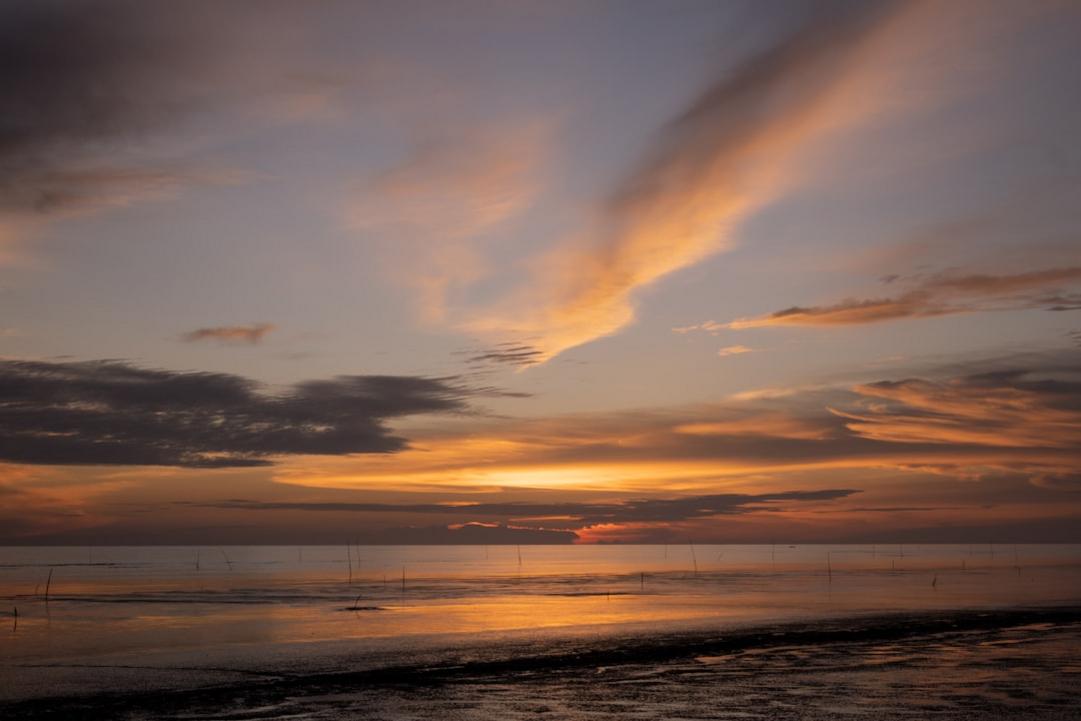
Book island accommodations in Langkawi by late May to secure the best rates before June’s peak season surge, as prices jump 15 – 20% starting June 1. Meanwhile, mainland cultural hubs like Penang offer better deals mid-November despite heavier rains, making it ideal for museum and street food exploration without the island crowds.
Frequently Asked Questions
1Are Malaysia’s islands reliably open for travel in June through September?
Yes, islands like Langkawi, Perhentian, and Tioman maintain regular ferry services and low rainfall from June through September, with monthly rain around 163 – 241mm and over 250 sunshine hours, supporting smooth island-hopping experiences.
2How much cheaper is Malaysia in November compared to peak island season in July?
Accommodation and some tours in November can be 20 – 30% cheaper than July, especially on islands like Langkawi, reflecting lower demand during the wetter mainland monsoon season.
3What are the flooding risks during Malaysia’s wettest months?
November and December bring up to 354mm of rain and 28 rainy days, increasing flood risks mainly on the mainland, which can disrupt outdoor plans but rarely affect island travel significantly.
4How does rainfall vary between Malaysia’s mainland and islands during monsoon seasons?
From June to September, islands receive 163 – 241mm of rain monthly with more sunshine, while the mainland often exceeds 300mm, making inland trekking and outdoor cultural visits more challenging.
5When do ferry services to islands like Tioman typically suspend operations?
Ferries to Tioman and Perhentian usually suspend or reduce service from November through January due to the northeast monsoon, limiting island access during this period.
6Does Malaysia’s altitude affect travel timing for highland destinations?
Yes, highlands like Cameron and Genting have cooler temperatures year-round and lower rainfall February to April, making this the preferred trekking season distinct from coastal monsoon patterns.