


The scent of grilled satay fills Jalan Alor as neon signs flicker above the bustling Bukit Bintang nightlife district.
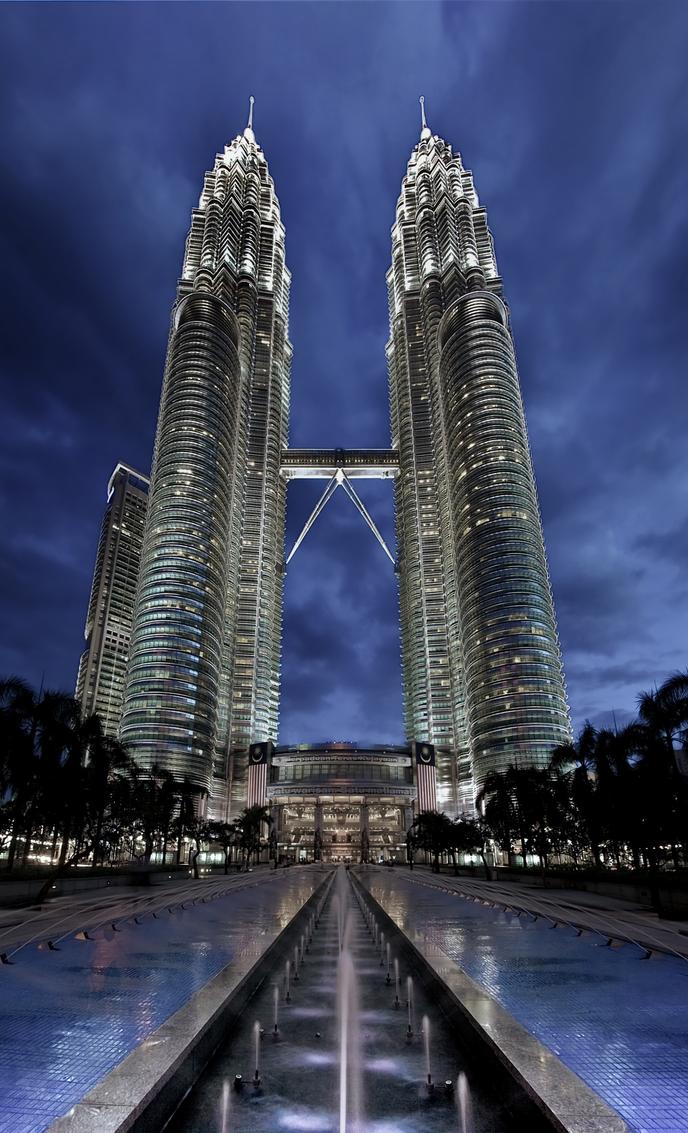
Kuala Lumpur is Malaysia’s fast-moving capital, known worldwide for the Petronas Twin Towers dominating its skyline. The city blends soaring skyscrapers with deep cultural roots visible in neighborhoods like Chinatown, Kampung Baru, and Brickfields. Around 1.8 million people live here, making it a dense urban hub where heritage and modernity collide. Visitors come for the mix of colonial architecture, vibrant street markets, and diverse food scenes. Unlike Penang’s slower pace, Kuala Lumpur demands a sharper focus on navigating traffic and crowds to unlock its cultural layers. The city’s museums, temples, and historic districts reward those who prioritize heritage over resort-style leisure. Base yourself in Chinatown or Kampung Baru to stay close to the heart of local life and heritage sites.
Start with Batu Caves for cultural depth, explore Chinatown’s street markets for local crafts and food, visit the Islamic Arts Museum for heritage insight, walk Kampung Baru for Malay village life inside the city, and climb the KL Tower for skyline views beyond the Petronas Towers.
Key takeaways
- Stay in Chinatown or Kampung Baru for authentic heritage and easy access to major sites.
- Book Batu Caves tours early morning to avoid midday crowds and heat.
- Visit the Islamic Arts Museum on weekdays to skip weekend local families.
- Allocate half a day for Kampung Baru to explore Malay village life within the city.
- Use the LRT from KL Sentral to reach most cultural spots efficiently under 15 minutes.
- Plan ~$60-$120/day for mid-range meals, transport, and entry fees, 2026.
- Avoid Bukit Bintang for accommodation if seeking quiet evenings; it’s nightlife-heavy.
- Explore Jalan Alor at night for street food but expect tourist prices after 8 PM.
Watch: Kuala Lumpur in motion

Map of Kuala Lumpur
108 handpicked places. Filter by category or traveller type, tap a pin or a list item for the full write-up, and save the map to your phone.
All 108 places
- TransportThe central transport hub and your most likely arrival point. KLIA Ekspres runs from the airport to here in 28 minutes, and every commuter, LRT, MRT and intercity line converges in the building. Good for: Backpackers, Couples, Families, Older travelers
- TransportKL’s modern integrated southern bus terminal, airport-style with a single ticket hall, for intercity coaches to Melaka, Penang, the Cameron Highlands, Singapore and beyond. Good for: Backpackers, Families
- PracticalHospital Canselor Tuanku Muhriz UKM or HCTM, formerly known as Pusat Perubatan Universiti Kebangsaan Malaysia, is one of the ten university hospitals in Malaysia. Good for: Backpackers, Couples, Families, Older travelers, Digital nomads
- SightsThe 452m steel-clad icon. You can ride to the skybridge and 86th-floor deck, but book online days ahead and pick a late-afternoon slot. Good for: Backpackers, Couples, Families, Older travelers
- SightsThe colonial-era padang where independence was declared in 1957, ringed by the Moorish-revival Sultan Abdul Samad Building and the old club house. Good for: Backpackers, Couples, Families, Older travelers
- SightsHindu pilgrimage site, KL outskirts. 272 steps, huge Murugan statue, temple inside cave. Thaipusam festival madness. Good for: Backpackers, Couples, Families, Older travelers
- SightsKL’s oldest Hindu temple (1873). Little India heritage, Deepavali chaos, colorful gopuram. City temple atmosphere. Good for: Backpackers, Couples, Families, Older travelers
- SightsMalaysia’s largest Chinese temple, KL. three deities, intricate architecture, peaceful. Year-round accessible. Good for: Backpackers, Couples, Families, Older travelers
- SightsThe best museum in the city and one of the finest Islamic art collections in the region: manuscripts, ceramics, textiles, scale models of the world’s great mosques, all under a set of beautiful tiled domes. Good for: Couples, Families, Older travelers
- SightsA restored Chinatown back lane turned open-air mural gallery, the scenes recreating 1960s KL street life. Good for: Backpackers, Couples
- SightsA pocket of primary rainforest in the middle of the city, with a canopy walkway strung between the trees at the foot of KL Tower. Good for: Backpackers, Couples, Families, Older travelers
- SightsThe modernist 1965 national mosque, with a folded 16-point star roof meant to evoke an open umbrella and a 73m minaret. Good for: Backpackers, Couples, Families, Older travelers
- SightsThe 1909 Moorish-style mosque at the confluence of the Klang and Gombak rivers, the historic heart of the old city. Good for: Backpackers, Couples, Families, Older travelers
- AreasThe shopping and nightlife core, walkable and relentless. Pavilion and Lot 10 anchor the malls, but the real reason to stay here is access: Jalan Alor food street is two minutes away, the monorail and MRT both stop here, and you can roll out of a rooftop bar straight into a midnight hawker plate. Good for: Backpackers, Couples, Families, Older travelers, Digital nomads
- AreasThe Petronas Towers district. Suria KLCC mall sits at the base, the park behind it has the fountain show after dark, and the convention centre holds Aquaria and Petrosains. Good for: Backpackers, Couples, Families, Older travelers, Digital nomads
- AreasKL at its most textured. Petaling Street market for knock-off everything, but the better story is in the side lanes: Kwai Chai Hong murals, speakeasies behind unmarked doors, Hainanese kopitiam that predate independence, and Sri Mahamariamman Hindu temple a block from a Taoist shrine. Good for: Backpackers, Couples, Families, Older travelers, Digital nomads
- AreasKL’s Little India, next to KL Sentral. Banana-leaf rice, garland sellers, sweet shops and temple bells. Good for: Backpackers, Couples, Families, Older travelers, Digital nomads
- AreasA Malay urban village of wooden stilt houses holding its ground in the shadow of the towers. Good for: Backpackers, Couples, Families, Older travelers, Digital nomads
- AreasA leafy residential suburb west of the centre, included for one reason: Village Park Restaurant serves what most locals will defend as the best nasi lemak in the Klang Valley. Good for: Backpackers, Couples, Families, Older travelers, Digital nomads
- SightsThe world’s second-tallest building at 679m, opened to visitors in 2024. Good for: Backpackers, Couples, Families, Older travelers
- NatureThe colonial-era Lake Gardens, KL’s green lung west of the centre, with a lake, orchid and hibiscus gardens and shaded walking paths. Good for: Couples, Families, Older travelers
- NatureThe 421m telecoms tower on Bukit Nanas, with an open-air sky deck higher than the Petronas decks and, crucially, a view that includes the Twin Towers. Good for: Backpackers, Couples
- ShoppingA 1930s art-deco wet market now an air-conditioned hall of batik, handicrafts, souvenirs and cheap eats. Good for: Backpackers, Couples, Families
- ShoppingThe covered Chinatown bazaar under the green roof, all fake watches, knock-off bags and loud haggling. Good for: Backpackers, Couples, Families
- ShoppingKL’s most famous open-air food street, a block off Bukit Bintang, where the plastic stools fill up from dusk. Grilled stingray, satay, char kway teow, durian and cold Tiger beer under the neon. Good for: Backpackers, Couples, Families
- Food & drinkA Hainanese kopitiam open since 1928, now run by the third generation. Order the roti babi, the chicken chop, the kaya toast and a kopi. Good for: Backpackers, Couples, Families, Older travelers
- Food & drinkThe nasi lemak benchmark of the Klang Valley, in suburban TTDI. Good for: Backpackers, Couples, Families, Older travelers
- Food & drinkThe old Imbi wet market’s hawker breakfast stalls, rehoused in the ICC Pudu food court. Good for: Backpackers, Couples, Families, Older travelers
- Food & drinkA basement food court in the Lot 10 mall that recruited heritage hawker stalls, several decades old, under one air-conditioned roof. Good for: Backpackers, Couples, Families, Older travelers
- Food & drinkA narrow Chinatown alley off Petaling Street hiding some of the city’s best old-school noodle stalls: curry laksa, yong tau fou and assam laksa from cooks who have stood here for years. Good for: Backpackers, Couples, Families, Older travelers
- Food & drinkA 24-hour mamak chain whose Jalan Ampang outlet is the go-to for late-night nasi kandar: rice drowned in mixed curries, fried chicken, okra and a teh tarik. Good for: Backpackers, Couples, Families, Older travelers
- Food & drinkA working helipad on the 34th floor of Menara KH that becomes an open-edge rooftop bar at sunset, with no railings between you and a 360-degree skyline. Good for: Backpackers, Couples
- Food & drinkA rooftop bar on the 57th floor of Menara 3 Petronas, eye-level with the Twin Towers across the gap. Good for: Backpackers, Couples
- Food & drinkA hidden first-floor cafe above a Petaling Street shopfront, the old tiles and plants left intentionally faded. Good for: Backpackers, Couples, Digital nomads
- SleepA boutique hotel inside a restored 1930s Chinatown shophouse on Lebuh Ampang, all concrete, brass and heritage bones, with a rooftop pool and a well-regarded restaurant. Good for: Couples, Families, Older travelers
- SleepA well-run heritage hostel in a restored building near Masjid Jamek, built around a plant-filled concrete courtyard. Good for: Backpackers
- Hidden gemsA 1940s cinema in Chinatown gutted and reborn as a culture space: a soaring bookstore made of stacked timber, food stalls, a bar and rotating events. Good for: Backpackers, Couples
- Hidden gemsA row of 1950s shophouses in Kampung Attap turned into a quiet hive of independent galleries, a record shop, a bookshop and design studios. Good for: Backpackers, Couples
- SightsA small city museum on Merdeka Square with the giant I LOVE KL sign outside, a scale model of the city and souvenir shop. Good for: Backpackers, Couples, Families, Older travelers
- SightsA free museum in a beautiful Moorish-style building on Merdeka Square, covering Malaysian textiles, songket and beadwork. Good for: Couples, Families, Older travelers
- SightsA Malay-palace-styled museum running from prehistory through the sultanates, colonial era and independence. Good for: Couples, Families, Older travelers
- Food & drinkA long-running Changkat Bukit Bintang bar-restaurant with a courtyard, pisco sours and a lively after-work-into-late crowd. Good for: Backpackers, Couples
- ShoppingAn arts-and-lifestyle mall at Solaris Dutamas, independent shops, galleries, a weekend market and a strong cluster of cafes and restaurants. Good for: Backpackers, Couples, Families
- SightsThe 1897 Moorish clocktower-and-arches landmark on the east side of Merdeka Square, once the British administrative seat. Good for: Backpackers, Couples, Families, Older travelers
- SightsThe petroleum science museum on the 4th floor of Suria KLCC. Hands-on and aimed at kids and families, with a dark-ride through an oil rig. Good for: Backpackers, Couples, Families, Older travelers
- SightsA compact aquarium under the convention centre, built around a 90m walk-through tunnel with sharks and rays overhead. Good for: Backpackers, Couples, Families, Older travelers
- NatureA free-flight aviary inside the Botanical Gardens, billed as the world’s largest, with hornbills, flamingos and peacocks wandering the netted walkways. Good for: Couples, Families, Older travelers
- SightsThe spot for the postcard Petronas Towers shot, framed across the fountain pool behind Suria KLCC. Good for: Backpackers, Couples
- Food & drinkThe banana-leaf rice institution of Bangsar, plates loaded with rice, curries, fried fish and crisp papadam, eaten with your hands. Good for: Backpackers, Couples, Families, Older travelers
- Food & drinkA pioneer of KL’s third-wave coffee scene, in a converted shophouse on Jalan Galloway. Good for: Backpackers, Couples, Digital nomads
- Food & drinkA relaxed roastery-cafe on Jalan Mesui, just off Changkat Bukit Bintang, in a whitewashed shophouse with a leafy courtyard. Good for: Backpackers, Couples, Digital nomads
- SleepThe five-star next to the Petronas Towers, many rooms looking straight at them, with the infinity pool that frames the towers for the famous shot. Good for: Couples, Families, Older travelers
- SleepA design-led luxury hotel near KLCC with a strong sense of Malaysian craft, an excellent spa (Spa Village) and a quieter, more residential feel than the chains. Good for: Couples, Families, Older travelers
- SleepPolished five-star directly beside the Petronas Towers, with tower-facing rooms, a sky pool and a mall in the podium. Good for: Couples, Families, Older travelers
- SleepA reliable mid-range tower above KL Sentral, with a rooftop bar and pool and the KLIA Ekspres in the basement. Good for: Couples, Families, Older travelers
- SleepA social, budget hostel in the thick of Chinatown with pod-style dorms and a rooftop common area. Good for: Backpackers
- SleepA compact hostel in a Chinatown shophouse, dorms and a few privates, with a small rooftop. Good for: Backpackers
- Hidden gemsA serious, free contemporary art gallery on Jalan Binjai near KLCC, with well-curated Malaysian and regional shows across two floors. Good for: Backpackers, Couples
- Hidden gemsA central coworking branch near Bukit Bintang with day passes, fast WiFi, meeting rooms and an in-house cafe. Good for: Digital nomads
- ActivitiesA refined urban spa rooted in Malaysian healing traditions, inside The RuMa near KLCC. Good for: Couples, Older travelers
- Food & drinkThe famous chicken-wing stall at the end of Jalan Alor, charcoal-grilled and sticky, open late. Good for: Backpackers, Couples, Families, Older travelers
- Food & drinkAn 80-year-old Cantonese institution in Pudu, wood-fired kitchen and old-school dishes like roast duck and the four-heavenly-kings. Good for: Backpackers, Couples, Families, Older travelers
- Food & drinkA revived heritage kopitiam near Petaling Street for kaya toast, Hainan curry mee and chicken chop, in a smart two-storey shop. Good for: Backpackers, Couples, Families, Older travelers
- Food & drinkA 1950s open-front kopitiam on Jalan TAR famous for its mixed-rojak and chicken satay, run by a Chinese-Indian-Malay crew since independence. Good for: Backpackers, Couples, Families, Older travelers
- Food & drinkA morning coffeeshop off Jalan Imbi where the pork-noodle and char-siu stalls draw a daily queue. Good for: Backpackers, Couples, Families, Older travelers
- Food & drinkA reliable South Indian restaurant in Brickfields for dosa, banana-leaf meals and proper filter coffee, in the heart of Little India. Cheap, fast, vegetarian-friendly. Good for: Backpackers, Couples, Families, Older travelers
- Food & drinkA Nyonya restaurant tucked inside Central Market, all antique furniture and Peranakan classics like ayam pongteh and assam fish. Good for: Backpackers, Couples, Families, Older travelers
- Food & drinkA nostalgic Nyonya-Malay kitchen on Jalan Mesui near Changkat, vintage tiles and home-style curries, kuih and cendol. A charming, low-key dinner off the bar strip. Good for: Backpackers, Couples, Families, Older travelers
- Food & drinkMalaysia’s flagship fine-dining restaurant, a tasting menu of foraged and indigenous ingredients, regularly on Asia’s 50 Best, high in the KEN TTDI tower. Good for: Backpackers, Couples, Families, Older travelers
- Food & drinkA modern-Malaysian restaurant reinventing kampung dishes with craft and a strong local-drinks list, in Bukit Bintang. Good for: Backpackers, Couples, Families, Older travelers
- Food & drinkA Kampung Baru institution for Kelantanese and east-coast Malay food, nasi kerabu and ayam percik laid out buffet-style. Good for: Backpackers, Couples, Families, Older travelers
- Food & drinkA cavernous specialty-coffee roastery inside an old printing factory in Bangsar, serious espresso and a design-led space. Good for: Backpackers, Couples, Digital nomads
- Food & drinkA plant-based cafe and bar on Petaling Street, inventive vegan Malaysian plates and natural wine in a restored shophouse. The best meat-free option in Chinatown. Good for: Backpackers, Couples, Digital nomads
- Food & drinkA leafy all-day cafe in Bangsar Village with a garden-conservatory feel, brunch, cocktails and cake. Relaxed and reliable, good for a long laptop session or a catch-up. Good for: Backpackers, Couples, Digital nomads
- Food & drinkAn award-winning cocktail bar in Bangsar named for the bartender who invented the dry martini, classic drinks done properly. Good for: Backpackers, Couples
- Food & drinkA hidden basement speakeasy near Bukit Bintang, no menu, tell the bartender what you like. Good for: Backpackers, Couples
- Food & drinkA rum-focused bar off Jalan Doraisamy with the city’s deepest tiki and rum list and a warm, unpretentious room. The rum-lover’s KL stop. Good cocktails, no attitude. Good for: Backpackers, Couples
- AreasKL’s main bar-and-restaurant strip, a sloping street of cocktail bars, shisha lounges and late-night eats off Bukit Bintang. Good for: Backpackers, Couples, Families, Older travelers, Digital nomads
- Hidden gemsA converted colonial railway depot north of the centre, now a raw industrial event and food space with markets, bars and warehouse parties. Good for: Backpackers, Couples
- Hidden gemsA creative mall near Chinatown housing independent artists, designers and a rooftop, a window into young KL’s maker scene. Good for: Backpackers, Couples
- SightsThe pewter-maker’s factory and museum in Setapak, with a hands-on School of Hard Knocks where you hammer your own pewter bowl. Good for: Backpackers, Couples, Families, Older travelers
- SightsA surprisingly good free museum on money, economics and Islamic finance, with a strong art gallery and interactive galleries. Good for: Couples, Families, Older travelers
- ShoppingThe largest wet market in the city, a sprawling, gritty maze of produce, meat, fish and cheap cooked food in Chow Kit. Good for: Backpackers, Couples, Families
- ShoppingThe flagship Bukit Bintang shopping mall, mid-to-luxury brands, a vast food court and the Christmas and festival displays locals come to photograph. Good for: Backpackers, Couples, Families
- AreasKuen Cheng High School (KCHS) or SM (Persendirian) Kuen Cheng (Chinese: ‘坤成中学’), formerly known as Kuen Cheng Girls’ High School (Chinese: ‘坤成女子中学’), is an independent semi-boarding secondary Chinese school in Kuala Lumpur, Malaysia which was established in 1908. Good for: Backpackers, Couples, Families, Older travelers, Digital nomads
- SightsThe National History Museum was the second national museum in Malaysia after the National Museum. Good for: Couples, Families, Older travelers
- SightsWei-Ling Gallery is a contemporary art gallery in Kuala Lumpur, Malaysia, founded in 2002 by Lim Wei-Ling. Good for: Couples, Families, Older travelers
- SleepHilton Kuala Lumpur is a luxury hotel, located in Kuala Lumpur, Malaysia, and part of the Hilton Hotels & Resorts hotel chain. Good for: Couples, Families, Older travelers
- Food & drinkA buzzy industrial-chic brunch cafe in Bangsar, big plates and good coffee, popular at weekends. The quintessential KL brunch. Expect a wait on Sundays. Good for: Backpackers, Couples, Digital nomads
- ActivitiesStart at 06:00 for sunrise over the city. by 09:00 the quartz radiates heat and there’s zero shade on the ridge. Good for: Backpackers, Couples
- SightsThe Tun Abdul Razak Memorial is an official residence building of Tun Abdul Razak in Kuala Lumpur, Malaysia which was originally known as the Sri Taman Building. Good for: Couples, Families, Older travelers
- SightsThe Maybank Numismatic Museum is a museum in Kuala Lumpur, Malaysia, that is run and owned by the Maybank. Good for: Couples, Families, Older travelers
- SightsSin Sze Si Ya Temple is a Chinese temple located at 14A Lebuh Pudu, close to the Central Market of Kuala Lumpur, Malaysia. Good for: Backpackers, Couples, Families, Older travelers
- SightsKuala Lumpur Guan Di Temple, or Kuala Lumpur Emperor Guan Temple, also known as the Kuala Lumpur Kuan Ti Temple, is a Malaysia-based Taoist temple located in the Jalan Tun H S Lee, Kuala Lumpur. Good for: Backpackers, Couples, Families, Older travelers
- SightsThe Cathedral of St. Mary the Virgin or St. Good for: Backpackers, Couples, Families, Older travelers
- SightsThe As Syakirin Mosque, also known as KLCC Mosque, is a mosque located in the Kuala Lumpur City Centre, Kuala Lumpur, Malaysia. Good for: Backpackers, Couples, Families, Older travelers
- NatureASEAN Sculpture Garden is a garden in Kuala Lumpur, Malaysia, situated adjacent to the National Monument and in the vicinity of the Lake Gardens. Good for: Couples, Families, Older travelers
- SleepShangri-La Kuala Lumpur is a hotel located in Jalan Sultan Ismail, Kuala Lumpur, Malaysia. Good for: Couples, Families, Older travelers
- SleepThe JW Marriott, Kuala Lumpur is a hotel of the Marriott Hotel Group in Kuala Lumpur’s central business district. Good for: Couples, Families, Older travelers
- SleepThe Federal Kuala Lumpur is an international-class hotel located in Bukit Bintang, Kuala Lumpur, Malaysia. It hosts post-independence Malaya’s first revolving restaurant. Good for: Couples, Families, Older travelers
- SleepFour Seasons Place Kuala Lumpur, also known as Four Seasons KLCC and FSP KLCC Tower, is a 74-story, 342.5-metre-tall (1,124 ft / 343 m) supertall skyscraper in Kuala Lumpur City Centre, Malaysia. Good for: Couples, Families, Older travelers
- SightsSaloma Link is a 69 metres (226 ft / 69 m) combined pedestrian and bicyclist bridge across the Klang River in Kuala Lumpur. Good for: Backpackers, Couples, Families, Older travelers
- SightsBerjaya Times Square Theme Park is an indoor amusement park on the 5th to 8th floors of Berjaya Times Square, Kuala Lumpur, Malaysia. Good for: Backpackers, Couples, Families, Older travelers
- SightsThe Royal Museum along Jalan Istana was the former National Palace and former residence of the Yang di-Pertuan Agong of Malaysia. Good for: Backpackers, Couples, Families, Older travelers
- SightsThe Istana Negara is the official residence of the Yang di-Pertuan Agong. It is located along Jalan Tuanku Abdul Halim near Taman Duta, northwestern Kuala Lumpur. Good for: Backpackers, Couples, Families, Older travelers
- SightsThe Tugu Negara is a national monument that commemorates those who died in Malaysia’s struggle for freedom, principally against the Japanese occupation during World War II and the Malayan Emergency, which lasted from 1948 until 1960. Good for: Backpackers, Couples, Families, Older travelers
- SightsCathedral of St John The Evangelist is the mother church of the Roman Catholic Archdiocese of Kuala Lumpur and the seat of its Archbishop, Julian Leow Beng Kim. Good for: Backpackers, Couples, Families, Older travelers
- SightsThe Federal Territory Mosque is a Sunni mosque, located in Kuala Lumpur, Malaysia. Good for: Backpackers, Couples, Families, Older travelers
Why visit Kuala Lumpur
Kuala Lumpur stands out from Penang, Malacca, and Singapore by blending Malaysia’s iconic Petronas Twin Towers with vibrant street markets and historic neighborhoods like Bukit Bintang and Chinatown. Unlike Penang’s colonial charm or Malacca’s heritage streets, Kuala Lumpur offers a dynamic urban culture layered with deep multicultural roots. The Batu Caves, just outside the city, add a natural and spiritual contrast to the soaring skyscrapers downtown. This city’s mix of Malay, Chinese, and Indian influences creates a unique food scene and neighborhood character that rivals Singapore’s polished modernity but with a more lived-in feel. Kuala Lumpur’s rapid growth hasn’t erased its heritage districts, making it a compelling place to explore Malaysia’s past and present in one trip.
- Petronas Twin Towers dominate the skyline, symbolizing Malaysia’s economic rise and modern identity.
- Batu Caves offers a limestone hill temple complex with Hindu shrines, 12 miles / 19 km north of downtown.
- Chow Kit market is a local hub for fresh produce and street food, less touristy than Central Market.
- Bukit Bintang blends shopping malls with street stalls, reflecting Kuala Lumpur’s layered urban culture.
- Unlike Penang’s heritage focus, KL’s rapid urban growth creates a striking contrast between skyscrapers and traditional neighborhoods.
- Many guides overlook Kampung Baru, a Malay enclave preserving traditional wooden houses amid the city’s skyscrapers.
Best for
Culture seekers who want to explore Malaysia’s multicultural layers and urban heritage will thrive here. Solo travelers comfortable navigating busy neighborhoods and using public transit will find plenty to explore beyond tourist hotspots.
Skip if
Skip Kuala Lumpur if you want a slower pace or colonial charm; choose Malacca for preserved heritage streets or Penang for a more compact cultural walk.

Top things to do in Kuala Lumpur
Kuala Lumpur’s blend of soaring skyscrapers and historic neighborhoods reveals Malaysia’s complex cultural layers. Start with the Petronas Twin Towers, the city’s defining skyline icon. These activities highlight how Kuala Lumpur balances rapid modern growth with deep-rooted multicultural heritage.

1. Petronas Twin Towers Skybridge and Observation Deck ·
Experience Kuala Lumpur’s skyline capital from the iconic Petronas Twin Towers’ skybridge and observation deck for unmatched city views.
The Petronas Twin Towers dominate Kuala Lumpur’s skyline, and visiting the skybridge and observation deck offers a rare chance to see the city from 1,483 feet / 452 m (452 meters) up. The skybridge connects the two towers on the 41st and 42nd floors, providing a unique perspective of the city’s mix of modern skyscrapers and colonial buildings. The observation deck on the 86th floor features panoramic views stretching to the Bukit Bintang district and beyond. Tickets are limited daily, so booking in advance through official channels or licensed operators near KLCC Park on Jalan Ampang is essential. The experience includes a brief multimedia introduction to the towers’ history and engineering before ascending. Book on GetYourGuide.
This visit offers a direct encounter with Kuala Lumpur’s defining architectural symbol, unlike other city viewpoints that lack the iconic twin structure’s context.
- When: Book early morning slots (9:00 AM to 11:00 AM) on weekdays to avoid crowds and haze; afternoons can get busy and hazy, especially in the hot season (March to May).
- Cost: ~$20, 2026
- Duration: 2 hours
- How to reach: Walk or take the LRT to KLCC station in the Bukit Bintang area; the towers are adjacent to the station and visible from Jalan Ampang.
Insider tip: If closed
Head to the rooftop bar at Traders Hotel for a skyline view including the towers from below.
2. Batu Caves Temple Complex ·
Explore the limestone hill with Hindu shrines and giant golden statue, a spiritual site contrasting the city’s urban core.
Batu Caves sits about 11 miles / 18 km north of central Kuala Lumpur, featuring a massive golden statue of Lord Murugan guarding the entrance. The site consists of a series of limestone caves with Hindu temples inside, accessible by climbing 272 steep steps flanked by monkeys and street vendors. The main cave, Cathedral Cave, hosts active worship and colorful shrines, especially vibrant during Thaipusam festival. The surrounding area includes smaller caves and a museum detailing Hindu culture in Malaysia. Reaching Batu Caves by KTM Komuter train from KL Sentral station is straightforward, dropping you near the base of the stairs. Book on GetYourGuide.
Batu Caves offers a cultural and religious contrast to the city’s modern core, unlike typical urban temples that lack dramatic natural settings.
- When: Visit early morning (7:00 AM to 9:00 AM) to avoid midday heat and crowds; avoid weekends and Thaipusam festival if seeking a quieter experience.
- Cost: Free
- Duration: Half day
- How to reach: Take the KTM Komuter train from KL Sentral to Batu Caves station; the walk from the station to the cave entrance is under 5 minutes.
Insider tip: If closed
Explore the Sri Mahamariamman Temple in Chinatown for Hindu cultural insight within the city.
Solo female travel: Avoid climbing the stairs after dark; monkeys can be aggressive and the area quiets down significantly in the evening.
3. Kampung Baru Malay Heritage Walk ·
Walk through Kampung Baru’s traditional wooden houses and street food stalls to see Malay culture preserved amid skyscrapers.
Kampung Baru is a Malay enclave in the heart of Kuala Lumpur, where traditional wooden houses and narrow lanes survive amid the city’s skyscrapers. Walking through Jalan Raja Muda Musa and surrounding streets reveals street food stalls selling nasi lemak and kuih, small mosques, and local markets. The area contrasts sharply with the nearby modern towers, offering a glimpse into Malay urban life that has resisted rapid redevelopment. Local guides or self-guided walks can focus on culinary stops, traditional crafts, and the history of Malay settlement here. The neighborhood is best explored on foot during daylight hours when stalls and shops are open.
This walk provides direct access to Malay culture within the city, unlike tourist-heavy Chinatown or Little India, which cater more to visitors.
- When: Late morning to early afternoon (10:00 AM to 2:00 PM) when food stalls are active and the neighborhood buzzes with daily life.
- Cost: Free
- Duration: 2-3 hours
- How to reach: Walk from the nearby Kampung Baru LRT station on Jalan Raja Muda Musa; the area is compact and walkable.
Insider tip: If closed
Visit the Malay Heritage Museum in the city center for curated exhibits on Malay culture.
4. Chow Kit Market Exploration ·
Dive into Kuala Lumpur’s local food scene at Chow Kit Market, a less touristy hub for fresh produce and street eats.
Chow Kit Market is Kuala Lumpur’s largest wet market, located along Jalan Raja Muda Musa and Jalan Chow Kit, known for its authentic local vibe and fresh ingredients. The market bustles with vendors selling tropical fruits, seafood, spices, and street food stalls serving dishes like roti canai and satay. Unlike the more polished Central Market, Chow Kit feels raw and unfiltered, offering a real look at daily life for many locals. The market’s maze-like layout rewards exploration but requires alertness to navigate busy aisles. Visiting early ensures the freshest produce and less crowding.
Chow Kit offers a more local, less touristy market experience than Central Market or Petaling Street, ideal for food-focused cultural insight.
- When: Early morning (7:00 AM to 9:00 AM) when vendors set up and produce is freshest; avoid late afternoon when some stalls close.
- Cost: Free entry; food prices vary (~$1-$5 per snack)
- Duration: 2 hours
- How to reach: Take the LRT to Chow Kit station or a short taxi ride from Bukit Bintang; the market spans several streets near Jalan Raja Muda Musa.
Insider tip: If closed
Explore the nearby Jalan Masjid India market for textiles and street food in a more tourist-friendly setting.
Solo female travel: Stay alert to pickpockets in crowded aisles; avoid carrying large valuables and keep bags zipped.

5. Islamic Arts Museum Malaysia ·
Discover extensive Islamic art collections that reveal Malaysia’s Muslim heritage in a modern museum setting.
The Islamic Arts Museum Malaysia in the Perdana Botanical Gardens neighborhood houses one of Southeast Asia’s largest collections of Islamic decorative arts. Exhibits include intricate calligraphy, textiles, ceramics, jewelry, and architectural models from across the Muslim world, with a strong focus on Malaysia’s Islamic history. The museum’s modern building features galleries arranged thematically, plus a library and a dedicated section on Quranic manuscripts. It’s a quiet, contemplative space contrasting with the city’s bustle, ideal for understanding the cultural layers behind Malaysia’s Muslim majority. The museum café offers traditional Malay snacks and tea.
This museum provides deeper context on Malaysia’s Muslim heritage than general history museums or religious sites like the National Mosque.
- When: Weekdays mid-morning (10:00 AM to 12:00 PM) to avoid school groups and weekend crowds; closed on Fridays for prayer times.
- Cost: ~$5, 2026
- Duration: 2-3 hours
- How to reach: Take a taxi or bus to Jalan Lembah Perdana near the Perdana Botanical Gardens; the museum is a short walk from the National Mosque.
Insider tip: If closed
Visit the National Mosque (Masjid Negara) for Islamic architecture and prayer hall access.
6. Central Market Cultural Tour ·
Browse crafts and local artworks at Central Market, a cultural hub reflecting Kuala Lumpur’s multicultural identity.
Central Market sits on Jalan Hang Kasturi in the historic Chinatown district, offering a dense collection of local crafts, batik textiles, and artworks. Walking through its art deco building, you encounter stalls run by artisans representing Malay, Chinese, and Indian communities. The market also hosts cultural performances and workshops, giving insight into traditional crafts like silverwork and wood carving. It’s a compact cultural snapshot within walking distance of Petaling Street.
This tour offers a more focused cultural dive than the sprawling Petaling Street market, with less tourist clutter and more curated local crafts. It beats the generic mall experience nearby.
- When: Visit mid-morning to early afternoon on weekdays to avoid weekend crowds and catch artisan demonstrations.
- Cost: ~$3-$5, 2026
- Duration: 1.5 to 2 hours
- How to reach: Walk or take the LRT to Pasar Seni station on Jalan Sultan Mohamed, then a short walk south on Jalan Hang Kasturi.
Insider tip: If closed
Explore the nearby Kasturi Walk street market for a more casual but less curated shopping experience.
7. Jalan Alor Food Street Evening Walk ·
Taste Kuala Lumpur’s multicultural street food on Jalan Alor, where Chinese, Malay, and Indian flavors meet after dark.
Jalan Alor in Bukit Bintang transforms after sunset into a bustling street food corridor lined with hawker stalls and open-air restaurants. You can sample char kway teow, satay, and roti canai alongside fresh seafood and tropical fruit juices. The street’s neon glow and lively chatter create an immersive urban food scene that reflects Kuala Lumpur’s ethnic mix. It’s a sensory overload best experienced on foot, hopping between stalls to try small plates.
Jalan Alor offers a more authentic and affordable street food experience than the polished food courts in nearby malls. It’s the place to eat like a local after dark.
- When: Arrive around 7:00 PM to catch the street at its liveliest, avoiding the late-night crowd after 10:30 PM.
- Cost: ~$5-$12, 2026
- Duration: 1.5 to 2 hours
- How to reach: Take the monorail to Bukit Bintang station, then walk along Jalan Bukit Bintang to the entrance of Jalan Alor.
Insider tip: If closed
Head to the food stalls around Petaling Street for a daytime street food alternative.
Solo female travel: Stay on the main street where lighting is good and crowds are dense; avoid side alleys late at night.
8. National Museum (Muzium Negara) ·
Trace Malaysia’s history and cultural evolution through exhibits at the National Museum near the Lake Gardens.
The National Museum on Jalan Damansara offers a comprehensive overview of Malaysia’s history, from prehistoric times through colonial rule to independence. Its galleries feature traditional costumes, weaponry, and artifacts from the Malay Sultanates alongside detailed displays on Chinese and Indian communities. The museum’s architecture blends traditional Malay design with modern elements, set within the lush Lake Gardens area. Audio guides and occasional cultural performances add context to the exhibits.
This museum provides a clearer historical narrative than the Islamic Arts Museum nearby, which focuses more on art than broad history.
- When: Visit on weekday mornings between 9:00 AM and 12:00 PM to avoid school groups and afternoon heat.
- Cost: ~$2-$4, 2026
- Duration: 2 to 3 hours
- How to reach: Take a taxi or Grab to Jalan Damansara near the Perdana Botanical Gardens; the museum is a short walk from the National Mosque.
Insider tip: If closed
Explore the Islamic Arts Museum for a more art-focused cultural visit.

9. Sri Mahamariamman Temple Visit ·
Step inside Kuala Lumpur’s oldest Hindu temple in Chinatown to witness vibrant religious rituals and architecture.
Located on Jalan Bandar in Chinatown, Sri Mahamariamman Temple dates back to the 1870s and is the city’s oldest Hindu temple. Its elaborately carved gopuram (tower) features colorful statues of Hindu deities, drawing worshippers and visitors alike. Inside, you can observe daily puja ceremonies and offerings, especially during festival days. The temple’s proximity to Petaling Street makes it easy to combine with a Chinatown walk.
This temple offers a more intimate and active religious setting than the larger Batu Caves, which is more tourist-focused.
- When: Visit mid-morning on weekdays to see rituals without large crowds; festival days like Deepavali offer heightened activity but more visitors.
- Cost: Free
- Duration: 30 to 45 minutes
- How to reach: Walk from Pasar Seni LRT station through Petaling Street to Jalan Bandar, or take a short taxi ride from Bukit Bintang.
Insider tip: If closed
Visit the Thean Hou Temple for a larger Chinese-Malaysian temple experience.
Solo female travel: Dress modestly and remove shoes before entering; the temple is safe and welcoming for solo female visitors during daylight hours.
10. Bukit Bintang Urban Culture Walk ·
Explore Bukit Bintang’s mix of malls, street stalls, and nightlife to see Kuala Lumpur’s layered urban culture firsthand.
Bukit Bintang is Kuala Lumpur’s entertainment and shopping district, where high-end malls like Pavilion sit alongside street vendors and neon-lit bars. Walking along Jalan Bukit Bintang and surrounding streets, you encounter a mix of international brands, local fashion stalls, and casual eateries. The area’s nightlife buzzes after dark, with rooftop bars and live music venues. This walk reveals how modern skyscrapers coexist with street-level commerce and informal vendors.
This walk captures Kuala Lumpur’s urban contrasts better than the more touristy KLCC area, which focuses on the Petronas Towers and malls.
- When: Start late afternoon to catch both daylight shopping and the transition to nightlife after 7:00 PM.
- Cost: Free to explore; food and drinks extra
- Duration: 2 to 3 hours
- How to reach: Take the monorail or taxi to Bukit Bintang station; the district is walkable from there.
Insider tip: If closed
Explore the nearby Changkat Bukit Bintang street for a concentrated nightlife scene.
Solo female travel: Stick to main streets and well-lit areas after dark; Bukit Bintang is busy and generally safe for solo female travelers.
11. Merdeka Square and Sultan Abdul Samad Building ·
Visit the colonial-era Sultan Abdul Samad Building and Merdeka Square, where Malaysia declared independence.
Merdeka Square anchors Kuala Lumpur’s colonial heritage with its wide open field and historic flagpole marking independence. The Sultan Abdul Samad Building, facing the square, showcases Moorish architecture with its copper domes and clock tower, contrasting with the modern skyline nearby. Walking here offers a direct link to Malaysia’s colonial past and early nationhood, framed by the surrounding old post office and Royal Selangor Club buildings. The area is quieter on weekdays, giving space to absorb the layered history without crowds.
Choose this for a focused dive into Kuala Lumpur’s colonial and independence history without the crowds of larger museums.
- When: Morning or late afternoon on weekdays to avoid weekend tourist groups and catch softer light on the building facades.
- Cost: Free
- Duration: 1-2 hours
- How to reach: Walk or take a short taxi ride from Bukit Bintang or Chinatown; the square is a 10-minute walk from Pasar Seni LRT station.
Insider tip: If closed
Visit the nearby National Textile Museum for a different angle on Malaysia’s heritage.
12. Thean Hou Temple Cultural Visit ·
Admire Chinese temple architecture and cultural ceremonies at Thean Hou Temple on a hill overlooking the city.
Thean Hou Temple sits on Robson Hill, offering panoramic views of Kuala Lumpur’s skyline including the Petronas Towers. This six-tiered Chinese temple blends traditional design with vibrant colors, intricate carvings, and red lanterns. Visitors can observe Taoist rituals, especially during festivals, and explore the temple’s prayer halls and gardens. The temple’s elevated position provides a quieter cultural space away from the city bustle, with photo-worthy views of the cityscape below.
This suits travelers interested in Chinese-Malaysian religious culture and temple architecture with a city view backdrop.
- When: Early morning or late afternoon to avoid midday heat and catch sunset views; weekends host more ceremonies and visitors.
- Cost: Free
- Duration: 1-2 hours
- How to reach: Take a taxi or Grab from central Kuala Lumpur; the temple is about 3 miles / 5 km from Bukit Bintang and not directly served by public transit.
Insider tip: If closed
Explore the nearby Kuala Lumpur Butterfly Park for a nature-focused afternoon.

13. Kuala Lumpur Railway Station Architecture Walk ·
See the Moorish-style Kuala Lumpur Railway Station, a colonial-era landmark contrasting with modern towers nearby.
The Kuala Lumpur Railway Station is a striking example of Mughal and Moorish architecture, with horseshoe arches, domes, and ornate details. It contrasts sharply with the nearby glass-and-steel skyscrapers, highlighting the city’s architectural evolution. Walking around the station reveals its original colonial charm, including the old platforms and vintage signage. The station remains operational but is quieter than the main KL Sentral hub, making it a good spot for architecture enthusiasts and photographers.
Pick this for a niche architectural walk that reveals Kuala Lumpur’s colonial infrastructure and design influences.
- When: Morning or late afternoon for good light and fewer commuters; weekdays are quieter than weekends.
- Cost: Free
- Duration: 1 hour
- How to reach: Reachable by taxi or Grab from central Kuala Lumpur; about 2 miles / 3 km from Merdeka Square, not directly served by rapid transit.
Insider tip: If closed
Visit the Sultan Abdul Samad Building for another colonial architectural landmark.
14. Pasar Seni (Central Market) Night Art and Craft Fair ·
Attend evening art and craft fairs at Pasar Seni to engage with local artisans and cultural performances.
Pasar Seni transforms in the evenings with art and craft fairs showcasing local painters, sculptors, and traditional craftspeople. The market’s heritage building hosts stalls selling batik, wood carvings, and handmade jewelry alongside live cultural performances like traditional dance and music. This setting offers a chance to interact with artisans and see Kuala Lumpur’s creative scene beyond commercial malls. The atmosphere is lively but less touristy than daytime, with food stalls adding to the cultural immersion.
Ideal for travelers wanting to connect with local artists and craftspeople in a historic market setting after daytime sightseeing.
- When: Evenings from 6:00 PM to 10:00 PM, especially on weekends when fairs and performances peak.
- Cost: Free entry; purchases vary
- Duration: 2-3 hours
- How to reach: Pasar Seni is a 5-minute walk from Pasar Seni LRT station in the heart of Chinatown.
Insider tip: If closed
Explore the nearby Petaling Street night market for street food and shopping.
15. Kuala Lumpur City Gallery and Heritage Walk ·
Start a heritage walk from the City Gallery to understand Kuala Lumpur’s urban development and multicultural roots.
The Kuala Lumpur City Gallery offers detailed exhibits on the city’s founding, growth, and multicultural makeup, including scale models and historical photos. From here, a self-guided heritage walk leads through colonial buildings, old mosques, and Chinese clan houses in the nearby streets. This route reveals how Kuala Lumpur evolved from a tin mining town to a modern metropolis, with stops highlighting Malay, Chinese, and Indian influences. The gallery’s location near Merdeka Square makes it a logical starting point for exploring the historic core on foot.
Choose this for a structured introduction to Kuala Lumpur’s layered history and urban fabric beyond just landmarks.
- When: Weekday mornings to avoid crowds and have more space for the walk; gallery opens around 9:00 AM.
- Cost: ~$3-$5, 2026
- Duration: 2-3 hours
- How to reach: Walk from Pasar Seni LRT station or take a short taxi ride from Bukit Bintang; the gallery is near Merdeka Square.
Insider tip: If closed
Visit the National Textile Museum for another heritage-focused museum experience.
16. Kuala Lumpur Bird Park Visit ·
Visit the world’s largest free-flight walk-in aviary to see tropical bird species in a garden setting near the city center.
The Kuala Lumpur Bird Park offers a large, enclosed free-flight aviary where you can walk among tropical birds like hornbills, peacocks, and parrots. The park’s landscaped gardens and ponds create a naturalistic environment, making it a peaceful cultural escape from the urban core. Educational signage explains the birds’ native habitats and conservation efforts. It’s a good option for a half-day visit combining nature and local biodiversity close to the city center’s heritage sites.
This appeals to travelers interested in local wildlife and a green space break without leaving central Kuala Lumpur.
- When: Morning visits before 11:00 AM to avoid midday heat and see birds at their most active.
- Cost: ~$10-$12, 2026
- Duration: 2-3 hours
- How to reach: Take a taxi or Grab from central Kuala Lumpur; the park is about 2 miles / 3 km from Merdeka Square and near the Perdana Botanical Gardens.
Insider tip: If closed
Visit the nearby Perdana Botanical Gardens for a broader garden experience.

17. National Textile Museum ·
Explore Malaysia’s traditional textiles and weaving techniques in a heritage building close to Merdeka Square.
The National Textile Museum displays traditional Malaysian fabrics, batik, songket, and weaving techniques in a colonial-era building near Merdeka Square. Exhibits include historic costumes, tools, and live demonstrations of weaving and dyeing. This museum offers insight into the cultural significance of textiles across Malaysia’s ethnic groups, with detailed explanations of patterns and production methods. It’s a quieter alternative to larger museums, ideal for those focused on cultural crafts and heritage.
Pick this for a deep dive into Malaysia’s textile heritage, especially if interested in craft traditions beyond architecture and food.
- When: Weekday mornings for fewer visitors and the chance to see live demonstrations.
- Cost: ~$2-$4, 2026
- Duration: 1-2 hours
- How to reach: Walk from Merdeka Square or take a short taxi ride from Bukit Bintang; the museum is centrally located in the old city area.
Insider tip: If closed
Visit the Kuala Lumpur City Gallery for a broader heritage overview.
More in Kuala Lumpur
72 hours in Kuala Lumpur
This three-day plan maps out a deep dive into Kuala Lumpur’s cultural layers, designed for travelers who want to explore heritage, neighborhoods, and local life beyond the skyline. It suits culture seekers who prefer historic streets, markets, and museums over tourist traps or resort zones.
Day 1
Morning
Start your morning at the Petronas Twin Towers Skybridge and Observation Deck just after opening to beat the crowds and catch the city bathed in soft light. From there, walk through the adjacent KLCC Park for a calm contrast before heading to a nearby kopitiam for a strong local coffee and kaya toast. This sets a steady pace before the main cultural dive.
Afternoon
Spend the afternoon exploring the Kampung Baru Malay Heritage Walk, where traditional wooden houses and street food stalls sit under the shadow of skyscrapers. Stop for lunch at a Malay hawker stall here, ordering nasi lemak or satay for an authentic midday meal. The walk’s slower rhythm lets you absorb Malay culture without the rush, with plenty of shaded spots to rest.
Evening
Head to Jalan Alor Food Street as the sun sets and the neon lights come alive. Choose a table at one of the bustling Chinese-Malay-Indian stalls and sample grilled seafood or char kway teow. The street’s lively but manageable energy makes it a great way to wind down after a day of walking, with easy access back to central accommodations.
Day 2
Morning
Kick off day two with a visit to the Batu Caves Temple Complex early to avoid the midday heat and crowds. The morning light illuminates the giant golden statue and limestone cliffs, making the climb and shrine visits more comfortable. Grab a fresh coconut from a vendor at the base before heading back toward the city center.
Afternoon
Return to the city for a focused museum circuit: start at the Islamic Arts Museum Malaysia to see intricate collections reflecting Malaysia’s Muslim heritage, then walk to the National Museum nearby for a broader historical context. Have lunch at the museum café or a nearby family-run Malay restaurant serving simple dishes like ayam percik. This afternoon balances visual richness with air-conditioned comfort.
Evening
Explore Bukit Bintang’s urban culture after dark, starting with a casual stroll through its malls and street stalls. For dinner, pick a mid-range Malaysian-Indian restaurant in the area, sampling roti canai and teh tarik. The neighborhood’s mix of modern and street-level scenes offers a different city vibe from Day 1’s heritage focus, with plenty of late-night options if energy holds.

Day 3
Morning
Begin your final day at Chow Kit Market, arriving early to see vendors setting up and locals shopping for fresh produce and street food ingredients. Grab a light breakfast of roti telur or kuih from a stall and soak in the market’s authentic daily rhythm. This morning is about raw local life, away from polished tourist spots.
Afternoon
Shift to a heritage walk starting at the Kuala Lumpur City Gallery, then move on to Merdeka Square and the Sultan Abdul Samad Building. This circuit reveals the city’s colonial past and independence story, with photo stops and shaded benches to rest. For lunch, try a nearby Nyonya restaurant serving Peranakan dishes, a distinct cultural layer in KL’s history.
Evening
Spend your last evening at the Pasar Seni (Central Market) Night Art and Craft Fair, arriving around 6:00 PM when artisans open their stalls and cultural performances begin. Choose dinner at a Chinese-Malay fusion restaurant in Chinatown, sampling dishes like Hainanese chicken rice or bak kut teh. The relaxed pace here lets you reflect on the city’s multicultural identity before packing up.
If you have a fourth day
Add a deep dive into the Thean Hou Temple on a hill overlooking the city, arriving mid-morning to catch the temple’s ceremonies and architecture without crowds. Follow this with a visit to the nearby Kuala Lumpur Railway Station for its Moorish colonial design, then lunch at a local mamak stall in the area for a final taste of everyday KL life.
Best time to visit Kuala Lumpur
Quick answer
April to June and October to early December offer the best balance of lower rainfall and comfortable temperatures for exploring Kuala Lumpur's cultural sites and neighborhoods.
| Months to go | April to June, October to early December |
|---|---|
| Months to avoid | November to January due to heavy monsoon rains that disrupt outdoor cultural activities and street-level exploration. |
Kuala Lumpur stays warm year-round, with average temperatures between 77°F / 25°C and 90°F / 32°C. The city’s cultural exploration thrives best outside the heavy monsoon months of November through January, when daily downpours limit outdoor walking tours and visits to open-air markets. April to June brings moderate rain and humidity, making it easier to navigate neighborhoods like Bukit Bintang and Chinatown on foot. October to early December offers a similar window before the monsoon returns, ideal for museum visits and street food hunts without the constant threat of rain. Avoiding the wettest months ensures you can fully experience the city’s heritage sites and vibrant street life without weather interruptions.
Average temperature (°F)
Monthly weather
Heavy rain disrupts outdoor plans
Less rain but still wet spells
Rainy but manageable for walks
Moderate rain, good for culture
Warm with scattered showers
Still warm, rain eases slightly
Rain picks up, less ideal
Consistent rain, plan indoor
Heavy rain returns, limits walks
Rain lessens, good cultural visits
Peak monsoon, avoid outdoor plans
Heavy rain, disrupts street life

How to get to Kuala Lumpur
Nearest airport
Kuala Lumpur International Airport (KUL), 28 miles / 45 km south of downtown Kuala Lumpur
From the airport
Take the KLIA Ekspres train from the airport to KL Sentral station for a fast, reliable 28-minute ride costing around $15, 2026. It departs from the airport terminal and tickets are available at counters or via app. Avoid airport taxis unless traveling with heavy luggage, as they charge about $25-$30, 2026 for the same route.
Other ways to arrive
- From Singapore: Bus or coach from Singapore to Kuala Lumpur takes about 5-6 hours, costing ~$25-$35, 2026.
- From Penang: Domestic flight to Kuala Lumpur International Airport takes about 1 hour, fares around $30-$50, 2026.
- From Malacca: Bus to Kuala Lumpur Central Bus Terminal takes about 2 hours, costing ~$7-$10, 2026.
- From Ipoh: Train from Ipoh to KL Sentral takes roughly 2.5 hours, costing ~$10-$15, 2026.
Getting around Kuala Lumpur
Kuala Lumpur’s public transit network is extensive, with the LRT, MRT, and monorail covering most central areas. For a culture-focused traveler, the LRT and MRT offer efficient, affordable access to heritage sites and neighborhoods. Ride-hailing apps provide convenient last-mile connections and safe solo travel options.
- LRT and MRT: Use for fast, air-conditioned travel between major neighborhoods and cultural sites; fares range from $0.50 to $1.50, 2026.
- Monorail: Best for short hops within the Bukit Bintang and KL Sentral areas; fares around $0.50-$1, 2026.
- Ride-hailing apps (Grab): Use for door-to-door trips, especially after dark or with luggage; fares start at ~$2, 2026.
- Walking: Ideal for exploring heritage districts like Chinatown and Bukit Bintang; streets are pedestrian-friendly during the day.
- Public buses: Cheapest option (~$0.50, 2026) but slower and less reliable; avoid during peak hours.
- Taxis: Metered taxis exist but often less convenient than Grab; negotiate fare upfront if meter is not used.
Avoid
Avoid unmetered taxis and tuk-tuks in tourist-heavy areas; they tend to overcharge and offer no fare protection.
Day trips from Kuala Lumpur
These day trips extend your cultural exploration beyond Kuala Lumpur’s skyline, offering historical towns, colonial architecture, and natural heritage. Each destination is reachable within 1.5 to 3 hours, perfect for a half- or full-day excursion.
Malacca (Melaka)
Explore a UNESCO World Heritage city with Dutch colonial buildings, museums, and a historic riverfront.
Why: Malacca’s compact historic core offers a deep dive into Malaysia’s colonial past and multicultural layers, with easy walking routes and local eateries. It contrasts Kuala Lumpur’s modern skyline with preserved heritage streets.
Genting Highlands
Visit a hill resort with colonial-era hotels, a casino, and cooler mountain air.
Why: Genting Highlands offers a break from the city heat and a glimpse of Malaysia’s leisure culture, with cable car rides and colonial architecture. It’s a cultural contrast to Kuala Lumpur’s urban core.
Skip if: Not recommended if focused solely on traditional heritage or if avoiding tourist-heavy spots.
Ipoh
Discover colonial architecture, street art, and local food culture in a smaller city with a rich tin-mining history.
Why: Ipoh’s heritage buildings and vibrant local markets provide a quieter, more provincial cultural experience than Kuala Lumpur. The train journey itself offers a scenic transition from urban to regional Malaysia.
Skip if: Skip if limited to a half-day or if transit time is a concern.
Fraser’s Hill
Experience a colonial hill station with preserved British-era bungalows and nature trails.
Why: Fraser’s Hill showcases Malaysia’s colonial hill resort heritage with quiet streets and birdwatching. It’s a cultural and natural contrast to Kuala Lumpur’s skyscrapers.
Skip if: Avoid if preferring urban cultural sites or if weather is rainy.
Combine Kuala Lumpur with
Extend your Malaysia itinerary by linking Kuala Lumpur with multi-night stays in culturally rich destinations. These routes deepen your understanding of Malaysia’s diverse heritage and regional contrasts beyond the capital.
Kuala Lumpur → Penang → Langkawi Kuala Lumpur, George Town (Penang), Langkawi
Start in Kuala Lumpur’s urban heritage, then move to Penang’s colonial architecture and street art over 2-3 nights. Finish with Langkawi for a slower pace and island culture, ideal for a 5-7 day trip.
Kuala Lumpur → Cameron Highlands → Ipoh Kuala Lumpur, Cameron Highlands, Ipoh
Combine Kuala Lumpur’s city culture with Cameron Highlands’ colonial tea plantations and cooler climate, then explore Ipoh’s heritage buildings and food scene. This route suits travelers focused on heritage and nature over 4-6 days.
Kuala Lumpur → Malacca → Johor Bahru Kuala Lumpur, Malacca, Johor Bahru
Pair Kuala Lumpur’s modern heritage with Malacca’s colonial history, then head south to Johor Bahru for a mix of local markets and emerging cultural sites. This southern route fits a 4-5 day itinerary emphasizing historical layers.

Getting from Kuala Lumpur
Where to stay in Kuala Lumpur
Compare prices across booking sites on the map below and see which neighbourhood fits your plans.
Kuala Lumpur’s lodging splits clearly by neighborhood, each offering a distinct vibe and access to the city’s cultural core. Bukit Bintang is the nightlife and shopping hub, packed with mid-range hotels and easy transit to the Petronas Towers. The historic district around Merdeka Square and Chinatown offers walkable access to colonial architecture and street markets, ideal for culture seekers. Bangsar and Damansara Heights attract mid-range and splurge travelers who want quieter, leafy areas with boutique cafes and galleries. Brickfields, known as Little India, offers budget guesthouses and local eateries near KL Sentral transit. For splurge stays, the KLCC area puts you steps from the iconic towers and upscale dining. Avoid the Jalan Pudu area for accommodation; it’s noisy and less polished despite its central location.

Brickfields
Budget stays in Kuala Lumpur mostly consist of guesthouses, hostels, and simple boutique inns. These properties offer clean, basic rooms with shared or private bathrooms, often clustered around transit hubs. Expect limited amenities but easy access to street food and local markets. These accommodations lack the polish and quiet of pricier areas but put you in the heart of authentic neighborhood life.
Insider tip: In Brickfields, pick guesthouses on Jalan Tun Sambanthan’s quieter side streets to avoid the main road’s traffic noise and get better local food options nearby.
Bukit Bintang
Mid-range hotels in Kuala Lumpur range from boutique properties to international chains offering comfortable rooms, reliable Wi-Fi, and breakfast. These often sit near Bukit Bintang or Bangsar, balancing nightlife access with quieter streets. You get more design and service than budget options but without the premium location price tags. Many have rooftop bars or pools with skyline views.
Insider tip: In Bukit Bintang, request a room facing away from Jalan Bukit Bintang to avoid street noise, especially on weekends when nightlife peaks.
Local institution: The Kuala Lumpur Journal Hotel - a boutique hotel known for its modern design and central location in Bukit Bintang.
KLCC
Splurge accommodations cluster around KLCC, offering luxury hotels with direct views of the Petronas Towers. These properties provide full-service amenities: spas, fine dining, concierge, and spacious rooms with floor-to-ceiling windows. Expect polished colonial or contemporary architecture and easy access to cultural landmarks and high-end malls. The price reflects the prime location and premium experience.
Insider tip: Book a room on the higher floors facing the Petronas Towers for uninterrupted skyline views, especially at night when the towers light up.
Local institution: Mandarin Oriental Kuala Lumpur - a long-standing luxury hotel directly adjacent to the Petronas Towers, known for its service and location.
Where not to stay
Avoid Jalan Pudu for accommodation; it’s noisy, crowded, and lacks the infrastructure and cleanliness of other central neighborhoods.
Solo female travelers
Choose mid-range hotels in Bukit Bintang or Bangsar; both neighborhoods stay well-lit after dark with plenty of safe dining options and easy access to public transit.
Booking through these links supports Pack Lightly at no extra cost to you.
Neighborhoods in Kuala Lumpur
Kuala Lumpur's neighborhoods are distinct yet interconnected, each offering a unique blend of culture, commerce, and community. The city's layout features a mix of colonial architecture and modern skyscrapers, with vibrant street life and markets that reflect its multicultural heritage.
Brickfields
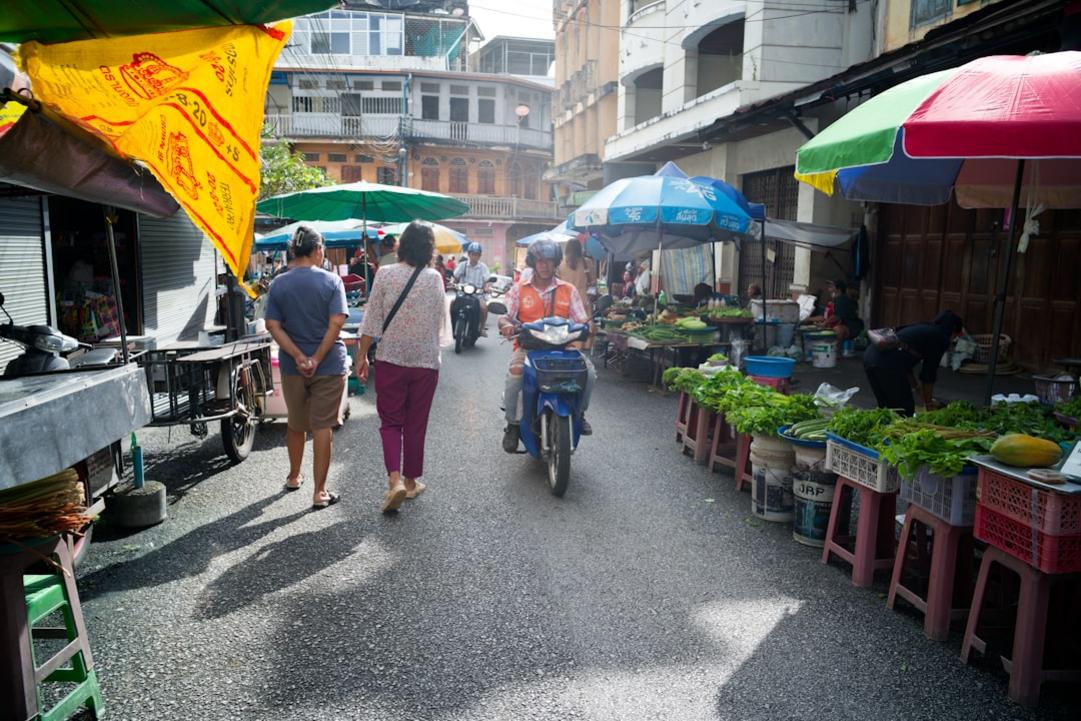
Brickfields, known as Little India, showcases colorful shopfronts and traditional Indian architecture, creating a lively atmosphere filled with the sounds of street vendors and cultural celebrations. The neighborhood is a hub for the Indian community, with bustling markets and temples that reflect its rich heritage.
Bukit Bintang
Bukit Bintang is the city's entertainment and shopping district, characterized by modern malls, vibrant nightlife, and a diverse crowd. The area buzzes with energy, especially at night, as locals and tourists flock to its many bars, restaurants, and shopping venues.
KLCC
The KLCC area is dominated by the iconic Petronas Towers and features a mix of high-end shopping, dining, and cultural attractions. The area is well-planned, with green spaces and pedestrian walkways that create a pleasant environment amidst the urban landscape.
Chinatown
Chinatown is a vibrant area filled with traditional shophouses, bustling markets, and a rich history that reflects Kuala Lumpur's multicultural roots. The streets are alive with the aroma of street food and the sounds of bargaining at the market stalls.
Kampung Baru
Kampung Baru is a traditional Malay village nestled amidst the modern city, characterized by wooden houses and a strong sense of community. The area offers a glimpse into the local way of life, with its markets and cultural events.
Where to eat and drink in Kuala Lumpur

Kuala Lumpur's food scene is a vibrant mix of Malay, Chinese, and Indian influences, reflecting the city's multicultural heritage. The use of local ingredients like pandan leaves and spices is prevalent, creating unique dishes that you won't find elsewhere in Malaysia. Street food thrives here, especially in neighborhoods like Jalan Alor, where you can sample a variety of flavors in one spot. The city's culinary landscape is also shaped by its bustling markets, where fresh produce and traditional snacks are readily available.
Must-try dishes
Nasi Lemak
A fragrant rice dish cooked in coconut milk, served with sambal, fried crispy anchovies, peanuts, and boiled egg.
Nasi Lemak is a beloved national dish, but Kuala Lumpur offers unique variations, especially at local stalls that elevate the sambal with regional spices.
Insider tip: Opt for the version with fried chicken for a satisfying meal.
Roti Canai
A flaky, buttery flatbread served with dhal or curry for dipping.
This dish reflects the Indian influence in Kuala Lumpur, with local eateries offering their own twists on the traditional recipe.
Insider tip: Ask for a side of spicy chicken curry to enhance the flavors.
Teh Tarik
A strong, frothy milk tea made by 'pulling' the tea between two containers.
Teh Tarik is a staple beverage in Kuala Lumpur, often enjoyed in social settings, showcasing the local tea culture.
Insider tip: Watch the tea being pulled for an entertaining experience.
Char Kway Teow
Stir-fried flat rice noodles with shrimp, Chinese sausage, eggs, and bean sprouts.
This dish is a favorite among locals, with Kuala Lumpur's hawker centers offering some of the best versions in the country.
Insider tip: Order it spicy for an extra kick.
Local drinks
- KopiEnjoy a cup at a traditional kopitiam in Chinatown, where the atmosphere is steeped in history.
A strong, sweet coffee made with robusta beans, often served with condensed milk.

Where to eat - by neighborhood
Kampung Baru
This traditional Malay enclave is filled with street food stalls and local restaurants, offering authentic dishes in a vibrant setting.
Insider tip: Try to visit during the evening when the street food scene comes alive with vendors and locals.
Brickfields
Known as Little India, this area is bustling with Indian eateries and shops, serving a variety of flavorful dishes.
Insider tip: Order a banana leaf meal for a communal dining experience that locals love.
Bukit Bintang
A lively area packed with food courts and street vendors, perfect for sampling a range of cuisines.
Insider tip: Join the locals at Jalan Alor for a late-night food crawl.
Chinatown
Famous for its hawker stalls and traditional Chinese restaurants, this neighborhood is a culinary hotspot.
Insider tip: Look for the stalls with the longest lines; they usually serve the best food.
Restaurants worth knowing
Restoran Rebung
Hakka Restaurant
Madam Kwan's
Local markets
| Petaling Street Market | Daily, 10 AM - 10 PM - Street food and local snacks, especially during the evening when the market is bustling. |
|---|---|
| Chow Kit Market | Daily, 6 AM - 6 PM - Fresh produce, spices, and traditional Malaysian ingredients. |
Dietary note
Many local dishes are halal, but it's advisable to check with individual vendors.
Daily budget for Kuala Lumpur
Kuala Lumpur's daily costs can be higher than other Malaysian cities due to its status as a major urban center and tourist destination. Expect to pay more for accommodation and dining, but still find great value in local markets and street food.
Shoestring
- lodging - dormitory bed in a hostel
- food - street food and local eateries
- transport - public transport and occasional Grab rides
- activities - entry fees to attractions
- buffer - miscellaneous expenses
Trade-offs: Staying in budget hostels may mean less privacy and amenities.
Comfort
- lodging - private room in a guesthouse
- food - mix of street food and casual dining
- transport - more Grab rides and occasional taxis
- activities - guided tours and entry fees
- buffer - miscellaneous expenses
Trade-offs: Comfortable lodging may be in busier areas, affecting noise levels.
Splurge
- lodging - upscale hotel in the city center
- food - fine dining and specialty restaurants
- transport - private transfers and taxis
- activities - premium experiences and tours
- buffer - miscellaneous expenses
Trade-offs: Luxury accommodations come with higher costs but offer superior service.
Money-saver tip
Eat at local hawker centers like Jalan Alor for delicious meals at budget prices.
Splurge that's worth it
Consider splurging on a visit to the SkyBar at Traders Hotel for stunning views of the Petronas Towers.
Skip to save
Avoid the overpriced tourist restaurants in Bukit Bintang, which often serve mediocre food at high prices.
Practical tips for Kuala Lumpur
Money
Cash or card. Kuala Lumpur is increasingly cashless, but some local eateries and markets still prefer cash. Always carry some Malaysian Ringgit (MYR) for small purchases, especially in street markets.
ATMs. ATMs are widely available throughout the city, with most accepting foreign cards. Look for Maybank or CIMB ATMs, which typically have lower fees for international withdrawals.
Tipping. Tipping is not mandatory but appreciated; rounding up the bill or leaving a 10% tip is common. For example, if your meal costs $15, consider leaving an extra $1.50.
Safety
Kuala Lumpur is generally safe for travelers, but like any major city, it has areas where caution is advised. Petty crime can occur, especially in crowded places.
Where to walk at night. Bukit Bintang and KLCC are safe for evening strolls, with plenty of people around. However, avoid Jalan Pudu after dark, as it can feel deserted and less secure.
Common scams:
- Taxi drivers overcharging tourists.
- Fake tour guides near major attractions.
- Pickpocketing in crowded markets.
Local warnings:
- Be cautious of street food hygiene during hot weather.
- Watch for uneven sidewalks in older neighborhoods.
- Beware of strong sun exposure; wear sunscreen.
Connectivity
Mobile data. Mobile data coverage is excellent in Kuala Lumpur, with several providers offering competitive rates. Consider getting a local SIM from Digi or Maxis for around $10-$15.
Wi-Fi. Most cafes and accommodations offer free Wi-Fi, but reliability can vary. Areas like Bukit Bintang have many cafes with good connectivity.
Late-night transit. Public transit options are limited late at night, with the metro typically closing by midnight. Rideshare services like Grab are your best bet for getting around after hours.
Language
Main language: Malay. English level: English is widely spoken in tourist areas and among younger locals. However, proficiency may vary in more residential neighborhoods.
Cultural notes
- Dress modestly when visiting religious sites, covering shoulders and knees.
- Always ask permission before taking photos of people.
- Use your right hand for giving and receiving items, as the left hand is considered impolite.
Solo female travel
Solo female travelers can navigate Kuala Lumpur comfortably, especially in busy areas like Bukit Bintang and KLCC. The city has a vibrant street life, and cafes are generally welcoming.
- Neighborhood: Stick to well-lit areas in Bukit Bintang after dark, where there are plenty of people around.
- Transport: Use rideshare apps like Grab for safe and reliable transport at night.
- Meeting people: Consider staying in hostels or guesthouses in Brickfields for a social atmosphere and opportunities to meet other travelers.
Frequently asked questions about Kuala Lumpur
1Is the Petronas Twin Towers Skybridge worth it?
Yes, visiting the Petronas Twin Towers Skybridge is worth it for the iconic views of Kuala Lumpur. However, book your tickets in advance to avoid long lines and ensure you get a time slot that fits your schedule.
2Kampung Baru or Chinatown - where should I stay?
Choose Kampung Baru for a more authentic Malay experience with local food and culture. Opt for Chinatown if you prefer vibrant street markets and a bustling nightlife scene.
3Should I skip Jalan Alor for a better food experience?
Skip it if you're looking for authentic local dining; instead, explore Chow Kit Market for a true taste of Kuala Lumpur's diverse food scene. Jalan Alor can be touristy and pricier after dark.
4What is the best time to visit Batu Caves?
Visit Batu Caves early in the morning to avoid the heat and crowds, especially on weekends. Arriving by 8:00 AM gives you a peaceful experience and ample time to explore.
5Is Kuala Lumpur safe for solo female travelers?
Yes, Kuala Lumpur is generally safe for solo female travelers, especially in well-populated areas like Bukit Bintang and Chinatown. Stay aware of your surroundings and avoid quiet streets at night.
6How many days should I spend in Kuala Lumpur?
Plan for at least three days to explore major attractions like the Petronas Towers, Batu Caves, and cultural neighborhoods. This allows time to enjoy local food and markets without rushing.
7What does a day cost in Kuala Lumpur?
Expect to spend around $60-$120 per day in 2026 for mid-range meals, transport, and entry fees. This budget allows for a comfortable experience while exploring the city.
8What is Nasi Lemak known for?
Nasi Lemak is known as Malaysia's national dish, featuring fragrant rice cooked in coconut milk, served with sambal, fried anchovies, peanuts, and boiled egg. It's a must-try for a true taste of local cuisine.
Estimate your daily budget
See realistic daily costs by tier and category.