


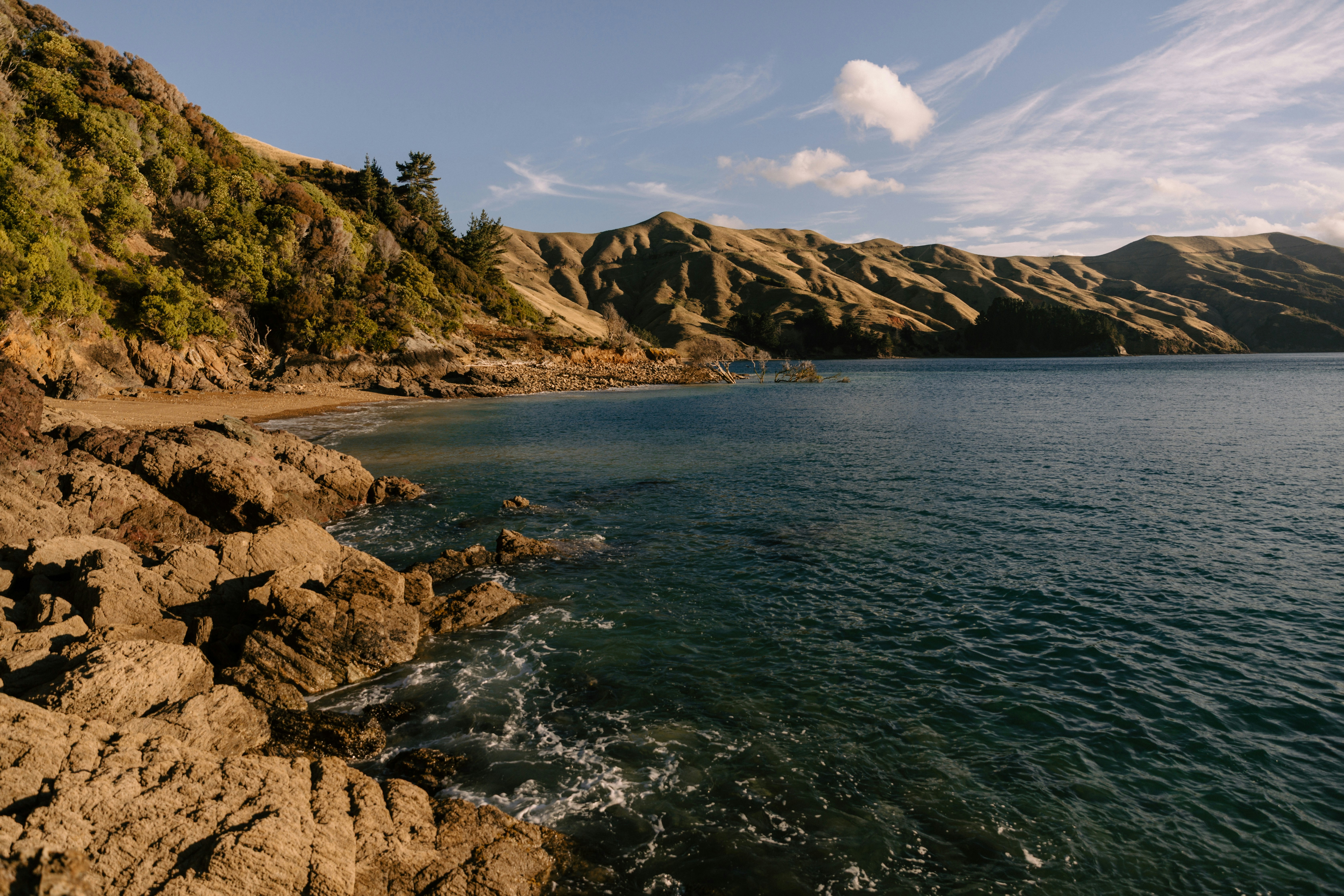
A villa can face an empty bay and still produce an exhausting holiday. The flight lands late, the rental-car desk has a queue, the road from the airport takes another two hours and breakfast the next morning is followed by a forty-minute drive because there is nowhere nearby to eat. The view is quiet. The trip is not. If the purpose of a vacation is to switch off, choose the destination by the amount of effort it removes.
Decide what you want less of
“Relaxing” is too vague to select a destination. Define the specific source of friction you are trying to escape.
If work has meant constant decisions, a self-catering road trip with a different town every night is a strange cure. If city noise is the problem, moving to a hotel above a nightlife street because the rooftop pool looks peaceful misses the point. If family life has meant rigid schedules, a vacation constructed around timed attractions creates another timetable.
Write down the three things you want less of. Useful categories include:
- Noise: traffic, nightlife, aircraft or crowded common areas.
- Decisions: restaurants, routes, reservations and daily planning.
- Movement: hotel changes, long transfers and repeated day trips.
- Schedules: early departures, timed entries and fixed meals.
- Social intensity: crowds, group tours or busy resort facilities.
Those answers should remove destinations before you start comparing photographs.
Treat the journey as part of the relaxation score
A remote destination can provide exceptional quiet after arrival and still be a poor choice for a short restorative break if reaching it consumes a large share of the trip.
Count the complete journey from your front door to the accommodation. Include the flight or train, connections, waiting time, airport transfer, ferry and final drive. Then repeat the exercise for the return journey.
Time-zone change matters as well. CDC describes jet lag as a sleep disturbance associated with rapid travel across time zones, with diagnostic criteria beginning at travel across at least two time zones. Its traveler guidance recommends switching to destination-time sleep and waking routines when the destination differs from home by more than three hours.
That does not make long-haul travel incompatible with relaxation. It means a short break and a long-haul restorative trip are different products. The farther the journey and the larger the time change, the more nights the destination needs to justify the transition. For a trip whose only goal is rest, a simpler destination often beats a more impressive one.
Avoid unnecessary hotel changes
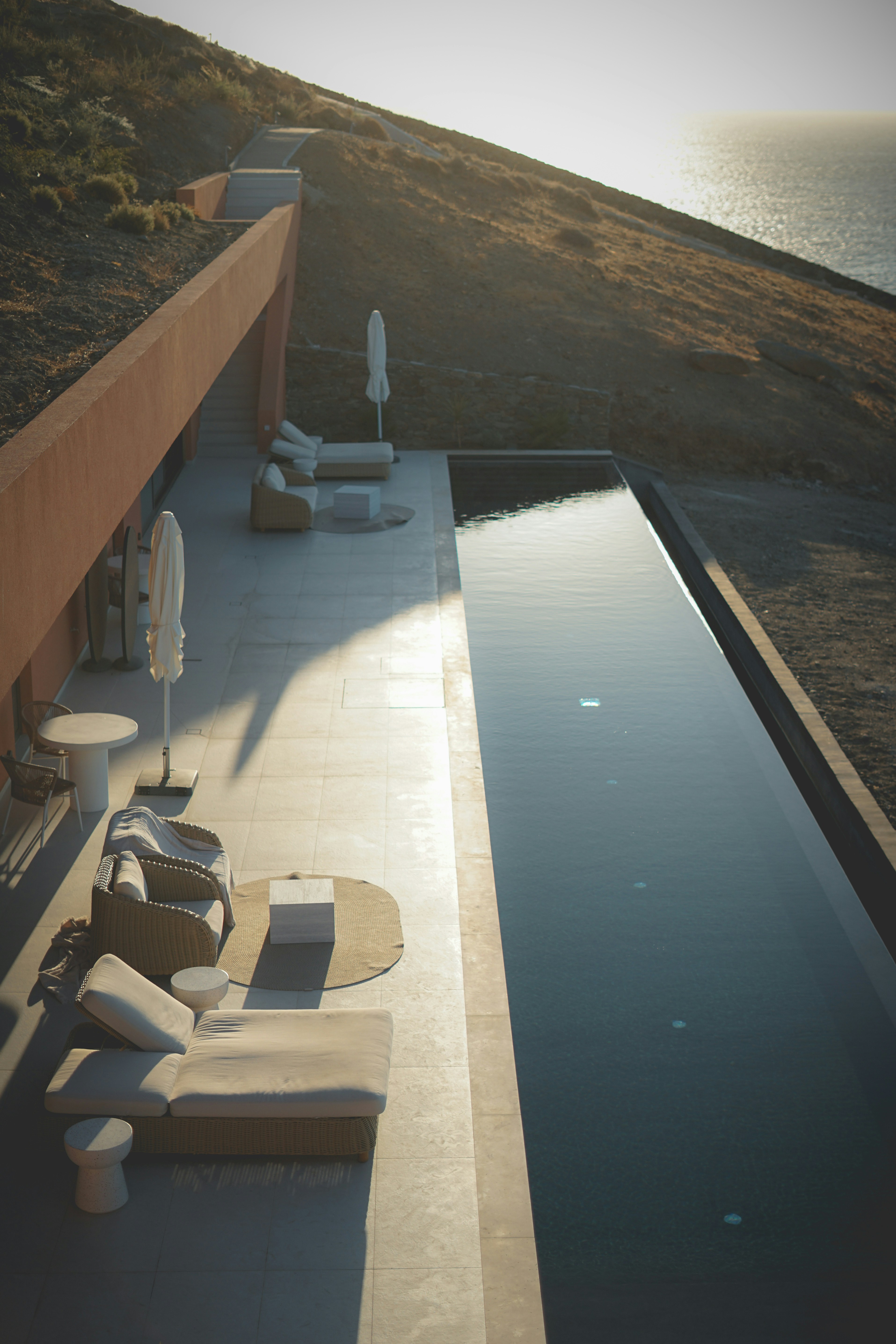
Changing accommodation creates work disguised as variety. Packing, checking out, storing bags, traveling, waiting for a room and unpacking again all sit outside the photographs used to sell a multi-stop itinerary.
For an exploration trip, that cost can be worthwhile. For a relaxation trip, start from the opposite assumption: one base unless moving materially improves the holiday. That does not mean staying inside one resort. A well-connected base can still provide several beaches, neighborhoods, walking routes or restaurants without turning every new experience into another check-in.
Before adding a second hotel, ask what it solves. If the answer is simply “we are already there, so we may as well see another place,” the move is probably serving the itinerary rather than the purpose of the trip.
Narrow the shortlist to one-base options
Filter candidate destinations, then favor the one where a single base gives you enough variety.
Choose the room location before the view
| Nighttime noise source | WHO recommended limit |
|---|---|
| Road traffic | below 45 dB Lnight |
| Rail | below 44 dB |
| Aircraft | below 40 dB |
Quiet is partly a property of the accommodation, not the destination. A peaceful coastal town can still contain a room above a late-night bar. A busy city can contain a quiet courtyard room several streets from through traffic.
WHO’s environmental-noise guidance recommends reducing nighttime road-traffic exposure below 45 dB Lnight because higher long-term exposure is associated with adverse sleep effects. Those values are environmental-health benchmarks rather than figures a hotel can normally promise, but they make the practical point: transport noise at night matters.
Read accommodation reviews specifically for noise. Search within them for road, traffic, bar, music, aircraft, construction, corridor, lift and thin walls. Then inspect the map. A room beside a main road, railway line or airport approach can create a different holiday from the same hotel’s rear-facing rooms. If sleep is the priority, a sea view is secondary to what happens after the curtains close.
Protect sleep from the itinerary
Adults aged 18-60 generally need at least 7 hours of daily sleep, according to CDC guidance. Adults aged 61-64 generally need 7-9 hours, while those aged 65 and older need 7-8 hours.
A supposedly restorative vacation that repeatedly requires a 5:30 a.m. alarm is therefore worth questioning, even when every early start leads somewhere worthwhile.
Look at what the destination demands. Are the best wildlife excursions only at dawn? Does every useful ferry leave early? Is breakfast tied to a narrow window? Does visiting the main sights without crowds require arriving before opening? None of those things is inherently bad. They simply belong in a different type of trip if the main goal is rest.
Time-zone travel adds another layer. CDC notes that short daytime naps can help with jet lag, but advises keeping them brief because longer daytime sleep can make nighttime adjustment harder, suggesting roughly 15-20 minutes. A relaxing destination gives sleep room in the schedule instead of treating it as time stolen from sightseeing.
Check whether the quiet disappears in peak season
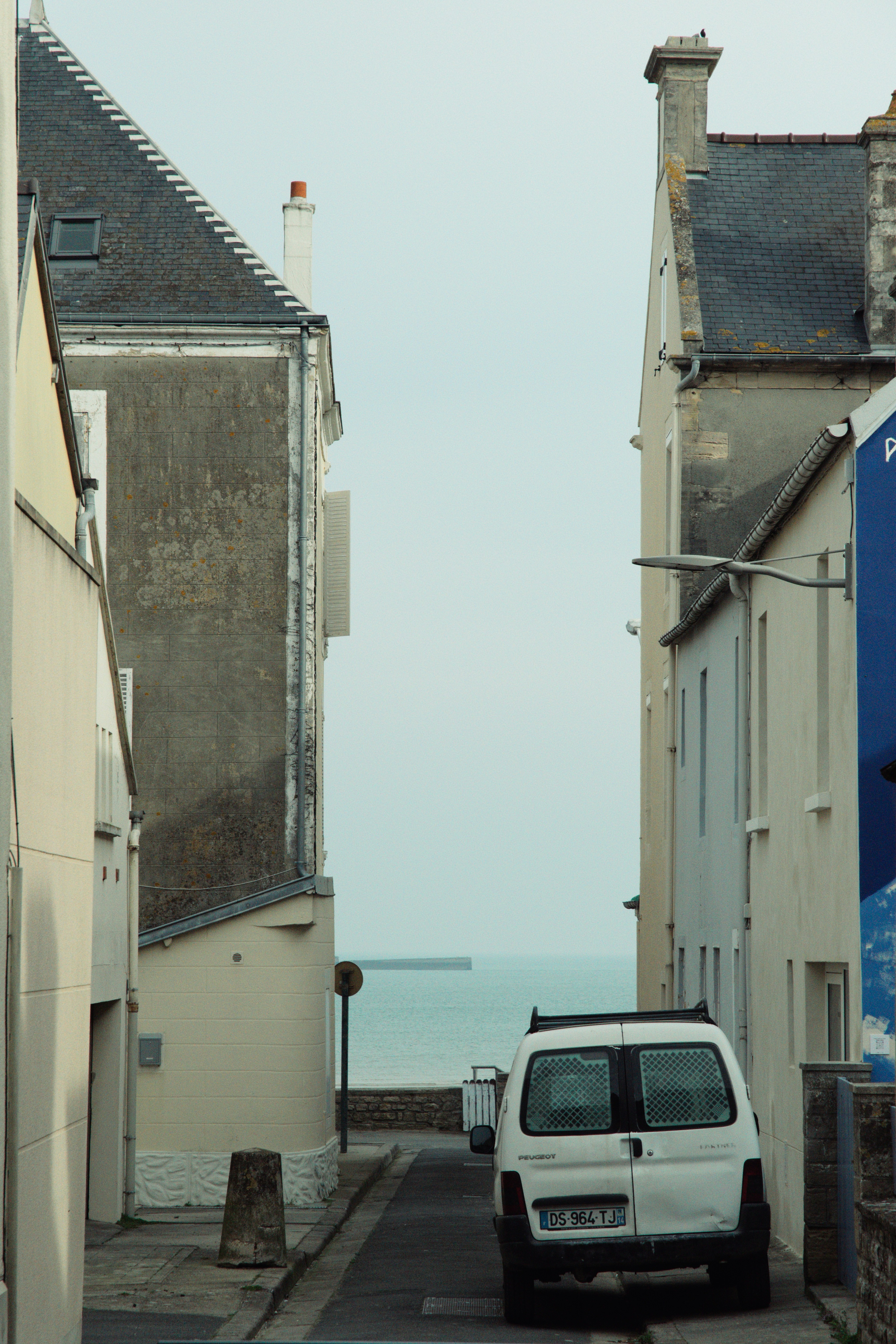
A destination does not have one permanent atmosphere. The same village can feel empty in one month and overloaded several weeks later.
Quiet-travel specialists increasingly make season part of the destination decision for exactly this reason, recommending a look at atmosphere and season together and considering periods outside peak demand when a famous destination is otherwise too busy for the intended experience.
Do not interpret this as “always travel off-season.” A closed restaurant scene, unreliable weather or reduced ferry schedule can create new forms of friction. Instead, compare the compromises.
Find the calmer weather window
Narrow the climate window first, then check local opening periods and ferry timetables for that month.
The right period is not necessarily the quietest. It is the one where lower crowd pressure does not require sacrificing the services that make the holiday easy.
Make ordinary days almost automatic
A genuinely relaxing destination makes breakfast, lunch, a walk and dinner easy even when you plan nothing.
Check what sits within a comfortable radius of the accommodation. Is there somewhere to eat without booking? Can you buy water, fruit or sunscreen nearby? Is there a beach, park, promenade or old town that does not require transport? This is the difference between peaceful isolation and inconvenient isolation.
A remote property with no nearby food can be excellent when meals are included. The same property can become a daily logistics exercise when every meal requires driving. A central apartment can remove that effort, but create another problem if its street stays noisy until early morning. Judge the complete setup rather than the label. Resort, city, island and countryside can all be relaxing when ordinary needs are simple to meet.
Leave enough nearby options to prevent boredom
Doing nothing is relaxing when doing nothing is the choice. It feels different when there is literally nothing else available.
The strongest restorative destinations offer low-effort alternatives rather than packed activity schedules: a short walking route, somewhere to swim, a cafe, a market, a garden, a spa, a small museum or easy access to nature.
Natural sound can itself be part of that experience. The US National Park Service says research associates natural sounds with reduced stress and improvements in mood, cognition and social well-being, and that noise can materially affect how visitors experience protected landscapes. That does not mean a forest automatically beats a city. It means the surrounding environment should support the feeling you are trying to create rather than constantly interrupt it.
A useful relaxation destination gives you enough options that you never feel trapped, but not so many that you feel obliged to use them all.
Choose the destination with the lowest friction
Put the finalists side by side and compare the trip that happens after booking.
Key takeaways
- Count transport stages and the time-zone change, not just the destination’s reputation for calm.
- One base beats several unless a second stop clearly earns its place.
- Check nighttime noise sources (road, rail, aircraft) and confirm sleep is not sacrificed to the itinerary.
How many transport stages get you there? How disruptive is the time-zone change? Can you use one accommodation? Is nighttime noise likely? Can you sleep without a daily alarm? Are food and low-effort activities close by? Does the destination still function outside its busiest month? The answer with the shortest sightseeing list can still be the better holiday.
A relaxing trip succeeds when there is very little to manage once you arrive. The empty bay outside the window matters, but only after the airport transfer, room, sleep and ordinary meals stop demanding attention. That is when a quiet view finally becomes a quiet vacation.
FAQ
01How many hours of sleep should a relaxing vacation protect?
CDC guidance puts the baseline at 7 hours for adults aged 18-60, 7-9 hours for adults aged 61-64, and 7-8 hours for adults aged 65 and older. An itinerary that repeatedly forces early alarms works against that goal.
02Does a remote destination automatically mean a more relaxing trip?
Not necessarily. A remote destination can add so much travel time and time-zone disruption that it undermines a short restorative break. For a brief trip, a simpler, closer destination can relax you more.
03Should I stay in one hotel or move between several during a relaxing trip?
Default to one base unless moving materially improves the holiday. Packing, checking out and waiting for a new room all add work that a relaxation-focused trip should avoid.
04How much nighttime noise is considered a sleep risk?
WHO environmental-noise guidance recommends staying below 45 dB Lnight for road traffic, 44 dB for rail and 40 dB for aircraft noise, since higher long-term exposure is linked to adverse sleep effects.
05Is off-season travel always the more relaxing choice?
Not always. Off-season can bring closed restaurants, unreliable weather or reduced ferry schedules. Compare the specific compromises for your destination rather than assuming quieter always means better.
06What matters more for relaxation: the accommodation or the destination?
Both, but room location often decides more than destination reputation. A peaceful town can still contain a noisy room above a bar, while a busier city can offer a quiet courtyard room.


