


Visit Cambodia from November to February for cool, dry weather and fewer crowds at Angkor’s temples.
Most travelers expect Cambodia’s rainy season to be a washout, but the monsoon actually transforms the temples into lush, adventurous landscapes. November delivers a welcome break with highs around 87°F (30.5°C) and 16 rain days, cooling the intense heat. In contrast, May floods the region with 200mm of rain over 25 days, turning Angkor Wat into a mystical, waterlogged maze. How does this shifting weather shape your trip options?
Cambodia’s climate is ruled by the southwest monsoon, which sweeps moisture inland from the Gulf of Thailand, peaking in May through October. Unlike neighboring countries, Cambodia’s relatively flat terrain and tropical monsoon zone mean the rain hits hard but briefly, with little altitude variation to moderate temperatures. Coastal areas like Sihanoukville experience similar patterns but with slightly more humidity. Timing your visit here matters more than in Thailand or Vietnam because the monsoon’s start and retreat directly impact access to outdoor temple sites and adventure activities.
This guide ranks every month by weather, crowd levels, and travel value using verified 2024 climate data. It highlights obvious traps like the heavy rains in May and September, while detailing why November and December remain top picks. Expect clear verdicts tailored to cultural explorers and slow travelers, preparing you for the best window to experience Cambodia’s unique monsoon-driven seasons.
The Bottom Line
For most travelers focused on temples and culture, November to February offers the best balance of comfort, access, and atmosphere. May suits those seeking solitude and mystical monsoon moods but requires flexibility with weather disruptions.
Compare Countries Month-by-Month
Use pack-lightly’s best-travel-time-worldmap to compare month-by-month climate and crowd patterns across multiple countries, helping you pick the ideal window for your next cultural adventure.
Quick Facts
- November: 87°F highs, 16 rain days — cooler and drier for temple exploration
- May: 200mm rain, 25 rain days — heavy monsoon floods limit outdoor activities
- December–January: Peak crowds raise prices significantly, especially around holidays
- June to September: Cheapest months with lowest prices but heavy rain and humidity
- Cambodia’s flat terrain means monsoon rains hit evenly, no mountain refuge nearby
- Solo female travelers find November best for safe, dry conditions and active days
Monthly Weather Overview
| Month | Rating | Day Temp | Night Temp | Sun Hours | Rainfall | Humidity | UV | Crowds |
|---|---|---|---|---|---|---|---|---|
| January | 5★ | 90°F (32°C) | 72°F (23°C) | 321 | 15mm | 66% | 6 | Medium |
| February | 5★ | 91°F (33°C) | 75°F (24°C) | 307 | 21mm | 65% | 7 | Medium |
| March | 4★ | 94°F (34°C) | 77°F (25°C) | 351 | 39mm | 64% | 9 | High |
| April | 2★ | 94°F (35°C) | 78°F (26°C) | 330 | 111mm | 71% | 11 | High |
| May | 1★ | 92°F (34°C) | 79°F (26°C) | 310 | 200mm | 79% | 11 | Low |
| June | 1★ | 91°F (33°C) | 78°F (26°C) | 276 | 177mm | 80% | 9 | Low |
| July | 1★ | 90°F (32°C) | 78°F (25°C) | 261 | 212mm | 81% | 11 | Low |
| August | 1★ | 90°F (32°C) | 78°F (25°C) | 278 | 236mm | 81% | 11 | Low |
| September | 1★ | 87°F (31°C) | 77°F (25°C) | 228 | 344mm | 86% | 9 | Low |
| October | 1★ | 87°F (31°C) | 76°F (24°C) | 266 | 341mm | 86% | 7 | Low |
| November | 4★ | 87°F (31°C) | 75°F (24°C) | 291 | 174mm | 80% | 6 | Medium |
| December | 5★ | 87°F (31°C) | 73°F (23°C) | 312 | 34mm | 70% | 6 | Medium |
Temperature & Rainfall
Temperature (°F)
Rainfall (mm)
When to Go
Ideal
peak crowd · premium
Ideal
low crowd · mid
Okay
low crowd · mid
Okay
medium crowd · mid
Okay
medium crowd · budget
Avoid
low crowd · budget
Avoid
low crowd · budget
Avoid
low crowd · budget
Avoid
low crowd · budget
Okay
medium crowd · mid
Ideal
high crowd · mid
Ideal
peak crowd · premium
Okay
Avoid
Month-by-Month Breakdown
January in Cambodia: Peak Dry Season with Clear Skies
Book this month if you want premium access to temples with minimal rain interruptions.
Cambodia in January feels bright and comfortably warm, especially around Phnom Penh’s bustling markets and Angkor’s sprawling temple complexes. Daytime highs hover near 88°F with only three rain days, making trails and city walks reliably dry. This weather lets you explore temples fully without muddy paths or monsoon delays. Expect crowds and prices to peak compared to November or February, especially around New Year’s and Western holidays. Many travelers underestimate how quickly accommodations fill up this month, so last-minute bookings can hit premium rates. Lock in your stay early to avoid inflated costs and limited availability.
What this means for you
- Temple visits are smooth with dry trails, enabling long days of exploration without weather disruption.
- Higher hotel and tour prices require booking weeks ahead to secure mid-budget options.
- City tours and cultural experiences run at full capacity, so plan for some crowd navigation.
Events & culture
- Western New Year holidays boost visitor numbers, raising prices and crowd density in tourist hubs.
Pro tip
Reserve Angkor Park passes online before arrival to skip ticket lines during January’s peak influx.
February in Cambodia: Warm Days and Quiet Temples
Book this month if you want fewer crowds but similar dry season comfort to January.
February continues the dry season’s hold with daytime highs around 91°F and just three rain days, ensuring temples and cities stay accessible and pleasant. This month sees a slight dip in visitors compared to January, making for a more relaxed pace at Angkor and Phnom Penh’s cultural sites. The air holds low humidity, and sunshine is abundant, ideal for long walks and photography. Prices soften slightly but stay above off-season levels, reflecting ongoing demand. Travelers often overlook how February’s balance of warmth and calm makes it a perfect shoulder month for slow cultural exploration. Book now to secure mid-tier accommodations before March’s heat rises.
What this means for you
- Early mornings are perfect for temple visits before midday heat peaks near 91°F.
- Slightly lower crowds improve the experience at popular sites like Angkor Wat and Bayon.
- Accommodation prices remain stable but benefit from early booking to avoid last-minute surges.
Pro tip
Head to Phnom Penh’s riverside after sunset for cooler temperatures and lively local dining scenes.

March in Cambodia: Rising Heat and Early Monsoon Signs
Skip unless you tolerate hotter days and want early access before April’s monsoon onset.
March brings a noticeable jump in temperatures, with highs reaching 94°F and rain days increasing to six, signaling the slow approach of the monsoon. Phnom Penh’s streets shimmer with heat, and the air grows more humid, making afternoon activities less comfortable. Temples remain open, but the rising heat demands earlier starts and strategic breaks. Prices and crowd levels stay low, as many travelers avoid the discomfort. The risk is underestimating how quickly the weather can shift, with occasional brief storms disrupting outdoor plans. Booking in March suits those who want to beat April’s intensity but still want a dry window.
What this means for you
- Plan temple visits for early morning to avoid 94°F heat and midday humidity spikes.
- Afternoon storms could interrupt city walking tours and outdoor cultural events.
- Lower crowds allow more personal space but require flexible scheduling due to unpredictable weather.
Events & culture
- Khmer New Year preparations start late March, with gradual increase in local festivities and temple visits.
Pro tip
Book accommodations near Angkor with air conditioning, as daytime highs push comfort limits this month.
April in Cambodia: Heat Peaks Amid Khmer New Year Festivities
Book this month if you want cultural immersion during Khmer New Year despite rising heat.
April is the hottest month, with highs around 94°F and humidity climbing, alongside 15 rain days that hint at the monsoon’s arrival. The entire country pulses with Khmer New Year energy—temples and streets fill with ceremonies, water fights, and traditional dance. While daytime heat can be oppressive, morning temple visits remain feasible. Crowds swell compared to March, driven by domestic tourism and regional visitors joining celebrations. Prices hold steady in the mid-tier range but expect surges around the New Year holiday week. Many travelers underestimate how the festival’s vibrancy offsets the discomfort of heat and sporadic showers.
What this means for you
- Expect limited temple access during midday heat spikes; mornings and late afternoons are best.
- Khmer New Year crowds require early bookings for accommodation and transport.
- Afternoon rains can cool the air briefly but disrupt outdoor plans unpredictably.
Events & culture
- Khmer New Year (mid-April) dominates cultural life, with nationwide celebrations impacting transport and bookings.
Pro tip
Secure guesthouses in Siem Reap at least a month in advance to avoid full bookings during Khmer New Year.

May in Cambodia: Monsoon Mystique and Temple Solitude
Book this month only if you want empty temples and can handle heavy rains and mud.
May plunges Cambodia into full monsoon mode, with daily highs near 92°F but 25 rain days that drench the landscape and flood trails, especially around Angkor. The country transforms into a lush, reflective wonderland as temples mirror in swollen lakes, creating unique photo opportunities. However, heavy rains limit nature adventures and city walks—expect afternoon downpours and muddy conditions. Prices drop to budget levels, and crowds thin dramatically compared to April, making it the quietest month for cultural sites. Many travelers miss how May’s mystical atmosphere compensates for weather challenges if you’re flexible and patient. Book with weather contingency in mind.
What this means for you
- Temple reflections in flooded moats offer rare photography but require waterproof gear.
- Heavy rains make hiking and nature exploration risky and sometimes impossible.
- Low prices and empty temples reward travelers who can adapt to weather unpredictability.
Events & culture
- Start of monsoon floods transforms Angkor’s landscape, affecting access and creating unique temple views.
Pro tip
Arrive mid-month when rainfall patterns stabilize briefly, offering windows for dry exploration.
June in Cambodia: Wettest Month with Budget Travel Perks
Skip unless you prioritize low prices and don’t mind frequent rain interruptions.
June remains deeply entrenched in the monsoon season, with highs near 91°F and 24 rainy days saturating the flat landscape. Phnom Penh and Siem Reap experience near-constant humidity and afternoon storms that can last hours, limiting outdoor temple tours and city strolls. This wettest month sees the lowest visitor numbers, driving prices down to budget territory. The heavy rains also create challenges for nature adventurers, as trails become slippery and some roads impassable. Many travelers wrongly expect quick rain bursts; instead, plan for prolonged wet conditions. Booking last minute can yield excellent deals, but flexibility is essential for a smooth trip.
What this means for you
- Frequent afternoon storms require flexible daily plans and indoor cultural activities.
- Budget accommodations are abundant but may vary in quality due to seasonal demand.
- Temple visits early in the day maximize dry weather windows before rains begin.
Pro tip
Choose hotels near central Siem Reap to minimize transit delays caused by flooded roads.

July in Cambodia: Peak Monsoon with Heavy Rains
Expect persistent downpours and high humidity that limit outdoor plans.
July delivers intense monsoon conditions with highs near 90°F and 25 rain days soaking the landscape. The heavy rains flood trails and slow temple visits, turning nature adventures into wet challenges. Prices hit rock bottom as most travelers avoid this soggy stretch, meaning you can score budget stays but face limited activity options. The steady humidity at 81% makes city strolls sticky and less comfortable. Booking last minute works here, but be ready to pivot plans if storms hit. This month suits travelers who prioritize cost savings over dry, hassle-free exploration.
What this means for you
- Outdoor temple visits often disrupted by heavy rain and muddy paths.
- Accommodation and tour prices are at their lowest, ideal for budget travelers.
- Humidity and wet conditions reduce comfort for extended city or nature walks.
Events & culture
- Water Festival preparations begin but actual celebrations occur later in the year.
Pro tip
Carry quick-dry gear and plan indoor cultural visits to dodge monsoon downpours.
August in Cambodia: Relentless Rain and Sparse Crowds
Heavy rains persist, keeping crowds thin and prices low but limiting activity windows.
August stays firmly in monsoon grip with highs around 90°F and 26 rain days, pushing humidity to 81%. Flooded trails and frequent storms make temple exploration unpredictable and often short-lived. The low visitor numbers translate into excellent deals on lodging and tours, but expect many outdoor plans to be washed out. Indoor cultural experiences in Phnom Penh become your fallback. Booking flexibility is your best friend this month; lock in refundable options to adapt to weather swings. August is for travelers who accept wet conditions in exchange for solitude and savings.
What this means for you
- Expect frequent interruptions to outdoor sightseeing due to rain.
- Low demand means budget-friendly accommodation and tour rates.
- Plan for indoor activities or short excursions between storms.
Pro tip
Choose centrally located hotels to minimize travel during heavy rain spells.

September in Cambodia: Wettest Month with Limited Outdoor Access
Prepare for heavy flooding and near-constant rain that restricts temple visits.
September is the wettest month, with highs around 87°F and 28 rain days dumping 344mm of rain. The saturated terrain and swollen rivers make many outdoor routes impassable, forcing cancellations or short excursions only. Despite the weather, prices remain low and crowds minimal, allowing you to experience Cambodia’s culture with few tourists around. Humidity peaks at 86%, adding to discomfort during any outdoor activity. Booking is best done with flexible cancellation policies, as weather can disrupt plans at short notice. This month suits travelers focused on urban culture or willing to embrace monsoon unpredictability.
What this means for you
- Most outdoor temple and nature activities are severely limited by flooding.
- Accommodation prices stay low due to minimal tourist demand.
- High humidity and rain require careful packing and flexible scheduling.
Pro tip
Keep a close eye on weather forecasts and secure refundable bookings.
October in Cambodia: Monsoon Winds Down, Trails Still Muddy
Rain remains frequent but less intense, opening limited windows for exploration.
October sees a slight break in the monsoon with highs near 87°F and 26 rain days, dropping precipitation to 341mm. Trails remain muddy and some temples partially flooded, but intermittent sunshine offers chances to explore. Tourist numbers start to pick up, nudging prices into the mid-range. The humidity at 86% still weighs on comfort, but the improving weather signals the coming dry season. Cultural events begin to re-emerge, adding local flavor to your visit. Book ahead to secure mid-tier accommodations as demand rises, especially towards month-end.
What this means for you
- Intermittent dry spells allow partial temple access but expect muddy conditions.
- Prices increase from budget to mid-range as visitors return.
- Humidity remains high, so pace your outdoor activities accordingly.
Events & culture
- Pchum Ben festival often falls in late September or early October, offering cultural insight.
Pro tip
Schedule temple visits for mid-morning when rain often pauses.
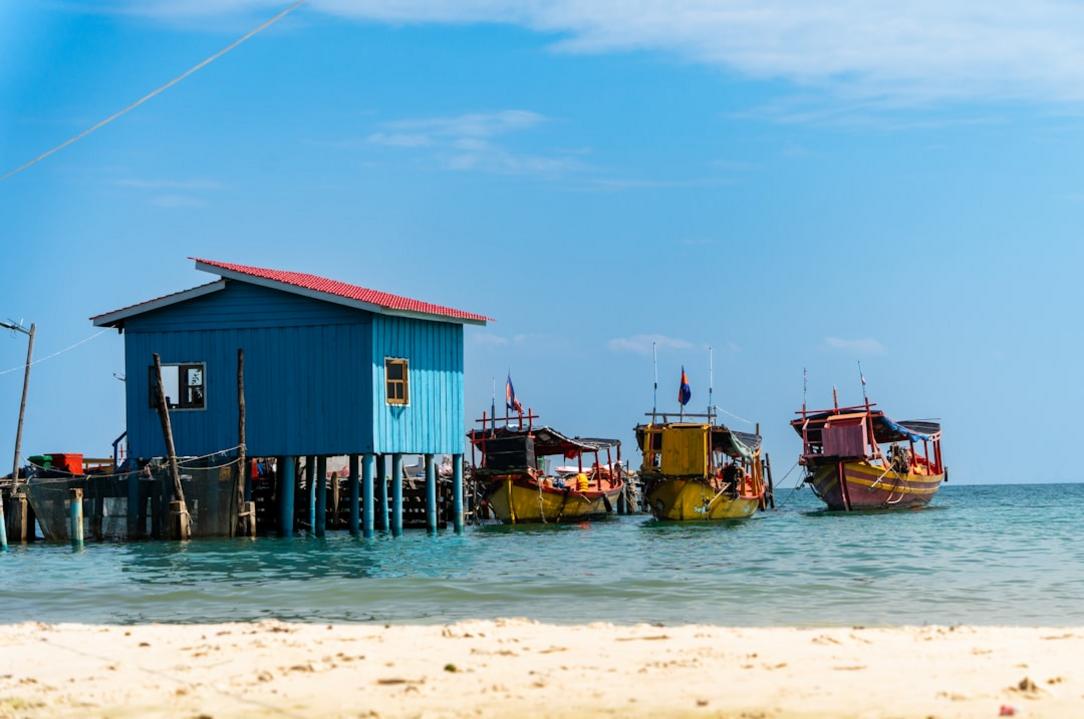
November in Cambodia: Cooler, Drier, and Adventurous
Ideal for temple exploration with cooler temps and fewer rain interruptions.
November shifts into the dry season with highs around 87°F and rain days dropping to 16. The weather cools slightly, humidity falls to 80%, and sunshine climbs to nearly 291 hours, making temple trails firm and accessible. Tourist numbers increase but remain manageable, keeping prices reasonable compared to peak months. This month balances adventure and comfort, letting you explore Angkor and Phnom Penh without the monsoon’s mud or crowds. Book accommodations early to lock in mid-tier rates and secure your preferred itinerary during this popular window.
What this means for you
- Dry trails and cooler temperatures enhance temple and nature exploration.
- Mid-range prices with moderate crowd levels offer good value.
- Sunshine hours support longer days of sightseeing and photography.
Events & culture
- Bon Om Touk (Water Festival) preparations begin, energizing local culture.
Pro tip
Reserve Angkor temple passes online to avoid queues during this busy month.
December in Cambodia: Peak Dry Season with Bright Skies
Book this month for premium temple access and minimal rain disruptions.
December delivers near-perfect weather with highs at 87°F and only 5 rain days, dropping precipitation to a mere 34mm. Humidity falls to 70%, and sunshine peaks at 312 hours, creating ideal conditions for extended temple visits and city tours. Crowds swell, especially around holidays, pushing prices into the premium tier. Accommodations and tours fill quickly, so early booking is essential to avoid inflated costs. The dry, clear weather supports cultural festivals and outdoor dining, rounding out a rich travel experience. Secure your plans well in advance to maximize comfort and access.
What this means for you
- Consistently dry trails enable uninterrupted temple and nature exploration.
- Premium prices and high crowds require early reservations.
- Extended daylight and low humidity improve overall travel comfort.
Events & culture
- International Christmas and New Year celebrations increase visitor activity.
Pro tip
Book hotels and tours at least 2-3 months ahead to avoid premium surcharges.
What Makes Cambodia’s Climate Different
- Cambodia’s monsoon hits evenly across its flat terrain, so unlike neighboring Vietnam or Thailand, there’s no highland refuge from heavy rains during the wet season.
- The Tonle Sap Lake’s flood pulse from July to October reshapes local ecosystems and limits access to certain floating villages and nature reserves temporarily.
- National holidays like Khmer New Year in mid-April cause sharp spikes in domestic travel and accommodation prices, distinct from Western holiday patterns.
- Unlike Thailand’s west coast, Cambodia’s monsoon timing doesn’t flip between east and west coasts; the entire country shares a largely synchronized wet season from May through October.

Who Should Go When
The Temple Crawler
November to February offers dry trails and cooler temps for exploring Angkor and remote ruins in comfort.
- November and February deliver 87–91°F daytime highs, ideal for full-day temple circuits without afternoon storms.
- December through January brings peak crowds and price hikes, so book hotels near Angkor early to avoid surcharges.
- Solo female travelers find November safest for dry conditions and active days, with plenty of daylight for solo exploration.
- Use early mornings for Angkor Wat sunrise and late afternoons for quieter temples like Banteay Srei.
The Monsoon Mystic
May invites solitude and surreal temple reflections amid heavy rains and near-empty sites.
- Expect 25 rainy days and 200mm precipitation, softening the midday heat but limiting long outdoor treks.
- Temples like Preah Khan flood partially, creating dramatic mirror images perfect for photography.
- Accommodation rates drop by up to 40% compared to peak season, with flexible last-minute deals common in Siem Reap.
- Plan indoor cultural activities or short morning temple visits before afternoon storms roll in.
The City & Nature Explorer
June to September suits travelers prioritizing Phnom Penh’s urban scene and Tonle Sap’s flooded forests despite heavy rains.
- Heavy rainfall and humidity dominate, but Phnom Penh’s museums and markets remain accessible and less crowded.
- Boat tours on Tonle Sap are limited but reveal unique wildlife during flood peaks from July to August.
- Hotel prices drop 30–50% compared to dry season, allowing mid-budget travelers to upgrade accommodations.
- Solo female travelers should plan daytime city activities and use trusted transport options after rainstorms.

Insider Tip
Book accommodations near Siem Reap at least 3 months ahead for November to January. Rates spike sharply during the Angkor Festival in early December, so early booking secures better prices and availability, especially around the UNESCO temple complex where demand surges unexpectedly.
Frequently Asked Questions
1Can I visit Angkor temples during May’s monsoon without major disruptions?
Yes, but expect 25 rainy days with heavy afternoon storms. Morning visits are feasible, and temple reflections on flooded grounds offer unique views. Trails may be muddy, limiting extensive hikes.
2How much cheaper is traveling Cambodia in June compared to December?
June hotel rates and tours in Siem Reap can be 30–50% cheaper than December, especially around Angkor temples, due to low tourist demand and heavy monsoon rains.
3What is the worst month for flooding affecting travel plans in Cambodia?
September is typically the peak flood month, with up to 300mm of rain and widespread waterlogging, which can restrict access to rural sites and nature reserves.
4Does climate vary significantly between Phnom Penh and northern Cambodia?
No significant variation exists; Cambodia’s flat terrain means both Phnom Penh and northern sites like Siem Reap share synchronized wet and dry seasons with similar temperatures.
5Are there any local events that impact travel timing in Cambodia?
Yes, Khmer New Year in mid-April causes domestic travel surges and accommodation price spikes, making late April less ideal for international visitors seeking quiet.
6When do temple trails around Angkor become fully accessible after monsoon rains?
Trails dry out by early November, with less than 16 rainy days, restoring full access to remote ruins and forested temple sites.