


The scent of damp stone and moss rises near Ta Prohm’s crumbling walls, where roots twist through ancient carvings.
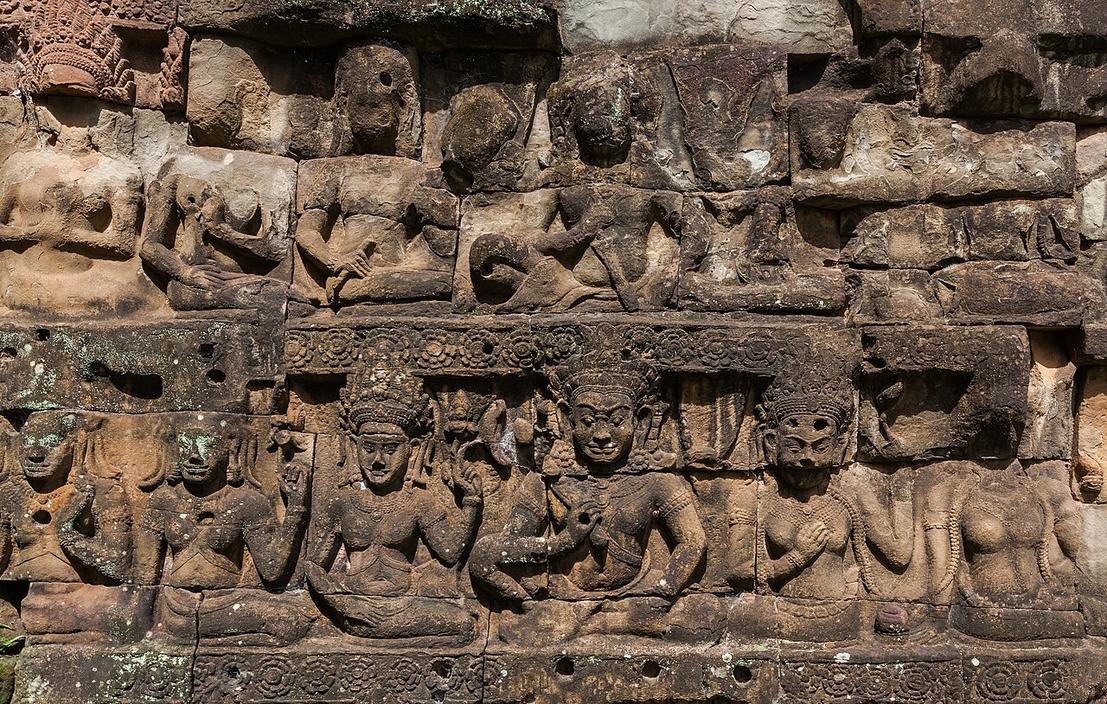
Angkor Archaeological Park sprawls across dense jungle just outside Siem Reap, Cambodia, covering roughly 190 square miles / 490 km². Visitors come to explore the world’s largest temple complex, including Angkor Wat and the enigmatic Bayon temple in Angkor Thom. The park’s two main zones, Angkor Thom and the Angkor Wat precinct, offer contrasting experiences: Angkor Thom’s carved faces and urban ruins contrast with Angkor Wat’s monumental scale and detailed bas-reliefs. The jungle reclaims many temples, especially Ta Prohm, creating a layered encounter with history and nature few other sites offer. Unlike coastal ruins, this site demands multi-day visits to grasp its scale and complexity. Expect to spend mornings at major temples and afternoons wandering lesser-known ruins or local villages to understand the region’s heritage beyond the stones.
Visit Angkor Wat for sunrise and bas-reliefs, explore Bayon’s stone faces in Angkor Thom, wander Ta Prohm’s jungle-entwined ruins, and walk the ancient causeways for village life insights.
Key takeaways
- Buy a 3-day Angkor pass (~$62, 2026) for full access to major temples.
- Start sunrise at Angkor Wat’s west entrance to avoid crowds and heat.
- Stay in Siem Reap’s Old Market area for easy access and local eateries.
- Hire a licensed guide for $25-$35/day to unlock temple histories and symbolism.
- Visit Ta Prohm mid-morning to catch softer light and fewer tour groups.
- Plan temple visits between 7 AM and 11 AM to avoid afternoon heat and rain.
- Carry cash in small USD bills for entry fees, tips, and local purchases.
Why visit Angkor Archaeological Park
Angkor Archaeological Park stands apart from Cambodia’s other famous sites like Phnom Penh and Sihanoukville due to its unparalleled concentration of ancient temples and intricate Khmer architecture. Unlike the urban bustle of Phnom Penh or the coastal resorts of Sihanoukville, Angkor offers a vast, immersive landscape centered around the iconic Angkor Wat temple complex. The park’s layout, featuring interconnected temples such as Bayon and Ta Prohm, reveals a sophisticated urban planning approach from the Khmer Empire. This unique spatial arrangement invites visitors to explore a rich historical narrative embedded in both monumental structures and surrounding natural features like the Siem Reap River.
- Angkor Wat is the world’s largest religious monument, covering over 162 hectares with unmatched architectural complexity.
- Bayon temple’s 216 enigmatic stone faces uniquely illustrate Khmer spiritual and political symbolism in temple layout.
- Ta Prohm’s jungle-overgrown ruins offer a rare, photogenic blend of nature reclaiming ancient stonework, unlike other sites.
- The park’s layout reflects the Khmer Empire’s cosmology, with temples aligned to cardinal points and celestial events.
- Unlike Phnom Penh’s urban museums, Angkor’s open-air setting immerses visitors in a living archaeological environment.
Best for
History enthusiasts and cultural explorers who appreciate detailed architectural layouts will love Angkor Archaeological Park. It suits travelers comfortable with walking extensive grounds and those intrigued by ancient urban planning.
Skip if
Visitors seeking vibrant nightlife or beach relaxation should skip Angkor and head to Sihanoukville instead, which offers coastal resorts and lively entertainment.
Top things to do in Angkor Archaeological Park
1. Sunrise at Angkor Wat ·
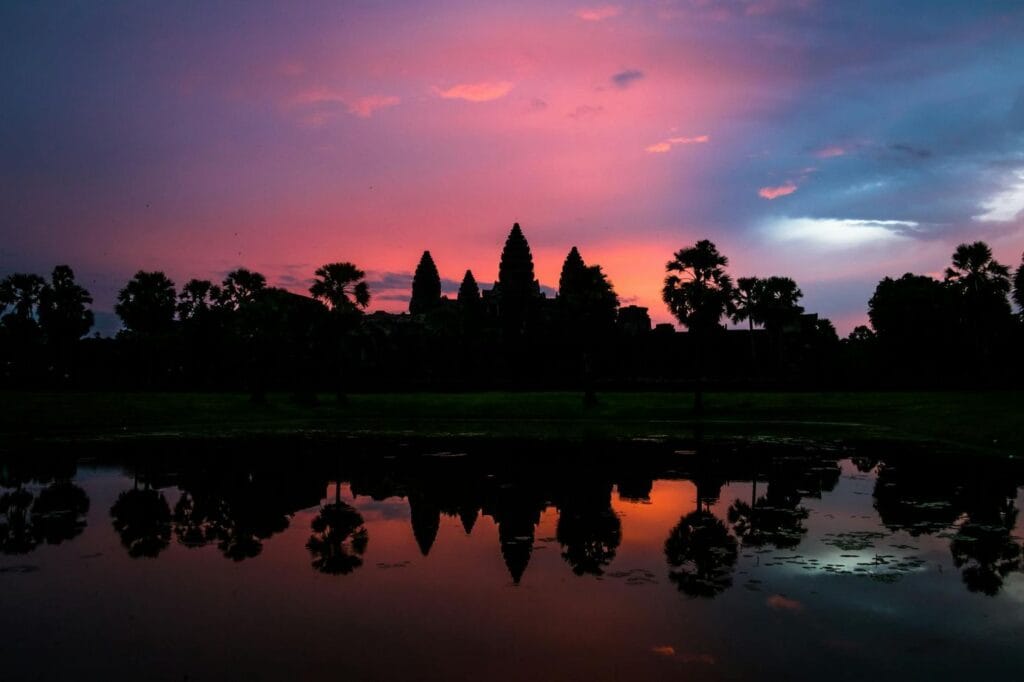
Witnessing the sunrise over Angkor Wat is an unforgettable spiritual and visual experience that defines a visit to the park.
Arrive early at the western entrance of Angkor Wat to secure a good vantage point for the sunrise. As dawn breaks, watch the sky transform with vibrant hues of orange and pink, reflecting off the temple’s iconic towers and the surrounding moat. The atmosphere is peaceful, with only a few other early risers and monks present, creating a serene start to the day. This moment offers a rare chance to see the temple bathed in soft morning light before the crowds arrive.
Sunrise at Angkor Wat is preferred over sunset here because the eastern-facing temple is perfectly aligned to catch the first light, unlike other temples where sunset views are less dramatic.
- When: Arrive by 5:30 AM year-round; best from November to February when skies are clearest and temperatures cooler.
- Cost: ~$37, 2026
- Duration: 1-2 hours
- How to reach: From the park center, walk or take a tuk-tuk along the main road toward the west entrance of Angkor Wat, near the ticket center area.
Insider tip: If closed
If Angkor Wat is closed or too crowded, watch sunrise at Phnom Bakheng hill for panoramic views of the temple complex.
2. Explore Ta Prohm Temple ·
Discover the enchanting jungle-clad ruins of Ta Prohm, where nature and ancient architecture intertwine in cinematic beauty.
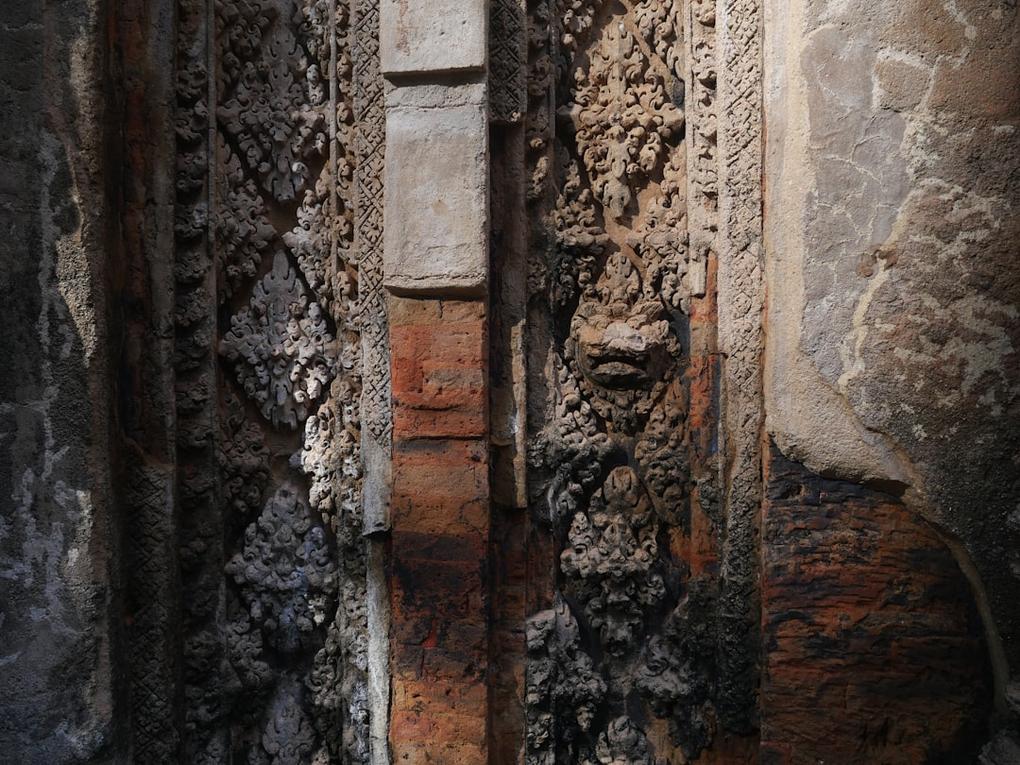
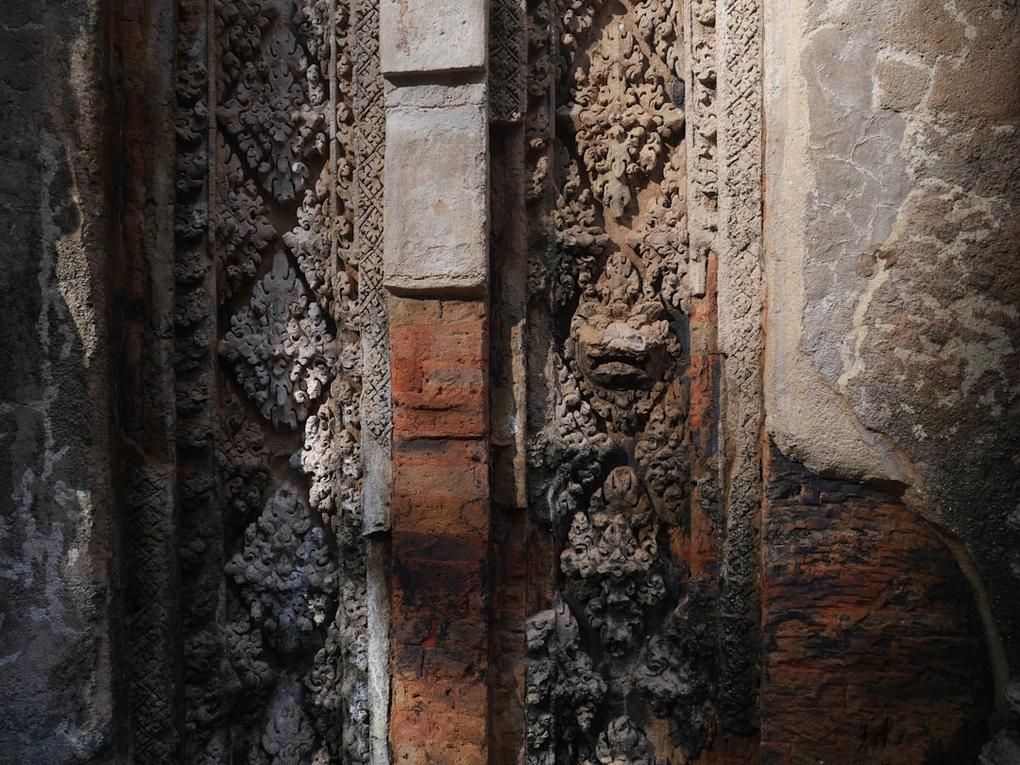
Walk through the atmospheric ruins of Ta Prohm, famous for the massive tree roots that envelop crumbling stone walls and towers. The temple’s layout is compact but intricate, with narrow corridors and hidden chambers to explore. Licensed guides in the nearby Siem Reap town can provide detailed historical context and point out unique carvings and architectural features. The interplay of light and shadow under the jungle canopy creates a mystical ambiance that feels like stepping into a lost world.
Ta Prohm stands out compared to other temples like Bayon because of its dramatic overgrowth and cinematic appeal, famously featured in films, offering a more immersive jungle-ruin experience.
- When: Visit early morning between 7:00 AM and 9:00 AM to avoid crowds and midday heat; best months are December to March.
- Cost: ~$37, 2026
- Duration: 1-2 hours
- How to reach: From the park center, take a tuk-tuk or bicycle east along the main road toward the Ta Prohm entrance, approximately 5 km from Angkor Wat.
Insider tip: If closed
If Ta Prohm is closed, explore Banteay Kdei nearby for a quieter temple with similar architectural style but less overgrowth.
3. Bayon Temple and its Stone Faces ·
Marvel at the mysterious smiling stone faces of Bayon, a masterpiece of Khmer art and religious symbolism.
Enter Bayon Temple in the heart of Angkor Thom to see its iconic towers adorned with over 200 gigantic stone faces, each with a serene smile. Wander through the labyrinthine galleries decorated with detailed bas-reliefs depicting historical events and everyday life in the Khmer empire. Licensed guides from Siem Reap can enhance the visit by explaining the symbolism behind the faces and the temple’s unique architectural style. The temple’s elevated terraces offer views over the surrounding jungle and other Angkorian ruins.
Bayon’s stone faces and intricate bas-reliefs provide a more intimate and detailed artistic experience than larger temples like Angkor Wat, making it a must-see for art and history enthusiasts.
- When: Visit mid-morning between 8:00 AM and 11:00 AM to catch good light on the faces; avoid weekends when it is busiest.
- Cost: ~$37, 2026
- Duration: 1-2 hours
- How to reach: From the park center, walk or take a tuk-tuk north along the main road into Angkor Thom; Bayon is centrally located within the ancient city walls.
Insider tip: If closed
If Bayon is closed, visit Preah Khan temple nearby for similar Khmer art and less crowded exploration.
4. Cycling Tour Around Angkor Park ·
Explore the vast archaeological park on a guided cycling tour, combining active adventure with cultural discovery.
Join one of the licensed guide outfits in Siem Reap for a cycling tour that covers key temples and lesser-known ruins across Angkor Archaeological Park. The guided route typically includes Angkor Wat, Ta Prohm, and Bayon, with stops to rest and learn about Khmer history. Riding a bicycle allows you to experience the park at your own pace while avoiding traffic and crowds. The guides provide local insights and ensure safe navigation on the park’s network of paved and dirt roads. Book on GetYourGuide.
Cycling offers a more intimate and flexible way to explore the park compared to crowded tuk-tuks or buses, allowing access to quieter trails and hidden temples.
- When: Early morning tours starting around 7:00 AM are best to avoid midday heat; dry season from November to April is ideal.
- Cost: ~$25-$40 depending on tour, 2026
- Duration: Half day
- How to reach: Meet your guide at a central location in Siem Reap town near Pub Street or the Old Market, then cycle into the park via the main entrance roads.
Insider tip: If closed
If cycling is not possible due to weather, opt for a tuk-tuk tour covering the same temples.
Solo female travel: Women travelers can request female guides from some licensed outfits in Siem Reap for added comfort and cultural insight.
5. Visit Angkor National Museum ·
Gain deep insights into Khmer history and art through the rich collections and interactive exhibits of the Angkor National Museum.
Step inside the modern Angkor National Museum located in Siem Reap town to explore extensive exhibits showcasing Khmer civilization, religious art, and archaeological finds from the Angkor period. The museum’s well-curated galleries include statues, ceramics, and multimedia presentations that contextualize the temples you see in the park. Audio guides and knowledgeable staff help visitors understand the cultural significance behind the artifacts. The air-conditioned environment offers a comfortable break from the outdoor heat.
Visiting the museum provides historical background and detailed explanations that enhance the experience of seeing the temples, unlike just touring the ruins themselves.
- When: Open daily from 8:30 AM to 6:00 PM; best visited in the morning to avoid afternoon crowds.
- Cost: ~$12, 2026
- Duration: 1-2 hours
- How to reach: Located in downtown Siem Reap, reachable by tuk-tuk or taxi from the park center in about 15 minutes along National Road 6.
Insider tip: If closed
If the museum is closed, visit the nearby Artisans Angkor workshop for cultural insight and craft demonstrations.
6. Sunset at Phnom Bakheng ·
Climb Phnom Bakheng hill to enjoy a panoramic sunset view over Angkor’s temple skyline and surrounding jungle.
Ascend the steep stone steps of Phnom Bakheng hill in the late afternoon to reach the summit temple before sunset. From this vantage point, you can see Angkor Wat and other temples silhouetted against the colorful sky as the sun dips below the horizon. The climb is moderately challenging but rewarding, with several terraces to rest and take photos. Licensed guides can provide historical context about the temple’s role as a Hindu mountain sanctuary. The cooling breeze at the top offers relief after the climb.
Phnom Bakheng is preferred over other sunset spots because it offers a 360-degree view of the entire Angkor temple complex, unlike single-temple viewpoints.
- When: Arrive by 4:30 PM to secure a good spot; best from November to February when skies are clear and temperatures are cooler.
- Cost: ~$37, 2026
- Duration: 1-2 hours
- How to reach: From the park center, take a tuk-tuk or bicycle northwest along the main road toward Angkor Thom; the hill is just inside the southern gate.
Insider tip: If closed
If Phnom Bakheng is closed or overcrowded, watch sunset from the nearby Srah Srang reservoir for a peaceful alternative.
7. Guided Angkor Wat Temple Tour ·
Join a professional guide to uncover the fascinating history, architecture, and symbolism of Angkor Wat’s vast complex.
This tour is led by one of the licensed guide outfits in town, who will walk you through the sprawling Angkor Wat complex, explaining its intricate bas-reliefs, towering spires, and the religious symbolism embedded in its design. You will explore the central temple, the outer galleries, and the reflecting pools while learning about the Khmer Empire’s history and the temple’s spiritual significance. The guide’s detailed commentary brings the ancient stones to life, revealing stories that are not obvious from a solo visit. Book on GetYourGuide.
Choosing a guided tour here offers deeper insight than wandering alone or using a guidebook, as the guide can answer questions and point out subtle details missed by casual visitors.
- When: Early morning from 6:00 to 9:00 AM is best to avoid crowds and enjoy cooler temperatures, especially from November to February.
- Cost: ~$25-$40
- Duration: 2-3 hours
- How to reach: From the center of Angkor Archaeological Park, Angkor Wat is accessible by foot or bicycle along the main road leading west from Siem Reap town center.
Insider tip: If closed
If Angkor Wat is closed, visit Preah Khan Temple for a similarly atmospheric temple experience.
8. Visit Banteay Srei Temple ·
Admire the exquisite pink sandstone carvings and delicate details of Banteay Srei, the jewel of Khmer art.
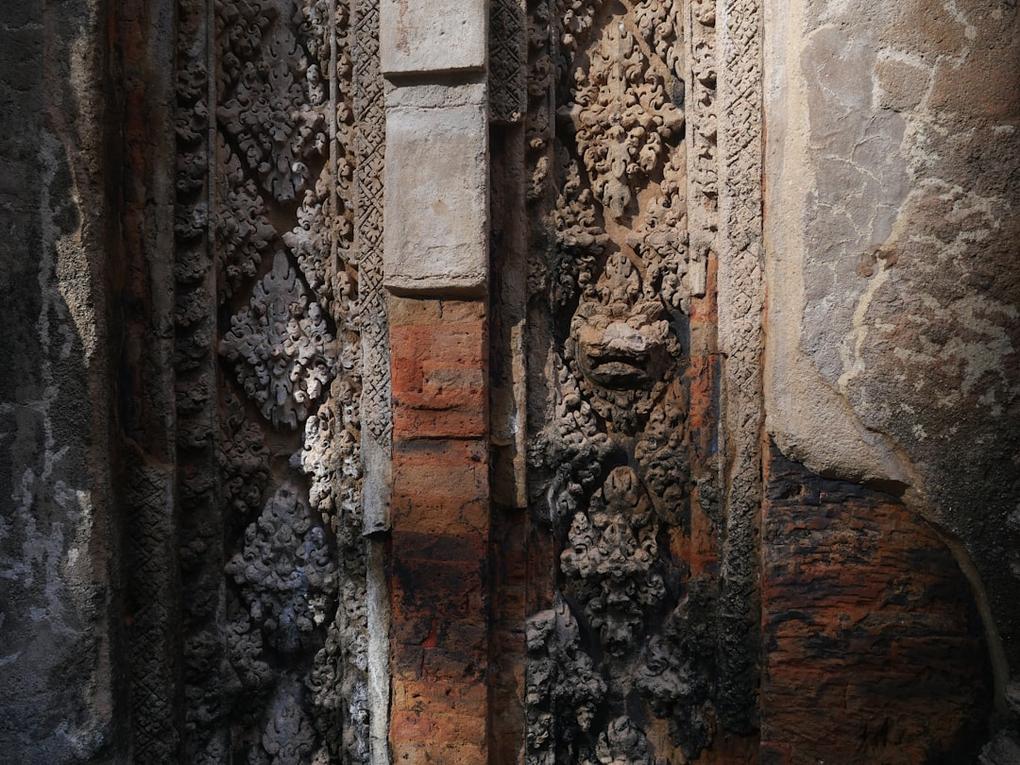
Banteay Srei is a small temple located about 25 kilometers northeast of the main Angkor group, known for its intricate pink sandstone carvings that depict Hindu mythology with remarkable precision. Visiting this temple involves a short drive through rural Cambodian countryside, arriving at a site where the craftsmanship is so fine it appears almost lace-like. The temple’s compact size allows for a focused visit, highlighting the artistry that sets it apart from the larger, more monumental Angkor temples.
This temple offers a more intimate and detailed artistic experience compared to the larger, more crowded Angkor Wat or Bayon temples.
- When: Late morning or early afternoon between November and February, when the light enhances the pink hues of the sandstone.
- Cost: ~$5-$7
- Duration: 1-2 hours
- How to reach: Reachable by rental car or tuk-tuk via the road heading northeast from the Angkor Archaeological Park center, approximately a 40-minute drive.
Insider tip: If closed
If Banteay Srei is closed, visit Preah Khan Temple for a less crowded but similarly atmospheric temple complex.
9. Tonle Sap Lake Boat Tour ·
Experience the unique floating villages and vibrant ecosystems of Tonle Sap, Southeast Asia’s largest freshwater lake.
This boat tour takes you across Tonle Sap Lake, where you will visit floating villages that adapt to the lake’s seasonal changes, witnessing daily life on water including schools, markets, and homes. The tour also highlights the lake’s rich biodiversity, with opportunities to see water birds and fish species unique to this ecosystem. Local boat operators provide an authentic experience, navigating narrow channels and offering insights into the lake’s importance to Cambodia’s food supply and culture. Book on GetYourGuide.
A boat tour on Tonle Sap offers a rare glimpse into a living ecosystem and community that contrasts with the stone temples of Angkor, providing a fuller picture of Cambodian life.
- When: Morning tours from 8:00 to 11:00 AM are ideal to avoid afternoon winds and enjoy calm waters, best from November to April during the dry season.
- Cost: ~$15-$25
- Duration: 3-4 hours
- How to reach: From Angkor Archaeological Park, take a tuk-tuk or taxi south to the Tonle Sap boat docks near Siem Reap town, about 15 minutes away.
Insider tip: If closed
If boat tours are unavailable due to low water levels, visit the Cambodian Cultural Village for cultural insights instead.
10. Visit Cambodian Cultural Village ·
Immerse yourself in Cambodia’s diverse ethnic cultures through performances, crafts, and traditional village replicas.
The Cambodian Cultural Village is a theme park-style attraction featuring replicas of traditional homes from Cambodia’s various ethnic groups, live cultural performances, and craft demonstrations. Visitors can stroll through recreated villages, watch traditional dance and music shows, and learn about the country’s history and folklore. The site is operated by a private company and offers a convenient way to experience Cambodia’s cultural diversity in one location. Book on GetYourGuide.
This venue provides a broad overview of Cambodian culture in a single visit, which is more accessible than traveling to multiple remote villages.
- When: Afternoons from 1:00 to 5:00 PM are best to catch the scheduled performances, open year-round.
- Cost: ~$12-$15
- Duration: 2-3 hours
- How to reach: Located about 6 kilometers south of Angkor Archaeological Park center, reachable by tuk-tuk or taxi along the National Road 6.
Insider tip: If closed
If closed, explore the Angkor Night Market for local crafts and cultural atmosphere.
11. Angkor Night Market Exploration ·
Stroll through the lively Angkor Night Market to sample local street food, crafts, and vibrant nightlife.
The Angkor Night Market is a bustling evening market in Siem Reap offering a wide variety of street food stalls, handicrafts, clothing, and souvenirs. Visitors can wander through colorful tents and open-air stalls while sampling local delicacies such as grilled meats, fresh fruit shakes, and traditional desserts. The market atmosphere is lively and informal, with live music and street performances adding to the vibrant nightlife experience.
This market provides an authentic taste of local life and cuisine, unlike more tourist-focused shopping centers or restaurants.
- When: Evenings from 6:00 PM to 10:00 PM, especially on weekends when the market is busiest and liveliest.
- Cost: Free entry; food and goods vary from ~$1-$10
- Duration: 1-2 hours
- How to reach: Located in central Siem Reap town, about 3 kilometers south of Angkor Archaeological Park, accessible by foot, tuk-tuk, or bicycle.
Insider tip: If closed
If the night market is closed, visit Pub Street for a similar nightlife and dining experience.
Solo female travel: Stick to well-lit main aisles and avoid isolated stalls late at night for safety.
12. Visit Preah Khan Temple ·
Explore the sprawling Preah Khan complex, a lesser-known gem with atmospheric ruins and rich history.
Preah Khan is a large temple complex located northeast of Angkor Wat, featuring a maze of corridors, courtyards, and overgrown trees that create a mysterious atmosphere. Visitors can explore its extensive ruins, including carved lintels and statues, while enjoying a quieter experience away from the main tourist crowds. The temple’s layered history as a Buddhist monastery and military academy is revealed through onsite inscriptions and architectural details.
Preah Khan offers a more tranquil and less commercialized alternative to the heavily visited Angkor Wat and Bayon temples.
- When: Early morning or late afternoon to catch soft light and avoid midday heat, best visited between November and February.
- Cost: Included in the Angkor Pass (~$37 for a 3-day pass, 2026)
- Duration: 1-2 hours
- How to reach: Accessible by bicycle or tuk-tuk from the Angkor Archaeological Park center, following the road northeast past Angkor Wat.
Insider tip: If closed
If Preah Khan is closed, visit Banteay Srei Temple for detailed carvings and a less crowded site.
13. Angkor Archaeological Park Segway Tour ·
Cover more ground effortlessly on a fun and eco-friendly Segway tour through Angkor’s iconic temples and hidden corners.
This guided Segway tour allows visitors to explore the vast Angkor Archaeological Park with ease, gliding between major temples like Angkor Wat, Bayon, and Ta Prohm. The tour is led by trained guides who provide historical context while you enjoy the novelty of riding a Segway on mostly flat, well-maintained paths. This option is especially appealing for those who want to see more in less time without the physical strain of cycling or walking long distances. Book on GetYourGuide.
The Segway tour combines convenience and fun, making it a better choice than walking or cycling for visitors with limited time or mobility concerns.
- When: Morning tours starting around 7:00 AM avoid the midday heat and crowds, best from November to February.
- Cost: ~$40-$60
- Duration: 3-4 hours
- How to reach: Tours typically start near the Angkor Archaeological Park entrance, accessible by tuk-tuk or taxi from Siem Reap town center.
Insider tip: If closed
If Segway tours are unavailable, rent a bicycle to explore the park at your own pace.
Solo female travel: Segway tours operate in small groups with guides, providing a safe and controlled environment for solo female travelers.
48 hours in Angkor Archaeological Park
This two-day plan is designed for curious travelers who want to balance immersive temple exploration with moments of local flavor and relaxed discovery, following this trip’s pre-dawn start and paced rhythm. It suits those eager to catch the magic of Angkor’s sunrise and delve into its quieter corners without rushing.
Day 1
Morning
Rise well before dawn to gear up for the iconic Sunrise at Angkor Wat, arriving early enough to secure a prime spot on the western causeway before the first light softens the temple’s silhouette. After the sun’s glow fades into morning warmth, take a slow stroll through the nearby Bayon Temple, timing your visit to avoid the late-morning crowds that gather by 11 AM. Before heading out, grab a strong coffee and a light snack at the shaded stall just outside the South Gate, where locals start their day with fresh fruit and jasmine tea.
Afternoon
Post-lunch, which you’ll enjoy at the rustic Khmer Kitchen tucked near the Angkor Thom entrance—order the fish amok and sit under the fan-cooled terrace—prepare for your marquee effort: the half-day trek through the jungle-clad Ta Prohm and Banteay Kdei temples. The dappled afternoon light filtering through the roots makes this a sensory contrast to the morning’s grandeur. After the trek, take the shortcut via the small footpath behind the Preah Khan complex to avoid the main road’s traffic and return to your guesthouse for a brief rest.
Evening
As the heat wanes, head to Phnom Bakheng for sunset, arriving by 4:30 PM to claim a spot on the western platform before the queue forms. The panoramic views of the temple spires and surrounding forest bathed in golden light are unforgettable. Dinner awaits at the lively Pub Street area in Siem Reap’s Old Market neighborhood, where you can savor a plate of Khmer BBQ grilled over charcoal, accompanied by a cold Angkor beer, soaking in the vibrant evening buzz without overexerting yourself.
Day 2
Morning
Start your day with a slow, local rhythm by visiting the Angkor Night Market area just as it wakes, grabbing a fresh mango smoothie from the riverside vendor and wandering through the nearby Old French Quarter’s shaded streets. This gentle morning walk contrasts with yesterday’s early temple rush and lets you absorb the town’s colonial charm and artisan shops before the sun climbs high.
Afternoon
For a change of terrain and pace, take the afternoon to explore the floating village on Tonle Sap Lake via a half-day boat tour arranged through a reputable local operator. The cool breeze and water’s shimmer offer a refreshing break from stone temples, while the village’s stilt houses and bustling markets reveal a different facet of Cambodian life. Return by late afternoon and stop at the small riverside café near the landing for a light snack of grilled banana and iced coffee, perfect for recharging.
Evening
Wind down your final evening with a riverside dinner at the elegant Malis restaurant, known for its refined take on traditional Khmer cuisine, located in the Wat Bo neighborhood. Opt for the signature prahok ktis and a glass of local palm wine as you watch the sunset over the Siem Reap River, the gentle current reflecting lantern light and the soft murmur of nearby conversations. This calm, upscale setting offers a graceful close to your Angkor adventure.
If you have a third day
If you had a third day, I’d recommend a morning visit to the lesser-known Roluos Group temples, where the early light and fewer visitors create a peaceful atmosphere distinct from the main park. Afterwards, explore the nearby village of Puok for a hands-on silk-weaving workshop, connecting with local artisans and gaining insight into Cambodia’s rich textile heritage.
Best time to visit Angkor Archaeological Park
Quick answer
The best time to visit Angkor Archaeological Park is from April to June and October to early December, when temperatures are moderate and rainfall is lower, making temple exploration more comfortable and enjoyable.
| Months to go | April to June, October to early December |
|---|---|
| Months to avoid | July to September due to heavy rain and muddy trails that hinder temple visits. |
Angkor Archaeological Park experiences its hottest temperatures from March through June, with averages reaching up to 95°F / 35°C, which can make midday temple visits quite exhausting. The rainy season from July to September brings heavy precipitation, often exceeding 10 inches / 254 mm monthly, which can flood paths and reduce accessibility to some sites. This period is best avoided if you want to fully enjoy walking and cycling around the temples. From October to early December, the weather cools down to a more comfortable 80-85°F / 27-29°C range with significantly less rain, opening a pleasant window for exploring the park. January and February are cooler but can be slightly less ideal due to occasional cooler mornings and a slight increase in visitor numbers. Overall, the transitional months around the dry season provide the best balance of weather and crowd levels for cultural exploration.
Average temperature (°F)
Monthly weather
Cooler, dry, good for visits
Dry and warm, pleasant
Hotter, start of heat
Hot but manageable
Hot with some rain
Hot and rainy spells
Heavy rain, muddy trails
Wettest month, avoid
Rainy, difficult access
Rain easing, better visits
Drying out, pleasant
Cool and dry, ideal

How to get to Angkor Archaeological Park
Nearest airport
Siem Reap International Airport (REP), approximately 7 km / 15 minutes to Angkor Archaeological Park
From the airport
From Siem Reap International Airport, the most common and convenient way to reach Angkor Archaeological Park is by tuk-tuk or metered taxi, costing around ~$7-10 USD in 2024. Alternatively, shared shuttle vans are available through many hotels and travel agencies for about ~$5-8 USD, booked directly at your accommodation or airport counters. Rental motorbikes are also an option for independent travelers comfortable with local traffic.
Other ways to arrive
- From Phnom Penh by long-distance bus, approximately 6-7 hours, cost band ~$10-15 USD via the main bus terminals with multiple daily departures.
- From Battambang by minivan or bus, about 3-4 hours, cost band ~$7-12 USD, with frequent services from the city center.
- From Thailand (Aranyaprathet) by cross-border bus and taxi, roughly 5-6 hours total including border crossing, cost band ~$15-20 USD.
- From Kampong Thom by bus or taxi, around 2-3 hours, cost band ~$8-12 USD, less frequent but viable for travelers coming from central Cambodia.
Getting around Angkor Archaeological Park
The dominant local way to explore Angkor Archaeological Park is by tuk-tuk, offering flexibility and ease of access to the vast temple complex. For those seeking more independence, renting a bicycle or motorbike is popular, though the park’s size and heat can make motorized transport preferable for most visitors.
- Tuk-tuk: Best for half- or full-day temple tours, costs around ~$15-25 USD per day depending on negotiation and distance.
- Bicycle: Ideal for active travelers wanting a close-up experience, rental costs about ~$3-5 USD per day.
- Motorbike: Suitable for experienced riders covering longer distances quickly, rental around ~$8-12 USD per day.
- Private car with driver: For comfort and personalized itinerary, expect to pay ~$40-60 USD per day.
- Electric scooter: Emerging option for short distances, rental roughly ~$10 USD per day.
- Walking: Limited to short distances around main temples, free but physically demanding in the heat.
Avoid
Avoid relying solely on public buses as they do not serve the temple complex directly and are infrequent.
Day trips from Angkor Archaeological Park
Several fascinating destinations lie outside Angkor Archaeological Park, perfect for half- or full-day excursions that complement your temple visit. These trips offer cultural, natural, and historical insights into the wider region around Siem Reap.
Tonle Sap Lake and Floating Villages
Exploring the unique ecosystem and traditional floating villages on Southeast Asia’s largest freshwater lake.
Why: This trip reveals a contrasting lifestyle to the temple ruins, with opportunities to see fishing communities, birdlife, and scenic waterways. It’s a serene and educational experience outside the busy park.
Beng Mealea Temple
Visiting a largely unrestored jungle temple complex with a mysterious atmosphere and fewer tourists.
Why: Beng Mealea offers a raw, adventurous temple experience with sprawling ruins enveloped by forest, providing a striking contrast to the more polished Angkor sites.
Skip if: If you prefer fully restored temples or have limited time.
Kulen Mountain National Park
Hiking, waterfalls, and exploring sacred sites including the River of a Thousand Lingas.
Why: This natural and spiritual site combines outdoor adventure with cultural heritage, ideal for travelers wanting a break from temple sightseeing and to enjoy Cambodia’s natural beauty.
Skip if: If you have mobility issues or prefer urban activities.
Phnom Kulen Waterfall
Swimming and relaxing at a scenic waterfall within a national park setting.
Why: A refreshing escape from the heat and crowds, Phnom Kulen offers a peaceful natural retreat with cultural significance, including ancient carvings and reclining Buddha statues nearby.
Combine Angkor Archaeological Park with
Extending your trip beyond Siem Reap opens up diverse experiences across Cambodia and neighboring countries. These multi-night routes allow deeper exploration of cultural, historical, and natural highlights beyond the Angkor area.
Siem Reap – Phnom Penh – Kampot Siem Reap, Phnom Penh, Kampot
This route moves from the temple heartland to Cambodia’s bustling capital and then to the relaxed riverside town of Kampot, offering a mix of history, urban culture, and coastal charm over several days.
Siem Reap – Battambang – Phnom Penh Siem Reap, Battambang, Phnom Penh
Traveling through Battambang provides insight into provincial life and colonial architecture before heading to Phnom Penh’s museums and markets, creating a well-rounded Cambodian itinerary.
Siem Reap – Chiang Mai (Thailand) Siem Reap, Chiang Mai
For travelers interested in crossing borders, this route links Cambodia’s ancient temples with northern Thailand’s cultural and natural attractions, ideal for a multi-week Southeast Asia trip.

Where to stay in Angkor Archaeological Park
Compare prices across booking sites on the map below and see which neighbourhood fits your plans.
Angkor Archaeological Park offers several distinct neighborhoods and zones catering to different traveler preferences. The Siem Reap town center, just outside the park, is popular for its vibrant nightlife and easy access to restaurants and shops. For those seeking tranquility and proximity to the temples, the Old Market area and Wat Bo neighborhood provide quieter, walkable streets near historic sites. The Sok San Road corridor is favored by budget travelers looking for hostels and guesthouses, while the Tonle Sap lakeside offers scenic river views and a more relaxed atmosphere. Each zone reflects a unique balance between convenience, ambiance, and access to the park’s ancient wonders.
Sok San Road
Budget accommodations in Angkor Archaeological Park mainly consist of family-run guesthouses and hostel dormitories, especially along Sok San Road. These properties offer basic amenities and a social atmosphere ideal for backpackers and solo travelers but may lack air conditioning or private bathrooms. Staying here provides easy access to affordable eateries and local markets, though the rooms can be simple and occasionally noisy. It’s an excellent choice for those prioritizing cost and community over luxury.
Insider tip: On Sok San Road, guesthouses on the southern end tend to be quieter in the evenings compared to those near the main intersection, which can be lively with street vendors and nightlife.
Wat Bo neighborhood
Mid-range lodging in the Old Market and Wat Bo neighborhoods typically features boutique hotels and family-run guesthouses with private rooms, air conditioning, and swimming pools. This tier balances comfort and affordability, offering stylish decor and convenient walking distance to both the temples and town center. While not as lavish as luxury resorts, these properties provide attentive service and often include breakfast and tour assistance. It’s an ideal choice for travelers seeking a relaxed yet well-equipped base.
Insider tip: In Wat Bo, properties set back from Pub Street’s main drag offer a quieter stay without sacrificing easy access to restaurants and shops.
Tonle Sap lakeside
Splurge accommodations near Tonle Sap lakeside and the park’s historic center consist of upscale resorts and boutique hotels with extensive amenities such as spa services, river views, and fine dining. These luxury properties provide serene environments, often with lush gardens and pools, perfect for travelers wanting to unwind after temple excursions. While rates are higher, guests enjoy personalized service, guided tours, and premium comfort. This tier is best for those prioritizing exclusivity and tranquility within close reach of Angkor’s highlights.
Insider tip: At Tonle Sap lakeside resorts, requesting a room facing the river rather than the road ensures a quieter stay and stunning sunrise views.
Where not to stay
Avoid the area immediately along Pub Street after 11 PM, as it becomes noisy with late-night crowds and street parties, which can disrupt sleep.
Solo female travelers
Solo female travelers should consider mid-range boutique hotels in the Wat Bo neighborhood, which offer well-lit streets, 24-hour security, and a welcoming social atmosphere.
Booking through these links supports Pack Lightly at no extra cost to you.
Where to eat and drink in Angkor Archaeological Park
Angkor Archaeological Park’s food scene is uniquely shaped by its proximity to the Tonle Sap Lake and the Siem Reap River, which provide fresh, regional freshwater fish and aquatic herbs rarely found elsewhere in Cambodia. The local cooking style emphasizes simple, aromatic preparations that highlight these freshwater ingredients, often prepared by the indigenous Kuy and Cham communities living around the park. The Old Market (Phsar Chas) in Siem Reap town serves as a culinary hub where visitors can experience these local flavors alongside traditional Khmer snacks and street food specialties.
Must-try dishes
Amok Trey (Fish Amok)
A creamy, steamed curry mousse made with fresh Tonle Sap freshwater fish, coconut milk, and local kroeung spices.
This dish showcases the regional ingredient of Tonle Sap freshwater fish prepared by local producers and restaurants in Siem Reap, anchoring it as a regional ingredient + local producer dish; it is a signature of the Angkor area’s culinary identity.
Insider tip: The delicate balance of spices and fresh fish here is unmatched anywhere else in Cambodia.
Kuy Community Grilled River Fish
Fresh river fish marinated with indigenous herbs and grilled over charcoal by the Kuy ethnic minority.
This is a community-specific dish tied to the Kuy people living around Angkor Archaeological Park, representing their traditional cooking methods and local freshwater ingredients.
Insider tip: A rare chance to taste authentic indigenous flavors rarely found in mainstream Cambodian cuisine.
Nom Banh Chok Angkor Style
A local variant of Cambodia’s famous rice noodle dish, served with a fresh herb-heavy fish gravy made from Tonle Sap catch.
While Nom Banh Chok is national, the Angkor style uses a unique local fish gravy and herbs sourced from the Siem Reap region, anchoring it as a regional ingredient + local producer dish.
Insider tip: A refreshing breakfast staple that perfectly captures the local river’s bounty.
Angkor Beer
A pale lager brewed in Siem Reap, known as Cambodia’s original local beer brand with a crisp, light taste.
Angkor Beer is a local-only producer brand headquartered in Siem Reap, making it a drink specialty firmly tied to this place.
Insider tip: The go-to refreshment after a day exploring the temples.
Kampot Pepper Crab
Fresh crab stir-fried with the famous Kampot pepper, a regional specialty from nearby Kampot province.
Though Kampot pepper is regional, this dish is a city signature in Siem Reap’s upscale restaurants that highlight this prized ingredient, anchoring it as regional ingredient + local producer (restaurant) category.
Insider tip: A luxurious dish that brings the best of Cambodia’s pepper to the Angkor dining scene.
Local drinks
- Siem Reap Third-Wave CoffeeCafes like Sister Srey and The Little Red Fox Espresso serve expertly crafted coffee in Siem Reap town’s Old Market area.
Specialty coffee brewed from locally roasted beans, often sourced from nearby Cambodian highland farms. - Palm Wine (Tuba)Available in rural village markets and occasionally at community-based tourism homestays near the park.
A traditional fermented drink made from the sap of palm trees, consumed by indigenous communities around Angkor.
Where to eat – by neighborhood
Old Market (Phsar Chas)
Bustling market quarter with street-food stalls, fresh produce vendors, and small family-run eateries serving local Khmer and indigenous dishes.
Insider tip: Order early in the morning for the freshest Nom Banh Chok and watch locals gather for breakfast.
Pub Street Area
Tourist-friendly zone with a mix of casual eateries, bars, and restaurants offering local beers and fusion dishes inspired by Angkor’s ingredients.
Insider tip: Skip the busiest spots and head to side alleys for authentic grilled fish and Angkor Beer at lower prices.
Kuy Village Outskirts
Rural community area where indigenous Kuy people sell grilled river fish and traditional snacks in small roadside stalls.
Insider tip: Visit with a local guide to access the best stalls and learn about Kuy culinary traditions.
Local markets
| Old Market (Phsar Chas) | Daily 6:00 AM to 7:00 PM – Fresh river fish, local herbs, and traditional Khmer snacks including the Angkor-style Nom Banh Chok. |
|---|
Dietary note
Vegetarian and vegan options are limited due to the local reliance on freshwater fish and meat; however, some markets and restaurants offer vegetable-based Khmer dishes and fresh tropical fruits. Gluten-free travelers should note that rice is the staple starch, making many dishes naturally gluten-free.
Daily budget for Angkor Archaeological Park
Angkor Archaeological Park is a major tourist hotspot in Cambodia, which pushes daily costs slightly above the national average. While Cambodia is generally a low-cost country, the influx of visitors and the premium on park access and guided tours make budgeting here somewhat unique.
Shoestring
- lodging – basic guesthouse or dorm bed in Siem Reap
- food – street food and local markets
- transport – shared tuk-tuk or bicycle rental
- activities – Angkor Park pass (1-day) and self-guided exploration
- buffer – small contingency for tips or minor expenses
Trade-offs: Sticking to minimal comforts and self-guided tours keeps costs low but limits convenience and comfort.
Comfort
- lodging – mid-range hotel or boutique guesthouse
- food – mix of local restaurants and occasional Western meals
- transport – private tuk-tuk hire for half or full day
- activities – Angkor Park pass (3-day) plus guided tours
- buffer – for souvenirs or unexpected expenses
Trade-offs: More comfort and guided experiences increase costs but greatly enhance the visit quality.
Splurge
- lodging – luxury resort or boutique hotel with amenities
- food – fine dining and international cuisine
- transport – private car with driver for flexible touring
- activities – private guided tours, including sunrise visits and cultural shows
- buffer – for spa treatments, shopping, or extras
Trade-offs: High-end comfort and exclusive experiences come at a premium but offer a memorable, hassle-free trip.
Money-saver tip
Rent a bicycle to explore the park independently and avoid tuk-tuk costs while enjoying flexible pacing.
Splurge that’s worth it
Booking a private sunrise tour with a knowledgeable guide is worth the splurge for the magical experience and deeper insight.
Skip to save
Avoid overpriced souvenir shops near the park entrance; local markets in Siem Reap offer better prices and authenticity.
Practical tips for Angkor Archaeological Park
Money
Cash or card. While many ticket counters and larger restaurants around Angkor accept credit cards, smaller food stalls and tuk-tuk drivers still operate strictly on cash. It’s wise to carry US dollars, which are widely accepted and preferred locally, alongside some Cambodian riel for small purchases and local markets.
ATMs. ATMs are available in Siem Reap town but not inside the park itself. Expect foreign-card fees of around 2-3%, so use cards with no foreign transaction fees like Wise or Charles Schwab. ATMs from major banks like ABA Bank tend to be reliable and widely available in town.
Tipping. Tipping is not customary but appreciated for good service; rounding up fares or leaving $1-2 for guides or drivers is common. For example, tipping a tuk-tuk driver $2 after a half-day tour is a polite gesture without obligation.
Safety
Angkor Archaeological Park is generally safe during daylight hours, with most visitors experiencing no issues. However, the park is vast and remote in parts, so stay hydrated and watch your footing on uneven temple steps. Night visits are not allowed, so safety concerns after dark inside the park are minimal.
Common scams:
- Fake ticket sellers near the park entrance
- Overpriced tuk-tuk rides without agreed fare
- Guides offering unsolicited tours at inflated prices
Local warnings:
- Strong sun exposure requires sunscreen and hats
- Uneven, slippery stone steps at temples can cause falls
- Mosquitoes can be active near water and at dawn/dusk
Connectivity
Mobile data. Mobile coverage is good in Siem Reap and around most of the park, with some weaker spots inside dense jungle areas. The main Cambodian carriers like Smart and Metfone offer SIM cards for around $5-$10 with data packages suitable for a few days of use.
Wi-Fi. Wi-Fi is widely available in cafes and hotels in Siem Reap town but often slow or unreliable inside the park. Pub Street area in Siem Reap is a reliable spot for stable Wi-Fi connections.
Language
Main language: Khmer. English level: English is widely spoken in tourist areas such as Siem Reap and Angkor Park, especially by guides, hotel staff, and tuk-tuk drivers. Outside these zones, English proficiency drops sharply, and basic Khmer phrases or gestures help communication.
Cultural notes
- Dress modestly at temples: shoulders and knees should be covered.
- Do not climb on Buddha statues or sacred carvings; it is disrespectful.
- A respectful greeting is a slight bow with palms pressed together (sampeah).
- Avoid discussing Cambodia’s recent political history or the Khmer Rouge with locals unless they bring it up.
Solo female travel
Solo female travelers find Angkor Archaeological Park welcoming during the day, with many other tourists around and plenty of guided tours. Evening options are limited as the park closes at sunset, but Siem Reap town has a lively but manageable nightlife with many guesthouses and cafes where women can socialize. Tuk-tuks are readily available but negotiate fares upfront.
- Neighborhood: Stay near the Old Market or Pub Street area in Siem Reap for better evening foot traffic and more social hostel options.
Frequently asked questions about Angkor Archaeological Park
1Is Angkor Archaeological Park worth visiting?
Yes, Angkor Archaeological Park is a must-visit for history and culture lovers. With over 1,000 temples including the iconic Angkor Wat, it offers an unparalleled glimpse into the Khmer Empire’s grandeur.
2How many days should I spend exploring Angkor Archaeological Park?
Plan at least 3 full days to explore the main temples thoroughly. This allows time for Angkor Wat, Bayon, Ta Prohm, and some lesser-known sites without rushing.
3What is the best time of year to visit Angkor Archaeological Park?
The dry season from November to February is the best time to visit. Temperatures are cooler and rainfall is minimal, making temple exploration more comfortable.
4Is it safe to visit Angkor Archaeological Park alone as a solo female traveler?
Yes, Angkor Archaeological Park is safe for solo female travelers. The area is well-patrolled, and many tourists visit daily, but standard travel precautions apply.
5Do I need a car or 4×4 to get around Angkor Archaeological Park?
No, a car or 4×4 is unnecessary. Most visitors hire a tuk-tuk or bicycle to navigate between temples, which is convenient and affordable.
6Are there any cultural rules or customs I should follow when visiting the temples?
Yes, dress modestly covering shoulders and knees, and remove hats and shoes when entering temple buildings. Respect local customs by not climbing on fragile ruins or touching carvings.
7What does a day at Angkor Archaeological Park typically cost?
A one-day pass costs $37 USD, with 3-day and 7-day passes available for $62 and $72 respectively. Additional costs include transport and guide fees.
8Why is Angkor Wat specifically known worldwide?
Angkor Wat is the largest religious monument on earth and a masterpiece of Khmer architecture. Its intricate bas-reliefs and massive scale symbolize Cambodia’s cultural identity.
9Is it worth visiting the less famous temples beyond Angkor Wat and Bayon?
Yes, temples like Banteay Srei and Preah Khan offer unique carvings and fewer crowds. They provide a more intimate experience of Khmer artistry and history.
Estimate your daily budget
See realistic daily costs by tier and category.