


The scent of grilled street food fills the air along Pub Street as tuk-tuks hum past the Old Market at dusk.
Siem Reap serves as Cambodia’s gateway to the Angkor temple complex, drawing travelers eager to explore ancient ruins and local life. The city’s historic center, around the Old Market and Wat Bo neighborhood, offers a dense mix of colonial architecture and bustling street scenes. Northern Psar Chaa hosts lively markets and family-run eateries where Khmer traditions persist. Unlike Phnom Penh’s sprawling urban pace, Siem Reap’s compact layout means you can walk between temples and local neighborhoods in under 20 minutes. The trade-off: nightlife here leans touristy, so focus your evenings on cultural shows or quiet riverside cafes. With roughly 200,000 residents, the city balances heritage tourism with everyday Cambodian rhythms. Plan your days around temple tours early to avoid midday heat and crowds.
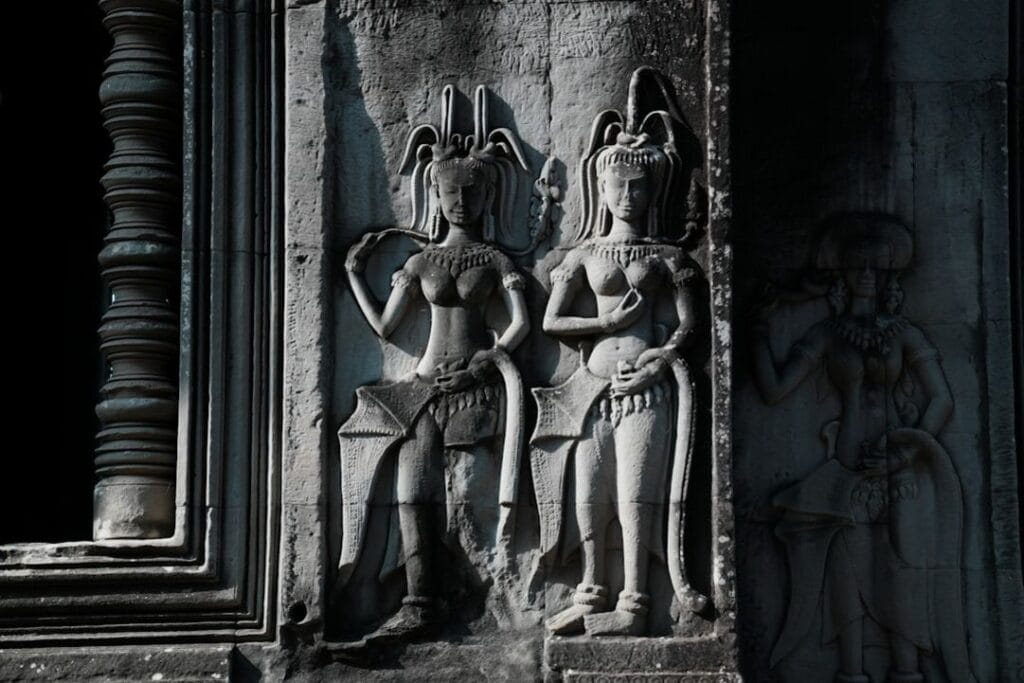
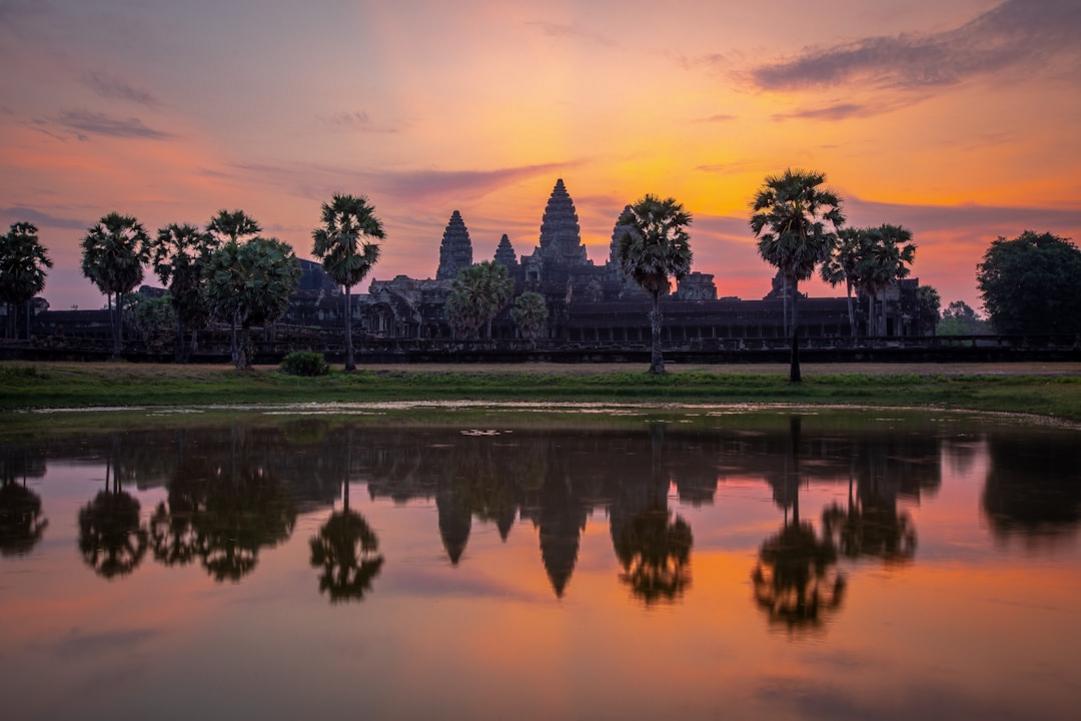
Visit Angkor Wat at sunrise for its iconic architecture, explore the Old Market for local crafts and street food, take a Khmer cooking class to learn regional flavors, attend a traditional Apsara dance show for cultural context, and walk the Wat Bo neighborhood to see colonial-era buildings and local life.
Key takeaways
- Book Angkor temple passes in advance to avoid long lines at the ticket center.
- Stay near the Old Market or Wat Bo for easy access to temples and local eateries.
- Start temple tours before 7:00 AM to beat heat and crowds, especially April to June.
- Reserve Khmer cooking classes at least two days ahead; popular operators fill fast.
- Use tuk-tuks for temple transfers; negotiate fares around $15-$20 for a full day, 2026.
- Visit the Angkor National Museum mid-afternoon to escape the sun and deepen context.
- Avoid Pub Street late at night if seeking quieter evenings; riverside cafes offer calmer options.
- Plan ~$60-$120/day for mid-range travel including meals, transport, and entry fees, 2026.
Map of Siem Reap
89 handpicked places. Filter by category or traveller type, tap a pin or a list item for the full write-up, and save the map to your phone.
All 89 places
- PracticalThe most recommended medical facility in Siem Reap for foreign visitors needing non-emergency care, staffed with internationally trained physicians and English-speaking staff. Primarily a pediatric hospital but the emergency department treats adults. Good for: Backpackers, Couples, Families, Older travelers, Digital nomads
- TransportThe new international airport that opened in November 2023, located 50km west of the city. Replaced the old airport closer to town. The transfer takes 40-60 minutes by taxi ($25-35) or airport shuttle ($10-15 per person). Tuk-tuks are not practical for this distance. Good for: Backpackers, Couples, Families, Older travelers, Digital nomads
- PracticalUnter dem Namen Kantha Bopha wurden in der kambodschanischen Hauptstadt Phnom Penh seit 1992 auf Wunsch des kambodschanischen Staates unter der Leitung des Schweizer Kinderarztes Beat Richner vier Kinderspitäler errichtet. Good for: Backpackers, Couples, Families, Older travelers, Digital nomads
- Transport Good for: Backpackers, Families
- Transport Good for: Backpackers, Families
- SightsThe largest religious monument in the world. Hindu-turned-Buddhist. Sunrise crowds are immense, but the architecture justifies the hype. Good for: Backpackers, Couples, Families, Older travelers
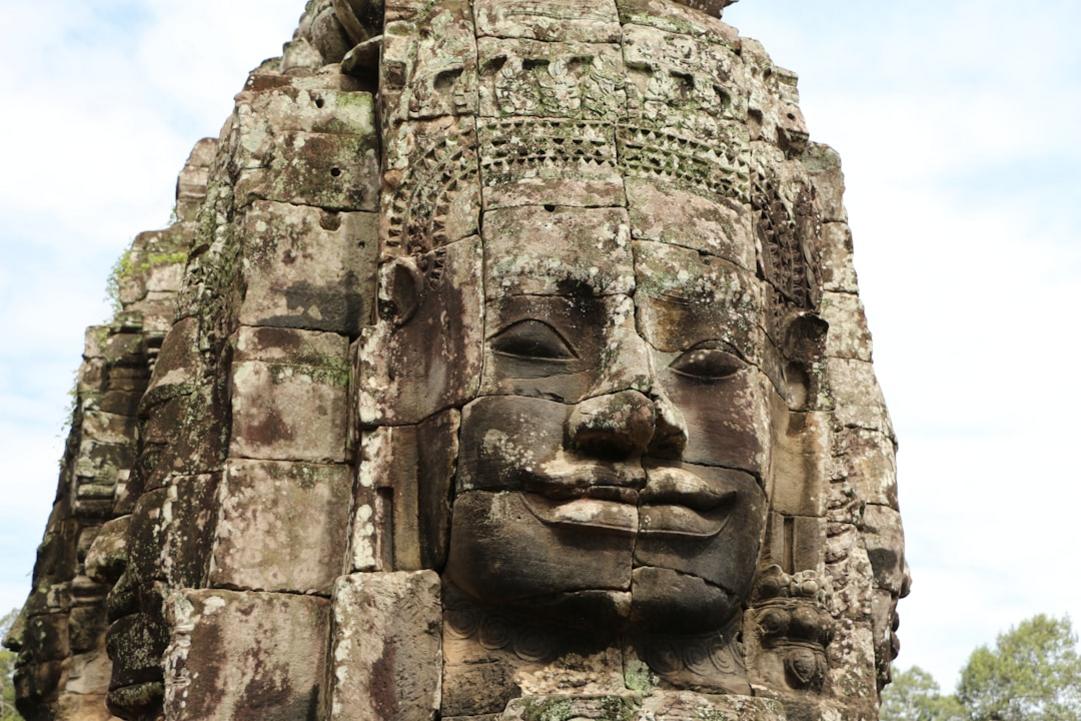
- SightsThe faces temple with 216 smiling stone heads. Midday when crowds leave is the best time. otherworldly in afternoon light. Good for: Backpackers, Couples, Families, Older travelers
- SightsThe jungle-reclaimed temple where strangler fig roots have cracked and embraced the stone walls for 800 years. Famous from the Tomb Raider film, which means it draws crowds between 9am and noon. Visit at 7am or after 3pm. Good for: Backpackers, Couples, Families, Older travelers
- SightsThe most photographed entrance to the ancient walled city: a 23-meter stone causeway flanked by 54 gods and 54 demons in a tug-of-war, each face distinct. Angkor Thom covered 9 square kilometers and held a population of up to one million at its peak. Good for: Backpackers, Couples, Families, Older travelers
- SightsA sprawling 12th-century temple-city that once housed 100,000 people. Preah Khan is one of the few major Angkor temples that hasn’t been fully cleared and restored, which makes it feel more exploratory than Angkor Wat or Bayon. Good for: Backpackers, Couples, Families, Older travelers
- SightsA 12th-century Buddhist monastery built by Jayavarman VII, directly across from Srah Srang reservoir. Less visited than Ta Prohm despite similar jungle-integration, which means quieter corridors and fewer selfie queues. Good for: Backpackers, Couples, Families, Older travelers
- SightsA royal bathing pool built in the 10th century and expanded under Jayavarman VII. At 700 x 350 meters, it holds its water year-round and provides one of the cleaner sunrise reflections in the Angkor complex, without Angkor Wat’s crowds. Good for: Backpackers, Couples
- SightsAn 11th-century three-tiered pyramid temple inside Angkor Thom, taller than it appears from the causeway. The French spent 50 years disassembling and reassembling it, finishing in 2011. Good for: Backpackers, Couples, Families, Older travelers
- NatureThe hill temple with the best sunset view over Angkor Wat’s towers and the surrounding forest, 65 meters above the plain. The honest downside: up to 300 people are allowed on the summit at once and the queue can run 45 minutes in peak season (November to March). Good for: Backpackers, Couples
- SightsA 350-meter-long platform built by Jayavarman VII as a royal viewing stand for parades and military processions. The bas-relief carvings of elephants at life-size scale along the lower walls are remarkably detailed, and the five-headed horses on the central staircase are unusual iconography. Good for: Backpackers, Couples, Families, Older travelers
- SightsA five-tiered sandstone pyramid temple left unfinished in the 11th century, which means no decorative carvings, just raw stone. The effect is stark and fortress-like. The steep outer staircase is one of the most physically demanding climbs in the park: nearly 70-degree pitch, no handrails on much of it. Good for: Backpackers, Couples, Families, Older travelers
- SightsA 10th-century brick and laterite temple-mountain in the eastern Angkor complex, built as a state temple by Rajendravarman II. Less visited than the core circuit, which means the upper platform is rarely crowded. Good for: Backpackers, Couples, Families, Older travelers
- SightsA 10th-century temple originally built on an artificial island in the East Baray reservoir, now dry for centuries, leaving the temple sitting incongruously in a flat field. The four elephant statues at the base of each corner are among the best-preserved animal sculptures in the Angkor complex. Good for: Backpackers, Couples, Families, Older travelers
- SightsThe place to go before the temples, not after. Eight galleries of Khmer sculpture, inscriptions and sacred objects spanning the 6th to 14th centuries, with English interpretation. The Gallery of 1000 Buddhas alone justifies the entry fee: $15 for adults. Good for: Couples, Families, Older travelers
- AreasThe tourist center of Siem Reap: a few blocks of restaurants, bars and shops radiating from the night market and the covered Old Market (Psar Chaa). Pub Street itself is pedestrianized at night and ranges from $1 Angkor beer happy hours to rooftop cocktail bars. Good for: Backpackers, Couples, Families, Older travelers, Digital nomads
- AreasThe low-key residential neighborhood east of the river, a 10-minute walk from Pub Street. Wat Bo road and the surrounding lanes have a higher concentration of independent cafes, boutique guesthouses and Khmer cooking school operators than the main tourist strip, with correspondingly lower prices and fewer tuk-tuk touts. Good for: Backpackers, Couples, Families, Older travelers, Digital nomads
- AreasA two-block stretch of Hap Guan Street between the Old Market and the river that became the best-curated shopping and cafe district in Siem Reap around 2015, and has held up reasonably well since. The wooden shophouses hide specialty coffee roasters, ethical fashion boutiques and a few excellent places to eat. Good for: Backpackers, Couples, Families, Older travelers, Digital nomads
- SightsA professional circus-arts company founded by graduates of the Phare Ponleu Selpak arts school in Battambang, which was established to help children process trauma after the Khmer Rouge era. The performances mix acrobatics, live music, storytelling and theater; each show has a different Cambodian narrative. Good for: Couples, Families, Older travelers
- ShoppingAn organized night market running nightly from 4pm in a series of bamboo pavilions off Sivatha Boulevard. Covers silk scarves, silverwork, lacquerware and the kind of handmade goods that aren’t available in the Old Market. Good for: Backpackers, Couples, Families
- ShoppingA curated artisan market running evenings near the Old Market, focused on Cambodian-produced goods: silk weaving, traditional pottery, handpainted textiles and small-batch food products. Run by the same organization as the Angkor Night Market but with a tighter selection policy. Good for: Backpackers, Couples, Families
- Food & drinkA training restaurant run by Tree Alliance, employing at-risk Cambodian youth in a hospitality career path. The garden setting in a wooden villa is the best in Siem Reap: candlelit tables under frangipani trees. Good for: Backpackers, Couples, Families, Older travelers
- Food & drinkAnother Tree Alliance training restaurant, smaller and more intimate than Marum, focused on Western-Cambodian fusion. Haven is the easier booking of the two and handles dietary restrictions more systematically. The courtyard garden fills up by 7pm; the covered interior is fully air-conditioned. Good for: Backpackers, Couples, Families, Older travelers
- Food & drinkOne of the few restaurants in Siem Reap doing genuinely considered Khmer fine dining rather than tourist-friendly approximations. Small room, short menu, high execution. Good for: Backpackers, Couples, Families, Older travelers
- Food & drinkThe cluster of street-level Khmer BBQ restaurants along the lanes south of Pub Street where a charcoal grill is sunk into the center of the table and you cook your own pork, shrimp and vegetables. The experience is identical across most of these places: set meats and vegetables for two people run $8-12, beer $1-2. Good for: Backpackers, Couples, Families, Older travelers
- Food & drinkA down-the-lane Khmer kitchen known among guesthouses for serving fish amok closer to how Cambodians eat it than how it’s typically presented to tourists: steamed in banana leaf, dense and custardy rather than watery, with enough lemongrass and galangal to taste. Good for: Backpackers, Couples, Families, Older travelers
- Food & drinkA reliable mid-range Khmer restaurant on Taphul Road that has maintained consistent standards for over a decade, run by chef Kethana Dunnet who trained at the renowned Cuisines d’Angkor cooking school. The green mango salad, prahok dip and beef loc lac are the reasons to come. Good for: Backpackers, Couples, Families, Older travelers
- Food & drinkThe most strategic perch on Pub Street: second-floor wraparound balcony directly above the pedestrian zone, open until 2am, $1.50 Angkor drafts during happy hour (5-9pm). The view of the street scene below is the product. Good for: Backpackers, Couples
- Food & drinkA cocktail bar inside a restored Khmer wooden house near Kandal Village, with rattan furniture and a garden courtyard. One of the few Siem Reap bars where the drinks program takes precedence over the volume. Cocktails use local ingredients: Cambodian rum, palm sugar syrup, kaffir lime. Good for: Backpackers, Couples
- Food & drinkThe original Pub Street institution, open since 1997, which makes it old enough to have outlasted every bar on the street that opened after it. Function: cold cheap beer, loud music, backpacker social dynamics. A bucket of spirits and mixer is $5-7. Good for: Backpackers, Couples
- Food & drinkA long-running cafe in a French colonial-era building near the Old Market, serving strong drip Cambodian coffee alongside a breakfast and lunch menu. The ground floor is dark and bistro-like; the upper terrace is better for people-watching. Good for: Backpackers, Couples, Digital nomads
- Food & drinkA specialty-leaning cafe in the Wat Bo area run by a Norwegian-Cambodian family. Single-origin Cambodian beans, proper espresso equipment, filtered drip options. Wifi is fast and tables are large, making it functional for work between temple days. Good for: Backpackers, Couples, Digital nomads
- SleepThe 1932 colonial-era landmark on the Royal Gardens, and the most historically significant hotel in Siem Reap. The main building’s French-Khmer architecture, pool terrace and Elephant Bar are the product as much as the rooms. Rates from $350 per night. Good for: Couples, Families, Older travelers
- SleepA 28-room boutique hotel in a converted Khmer villa near the Old Market, consistently well-reviewed for the combination of central location, pool and genuinely helpful staff. Rooms $80-130 depending on season. Good for: Couples, Families, Older travelers
- SleepThe contemporary luxury option: 104 rooms in a purpose-built building near the French Quarter with a full-size outdoor pool, two restaurants and a spa. Rates from $200 in low season, $300-plus November to March. The superior rooms are large and quiet; ask for the inner courtyard side. Good for: Couples, Families, Older travelers
- SleepThe most consistently reliable hostel in central Siem Reap over recent years: a rooftop pool (a genuine differentiator for a hostel), clean 6 and 10-bed dorms and private rooms, and a social common area that doesn’t force interaction on everyone. Good for: Backpackers
- SleepA party-oriented hostel near Pub Street with a pool, rooftop bar and organized social events most nights. Dorms $7-10. The social scene is the point: if you want to meet other travelers and eat cheap meals poolside, this is the correct choice. Good for: Backpackers
- ActivitiesThe most credible spa in central Siem Reap, using its own Cambodian herbal product line. A 60-minute Khmer traditional massage is $28, a 90-minute body scrub and wrap $45. Private rooms, professional therapists, no upsell pressure. Good for: Couples, Older travelers
- ActivitiesOne of the longest-running Khmer cooking schools in Siem Reap, operating from a restaurant kitchen near Pub Street. The half-day class starts with a walk through the Old Market to source ingredients, then covers 3-4 dishes including fish amok, lok lak and green mango salad. Good for: Couples, Families, Older travelers
- SightsA small 12th-century Buddhist temple on an artificial island in the middle of the Jayatataka Baray reservoir, reached by a wooden boardwalk over water and wetland. The central tower with its coiled serpents and the four satellite pools represent a sacred lake from Hindu-Buddhist cosmology. Good for: Backpackers, Couples, Families, Older travelers
- SightsA zipline course through the forest canopy inside the Angkor Archaeological Park, operated by Flight of the Gibbon. The 26-platform course covers 3km through the jungle next to Angkor Thom. From $99 per person including the Angkor day pass and hotel transfer. Good for: Backpackers, Couples, Families, Older travelers
- SightsThe active Buddhist monastery on the Siem Reap riverbank, a 5-minute walk from the Old Market. Monks live and study here, and the temple grounds are open to visitors during daylight hours. The white stupa and multiple shrines date from various periods; the interior murals are contemporary. Good for: Backpackers, Couples, Families, Older travelers
- SightsA social enterprise training Cambodian artisans in traditional crafts: silk weaving, stone and wood carving, lacquerware and silver work. The main workshop near Psar Chaa gives free tours of the production floor where 1,200 artisans work. Good for: Backpackers, Couples, Families, Older travelers
- Food & drinkA small Khmer street-food restaurant tucked into the lane network south of the Old Market, serving noodle soups and rice dishes to a mixed local-tourist crowd. The kuey teow (rice noodle soup with pork) and bai sach chrouk (pork and rice breakfast) are priced at $2-4 and are the dishes to order. Good for: Backpackers, Couples, Families, Older travelers
- Food & drinkA riverside cafe in the French Quarter area with a terrace over the Siem Reap River, serving espresso-based coffee and light meals through the day. The setting is the draw: water views, shaded terrace, quieter street than Pub Street 600 meters south. Good for: Backpackers, Couples, Digital nomads
- SightsA compact 12th-century Angkor Wat-period temple sitting directly across the road from Chau Say Tevoda, built by Suryavarman II and dedicated to Shiva and Vishnu. Thommanon is one of the better-restored small temples in the complex: the French cleared and consolidated it in the 1960s, leaving the sandstone sharp and readable. Good for: Backpackers, Couples, Families, Older travelers
- SightsThe twin to Thommanon across the road: another 12th-century Hindu temple by Suryavarman II, but here Chinese restorers spent two decades reassembling the collapsed structures. The result shows clearly which stones were found in situ and which were repositioned. Good for: Backpackers, Couples, Families, Older travelers
- SightsFive brick towers in a row, built in 921 CE and dedicated to Vishnu: the oldest major monument in the Angkor complex open on the standard circuit. The interior brick carvings of Vishnu and Lakshmi are the reason to stop here. Most Angkor carvings are sandstone; these are pressed directly into the brick and have survived because the towers stayed structurally sound. Good for: Backpackers, Couples, Families, Older travelers
- SightsA late 12th-century Buddhist temple by Jayavarman VII, smaller than Preah Khan and considerably less visited. The eastern gopura with a strangler fig growing out of and over the stone tower is the image that most people associate with Ta Prohm but actually belongs to Ta Som: less famous, less crowded, better preserved. Good for: Backpackers, Couples, Families, Older travelers
- SightsA four-tiered laterite pyramid from the early 10th century, one of the oldest surviving temples at Angkor, sitting directly south of Angkor Thom’s south gate on the main road. The staircase is steep and the laterite has a darker, rougher texture than the sandstone temples, giving it a different quality than anything else on the circuit. Good for: Backpackers, Couples, Families, Older travelers
- SightsA 14th-century royal terrace immediately north of the Terrace of the Elephants in the Angkor Thom royal square, named for a seated stone figure on the platform whose identity remains disputed. Good for: Backpackers, Couples, Families, Older travelers
- Hidden gemsThe only surviving Angkor-era bridge, spanning the Siem Reap River on the road between Ta Keo and Ta Prohm. Spean Thma was built with sandstone blocks recycled from earlier dismantled temples, which you can see in the varied block sizes and carved fragments reused as structural fill. Good for: Backpackers, Couples
- Hidden gemsA small, partially collapsed Buddhist temple from the Jayavarman VII period sitting in light jungle off the outer circuit road, 2km northeast of Preah Khan. The structures are not fully cleared and several sections remain under tree roots, giving it the jungle-reclamation atmosphere that Ta Prohm markets but without the visitors. Good for: Backpackers, Couples
- SightsAn outdoor museum 2km north of the Old Market displaying decommissioned military hardware from Cambodia’s decades of conflict: tanks, artillery, helicopters, landmines and small arms from the Vietnam War era through the Khmer Rouge period and the UNTAC years. The grounds are unshaded and require 90 minutes. Good for: Couples, Families, Older travelers
- SightsThe studio-gallery of Cambodian artist Lim Muy Theam, set in a handbuilt traditional Khmer house in the French Quarter area north of the Old Market. Theam spent years reviving lost Khmer lacquerware techniques and the building itself is a demonstration piece: hand-painted ceilings, carved wooden panels, lacquered furniture made using traditional methods. Good for: Backpackers, Couples, Families, Older travelers
- SightsThe visitor center for APOPO’s HeroRAT landmine-detection program in Cambodia, where African giant pouched rats are trained to detect explosives by scent. The 45-minute guided session explains the training methodology and lets visitors watch the rats work in a controlled training field. Entry is $12, which funds the demining program. Good for: Backpackers, Couples, Families, Older travelers
- SightsThe Artisans Angkor silk production facility in Puok district, about 12km west of town, where the full silk process runs from mulberry trees to finished fabric: silkworms, cocoon unwinding, dyeing with natural plant extracts and weaving on traditional floor looms. Good for: Backpackers, Couples, Families, Older travelers
- Food & drinkAn Australian-Cambodian cafe on the riverbank with a strong breakfast reputation and one of the longer operating histories in Siem Reap’s independent food scene. The eggs benedict and smoothie bowls are reliable; the coffee is well-made espresso. Good for: Backpackers, Couples, Digital nomads
- Food & drinkA specialty coffee shop in a side lane off Kandal Village with the most serious espresso program in Siem Reap: rotating single-origins, dialed-in extractions, proper milk texture. A flat white is $3.50. The space is small, about 12 seats, with an open brew bar where you can watch the workflow. Good for: Backpackers, Couples, Digital nomads
- Food & drinkA social enterprise cafe near the riverside that trains marginalized women in hospitality work, serving reliable Cambodian and Western breakfast and lunch in a garden setting. Coffee is $2-3, full breakfast plates $4-7. The kitchen is particularly good with Cambodian-style fried rice and noodle dishes for the breakfast crowd. Good for: Backpackers, Couples, Digital nomads
- SightsThe narrow pedestrianized alley running parallel to Pub Street, one block east, where the food stall density is highest and the prices drop below anything on the main strip. A plate of pad see ew or lok lak from a street cart runs $2-3. Good for: Backpackers, Couples, Families
- Food & drinkThe most consistently regarded fine-dining restaurant in Siem Reap, run by French-trained chef Joannès Rivière in a restored colonial villa near Wat Bo. The five-course tasting menu changes weekly based on market availability and runs $38-42 per person without drinks. Good for: Backpackers, Couples, Families, Older travelers
- Food & drinkA rooftop bar in the Kandal Village area with views over the Siem Reap roofline, operating from early evening. Cocktails $5-8, Angkor on draft $2. The setting is the product: at this height the traffic noise drops and the sunset is visible. Not a large operation, around 30 seats. Good for: Backpackers, Couples
- SleepA design-forward boutique hotel in the French Quarter, converted from the original Hotel de la Paix building, running 39 rooms around a central pool courtyard. Rates from $180, rising to $280 November to March. The pool is the best of any boutique in its price band: full length, heated, available from 7am. Good for: Couples, Families, Older travelers
- SleepA small villa-style hotel in the Wat Bo area with 10 rooms built around a plunge pool, consistently recommended at the $60-90 price point for the combination of quiet location, personal service and pool access. Not a luxury property in any sense: rooms are functional and comfortable, bathrooms are adequate. Good for: Couples, Families, Older travelers
- SleepA mid-range hostel in central Siem Reap with a pool, a properly stocked bar and a kitchen that does simple meals. Dorms $9-13 per bed, private rooms $35-50. The pool distinguishes it from budget competitors without the party orientation of Mad Monkey. Common areas are designed for social mixing without being coercive about it. Good for: Backpackers
- ActivitiesA spa in a converted Khmer villa north of the Old Market, offering traditional Khmer massage and body treatments at prices between Bodia’s professional tier and the $5 street-front operations. A 60-minute Khmer massage is $18-22. Private rooms, clean linen, trained therapists rather than the 2-week-certified staff common in budget operations. Good for: Couples, Older travelers
- ActivitiesA cooking class operating from a dedicated kitchen school near Wat Bo, running three-hour morning and afternoon sessions covering 3-4 Cambodian dishes including amok, kuy teav broth and green papaya salad. Cost $22-28 per person. Class sizes capped at 10. Good for: Couples, Families, Older travelers
- SightsFounded by Aki Ra, a former Khmer Rouge child soldier who has spent decades manually clearing landmines across Cambodia. The museum north of Siem Reap town displays deactivated mines, shells and cluster munitions recovered from the countryside, alongside accounts of the clearance work and the children’s shelter program Aki Ra established. Good for: Couples, Families, Older travelers
- Hidden gemsA small late 12th-century Buddhist temple 1km east of Preah Khan, built by Jayavarman VII and rarely visited because most outer-circuit tuk-tuks treat it as optional. The name translates approximately as ‘pen of the royal oxen.’ The structure is partly collapsed and has not been fully restored, with several blocks displaced and vegetation working through the stonework. Good for: Backpackers, Couples
- SightsThe 800-meter continuous bas-relief gallery running around the inside of Angkor Wat’s outer wall: the largest single continuous bas-relief in the world and a different experience from the tower climbing most visitors prioritize. The southern gallery shows the Churning of the Sea of Milk with 88 gods and 92 demons pulling a serpent around Mount Mandara. Good for: Backpackers, Couples
- NatureA public park in central Siem Reap adjacent to the Raffles Grand Hotel, with manicured lawns, fountains and shade trees: one of the few green public spaces within walking distance of the tourist center. Used by Khmer families for early morning exercise, young couples in the evening and vendors selling grilled corn and coconuts throughout the day. Good for: Couples, Families, Older travelers
- AreasGateway to Angkor Wat, but the town itself has colonial streets, night markets, and authentic riverfront beyond the temples. Good for: Backpackers, Couples, Families, Older travelers, Digital nomads
- SightsPreah Pithu is a group of five temples at Angkor, Cambodia. In fact they were in all probability not designed as a group. Good for: Backpackers, Couples, Families, Older travelers
- SightsPhimeanakas or Vimeanakas at Angkor, Cambodia, is a Hindu temple in the Khleang style, built at the end of the 10th century, during the reign of Rajendravarman, then completed by Suryavarman I in the shape of a three tier pyramid as a Hindu temple. Good for: Backpackers, Couples, Families, Older travelers
- SightsAngkor, also known as Yasodharapura, was the capital city of the Khmer Empire, located in present-day Cambodia. Good for: Backpackers, Couples, Families, Older travelers
- SightsCambodian Cultural Village was a theme park and cultural museum in Siem Reap, Cambodia. It was located on road no. Good for: Couples, Families, Older travelers
- SightsThe Khleangs are two buildings of unknown purpose on the east side of the Royal Square in Angkor Thom, Cambodia, located just behind the twelve towers of Prasat Suor Prat and separated by the royal route that leads from the Angkor Thom Royal Palace to the Victory Gate. Good for: Backpackers, Couples, Families, Older travelers
- SightsNeak Pean at Angkor, Cambodia is an artificial island with a Mahayana Buddhist temple on a circular island in Jayatataka Baray, which was associated with Preah Khan temple, built during the reign of King Jayavarman VII. Good for: Backpackers, Couples, Families, Older travelers
- SightsThe West Mebon is a temple at Angkor, Cambodia, located in the center of the West Baray, the largest reservoir of the Angkor area. Good for: Backpackers, Couples, Families, Older travelers
- SightsPreah Palilay is a Buddhist temple at Angkor, Cambodia. It is located in Angkor Thom, 400 m north-west of Phimeanakas. Good for: Backpackers, Couples, Families, Older travelers
- SightsThe smartest workaround for Angkor Wat sunrise crowds. same light, same temples on the horizon, with rice fields and water buffalo in the foreground. Good for: Backpackers, Couples
- SightsPrasat Suor Prat is a series of twelve towers spanning north to south lining the eastern side of a royal square in Angkor Thom, near the town of Siem Reap, Cambodia. Good for: Backpackers, Couples, Families, Older travelers
- ShoppingOld Market, also commonly romanized as Psah Chas, Phsar Chas, Psar Chas or Psar Chaa, is a market in Siem Reap in northern Cambodia. Good for: Backpackers, Couples, Families
- SleepAngkor Village Hotel is a hotel in the central Old French Colonial Quarters of Wat Bo district in Siem Reap, Cambodia. Good for: Couples, Families, Older travelers
Watch: Siem Reap in motion

Why visit Siem Reap
Siem Reap stands apart from Phnom Penh, Battambang, and Sihanoukville by serving as the gateway to the Angkor temple complex, unmatched in scale and historical depth. Unlike Phnom Penh’s urban sprawl or Sihanoukville’s beach resorts, Siem Reap centers on heritage with the Angkor Wat and Bayon temples anchoring its appeal. The Old French Quarter and Psar Chaa market offer a walkable neighborhood rich in colonial architecture and daily local commerce. Tonle Sap’s floating villages nearby add a living cultural dimension few other Cambodian towns provide. This city’s rhythm revolves around temple tours, Khmer cooking classes, and artisan workshops, making it a hub for cultural seekers focused on village life and history. Siem Reap’s compact historic core invites exploration on foot or bicycle, contrasting with the sprawling capitals or coastal resorts.
- Base yourself near the Old French Quarter for colonial architecture and local markets within walking distance.
- Access Angkor Wat and Bayon temples with sunrise tours that beat the crowds and midday heat.
- Explore Tonle Sap floating villages via local boat operators offering authentic village visits, not tourist traps.
- Book Khmer cooking classes in family-run kitchens around Wat Bo Road for hands-on cultural insight.
- Skip Pub Street’s tourist scene; instead, dine at small eateries on Sivutha Boulevard favored by locals.
- Many guides overlook the early morning market on Charles de Gaulle Street, ideal for fresh produce and local interaction.
Best for
Solo travelers and culture seekers who prioritize heritage sites, neighborhood walks, and local crafts will thrive here. Those who want a compact base focused on history and village life, not nightlife or beach resorts, fit best.
Skip if
Skip Siem Reap if looking for Cambodia’s urban buzz or beaches; Phnom Penh offers museums and city life, while Sihanoukville suits beach-focused trips.
Top things to do in Siem Reap
Siem Reap revolves around exploring the Angkor temple complex, the region’s defining heritage site. Beyond Angkor Wat, the Old French Quarter and Tonle Sap floating villages reveal layers of local history and daily life. These activities anchor your visit in the cultural and village rhythms that shape this gateway town.

1. Sunrise tour of Angkor Wat ·
Start early to experience Angkor Wat’s scale and carvings without the midday crowds and heat.
Begin before dawn near the main entrance on National Road 6, where licensed guides gather to lead small groups. Watch the sun rise over the iconic central towers, casting long shadows on the moat and reflecting pools. The early hour lets you explore the extensive bas-reliefs and galleries without the usual crowds or midday heat. Guides from local outfits explain the Hindu and Buddhist symbolism carved into the sandstone walls, revealing stories of gods and kings. The walk covers the main temple and surrounding terraces, finishing before 9:00 AM when the site becomes busy. Book on GetYourGuide.
This tour beats the afternoon alternative, which is crowded and hot, and offers a deeper understanding than wandering solo without context. Skip the sunset tour, which misses the intricate carvings in good light.
- When: Start between 5:00 and 5:30 AM year-round, especially November through February for cooler weather and clearer skies.
- Cost: ~$40-$50, 2026
- Duration: 3 hours
- How to reach: From Siem Reap’s Old French Quarter, take a tuk-tuk or motorbike taxi along National Road 6 heading northwest; the temple entrance is about 3 miles / 5 km from the center.
Insider tip: If closed
Visit the Angkor National Museum for detailed exhibits on the temple’s history and art.
2. Bayon Temple and Angkor Thom guided walk ·
Explore Bayon’s enigmatic stone faces and Angkor Thom’s royal city layout with a knowledgeable guide.
Start at the South Gate of Angkor Thom, a short drive from central Siem Reap, where guides explain the city’s 12th-century Khmer urban plan. Walk through the tree-lined causeways to Bayon Temple, famous for its 200-plus smiling stone faces carved into towers. The guide highlights the temple’s mix of Buddhist and Hindu elements and points out details missed by casual visitors. Continue to the Terrace of the Elephants and the Terrace of the Leper King, learning about their ceremonial uses. The walk covers roughly 2 miles / 3 km within the royal city walls, blending architecture with historical narrative. Book on GetYourGuide.
This guided walk offers richer insight than a self-guided visit or a quick tuk-tuk stop, which often skips the terraces and detailed carvings.
- When: Morning tours starting between 8:00 and 10:00 AM avoid midday heat and afternoon rain, best from November to April.
- Cost: ~$35-$45, 2026
- Duration: 3-4 hours
- How to reach: Reach Angkor Thom’s South Gate by tuk-tuk or motorbike taxi from the Old French Quarter, about 3 miles / 5 km northwest along National Road 6.
Insider tip: If closed
Explore the Angkor National Museum for context on Angkor Thom’s history and iconography.
3. Visit Tonle Sap floating villages by local boat ·
See authentic village life on Cambodia’s largest freshwater lake, avoiding tourist traps with local operators.
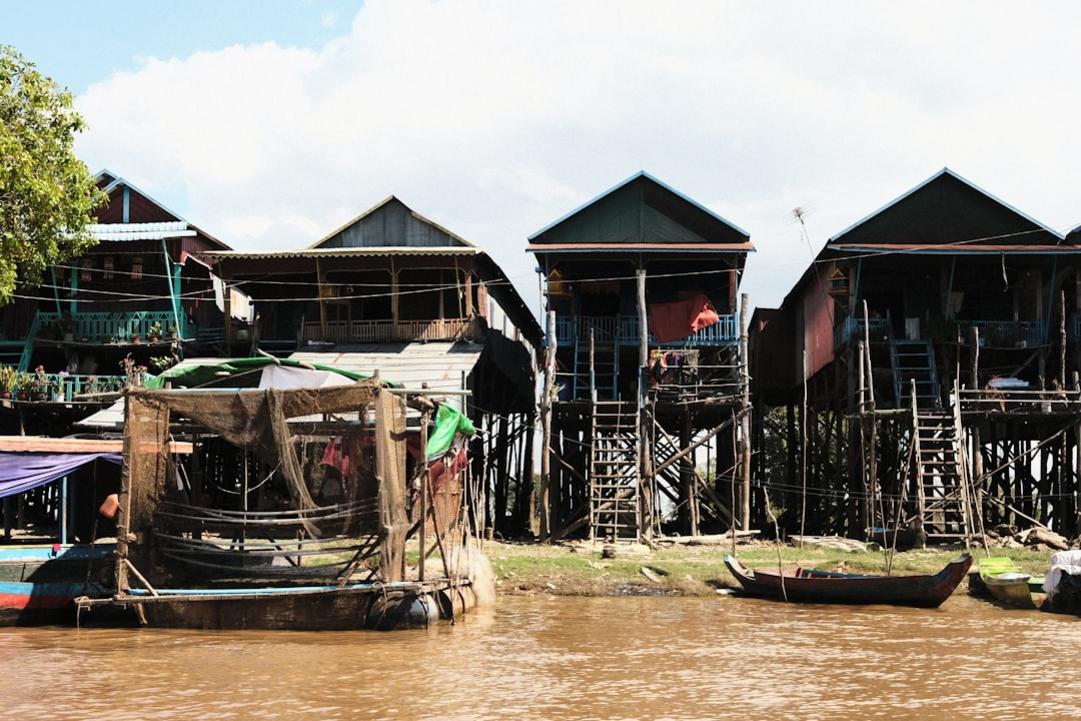
Depart from the Chong Kneas pier, about 4 miles / 6.5 km southeast of Siem Reap’s center, boarding a wooden longtail boat operated by local families. Cruise through narrow channels lined with stilt houses, visiting fishing villages where residents farm fish and raise water buffalo. The guide explains seasonal flooding cycles and how villagers adapt their homes and livelihoods. Stops include floating schools and markets, offering a glimpse of daily life rarely seen on larger tourist boats. The trip lasts about 3 hours, returning before midday to avoid afternoon storms. Book on GetYourGuide.
Choosing a local family-run boat avoids overcrowded tourist boats and gives direct insight into village life, unlike commercial operators that rush through.
- When: Morning departures between 7:30 and 9:00 AM are best from November to May, when water levels are stable and weather is dry.
- Cost: ~$25-$35, 2026
- Duration: 3 hours
- How to reach: Take a tuk-tuk or motorbike taxi to Chong Kneas village on National Road 6, southeast of the Old French Quarter; the pier is a short walk from the main road.
Insider tip: If closed
Visit the Artisans Angkor workshop in Siem Reap for insight into traditional crafts linked to local culture.
Solo female travel: Boat operators are family-run and trustworthy; avoid late afternoon trips when return transport options are limited.
4. Khmer cooking class on Wat Bo Road ·
Learn traditional Khmer recipes in family-run kitchens near Wat Bo Road for hands-on cultural insight.
Join a small group or private class in a family kitchen located on or near Wat Bo Road, a neighborhood known for its local markets and eateries. The session begins with a market visit to select fresh ingredients like lemongrass, galangal, and kaffir lime leaves. Back in the kitchen, the instructor guides you through preparing dishes such as fish amok, Khmer curry, and fresh spring rolls. Classes last about 3 hours and include tasting your creations with traditional rice wine or herbal tea. The intimate setting offers direct interaction with Khmer culinary traditions and daily life. Book on GetYourGuide.
This class stands out for its location in a residential neighborhood rather than tourist zones, providing a more grounded cooking experience than larger commercial schools.
- When: Afternoon classes starting around 2:00 PM work best year-round, avoiding the midday heat and fitting well after morning temple visits.
- Cost: ~$30-$40, 2026
- Duration: 3 hours
- How to reach: Walk or take a short tuk-tuk ride from the Old French Quarter to Wat Bo Road, located just east of the central market area.
Insider tip: If closed
Attend a Khmer food tasting tour around the Old Market area to sample local dishes without cooking.
5. Explore the Old French Quarter on foot ·
Walk colonial streets lined with preserved architecture and local markets, soaking in daily life.
Stroll through the Old French Quarter, centered around Sivutha Boulevard and Street 26, where wide avenues and colonial villas reflect Siem Reap’s 1920s-30s past. Visit local markets like the Old Market (Psar Chas) to see vendors selling fresh produce, spices, and street food. The area hosts several small museums and art galleries housed in restored buildings. Side streets reveal quiet cafes and guesthouses where locals and expats mingle. The walk offers a contrast to the temple-focused tours, highlighting the city’s urban history and ongoing community life.
Walking this neighborhood reveals layers of Siem Reap’s history and daily rhythms missed by tuk-tuk rides or visits limited to Pub Street and tourist markets.
- When: Late morning or late afternoon to avoid midday heat, any day of the week; markets are liveliest early morning and late afternoon.
- Cost: Free
- Duration: 2-3 hours
- How to reach: Start from the Old Market area in the city center; the district is fully walkable from most guesthouses in the Old French Quarter.
6. Visit the Angkor National Museum ·
Contextualize the temple complex with detailed exhibits and artifacts in a modern setting near the Old French Quarter.
Located on Sivutha Boulevard, the Angkor National Museum offers a comprehensive overview of Khmer history and art before visiting the temples. Exhibits include original sculptures, detailed maps, and multimedia presentations explaining religious symbolism and architectural techniques. The museum’s layout guides visitors through Angkorian civilization’s rise and fall, providing context that enhances temple visits. Audio guides and knowledgeable staff help clarify complex topics. The air-conditioned space offers a break from the heat and crowds outside.
This museum provides background that self-guided temple tours lack, making it a better primer than scattered souvenir shops or brief guidebook summaries.
- When: Open daily from 8:30 AM to 6:00 PM; mid-morning visits avoid early crowds and allow time for afternoon temple tours.
- Cost: ~$12, 2026
- Duration: 2 hours
- How to reach: Walk or take a short tuk-tuk ride from the Old French Quarter along Sivutha Boulevard; the museum is near the Royal Independence Gardens.
Insider tip: If closed
Visit the Cambodia Landmine Museum for a different historical perspective on Cambodia’s recent past.
7. Explore Psar Chaa Market ·
Browse fresh produce, spices, and local crafts in this bustling market at the edge of the Old French Quarter.
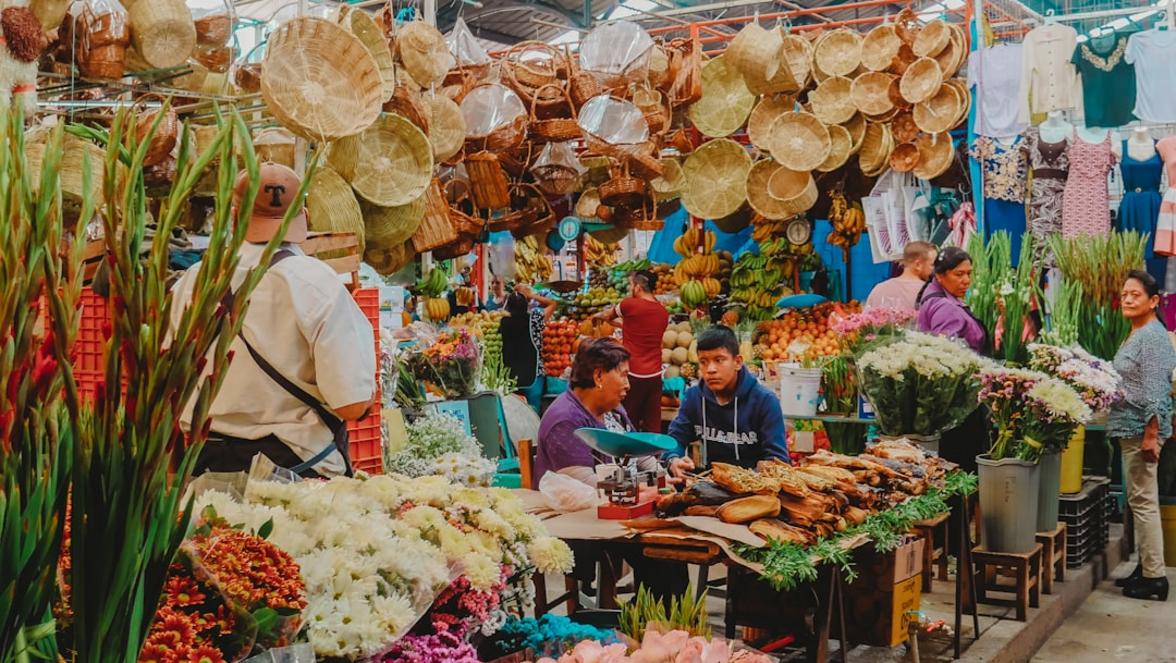
Psar Chaa Market sits on the southern edge of the Old French Quarter, offering a lively mix of fresh fruits, vegetables, spices, and handcrafted goods. Wander through narrow aisles where vendors call out prices and locals haggle over daily essentials. The market’s covered section shelters you from the midday heat while the open-air stalls display vibrant textiles and souvenirs. This spot reveals the daily commerce rhythms that sustain Siem Reap beyond the tourist hubs.
Psar Chaa offers a more local shopping experience than the newer, tourist-focused markets like the Old Market, with a better sense of daily life and less tourist pricing.
- When: Early morning from 7:00 AM to 10:00 AM is best to catch fresh produce and avoid the midday crowd.
- Cost: Free to browse; purchases vary ~2026
- Duration: 1-2 hours
- How to reach: Walk or take a short tuk-tuk ride from the Old French Quarter along Sivutha Boulevard to the market’s entrance on Charles de Gaulle Street.
Insider tip: If closed
Visit the Old Market (Psar Chas) near Pub Street for a similar mix of goods with more tourist traffic.
8. Visit Banteay Srei Temple ·
Admire intricate pink sandstone carvings at this smaller temple about 12 miles / 19 km from Siem Reap’s center.
Banteay Srei stands out for its delicate pink sandstone carvings, showcasing Khmer artistry in miniature scale. Located northeast of Siem Reap, the temple’s intricate bas-reliefs depict Hindu mythology with exceptional detail rarely seen at larger Angkor temples. The site feels quieter, allowing time to study the craftsmanship without crowds. Guides from licensed outfits in town provide context on the temple’s 10th-century origins and its unique role in Khmer history. Book on GetYourGuide.
Banteay Srei offers a contrast to the massive Angkor Wat complex, focusing on fine detail and a less crowded setting, unlike the main Angkor temples.
- When: Morning visits between 8:00 AM and 11:00 AM avoid afternoon heat and afternoon tour bus arrivals.
- Cost: ~$20 for Angkor Pass including Banteay Srei, 2026
- Duration: Half day
- How to reach: Hire a tuk-tuk or join a small group tour departing from the Old French Quarter; the temple is about a 45-minute drive northeast along National Road 6.
Insider tip: If closed
Explore the nearby Preah Khan temple for similar carvings and fewer crowds.
9. Sunset at Phnom Bakheng Temple ·
Climb Phnom Bakheng for panoramic views of Angkor Wat and the surrounding jungle at sunset.
Phnom Bakheng is a hilltop temple offering sweeping views over Angkor Wat and the surrounding forest canopy. The climb involves about 350 stone steps, rewarding visitors with a vantage point that captures the sunset’s changing light on the temple spires below. Arrive early to secure a good spot, as the summit fills quickly with tourists and locals alike. The temple’s 9th-century origins add historical weight to the visual spectacle.
Phnom Bakheng’s sunset view is more intimate and less commercialized than the popular Angkor Wat sunset, which is often crowded and restricted.
- When: Arrive by 4:30 PM to beat the crowds and catch sunset around 5:45 PM, especially from November to February when skies are clearer.
- Cost: ~$20 Angkor Pass covers entry, 2026
- Duration: 2 hours
- How to reach: Take a tuk-tuk from the Old French Quarter heading west on National Road 6, then follow signs to the temple base; the climb starts at the parking area.
Insider tip: If closed
Watch sunset from the nearby Srah Srang reservoir’s eastern bank for a quieter view.
Solo female travel: Avoid climbing after dark; the path is steep and uneven with limited lighting.
10. Visit Artisans Angkor workshops ·
See traditional Khmer craftspeople at work and support local artisans near the Old French Quarter.
Artisans Angkor operates workshops just south of the Old French Quarter, where skilled craftspeople carve stone, weave silk, and create lacquerware using traditional Khmer methods. Visitors walk through open studios observing each craft stage, from raw material to finished product. The nonprofit supports rural artisans and preserves cultural techniques, with a showroom offering quality souvenirs. The site also runs training programs, making it a hub for cultural preservation in Siem Reap.
This workshop visit provides direct insight into Khmer craftsmanship, unlike generic souvenir shops that sell mass-produced items without context.
- When: Open daily from 8:00 AM to 5:00 PM; morning visits avoid afternoon heat and crowds.
- Cost: Free entry; purchases optional, 2026
- Duration: 1-2 hours
- How to reach: Walk or take a short tuk-tuk ride south from the Old French Quarter along Sivutha Boulevard to the workshop complex.
Insider tip: If closed
Visit the Cambodia Craft Shop near Pub Street for artisan products without the workshop experience.
11. Morning market visit on Charles de Gaulle Street ·
Experience local produce and daily commerce at this early market favored by locals over tourists.
The morning market on Charles de Gaulle Street bustles with local vendors selling fresh vegetables, herbs, fish, and prepared foods before the tourist crowds arrive. This market serves residents from the Old French Quarter and nearby neighborhoods, offering a glimpse into daily Khmer life. The atmosphere is lively but less touristy than central markets, with vendors often calling out prices and buyers negotiating in Khmer. Sampling street snacks here provides a direct taste of local flavors.
This market feels more authentic than the Old Market near Pub Street, which caters heavily to tourists and closes earlier in the day.
- When: Arrive between 6:00 AM and 9:00 AM to see full market activity and fresh arrivals.
- Cost: Free to browse; food and produce prices vary, ~2026
- Duration: 1-2 hours
- How to reach: Walk from the Old French Quarter along Charles de Gaulle Street, located just east of the main boulevard Sivutha.
Insider tip: If closed
Visit the Psar Leu Market in the northern part of town for a larger local market experience.
12. Visit Wat Bo Temple ·
Explore one of Siem Reap’s oldest Buddhist temples, a quiet spot with rich local religious life.
Wat Bo Temple sits just south of the Old Market area, offering a peaceful contrast to the busier Angkor sites. The temple features intricate 19th-century murals depicting Buddhist stories and Khmer daily life, still maintained by local monks. Visitors can observe worshippers and monks in prayer, giving a glimpse into ongoing religious traditions. The temple’s modest scale invites slow exploration without the crowds.
Choose this if you want a quieter, more intimate look at living Buddhist culture in Siem Reap beyond the major temple complexes.
- When: Visit in the morning between 8:00 AM and 11:00 AM to catch monks’ rituals and avoid midday heat.
- Cost: ~$3, 2026
- Duration: 1 hour
- How to reach: A 10-minute tuk-tuk ride from the central Old Market area along Sivutha Boulevard brings you to Wat Bo, located near the intersection with Street 26.
Insider tip: If closed
Visit the nearby Preah Ang Chek Preah Ang Chom Shrine for a similar local religious atmosphere.
13. Attend a traditional Apsara dance performance ·
Watch classical Khmer dance in an intimate setting that highlights ritual and cultural storytelling.
Apsara dance performances in Siem Reap take place in small theaters or boutique hotels, focusing on the slow, deliberate hand gestures and costumes that tell ancient Khmer myths. The shows often include live traditional music and narration in Khmer, with English translations available. These performances emphasize the ritual origins of the dance, connecting it to temple carvings and royal ceremonies. The intimate venues allow close-up views of the dancers’ intricate movements and facial expressions. Book on GetYourGuide.
This suits travelers interested in Khmer performing arts and cultural storytelling beyond daytime temple visits.
- When: Evenings from 7:00 PM to 9:00 PM, year-round; book ahead for weekend shows to secure a seat.
- Cost: ~$15-$25, 2026
- Duration: 1.5 hours
- How to reach: Most venues lie within a 5- to 10-minute walk from Pub Street or the Old Market area, easily reached on foot or by tuk-tuk.
Insider tip: If closed
Attend a traditional shadow puppet show at a local cultural center for a different form of Khmer storytelling.
14. Visit the Cambodia Landmine Museum ·
Learn about Cambodia’s recent history and ongoing recovery efforts through this focused museum experience.
The Cambodia Landmine Museum, located about 6 miles / 10 km from Siem Reap center, documents the devastating impact of landmines and unexploded ordnance on Cambodian communities. Exhibits include deactivated mines, personal stories from survivors, and educational materials on clearance efforts. The museum is run by a former child soldier, adding a personal narrative to the displays. Visitors gain insight into the ongoing challenges of post-conflict recovery and local resilience. Book on GetYourGuide.
Pick this for a deeper understanding of Cambodia’s modern history and humanitarian issues beyond Angkor’s ancient heritage.
- When: Open daily from 9:00 AM to 5:00 PM; mornings are quieter and cooler for the outdoor exhibits.
- Cost: ~$5, 2026
- Duration: 2 hours
- How to reach: Arrange a tuk-tuk or taxi for the 20-minute ride west from Siem Reap center along National Road 6; no public transport serves this site directly.
Insider tip: If closed
Visit the War Museum Cambodia for a broader overview of 20th-century conflicts in the region.
15. Explore the Angkor Night Market ·
Shop local crafts and street food in a lively evening market near the Old French Quarter.
The Angkor Night Market sets up daily near the Old French Quarter, offering a mix of handicrafts, souvenirs, and street food stalls. The market’s layout encourages wandering through rows of textiles, wood carvings, and jewelry made by local artisans. Food vendors serve Khmer specialties like grilled skewers and fresh fruit shakes, perfect for casual dinner or snacks. The market buzzes with locals and travelers, providing a snapshot of Siem Reap’s evening social life beyond Pub Street.
This market fits travelers who want a relaxed evening browsing local crafts and tasting street food without the tourist-heavy nightlife zones.
- When: Open from 5:00 PM to 10:00 PM daily; weekdays are less crowded than weekends.
- Cost: Free entry; food and crafts vary from ~$1 to $10, 2026
- Duration: 1-2 hours
- How to reach: Walk or take a short tuk-tuk ride from the Old Market or Pub Street areas; the market sits along Sivutha Boulevard near the Old French Quarter.
Insider tip: If closed
Visit the Made in Cambodia Market for a similar evening shopping experience focused on local products.
16. Visit the War Museum Cambodia ·
Gain perspective on Cambodia’s 20th-century conflicts through exhibits and military artifacts.
The War Museum Cambodia, located a few miles south of Siem Reap center, displays military vehicles, weapons, and photographs from the Khmer Rouge era and subsequent conflicts. The outdoor grounds include tanks and artillery, while indoor exhibits provide context on Cambodia’s turbulent recent past. Guides often share firsthand accounts, adding depth to the displays. The museum offers a sobering counterpoint to the ancient history found in the temples.
Select this if interested in Cambodia’s modern military history and its impact on society, complementing temple visits with recent historical context.
- When: Open daily from 8:00 AM to 5:00 PM; mornings are best to avoid midday heat and crowds.
- Cost: ~$5, 2026
- Duration: 2 hours
- How to reach: Reachable by tuk-tuk or taxi in about 15 minutes from Siem Reap center, heading south along National Road 6; no direct public transport.
Insider tip: If closed
Visit the Cambodia Landmine Museum for a related focus on post-conflict recovery.
17. Visit the Cambodia Cultural Village ·
Explore Khmer culture and village life through staged performances and traditional architecture displays.
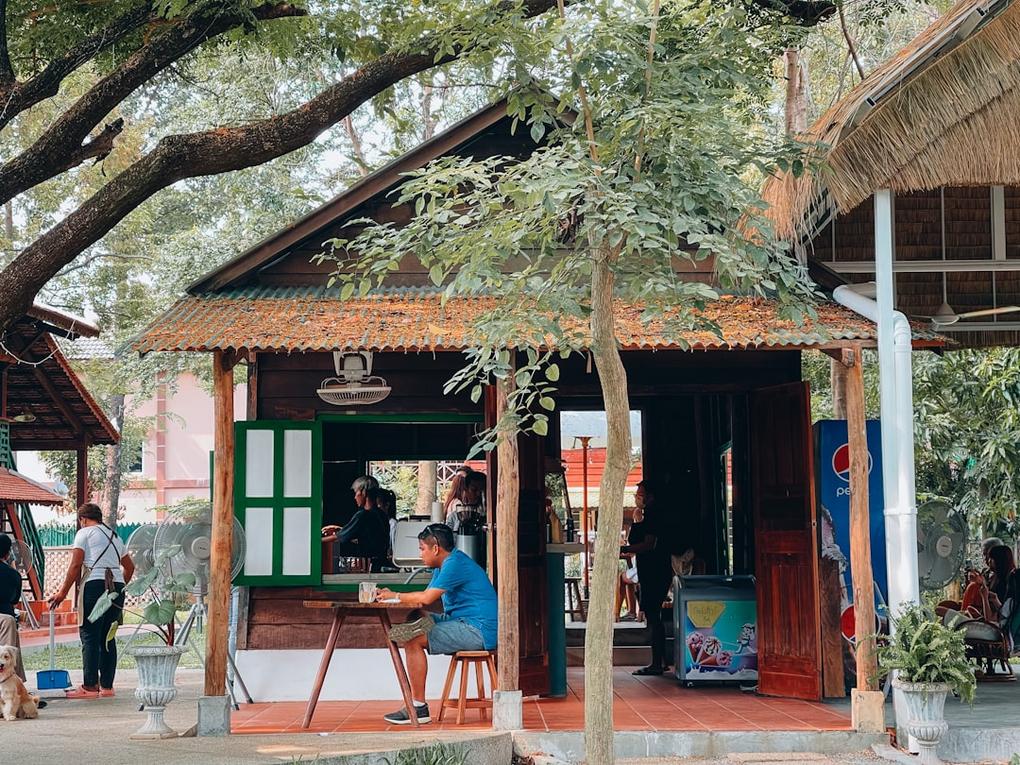
The Cambodia Cultural Village recreates traditional Khmer village scenes with replicas of houses, temples, and craft workshops. Visitors watch scheduled performances of folk dances, martial arts, and ceremonies that illustrate Cambodia’s ethnic diversity. The site includes a small museum and artisan demonstrations, offering a curated overview of cultural practices. Though somewhat staged, it provides context for understanding rural life and Khmer traditions outside the temple ruins. Book on GetYourGuide.
This appeals to travelers wanting a condensed cultural overview with live performances and architecture displays in one accessible location.
- When: Open daily from 8:00 AM to 6:00 PM; attend afternoon shows around 3:00 PM for best performance variety.
- Cost: ~$12, 2026
- Duration: 3 hours
- How to reach: Located about 5 miles / 8 km southeast of Siem Reap center; best reached by tuk-tuk or taxi along National Road 6.
Insider tip: If closed
Visit local craft villages like Kompong Phluk for a more organic cultural experience outside the city.
More in Siem Reap
72 hours in Siem Reap
This three-day plan guides you through Siem Reap’s layers of heritage, from temple grandeur to local markets and cultural museums. It suits culture seekers who want to balance iconic sites with neighborhood walks and authentic Khmer life.
Day 1
Morning
Start before dawn with the Sunrise tour of Angkor Wat to catch the first light illuminating the temple’s bas-reliefs. Arrive early to avoid the crowds that form by 9:30 AM and bring water; the morning light from the east highlights the temple’s intricate carvings best. After the tour, grab a coffee at a shaded stall near the Old French Quarter to recharge before heading into the city.
Afternoon
Head to the Bayon Temple and Angkor Thom guided walk after lunch at a family-run kitchen near the central market, where you can try Khmer staples like fish amok for around $5-$7. The guided walk reveals the royal city’s layout and the Bayon’s stone faces with fewer tourists after midday. Take a slow stroll back through the Old French Quarter’s colonial streets, stopping at the Angkor National Museum to deepen your understanding of the temple complex’s history.
Evening
Climb Phnom Bakheng Temple around 5:00 PM to secure a good spot for sunset views over Angkor Wat and the jungle canopy. The climb is steep but manageable, and the fading light casts long shadows on the ruins. For dinner, choose a Khmer barbecue restaurant in the Old French Quarter, where locals gather for grilled meats and fresh herbs, keeping the evening lively but relaxed.

Day 2
Morning
Wake early to visit the morning market on Charles de Gaulle Street, where locals shop for fresh produce and spices before 9:00 AM. This market offers a raw look at daily commerce away from tourist stalls. Follow with a Khmer cooking class on Wat Bo Road, starting mid-morning, where you’ll prepare traditional dishes in a family kitchen, learning techniques that connect you directly to local food culture.
Afternoon
After lunch at the cooking class, take a tuk-tuk to Banteay Srei Temple, about 12 miles / 19 km northeast of town. The temple’s pink sandstone carvings are best seen in the softer afternoon light, and the smaller crowds make for a contemplative visit. On the way back, stop at Artisans Angkor workshops near the Old French Quarter to watch craftspeople at work and pick up handmade souvenirs that support local artisans.
Evening
Spend the evening at the Angkor Night Market near the Old French Quarter, arriving around 6:30 PM when stalls open and the temperature cools. Browse local crafts and street food stalls, sampling Khmer snacks like num pang sandwiches or fried tarantulas if you’re adventurous. For dinner, pick a riverside restaurant in the French Quarter serving freshwater fish dishes, where the atmosphere is casual and the pace slower than Pub Street.
Day 3
Morning
Begin with a visit to Wat Bo Temple just after 8:00 AM to experience one of Siem Reap’s oldest Buddhist sites before the heat and crowds arrive. The temple’s quiet courtyards offer insight into local religious life. Then walk through the nearby Old French Quarter streets, stopping at a café favored by locals for a late breakfast of Khmer coffee and fresh tropical fruit.
Afternoon
Dedicate the afternoon to the Cambodia Landmine Museum and the War Museum Cambodia, both offering focused perspectives on Cambodia’s recent history. Take a tuk-tuk to these museums outside the central district, arriving by 1:00 PM to avoid the late-afternoon rush. These visits provide context often missed in temple tours and deepen understanding of Cambodia’s 20th-century challenges.
Evening
Finish your trip with a traditional Apsara dance performance in an intimate venue near the Old French Quarter, starting around 7:00 PM. The show’s ritual storytelling pairs well with a dinner of classic Khmer dishes served at the venue, offering a calm, reflective end to your cultural exploration.
If you have a fourth day
Spend a fourth day exploring the Tonle Sap floating villages by local boat operators, leaving early to avoid midday heat and tourist crowds. This riverside excursion reveals village life on Cambodia’s largest freshwater lake, adding a waterborne dimension to your heritage-focused itinerary.
Best time to visit Siem Reap
Quick answer
Siem Reap stays hot all year, so plan around rain rather than temperature: the drier, most comfortable window is Nov-Mar. Skip May-Oct unless you can handle heat and humidity plus the heaviest rain.
| Months to go | Nov-Mar |
|---|---|
| Months to avoid | May-Oct |
Siem Reap stays hot the whole year, roughly 78 to 86F, with little seasonal change. The bigger variable is rain, which decides how comfortable each month feels far more than temperature does.
The wet season runs Mar-Nov, averaging about 26 rainy days a month with heavy but usually short downpours. The drier, easier stretch is Dec-Jan, when skies stay clear for longer and outdoor plans hold up better.
Average temperature (°F)
Monthly weather
Hot but mostly dry
Hot but mostly dry
Very hot, seek shade
Very hot, seek shade
Hot and humid
Hot and humid
Hot and humid
Hot and humid
Hot and humid
Hot and humid
Hot and humid
Hot but mostly dry
Time it around
Crowds and prices climb in Dec-Mar. For similar conditions with fewer people, aim for Nov.
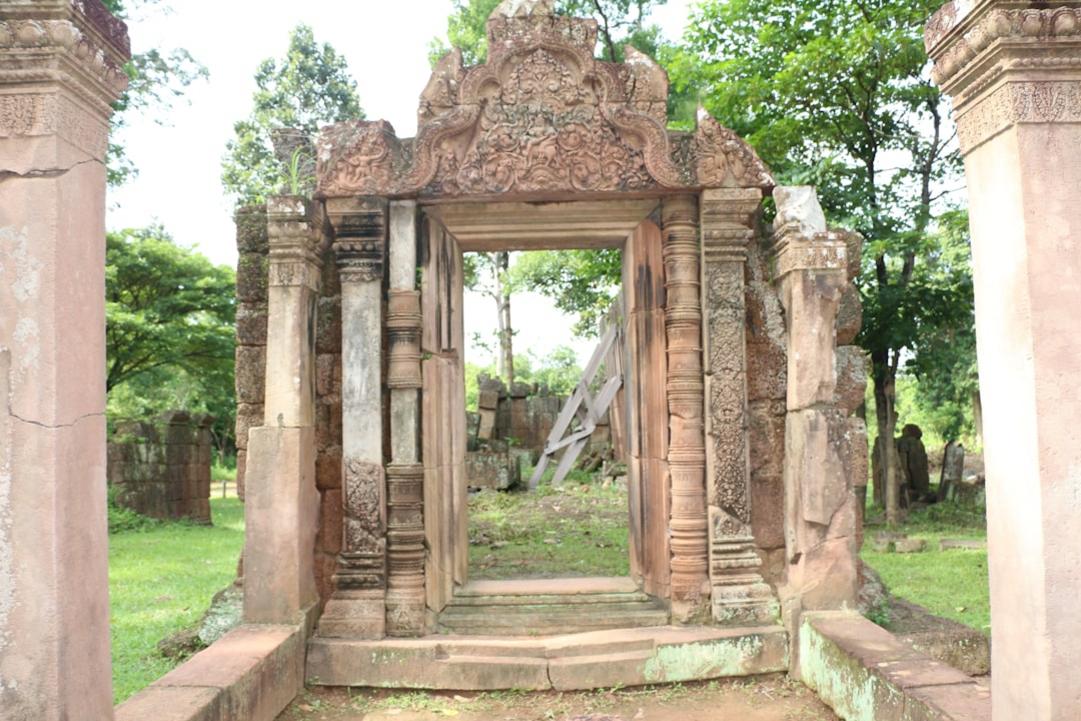
How to get to Siem Reap
Nearest airport
Siem Reap International Airport (REP), about 6 miles / 10 km from the city center
From the airport
Take a metered taxi or tuk-tuk from the airport exit; expect to pay around $7-$10, 2026. The public airport shuttle runs multiple departures daily to central Siem Reap for about $3-$5, 2026, book tickets at the airport counter. Avoid pre-booked private transfers that charge $20 or more unless convenience is a priority.
Other ways to arrive
- From Phnom Penh by bus: 5-6 hours, ~$12-$15, 2026, depart from the central bus station
- From Battambang by minivan: 3-4 hours, ~$8-$12, 2026, book at local travel agencies
- From Bangkok by flight: 1 hour, ~$50-$80, 2026, fly into Siem Reap International Airport
- From Ho Chi Minh City by bus: 10-12 hours, ~$20-$25, 2026, cross the border at Bavet
- From Phnom Penh by domestic flight: 45 minutes, ~$60-$90, 2026, book through local airlines
Getting around Siem Reap
Tuk-tuks dominate local transport and offer flexible, affordable rides around town and to temple sites. For a culture-focused traveler, hiring a tuk-tuk driver for half or full days provides the best balance of convenience and local insight.
- Tuk-tuk: Use for short trips and temple tours; costs around $5-$15 per half or full day, 2026
- Bicycle: Rent for $2-$5 per day, 2026; ideal for exploring the Old French Quarter and nearby neighborhoods at your own pace
- Motorbike rental: Around $8-$12 per day, 2026; suitable if comfortable with traffic and seeking independence
- Metred taxi: Use for airport transfers or longer trips; fares start at $7, 2026
- Walking: Best for central neighborhoods like Wat Bo and Old Market areas; safe and immersive
- Ride-hailing apps: Available but less reliable than tuk-tuks; fares vary, often higher than tuk-tuks
Avoid
Avoid unmetered taxis that quote inflated fixed prices; negotiate tuk-tuk fares upfront to prevent surprises.
Day trips from Siem Reap
Several destinations outside Siem Reap offer deeper insight into Cambodia’s heritage and rural life. These trips complement temple visits with village culture, colonial history, and natural scenery.
Kampong Phluk Floating Village
Explore a Tonle Sap lakeside village with stilt houses and seasonal flooding.
Why: This village reveals how local communities adapt to the lake’s dramatic water level changes, with boat tours through mangroves and visits to local markets. It’s less touristy than other floating villages and offers a grounded view of rural life.
Skip if: You have already visited Tonle Sap floating villages by local boat.
Beng Mealea Temple
Visit a sprawling, unrestored Angkorian temple engulfed by jungle.
Why: Beng Mealea’s raw, overgrown ruins provide a contrast to the restored Angkor sites. The site’s atmosphere and fewer crowds make it ideal for travelers interested in archaeology and temple architecture beyond the main circuit.
Phnom Kulen National Park
Hike to waterfalls, ancient carvings, and a sacred mountain.
Why: Phnom Kulen offers a mix of natural beauty and Khmer history, including the riverbed carvings and the site where Angkor was founded. The park’s trails and swimming spots provide a refreshing break from the city’s heat.
Kampong Khleang Village
Experience a large, traditional fishing village on Tonle Sap Lake.
Why: Less visited than other lakeside villages, Kampong Khleang shows authentic seasonal life with wooden houses on stilts and floating markets. It’s a strong cultural complement to temple visits and offers photo opportunities of daily Khmer life.
Combine Siem Reap with
Extend your Cambodia itinerary by linking Siem Reap with other destinations that deepen cultural and historical understanding. These routes offer multi-night stays and diverse experiences beyond the temple zone.
Siem Reap → Phnom Penh → Kampot Siem Reap, Phnom Penh, Kampot
Start with the temples, then move to Phnom Penh for colonial architecture and museums, finishing in Kampot for riverside town life and pepper plantations.
Siem Reap → Battambang → Phnom Penh Siem Reap, Battambang, Phnom Penh
Visit Battambang for provincial arts and countryside, then Phnom Penh for urban history and markets, creating a layered cultural journey.
Siem Reap → Kratie → Phnom Penh Siem Reap, Kratie, Phnom Penh
Add Kratie to see the Mekong River and rare Irrawaddy dolphins, then Phnom Penh for Cambodia’s capital city heritage and museums.
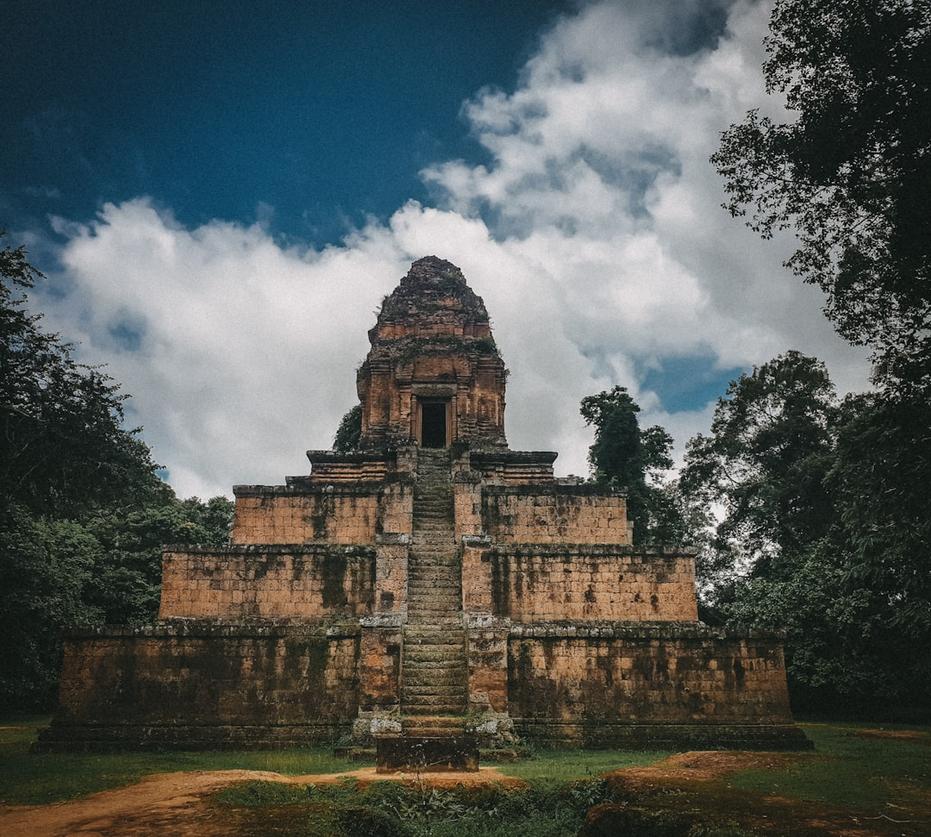
Getting from Siem Reap
Where to stay in Siem Reap
Compare prices across booking sites on the map below and see which neighbourhood fits your plans.
Siem Reap’s lodging clusters around several distinct neighborhoods, each catering to different traveler priorities. The Old French Quarter offers colonial architecture and walkable access to the historic center, ideal for culture seekers. Wat Bo area blends quiet streets with local markets and affordable guesthouses. Pub Street and the surrounding Night Market zone serve as the nightlife and dining hub, best for those who want evening energy close by. Svay Dangkum, a bit north of the center, hosts boutique hotels and upscale guesthouses with a calmer vibe. For river views and a more residential feel, the Tonle Sap riverside neighborhood offers guesthouses and mid-range hotels. Finally, the airport road corridor has budget guesthouses and hostels, convenient for early departures but less atmospheric. These zones shape your stay depending on how close you want to be to temples, nightlife, or local life.
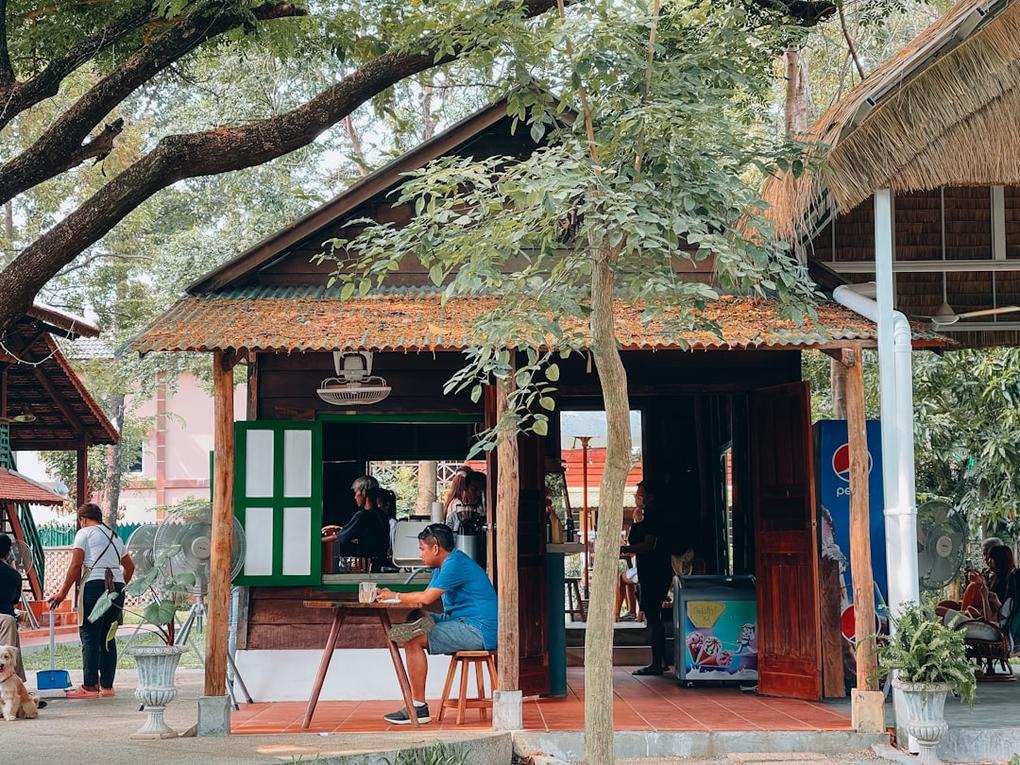
Airport Road
Budget stays in Siem Reap mostly consist of family-run guesthouses and hostel dorms clustered along Airport Road and parts of Wat Bo. These properties offer basic rooms or shared dorms with simple amenities, often without air conditioning or private bathrooms. You get a functional base for temple tours and market visits but should expect noise from nearby traffic and limited soundproofing. These places rarely have communal social spaces beyond a small lobby or courtyard, so socializing depends on timing and luck.
Insider tip: Request a room facing away from the main road on Airport Road to avoid early-morning traffic noise and street vendors.
Wat Bo
Mid-range accommodations in Siem Reap include boutique hotels, guesthouses, and small resorts with garden or pool access. These properties cluster in Wat Bo and Svay Dangkum neighborhoods, balancing proximity to the Old French Quarter and quiet streets. You get air conditioning, private bathrooms, and often breakfast included. The vibe leans toward relaxed comfort with Khmer design touches, but some lack elevators or have limited dining options onsite. These hotels suit travelers who want a calm retreat after temple tours without sacrificing walkability.
Insider tip: Choose guesthouses on the quieter side streets of Wat Bo to avoid the midday market bustle while staying within easy walking distance of the Old Market.
Old French Quarter
Splurge properties in Siem Reap are mostly colonial-style boutique hotels and luxury resorts near the Old French Quarter or along the Tonle Sap riverfront. These hotels offer spacious rooms, upscale amenities like spa services and fine dining, and often have lush gardens or pool areas. They provide concierge services for temple tours and cultural shows, plus airport transfers. The atmosphere suits travelers who want a refined base with easy access to heritage sites and nightlife without sacrificing comfort or style.
Insider tip: Book rooms facing the inner courtyard or garden in the Old French Quarter to avoid street noise and enjoy cooler evening breezes.
Local institution: Belmond La Résidence d'Angkor - known for its colonial charm and prime location near the Old Market and temples.
Where not to stay
Avoid the stretch along Sivutha Boulevard near the airport road intersection; it is noisy after dark due to late-night traffic and street vendors, with little local character.
Solo female travelers
Stay in Wat Bo neighborhood guesthouses with street-facing rooms on well-lit streets like Street 26; these areas have steady foot traffic and local shops open until early evening.
Booking through these links supports Pack Lightly at no extra cost to you.
Neighborhoods in Siem Reap
Siem Reap’s neighborhoods overlap loosely but form distinct zones shaped by geography and function. The Tonle Sap River divides the historic core from quieter residential areas. Streets follow a colonial grid in the Old French Quarter, while the Night Market zone pulses with nightlife and commerce. Each neighborhood offers a different rhythm, from morning markets to late-night bars.
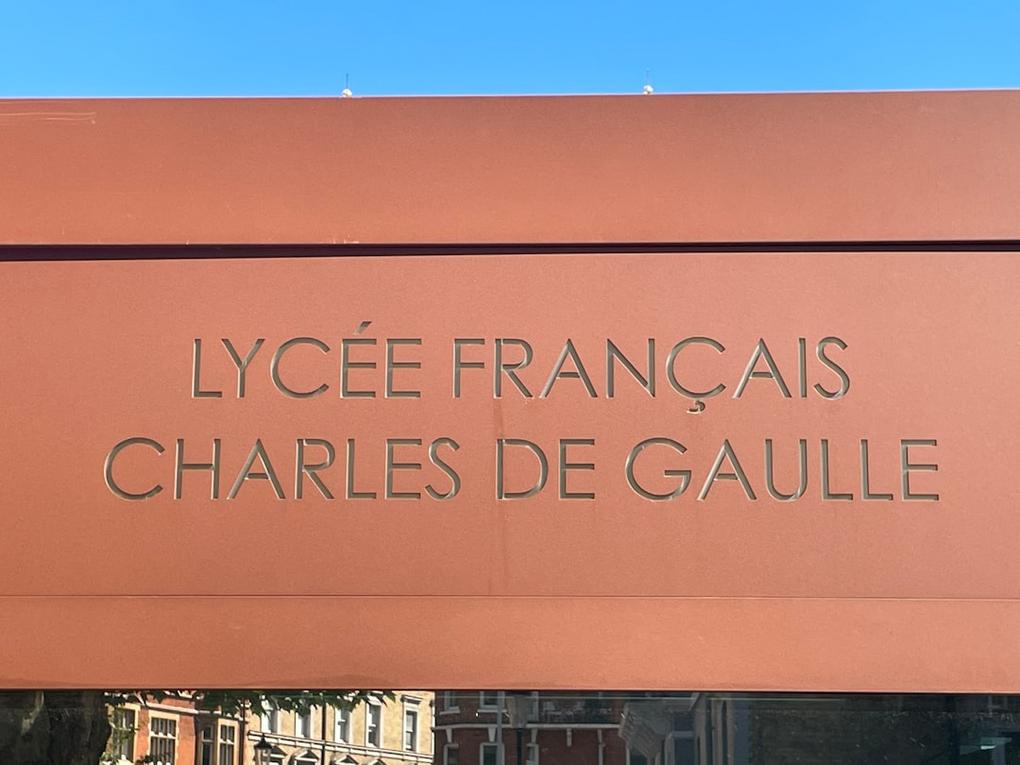
Old French Quarter
This neighborhood features wide boulevards lined with colonial-era villas and French-style architecture. It hosts a mix of government offices, boutique hotels, and galleries, with a steady flow of locals and expats. Mornings bring market vendors and tuk-tuks, while afternoons slow to a quiet pace, making it a calm cultural hub.
Wat Bo
Wat Bo blends narrow residential streets with small markets and guesthouses. Traditional Khmer wooden homes sit alongside modest concrete buildings. The neighborhood hums with daily life, from motorbike traffic to street vendors selling produce and snacks. It feels lived-in and local, with fewer tourists than the center.
Pub Street / Night Market Zone
This compact zone centers on vibrant nightlife and commerce, with neon-lit bars, souvenir shops, and street performers. The architecture is a mix of modern commercial buildings and renovated colonial facades. Daytime feels busy but manageable; after sunset, the streets flood with tourists and locals seeking entertainment.
Svay Dangkum
Svay Dangkum offers a quieter, more upscale feel with boutique hotels and leafy streets. The architecture mixes modern guesthouses with traditional Khmer homes. It’s primarily residential but with pockets of cafes and artisan shops. The pace slows considerably after sunset, making it a calm retreat from the center’s bustle.
Tonle Sap Riverside
This riverside neighborhood features a mix of mid-range hotels and guesthouses with views over the Tonle Sap River. Streets are quieter and more residential, with fishing boats and local markets near the water. The area feels more traditional, with daily river commerce and local families living alongside travelers.
Airport Road
Airport Road is a functional corridor with budget guesthouses and hostels catering to early departures. The architecture is utilitarian, with few public spaces or cultural landmarks. Streets are wider but less pedestrian-friendly, and the area feels disconnected from the city’s cultural core.
Where to eat and drink in Siem Reap
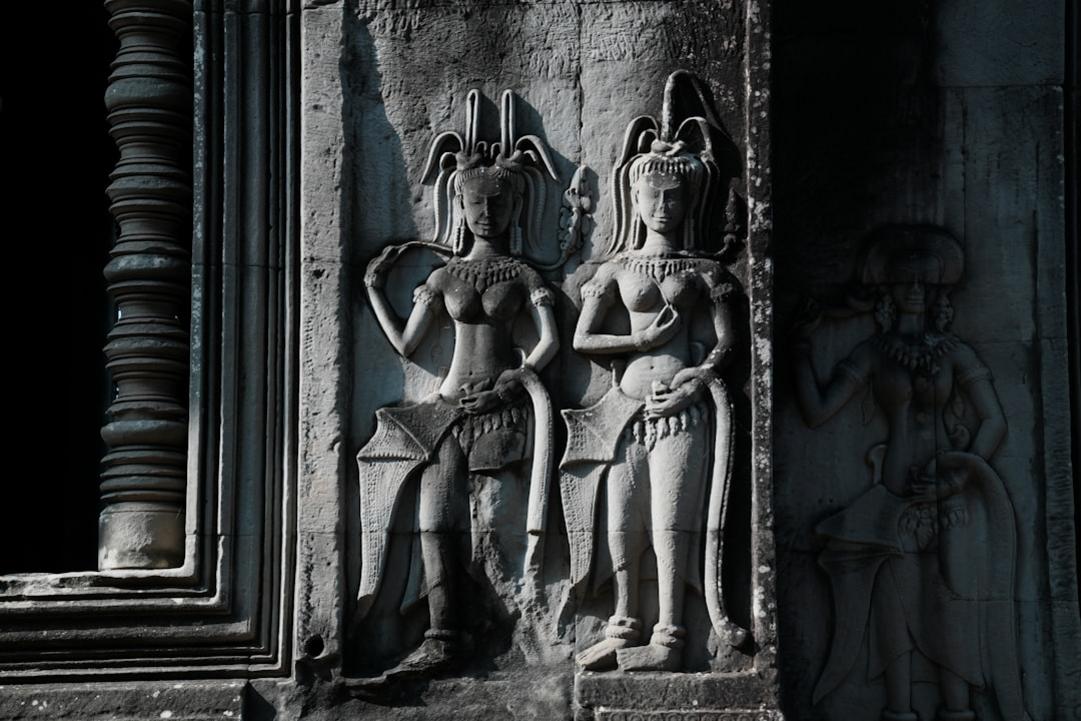
Siem Reap’s food scene reflects its role as the gateway to Angkor, blending Khmer traditions with influences from the Tonle Sap lake region. The city’s cuisine highlights freshwater fish from Tonle Sap, especially in dishes like fish amok, prepared with local herbs and coconut milk. The Old French Quarter and Wat Bo neighborhoods host family-run kitchens serving recipes passed down through generations. Night markets and street stalls around Pub Street offer a lively mix of grilled meats and regional snacks. The city’s food culture also carries traces of Cham Muslim communities, adding unique flavors to the local palate.
Must-try dishes
Fish Amok (អាម៉ុកត្រី)
A creamy steamed curry made with freshwater fish, coconut milk, and kroeung spice paste.
Anchored to Tonle Sap’s freshwater fish, this dish is a Siem Reap specialty reflecting local ingredients and traditional Khmer cooking methods found in family kitchens around Wat Bo.
Insider tip: Skip touristy spots and find a local kitchen near Wat Bo for the freshest, most balanced fish amok.
Nom Banh Chok (Khmer Rice Noodle Soup)
A breakfast noodle dish with rice noodles topped with a green fish gravy and fresh herbs.
This dish is a daily staple in Siem Reap’s morning markets, especially around the Old French Quarter, where vendors use fish from Tonle Sap and local herbs unique to the region.
Insider tip: Arrive early to catch the freshest bowls and watch locals gather for this traditional start to the day.
Cham Beef Skewers
Grilled beef marinated with spices and herbs, reflecting the Cham Muslim community’s culinary influence in Siem Reap.
The Cham community in Siem Reap has preserved this recipe, making it a local specialty rarely found elsewhere in Cambodia.
Insider tip: Order these skewers with a side of pickled vegetables for a true local flavor combo.
Kampot Pepper Crab
Fresh crab cooked with Kampot pepper, a prized regional spice from nearby Kampot province.
Siem Reap restaurants source Kampot pepper to elevate local seafood dishes, making this a regional ingredient anchored specialty in the city’s upscale dining.
Insider tip: Book ahead for dinner at a Svay Dangkum restaurant to enjoy this dish with a refined twist.
Cambodian Iced Coffee (Cafe Boran)
Strong dark coffee brewed with sweetened condensed milk and served over ice.
Siem Reap’s growing third-wave coffee scene sources beans from the Cardamom Mountains, with local roasters in the Old French Quarter refining this classic drink.
Insider tip: Order iced coffee mid-morning to recharge before heading to the temples.
Local drinks
- Angkor BeerAvailable at most bars and street stalls around Pub Street and the Night Market.
Cambodia’s flagship lager, widely consumed in Siem Reap and brewed locally. - Palm Wine (Tep Srey)Find it at local markets and some family-run eateries in Wat Bo and the Old French Quarter.
Fermented sap from palm trees, a traditional local alcoholic drink with a sweet, sour taste.
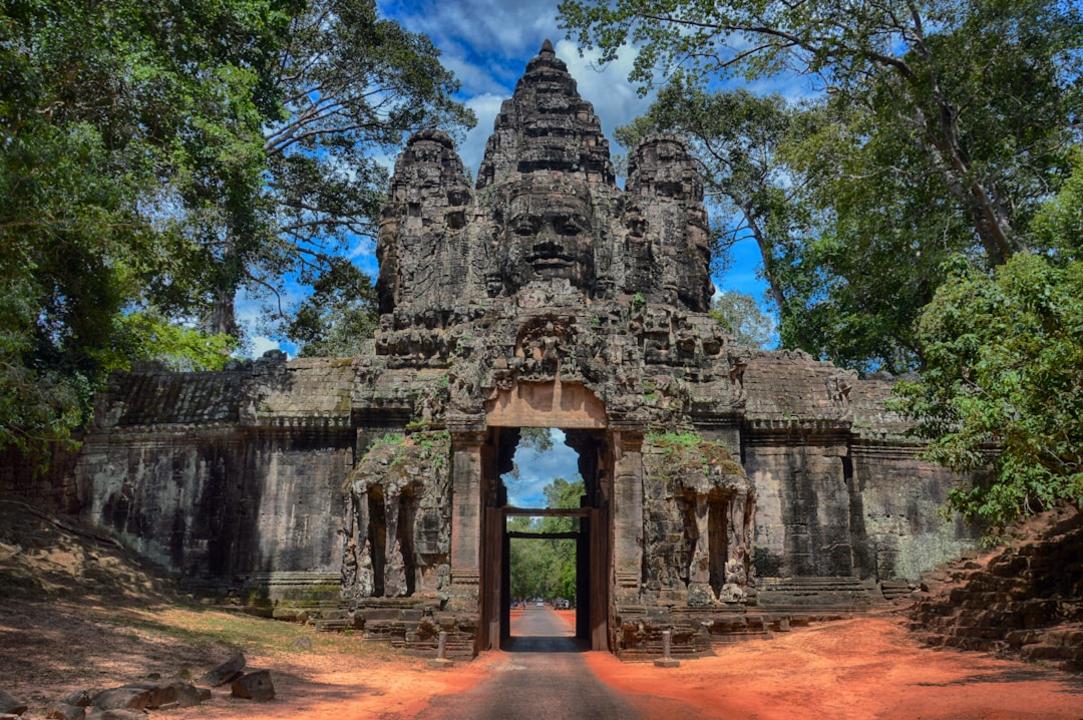
Where to eat - by neighborhood
Old French Quarter
Colonial-era streets lined with family kitchens, boutique cafes, and specialty coffee shops focusing on local ingredients.
Insider tip: Order breakfast noodle soups at market stalls before 9 AM to experience the neighborhood’s authentic morning rhythm.
Wat Bo
Quiet streets with traditional Khmer home kitchens and small restaurants serving Tonle Sap fish dishes and Khmer curries.
Insider tip: Look for unmarked guesthouse kitchens serving fish amok made from fresh catch sourced daily from Tonle Sap.
Pub Street / Night Market Zone
Bustling evening food stalls and casual eateries offering grilled meats, Cham Muslim snacks, and street food favorites.
Insider tip: Skip the main street and explore side alleys for Cham beef skewers and fresh seafood grilled to order.
Svay Dangkum
Upscale guesthouses and restaurants focusing on regional ingredients like Kampot pepper and Cardamom Mountain coffee.
Insider tip: Reserve dinner at a boutique restaurant here to sample elevated Khmer dishes with local spice profiles.
Tonle Sap Riverside
Residential area with riverside eateries serving fresh fish and traditional Khmer dishes in a relaxed setting.
Insider tip: Visit riverside family restaurants at lunchtime for freshly caught fish prepared with local herbs.
Restaurants worth knowing
Chanrey Tree
Marum
Haven
Sister Srey Cafe
Local markets
| Phsar Chas (Old Market) | Daily 6:00 AM - 7:00 PM - Fresh produce, Tonle Sap fish, and early morning noodle soups. |
|---|---|
| Angkor Night Market | Daily 5:00 PM - 11:00 PM - Street food stalls offering grilled meats, Cham snacks, and local desserts. |
| Made in Cambodia Market | Daily 10:00 AM - 9:00 PM - Locally made snacks, spices, and artisanal food products. |
Dietary note
Vegetarian and vegan options exist but are limited outside specialized cafes; gluten-free travelers should specify rice-based dishes and confirm ingredients due to common use of soy and fish sauces.
Daily budget for Siem Reap
Siem Reap’s daily costs stand out in Cambodia due to its heavy tourist flow and temple-driven economy. Prices skew higher than other Cambodian cities, especially around the Old Market and Pub Street areas.
Shoestring
- lodging - basic guesthouse in Old Market area with fan and shared bathroom
- food - street food stalls and local markets serving Khmer dishes
- transport - tuk-tuk rides for short trips or shared rides
- activities - Angkor pass day ticket shared with a small group or self-guided temple visits
- buffer - incidental expenses like bottled water or small souvenirs
Trade-offs: Sacrifice private bathrooms and air conditioning to stay near the historic center and save on transport.
Comfort
- lodging - mid-range boutique guesthouse or small hotel in Wat Bo or Svay Dangkum neighborhoods
- food - meals at family-run Khmer restaurants and occasional Western cafes
- transport - private tuk-tuk hire for half-day temple tours and airport transfers
- activities - guided tours at Angkor temples plus entry to museums like the Angkor National Museum
- buffer - tips, bottled water, or local SIM card top-ups
Trade-offs: Pay more for comfort and location but avoid the tourist-heavy Pub Street lodging to keep a cultural vibe.
Splurge
- lodging - upscale boutique hotel or heritage guesthouse with pool near the Old Market
- food - dinners at refined Khmer restaurants and occasional international fine dining
- transport - private driver for full-day temple tours and airport transfers
- activities - private guided tours with expert archaeologists and cultural performances
- buffer - spa treatments, souvenirs, or extra excursions like Tonle Sap boat tours
Trade-offs: Enjoy premium comfort and expert guides but expect to pay a premium for proximity to the temple circuit and central Siem Reap.
Money-saver tip
Book a tuk-tuk driver for a full day instead of multiple short rides; drivers based near Wat Bo offer better rates than those around Pub Street.
Splurge that's worth it
Invest in a private Angkor temple guide who can explain the complex history and symbolism, turning the ruins into a living story.
Skip to save
Skip the airport taxi at $15-$20; Grab rides or pre-arranged tuk-tuks from guesthouses cost around $5-$7 and avoid inflated tourist pricing.
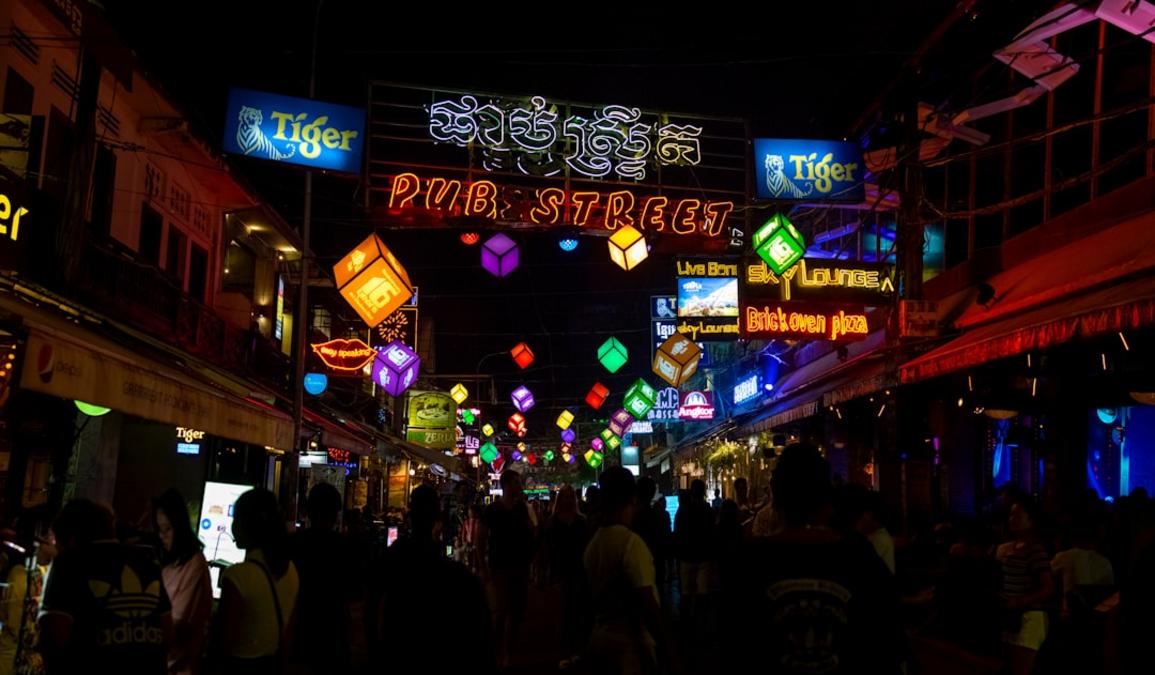
Practical tips for Siem Reap
Money
Cash or card. Cash dominates daily transactions in Siem Reap, especially at markets, small eateries, and tuk-tuks. Larger hotels and some restaurants accept cards, but always carry cash for local vendors and temple entry fees.
ATMs. ATMs are widely available in the Old French Quarter and Pub Street areas, but many charge foreign card fees around $3-$5 per withdrawal. Use cards with no foreign transaction fees and withdraw larger amounts to minimize fees.
Tipping. Tipping is appreciated but not mandatory; leave $1-$2 for tuk-tuk drivers or guides after a half-day tour. At restaurants, rounding up the bill or adding 5-10% is common in tourist areas.
Safety
Siem Reap is straightforward for travelers who stick to well-known neighborhoods and main streets. Nighttime activity centers around Pub Street and the Night Market zone, which remain lively but watch your belongings in crowded spots. Traffic can be chaotic, so stay alert crossing roads.
Where to walk at night. The Old French Quarter and Wat Bo neighborhoods offer safe, walkable streets with good lighting for evening strolls. Svay Dangkum is quieter and secure but less lively after dark. Avoid walking alone late at night along Airport Road, which is dimly lit and less populated.
Common scams:
- Overpriced tuk-tuk rides quoting inflated fixed fares after dark
- Fake gem sellers near the Night Market offering low-quality stones
- Unlicensed guides at Angkor temples charging for unofficial tours
Local warnings:
- Strong sun exposure requires sunscreen and hydration during temple visits
- Roads near temples have uneven surfaces and loose gravel
- Dengue fever risk peaks in rainy season; use mosquito repellent
Connectivity
Mobile data. Mobile coverage is reliable across Siem Reap, including temple areas. Purchase a local SIM from providers like Smart or Metfone for around $5-$10 with data packages suitable for a week.
Wi-Fi. Wi-Fi works well in most guesthouses and cafes around the Old French Quarter and Pub Street. Expect slower speeds in budget guesthouses on Airport Road or Wat Bo.
Late-night transit. No public transit runs late; after 9 PM, rely on tuk-tuks or rideshare apps like PassApp or Grab. Pub Street and Night Market zones have the most frequent late-night rides; Airport Road and Wat Bo require pre-booked transport after dark.
Language
Main language: Khmer. English level: English is widely spoken in tourist areas, hotels, and restaurants but less so in local markets and residential neighborhoods. Basic Khmer phrases help when venturing beyond the main tourist zones.
Cultural notes
- Dress modestly when visiting temples: cover shoulders and knees to respect religious customs
- Ask permission before photographing monks or locals, especially children
- Avoid discussing politics or the Khmer Rouge history in casual conversation
- Use the traditional greeting (palms pressed together) when meeting locals in formal settings
Solo female travel
Solo female travelers find Siem Reap manageable with standard urban awareness. The Old French Quarter and Wat Bo offer quieter streets and social guesthouses, while Pub Street buzzes late into the night with plenty of fellow travelers. Tuk-tuks and rideshare apps provide safe, affordable transport after dark.
- Neighborhood: Stay in the Old French Quarter for a balance of safety, walkability, and access to cultural sites without the late-night noise of Pub Street.
- Transport: Use rideshare apps like Grab or PassApp for late-night returns from Pub Street or Night Market; tuk-tuks can overcharge after 9 PM if not booked via app.
Frequently asked questions about Siem Reap
1Is the Sunrise tour of Angkor Wat worth it?
Yes, the sunrise tour is worth it for the iconic early light on Angkor Wat’s architecture. Start before 6:00 AM to avoid crowds and midday heat, especially from April to June.
2Should I stay in the Old French Quarter or Wat Bo neighborhood?
Choose the Old French Quarter for colonial architecture and quieter streets. Wat Bo suits you if you want closer access to local markets and family-run eateries with authentic Khmer flavors.
3Should I do the Cambodia Cultural Village or the Angkor National Museum?
Skip the Cambodia Cultural Village if pressed for time; it leans touristy and scripted. The Angkor National Museum offers deeper historical context and is better visited mid-afternoon to avoid heat.
4How many days do I need in Siem Reap to see the main temples and local culture?
Plan at least three full days: one for Angkor Wat and Angkor Thom, one for Banteay Srei and Tonle Sap floating villages, and one for local markets, museums, and a Khmer cooking class.
5Is it safe to walk around the Old Market area at night as a solo female traveler?
Yes, the Old Market area is well-lit and busy until around 10 PM, making it manageable for solo females. Use tuk-tuks for trips after dark, especially beyond 9 PM.
6What does a typical day cost in Siem Reap for mid-range travelers?
Expect to spend roughly $60-$120 per day in 2026, covering temple passes, tuk-tuk rides, meals at local eateries, and entry to museums or cultural shows.
7Why is Psar Chaa Market known among travelers in Siem Reap?
Psar Chaa Market stands out for its lively mix of fresh produce, handicrafts, and street food stalls. It’s a prime spot to see daily Khmer commerce and sample dishes like fish amok or nom banh chok.
8Is it worth taking a tuk-tuk for a full day of temple tours?
Yes, hiring a tuk-tuk for $15-$20 per day (2026) is the most efficient way to cover Angkor’s vast temple complex. Negotiate the fare upfront to avoid surprises and book early in the morning.
9When is the best time to visit Siem Reap to avoid heavy rain?
Visit between December and February for the driest weather and cooler temperatures around 72°F / 22°C. Avoid October and November when rainfall peaks near 16-18 inches / 406-457 mm per month.
10What local dishes should I try around the Wat Bo neighborhood?
Try fish amok and cham beef skewers at family-run eateries near Wat Bo Road. Cambodian iced coffee here offers a strong, sweet pick-me-up after a morning of temple touring.