


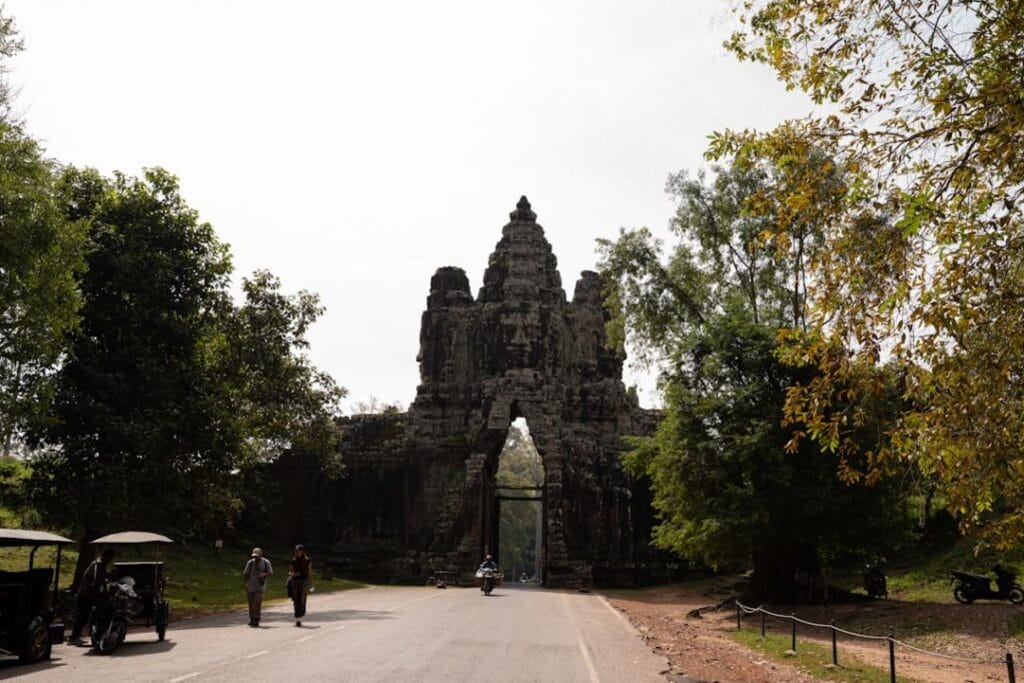
Wear lightweight, breathable, and modest clothing that covers shoulders and knees to respect temple dress codes and beat the extreme heat.
Peak season from November to February offers drier, slightly cooler weather, while the rainy season demands rain-ready gear and high humidity fabrics.
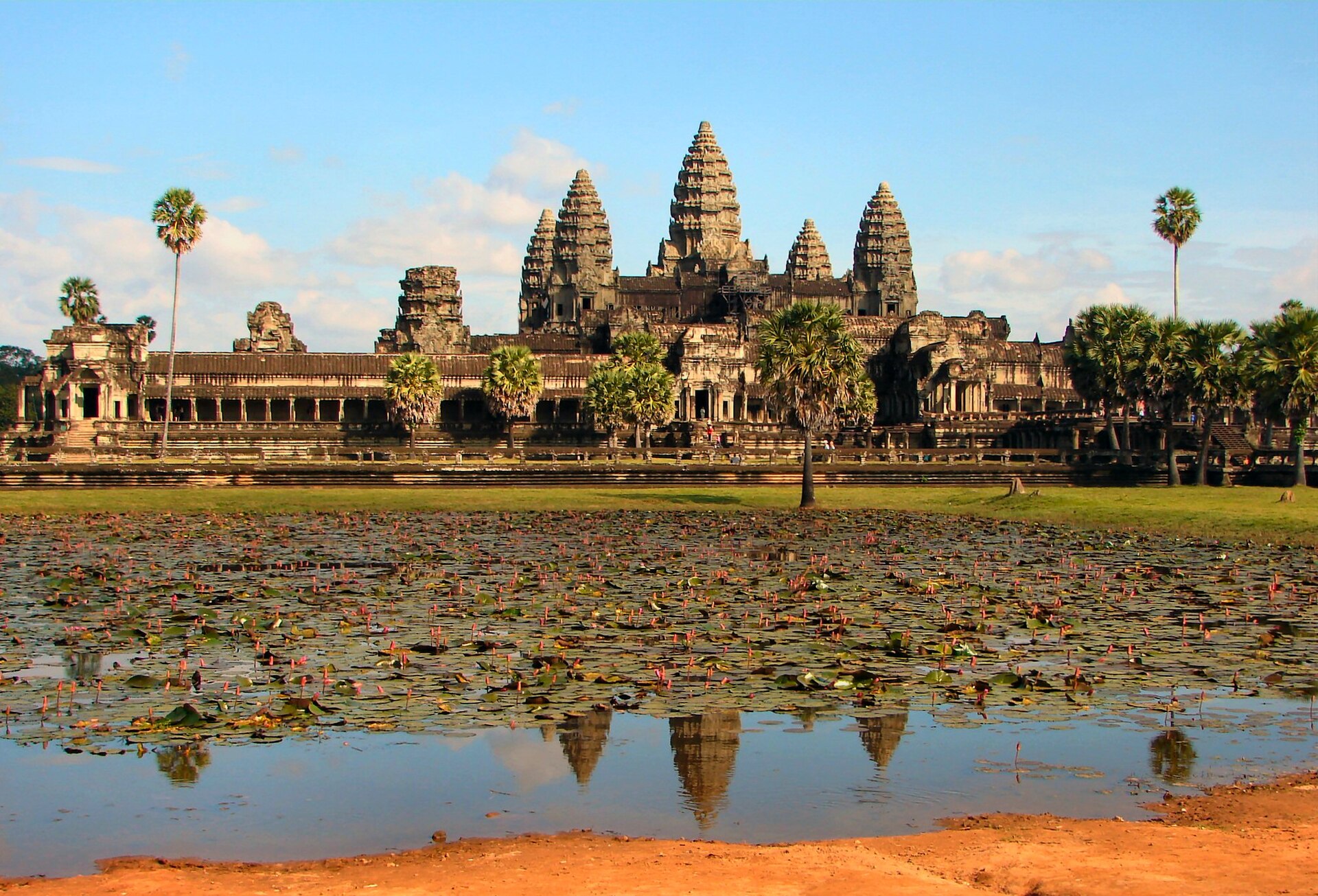
At the gates of Angkor Wat, tourists in shorts and tank tops are often turned away, their disappointment as palpable as the sticky heat pressing down. The air inside Phnom PenhÔÇÖs bustling markets hits you like a wall of humidity, soaking through cotton shirts before you reach the next stall. CambodiaÔÇÖs dress code isnÔÇÖt just about respectÔÇöitÔÇÖs about survival in relentless tropical heat and humidity.
This guide delivers more than a generic packing list. It breaks down month-by-month climate realities, explains which fabrics survive 90% humidity without clinging or chafing, details strict temple dress codes, and spots whatÔÇÖs better bought locally for less. HereÔÇÖs everything needed to pack smart for CambodiaÔÇÖs temple circuits, cities, and jungle adventures.
Cambodia ÔÇö Packing Snapshot
Very cheap laundry $0.50-1/kg. Same-day service common.
Climate Clothing Scorecard
What to pack each month in Cambodia
Peak season
Peak season demands ultralight, breathable fabrics with modest coverage for temples. Avoid heavy cotton that traps sweat.
Priority: lightweight
Peak season
Continue with ultralight, modest clothing; dry and slightly hotter than January. Avoid synthetic fabrics that trap heat.
Priority: lightweight
Temperatures rise; prioritize ultralight, quick-dry fabrics with full coverage to avoid temple entry issues and heat rash.
Priority: lightweight
Hottest month; wear ultralight, moisture-wicking synthetic or bamboo fabrics that dry fast and prevent sweat stains under temple robes.
Priority: lightweight
Start of rainy season with high humidity; pack rain-ready, quick-dry fabrics with modest coverage and a lightweight rain jacket.
Priority: rain-ready
Dry season
High humidity and rain continue; prioritize quick-dry, breathable fabrics and rain gear to stay comfortable and temple-appropriate.
Priority: rain-ready
Off-season
Peak rainy season with very high humidity; wear fast-drying, breathable clothing with rain protection and modest coverage for temples.
Priority: rain-ready
Off-season
Very humid and rainy; focus on breathable, quick-dry fabrics with rain gear and modest coverage to meet temple rules.
Priority: rain-ready
Off-season
Wettest month with extreme humidity; wear fast-drying fabrics and carry rain protection plus modest clothing for temple access.
Priority: rain-ready
Heavy rain and humidity persist; prioritize rain-ready, quick-dry, modest clothing to stay comfortable and respect temple rules.
Priority: rain-ready
Peak season
Rain eases, humidity drops; return to ultralight, breathable, modest clothing ideal for temple visits and city exploration.
Priority: lightweight
Peak season
Coolest, driest month; pack breathable yet modest clothing with sun protection for temple visits and city walks.
Priority: lightweight
Climate Overview ÔÇö Cambodia
Rainfall ÔÇö Cambodia
Best time to visit (for clothing)
Cambodia Climate Impact on Clothing
Humidity exceeds 80% from May to October. Cotton stays wet for hours, chafes, and smells. Avoid cotton during monsoon season.
Average temps above 82┬░F (28┬░C) year-round with UV index 9+. UPF fabrics and long sleeves mandatory. A wide-brim hat is essential.
High mosquito risk year-round, especially rainy season. Light-colored, loose long sleeves and pants reduce bites.
Indoor AC often 15┬░F / -9┬░C cooler than outside. Bring a lightweight layering piece for temples and transport.
Hot & Dry (Nov – Feb) ÔÇö 75-95┬░F (24-35┬░C), humidity 60-75%
Wear breathable, modest clothes for temples. Use long sleeves for sun protection.
Fabric focus: Linen and synthetics dominate for airflow and quick drying.
Tourist mistake
Wearing thick cotton or dark colors causing overheating and slow drying.
Hot & Humid Monsoon (May – Oct) ÔÇö 80-95┬░F (27-35┬░C), humidity 80-90%
Ultralight, moisture-wicking fabrics only. Prioritize UPF and insect protection.
Fabric focus: Synthetics and bamboo/Tencel blends for fast drying and odor control.
Tourist mistake
Cotton use leads to damp clothes, chafing, and mildew smell.
Transition Season (Mar – Apr) ÔÇö 85-98┬░F (29-37┬░C), humidity 70-80%
Prepare for rising heat and humidity. Layer light synthetics under linen.
Fabric focus: Mix linen and synthetics for balance of breathability and moisture control.
Tourist mistake
Ignoring humidity rise, sticking to heavy cotton or wool blends.
Fabric Guide for Cambodia Travel
For CambodiaÔÇÖs 80%+ humidity and strict Angkor Wat dress code, a quick-dry travel shirt Quick-dry travel shirts in synthetic or bamboo blends beats cotton every time. Pair it with lightweight travel pants Lightweight travel pants that dry fast and cover knees for temple entry.
| Material | Best for | Avoid when | Country-specific note | Cultural acceptability |
|---|---|---|---|---|
| Linen | Dry & hot months, airflow, temple modesty | Monsoon humidity, slow drying, wrinkles easily | Dries slower in 80%+ humidity; wrinkles tolerated at temples | |
| Merino wool | Cool AC buses, night temps below 75┬░F / 24┬░C | Daytime heat, humidity >70%, causes overheating | AC shock layer only; avoid daytime wear in hot season | |
| Synthetic (polyester/nylon) | Monsoon quick-dry, UPF, odor control | Heavy sweating without washing, may trap odors | Best for rainy season and insect protection, widely available | |
| Cotton | Dry season casual wear, budget local buys | Humidity >75%, chafing, slow drying, mildew risk | Common locally but drains comfort in wet season | |
| Viscose/Rayon | Stylish drape, hot dry days | Wet season, fragile when damp, slow drying | Looks good but fragile in monsoon, avoid heavy use |
Hand wash synthetics and bamboo blends daily; hang in shade. Avoid cotton for temple days during rainy months.
Cambodia Cultural Dress Codes & Social Norms
Cambodia enforces strict dress codes at Angkor Wat and temples: shoulders and knees must be covered or entry is denied. Outside temples, modesty remains key, especially in rural areas and festivals. A lightweight [cover-up / travel sarong / scarf] Sarongs & cover-ups solves most modesty requirements in Cambodia and works for multiple situations.

View all 7 dress code contexts
| Context | Required clothing | Avoid wearing | Why it matters |
|---|---|---|---|
| Religious sites | Covered shoulders, knees; sarong or travel pants | Sleeveless tops, shorts above knee, tight clothes | Strict enforcement, denied entry or forced cover-up rental |
| Street/daily life | Lightweight quick-dry shirts, knee-length pants or skirts | Very short shorts, sleeveless, visible midriff | Respect locals, avoid unwanted attention or stares |
| Beach vs. town | Cover-up over swimwear off sand, quick-dry fabrics | Walking in bikini/trunks beyond beach area | Locals find it disrespectful, possible fines |
| Restaurants/nightlife | Collared quick-dry shirts, long pants or skirts | Tank tops, flip-flops, shorts above knee | Mid-range/upscale venues require modest, neat attire |
| Government/banks | Collared shirts, long pants, closed shoes | Shorts, sleeveless, sandals | Formal settings demand respectful, neat dress |
| Rural areas | Covered shoulders and knees, modest quick-dry fabrics | Revealing clothes, sleeveless, short shorts | Stricter norms, locals conservative, avoid disrespect |
| Festivals/ceremonies | Traditional or modest attire, covered shoulders and knees | Casual, revealing, flashy clothing | Respect sacred events, blend with local customs |
For women
Women must cover shoulders and knees to avoid denied temple entry. Use quick-dry travel shirts and lightweight pants or skirts that dry fast in 80%+ humidity. Avoid tight or revealing clothes to prevent unwanted attention, especially in rural areas. A sarong or scarf Sarongs & cover-ups doubles as a modesty cover and sun shield. Footwear should be easy to remove at temples; closed shoes preferred for formal places.
For men
Men should wear quick-dry collared shirts and long pants for temples and formal settings. Shorts are acceptable on streets only if knee-length and loose. Avoid sleeveless shirts and tight clothes to show respect and avoid looking like careless tourists. Lightweight travel pants that dry fast handle humidity well. Bring slip-on shoes for temple shoe removal. A travel sarong Sarongs & cover-ups is handy for unexpected cover-ups.
ÔÇó Shoulders: Covered at temples, festivals, rural areas; optional on streets.
ÔÇó Knees: Covered everywhere for women; men can wear knee-length pants in cities.
ÔÇó Head: No mandatory covering, but hats recommended for sun protection.
ÔÇó Footwear: Remove shoes at temples; closed shoes for formal/government.
ÔÇó Midriff/chest: Covered at religious sites and formal places; avoid visible midriff.
Cambodia Cultural Dress Codes & Social Norms
CambodiaÔÇÖs social gatekeepersÔÇötemple security and local eldersÔÇöenforce strict dress rules that determine access and respect. Covered shoulders and knees are non-negotiable at Angkor Wat and other temples; ignoring this means being turned away or forced to rent a sarong worn by hundreds. Outside temples, locals judge tourists by modesty, and revealing clothes can lead to stares, exclusion, or fines.
Do
- Cover your shoulders and knees at temples
Security will turn you away or force you to rent a used sarong at the entrance - Use a lightweight travel sarong or scarf for unexpected cover-ups
YouÔÇÖll be denied temple entry or have to buy an overpriced cover-up locally - Wear collared quick-dry shirts and long pants in restaurants and nightlife
Staff may refuse service or youÔÇÖll be turned away from mid-range and upscale venues - Bring slip-on shoes for easy removal at temples
YouÔÇÖll hold up lines and frustrate locals and temple staff - Choose ultralight, quick-dry synthetic fabrics for all clothing
Clothes will stay damp, smell bad, and mark you as an unprepared tourist
Don’t
- Wear tight or revealing clothes in rural areas
Local villagers will stare, avoid interaction, and youÔÇÖll be marked as disrespectful - Walk in swimwear beyond beach areas
Locals will find it disrespectful and you risk fines or being asked to leave - Wear sandals or flip-flops in government offices or banks
YouÔÇÖll be denied entry or seen as careless and disrespectful - Display flashy jewelry or valuables openly
YouÔÇÖll attract unwanted attention and risk theft or suspicion - Wear white clothing at funerals or sacred ceremonies
YouÔÇÖll offend locals and be seen as ignorant of cultural norms
Insider note
Many first-timers donÔÇÖt realize temples rent sarongs that hundreds have worn; bringing your own lightweight sarong or scarf saves money, time, and the embarrassment of using a grimy rental. Also, locals expect you to remove shoes before entering temple buildings, so slip-ons speed you through security lines.
Build your packing list
Use our free Packing List Generator to create a personalized list for this destination.
Cambodia Activity-Specific Clothing & Footwear
A pair of versatile slip-on travel shoes Walking shoes handles city walking, religious sites, and beach-to-bar transitions without repacking.

View all 7 activity recommendations
| Activity | Recommended clothing | Footwear | Pro tip |
|---|---|---|---|
| temples_cultural | Lightweight long sleeves & pants, travel sarong cover-up | Slip-on sandals or breathable closed shoes | Cover shoulders/knees or entry denied at Angkor Wat |
| city_walking | Ultralight moisture-wicking T-shirts, loose shorts/pants | Breathable sneakers or sturdy sandals | Choose shoes with good grip for uneven pavements |
| nature_adventure | Quick-dry long sleeves/pants, insect-repellent fabric | Closed-toe hiking shoes with good traction | Protect against mosquitoes and thorny vegetation |
| transit | Lightweight layers, breathable shirt, light jacket Rain jackets | Comfortable slip-ons or sneakers | AC can be cold on buses, layer for comfort |
| markets_street_shopping | Loose breathable tops, modest shorts or skirts | Comfortable closed or open shoes with arch support | Use a secure crossbody bag to deter pickpockets |
| dining_nightlife | Smart casual lightweight shirt/dress, no sleeveless | Closed-toe shoes or clean sandals | Some venues enforce modest dress, no flip-flops |
| local_ceremonies_festivals | Conservative long sleeves/pants, travel scarf cover-up | Slip-on sandals for easy shoe removal | Respect local customs: cover shoulders and knees |
Laundry Options & Tips in Cambodia
Laundry in Cambodia is cheap and efficient. A lightweight travel jacket Rain jackets helps for cooler AC in laundry pickup spots.
View all 5 laundry options
| Option | Where to find | How it works | Cost | Speed | Quality & risk | How to avoid problems | Best for |
|---|---|---|---|---|---|---|---|
| Hotel/hostel laundry service | Most mid-range hotels & hostels | Drop off clothes, priced per kg | $1-2 per kg | Same day or next day | Generally good, some shrinkage possible | Separate delicate colors, check items before drop-off | Budget travelers wanting convenience |
| Local laundry shops | Near markets, guesthouses, city centers | Drop off, pay by weight | $0.50-1 per kg | Same day common | Good but occasional color bleeding | Use color-safe detergents, avoid mixing whites | Backpackers on a budget |
| Self-service laundromats | Rare, mostly in Phnom Penh/Sihanoukville | Coin-operated machines, bring own detergent | $1-3 per load | 1-2 hours per load | Risk of machine breakdowns | Bring own detergent, supervise machines | Long-term stays, independent travelers |
| Hand washing | Anywhere with water access | Wash small items, hang dry | Free | Dry in 4-8 hours depending on humidity | Gentle on clothes, no shrinkage | Use quick-dry synthetic fabrics only | Minimalists, quick freshening |
| Dry cleaning | Limited to upscale hotels & Phnom Penh | Drop off, priced per item | $3-10 per item | 1-2 days | High quality, risk of lost items | Label items clearly, confirm pickup times | Business travelers, delicate fabrics |
Drying challenges
CambodiaÔÇÖs humidity often exceeds 70%, making line-drying slow and clothes musty. During rainy months (May-Oct), drying outdoors can take 8+ hours. Use indoor drying racks near fans or hotel AC vents to speed drying and prevent mildew.
Where to Buy Clothes in Cambodia
CambodiaÔÇÖs extreme heat and humidity demand ultralight, breathable fabrics. Buy locally to save weight and money, especially for temple-appropriate cover-ups and quick-dry gear.

View all 4 shopping options
| Shop type | Where to find | What to buy | Price level | Quality | Bargaining | Payment | Tips |
|---|---|---|---|---|---|---|---|
| Shopping malls | Aeon Mall Phnom Penh, Aeon Mall Sen Sok | Western brands, reliable sizing, UV-protective sunwear | Same as US, higher for imports | Good quality, true to size, UV fabrics available | Fixed price ÔÇö donÔÇÖt try | Cards accepted, some mobile apps | Buy sun-protective hats and sunglasses here |
| Local markets | Phsar Thmei (Central Market), Russian Market Phnom Penh | Lightweight cover-ups, sarongs, budget tees | 1/3 of US price | Variable; seams may fail after 2 washes | Required (start at 50%) | Mostly cash, some accept cards | Bring small bills, inspect seams closely |
| Supermarkets/convenience stores | Lucky Supermarket, Bayon Market | Basics: socks, underwear, flip-flops | Same or slightly cheaper than US | Basic quality, functional but not durable | Fixed price | Cards and cash accepted | Buy flip-flops here to save luggage space |
| Tailors | Street tailors near Siem Reap and Phnom Penh | Custom lightweight pants, skirts, travel sarongs | 1/4 to 1/2 of US custom prices | Quality varies; check fabric and fit carefully | Possible for bulk or repeat orders | Cash preferred | Bring your own quick-dry fabric for best results |
Sizing notes
Local sizes run about 1-2 sizes smaller than US. A local XL fits like US Medium. Pants inseams are 2-3 inches / 51-76 mm shorter. Shoe sizes rarely go above US 9. Most locals have smaller frames; large sizes are rare.
Essential gear for Cambodia
Links go to Amazon search results. As an Amazon Associate we earn from qualifying purchases.
The Bottom Line: Packing for Cambodia
Bring ultralight, modest clothing from home for comfort and temple compliance. Buy rain gear and accessories locally to save money and pack light.
Cambodia Travel Clothing FAQs
Clear answers for first-time travelers on what to wear, buy, and expect in CambodiaÔÇÖs climate and culture.
1Do expensive brands or jewelry attract pickpockets?
Yes, flashy brands and jewelry can attract unwanted attention. Keep valuables minimal and use discreet accessories. CambodiaÔÇÖs crowded markets and tourist spots have pickpockets targeting tourists wearing expensive items.
2Are flip-flops acceptable in the city or seen as disrespectful?
Flip-flops are widely accepted in cities and tourist areas. Avoid wearing them inside temples or upscale restaurants. They are practical for heat and humidity but not for formal settings.
3How dressy do I need to be for restaurants? Are long pants required for men?
Most restaurants are casual; shorts and polo shirts are fine. Long pants are required only for upscale places and temples. Men should carry long pants for temple visits.
4Do I really need a warm layer despite the heat?
No, CambodiaÔÇÖs temperatures rarely drop below 75┬░F (24┬░C). Lightweight cover-ups for air-conditioned spaces are enough. No heavy jackets needed even in the coolest months.
5What’s the one clothing item everyone forgets but needs here?
A lightweight travel sarong or cover-up. It solves temple dress codes, protects from sun, and doubles as a scarf or beach wrap. Buy one locally for less than $5.
6Can I do the entire trip in one pair of sneakers?
No. Sneakers get soaked and heavy in humidity and rain. Bring one pair of breathable sneakers plus sandals or flip-flops. Sandals are essential for temple visits and wet conditions.
7Should I buy a cheap poncho locally or bring a quality rain jacket?
Buy a cheap poncho locally for $1-$3. ItÔÇÖs lightweight, disposable, and perfect for sudden tropical downpours. Quality rain jackets are bulky and unnecessary for short trips.
8How often can I realistically do laundry?
Laundry costs $0.50-1 per kilogram with same-day service common. Washing every 3-4 days is easy and keeps clothes fresh. Pack fewer clothes and rely on cheap local laundry.