


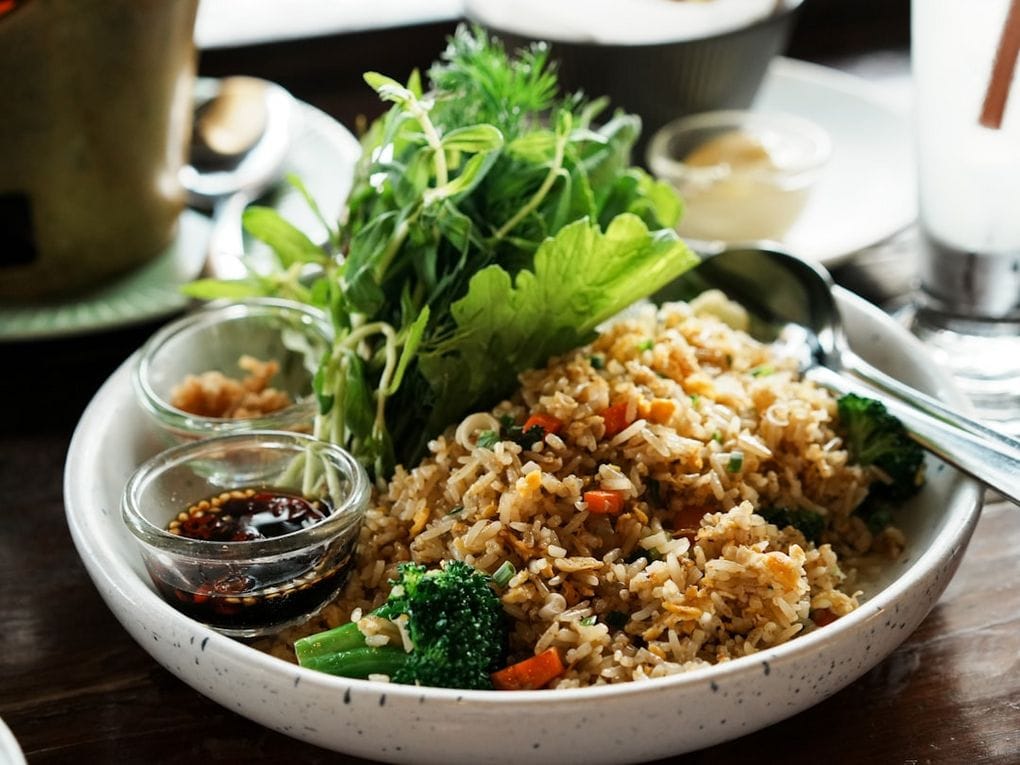
The sharp tang of som tam stalls in Bangkok’s Chatuchak Market cuts through the humid air at midday.
Thailand’s street food thrives on balancing heat, sour, and sweet flavors, with lime juice and chili paste as staples. Dishes like pad thai and som tam anchor daily eating rhythms, while vendors at night markets keep the city buzzing. Expect intense flavors that can overwhelm if you chase every stall. Focus on the lively market zones where locals eat, and skip tourist traps for real heat and sour punch. The street scene is the best place to navigate Thailand’s flavor layers and get value for your dollar.
Quick answer
Eat pad thai for balanced heat and sweetness, som tam for sharp sour spice, grilled fish for smoky salt, and sip Thai iced tea for creamy sweetness. Try mango sticky rice for dessert to finish strong.
Key takeaways
- Eat som tam and grilled fish at Chatuchak Market for authentic midday street food.
- Plan ~$20-40/day eating out; street food dishes run $2-6 each in 2026.
- Book a market tour once to learn vendor signals; then self-navigate stalls confidently.
- Order pad thai for lunch to avoid tourist versions; seek stalls with local lines.
- Avoid stalls with English-only menus in Sukhumvit; they often lack real heat and sour.
- Try Thai iced tea from street carts after sunset for a sweet cooldown.
- Explore Yaowarat (Chinatown) at night for seafood grilled with salty, smoky notes.
- Breakfast options often include noodle soups with bright lime and chili on the side.
Book a food tour or cooking class in Thailand
Cooking classes, market tours, and street-food walks led by local hosts in Thailand – skip the tourist menus and eat what locals actually eat.

Local Food & Drinks tool
Open the interactive Thailand food map – every dish and drink in this guide, plotted on a map with what to order, where to find it, and what it costs.
Food Neighborhoods – Thailand
Why Thailand eats the way it does

Thailand’s food culture grew from its tropical geography and fertile river plains, which supply fresh herbs, fruits, and seafood year-round. The country’s location along ancient trade routes introduced spices and cooking techniques that shaped its bold flavors. Urbanization and hot weather encouraged outdoor eating, making street markets and food stalls central to daily life. Public eating thrives here because it fits the informal, social nature of Thai culture and the demand for quick, affordable meals.
- Fish sauce (nam pla) defines the salty backbone of nearly every dish, balancing heat and sour with a pungent umami punch.
- Meals center around shared plates combining spicy, sour, sweet, and salty, eaten with a fork and spoon, never chopsticks.
- Street food stalls dominate dining life, with no fixed mealtimes – grazing and snacking happen all day and night.
- Papaya salad (som tam) varies widely by region, but its heat-sour-sweet balance challenges the assumption that Thai food is uniformly spicy.
Best for: Solo travelers who thrive on street food culture will find Thailand ideal, especially around night markets and vendor clusters. Prioritize exploring local markets like Bangkok’s Yaowarat for dynamic heat-sour-sweet combinations in real time.
Must-try dishes in Thailand

Pad Thai (ผัดไทย)
Pad Thai blends stir-fried rice noodles with tamarind paste, fish sauce, palm sugar, and dried shrimp for a complex sweet-sour-salty profile. Topped with crushed peanuts and fresh lime, it delivers a satisfying crunch and zesty brightness. Street vendors often add fresh bean sprouts and chives, while regional versions may include extra chili for heat. This dish showcases the balance of heat, sour, and sweet at the core of Thai street food.
Where to find it: Find pad thai at bustling market stalls and street-food zones where cooks toss noodles on open flames. Night markets like Bangkok’s Yaowarat or Chiang Mai’s Warorot are prime spots.
Best for: ideal for a hearty lunch or early dinner
Som Tam (ส้มตำ)

Som Tam is a shredded green papaya salad that hits all four flavor points: fiery chili, sharp lime, sweet palm sugar, and salty fish sauce. Variants from Isan add fermented crab or dried shrimp, while milder versions skip the intense heat. The pounding of ingredients in a mortar releases a pungent, fresh aroma, and vendors often adjust the chili level on request. This salad defines Thai street food’s dynamic flavor play.
Where to find it: Som Tam thrives at roadside carts and market stalls, especially in northeastern Thailand’s Isan region and urban hawker clusters.
Best for: perfect for a spicy snack or side dish
Tom Yum Goong (ต้มยำกุ้ง)

Tom Yum Goong is a hot and sour shrimp soup balancing lemongrass, kaffir lime leaves, galangal, fish sauce, and fresh lime juice. The broth’s sharp citrus aroma cuts through the heat of bird’s eye chilies, while mushrooms add earthy texture. This soup’s bright layers showcase Thailand’s mastery of blending pungent sourness with spicy warmth. Vendors often ladle it fresh from large pots at street stalls.
Where to find it: Common at street-food markets and open-air food courts, especially in coastal cities where fresh shrimp is abundant.
Best for: excellent at lunch to revive appetite
Moo Ping (หมูปิ้ง)
Moo Ping are tender pork skewers marinated in a mix of garlic, coriander root, soy sauce, and palm sugar, then grilled over charcoal for a smoky finish. The marinade’s sweet-salty balance cuts through the meat’s richness, and vendors often serve it with sticky rice for a satisfying street snack. This simple yet flavorful dish reflects everyday Thai eating habits centered on quick, portable bites.
Where to find it: Look for moo ping at morning market stalls and evening street carts, especially around transport hubs.
Best for: grab-and-go breakfast or afternoon snack
Khao Niao Mamuang (ข้าวเหนียวมะม่วง)
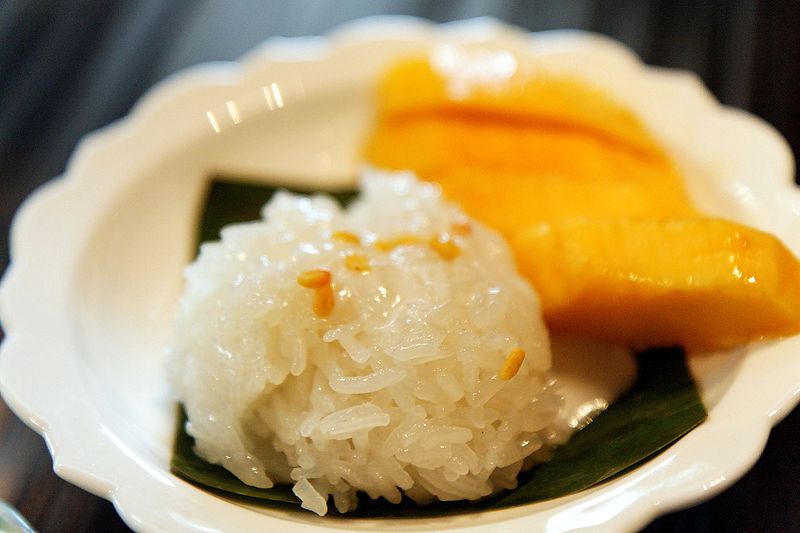
Khao Niao Mamuang pairs sticky rice cooked in coconut milk with ripe mango slices, creating a sweet and creamy contrast. The dish often gets a sprinkle of toasted mung beans or sesame seeds for texture. Vendors at fruit markets and night stalls serve this dessert year-round but especially in mango season, where freshness is key. The sweetness balances the heat in savory dishes, making it a popular street-market finale.
Where to find it: Available at fruit stalls in markets and street-food zones, especially in Bangkok’s Chatuchak and Chiang Mai’s Sunday markets.
Best for: ideal as a refreshing dessert or afternoon treat
Boat Noodles (ก๋วยเตี๋ยวเรือ)
Boat Noodles are rich beef or pork noodle soups traditionally served in small bowls, packed with herbs, dark soy sauce, and a hint of spice. The broth’s depth comes from simmered meat and spices, often balanced with a dash of pig’s blood for body, which some vendors omit for approachable versions. Vendors cluster near canals or markets, serving quick, flavorful portions meant to be eaten in multiples.
Where to find it: Find boat noodle stalls near canals or large markets, such as Bangkok’s Victory Monument area or Ayutthaya’s riverside markets.
Best for: best for sampling multiple bowls at lunch
Satay (สะเต๊ะ)

Thai Satay features marinated grilled meat skewers served with rich peanut sauce and a tangy cucumber relish. The marinade mixes turmeric, coriander, and coconut milk, giving the meat a golden color and creamy flavor. Street vendors grill these over charcoal, delivering smoky, juicy bites that contrast with the sauce’s sweet-savory punch. Satay’s portable nature makes it a street food favorite.
Where to find it: Available at night markets and busy street-food clusters, particularly in southern Thailand and Bangkok’s Chinatown.
Best for: great as a shared snack or light dinner
Khao Pad (ข้าวผัด)

Khao Pad is fried rice cooked with garlic, onions, eggs, and fish sauce, often stirred with fresh chili and lime for brightness. Vendors add proteins like chicken, shrimp, or crab, creating a quick, balanced meal. The dish’s salty backbone from fish sauce pairs with fresh lime juice to cut through the oiliness. Street stalls serve it anytime, making it a go-to comfort dish with straightforward flavors.
Where to find it: Common at street corners and hawker centers, especially in busy city districts and near transit stations.
Best for: perfect for a quick, filling meal any time
Yam Nua (ยำเนื้อ)
Yam Nua is a Thai beef salad that balances tender grilled beef slices with fresh herbs, chili, lime juice, and fish sauce. The salad’s heat and acidity cut through the richness of the meat, while toasted rice powder adds subtle crunch. Vendors often serve this dish at market stalls specializing in grilled meats, where it works as a sharp, refreshing counterpoint to heavier dishes.
Where to find it: Find yam nua at street-food markets known for grilled meats, especially in northern Thailand and Bangkok’s food zones.
Best for: ideal for a light, spicy lunch or snack
Khanom Buang (ขนมเบื้อง)
Khanom Buang are thin, crispy Thai crepes filled with sweet or savory toppings like shredded coconut, egg yolk threads, or minced shrimp. The batter crisps quickly on a hot griddle, and vendors spread the fillings while cooking to create a crunchy, light snack. This treat’s contrast of textures and the blend of sweet and salty flavors reflects the street market’s diverse palate.
Where to find it: Common at morning markets and dessert stalls in busy street-food areas across Bangkok and Chiang Mai.
Best for: best as a sweet snack or light dessert
Pla Pao (ปลาปิ้ง)
Pla Pao is salt-crusted grilled fish, often stuffed with lemongrass and herbs, delivering juicy, aromatic flesh beneath a crispy skin. Vendors roast the fish over charcoal until the skin chars slightly, sealing in smoky flavors. Served with spicy dipping sauces that mix chili, lime, and fish sauce, this dish highlights coastal Thai street food’s balance of heat and sourness.
Where to find it: Look for pla pao at seafood markets and coastal street-food zones, especially in Phuket and along the Gulf of Thailand.
Best for: best enjoyed fresh at evening seafood markets
Kanom Krok (ขนมครก)
Kanom Krok are small coconut-rice pancakes with a crisp exterior and soft, creamy inside. Vendors cook them in cast-iron pans with half-moon indentations, often topping with green onions or sweet corn. The rich coconut flavor balances the dish’s subtle sweetness, making it a popular street snack that contrasts with spicier dishes eaten alongside.
Where to find it: Find kanom krok at morning markets and street carts in Bangkok’s Chinatown and northern Thailand’s food zones.
Best for: ideal as a breakfast snack or late-night treat
Local drinks in Thailand

Thai Iced Tea (ชาเย็น)
Thai Iced Tea blends strongly brewed black tea with sweetened condensed milk and a touch of star anise or tamarind for depth. Vendors pour it over crushed ice, creating a creamy, sweet, and slightly spiced drink that cools the palate against fiery dishes. This classic street stall favorite often comes in vibrant orange hues from added food coloring, but the flavor is the real draw.
When to drink it: Sip Thai Iced Tea anytime during a street food crawl, especially with spicy dishes like Som Tam or Pad Thai.
Where to find it: Find Thai Iced Tea at most street market stalls and hawker clusters in Bangkok’s Chinatown or the night markets of Chiang Mai.
Cha Yen (ชาเย็น)
Cha Yen is a cold, sweet black tea brewed strong and mixed with evaporated milk and sugar, served over ice. Its bold, bitter notes cut through the sweetness, making it less cloying than Thai Iced Tea. This drink reflects the vendor relationship in Thailand – fast, refreshing, and perfectly calibrated to street food’s heat and sour balance.
When to drink it: Enjoy Cha Yen during mid-afternoon market visits or after spicy snacks like Moo Ping skewers.
Where to find it: Commonly available at roadside carts and open-air market beverage stalls in neighborhoods like Bangkok’s Victory Monument area.
Singha Beer (สิงห์)

Singha Beer is Thailand’s flagship lager, brewed since 1933 using malted barley and hops in a traditional German-style process. It offers a crisp, slightly bitter flavor with a medium body that pairs well with street food. Its carbonation and moderate bitterness balance spicy and sour dishes like Tom Yum Goong and Yam Nua, making it a street market staple after sundown.
When to drink it: Drink Singha Beer in the evening or night markets alongside grilled meats such as Satay or Pla Pao.
Where to find it: Available at almost every street-side bar, vendor cluster, and night market stall nationwide.
Mekhong Whiskey (แม่โขง)
Mekhong is a Thai spirit often called ‘Thai whiskey’ though technically a sugarcane-based spirit blended with rice whisky. It carries notes of caramel, spice, and fruit, making it smoother than many Western whiskeys. Street vendors mix Mekhong with soda or lime juice to cut the sweetness and heat, creating a popular casual drink in night markets and local bars.
When to drink it: Sip Mekhong Whiskey in the evening after dinner or alongside late-night snacks like Boat Noodles and Khao Pad.
Where to find it: Find Mekhong Whiskey in street bars and vendor stalls specializing in alcoholic drinks, especially in Bangkok’s Sukhumvit area or Phuket’s Old Town.
Nam Manao (Lime Juice) (น้ำมะนาว)
Nam Manao is freshly squeezed lime juice sweetened with palm sugar and served over ice, delivering a sharp, sour punch that refreshes and balances the heat of Thai street food. Vendors often add a pinch of salt or chili to enhance complexity. This drink’s simplicity highlights the sour element fundamental to dishes like Som Tam and Tom Yum Goong.
When to drink it: Drink Nam Manao during the hottest parts of the day or to cleanse the palate between spicy bites like Moo Ping or Satay.
Where to find it: Available at fruit stalls and beverage carts in open-air markets and night markets across Thailand.
Where to eat in Thailand’s street markets

Street markets and hawker clusters dominate Thailand’s eating scene, offering nonstop access to bold, balanced flavors. Expect to move from stall to stall, ordering small plates that highlight heat, sour, and sweet. Prioritize busy night markets and morning food stalls where locals eat daily.
Primary setting: Night markets and hawker stalls
These open-air clusters pack dozens of vendors selling grilled meats, spicy salads, and noodle dishes. You’ll find plastic stools and shared tables, often under tarps or neon lights. Vendors shout out specials, and ordering happens by pointing or quick Thai phrases. Bring cash and a sense of adventure; prices stay low, and food comes fast.
Morning fresh markets
Early risers hit these markets for breakfast staples like Khao Pad and Yam Nua. Vendors prepare food on-site, and the atmosphere is lively but less touristy than night markets. Expect to pay even less here and find locals grabbing quick meals before work.
Street food carts
Scattered along busy sidewalks, these carts specialize in quick snacks like Satay or Pla Pao. They’re perfect for grabbing a bite on the go or late-night cravings. Prices stay under $3, and the pace is fast with minimal seating.
Food courts in shopping centers
These indoor courts offer a cleaner, air-conditioned alternative to street stalls. Vendors serve the same dishes but with slightly higher prices and more English menus. Good for solo travelers who want variety without the outdoor chaos.
| Type | Price range (2026) |
|---|---|
| Budget eats | Night markets and street stalls: $1.50 – 5 per dish, 2026 |
| Mid-range | Food courts and casual local restaurants: $6 – 15 per person, 2026 |
| Splurge | High-end hotel restaurants or chef-driven venues: $40 – 80 per person, 2026 |
Eat like a local in Thailand
Locals eat throughout the day with no fixed meal times, grazing at night markets and hawker stalls. Meals often consist of multiple small dishes shared or eaten solo on the go. The late-night market scene drives the busiest eating hours, especially after 7:00 PM.
- Use your right hand for eating and passing food; the left hand is considered unclean for these actions.
- Pour Thai Iced Tea or Singha Beer for others before filling your own glass to show respect.
- Eat quickly at hawker stalls to keep the flow; lingering too long at busy night markets can block service.
- When sharing Som Tam or Pad Thai, avoid double-dipping your utensils to keep hygiene tight.
- Wait for the vendor to serve you first before digging in, especially at boat noodle stalls.
Frequently asked questions about food and drinks in Thailand
1Is Pad Thai worth trying or is it overhyped?
Yes, Pad Thai is worth trying for its balanced heat and sweetness, but expect it to be sweeter than many Western versions. It’s a reliable entry point to Thai street food but not the spiciest dish available.
2What does Som Tam taste like and is it always spicy?
Som Tam delivers a sharp sour spice with a mix of heat, lime, and fish sauce. It can be very spicy, especially in northern markets like Suan Dok, but vendors often adjust heat on request.
3Where can I find the best Boat Noodles in Bangkok?
Head to Yaowarat (Chinatown) for late-night seafood grills and noodle stalls where Boat Noodles are a local staple. The bustling night market atmosphere adds to the experience.
4What should I drink with spicy street food in Thailand?
Sip Thai Iced Tea or Nam Manao (lime juice) to balance spicy, sour flavors. Both offer creamy sweetness or refreshing acidity that cool the palate effectively.
5Is Thailand good for vegetarians or vegans?
Yes, but options are limited in street markets. Dishes like Som Tam without fish sauce, Kanom Krok, and Khao Pad (ask for no egg or meat) work well. Always confirm no shrimp paste or fish sauce is added.
6How much does street food cost in Thailand?
Roughly $4 to $8 per meal in 2026, depending on the dish and location. Night markets and hawker stalls offer the best value, with snacks like Moo Ping costing around $1 to $2.
7What are the biggest food mistakes tourists make in Thailand?
Ordering dishes without specifying spice level and assuming all Thai food is uniformly spicy. Also, ignoring local sauces like fish sauce (nam pla) leads to missing key flavor layers.
8Can I eat safely at street stalls in Thailand?
Yes, focus on busy stalls in neighborhoods like Yaowarat and Suan Dok Market where turnover is high. Avoid raw seafood if unsure, and drink bottled water as tap water is not potable.
9What is Khanom Krok and where is it popular?
Khanom Krok is a sweet coconut-rice pancake popular in Phuket Old Town. Vendors blend southern flavors with street snacks, making it a common late-afternoon treat.
10Is Singha Beer easy to find and suitable for street food pairing?
Yes, Singha Beer is widely available at night markets and hawker stalls. Its crisp, light profile pairs well with salty and spicy dishes like Pla Pao (grilled fish).