


The scent of acarajé frying fills Rua do Passo in Pelourinho as capoeira rhythms echo from the square.
Salvador, capital of Bahia with roughly 2.9 million residents, centers on its UNESCO-listed Pelourinho neighborhood, Mercado Modelo, and the historic Comércio district. Visitors come to explore Afro-Brazilian culture through candomblé ceremonies, capoeira performances, and colonial architecture. The city’s steep hills and narrow streets challenge mobility but reward with layered history and vivid street life. Pelourinho offers intense cultural immersion, while Comércio provides waterfront access and local markets. Salvador’s nightlife and beach scenes are less polished than Rio or São Paulo, but its cultural depth makes it a compelling destination. Plan to stay in Pelourinho or Santo Antônio for direct access to heritage sites and daily local rituals.
Visit Pelourinho for colonial architecture and capoeira shows, Mercado Modelo for crafts and food, Elevador Lacerda for bay views, and the Candomblé temples for Afro-Brazilian spirituality.
Key takeaways
- Book a guided Pelourinho walking tour early to avoid crowds and catch live capoeira shows.
- Stay in Santo Antônio or Pelourinho for easy access to Afro-Brazilian cultural sites and markets.
- Visit Mercado Modelo before 3 PM to explore crafts and street food without rush.
- Use the Elevador Lacerda elevator to cross from Comércio to Cidade Baixa, saving a 1-mile walk.
- Plan ~$60-$120/day for mid-range expenses including meals, transport, and entry fees, 2026.
- Avoid taxi rides from the airport; a public bus costs around $10-$15 and drops near the historic center.
- Explore candomblé ceremonies in the afternoon at specific terreiros; book tours in advance for access.
- Reserve museum visits for mornings to maximize time in the afternoon for neighborhood walks.
Map of Salvador
117 handpicked places. Filter by category or traveller type, tap a pin or a list item for the full write-up, and save the map to your phone.
All 117 places
- TransportSalvador’s international airport (Luis Eduardo Magalhaes), about 28 km northeast of the historic centre, with flights across Brazil and some international routes. Good for: Backpackers, Couples, Families, Older travelers, Digital nomads
- TransportThe passenger boat terminal beside the Mercado Modelo in the lower town, the departure point for catamarans to Morro de Sao Paulo (around 2 to 2.5 hours, with morning departures) and small boats to Itaparica. Good for: Backpackers, Couples, Families, Older travelers
- PracticalA central pharmacy near Praca da Se for sunscreen, repellent, rehydration salts and basic medicines, the things the Salvador heat and sun demand. Brazilian pharmacies are well stocked and staff can advise on minor issues. Good for: Backpackers, Couples, Families, Older travelers, Digital nomads
- TransportThe Terminal Turistico Nautico da Bahia (TTNB), also called Terminal Nautico da Bahia or Centro Nautico da Bahia, is a water-transport station on Avenida da Franca in the Comercio district of Salvador, Bahia. Good for: Backpackers, Couples, Families, Older travelers
- AreasThe cobbled colonial core, a UNESCO site since 1985 and the reason most people come to Salvador. Pastel townhouses, baroque churches and steep lanes ring the Largo do Pelourinho and Terreiro de Jesus, with capoeira, samba and acaraje stalls filling the squares. Good for: Backpackers, Couples, Families, Older travelers, Digital nomads
- SightsThe former home of the writer Jorge Amado and the artist Zelia Gattai in Rio Vermelho, now a vivid museum to Brazil’s best-known novelist, with a garden of mosaic orixa shrines and his preserved study and library. Good for: Couples, Families, Older travelers
- SightsThe lively Rio Vermelho square that is the epicentre of Salvador’s acaraje culture, anchored by the Dinha and Cira stands and ringed by bars that fill every evening. The local nickname Largo da Dinha tells you what people come for. Good for: Backpackers, Couples, Families, Older travelers
- SightsA small, charming museum in Pelourinho built on a collector’s archive of old postcards and photographs of Salvador and Bahia, tracing how the city looked across the last century. Good for: Couples, Families, Older travelers
- SightsA refined decorative-arts museum in the Vitoria district between the centre and Barra, built from a wealthy family’s private collection: colonial furniture, porcelain, crystal and the famous balangandas, the silver and gold charm clusters worn by Bahian women. Good for: Couples, Families, Older travelers
- SightsThe postcard square itself, the steep triangular slope of coloured colonial facades that defines every image of Salvador, with the blue Rosario dos Pretos church at its foot. Good for: Backpackers, Couples, Families, Older travelers
- NatureA waterfront park on the Pituba shore with a skate area, lawns, food kiosks and a sea-facing promenade, a relaxed local spot for an evening walk in the modern eastern districts. Good for: Couples, Families, Older travelers
- NatureThe small bayside beaches below the Rio Vermelho district, more a cultural and scenic spot than a swimming one. This is where, every 2 February, hundreds of thousands gather to launch flowers and gifts to Yemanja, the orixa of the sea, at the Casa de Yemanja on the shore. Good for: Backpackers, Couples, Families, Older travelers
- NatureOne of the wilder, prettier beaches at the city’s eastern edge near Stella Maris, with open Atlantic water, dunes and coconut palms, popular with a younger crowd at the well-known beach barracas. Good for: Backpackers, Couples, Families, Older travelers
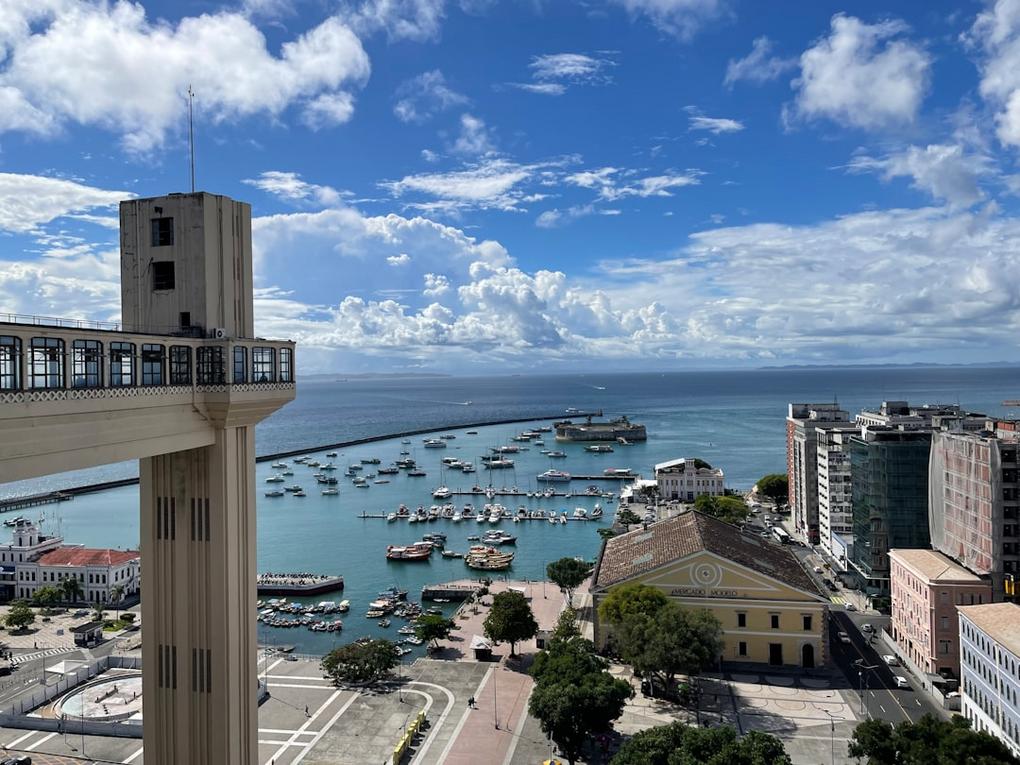
- SightsThe art-deco public elevator that has linked the upper and lower towns since 1873, a city icon hauling thousands of people up the 72-metre cliff between Praca Tome de Souza and the Comercio district in seconds. Good for: Backpackers, Couples, Families, Older travelers
- SightsThe grand colonial square at the core of the old town, ringed by the cathedral and the Afro-Brazilian museum and feeding into the Largo do Pelourinho. Good for: Backpackers, Couples, Families, Older travelers
- SightsThe essential museum for understanding Afro-Brazilian Salvador, on Terreiro de Jesus in the old medical faculty building. Its highlight is a series of huge carved cedar panels of the orixas by Carybe, the artist who defined the visual language of Candomble. Good for: Couples, Families, Older travelers
- SightsThe oldest museum in Bahia, founded in 1918, in a stately mansion on the Corredor da Vitoria avenue between the centre and Barra. Colonial-era paintings, furniture, porcelain and Bahian decorative arts spanning four centuries. Good for: Couples, Families, Older travelers
- ShoppingThe big covered craft market in the lower town by the ferry terminals, two floors of stalls selling Bahian crafts, lace, leather, instruments, charms and souvenirs in a historic customs building. Good for: Backpackers, Couples, Families
- AreasThe wider old town spanning the Cidade Alta from Praca da Se through Terreiro de Jesus to the Carmo district, of which Pelourinho is the heart. This is the densest concentration of colonial architecture in the Americas. Good for: Backpackers, Couples, Families, Older travelers, Digital nomads
- AreasThe seafront neighbourhood at the southern tip of the peninsula, built around the Farol da Barra lighthouse and two of the city’s calmest swimming beaches. Good for: Backpackers, Couples, Families, Older travelers, Digital nomads
- AreasSalvador’s bohemian eating-and-drinking district, the place locals send you for dinner and a night out. The acaraje of Cira and Dinha, the moqueca houses, the bars around Largo de Santana and the Casa de Yemanja all sit here. Good for: Backpackers, Couples, Families, Older travelers, Digital nomads
- AreasThe artsy, residential stretch of the old town north of Pelourinho along the ridge, lined with restored pousadas in colonial houses and small bars with bay views. Good for: Backpackers, Couples, Families, Older travelers, Digital nomads
- AreasThe lower town at the foot of the Elevador Lacerda, the historic commercial and port quarter facing the Baia de Todos os Santos. Home to the Mercado Modelo, the ferry terminals and a wave of restored warehouses turning into bars and creative spaces. Good for: Backpackers, Couples, Families, Older travelers, Digital nomads
- AreasThe far-eastern beach neighbourhood immortalised in Vinicius de Moraes and Dorival Caymmi songs, with palm-backed sands, the Farol de Itapua lighthouse and the Lagoa do Abaete dunes nearby. Good for: Backpackers, Couples, Families, Older travelers, Digital nomads
- AreasA modern, upper-middle-class district of high-rises, shopping and restaurants along the Orla coastal road, roughly between Rio Vermelho and the airport beaches. Good for: Backpackers, Couples, Families, Older travelers, Digital nomads
- AreasThe peninsula-tip neighbourhood built around the Igreja do Senhor do Bonfim, the most venerated church in the city and the focus of one of Brazil’s biggest religious festivals each January. Good for: Backpackers, Couples, Families, Older travelers, Digital nomads
- AreasThe old seaside resort neighbourhood at the very end of the Itapagipe peninsula, where Bahian families have come for Sunday outings for over a century. Good for: Backpackers, Couples, Families, Older travelers, Digital nomads
- SightsThe oldest fort in Brazil, built from 1501 on the headland where the bay meets the open Atlantic, now housing the Farol da Barra lighthouse and a nautical museum. Good for: Backpackers, Couples, Families, Older travelers
- SightsThe round seventeenth-century fort sitting alone on a sandbank in the bay off the Comercio waterfront, sometimes called the navel of Salvador. Good for: Backpackers, Couples, Families, Older travelers
- SightsThe ornate former governor’s palace overlooking Praca Tome de Souza beside the Elevador Lacerda, rebuilt in eclectic style in the 1910s with a lavish painted interior. Good for: Backpackers, Couples, Families, Older travelers
- SightsA restored colonial sugar estate on a private cove below the city, home to the Museu de Arte Moderna da Bahia and a sculpture park on the lawn running down to the water. The setting is the draw as much as the art. Good for: Couples, Families, Older travelers
- SightsThe single most spectacular church in Salvador and one of the great baroque interiors of the Americas, its nave drowned in gold leaf, carved cedar and blue-and-white Portuguese azulejos. Good for: Backpackers, Couples, Families, Older travelers
- SightsThe seventeenth-century former Jesuit church on Terreiro de Jesus, now the city cathedral, with a sober Lioz limestone facade shipped from Portugal and a richly gilded interior of side chapels and a marble-inlaid sacristy. Good for: Backpackers, Couples, Families, Older travelers
- SightsThe most beloved church in Salvador, an eighteenth-century basilica on the Itapagipe peninsula whose Senhor do Bonfim is venerated across faiths, blending Catholic devotion with Candomble. Good for: Backpackers, Couples, Families, Older travelers
- SightsThe blue church on the Largo do Pelourinho built over decades by enslaved and free Africans excluded from the white churches, who raised it stone by stone for the Brotherhood of Our Lady of the Rosary of Black People. Good for: Backpackers, Couples, Families, Older travelers
- SightsNext to the great Sao Francisco church, this one is known for its facade: an intricately carved sandstone front, the only baroque church frontage of its kind in Brazil, hidden under plaster for two centuries until rediscovered in 1936. Good for: Backpackers, Couples, Families, Older travelers
- SightsA seventeenth-century church and former convent in the Santo Antonio district, the convent now the Pestana Convento do Carmo hotel. The church holds a celebrated polychrome wood sculpture of Christ by the enslaved artist known as O Cabra, studded with rubies for blood drops. Good for: Backpackers, Couples, Families, Older travelers
- SightsThe grand domed church in the lower town near the Mercado Modelo, prefabricated in Portugal from Lioz marble in the 1730s and shipped over to be assembled here. Good for: Backpackers, Couples, Families, Older travelers
- SightsThe Benedictine monastery at the top of Avenida Sete de Setembro, founded in 1582 and one of the oldest in Brazil. The church has a fine organ and the monks sing Gregorian chant at certain masses, which is the reason to time a visit. Good for: Backpackers, Couples, Families, Older travelers
- SightsOne of the most important collections of religious art in Latin America, set in a seventeenth-century convent of the Order of Saint Teresa near the Campo Grande. Carved saints, silverwork, painted ceilings and the convent’s own austere architecture. Good for: Couples, Families, Older travelers
- SightsA small city museum on the Largo do Pelourinho spread over a colonial townhouse, covering local history, Candomble orixa costumes and the poet Castro Alves. Good for: Couples, Families, Older travelers
- SightsInside the Forte de Santo Antonio da Barra at the lighthouse, this small maritime museum tells the story of the Baia de Todos os Santos, the shipwrecks off the coast and Salvador’s role as colonial Brazil’s first capital and port. Good for: Couples, Families, Older travelers
- SightsThe large open square at the entrance to Pelourinho, with the Cruz Caida sculpture, fountains and a viewpoint over the lower town and bay along its eastern edge. Good for: Backpackers, Couples, Families, Older travelers
- NatureThe clifftop square at the head of the Elevador Lacerda, flanked by the Palacio Rio Branco and the old city hall, with a balustraded terrace looking out over the lower town, the port and the bay. Good for: Backpackers, Couples
- NatureThe lighthouse headland at the entrance to the Baia de Todos os Santos, the city’s signature sunset spot where the peninsula meets the open ocean. Crowds gather on the rocks and the fort terrace as the sun drops behind the bay. Good for: Backpackers, Couples
- NatureA small clifftop lookout near the Christ statue at the end of the Barra seafront, where the Ondina coast curves away to the north and surfers work the break below. Good for: Backpackers, Couples
- NatureThe best swimming beach in the city itself, a sheltered cove inside the bay with calm, clear water, framed by colonial forts at each end. Compact and always busy, with barracas renting chairs and serving cold beer and fried fish. Good for: Backpackers, Couples, Families, Older travelers
- NatureThe ocean-facing beach beneath the lighthouse, with rock pools at low tide and a long promenade behind it. Good for: Backpackers, Couples, Families, Older travelers
- NatureA rocky urban beach below the high-rise hotels just north of Barra, more about the seafront promenade and the carnival route than about swimming, since reefs and rougher water limit the sand. Good for: Backpackers, Couples, Families, Older travelers
- NatureA palm-lined stretch in the far-eastern district celebrated in Bahian song, with reef-protected pools at low tide that make for safe swimming and a slower, more local feel than the central beaches. Good for: Backpackers, Couples, Families, Older travelers
- NatureA long, breezy ocean beach in the far east near the airport, known for its surf, kitesurfing and lively weekend barraca scene. Open Atlantic water means real waves, so it suits confident swimmers and surfers more than families. Good for: Backpackers, Couples, Families, Older travelers
- NatureAn urban beach along the Orla coastal road between Pituba and Costa Azul, backed by a park and walkway where a small river meets the sea. More of a local promenade-and-jog spot than a swimming beach, with reefs and variable water. Good for: Backpackers, Couples, Families, Older travelers
- NatureA rocky neighbourhood beach between Rio Vermelho and Pituba, less for swimming than for its fishing community and its barracas, which are locally famous for fresh seafood and the casquinha de siri crab dish. Good for: Backpackers, Couples, Families, Older travelers
- NatureA small, rocky cove in Rio Vermelho below the bars and restaurants, known for its sunsets, its fishing boats and a relaxed bohemian crowd rather than swimming. Good for: Backpackers, Couples, Families, Older travelers
- SightsBrazil’s only professional folkloric dance company, performing a high-energy hour of capoeira, samba de roda, maculele and orixa dances in an intimate Pelourinho theatre seating around 100. Good for: Couples, Families, Older travelers
- SightsThe thunderous drumming bloco that gave Salvador its signature carnival sound and played on Paul Simon and Michael Jackson records. Their open rehearsals, traditionally on Tuesday and Sunday evenings around the Pelourinho near the Casa do Olodum, are a chance to feel the percussion at full volume in the street. Good for: Couples, Families, Older travelers
- SightsThe long-running Tuesday-night street party in Pelourinho, built around the blessing mass at the Rosario dos Pretos church and spilling into live music across the squares: Olodum, axe bands, samba and street drumming. Good for: Couples, Families, Older travelers
- SightsCapoeira, the Afro-Brazilian art of fight-dance, was born in Bahia and you can watch a roda form most days on Terreiro de Jesus and the nearby squares, where berimbau, clapping and the circle of players draw a crowd. Good for: Couples, Families, Older travelers
- Food & drinkThe most famous acaraje stand in Salvador, run by the Cira family for over 40 years on the Largo da Mariquita in Rio Vermelho. The acaraje is a black-eyed-pea fritter deep-fried in dende palm oil and split open to be stuffed with vatapa, caruru, shrimp and pepper sauce. Good for: Backpackers, Couples, Families, Older travelers
- Food & drinkA Rio Vermelho institution on the Largo de Santana, so beloved the square is nicknamed the Largo da Dinha after the late baiana who built the stand. Good for: Backpackers, Couples, Families, Older travelers
- Food & drinkA smaller Rio Vermelho stand near Largo de Santana with a devoted following for its impeccably crisp acaraje and generous fillings. Good for: Backpackers, Couples, Families, Older travelers
- Food & drinkChef Beto Pimentel’s legendary garden restaurant in the unglamorous Cabula district, where the fruit, dende and herbs come from the surrounding Atlantic-forest plot and the moqueca is unlike any other in the city. Good for: Backpackers, Couples, Families, Older travelers
- Food & drinkChef Tereza Paim’s acclaimed Bahian kitchen in a restored colonial house in Rio Vermelho, repeatedly named among the city’s best for refined takes on moqueca, caruru and seafood with African and European touches. Good for: Backpackers, Couples, Families, Older travelers
- Food & drinkThe city’s high-end waterfront dining room on the Contorno avenue below the centre, with a terrace over the Baia de Todos os Santos and contemporary Bahian cooking from a well-known kitchen. Good for: Backpackers, Couples, Families, Older travelers
- Food & drinkA Salvador institution since 1931, this ice cream parlour scoops tropical Bahian flavours like cupuacu, graviola, tapioca and cajaa from a branch right in the Pelourinho. The reward after a sweaty morning of churches and cobbles. Good for: Backpackers, Couples, Digital nomads
- Food & drinkA culinary-school restaurant on the Largo do Pelourinho doing a vast self-service buffet of dozens of traditional Bahian dishes, the easy way to sample moqueca, caruru, vatapa, bobo de camarao and the regional sweets in one sitting. Good for: Backpackers, Couples, Families, Older travelers
- Food & drinkA long-standing refined restaurant tucked in a quiet corner of Pelourinho, with a shaded garden courtyard that is a welcome retreat from the busy squares. Good for: Backpackers, Couples, Families, Older travelers
- Food & drinkA Rio Vermelho restaurant dedicated to rescuing old Bahian sertao and coastal recipes that have nearly vanished, from sun-dried meats to forgotten seafood stews. More about culinary heritage than flash, with a warm, casual room. Good for: Backpackers, Couples, Families, Older travelers
- Food & drinkA polished restaurant and bar on the Rio Vermelho seafront with a terrace over the rocks and the bay, doing contemporary seafood and Bahian dishes alongside a strong cocktail list. Good for: Backpackers, Couples, Families, Older travelers
- Food & drinkA tiny antique-filled cafe in the Santo Antonio district with a small back terrace giving one of the finest free views over the Baia de Todos os Santos. Good for: Backpackers, Couples, Digital nomads
- Food & drinkA calm garden cafe attached to the French cultural centre on the Corredor da Vitoria, between the centre and Barra, doing proper espresso, French-leaning pastries and light lunches. Good for: Backpackers, Couples, Digital nomads
- Food & drinkA plant-filled specialty coffee shop in the Barra area, billed as Bahia’s first botanical cafe, with single-origin espresso, cold brew, vinyl records and an organic menu. Part of Salvador’s emerging third-wave coffee scene. Good for: Backpackers, Couples, Digital nomads
- Food & drinkA small, relaxed bar and kitchen on a Pelourinho corner popular with travellers and expats, doing caipirinhas, cold beer and a mix of Bahian and comfort food in the historic centre. Good for: Backpackers, Couples
- Food & drinkA classic Rio Vermelho boteco on the seafront, an old-school neighbourhood bar pouring ice-cold beer with petiscos like bolinho de bacalhau and casquinha de siri, busy with locals from late afternoon. Good for: Backpackers, Couples
- Food & drinkA lively bar near Largo de Santana in Rio Vermelho with cocktails, bar food and a steady crowd, one of the anchors of the district’s nightlife around the acaraje squares. Good for: Backpackers, Couples
- ShoppingThe biggest and most authentic market in Salvador, a sprawling, chaotic, pungent waterfront feira where the city actually shops: dende oil, dried shrimp, herbs, Candomble ritual goods, live animals, produce and cheap food stalls. Good for: Backpackers, Couples, Families
- ShoppingThe cluster of craft and souvenir stalls threaded through the Pelourinho squares, selling fitas, berimbaus, painted tiles, Carybe prints, lace and Candomble figures. Good for: Backpackers, Couples, Families
- SleepA restored 1930s art-deco landmark on the Rua Chile, the design hotel of the historic centre, a few minutes’ walk from Pelourinho with a rooftop pool and bar overlooking the bay. Renovated again in 2025. Good for: Couples, Families, Older travelers
- SleepThe city’s top luxury hotel, the Fasano group’s conversion of a grand 1930s building beside the Elevador Lacerda, with a rooftop pool and restaurant looking straight over the bay. Good for: Couples, Families, Older travelers
- SleepA five-star set inside a restored seventeenth-century convent in the Santo Antonio district, the first luxury hotel in a Brazilian historic monument. Cloistered courtyards, a chapel, gardens and a pool, with the Pelourinho a short walk away. Good for: Couples, Families, Older travelers
- SleepA small design boutique hotel in a converted house in Rio Vermelho, with a rooftop pool and bay views, walkable to the district’s bars and acaraje stands. Good for: Couples, Families, Older travelers
- SleepA boutique hotel in two restored colonial townhouses right on the Largo do Cruzeiro de Sao Francisco in Pelourinho, themed around the trade routes that built Bahia, with a small plunge pool and a rooftop. Good for: Couples, Families, Older travelers
- SleepA small, well-run mid-range hotel on the Praca da Se edge of Pelourinho, praised for its breakfast, its cafe and a friendly multilingual team. Good for: Couples, Families, Older travelers
- SleepA comfortable mid-range hotel on the Barra seafront with a rooftop pool and sea views, walkable to the lighthouse and Porto da Barra beach. Good for: Couples, Families, Older travelers
- SleepThe best-known hostel in Pelourinho, a cheerful yellow colonial building right on the Largo do Pelourinho with dorms and private rooms, a good breakfast and a sociable but not chaotic vibe. Good for: Backpackers
- SleepA central budget hostel a few minutes from the Largo do Pelourinho and the Sao Francisco church, with free wifi, dorms and privates, popular with solo travellers for its location and price. Good for: Backpackers
- SleepA relaxed hostel in the Barra district with a garden, shared lounge and free wifi, about an eight-minute walk from the Farol da Barra beach and lighthouse. Good for: Backpackers
- SleepA branch of the big South American party-hostel chain in the Barra district, with dorms, privates, a bar and organised activities, a short walk from the beach. The easy place to meet other travellers and join group outings. Good for: Backpackers
- Hidden gemsA freshwater lake ringed by the city, famous for the eight giant white sculptures of the Candomble orixas rising out of the water, lit at night and best seen on a paddle-boat or from the lakeside walkway. Good for: Backpackers, Couples
- Hidden gemsA small shrine to Yemanja, the orixa of the sea, by the fishermen’s colony on the Rio Vermelho shore, the focus of the huge 2 February festival when the city carries flowers and gifts to the water. Good for: Backpackers, Couples
- Hidden gemsThe waterfront square at the end of the Itapagipe peninsula, an old-fashioned Sunday-outing spot for Bahian families for over a century, lined with retro ice cream parlours and bars facing the bay. Good for: Backpackers, Couples
- Hidden gemsThe large island across the Baia de Todos os Santos, reached by ferry or the catamaran from Salvador, with calm beaches, old churches, a Portuguese fort and a slow village pace. The classic bay day trip. Good for: Backpackers, Couples
- SightsOnce the smartest shopping street in Brazil, this short avenue between Praca Castro Alves and Praca da Se has faded but is reviving around the Fera Palace hotel, with handsome old facades and a walkable link from the centre toward the Pelourinho. Good for: Backpackers, Couples, Families
- SightsThe steep cobbled lane climbing from Pelourinho up to the Carmo and Santo Antonio districts, lined with restored colonial houses, small galleries and pousadas, with views opening over the rooftops as you rise. Good for: Backpackers, Couples, Families
- NatureA large green park between the centre and the eastern beaches, with walking and cycling paths, lakes, native Atlantic-forest pockets and resident marmosets. Good for: Couples, Families, Older travelers
- NatureA protected reserve of white sand dunes and a dark freshwater lagoon out near Itapua, a landscape that inspired Bahian song and folklore. The contrast of black water against white dunes is genuinely photogenic. Good for: Couples, Families, Older travelers
- SightsAn eighteenth-century star fort at the northern end of the Santo Antonio district, now home to a capoeira centre and a cafe with one of the finest free views over the bay and the lower town. Good for: Backpackers, Couples, Families, Older travelers
- SightsThe square at the western edge of the upper town, dominated by the monument to the abolitionist poet Castro Alves and famous as the spiritual end point of Salvador’s carnival, where the blocos converge and the party traditionally closes. Good for: Backpackers, Couples, Families, Older travelers
- SightsA leafy nineteenth-century square in the commercial upper town with a church, old trees and benches, historically a stage for political demonstrations and abolitionist gatherings. Good for: Backpackers, Couples, Families, Older travelers
- NatureA little-known cliffside lookout in the Gamboa neighbourhood below the Campo Grande, reached by a steep lane to a fishing community with one of the most open, uncluttered views of the Baia de Todos os Santos and the Forte de Sao Marcelo. Good for: Backpackers, Couples
- Food & drinkThe oldest ice cream parlour in Salvador, scooping since 1931 on the Largo da Ribeira at the peninsula’s end, a Sunday-outing tradition for generations of Bahian families. Good for: Backpackers, Couples, Digital nomads
- Food & drinkA long-running Bahian restaurant on an upper floor in Pelourinho, well regarded for generous moqueca, bobo de camarao and seafood served in big portions meant to share. Good for: Backpackers, Couples, Families, Older travelers
- Food & drinkA Pelourinho restaurant specialising in the food of the Bahian sertao, the dry interior, with carne de sol, queijo coalho and hearty backland dishes that you rarely see on the coastal moqueca menus. Good for: Backpackers, Couples, Families, Older travelers
- Food & drinkA boisterous, no-frills seafood barraca on the Ribeira waterfront famous for crab, shrimp and ice-cold beer, where the meal is the local ritual of cracking caranguejo with a wooden mallet over a long table. Good for: Backpackers, Couples, Families, Older travelers
- NatureA small, dramatic cove tucked between cliffs near Amaralina, popular with a young surf crowd and known for its rocky setting rather than easy swimming. Good for: Backpackers, Couples, Families, Older travelers
- NatureA broad, reef-protected eastern beach between Itapua and Pituacu, with calm pools at low tide that make it good for families and a string of relaxed barracas serving fried fish and coconut water. Good for: Backpackers, Couples, Families, Older travelers
- NatureA large lakeside park in the eastern districts with a cycling and skating circuit around a lagoon, the open-air Espaco Mario Cravo sculpture park and pockets of restored Atlantic forest. Good for: Couples, Families, Older travelers
- Hidden gemsThe oldest public garden in Brazil, an eighteenth-century walled park near the Campo Grande with old trees, fountains, a small belvedere and bay views, long a genteel escape from the upper-town streets. Good for: Backpackers, Couples
- Hidden gemsThe square at the heart of the Campo Grande, centred on the Caboclo monument that celebrates Bahia’s own independence day on 2 July, when a huge civic parade fills the area. Good for: Backpackers, Couples
- SightsThe Church and Convent of Our Lady of Mount Carmel is a 17th-century Roman Catholic church and former convent in Salvador, Bahia, Brazil. Good for: Backpackers, Couples, Families, Older travelers
- SightsThe Historic Centre of Salvador (CHS), or simply Centro Historico, is a district of Salvador, Bahia, covering the site of Brazil’s first capital, with streets and architectural monuments from the colonial period. Good for: Backpackers, Couples, Families, Older travelers
- SightsIle Axe Oxumare, the Casa de Oxumare, is a cultural, religious and charitable Candomble society on Avenida Vasco da Gama in the Federacao district of Salvador, Bahia. Good for: Backpackers, Couples, Families, Older travelers
- AreasThe Terreiro de Jesus is a plaza located in the Historic Center of Salvador de Bahia in Brazil. Good for: Backpackers, Couples, Families, Older travelers, Digital nomads
- AreasThe House of the Seven Deaths or House of Seven Knifings is a historic residence in Salvador, Bahia, Brazil. Good for: Backpackers, Couples, Families, Older travelers, Digital nomads
- SightsNamed for Sister Dulce (Maria Rita de Sousa Brito Lopes Pontes), a Brazilian nun and Catholic saint known for her charity and care for the poor, nicknamed the Good Angel of Bahia. Good for: Backpackers, Couples, Families, Older travelers
- SightsPonta de Humaita is a coastal headland in the Monte Serrat district on the Itapagipe peninsula of Salvador, Bahia. Good for: Backpackers, Couples
Watch: Salvador in motion

Why visit Salvador
Salvador stands apart from Rio de Janeiro, Recife, and Fortaleza by centering Afro-Brazilian heritage and colonial history in its urban fabric. The UNESCO-listed Pelourinho neighborhood preserves baroque churches and colorful colonial buildings amid lively street rituals. Salvador’s Mercado Modelo bustles with local crafts and Bahian cuisine, unlike the more modern markets in Recife. The city’s bayfront, marked by the Elevador Lacerda, connects the historic center to the lower city, shaping daily life and commerce. Salvador’s Afro-Brazilian roots fuel capoeira performances and Candomblé ceremonies that remain deeply woven into social life. This is a place where history, religion, and daily rhythms intersect visibly on the streets and plazas.
- Pelourinho’s colonial architecture hosts daily Candomblé rituals and capoeira shows unique to Salvador’s Afro-Brazilian identity.
- Mercado Modelo offers direct access to Bahian crafts and street food stalls serving acarajé, a local specialty not found in Rio.
- Elevador Lacerda is a rare urban elevator linking two city levels, shaping Salvador’s historic trade and social flows.
- Salvador’s historic center remains a living neighborhood, unlike Recife’s more commercialized old town.
- Insider move: skip the touristy Pelourinho night shows; catch candomblé ceremonies in the Liberdade neighborhood for authentic ritual context.
- Salvador’s bay and port have historically influenced its role as Brazil’s African slave trade hub, reflected in its cultural landscape.
Best for
Solo travelers focused on Afro-Brazilian culture and colonial history will thrive here. Those who prefer walking historic neighborhoods and exploring local markets fit perfectly.
Skip if
Travelers seeking beach resorts or modern nightlife should pick Fortaleza instead; Salvador’s focus is heritage and village life, not party scenes.

Top things to do in Salvador
Salvador’s Pelourinho neighborhood anchors your exploration with its colonial architecture and daily Afro-Brazilian rituals. Dive into the city’s rich heritage through its markets, religious ceremonies, and museums that reveal Salvador’s role in Brazil’s African diaspora. These activities highlight Salvador’s cultural depth beyond surface tourism, focusing on heritage, ritual, and village life.

1. Pelourinho walking tour with capoeira and Candomblé insights ·
Experience Pelourinho’s colonial streets paired with live capoeira and authentic Candomblé ritual context in this immersive guided walk.
This guided walking tour starts in the Pelourinho neighborhood, navigating its cobblestone streets lined with colorful colonial buildings. Licensed local guides explain the Afro-Brazilian roots of capoeira, often timed with live street demonstrations near the Praça da Sé. The tour includes a visit to a Candomblé terreiro where ritual practices are explained with respect to their cultural significance, beyond typical tourist shows. The walk also highlights key landmarks like the São Salvador Cathedral and Largo do Pelourinho, blending architecture and living tradition. Guides usually belong to community-based outfits focused on Afro-Brazilian heritage preservation. Book on GetYourGuide.
This tour beats generic Pelourinho strolls by integrating capoeira and Candomblé context, unlike standard city walks that skip ritual depth and live performances.
- When: Morning tours from 9:00 AM to 11:30 AM avoid afternoon crowds and capture better light for photos; weekdays offer quieter streets than weekends.
- Cost: ~$25, 2026
- Duration: 2.5 hours
- How to reach: From Salvador’s historic center, walk to Praça da Sé in Pelourinho neighborhood; most accommodations nearby make this walkable.
Insider tip: If closed
Explore the Museu Afro-Brasil for Afro-Brazilian heritage and art if the tour or terreiro visit is unavailable.
2. Mercado Modelo visit and acarajé tasting ·
Explore Mercado Modelo’s stalls for Bahian crafts and sample acarajé, Salvador’s signature Afro-Brazilian street food specialty.
Mercado Modelo sits in the Comércio district by the waterfront, hosting dozens of stalls selling Bahian crafts like woodcarvings, lacework, and Candomblé religious items. The market’s food court offers acarajé, made fresh by women vendors known as baianas, who fry black-eyed pea fritters stuffed with vatapá and shrimp. This street food is a direct link to Afro-Brazilian culinary tradition. The lively atmosphere includes street musicians and vendors calling out their goods. Sampling acarajé here connects you to Salvador’s Afro-descendant identity in a way that shopping alone cannot replicate.
Mercado Modelo combines craft shopping with food culture, unlike other markets that focus only on souvenirs or produce, giving you a fuller Afro-Brazilian cultural snapshot.
- When: Visit between 10:00 AM and 3:00 PM on weekdays for fewer crowds and freshly made acarajé; weekends get busy with tourists and locals alike.
- Cost: ~$5-$10, 2026
- Duration: 1.5 hours
- How to reach: From Pelourinho, walk downhill via Rua da Misericórdia to the port area; Mercado Modelo is a 10-minute walk from Largo do Pelourinho.
Insider tip: If closed
Head to the Feira de São Joaquim market to try acarajé and shop for local crafts if Mercado Modelo is closed.
Solo female travel: The market is busy and well-patrolled during daytime hours but avoid late afternoon and evening visits alone due to reduced foot traffic.
3. Liberdade neighborhood Candomblé ceremony experience ·
Attend a Candomblé ceremony in Liberdade, the Afro-Brazilian spiritual hub, for ritual context missed by tourist night shows.
Liberdade hosts many terreiros where Candomblé ceremonies take place, often open to visitors through licensed operators who arrange respectful attendance. These ceremonies include drumming, singing, dancing, and offerings to orixás (deities), unfolding in a setting that preserves the religion’s sacredness. The neighborhood’s streets are lined with shops selling ritual objects, herbal remedies, and Afro-Brazilian cultural items. Participating here offers a deeper understanding of Candomblé’s role in Salvador’s social fabric. Licensed guides ensure proper behavior and interpretation, avoiding the superficiality common in commercialized tourist shows. Book on GetYourGuide.
This experience offers genuine ritual access in Liberdade rather than the staged tourist performances found in Pelourinho or at hotels.
- When: Ceremonies usually happen on weekend afternoons or evenings; book at least 48 hours in advance and confirm exact times with operators.
- Cost: ~$40-$60, 2026
- Duration: 3 hours
- How to reach: Take a taxi or rideshare from the historic center; Liberdade lies 3 miles / 5 km south and is not easily walkable with luggage or at night.
Insider tip: If closed
Visit the Museu Afro-Brasil for ritual context through art and artifacts if ceremony attendance is not possible.
Solo female travel: Attend with a guided group; solo female travelers should avoid arriving unaccompanied after dark due to limited nighttime public transit options.
4. Visit to São Francisco Church and Convent ·
Tour this baroque church to see one of the richest colonial interiors, gilded woodwork, and religious art in Salvador’s historic center.
São Francisco Church sits on Rua do Passo in Pelourinho and showcases lavish Baroque architecture with intricately carved gold-leaf interiors covering walls, ceilings, and altars. The adjoining convent features azulejo tile panels depicting religious scenes, while the church’s nave is a showcase of 18th-century Brazilian colonial art. Visitors walk through quiet chapels filled with statues and paintings reflecting Salvador’s Catholic and Afro-Brazilian religious syncretism. The church is active but open for guided or self-guided visits during business hours, offering a window into colonial wealth and religious power structures.
São Francisco Church provides more detailed colonial art and architecture than other churches in Salvador’s historic center, where interiors are less preserved.
- When: Open daily from 9:00 AM to 4:30 PM; visit early to avoid midday tour groups and catch sunlight illuminating the gilded woodwork.
- Cost: ~$5, 2026
- Duration: 1 hour
- How to reach: Walk from Praça da Sé in Pelourinho via Rua do Passo; the church is a 5-minute walk within the historic center.
Insider tip: If closed
Explore Igreja do Carmo, another colonial church with significant art and architecture, a short walk from São Francisco.

5. Elevador Lacerda and Comercio district walk ·
Ride the iconic elevator linking upper and lower city, then explore the historic Comércio district’s colonial trade buildings and local shops.
The Elevador Lacerda connects the Cidade Alta (upper city) with the Cidade Baixa (lower city), providing panoramic views of All Saints Bay as you descend. At the base, the Comércio district reveals colonial trade warehouses, the Praça Cayru with local vendors, and access to Mercado Modelo. Walking these streets exposes you to Salvador’s mercantile past alongside bustling daily commerce. The elevator ride costs under $1 and operates from early morning to late evening, making it a practical transport link as well as a sightseeing opportunity. The area buzzes with locals during workdays but quiets significantly on Sundays.
Elevador Lacerda is the only public elevator connecting two distinct historic city levels, offering unmatched views and access, unlike other city transport options.
- When: Ride early morning or late afternoon for best light on the bay; avoid midday heat and weekend afternoons when the area gets crowded with tourists.
- Cost: ~$0.80, 2026
- Duration: 1 hour
- How to reach: From Pelourinho, walk south on Rua Chile to Praça Cairu, then descend via the elevator into Comércio district; all within 15 minutes on foot.
Insider tip: If closed
Walk the steep Rua da Montanha between upper and lower city for similar views if the elevator is closed for maintenance.
Solo female travel: The elevator and Comércio district can feel deserted on weekends after 5 PM; plan returns before dark if solo.
6. Afro-Brazilian art and history at Museu Afro-Brasil ·
Browse one of Brazil’s most comprehensive Afro-Brazilian art collections, tracing history and identity through sculpture, painting, and artifacts.
Located in the Dique do Tororó park, Museu Afro-Brasil displays over 6,000 items that document African and Afro-Brazilian cultural history, including ritual objects, paintings, and sculptures. The museum’s layout explores themes of slavery, resistance, and religious syncretism with clear labels in Portuguese and English. The building itself is a modern contrast to Salvador’s colonial architecture, set beside a lake with sculptures of orixás. The museum hosts temporary exhibitions and cultural events focused on Afro-Brazilian identity. Public buses and taxis serve the site, which is a 3-mile / 5 km ride from Pelourinho.
This museum offers a more scholarly and extensive view of Afro-Brazilian culture than small galleries or souvenir shops in the historic center.
- When: Open Tuesday through Sunday from 10:00 AM to 5:00 PM; weekdays are less crowded than weekends, especially in the morning.
- Cost: ~$6, 2026
- Duration: 2 hours
- How to reach: Take a taxi or bus from Pelourinho to the Dique do Tororó park near the Federação neighborhood; about a 15-minute drive.
Insider tip: If closed
Visit the Casa do Benin cultural center in Pelourinho for Afro-Brazilian crafts and history if the museum is closed.
7. Walking tour of Santo Antônio Além do Carmo neighborhood ·
Discover this less touristy colonial neighborhood with street art, artisan shops, and views over the bay, revealing everyday local life.
Walk through Santo Antônio Além do Carmo’s narrow streets, where colonial facades mix with vibrant street art and lively artisan workshops. The neighborhood sits above the bay, offering scenic views from Largo de Santo Antônio. Local markets and small cafés give a glimpse of daily life beyond Pelourinho’s tourist crowds. Guides from licensed local outfits highlight the Afro-Brazilian cultural influences embedded in the area’s crafts and architecture.
This tour reveals Salvador’s Afro-Brazilian community life more clearly than Pelourinho, which can feel overly tourist-focused. It’s the best place to see working artisans alongside authentic street art.
- When: Morning or late afternoon to avoid midday heat and enjoy softer light on the bay views; weekdays offer quieter streets.
- Cost: ~$15-$20, 2026
- Duration: 2-3 hours
- How to reach: Reach by walking or short taxi ride from the historic center, crossing Avenida Jequitaia and ascending Rua da Mariquita, the main artery through the neighborhood.
Insider tip: If closed
Visit the nearby Comércio district’s street markets for a different but equally local urban experience.
8. Visit to Museu da Cidade de Salvador ·
Explore Salvador’s urban evolution through exhibits on architecture, Afro-Brazilian culture, and city planning in this restored colonial building.
Explore Salvador’s transformation from a colonial port to a modern city inside the Museu da Cidade, housed in a former convent near Pelourinho. Exhibits detail Afro-Brazilian religious practices, urban development, and the city’s architectural shifts. The museum’s layout emphasizes Salvador’s layered history, with artifacts and multimedia presentations focusing on Candomblé and the city’s African roots. The building itself offers a quiet courtyard where you can absorb the surroundings away from busier tourist spots.
This museum provides stronger context on Salvador’s urban and Afro-Brazilian heritage than the more general Mercado Modelo nearby, making it essential for understanding the city’s cultural layers.
- When: Open weekdays from mid-morning to late afternoon; avoid weekends when it can be crowded with local school groups.
- Cost: ~$5-$7, 2026
- Duration: 1.5-2 hours
- How to reach: Walk from Pelourinho via Rua do Carmo or take a short cab ride from the city center; the museum sits near the Ladeira da Montanha.
Insider tip: If closed
Visit the nearby Casa do Benin for Afro-Brazilian cultural exhibits and artifacts.

9. Bahian cooking class focusing on Afro-Brazilian dishes ·
Learn to prepare acarajé and moqueca with a local chef, gaining deeper appreciation for Salvador’s culinary heritage and ingredients.
Join a hands-on cooking class led by a local Bahian chef specializing in Afro-Brazilian cuisine, focusing on dishes like acarajé - black-eyed pea fritters fried in dendê oil - and moqueca, a seafood stew with coconut milk and peppers. Classes usually take place in small kitchens in historic neighborhoods, providing insight into ingredient sourcing and traditional cooking methods. The chef explains the cultural significance of each dish, linking food to Salvador’s African heritage and rituals. Participants eat their creations together, often accompanied by local drinks like cajuína. Book on GetYourGuide.
This class goes beyond generic Brazilian cooking lessons by centering Afro-Brazilian recipes integral to Salvador’s identity, unlike standard classes focused on national dishes like feijoada.
- When: Book morning or early afternoon sessions, available year-round but best avoided during local holidays when kitchens close.
- Cost: ~$50-$70, 2026
- Duration: 3-4 hours
- How to reach: Classes are typically hosted in the historic center or Santo Antônio neighborhoods, reachable by short taxi or walk from Pelourinho.
Insider tip: If closed
Visit the Mercado Modelo food stalls for street versions of acarajé and moqueca to taste the dishes in their informal setting.
Solo female travel: Choose classes with private kitchens or small groups for a more controlled environment; confirm location in advance as some venues are in quieter residential areas.
10. Visit to the Church of Nosso Senhor do Bonfim ·
See the site of Bahia’s most famous religious festival, where Catholic and Candomblé traditions blend visibly in colorful ribbons and rituals.
Visit the Church of Nosso Senhor do Bonfim in the Federação neighborhood, famed for its annual festival and the brightly colored fitas (ribbons) tied to its gates. The church embodies the syncretism between Catholicism and Candomblé, with rituals and symbols from both faiths visible in its architecture and daily services. Attend mass or simply observe the ribbons, each tied with a wish, and talk with local vendors selling religious items. The church’s hilltop location offers panoramic views over Salvador’s bay and cityscape.
This church reveals Salvador’s religious fusion more clearly than other colonial churches in Pelourinho, where Catholicism dominates without the visible Afro-Brazilian elements.
- When: Visit in the morning to mid-afternoon to avoid crowds and catch daily masses; attend the festival in January for large-scale cultural events.
- Cost: Free
- Duration: 1-2 hours
- How to reach: Take a taxi or bus from the historic center to the Federação neighborhood; the church sits atop a hill accessible by stairs or a short walk from the main road.
11. Capoeira demonstration and beginner workshop ·
Join a local capoeira group for a live roda and hands-on workshop to understand this Afro-Brazilian martial art’s cultural roots.
Attend a capoeira roda - a circle where players perform rhythmic martial arts accompanied by live music - in a community space around Pelourinho or Santo Antônio. After watching skilled capoeiristas, participate in a beginner workshop led by local mestres who explain the history and spiritual meaning behind the movements. The workshops often include musical instruments and songs, emphasizing capoeira’s role in Afro-Brazilian resistance and identity. Small group sizes ensure personalized attention for newcomers learning the basic ginga and kicks. Book on GetYourGuide.
This workshop offers direct cultural context and active participation, unlike passive performances elsewhere in Salvador that lack hands-on learning or historical explanation.
- When: Evenings from Tuesday to Saturday work best for rodas and workshops; book in advance to secure a spot in popular groups.
- Cost: ~$20-$30, 2026
- Duration: 2-3 hours
- How to reach: Most groups operate within Pelourinho or Santo Antônio, reachable by foot or short taxi from the historic center.
Insider tip: If closed
Visit the Forte de Santo Antônio da Barra for a quieter historical site with some capoeira demonstrations on special occasions.
Solo female travel: Join workshops affiliated with established mestres who maintain respectful environments; avoid unregulated street performances at night.
12. Explore the São Joaquim Market ·
Wander this bustling market specializing in Afro-Brazilian herbs, spices, and ritual items used in Candomblé ceremonies.
São Joaquim Market offers a deep dive into Afro-Brazilian spiritual life, with stalls selling herbs, roots, and objects used in Candomblé rituals. The market hums with local energy, and vendors often share stories about the items’ significance. This is a chance to see a vital side of Salvador’s Afro-descendant culture beyond the tourist-packed Pelourinho. The market’s dense aisles reveal layers of tradition tied to faith and healing.
Choose this to understand Afro-Brazilian religious practices through tangible cultural artifacts, a niche not covered at mainstream museums.
- When: Morning to early afternoon, Monday to Saturday, to catch the freshest stock and lively vendor interactions.
- Cost: Free
- Duration: 1-2 hours
- How to reach: Reach São Joaquim Market by a short taxi ride or local bus from downtown Salvador; the market sits in the São Joaquim neighborhood just east of the historic center.
Insider tip: If closed
Visit Mercado Modelo for a broader market experience with some Afro-Brazilian crafts and food stalls.

13. Visit to Casa do Benin museum ·
Learn about the transatlantic slave trade’s impact on Salvador and West African connections through curated exhibits and artifacts.
Casa do Benin museum focuses on Salvador’s direct historical and cultural ties to West Africa, especially Benin, through the transatlantic slave trade. Exhibits include traditional textiles, religious objects, and archival materials that document African heritage’s ongoing influence in Bahia. The museum offers a quieter, more contemplative space than the busier Pelourinho museums, allowing a detailed look at Afro-Brazilian identity. It sits near the waterfront, adding context to the slave trade’s maritime routes.
Pick this for a focused exploration of African roots in Salvador, especially if interested in the historical depth behind Afro-Brazilian culture.
- When: Weekdays mid-morning to early afternoon, avoiding weekends when local school groups visit.
- Cost: ~$5, 2026
- Duration: 1-1.5 hours
- How to reach: Access Casa do Benin by taxi or bus from the historic center; it’s located close to the Mercado Modelo near the harbor area.
Insider tip: If closed
Visit the Afro-Brazilian Museum in Pelourinho for a broader overview of African heritage in Bahia.
14. Afro-Brazilian music night at a local bar in Rio Vermelho ·
Catch live samba-reggae or ijexá music in Rio Vermelho to experience Afro-Brazilian rhythms that shape Salvador’s nightlife beyond tourist shows.
Rio Vermelho’s local bars host live sessions of samba-reggae and ijexá, styles rooted in Afro-Brazilian communities. These nights offer a rawer, community-focused vibe compared to the staged performances in Pelourinho. The music spills onto the streets, with dancers and capoeira groups joining in. This scene captures the living culture of Salvador’s Afro-descendant population, with bars often run by locals deeply connected to the traditions.
Opt for this to experience Afro-Brazilian music in a local social setting where the rhythms and dances are part of everyday life, not packaged for tourists.
- When: Evenings from Thursday to Saturday, starting around 9:00 PM until late.
- Cost: ~$10-$15 cover charge, 2026
- Duration: 3-4 hours
- How to reach: Take a taxi or bus from the historic center to Rio Vermelho, Salvador’s bohemian neighborhood on the coast, about 5 miles / 8 km away.
Insider tip: If closed
Attend a cultural event at the Castro Alves Theater for Afro-Brazilian music performances with more formal settings.
15. Visit to the Museu da Gastronomia Baiana ·
Dive into Bahian food history and ingredients in this small museum highlighting Afro-Brazilian culinary traditions and historic recipes.
The Museu da Gastronomia Baiana focuses on the foodways that define Bahia, especially the African influences on local cooking. Exhibits showcase ingredients like dendê oil, acarajé, and spices, alongside traditional cookware and recipe histories. The museum offers hands-on demonstrations and occasional workshops, connecting food to Afro-Brazilian identity and ritual. It’s located in a colonial house, adding architectural context to the culinary heritage.
Choose this for a culinary-cultural angle on Afro-Brazilian heritage, especially if food history complements your interest in Salvador’s culture.
- When: Weekdays from mid-morning to late afternoon; avoid weekends when workshops attract crowds.
- Cost: ~$7, 2026
- Duration: 1-1.5 hours
- How to reach: Reach the museum by taxi or local bus from the Pelourinho area; it sits within walking distance of the historic center.
Insider tip: If closed
Explore the food stalls at Mercado Modelo to taste Afro-Brazilian dishes in a market environment.
16. Walk along the Dique do Tororó lake and sculpture park ·
Stroll this urban lake surrounded by sculptures of orixás, linking Afro-Brazilian religion and public art in a peaceful setting.
Dique do Tororó offers a calm urban escape with a lake ringed by large sculptures of orixás, the deities of Candomblé religion. The park blends natural scenery and Afro-Brazilian spirituality, inviting reflection on how religious symbols enter public space. The walk is easy and flat, with benches and shaded areas. Locals use the park for exercise and socializing, and it’s less crowded than Pelourinho’s plazas.
Pick this to connect Afro-Brazilian religious iconography with everyday urban life outside the historic center’s tourist zones.
- When: Late afternoon for cooler light and fewer crowds, any day of the week.
- Cost: Free
- Duration: 1-2 hours
- How to reach: Take a taxi or bus from downtown Salvador to the Tororó neighborhood, about 3 miles / 5 km southeast of the historic center.
Insider tip: If closed
Visit the nearby Parque da Cidade for a larger green space with city views but without the religious sculptures.

17. Visit to the Fundação Casa de Jorge Amado ·
Explore the life and work of Jorge Amado, Salvador’s most famous writer, focusing on Afro-Brazilian themes and Bahia’s social history.
The Fundação Casa de Jorge Amado presents exhibits on the writer’s life and his literary focus on Bahia’s Afro-descendant communities. The space includes original manuscripts, photographs, and personal artifacts that reveal Amado’s connection to Salvador’s social and cultural fabric. The foundation hosts readings and events that highlight Afro-Brazilian identity and local social issues. It sits near the historic center, making it an accessible stop for literary context.
Choose this for a literary-cultural perspective on Salvador’s Afro-Brazilian heritage, especially if interested in how local narratives shaped national identity.
- When: Weekdays mid-morning to mid-afternoon, avoiding weekends for a quieter visit.
- Cost: ~$6, 2026
- Duration: 1-1.5 hours
- How to reach: Reach the foundation by taxi or walking from the Pelourinho area; it’s located in a colonial building near the waterfront.
Insider tip: If closed
Visit the Jorge Amado statue and cultural center near Barra for an outdoor homage with some interpretive information.
More in Salvador
72 hours in Salvador
This three-day plan navigates Salvador’s rich Afro-Brazilian heritage and colonial roots, tailored for travelers who want deep cultural context and neighborhood rhythms. It balances historic sites, ritual experiences, and local flavors across distinct city zones, perfect for focused exploration without tourist fluff.
Day 1
Morning
Start your day with the Pelourinho walking tour, arriving right at opening to catch the soft morning light on colonial facades. The guided walk moves through the cobbled streets before tourist crowds swell, with live capoeira demonstrations and Candomblé insights adding layers you won’t find solo. Stop at a nearby café on Rua das Laranjeiras for strong coffee and a pastel de nata to fuel up.
Afternoon
Head to Mercado Modelo around 1:00 PM to avoid the noon rush and sample acarajé from street vendors inside. After lunch, ride the Elevador Lacerda down to Comércio district for a relaxed stroll among colonial trade buildings, shops, and the bay views. This combination offers a good balance of historic depth and local commerce without backtracking.
Evening
Catch sunset from the São Francisco Church steps, where the gilded interiors glow as daylight fades. For dinner, choose a Bahian moqueca spot in Pelourinho’s Praça da Sé, focusing on family-run kitchens known for traditional recipes. The evening atmosphere here is lively but not touristy, with locals gathering after work.
Day 2
Morning
Begin early with the visit to São Francisco Church and Convent before 9:00 AM to avoid lines and enjoy the baroque details in quiet light. Then take a short cab ride to Santo Antônio Além do Carmo neighborhood for a walking tour that reveals street art, artisan shops, and bay views away from the main tourist flow. Grab a mid-morning snack at a small bakery on Rua do Carmo.
Afternoon
Book a Bahian cooking class starting around 2:00 PM that focuses on Afro-Brazilian dishes like acarajé and moqueca. The hands-on experience deepens your understanding of ingredients and techniques central to Salvador’s food heritage. After class, stroll along the waterfront near the Dique do Tororó lake, where sculptures of orixás offer a quiet contrast to the morning’s urban energy.
Evening
Spend the evening in Rio Vermelho, Salvador’s nightlife hub for Afro-Brazilian music. Arrive early to catch live samba-reggae or ijexá sets at a local bar, avoiding the later tourist crowds. For dinner, try a seafood moqueca plate at a neighborhood restaurant known for fresh catches and a relaxed vibe.

Day 3
Morning
Start before 8:00 AM at São Joaquim Market, when vendors arrange Afro-Brazilian herbs, spices, and ritual items used in Candomblé. The early light and market bustle give a raw look into local life not seen in Pelourinho. Follow this with a visit to Fundação Casa de Jorge Amado nearby, arriving mid-morning to avoid tour groups and dive into Afro-Brazilian themes through literature.
Afternoon
Explore Museu Afro-Brasil after lunch, timing your visit for the quieter afternoon hours. The museum’s extensive collection offers a deeper narrative on identity and history, complementing your morning market experience. If energy allows, walk a short distance to Museu da Gastronomia Baiana to connect food history with Afro-Brazilian culture in a focused, small-museum setting.
Evening
Wind down with a stroll around Dique do Tororó lake at sunset, where orixá sculptures catch the golden light and locals gather for calm evenings. For your final dinner, pick a traditional Bahian restaurant near the lake serving caruru or vatapá, dishes rarely found outside Salvador’s Afro-Brazilian menus. The mood is reflective and less tourist-centered, matching the day’s cultural depth.
If you have a fourth day
Spend a fourth day diving into Liberdade’s Candomblé ceremony scene, attending a morning ritual to witness spiritual practices missed by typical tourist shows. Follow this with a slow walk through adjacent residential streets where Afro-Brazilian craftspeople maintain traditions away from the main tourist arteries.
Best time to visit Salvador
Quick answer
Visit Salvador from April to June and October to early December for warm, drier weather that suits exploring Pelourinho and Afro-Brazilian cultural sites.
| Months to go | April to June, October to early December |
|---|---|
| Months to avoid | January to March due to heavy rain and high humidity that can disrupt outdoor cultural walks and market visits. |
Salvador’s climate swings between a wet season early in the year and a drier stretch in fall and late spring. From January to March, expect heavy rain and humidity that can make walking through Pelourinho’s colonial streets and visiting open-air markets uncomfortable. Temperatures stay warm year-round, ranging roughly from 75°F / 24°C to 85°F / 29°C, but the rain dampens outdoor cultural activities during the wettest months. April through June offers a break from the rain with lower humidity, making it ideal for exploring Afro-Brazilian heritage sites and local neighborhoods on foot. October to early December brings similar conditions, with less rain and pleasant warmth, perfect for museum visits and street-level cultural rituals. July to September sees a slight uptick in rain but remains manageable for indoor cultural visits and neighborhood walks.
Average temperature (°F)
Monthly weather
Heavy rain disrupts outdoor plans
High humidity and frequent showers
Wettest month, limits street activities
Rain eases, better for walking
Drier, ideal for cultural tours
Cooler, great for neighborhood walks
Light rain, mostly dry days
Moderate rain, indoor options work
Rain tapers off, still some showers
Drier, good for cultural exploration
Warm and mostly dry
Rain returns, humidity rises
Time it around
Festa de Iemanjá - February - major Afro-Brazilian cultural celebration honoring the sea goddess with rituals and music

How to get to Salvador
Nearest airport
Deputado Luís Eduardo Magalhães International Airport (SSA), about 9 miles / 14 km from Salvador city center
From the airport
Take the public airport bus from the terminal to downtown Salvador for around $3-$5, 2026. A metered taxi ride costs about $15-$20, 2026, but negotiate the fare or insist on the meter. Ride-hailing apps like 99 and Uber work well and typically cost $10-$15, 2026, offering more reliability and fixed pricing than taxis.
Other ways to arrive
- From Recife by bus: 9-11 hours, ~$40-$50, 2026, arriving at Salvador's main bus terminal
- From Brasília by flight: 2.5-hour direct flight, ~$80-$120, 2026
- From Rio de Janeiro by overnight bus: 20-22 hours, ~$70-$90, 2026
- From Feira de Santana by bus: 1.5-2 hours, ~$5-$7, 2026
Getting around Salvador
Public buses cover most of Salvador but are slow and crowded for visitors. Ride-hailing apps provide affordable, safe, and efficient transport, especially for solo travelers. Walking suits the historic Pelourinho and nearby neighborhoods; taxis and rental cars fit longer trips or late nights.
- Ride-hailing apps (Uber, 99): Use for airport transfers, evening trips, and longer distances; fares typically $3-$10 within central Salvador.
- Walking: Best for exploring Pelourinho, Santo Antônio Além do Carmo, and Comércio district; streets can be steep and cobbled.
- Public buses: Cheap (~$1-$2 per ride, 2026) but avoid during rush hours due to crowding and delays.
- Metered taxis: Use only when ride-hailing is unavailable; confirm meter use or negotiate fare upfront; expect $5-$10 for central trips.
- Car rental: Useful for day trips outside Salvador but avoid driving downtown due to traffic and parking challenges.
- Ferries: Take the ferry across the Bay of All Saints to Itaparica Island; fares around $3-$5, 2026.
Avoid
Avoid unregistered taxis and moto-taxis in central Salvador; they often overcharge and lack safety standards.
Day trips from Salvador
These day trips extend your Salvador visit into Bahia’s diverse cultural and natural surroundings. Each offers a distinct angle on Afro-Brazilian heritage or colonial-era history beyond the city’s core.
Itaparica Island
Explore colonial architecture, quiet beaches, and local fishing villages accessible by ferry from Salvador.
Why: Itaparica Island offers a slower pace and a chance to see Afro-Brazilian coastal life outside the city. The ferry ride itself provides views of Salvador’s skyline and bay.
Skip if: If focused solely on Salvador’s urban culture or short on time.
Cachoeira
Visit this historic town known for its colonial churches and Afro-Brazilian religious traditions, including candomblé terreiros.
Why: Cachoeira reveals Bahia’s rural Afro-Brazilian roots with well-preserved architecture and active cultural communities. It contrasts Salvador’s urban setting with a slower, ritual-focused rhythm.
Skip if: If uninterested in religious heritage or long bus rides.
Praia do Forte
Relax on beaches and visit the Tamar Project sea turtle conservation center.
Why: Praia do Forte combines natural beauty with environmental activism. The village maintains a local Bahian character, with seafood markets and Afro-Brazilian influences in cuisine.
Skip if: If prioritizing cultural history over nature and wildlife.
Morro de São Paulo
Experience a car-free island with colonial ruins, beaches, and Afro-Brazilian music scenes.
Why: Morro de São Paulo offers a mix of heritage and coastal life, with local fishing communities and island traditions distinct from Salvador’s urban culture.
Skip if: If you prefer to avoid long transit times or island crowds.
Combine Salvador with
Extend your Brazil trip by linking Salvador to other regional highlights that deepen understanding of Bahia’s Afro-Brazilian culture and colonial history. These multi-night routes balance urban, rural, and coastal experiences.
Salvador → Chapada Diamantina National Park → Lençóis Salvador, Lençóis, Chapada Diamantina National Park
Start in Salvador’s Afro-Brazilian cultural hub, then head to Lençóis as the gateway to Chapada Diamantina’s dramatic landscapes. This route blends culture with nature and hiking over several days.
Salvador → Recife → Olinda Salvador, Recife, Olinda
Fly or bus to Recife to explore northeastern Brazil’s colonial and Afro-Brazilian heritage, then visit Olinda’s colorful historic center. This route expands the cultural narrative beyond Bahia.
Salvador → Porto Seguro → Trancoso Salvador, Porto Seguro, Trancoso
Travel south along the coast to Porto Seguro, where Brazil’s colonial history began, then relax in Trancoso’s historic village. This route combines heritage sites with coastal village life.

Getting from Salvador
Where to stay in Salvador
Compare prices across booking sites on the map below and see which neighbourhood fits your plans.
Salvador’s lodging clusters around distinct neighborhoods that shape your experience. Pelourinho offers walkable access to colonial architecture and Afro-Brazilian cultural sites. Barra sits on the coast with a lively beachfront and nightlife, ideal for evening strolls and bars. Rio Vermelho pulses with a bohemian vibe and late-night dining, perfect for social solo travelers. Graça delivers a quieter, residential feel with upscale restaurants and easy access to museums. Comércio, near the port and Elevador Lacerda, connects you to the historic center with a more working-class energy. These zones split by proximity to the beach, historic landmarks, and nightlife hubs, giving clear choices depending on your daily priorities.

Pelourinho
Basic hostels and family-run guesthouses dominate the budget scene, mostly around Pelourinho and Rio Vermelho. Expect dorms or simple private rooms in historic buildings, often with limited AC but strong social atmospheres. These places put you steps from cultural highlights but may lack modern amenities like elevators or consistent hot water. The vibe is lively and communal, perfect for solo travelers focused on culture and nightlife without splurging. Skip noisy streets and ask for rooms facing inner courtyards for quieter nights.
Insider tip: Request a room on the upper floors facing the Largo do Pelourinho courtyard to avoid street noise and enjoy better light in Pelourinho’s guesthouses.
Graça
Boutique hotels and well-maintained guesthouses in Graça and Rio Vermelho provide a step up in comfort. Expect air conditioning, private baths, and modern decor inside colonial or contemporary buildings. These spots balance proximity to museums, restaurants, and nightlife without the crowds of Pelourinho or Barra. You get quiet streets, local coffee shops, and safer walking routes at night. The atmosphere suits travelers who want cultural immersion with comfort and a bit of privacy.
Insider tip: Look for guesthouses near Rua da Graça for easy access to local markets and a short walk to museums, avoiding the tourist-heavy main roads.
Barra
Colonial-mansion hotels and upscale design properties along Barra’s beachfront offer spacious rooms with ocean views, pools, and full amenities. These lodgings provide direct beach access, on-site dining, and quiet luxury away from the hectic historic center. Expect high service standards, secure parking, and proximity to nightlife with a more polished vibe. This tier suits travelers who want cultural day trips but prefer to retreat to comfort and ocean breezes in the evenings.
Insider tip: Request a room on the upper floors facing the sea to catch sunset views and avoid street noise along Avenida Oceânica in Barra.
Local institution: Fera Palace Hotel - a restored Art Deco landmark blending colonial charm with modern luxury in Barra.
Where not to stay
The neighborhoods along Avenida Sete de Setembro near the bus station can feel chaotic and noisy after dark, with limited accommodation options catering to tourists.
Solo female travelers
Choose a well-reviewed hostel or guesthouse in Rio Vermelho; the neighborhood stays lively and well-lit after dark with plenty of restaurants and secure transport options.
Booking through these links supports Pack Lightly at no extra cost to you.
Where to eat and drink in Salvador

Salvador’s food scene centers on Afro-Brazilian roots with seafood from the Bay of All Saints and regional ingredients like dendê oil and cocoa. The city’s historic Pelourinho neighborhood hosts family kitchens serving candomblé-influenced dishes. Markets near Comércio offer fresh fish and tropical fruits, while Rio Vermelho blends bohemian bars with moqueca spots. Graça’s upscale restaurants highlight Bahian ingredients with contemporary techniques, reflecting Salvador’s layered heritage.
Must-try dishes
Moqueca Baiana
A seafood stew made with coconut milk, dendê palm oil, peppers, and fresh fish or shrimp.
Pelourinho’s Afro-Brazilian community has preserved this dish as a cultural staple, with many family kitchens passing down recipes tied to candomblé traditions.
Insider tip: The moqueca here tastes richer and more herbaceous than generic versions elsewhere in Brazil.
Acarajé
Black-eyed pea fritters fried in dendê oil, typically split and filled with spicy vatapá (shrimp paste) and caruru (okra stew).
Acarajé vendors in Rio Vermelho represent a living tradition of Afro-Brazilian street food tied to the candomblé religion and local women’s cooperatives.
Insider tip: Ordering acarajé here is a cultural act - go for the spicy vatapá and watch the vendors prepare each fritter by hand.
Cocada
A sweet coconut candy made from grated coconut, sugar, and sometimes condensed milk.
Salvador’s markets, particularly Mercado Modelo, feature artisanal cocada that uses locally sourced coconut and traditional recipes unique to Bahia’s coastal communities.
Insider tip: The best cocada here balances chewy texture with a fresh, not overly sweet coconut flavor.
Quindim
A glossy, baked dessert made from coconut, sugar, and egg yolks with a bright yellow color.
Quindim is a Bahian dessert strongly linked to Afro-Brazilian culinary traditions, with Salvador’s pastry shops crafting it with local coconut milk and palm sugar.
Insider tip: This silky dessert offers a perfect sweet finish after a spicy Bahian meal.
Cachaça from Engenho da Velha
A traditional distilled sugarcane spirit produced in the Bahia region, known for its earthy, woody notes.
Engenho da Velha is a historic cachaça producer near Salvador, representing the region’s artisanal spirit heritage distinct from mass-market brands.
Insider tip: Sampling this cachaça offers insight into Bahia’s agricultural roots and artisanal craftsmanship.
Local drinks
- Batida de CocoOrder batida de coco at beach bars in Barra or at local botecos in Rio Vermelho.
A creamy cocktail blending cachaça, coconut milk, and sugar, served chilled. - Café BahianoFind café Bahiano in cafés around Graça, especially those emphasizing Bahian coffee culture.
A strong coffee brewed with regional beans, often sweetened with local brown sugar.

Where to eat - by neighborhood
Pelourinho
Home to Afro-Brazilian family kitchens and colonial-era restaurants serving traditional Bahian dishes in historic settings.
Insider tip: Skip the tourist-heavy spots and head to small family-run kitchens on narrow side streets for moqueca and acarajé.
Rio Vermelho
A bohemian neighborhood mixing street food stalls, seafood shacks, and late-night bars popular with locals and artists.
Insider tip: Grab an acarajé from the street vendors around Largo de Santana, then move to a bar for batida cocktails.
Graça
Upscale restaurants and cafés focusing on refined Bahian cuisine using local ingredients with modern twists.
Insider tip: Try the quindim and regional coffee in small cafés frequented by Salvador’s creative crowd.
Barra
Coastal neighborhood with casual seafood restaurants and beach bars serving fresh fish and tropical drinks.
Insider tip: Visit seafood kiosks near the lighthouse at sunset for moqueca and freshly grilled fish.
Restaurants worth knowing
Casa da Gamboa
Amado
Restaurante do Senac
Local markets
| Mercado Modelo | Daily, 9:00 AM to 6:00 PM - Buying fresh seafood, regional spices, and handcrafted sweets like cocada and quindim. |
|---|---|
| Feira de São Joaquim | Tuesday to Sunday, 6:00 AM to 5:00 PM - Fresh tropical fruits, vegetables, and street food stalls offering local snacks. |
Dietary note
Vegetarian and vegan options exist but are limited; many traditional dishes rely on seafood and dendê oil. Markets and some Graça cafés offer fresh fruit and plant-based snacks.
Daily budget for Salvador
Salvador’s daily costs sit above Brazil’s average due to its status as an Afro-Brazilian cultural hub and UNESCO-listed Pelourinho district. Expect higher lodging prices in the historic center, while street food and local markets keep food affordable.
Shoestring
- lodging - basic guesthouse or hostel dorm in Pelourinho
- food - street snacks, market meals like acarajé
- transport - local buses and occasional moto-taxi rides
- activities - entry to museums and free cultural sites
- buffer - small emergency or souvenir fund
Trade-offs: Sacrificing private bathrooms and air conditioning keeps lodging costs low but expect simple facilities in the historic center.
Comfort
- lodging - mid-range guesthouse or boutique pousada in Pelourinho
- food - meals at family-run Bahian kitchens and casual restaurants
- transport - mix of buses, Uber, and occasional taxis
- activities - guided Afro-Brazilian culture tours and museum entries
- buffer - extras like snacks or small tips
Trade-offs: Choosing a well-located guesthouse in the historic center adds comfort but limits splurging on upscale dining or private tours.
Splurge
- lodging - boutique hotel or upscale pousada in Pelourinho with historic charm
- food - dining at refined Bahian restaurants with Afro-Brazilian specialties
- transport - private transfers and frequent Uber rides
- activities - private guided tours including candomblé ceremonies and capoeira shows
- buffer - souvenirs, extra drinks, or last-minute bookings
Trade-offs: Paying for premium lodging and private tours limits the budget for spontaneous street food or local market visits.
Money-saver tip
Buy fresh snacks and meals from Mercado Modelo’s food stalls instead of touristy restaurants around Pelourinho to cut food costs sharply.
Splurge that's worth it
Booking a private guided tour focused on Salvador’s Afro-Brazilian heritage, including visits to candomblé terreiros, adds deep context worth the extra expense.
Skip to save
Skip the overpriced elevator ride at Elevador Lacerda; the views are better and free from the nearby public square and waterfront promenade.

Practical tips for Salvador
Money
Cash or card. Card payments work well in most restaurants and shops around Pelourinho and Barra, but many street vendors and small family kitchens still accept cash only. Carry small bills to avoid trouble with change, especially in markets and local transport.
ATMs. ATMs are widely available in Comércio and Graça, but expect foreign card fees around 3-5%. Banco do Brasil machines tend to have better reliability and lower fees for international cards than smaller banks.
Tipping. Tipping is customary but modest, usually 10% added to the bill in restaurants. For example, a $15 meal typically includes a $1.50 tip; taxi drivers and hotel porters expect a $1-$2 tip for good service.
Safety
Salvador requires alertness, especially after dark, but it is manageable with clear neighborhood choices and transport plans. The city’s historic and tourist areas have visible police presence, but petty theft is common in crowded spots. Avoid flashing valuables and stay on well-lit streets after sunset.
Where to walk at night. Pelourinho and Graça are safe for evening walks when sticking to main streets and plazas, with active nightlife and police patrols. Barra is lively but avoid walking alone late at night along isolated beach stretches. Comércio has a working-class vibe and is best avoided after dark due to low lighting and less foot traffic.
Common scams:
- Fake taxi drivers overcharging tourists with rigged meters or no meter at all
- Street vendors selling counterfeit souvenirs at inflated prices
- ATM skimming devices in less monitored machines around Comércio
Local warnings:
- Strong sun exposure requires sunscreen and hydration, especially midday
- Uneven cobblestone streets in Pelourinho can cause trips; wear sturdy shoes
- Seasonal heavy rains can cause flooding in low-lying parts of Comércio
Connectivity
Mobile data. Coverage is solid throughout Salvador, including historic and beach neighborhoods. Claro and Vivo offer prepaid SIM cards around $15-$25 with 5-10 GB data packages, ideal for a week’s stay.
Wi-Fi. WiFi quality varies; reliable connections appear in cafes and guesthouses around Pelourinho and Graça, but expect slower speeds in street markets. Many bars in Rio Vermelho also offer decent WiFi for working or planning evenings.
Late-night transit. Public buses run until about 10:00 PM; after that, rideshare apps dominate. Residents in Barra and Rio Vermelho rely heavily on taxis or apps after midnight, as no metro or night buses operate past midnight.
Language
Main language: Portuguese. English level: English is limited outside tourist spots like Pelourinho and upscale restaurants in Graça. Expect basic English in bars and hotels, but learning key Portuguese phrases will ease interactions with locals in markets and family kitchens.
Cultural notes
- Dress modestly when visiting candomblé temples or religious ceremonies; avoid sleeveless tops and shorts
- Ask permission before photographing people, especially during rituals or in markets
- Avoid political discussions about race or local governance, which can be sensitive topics
- Greetings often include a handshake or light cheek kiss among acquaintances; a simple 'bom dia' is polite with strangers
Solo female travel
Solo female travelers find Salvador’s street life intense but manageable with neighborhood awareness. Pelourinho and Graça offer social hostel options and active daytime scenes but thin out after dark. Rio Vermelho has a bohemian nightlife that welcomes solo visitors, but late-night transport depends on rideshare apps.
- Neighborhood: Choose Graça for quieter evenings and safer late-night walks, especially around Rua da Piedade and the museum district.
- Transport: Use rideshare apps like 99 or Uber for any trips after 10:00 PM, especially when returning from Rio Vermelho or Barra nightlife.
- Meeting people: Head to Rio Vermelho’s bars around Largo da Mariquita to meet locals and other travelers in a relaxed, social setting.
Frequently asked questions about Salvador
1Is the Pelourinho walking tour with capoeira and Candomblé insights worth it?
Yes, the Pelourinho walking tour delivers deep context on Afro-Brazilian culture and colonial history. Book early to catch live capoeira performances without the crowds. Skip it only if pressed for time or uninterested in ritual and dance.
2Pelourinho or Graça - where should I stay in Salvador?
Choose Pelourinho for direct access to colonial architecture, markets, and daily cultural rituals. Pick Graça if you want a quieter neighborhood with local cafés and less tourist foot traffic. Solo travelers focused on heritage should favor Pelourinho.
3Should I explore the São Joaquim Market or visit the Mercado Modelo first?
Visit Mercado Modelo first to browse crafts and try acarajé in a concentrated historic setting. São Joaquim Market offers a rawer local vibe but can overwhelm without a guide. For a focused cultural start, Mercado Modelo wins.
4What does a typical day cost in Salvador for a mid-range traveler?
Expect around $60-$120 per day in 2026, covering meals at local family kitchens, transport, entry fees for museums or churches, and a guided tour. Acarajé snacks and public buses keep costs lower; taxis and private tours push the budget up.
5Is it safe for solo female travelers to stay in Santo Antônio or Pelourinho?
Yes, both neighborhoods are manageable solo with basic precautions. Santo Antônio has calmer streets after dark, while Pelourinho’s nightlife centers around well-lit squares with performers. Avoid unlit alleys and use registered taxis after 8 PM.
6What is the best time of year to visit Salvador for cultural activities?
Plan visits between May and October when rainfall is lower and outdoor events like capoeira demonstrations and Candomblé ceremonies run regularly. The summer months bring more humidity and sporadic showers, which disrupt outdoor plans.
7How reliable is public transport from the airport to the historic center?
Public airport buses run regularly, costing around $10-$15 in 2026, and drop off near Comércio district. Avoid airport taxis charging up to $50; the bus saves money and places you close to Elevador Lacerda for easy access uphill.
8What should I know about trying acarajé in Salvador?
Acarajé is best sampled on Rua do Passo in Pelourinho before 3 PM when vendors fry fresh batches. Look for stalls where the batter is visibly hot and served with vatapá and caruru. Street prices hover around $2-$4, making it an affordable cultural bite.
9Is the visit to the Museu Afro-Brasil worth the entry fee?
Yes, the Museu Afro-Brasil offers extensive exhibits on Afro-Brazilian history and art that deepen understanding beyond street performances. Allocate a morning visit to absorb the curated displays without rushing. Entry costs roughly $8-$12.
10Can you swim safely at beaches near Salvador’s historic center?
Skip swimming near the historic center; water quality varies and currents can be strong. Head to Praia do Porto da Barra or Flamengo Beach for safer, cleaner water and local swimmers. Both are roughly 2-3 miles / 3-5 km from Pelourinho.