


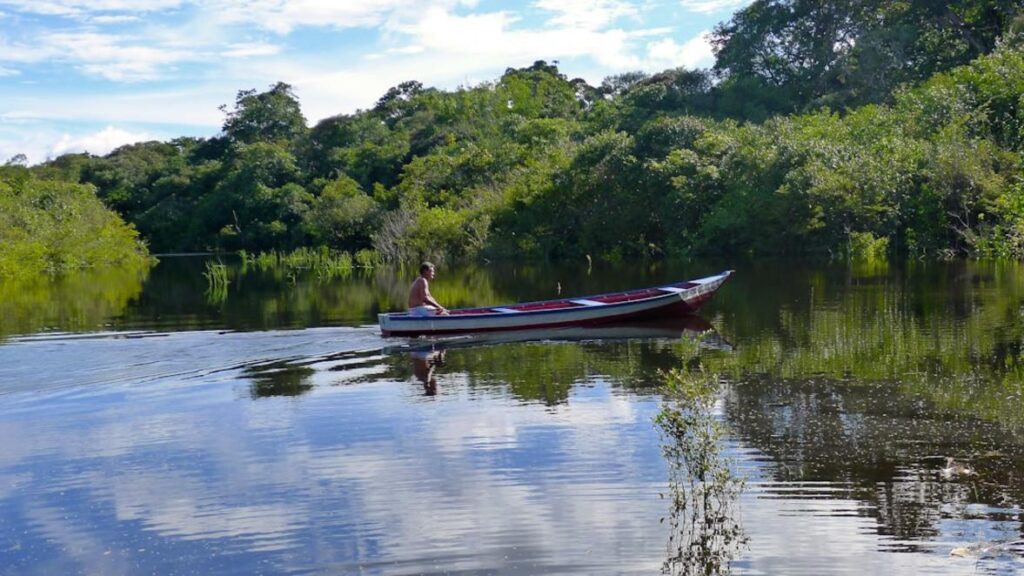
Brazil is a destination that needs real preparation. While there are no required vaccines, the recommended vaccines include Hepatitis A, Hepatitis B, and Rabies. Additionally, malaria is a regional concern in the Amazon, and dengue is prevalent throughout the country. This trip requires careful planning and attention to health prep.
Travelers should focus on getting vaccinated against Hepatitis A and Rabies, especially if visiting rural areas. Those planning to explore the Amazon should consider malaria prophylaxis. This preparation is essential for a safe and enjoyable trip.
Why timing matters
Start at least 8 weeks before departure. Schedule vaccinations for multi-dose vaccines like Hepatitis B and Rabies, and ensure malaria prophylaxis is filled and started if traveling to high-risk areas. Do not leave it to the last week to get your shots.
Key takeaways
- Hepatitis A is often overlooked; get vaccinated 4 weeks before travel.
- Plan for malaria prevention if visiting the Amazon region; start 1-2 weeks prior.
- Rabies vaccination is crucial for those engaging in outdoor activities or animal contact.
- Dengue is prevalent; pack mosquito repellent with at least 30% DEET.
- Routine vaccines are not listed here; ensure MMR and DTaP are up to date.
Vaccinations Overview
The table below outlines the required and recommended vaccines for Brazil.
| Category | Vaccine | Who | Why | When to start | Cost | Side effects | Notes |
|---|---|---|---|---|---|---|---|
| Strongly Recommended | Hepatitis A | All travelers, especially first-time visitors. | Hepatitis A is transmitted through contaminated food and water, common in Brazil. | 4 weeks before departure | $40-90 | Sore arm, mild fever 24h | Verify booster status with your GP. |
| Strongly Recommended | Hepatitis B | Travelers planning extended stays or high-risk activities. | Hepatitis B is spread through contact with infected bodily fluids. | 4 weeks before departure | $40-90 | Tenderness at injection site | Multi-dose series. |
| Strongly Recommended | Typhoid | Travelers visiting rural areas or eating street food. | Typhoid fever is common in areas with poor sanitation. | 2 weeks before departure | $50-90 | Fever, headache, fatigue | Not recommended in pregnancy. |
| Strongly Recommended | Chikungunya | All travelers, especially during mosquito season. | Chikungunya is transmitted by mosquitoes, prevalent in Brazil. | Consult a travel clinic 4-6 weeks before travel. | $0-40 | Joint pain, fever | Focus on mosquito bite prevention. |
| Strongly Recommended | Rabies | Travelers with high animal contact or remote travel. | Rabies is a risk from stray dogs and wildlife in rural areas. | 6 weeks before departure | $250-400 | Sore arm, mild fever 24h | Multi-dose series. |
| Strongly Recommended | COVID-19 | All travelers, especially those unvaccinated. | COVID-19 remains a concern in Brazil. | 2 weeks before departure | $0-40 | Fatigue, mild headache | Check local requirements for entry. |
| Strongly Recommended | Yellow Fever | Travelers to the Amazon or other high-risk areas. | Yellow fever is endemic in parts of Brazil, especially the Amazon. | Issued at least 10 days before entry | $150-200 | Mild fever, soreness | Verify vaccination status with your GP. |

What border officers actually check
No vaccinations are required to enter Brazil for typical short tourist stays. This typically means visits of up to 90 days. However, a Yellow Fever certificate is required if you arrive from or transit through a Yellow Fever risk country for more than 12 hours. Countries like Colombia and Peru fall into this category, so be aware of your travel route.
If you transit through a Yellow Fever risk country for 12 hours or more, you must present a Yellow Fever vaccination certificate upon arrival in Brazil. Common transit hubs that travelers might overlook include Doha and Addis Ababa. Remember that ‘transit’ means staying airside; if you go through immigration, you will need the certificate. Flight delays can extend a layover, so check your itinerary carefully.
Documentation is checked upon arrival, with officers verifying the International Certificate of Vaccination or Prophylaxis (ICVP). They will look for the issuance date, ensure it is signed by an approved center, and confirm that your name matches your passport. Entry rules can change, so confirm with the embassy or your travel clinic at least four weeks before departure. Digital alternatives may be accepted, but if your card is lost during your trip, consult local health authorities immediately.
Health risks without a vaccine
Even with vaccinations, travelers face various health risks in Brazil. Mosquito-borne diseases are prevalent, and malaria is a concern in specific regions like the Amazon. The following table outlines the key diseases you might encounter, along with prevention strategies.
| Risk | Presence | High-risk situations | Prevention | When to see a doctor |
|---|---|---|---|---|
| Dengue | Year-round, peaks during wet season (November to March) | Dusk-to-dawn outdoors, urban gardens with standing water | Use DEET 30% or higher, wear long sleeves and pants | Fever 38 degrees C+ within 14 days of return |
| Malaria | Regional, mostly in the Amazon and parts of Maranhão, Mato Grosso, Pará | Traveling in forested areas, especially at night | Consult a travel clinic about prophylaxis options | Fever 38 degrees C+ within 14 days of return |
| Rabies | Country-wide, urban and rural, especially in wildlife areas | Contact with stray dogs or bats | Avoid animal bites and seek immediate care if bitten | Any animal bite or scratch – wash and clinic within 24h |
| Chikungunya | Year-round, peaks during wet season (November to March) | Outdoor activities in urban areas with standing water | Use DEET 30% or higher, wear long sleeves and pants | Severe joint pain lasting more than a week |
| Leptospirosis | Wet-season risk (November to March) | Swimming or wading in floodwaters | Avoid contact with potentially contaminated water | Fever, muscle aches, or jaundice after exposure |

Your prep timeline
Start at least eight weeks before departure – Brazil sits in the heavy-preparation bracket. Begin by booking a travel-clinic consult to discuss your vaccination needs. Recommended vaccinations like Hepatitis B require a multi-week schedule, so starting early is crucial. Malaria prophylaxis should be filled four weeks before departure to ensure effectiveness. Leaving prep to the last week can lead to missed vaccinations and unnecessary health risks.
| Activity | Ideal timing | Deadline | Why |
|---|---|---|---|
| Book travel-clinic consult | 10-12 weeks before departure | Latest: 4 weeks before departure | Consult early to assess vaccination and health needs. |
| Start recommended vaccinations | 8-10 weeks before departure | 2 weeks before departure (single-dose shots only) | Hepatitis B uses an accelerated 4-week schedule. |
| Fill malaria prophylaxis prescription | 4 weeks before departure | Start atovaquone-proguanil 1-2 days before entry; doxycycline 1-2 days before; mefloquine 2-3 weeks before | Malaria prophylaxis must be in your system before exposure. |
| Get Yellow Fever certificate | 10+ days before entry | Certificate must be issued at least 10 days before crossing the border | Yellow Fever vaccination is strongly recommended for most regions. |
| Pick up final medicine kit + insurance paperwork | 1-2 weeks before departure | Day before departure at the latest | Ensure you have all necessary medications and documents. |
Documents to carry
Carry the International Certificate of Vaccination or Prophylaxis (ICVP), also known as the Yellow Card, especially if you receive the Yellow Fever vaccine. Digital alternatives may be available through health apps, but always bring physical copies. When visiting the travel clinic, bring your current vaccination record, a list of medications, your trip itinerary including any rural or jungle days, and any known allergies. Keep the ICVP with your passport while storing other documents in a separate, secure bag.
What this prep costs
Expect to spend USD500-1100 for a basic package. This typically includes the travel-clinic consult fee, vaccination costs, and the ICVP fee. Malaria prophylaxis prescriptions can add another USD80-200 for the trip duration. National or private insurance usually covers routine boosters but may vary for travel-specific vaccinations and ICVP fees. A good travel insurance covers post-vaccination side effects, medical evacuation, and unexpected illness abroad; pre-existing conditions and routine vaccinations are typically excluded. Always ask the clinic for a written cost estimate before starting a multi-dose schedule.
Action checklist
- Book a travel-clinic consult at least 10 weeks before departure.
- Start recommended vaccinations 8-10 weeks before your trip.
- Fill malaria prophylaxis prescription 4 weeks before departure.
- Get Yellow Fever certificate if recommended for your itinerary.
- Pick up final medicine kit and insurance paperwork 1-2 weeks before departure.
Your travel medicine kit
Practical items worth ordering before you leave. Links below are affiliate links to Amazon – we may earn a small commission at no extra cost to you.
Fill prescription before departure if visiting malarial regions (Amazon states, parts of Maranhão/Mato Grosso/Pará)
Essential for preventing mosquito-borne diseases (dengue, Zika, chikungunya, yellow fever) and sand fly bites (leishmaniasis)
Alternative insect repellents with proven efficacy
Relief for insect bite inflammation and itching
Essential protection; UV exposure is high year-round, increased at high elevation and near reflective surfaces
For treating cuts, wounds, and minor injuries to prevent infections and secondary disease transmission
Hygiene support for food and water safety
For insect bite reactions and minor allergic responses

On-the-ground prevention
Mosquito prevention
Mosquitoes carry both dengue and malaria here – protect both during the day (dengue Aedes) and at dusk/night (malaria Anopheles).
- • Apply DEET 20-30% on exposed skin for adults and 10% for children over 2 months.
- • Wear permethrin-treated clothing during evenings to deter mosquitoes.
- • Sleep in screened or air-conditioned rooms to reduce mosquito exposure.
- • Avoid standing water to minimize mosquito breeding sites.
- • Adjust activities to avoid being outside during dusk and dawn when malaria mosquitoes are active.
- • Reapply insect repellent every 4-6 hours for continuous protection.
Food and water hygiene
Traveler’s diarrhea is the most likely thing to ruin a trip in Brazil – more common than every vaccinated-against disease combined.
- • Drink bottled or filtered water with a 0.1 micron filter to avoid waterborne diseases.
- • Avoid ice cubes in rural areas; stick to ice from reputable sources in urban settings.
- • Choose peeled fruit over unpeeled to minimize contamination risk.
- • Eat from busy street food stalls that serve hot, fresh food to reduce foodborne illness risk.
- • Carry oral rehydration salts (ORS) to manage dehydration from diarrhea.
- • Use hand sanitizer with at least 60% alcohol to maintain hygiene before meals.
Specific traveler groups
| Group | Watch for | Action |
|---|---|---|
| Children | Children need malaria prophylaxis starting from 5 kg for atovaquone-proguanil and 8 years for doxycycline. | Ask about malaria prophylaxis options suitable for your child’s weight. |
| Pregnant travelers | Pregnant travelers should consider the Yellow Fever vaccine, as it is contraindicated during pregnancy. | Inquire about safe vaccine options for pregnant women. |
| Older adults (60+) | Older adults face increased dengue severity and should be cautious about heat exposure. | Discuss dengue risks and heat management strategies with your doctor. |
| Chronic conditions | Individuals with chronic conditions should be cautious with live vaccines due to immune suppression. | Consult about vaccine safety concerning your specific health condition. |
Travel insurance for medical coverage
Heymondo covers medical treatment and evacuation abroad, useful if a vaccine reaction or unexpected illness needs care. Our link applies 5% off automatically.
Frequently asked questions
1Do I need malaria pills for Brazil?
Yes, malaria pills are recommended for travel to certain regions in Brazil, particularly the Amazon. Areas like Acre and Amazonas have a higher malaria risk. Consult your travel clinic for the best prophylaxis options.
2Is the Yellow Fever certificate required for Brazil?
The Yellow Fever certificate is required if arriving from a risk country and is strongly recommended for most regions in Brazil. This includes areas where Yellow Fever is endemic. Check with your travel clinic for vaccination details.
3Do vaccines protect me from dengue in Brazil?
Currently, there is no vaccine available that protects against dengue in Brazil. Preventing mosquito bites is crucial to avoid dengue infection. Use insect repellent and wear protective clothing to minimize risk.
4How can I prevent dengue in Brazil?
To prevent dengue in Brazil, apply insect repellent containing DEET and wear long-sleeved clothing. Stay in accommodations with screens or air conditioning. Avoid being outdoors during peak mosquito activity hours.
5Do I need the Rabies vaccine for Brazil?
Yes, the Rabies vaccine is recommended for travelers who may have contact with animals in Brazil. This includes those visiting rural areas or engaging in activities with wildlife. Discuss your itinerary with your travel clinic.
6What should I know about food safety in Brazil?
Food safety is crucial in Brazil; always drink bottled or filtered water. Avoid ice in rural areas and eat at busy stalls serving hot food. These practices help prevent traveler’s diarrhea, which is common.
7When should I get vaccinated for Brazil?
Vaccinations for Brazil should ideally be completed 8-12 weeks before your trip. This allows time for vaccines to take effect and for any necessary follow-up doses. Consult your travel clinic for a personalized schedule.
8Can I swim in fresh water in Brazil?
Avoid swimming in fresh water in Brazil, especially in flooded areas, to reduce the risk of leptospirosis. Stick to swimming in chlorinated pools or the ocean to stay safe from waterborne diseases.
Some links on this page are affiliate links. We may earn a small commission at no extra cost to you when you use them.