


The mist rises over the emerald waters of Lake Bisoke, framed by lush volcanic slopes.
Bisoke is an active volcano in Volcanoes National Park, attracting adventurers eager to hike its challenging trails. The trek culminates at a stunning crater lake, offering breathtaking views. Located about 12 miles / 19 km from Musanze, this area is also known for golden monkey tracking, making it a prime destination for nature lovers and hikers alike.
In Bisoke, hike to the crater lake, track golden monkeys, and explore the lush volcanic landscape.
Key takeaways
- Hike to Lake Bisoke’s crater, about 12 miles / 19 km from Musanze.
- Golden monkey tracking starts at 7:00 AM, costs ~$100 per person.
- Expect a strenuous hike of 6-8 hours round trip.
- Visit during the dry season, from June to September.
- Stay in local guesthouses for ~$30 per night.
Why visit Bisoke
Bisoke stands out among Rwanda‘s iconic destinations like Volcanoes National Park and Lake Kivu, offering a unique day hike to a volcanic crater lake. This trek rewards you with stunning views and the chance to spot golden monkeys lower on the slopes. The combination of adventure and breathtaking scenery makes it a prime spot for outdoor enthusiasts.
- Hike to the summit of Mount Bisoke for panoramic views of the crater lake.
- Experience golden monkey tracking, a lesser-known activity that adds excitement.
- Visit during the dry season (June to September) for the best hiking conditions.
- Explore the local villages around Bisoke for authentic cultural interactions.
Best for
Adventure hikers seeking a challenging trek will thrive here, especially solo travelers comfortable with navigating local transport. The focus on outdoor experiences makes it ideal for those who prioritize nature over nightlife.
Skip if
If you’re looking for vibrant nightlife or extensive urban amenities, consider Kigali instead. Bisoke is primarily for those drawn to adventure and nature.
Top things to do in Bisoke
Bisoke offers thrilling adventures that culminate in the stunning volcanic crater lake. Start your journey with the hike to the summit, where breathtaking views await.
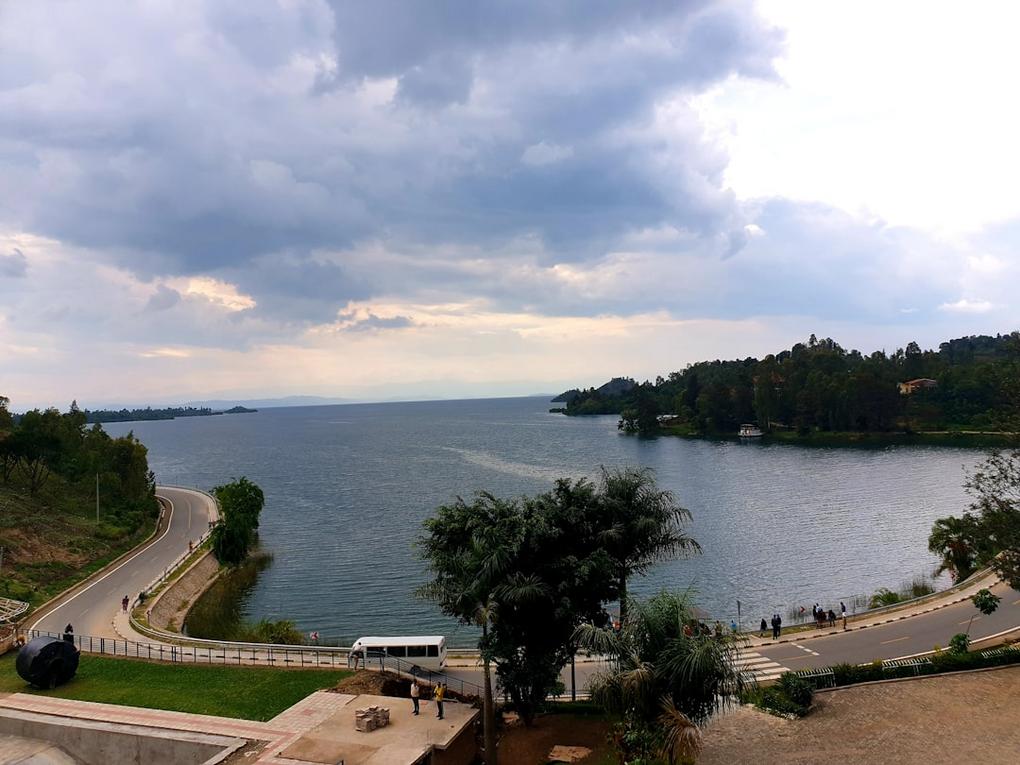
1. Hike to the Crater Lake ·
This strenuous hike leads you to a breathtaking volcanic crater lake, a highlight of Volcanoes National Park.
Embark on a challenging trek that takes you through lush forests and rugged terrain, culminating at the stunning crater lake. The hike typically lasts around six hours, rewarding you with panoramic views and the chance to spot wildlife along the way. Guided by one of the licensed operators in the area, this adventure is both exhilarating and scenic.
This hike is the main draw of Bisoke, offering a unique combination of physical challenge and natural beauty that other trails in the region can’t match.
- When: Start early in the morning, ideally between June and September for the best weather conditions.
- Cost: ~$75
- Duration: Full day
- How to reach: From the center of Bisoke, take a short taxi ride to the park entrance, where your guide will meet you.
Solo female travel: Group hikes are common, providing a social atmosphere for solo travelers.
2. Golden Monkey Tracking ·
Get up close with the playful golden monkeys in their natural habitat, a unique wildlife experience.
Join a guided tour to track the golden monkeys that inhabit the lower slopes of the volcano. This half-day excursion allows you to observe these fascinating creatures as they play and forage in the trees. The experience is both educational and entertaining, making it a perfect complement to the more strenuous hikes.
This activity offers a different perspective on the region’s biodiversity, showcasing wildlife that many visitors overlook.
- When: Mornings are best, especially from June to October when the monkeys are most active.
- Cost: ~$50
- Duration: Half day
- How to reach: Travel from Bisoke center to the park entrance by taxi, where your guide will be waiting.
Insider tip: If closed
Consider a visit to the nearby Musanze Caves for an underground adventure.
3. Visit the Local Markets ·
Experience the vibrant local culture by exploring Bisoke’s bustling markets.
Stroll through the local markets where vendors sell fresh produce, handmade crafts, and traditional foods. Engage with locals and sample local dishes like brochettes and plantains. This immersive experience provides insight into daily life in Bisoke and is a great way to support the community.
This activity offers a cultural immersion that contrasts with the outdoor adventures, allowing you to connect with the local community.
- When: Visit on Saturdays when the market is at its busiest and most vibrant.
- Cost: Free
- Duration: 2 hours
- How to reach: The market is within walking distance from the center of Bisoke.
Solo female travel: The market is generally safe, but it’s wise to keep personal belongings secure.
4. Explore the Volcanoes National Park Visitor Center ·
Learn about the park’s ecology and conservation efforts at the informative visitor center.
Stop by the visitor center to gather information about the park’s unique ecosystems and the various activities available. The center features exhibits on the local wildlife and conservation initiatives, providing a deeper understanding of the area before your hikes.
This is a great way to enhance your experience by understanding the significance of the landscapes you will explore.
- When: Visit in the morning before heading out for your hikes.
- Cost: Free
- Duration: 1 hour
- How to reach: Located at the entrance of Volcanoes National Park, easily accessible by taxi from Bisoke.
5. Bird Watching in the Park ·
Discover the diverse bird species that inhabit the lush landscapes of Volcanoes National Park.
Join a guided bird-watching tour to spot various species, including the rare Rwenzori turaco and the handsome francolin. This activity is perfect for nature lovers and offers a peaceful alternative to the more strenuous hikes.
This is a relaxing way to enjoy the park’s beauty while engaging in a quieter, less physically demanding activity.
- When: Early mornings are ideal, especially during the dry season from June to September.
- Cost: ~$40
- Duration: Half day
- How to reach: Meet your guide at the park entrance, accessible by taxi from Bisoke.
6. Relax at a Local Café ·
Unwind at a cozy café after a day of adventure, enjoying local coffee and snacks.
Take a break at one of the local cafés in Bisoke, where you can enjoy a cup of Rwandan coffee and light snacks. It’s a perfect way to recharge after a day of hiking or exploring the markets.
This option provides a laid-back atmosphere to reflect on your day’s adventures and plan for tomorrow.
- When: Anytime during the day, especially in the late afternoon.
- Cost: ~$5
- Duration: 1 hour
- How to reach: Cafés are scattered throughout Bisoke, easily reachable on foot.
Book tours and tickets
Booking through these links supports Pack Lightly at no extra cost to you.
24 hours in Bisoke
This itinerary is perfect for adventure hikers looking to conquer a volcanic summit while enjoying local flavors and a relaxed evening atmosphere.
Morning
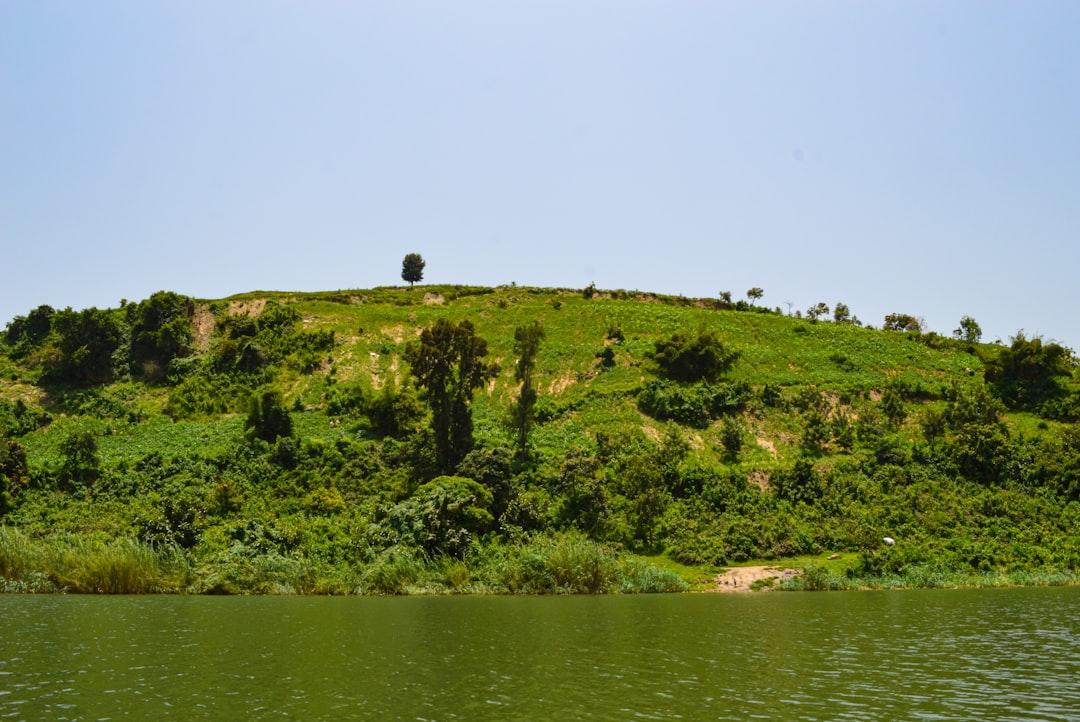
Start your day early at 6:00 AM with a hearty breakfast at a local café near your accommodation. Fuel up with eggs and fresh fruit before heading to Volcanoes National Park for your trek. Arrive at the park entrance by 7:00 AM to secure your spot for the challenging hike up Mount Bisoke, where the views of the crater lake await. The morning light will illuminate the lush landscape as you ascend, making for stunning photo opportunities.
Afternoon
After a rewarding climb, reach the summit around noon and take in the breathtaking views of the crater lake. Spend some time enjoying your packed lunch while soaking in the scenery. Descend back to the park entrance by 2:00 PM, where you can grab a refreshing drink at a nearby kiosk. For a late lunch, head to a local eatery that serves traditional Rwandan dishes, such as ugali and grilled meat, to refuel after your hike.
Evening
As the sun sets, make your way to a viewpoint overlooking the park to catch the stunning colors of the sky. Enjoy a relaxed dinner at a family-run restaurant, where you can savor local specialties like isombe (cassava leaves) and brochettes. The evening atmosphere in Bisoke is calm, perfect for reflecting on your adventurous day.
If you have a second day
Consider spending your second day tracking golden monkeys in the lower slopes of the volcano. Alternatively, explore the local markets for unique crafts and souvenirs.
Best time to visit Bisoke
Quick answer
Visit from April to June and October to early December for the best hiking conditions.
| Months to go | April to June, October to early December |
|---|---|
| Months to avoid | January to March due to heavy rainfall and muddy trails. |
The best hiking months are April to June and October to early December, when temperatures range from 60°F / 16°C to 75°F / 24°C and rainfall is minimal. January to March sees significant rain, making trails muddy and less accessible. Wildlife tracking opportunities peak during the drier months, enhancing your experience. Avoid visiting in July, as the high pass may close due to snow, limiting access to the crater lake.
Average temperature (°F)
Monthly weather
humid wet, off-peak prices
humid wet, off-peak prices
humid wet, off-peak prices
cool dry, great hiking
cool dry, great hiking
cool dry, great hiking
cold wet, trails may close
cool dry, good wildlife viewing
cool dry, good wildlife viewing
cool dry, great hiking
cool dry, great hiking
humid wet, off-peak prices
How to get to Bisoke
Nearest airport
Kigali International Airport (KGL), about 60 miles / 97 km from Bisoke
From the airport
Take a pre-booked private taxi or 4×4 rental from Kigali International Airport directly to Bisoke’s trailhead; expect around $70-$90, 2026. Booking through your lodge or a trusted local operator is the safest and most reliable option, avoiding unreliable public transport on rough roads.
Other ways to arrive
- From Kigali city center, take a shared minibus to Kinigi town, then hire a moto-taxi or arrange a local guide transfer; 2.5 hours, $15-$25, 2026
- From Ruhengeri (Musanze), hire a moto-taxi or 4×4 to Bisoke trailhead; 45 minutes, $10-$30, 2026
- From Volcanoes National Park headquarters, arrange a park-authorized shuttle or guide transfer; 30 minutes, $20-$40, 2026
Getting around Bisoke
The dominant way to move around Bisoke is on foot, especially for the crater lake hike. For transfers between trailheads and nearby towns, renting a 4×4 or hiring a moto-taxi is essential due to rough dirt roads.
- Hiking – use for all crater lake summit access; no cost beyond park fees
- Moto-taxi – best for short transfers around Kinigi or to trailheads; ~$5-$10 per trip, 2026
- Private 4×4 rental – use for airport transfers or longer trips on rough roads; ~$70-$90 per day, 2026
Avoid
Avoid renting a car without 4×4 capability; dirt roads get muddy and impassable in rain.
Day trips from Bisoke
These day trips complement Bisoke’s crater lake hike by offering wildlife encounters and cultural insight nearby.
Golden Monkey Tracking in Volcanoes National Park
Tracking habituated golden monkeys on the lower slopes of Bisoke volcano.
Why: This experience adds wildlife viewing to your volcano hike day, with expert guides who know the monkeys’ patterns better than most visitors realize.
Visit to Iby’Iwacu Cultural Village (Rwanda)
Learning about local customs, traditional dance, and crafts near the park entrance.
Why: Offers a grounded cultural contrast to the physical challenge of the volcano hike, with interactive demonstrations led by local community members.
Skip if: Not interested in cultural tours or pressed for time
Musanze Caves Exploration
Exploring limestone caves with a guide, a unique geological feature near Bisoke.
Why: Provides a cool, shaded alternative to hiking, with less physical strain and a chance to see bats and cave formations.
Skip if: Focus is strictly on volcano trekking
Combine Bisoke with
Bisoke fits naturally into a Rwanda itinerary focused on active trekking, wildlife, and cultural immersion in the northwest region.
7-day Volcanoes National Park circuit Kigali → Musanze → Bisoke → Golden Monkey tracking → Kinigi
Start in Kigali, move to Musanze for acclimatization and cave tours, then tackle Bisoke’s crater lake hike, finishing with golden monkey tracking near Kinigi for a varied active itinerary.
10-day Rwanda adventure loop Kigali → Bisoke → Nyungwe Forest → Lake Kivu
Combine Bisoke’s strenuous volcano hike with Nyungwe Forest’s canopy walk and primate trekking, then unwind at Lake Kivu, balancing physical challenge with recovery.
Where to stay in Bisoke
Compare prices across booking sites on the map below and see which neighbourhood fits your plans.
Accommodations in Bisoke are concentrated near the Volcanoes National Park entrance, making it convenient for hikers. The area offers a mix of budget-friendly hostels and mid-range guesthouses, catering to those looking to explore the volcanic landscapes and track golden monkeys.
Budget – Near the Volcanoes National Park entrance
Hostels and dormitories provide basic amenities for budget travelers, often with shared facilities and a social atmosphere. Expect a lively environment but limited privacy.
Insider tip: Book in advance during peak trekking seasons to secure a bed.
Mid-range – Kigali Road area
Family-run guesthouses offer comfortable rooms with local charm and breakfast included, perfect for those seeking a cozy stay. These places often lack the amenities of larger hotels but provide a more personal touch.
Insider tip: Ask for rooms with mountain views for a stunning sunrise.
Where not to stay
Avoid the outskirts of town, where accommodations may lack security and reliable access to amenities.
Solo female travelers
Choose a guesthouse with a strong social vibe, like those near the park entrance, where other travelers gather.
Book your stay
Booking through these links supports Pack Lightly at no extra cost to you.
Where to eat and drink in Bisoke
Bisoke’s culinary scene is defined by its access to fresh ingredients from the surrounding volcanic landscape, particularly the unique flavors of locally sourced trout. The influence of the nearby communities, especially those engaged in agriculture and fishing, shapes the local cuisine, making it distinct from other regions in Rwanda.
Must-try dishes
Isombe (Cassava Leaves)
A dish made from cassava leaves cooked with ground peanuts and served with a starch like rice or plantains.
Insider tip: Try it during lunch hours for the freshest preparation.
Trout (Amataba)
Freshly caught trout, often grilled and served with a side of vegetables or plantains.
Insider tip: Order it grilled for the best flavor, especially in the evening when it’s freshly caught.
Ibihaza (Pumpkin Stew)
A hearty stew made from pumpkin and often mixed with beans or meat, seasoned with local spices.
Insider tip: Pair it with a side of rice for a filling meal.
Local drinks
- Ikigage (Traditional Beer)Visit local bars or community gatherings where traditional drinks are served.
A local beer made from fermented sorghum or millet, often enjoyed during social gatherings. - Fresh Fruit JuicesAny of the juice stalls near the market, especially in the mornings.
Juices made from locally sourced fruits like passion fruit and mango, often served fresh.
How to eat like a local in Bisoke
Lunch is the main meal of the day, so plan to eat around 1:00 PM when local kitchens are bustling. Many places close in the late afternoon, so avoid dinner unless you’re at a bar or restaurant that caters to evening crowds.
Daily budget for Bisoke
Bisoke offers a unique blend of affordability and adventure, with daily costs slightly elevated due to its popularity among hikers and proximity to Volcanoes National Park.
Shoestring
- lodging – dormitory bed in a local hostel
- food – casual meals at local eateries
- transport – public transport or shared taxis
- activities – self-guided hikes or park entry fees
- buffer – miscellaneous expenses
Trade-offs: Expect basic accommodations and limited dining options.
Comfort
- lodging – private room in a guesthouse
- food – meals at mid-range restaurants
- transport – private transport for convenience
- activities – guided hikes or tours
- buffer – miscellaneous expenses
Trade-offs: You may sacrifice some local authenticity for comfort.
Splurge
- lodging – upscale lodge with amenities
- food – fine dining experiences
- transport – private driver or taxi services
- activities – premium guided tours or experiences
- buffer – miscellaneous expenses
Trade-offs: Expect a more luxurious experience but at a higher cost.
Money-saver tip
Book your guided hikes directly with local operators in Bisoke rather than through international agencies to save up to 30%.
Splurge that’s worth it
Invest in a guided trek to the crater lake for expert insights and a safer experience on challenging trails.
Skip to save
Avoid overpriced souvenir shops near the park entrance; local markets offer better deals on authentic crafts.
Practical tips for Bisoke
Money
| Cash or card | Cash is preferred in Bisoke, especially for small purchases. |
|---|---|
| ATMs | There are ATMs in nearby towns that accept foreign cards, but they may charge high fees. |
| Tipping | Tip around 10% for guides and drivers; for restaurants, rounding up the bill is common. |
Safety
Bisoke is generally safe for travelers, but it’s wise to stay alert in crowded areas.
Local warnings:
- Be cautious of altitude sickness when hiking to the crater lake.
Connectivity
| Mobile data | Mobile data coverage is decent in Bisoke; consider getting a local SIM from MTN or Airtel. |
|---|---|
| Wi-Fi | Wi-Fi is limited; expect it primarily in guesthouses and a few cafes. |
Language
| Main language | Kinyarwanda |
|---|---|
| English level | English is spoken in tourist areas, but proficiency may vary among locals. |
Solo female travel
Solo female travelers can feel comfortable in Bisoke, especially during the day.
| Transport | Use registered taxis or arrange transport through your accommodation at night. |
|---|---|
| Meeting people | Join group hikes or tours to meet fellow travelers and locals. |
Frequently asked questions about Bisoke
1Is Bisoke worth visiting?
Yes – Bisoke is a prime destination for adventure hikers. The strenuous trek to the volcanic crater lake offers stunning views and a unique experience in Volcanoes National Park.
2How many days do you need in Bisoke?
Book two days. Use the first day for the hike to the crater lake and the second for golden monkey tracking or exploring the surrounding area.
3When is the best time to visit Bisoke for hiking?
The best time is during the dry season from June to September. This period offers clearer skies and more stable weather for trekking.
4Do you need a car to visit Bisoke?
No – public transport options like shared taxis are available from nearby towns. However, hiring a local guide is recommended for the best experience.
5Is Bisoke safe for solo female travelers?
Yes – Bisoke is generally safe for solo female travelers. Stick to well-populated areas and avoid hiking alone after dark.
6Can you swim in the crater lake at Bisoke?
Skip it – swimming is not allowed in the crater lake due to safety concerns and the preservation of the ecosystem.