


When planning a short trip to Colombia, choose between Cartagena and Medellin based on what you want most: historic streets or modern city life. Cartagena excels in layered colonial architecture and seaside views, perfect for photo-foodie explorers. Medellin offers a energetic urban scene with street art and mountain vistas, ideal for exploring on foot and via cable car. Your choice hinges on whether coastal charm or mountain buzz drives your trip.
Cartagena feels like stepping into a living history book, with narrow alleys, pastel walls, and a lively old town. It radiates a warm, relaxed atmosphere, especially at sunset. Medellin pulses with energy, from its graffiti-covered walls to the cable car rides over lush valleys. It’s a city that invites exploration and offers a sense of modern Colombian resilience.
- Budget: Choose Cartagena for more affordable historic stays, or Medellin for cheaper modern hotels.
- Nightlife: Medellin’s nightlife is more energetic with clubs and bars, while Cartagena’s is more relaxed and scenic.
- Food scene: Cartagena offers seaside seafood and Caribbean flavors, Medellin excels in local and international cuisine.
- Cultural experience: Cartagena immerses you in colonial history, Medellin showcases contemporary art and resilience.
- Weather: Cartagena has a consistently warm, humid climate, Medellin’s mountain air is cooler and more temperate.
- Transport: Medellin’s metro and cable system make city travel efficient; Cartagena relies more on walking and taxis.
- Authenticity: Cartagena’s old town feels like a preserved colonial relic, Medellin’s modern districts reflect urban growth.
- Safety: Both cities require vigilance; Cartagena’s tourist zones are safer, Medellin’s safer in well-known areas.
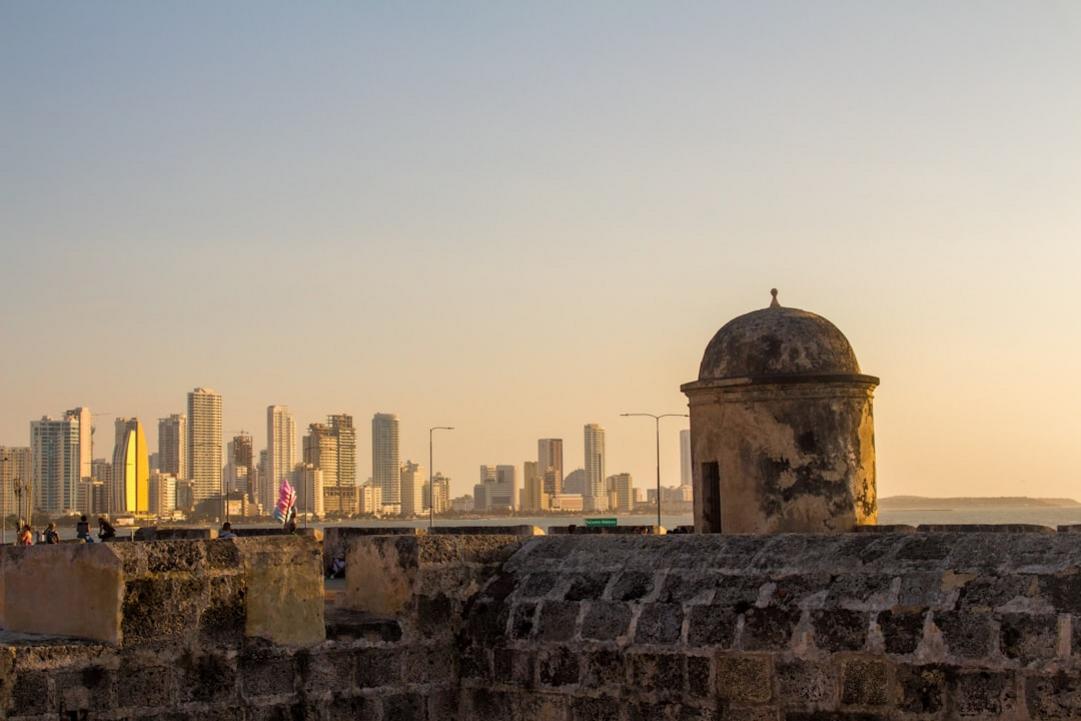
Comparison of Cartagena and Medellin
| Feature | Cartagena | Medellin | Insider tip |
|---|---|---|---|
| Main highlights | Colonial walls, old town, nearby beaches | Graffiti districts, cable car over valley, modern plazas | Plan at least two days in Cartagena for historic sites, three in Medellin for city exploration. |
| Culinary identity | Seafood, Caribbean flavors, street food stalls | Local Medellin dishes, international options, food markets | Eat at local seafood restaurants in Cartagena, try bandeja paisa in Medellin. |
| Accommodation level | Mid-range boutique hotels in old town, approx $70/night | Modern hotels and hostels, approx $50/night | Book early in Cartagena for colonial charm, Medellin offers more budget options. |
| Cultural soul | Colonial architecture, historic fortresses | Street art, resilience museums, modern galleries | Visit Castillo San Felipe in Medellin, walk the city walls in Cartagena. |
| Best travel window | Dry season from December to April | Dry months from December to March | Avoid rain in both cities by traveling during these months. |
| Persona fit | Ideal for photo-foodie explorers seeking history and seaside views | Perfect for explorers wanting street art, mountain views, and city energy | Choose Cartagena if coastal scenery is priority; Medellin if urban adventure calls. |
| Average price level | Approx $65 per night for mid-range stays | Approx $50 per night for similar quality | Save by booking in Medellin, but Cartagena offers more historic charm for the price. |

Activity Showdown: Cartagena vs Medellin
Cartagena offers a dense schedule of colonial walks, historic sites, and waterfront strolls that maximize sightseeing in a compact area. Medellin spreads out with its sprawling neighborhoods, graffiti tours, and cable car rides, which require more planning but deliver a broader city experience. For a traveler focused on photography and exploration, Cartagena’s walkable old town minimizes transit time and FOMO, while Medellin’s larger scale risks scattered efforts and longer waits for transport.
- Walk through Cartagena’s colonial streets early in the morning to avoid crowds.
- Book a graffiti tour in Medellin to see the city’s energetic street art scene.
- Climb the historic walls of Cartagena at sunset for optimal lighting.
- Ride the metrocable in Medellin to access hillside neighborhoods with panoramic views.
- Visit Cartagena’s old market for authentic local food with minimal travel.
Cartagena delivers more concentrated activity per day with less transit, making it ideal for explorers who want to maximize photo ops and local flavor.

Cartagena
Walled City walking tour
Photo enthusiasts, history lovers, explorers
Explore the colonial architecture, colorful facades, and historic plazas of Cartagena’s old town. It offers a compact, immersive experience perfect for photography and history buffs.
Prioritize early morning or late afternoon for best light and fewer crowds.
Castillo San Felipe de Barajas
History buffs, explorers
Visit this formidable fortress with tunnels and ramparts that tell stories of colonial defense. It provides sweeping views of Cartagena and a sense of its strategic importance.
Go early to beat the midday heat and avoid tour groups.
Getsemani neighborhood
Photographers, foodies
Discover energetic street art, lively cafes, and authentic local life in this bohemian district. It’s a must for capturing colorful murals and local scenes.
Spend late afternoon here for the best lighting and atmosphere.
Rosario Islands day trip
Beach lovers, snorkelers
Take a boat to the nearby islands for clear waters and coral reefs. It’s a beach escape that complements city exploration, but requires early planning.
Book in advance and start early to maximize your day.
Convento La Popa
History seekers, photographers
Visit this hilltop monastery with panoramic views of Cartagena and the coast. It offers a quiet escape from the city bustle.
Visit in the morning for cooler weather and better light.
Medellin
Comuna 13 graffiti tour
Street art lovers, explorers
Explore Medellin’s famous street art and learn about its transformation from violence to vibrancy. It’s a dynamic, photo-rich experience that reveals the city’s resilience.
Join a guided tour for safety and deeper context.
Metrocable ride to Santo Domingo
View seekers, explorers
Ascend over the city on the cable car for sweeping views of Medellin’s valley and hillside neighborhoods. It’s a quick, scenic route that offers great photo opportunities.
Ride during daylight hours for the best visibility and safety.
Plaza Botero
Art lovers, photographers
View sculptures by Fernando Botero in the heart of downtown Medellin. It’s a compact site perfect for quick visits and capturing art against city life.
Visit in the late morning for softer light and fewer tourists.
Jardin Botanico
Nature lovers, photographers
Stroll through Medellin’s botanical gardens with orchids, palms, and a butterfly house. It offers a peaceful break from urban exploration.
Visit early in the day for the coolest temperatures and best light.
Pueblito Paisa
Cultural explorers, photographers
Experience a replica of a traditional Antioquian town on a hilltop with views over Medellin. It’s a quick cultural stop with photo potential.
Go in the late afternoon for sunset views over the city.
Under-the-radar spots That Outshine the Main Attractions
These lesser-known spots offer authentic experiences and fewer crowds, perfect for the photo-foodie explorer. They reveal the true character of each city beyond the tourist trail.
| Gem | City | Why it matters | Crowd level |
|---|---|---|---|
| La Cevicheria | Cartagena | A small seafood restaurant with fresh ceviche and local flavors, it’s a favorite among locals and offers a genuine taste of coastal Colombia. | Low |
| Las Palmitas | Medellin | A hillside neighborhood covered in colorful murals, it’s a living art project that captures Medellin’s creative spirit away from tourist crowds. | Medium |
| Bazurto Market | Cartagena | A sprawling local market with fresh produce, meats, and street food, it’s a sensory overload that offers authentic city life. | Medium |
| Parque Arvi | Medellin | A large ecological park accessible via cable car, it’s a quiet escape into nature with trails and local farms, perfect for a half-day trip. | Low |
| San Diego neighborhood | Cartagena | A quieter, less touristy part of the old town with boutique shops and cafes, it’s ideal for relaxed exploration and photography. | Low |
| Cerro Nutibara | Medellin | A hilltop park with a replica of traditional Antioquian architecture, it offers panoramic views and a peaceful atmosphere away from the city center. | Medium |
Visit Cartagena’s old town early in the morning before cruise ships arrive, and in Medellin, take the metro cable during off-peak hours around midday to avoid crowds and get the best light for photos.
Vibe & Atmosphere
Cartagena
Cartagena exudes a warm, tactile energy with its colonial streets, where the scent of fresh seafood mingles with the sound of street musicians. The city’s atmosphere is rooted in its history, with a lively, tactile pulse that invites exploration on foot. The walled city’s narrow alleys and pastel facades create a sensory-rich environment that feels both historic and immediate.
- Explore the old city walls on foot
- Attend a street performance at Plaza Santo Domingo
- Visit local markets for fresh fruit and street snacks
Avoid the heavily touristed Getsemani area during peak hours; instead, seek out local cafes and small plazas for authentic interactions.
Medellin
Medellin offers a gritty, energetic vibe with energetic street art, busy metro rides, and a sense of urban renewal. The city’s rhythm is driven by its innovative spirit, with a mix of modern skyscrapers and colorful neighborhoods that pulse with creativity. The air is filled with the scent of coffee and street food, and the city’s energy is both raw and refined.
- Ride the metrocable over Comuna 13 murals
- Walk through the Botero Plaza sculptures
- Visit local coffee shops in El Poblado
Avoid the tourist-heavy Parque Lleras at night if seeking local authenticity; instead, explore the less crowded neighborhoods for genuine local life.
Cartagena offers a more tactile, historic atmosphere suited for photo-foodie explorers seeking colonial charm, while Medellin’s urban energy and street art appeal to those craving a gritty, modern pulse.

Culinary Showdown
Cartagena’s food scene is rooted in coastal flavors, with fresh seafood, coconut rice, and tropical fruits defining its culinary identity. The city’s street stalls and family-run restaurants serve dishes that are rich in local tradition. Medellin’s cuisine leans into hearty, mountain-influenced flavors, with arepas, bandeja paisa, and street snacks reflecting its inland, urban character. Both cities offer authentic tastes, but Cartagena’s seafood and tropical fruits are more energetic for a photo-foodie, while Medellin’s hearty dishes satisfy a craving for robust, filling meals.
| Tier | Cartagena | Medellin | Tip for each |
|---|---|---|---|
| Street/local | 5-10 USD | 4-8 USD | Sample ceviche or arepas from local vendors |
| Mid-range | 15-30 USD | 12-25 USD | Try seafood platters or traditional bandeja paisa |
| Fine-dining | 50-80 USD | 40-70 USD | Book a table with a view of the coast or city skyline |
Ceviche de camarones
Bright citrus, tender shrimp, crisp vegetables
Highlights coastal freshness and local seafood
Arepa de huevo
Crunchy exterior, soft inside, savory flavor
A street staple that captures local snack culture
Bandeja paisa
Hearty, filling, with beans, rice, meat, and plantains
Represents Medellin’s mountain-influenced, filling cuisine
Empanadas
Crispy, savory, with a spicy filling
Common street snack that embodies local flavor
Cartagena wins for its coastal freshness and energetic seafood dishes that appeal to photo-foodies seeking colorful, authentic flavors.
Accommodation & Comfort
Cartagena’s hotels in the old city offer historic charm with modern amenities, but often come at a premium and can be crowded during high season. The service culture is friendly but can be inconsistent in boutique hotels. Medellin’s accommodations are more modern, with a focus on comfort and efficiency, especially in El Poblado, where the vibe is more relaxed and less touristy. The trade-off is that Cartagena’s central location offers immediate access to historic sites, while Medellin’s quieter neighborhoods provide a more restful stay with easier access to the metro system.
| Style | Cartagena | Medellin | Comparison |
|---|---|---|---|
| Hostel/budget | $20-50 | $15-40 | Basic but clean, good for short stays |
| Mid-range hotel | $80-150 | $70-130 | Comfortable, reliable service |
| Boutique/high-end | $200-400 | $150-350 | Modern decor, excellent amenities |
Medellin’s accommodations offer better value for comfort and modern amenities, ideal for a relaxed, photo-foodie stay.
Districts Exploration
Cartagena
Getsemani
This neighborhood offers colorful colonial architecture, lively street art, and a compact layout ideal for exploring on foot. It attracts photo-foodie explorers seeking authentic local scenes and energetic nightlife, with safety generally manageable during daylight.
Ciudad Amurallada
The historic walled city features well-preserved colonial streets, plazas, and landmarks. It’s perfect for daytime wandering and capturing photos of pastel facades, but can get crowded and noisy at night, requiring vigilance.
Castillogrande
A modern, upscale district with luxury hotels and beaches, offering a quieter environment for relaxing and dining. It’s suited for those who want a break from tourist crowds and prefer a more controlled setting.
Medellin
El Poblado
Medellin’s main hub for nightlife, cafes, and boutique shopping, with a grid-like layout that’s easy to navigate. It’s energetic but can be noisy and crowded, especially on weekends, making safety a consideration after dark.
Comuna 13
Famous for its street art murals and history of transformation, this district offers guided tours that reveal Medellin’s gritty urban art scene. It’s a must-visit for exploring local culture but requires caution outside tour hours.
Laureles
A calmer residential area with tree-lined streets, local cafes, and parks. Ideal for daytime exploration and food photography, with less tourist traffic and safer streets at night.
Bocagrande: High tourist density, noisy nightlife, and petty crime risk make it less suitable for safe, authentic exploration.
Belen: Some areas have safety concerns due to petty crime and poorly lit streets, especially at night, which can compromise security for solo travelers.
Getting Around
Cartagena’s compact old town and surrounding districts are best explored on foot, with short distances between key sights. Medellin’s sprawling layout requires efficient transport options; the metro and cable cars connect the main districts quickly, but walking is limited outside central zones.
| Mode | Cartagena | Medellin | Estimated cost |
|---|---|---|---|
| Public transport | Walkable old town, minimal public transit needed | Metro and cable cars cover major districts efficiently | $1 per ride |
| Walking | Ideal within historic districts, easy to navigate | Limited outside central zones, longer distances require transit | Free |
| Ridesharing/Taxi | Affordable for short trips, safe during the day | Convenient for night travel, slightly more expensive | $3-$8 per trip |
Use local ride-hailing apps like Uber or Beat for predictable fares and safer night travel, especially in Medellin where taxis can be less reliable outside tourist zones.
Pros and Cons
Choosing between Cartagena and Medellin hinges on what matters most: scenery, safety, or ease of exploration. Here’s a clear breakdown.
Cartagena
- Photogenic streets: Pastel colonial buildings and lively plazas make for perfect photo ops.
- Compact layout: Most sights are within walking distance, saving time and money.
- Historic charm: The old city walls and plazas create a romantic, authentic atmosphere.
- Affordable dining: Local eateries offer hearty meals at low prices.
- Tourist crowds: Peak hours can be crowded, especially in the old town.
- Limited nightlife outside historic center: Nightlife is concentrated, requiring short taxi rides.
- Safety concerns at night: Some districts become less safe after dark.
Medellin
- Urban art scene: Street murals in Comuna 13 showcase Medellin’s creative revival.
- Efficient transport: Metro and cable cars make moving across the city quick and safe.
- Modern amenities: Wide range of cafes, shops, and hotels for comfort.
- Scenic cable car rides: Offers sweeping views of the valley and city.
- Sprawling layout: Requires planning to avoid long transit times.
- Less walkable core: Many districts are spread out, making walking impractical.
- Higher costs: More expensive dining and accommodation options.
Cartagena offers easier, safer exploration for solo photo-foodie explorers, with a walkable core and low transit needs.
Cartagena vs Medellin: Which Colombian city suits your travel style?
Aesthetics vs reality
Cartagena offers colonial streets with pastel facades and a walled city that glows at sunset, but it can feel touristy and crowded. Medellin presents a modern cityscape with graffiti murals and a sprawling urban layout, which can seem less authentic but more dynamic.
Activity density
Cartagena’s attractions cluster around the old town, making it easy to explore in a few days, yet it lacks variety outside the historic core. Medellin spreads out with museums, parks, and a cable car system, demanding more time to see everything but offering more diverse activities.
Time efficiency
Getting around Cartagena is straightforward with walkable neighborhoods, but day trips to beaches take time and can be crowded. Medellin’s metro and cable system accelerate movement across the city, but the city’s size means longer travel times if you want to see everything.
Cost-to-comfort return
Cartagena tends to be pricier for accommodations and dining, especially in the historic district, but offers a compact experience for a short stay. Medellin provides more budget options and a lower cost of living, yet its spread-out layout requires more planning to maximize comfort.
Its colonial architecture and sunset-lit streets create a vivid, colorful atmosphere that sticks with you.
- It offers a broader range of activities within a manageable city size.
- Public transport is efficient, saving time and reducing hassle.
- Lower costs mean more flexibility for food and attractions.
Medellin: 5-6 days · Allows time to enjoy the city’s parks, museums, and cable car rides at a relaxed pace.
| Criteria | Cartagena | Medellin | Insider note |
|---|---|---|---|
| Pace | Compact, easy to walk, quick to see highlights | Sprawling, requires planning to cover all sights | Medellin’s size demands more transit planning |
| Budget | Higher costs in the old town, especially for dining and lodging | More affordable options across neighborhoods | Medellin offers better value for longer stays |
| Return on time | Limited outside historic core, best for short visits | Diverse attractions spread out, ideal for a week | Medellin maximizes exploration per day |
| Best-for | Photo-foodie exploring colonial streets and beaches | Explorer seeking city-wide diversity and modern culture | Choose Medellin if you want city immersion; Cartagena if coastal charm |
Prioritize Medellin if your trip is under a week and you want a city that offers more for less; choose Cartagena if coastal scenery and colonial charm are your main goals.
Practical essentials
1Is Cartagena or Medellin safer after dark?
Cartagena’s historic center is generally safe during the day and early evening, but avoid poorly lit areas at night. Medellin’s safer neighborhoods like El Poblado and Laureles are well-patrolled, though caution is advised in less touristy districts after sunset.
2Which city is better for street food: Cartagena or Medellin?
Medellin offers a wider variety of street food, especially in markets like Mercado de la Minorista, with local snacks and fresh fruit. Cartagena’s street food is concentrated around the old town, with grilled seafood and arepas, but less diverse.
3How do public transport options compare in Cartagena and Medellin?
Cartagena relies mainly on taxis and short-distance buses, which can be slow and unpredictable. Medellin’s metro and cable car system provide fast, reliable transit across the city, saving time and effort.
4Are accommodations in Cartagena or Medellin more affordable?
Medellin generally offers more budget-friendly options across neighborhoods, with hostels and guesthouses costing less. Cartagena’s historic district tends to be pricier, especially during peak season.
5Which city has better internet connectivity for planning on the go?
Both cities have good internet infrastructure, but Medellin’s tech hubs and co-working spaces are more prevalent, making it easier for digital planning and remote work.
6What cultural experiences stand out in Cartagena versus Medellin?
Cartagena immerses you in colonial history with its old town and fortress, while Medellin showcases modern art, street murals, and innovative public spaces like Comuna 13.
7How long should I stay in each city for a balanced trip?
Spend 4-5 days in Cartagena to enjoy the historic streets and nearby beaches, and 5-6 days in Medellin to explore its parks, museums, and city-wide attractions.
8What are the main costs I should budget for in each city?
In Cartagena, expect higher prices for dining and lodging in the old town, while Medellin’s lower accommodation and food costs make it easier to extend your stay without overspending.
Open the comparison tool


