


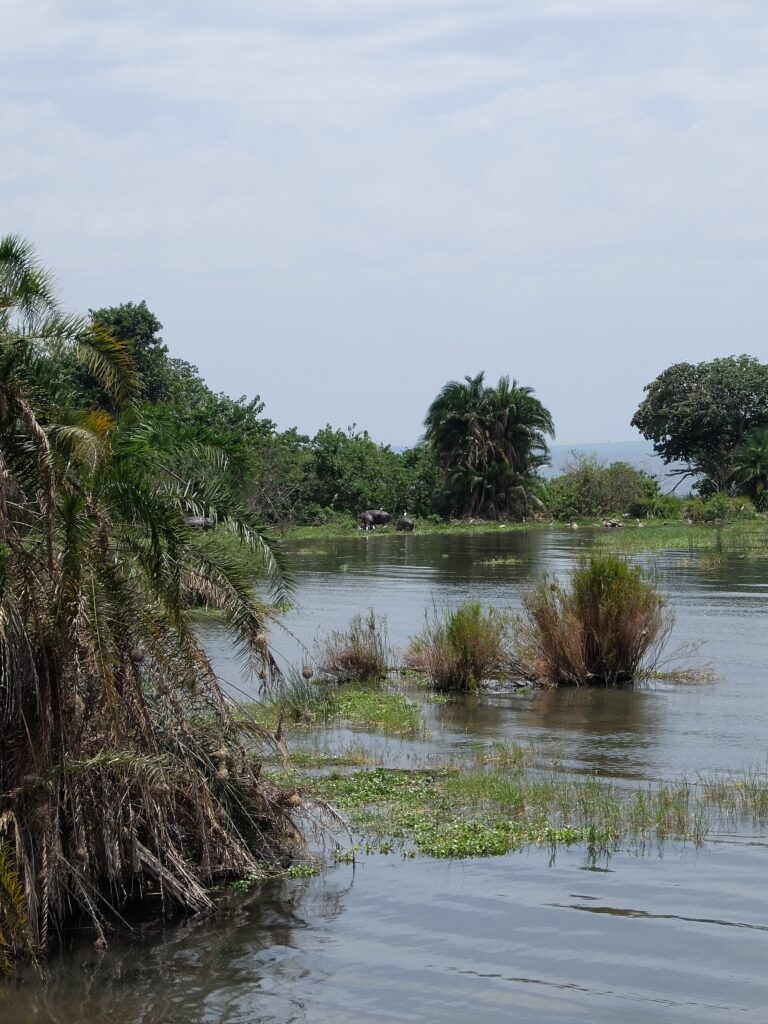
Standing on the shoreline, you watch a family of elephants wade through the shallow waters of Rubondo Island.
Rubondo Island National Park covers about 4 square miles of forested terrain surrounded by Lake Victoria. It offers a rare chance to see wildlife in a remote setting, with elephants, chimpanzees, and hippos often close enough to observe from the boat or shoreline. The island’s dense canopy filters sunlight, creating a mosaic of shadows and light that shifts with the time of day.
Access involves a boat transfer from Arusha, typically taking around two hours, and the park charges a modest entrance fee. Visits are most rewarding early in the morning when animals are most active and the light is softer. Expect to spend at least half a day to fully experience the island’s wildlife and scenery.
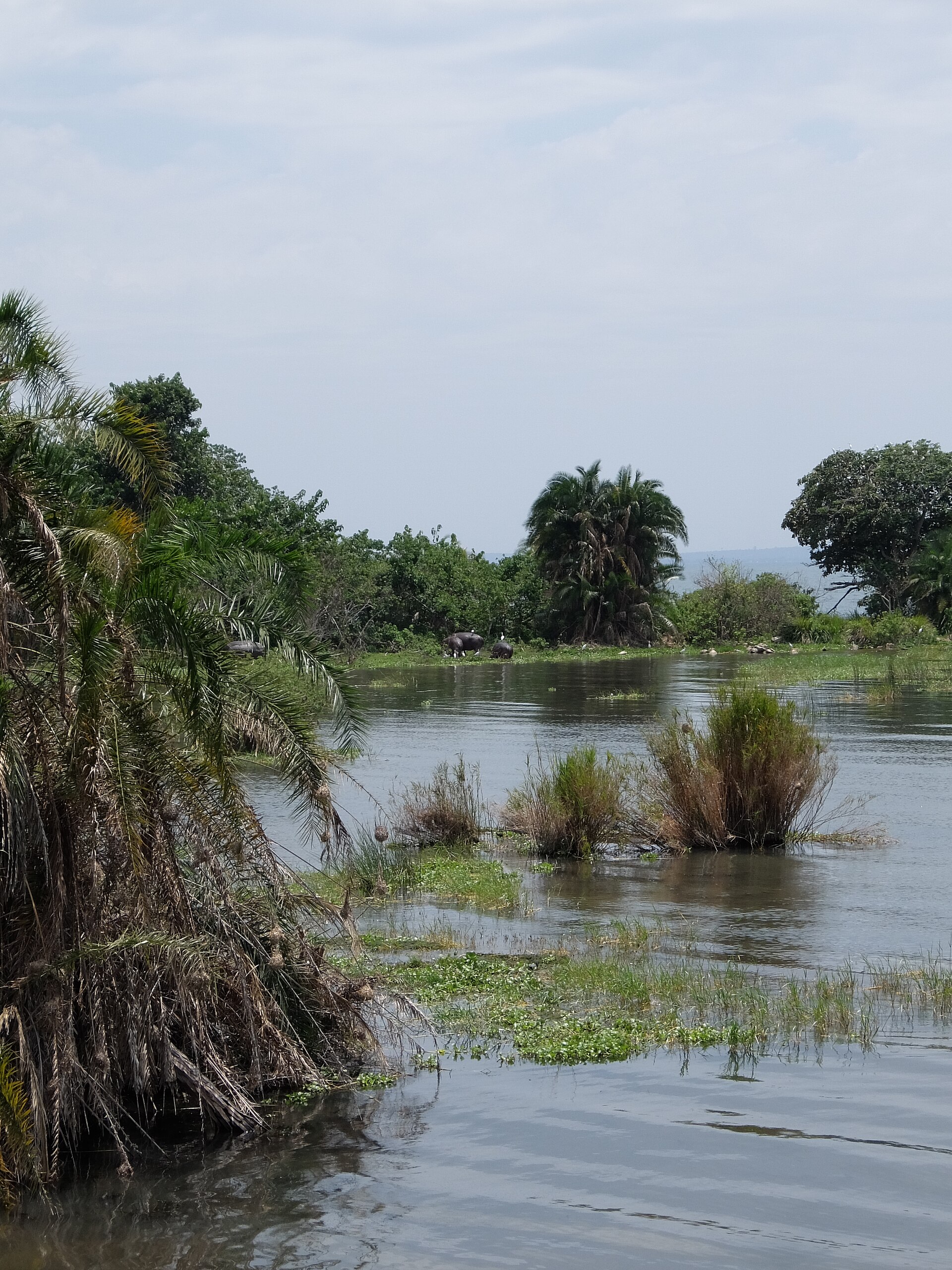
What to expect
- Spot elephants crossing the shoreline as they forage for aquatic plants.
- Observe chimpanzees swinging through the canopy at eye level.
- See hippos submerged in shallow lake waters during the early hours.
- Feel the texture of rough bark on towering trees and the coolness of lake breezes.
- Hear the calls of birds and primates echoing through the forest.
Rubondo Island offers a quiet, wildlife-focused experience that justifies the early start and boat transfer, especially for those seeking solitude and close encounters with nature.
Core stopRubondo Island’s remote location and limited visitor infrastructure mean it is best suited for travelers who prioritize wildlife observation over comfort. The boat transfer adds time and cost, but the chance to see elephants, chimpanzees, and hippos in their natural habitat makes it worthwhile for nature enthusiasts. Skip if pressed for time or seeking a more developed park experience, as the island’s facilities are basic and weather-dependent conditions can affect visibility and boat schedules.
Rubondo Island Practical Details
| Cost | Verify current price |
| Open season | Year-round |
| Time needed | Half-day minimum |
| Getting there | Boat transfer from Arusha |
| Best timing | Early morning |
| Difficulty | Moderate; boat transfer required |
Navigating the Heart of Rubondo Island National Park
Start your visit early in the morning, around 6 AM, when the park gates open. After paying the modest entrance fee, which is around 10 USD per person, you board the park boat at the designated dock. The boat ride lasts approximately 45 minutes, crossing the calm waters of Lake Victoria to reach Rubondo Island. As you approach, notice the dense forest cover and the occasional glimpse of hippos surfacing nearby.
Once on the island, follow the main trail heading north toward the central area. The trail is flat but can be muddy after rain, so wear sturdy shoes. Keep an eye out for elephants crossing the open patches of grass and listen for the calls of the black-and-white colobus monkeys high in the trees. Do not stray from the designated paths, especially near water bodies where crocodiles may be present. If you want to maximize wildlife sightings, plan your walk around mid-morning, when animals are most active. Avoid the afternoon heat by heading back to the boat dock before 2 PM, as the return boat departs at 3 PM. Do not linger near the water’s edge after sunset; the park closes at 5 PM, and late entry is not permitted.
Key Spots to Experience on Rubondo Island
Main Dock and Boat Landing
This is where your journey begins and ends each day. The dock offers a clear view of Lake Victoria and the approaching boats. Watching the sunrise from here provides a calm start, with the water reflecting the early light.
TipArrive at least 15 minutes before the park opens to secure a good spot on the boat and avoid the rush, especially during peak season.
Central Forest Clearing
This open area within the forest acts as a hub for wildlife activity. Elephants often pass through here during the early morning and late afternoon, and it’s a good spot for birdwatching.
TipCarry binoculars and scan the treetops for the rare African fish eagle, which nests nearby and is most vocal at dawn.
Hippo Pool
Located near the water’s edge, this is where hippos gather during the day. The pool is easily visible from the trail, especially in the early hours when hippos are most active out of the water.
TipVisit the pool at sunrise or late afternoon for the best chance to see hippos with minimal disturbance and avoid midday heat.
Elephant Crossing Path
A well-worn trail crossing through open grassland, frequently used by elephants. Tracks and dung are visible, and you might see a herd moving through.
TipUse a telephoto lens from a safe distance to photograph elephants here, and avoid approaching or blocking their path.
Bird Watching Tower
A small wooden platform offers a vantage point over the canopy and water. It’s a prime spot for spotting kingfishers, hornbills, and other waterfowl.
TipVisit early in the morning when bird activity peaks, and bring a field guide app to identify the species on the spot.
Essential Gear for Rubondo Island National Park
- Lightweight rain jacket
weather can change quickly on the island, especially during the rainy season from November to April - Insect repellent with DEET
mosquitoes are active year-round, particularly near water bodies and during dawn and dusk - Binoculars
to observe the bird species and wildlife from a safe distance - Sun protection (sunscreen and sunglasses)
the equatorial sun can be intense during midday hours - Cash in USD or Tanzanian shillings
the park entrance fee is cash-only and the amount is modest
Getting to Rubondo Island from Arusha
The journey from Arusha to Rubondo Island involves a combination of road and boat travel, totaling approximately 6 to 8 hours depending on connections.
- Private car or taxi
hire a driver who can wait at the park entrance for the return trip, saving waiting time and ensuring flexibility - Scheduled shuttle or tour transfer
book a transfer with a local operator in advance to secure a fixed price and avoid last-minute haggling - Charter flight to nearby airstrip
use a small charter plane from Arusha if available, but confirm the schedule and weight limits beforehand
Red Flags and Risks at Rubondo Island
- Unregulated boat operators may overcharge or lack safety equipment
use only licensed operators arranged through the park or reputable agencies - Weather can turn rough, especially during the rainy season, affecting boat trips
check weather forecasts and plan boat transfers early in the day - Limited medical facilities on the island
bring a basic first aid kit and any personal medications, and inform someone of your itinerary - Wildlife encounters can be unpredictable, especially near water or during night excursions
stick to guided tours and avoid wandering off designated paths
Expert Insight: Timing Your Visit for Wildlife Viewing
Plan your boat trips early in the morning or late in the afternoon when animals are most active and the light is best for photography. Avoid midday hours when wildlife tends to rest and the sun is harsh.
Rubondo Island National Park FAQ
1What is the best time of day to see wildlife on Rubondo Island?
Early mornings around sunrise offer the best wildlife sightings, as animals are most active then. Midday tends to be quieter, with fewer animals moving around, so plan your main game drives for dawn.
2How does weather affect game viewing on Rubondo Island?
Cloud cover and rain can reduce visibility and animal activity, especially during the rainy season from March to May. Clear, dry days provide better chances for spotting animals and enjoying boat safaris, so check the forecast before booking activities.
3Are there age restrictions for boat safaris or walking tours?
Children over age 12 can participate in boat safaris and guided walks, but younger kids are generally not allowed due to safety concerns. Confirm with the park beforehand, especially if traveling with teenagers, to avoid surprises.
4What should I do if the weather turns bad during my visit?
If rain or strong winds develop, switch to indoor activities like birdwatching from the lodge or visiting the island’s research center. Avoid boat trips in rough weather, as safety is the priority.
5Is it better to hire a guide or explore solo on Rubondo Island?
Hire a guide if you want detailed insights into the wildlife and environment; guides know the best spots and safety protocols. Go solo only if you are experienced with wilderness navigation and comfortable with limited visibility, because guides enhance safety and spotting chances.
6What happens if the park closes unexpectedly due to weather or maintenance?
The park may close for safety reasons or maintenance, especially during heavy rains or high winds. In that case, reschedule your activities or consider alternative wildlife viewing options nearby, because flexibility ensures a better experience.
Next Step After Visiting Rubondo Island
After your time on Rubondo Island, consider heading to Arusha town for a meal at a local restaurant or visiting nearby cultural sites. Avoid rushing straight to your next destination; take time to relax and review your wildlife sightings to maximize your trip.
Photos via Unsplash and Wikimedia Commons.
Some links on this page are affiliate links. We may earn a small commission at no extra cost to you when you book through them.