



Grip the limestone cliffs of Phuket where tropical heat meets vertical challenge.
Rock climbing in Phuket centers on natural limestone cliffs that rise sharply from the jungle edge. The routes demand steady technique and endurance, rewarding climbers with tight holds and overhangs that test strength. This is not a casual climb but a focused effort on varied terrain that draws climbers looking for physical challenge and route variety.
Expect to spend about half a day on the cliffs, with guided climbs or self-led routes available. Gear rental and guide services typically cost between $30 and $50, making it accessible but not cheap. The tropical climate means early starts are essential to avoid midday heat and humidity that sap energy and increase risk.
What to expect
- Feel the rough limestone texture under your fingertips on routes ranging from beginner to advanced.
- Push through sustained overhangs that demand core strength and precise footwork.
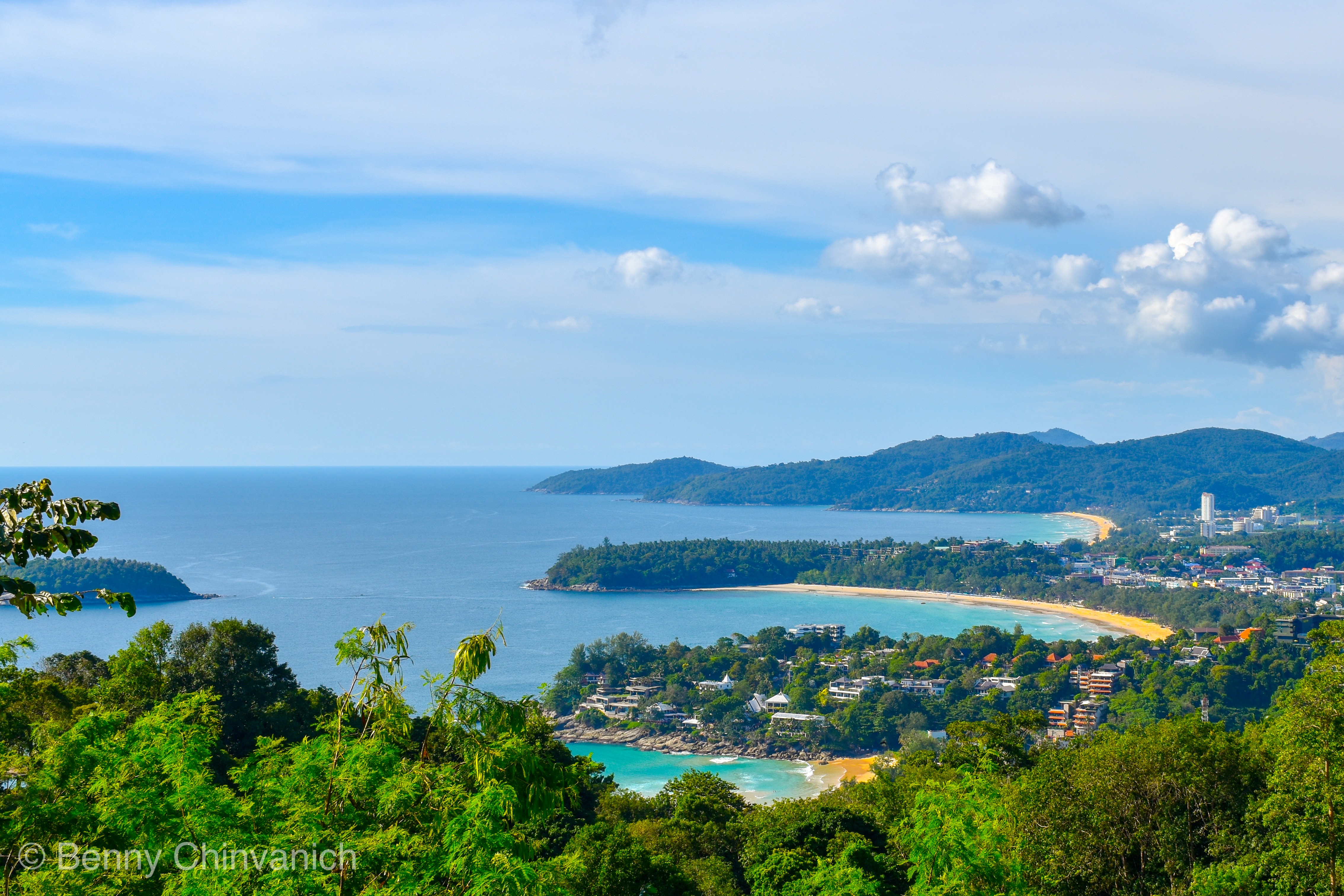
- Catch brief glimpses of jungle canopy and distant sea from ledges mid-climb.
- Manage sweat and grip as tropical humidity challenges your hold security.
- Experience the physical burn of climbs that last 30 to 60 minutes per route.
Balancing effort and reward on Phuket’s limestone walls
Recommended for fit climbersPhuket rock climbing requires moderate to high fitness and a willingness to start early to beat the heat. The cost for gear and guides is reasonable but not budget-level, so plan accordingly. The physical challenge is real: routes demand endurance and technique, and the tropical humidity adds a layer of difficulty. Climbers who want a half-day of focused, sweaty effort on varied limestone will find the payoff in route diversity and the tactile challenge. Skip this if you prefer casual or short climbs, or if you cannot handle heat and humidity well.
Phuket Rock Climbing Essentials
| Cost Range | $30 to $50 for gear and guide |
| Best Season | Dry season, November to April |
| Typical Duration | Half-day climbs (3 to 5 hours) |
| Access | Multiple limestone cliffs near Patong and Kata |
| Fitness Level | Moderate to high effort required |
| Booking | Advance guide booking recommended |
Climbing Phuket’s Limestone Walls: From Base to Summit
Phuket’s best-known climbing is actually a day trip away in Krabi: Railay Beach is the main climbing hub there, reachable by boat from Ao Nang or Ao Nam Mao, with routes ranging from beginner to advanced. Arrive before 8 AM to avoid the midday heat and secure a spot with a local guide, as many climbs require rope and gear rental that is not available on-site. Begin with the easier routes on the Tonsai Tower’s south face to warm up your muscles and get a feel for the limestone texture, which is sharp and demands precise foot placement. Push into the crux sections on the Diamond Cave wall, where overhangs test your upper body strength and technique. Avoid the routes on the west side after 11 AM; the sun heats the rock, making holds slippery and increasing fatigue. Descend via the established rappel points, which are well-marked but require attention to avoid tangling ropes. Finish your session by checking your gear with the guide and cooling off at the nearby beach, where you can rinse off chalk and sweat before heading back.
Key Climbing Spots and Techniques at Railay, Krabi
Tonsai Tower South Face
This section offers a range of routes from 5.7 to 5.10 difficulty, ideal for warming up and testing your grip on Krabi’s limestone. The south face stays shaded in the morning, preserving friction and reducing heat stress.
TipStart here before 9 AM to use the natural shade; the rock becomes slick by late morning due to humidity and sun exposure.
Diamond Cave Overhang
Diamond Cave features steep overhangs that challenge climbers’ core and arm strength. The routes here require dynamic moves and precise body positioning to avoid slipping on the polished limestone.
TipFocus on footwork and use chalk sparingly; excess chalk attracts moisture and reduces grip on these overhangs.
Rappel Stations at Tonsai Tower
The rappel points are located on the north side and provide a safe descent after completing climbs. They are equipped with fixed anchors but require careful rope management to avoid snags in the limestone cracks.
TipDouble-check anchor points and clear rope tangles before descending; local guides recommend a backup knot for added safety.
Essential Gear for Rock Climbing in Phuket
- Climbing shoes
Essential for grip on the limestone routes at Krabi, which is known for its challenging climbs. - Chalk bag
Humidity in Phuket can make hands sweaty; chalk helps maintain grip during climbs. - Harness
A safety requirement for all climbing routes, ensuring secure attachment to the climbing rope. - Climbing rope
Necessary for safety on longer routes; many operators require you to bring your own.
Getting to Railay, Krabi from Phuket
Railay has no road access, so getting there from Phuket means a drive or minivan to the Krabi area first, then a longtail boat to Railay itself.
- Shared minivan + boat
Book a minivan from Phuket to Ao Nang or Ao Nam Mao, then a longtail boat (around 100 THB, about 10 minutes) to Railay. - Rental car + boat
Drive yourself to Ao Nang or Ao Nam Mao and park there, then take the boat across to Railay.
Site-Specific Risks to Watch Out For
- Unregulated climbing operators
Choose established companies with good reviews to ensure safety and proper equipment. - Weather dependency
Check local forecasts; avoid climbing during heavy rain as it can make routes dangerous. - Overestimating your climbing ability
Stick to routes that match your skill level; consult with guides for recommendations. - Inadequate safety gear
Always inspect your gear before climbing; do not hesitate to ask for replacements if needed.
Local Insight: Best Time to Climb
For the best conditions, plan your climbs early in the morning when temperatures are cooler and the rock is less slippery.
Rock Climbing in Phuket: FAQs
1What is the age limit for rock climbing in Phuket?
Most climbing operators in Phuket allow participants as young as 10 years old, but check with your chosen guide for specific age requirements. If you’re traveling with younger climbers, look for operators that cater to families.
2What should I do if the weather turns bad while climbing?
If the weather changes, prioritize safety and descend immediately if conditions worsen. Always check the forecast before your climb, and consider rescheduling if rain is expected.
3Can I go rock climbing in Phuket if I have no prior experience?
Yes, many climbing schools offer beginner courses with experienced instructors. Opt for a guided session to learn the basics and ensure your safety.
4What happens if a climbing route is closed?
If a route is closed, consult your guide for alternative routes that match your skill level. They can often suggest nearby climbs that are open and suitable.
5Is it feasible to climb solo in Phuket?
Solo climbing is not recommended unless you have significant experience and knowledge of the area. Hire a guide to ensure safety and access to the best routes.
6What fitness level do I need for rock climbing in Phuket?
A moderate fitness level is recommended, as climbing can be physically demanding. If you’re unsure, start with a guided session to assess your capabilities.
Post-Climb Recovery
After climbing, head to a local beach like Kata Beach to relax and stretch out. The soft sand and gentle waves provide a perfect environment to unwind after an intense climbing session.
Hero image: Bennypc (CC BY-SA 4.0), via Wikimedia Commons. Other photos via Unsplash and Wikimedia Commons.
Some links on this page are affiliate links. We may earn a small commission at no extra cost to you when you book through them.