


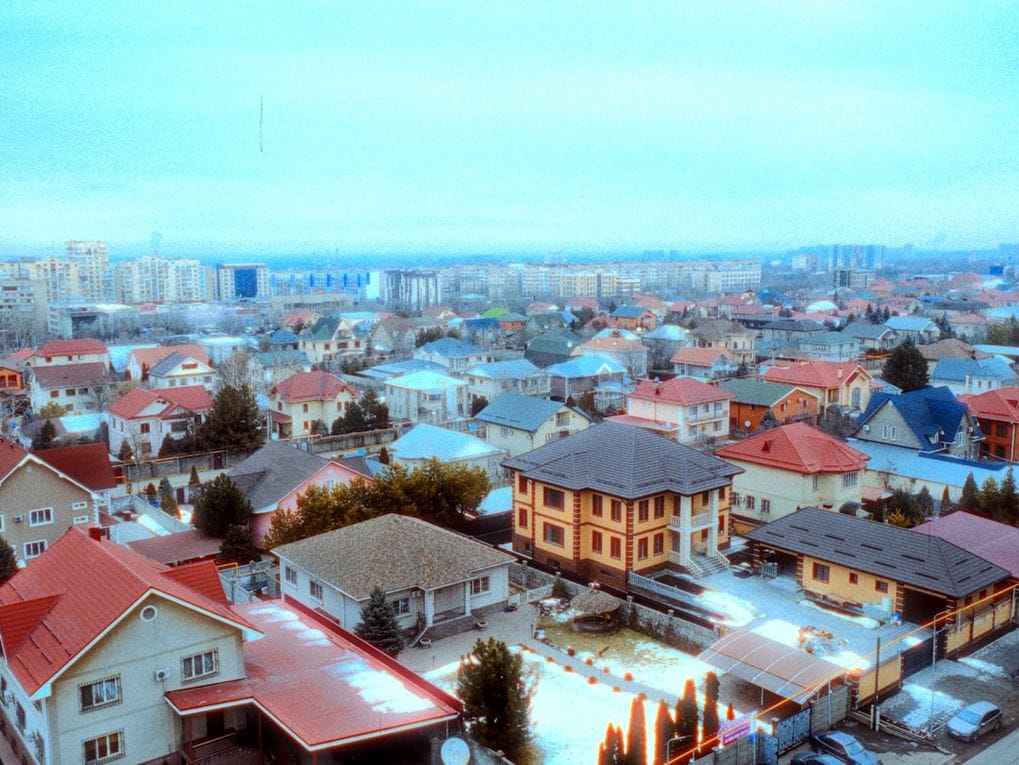
Kazakhstan has a road-death rate of 17.6 per 100,000 people, making it one of the more dangerous places to drive. Traffic difficulty is high, with aggressive overtaking and disregard for lane markings common outside major cities. Roads can be in poor condition, especially at night, and winter weather like snow and black ice significantly increase risks. Most visitors are better off avoiding self-driving unless experienced and prepared. Public transport options such as taxis, ride-hailing apps, trains, and domestic flights are safer and more reliable for most travelers.
This guide confirms that self-driving in Kazakhstan is not recommended for most visitors. An International Driving Permit (IDP) based on the 1968 Vienna Convention is mandatory, and driving is on the right side. The page covers whether to rent a car, the risks involved, and the best alternatives for safe travel. If you are a cautious traveler or unfamiliar with local driving habits, consider using taxis or trains. This advice is especially relevant for first-time drivers abroad and solo female travelers seeking peace of mind.
The verdict
Most travelers should skip the rental in Kazakhstan due to the high road-death figure and challenging driving conditions. Public transport and organized tours provide safer, more efficient options. Only experienced, confident drivers with local knowledge should consider self-driving, and even then, only in daylight and on well-maintained routes. For the majority, relying on taxis, ride-hailing apps, or trains is the safest choice to avoid the risks associated with the country’s difficult traffic environment.
Essential tips
- Carry your permit. An International Driving Permit based on the 1968 Vienna Convention is required for all drivers in Kazakhstan.
- Drive on the right. Kazakhstan drives on the right side; stay alert for overtaking and lane discipline issues outside cities.
- Avoid night driving. Road conditions worsen at night, especially in rural areas with poor lighting and unlit roads.
- Beware the scooters. Year-round, scooters and motorcycles can be unpredictable, especially in urban areas with aggressive overtaking.
- Check seasonal hazards. From December to February, snow and black ice make rural roads especially hazardous; plan accordingly.
- Use public transport. In cities, taxis and ride-hailing apps are safer and more reliable than self-driving, especially for solo female travelers.
How the traffic flows
Kazakhstan’s high traffic difficulty and poor driving standards mean that rules alone won’t keep you safe. Expect aggressive overtaking, frequent lane changes, and disregard for markings, especially outside major cities. Roads are often poorly maintained and unlit at night, with rural areas presenting black ice and snow hazards from November to March. The unwritten rules are as important as the official laws; local drivers prioritize larger and faster vehicles, often ignoring signals and lane discipline. As a foreign driver, you must anticipate unpredictable behaviour, stay alert, and adapt quickly to the chaotic flow. Confidence and control are key – don’t rely solely on signage or signals, which are often ignored or misunderstood. Prepare for a driving environment where assertiveness and awareness prevent accidents and ensure peace of mind on the road.
Right of Way
In Kazakhstan, larger vehicles like trucks and buses dominate the road, often forcing their way through regardless of signs. Expect aggressive overtaking on narrow roads, with the bigger, faster vehicle typically taking priority. Pedestrians and smaller cars may yield or hesitate, but do not assume they will always do so. When merging or crossing intersections, gauge the flow of larger vehicles and yield proactively to avoid surprises. The unwritten rule is: assertiveness and eye contact help you fit into the chaotic traffic, but always stay prepared for sudden moves.
Signals and the Horn
Horn honking is a common way to announce your presence or signal intent here, not just a warning. Drivers frequently use high beams to signal an overtake or to alert others, especially at night. Indicators are often ignored or used inconsistently, so do not rely solely on them. Headlights and horn signals are part of the communication, but interpret them with caution – many drivers use them aggressively. Use your horn sparingly but assertively to confirm your position or warn others, especially when overtaking or approaching blind spots.
Lane Discipline and Flow
Lane markings are often treated as suggestions rather than rules; expect weaving, overtaking on the right, and frequent lane changes. Vehicles merge into the flow without signaling or slowing down, so hold your line confidently and anticipate others’ moves. Undertaking on the shoulder or in the emergency lane is common, but avoid doing so unless necessary. Keep your speed steady and avoid sudden braking, as traffic flow is unpredictable and aggressive. Maintain situational awareness to adapt to the chaotic weaving and prevent collisions.
Anticipating the Road
Always scan ahead for pedestrians stepping out unexpectedly, scooters darting between cars, or livestock on rural roads. Expect sudden stops or lane shifts, especially in poor lighting or bad weather. Rural roads can be riddled with potholes, unlit at night, and affected by seasonal hazards like snow or floodwaters. Stay calm and keep a steady pace – reacting aggressively or hesitating can cause accidents. During winter, black ice and snow demand extra caution, especially on rural or unlit roads. Patience and vigilance are your best tools for safe driving here.
Do
- Assert your presence
Use your horn to signal your position early when overtaking or merging into traffic, especially in poor visibility.
- Maintain steady speed
Keep a consistent pace to avoid sudden braking or acceleration that can trigger chaos in unpredictable traffic.
- Make eye contact
Establish eye contact with other drivers and pedestrians to confirm intentions before proceeding in uncertain situations.
- Observe larger vehicles
Always give way to trucks and buses, which dominate the flow and often ignore minor signals or lane markings.
- Scan ahead constantly
Watch for pedestrians, livestock, scooters, and sudden stops, especially in rural or poorly lit areas.
Do not
- Ignore signals
Do not assume that indicators or horn signals are always respected; expect frequent disregard and act accordingly.
- Speed in towns
Avoid speeding in urban areas; police enforce strict limits and fines are common for violations.
- Engage with solicitors
Never stop for roadside solicitors or accept offers from strangers; these are often scams or distractions.
- Ride without helmet
Do not ride scooters or motorcycles without a helmet; law enforcement strictly enforces this safety rule.
- Assume pedestrians’ rights
Pedestrians may step out unexpectedly where no marked crossings exist; do not rely on them always yielding.

Road Conditions Overview
Kazakhstan’s roads vary drastically between urban centres and rural areas. Major highways near Almaty and Astana are generally paved but often suffer from potholes and uneven surfaces. Outside cities, expect poorly maintained roads with frequent damage, especially after rain or floods in spring. Many rural roads lack lighting, increasing night-driving risks. Seasonal hazards include year-round earthquake risks and floods from March to May, which can wash out or severely damage road sections. Winter months bring snow and black ice, making rural driving particularly dangerous from November to March.
Traffic congestion concentrates in Almaty and Astana during weekday mornings from 7:30 to 9:30 and evenings from 17:00 to 19:00. Outside these windows, traffic eases but aggressive driving persists. Rural roads are mostly free of congestion but become hazardous at night due to poor lighting, stray animals, and driver fatigue. Avoid night driving outside cities whenever possible to reduce risk.
Key Traffic Facts
These core facts define driving conditions and risks in Kazakhstan.
| Metric | Value | What it means for you |
|---|---|---|
| Driving side | Right | Drive on the right side; left-side driving is illegal and dangerous. |
| Traffic intensity | High | Expect aggressive, chaotic traffic with poor lane discipline nationwide. |
| Road deaths per 100k | 17.6 per 100k | Fatality rate exceeds global average; exercise extreme caution. |
| Self-drive verdict | Not recommended | Avoid renting a car unless you have extensive local driving experience. |
| Seasonal road hazard | Earthquake (Year-round) | Earthquakes can damage roads anytime; floods worsen conditions in spring. |
Traffic Rules and Speed Limits
Speed limits and alcohol regulations vary and enforcement is inconsistent. Verify local signage and rules before driving, as limits and fines can change without notice.
Drink-driving
The typical blood-alcohol limit is around 0.05%, but enforcement is irregular and random breath tests occur mainly in cities. Avoid drinking any alcohol before driving to eliminate risk and legal complications.
International Driving Permit Requirements
An International Driving Permit is required to drive legally in Kazakhstan. The country recognises the 1968 Vienna Convention permit only. This permit must accompany your valid home country driving licence. Permits issued under other conventions may be refused at police checks or rental agencies.
Carry your original home driving licence, the International Driving Permit, passport, and rental or insurance documents at all times. Obtain the IDP before arrival from your national automobile association or authorised body. It costs a small fee in the range of USD 15 – 25 and is valid for about one year. You cannot apply for an IDP once in Kazakhstan.
Many travellers overlook that only the 1968 Vienna Convention IDP is accepted; others are invalid. Some regions may require a temporary local permit on top of the IDP. Age restrictions and minimum licence holding periods apply. Even with the correct permit, reconsider driving due to high accident rates and poor road discipline.
Before you go
- Obtain a 1968 Vienna Convention International Driving Permit before arrival
- Carry your original home driving licence alongside the IDP at all times
- Bring your passport and rental agreement when driving or stopped
- Confirm your IDP is valid for Kazakhstan and not from another convention
- Check minimum age and licence duration requirements before renting
- Evaluate whether to drive at all given local traffic risks and conditions
Transport options compared
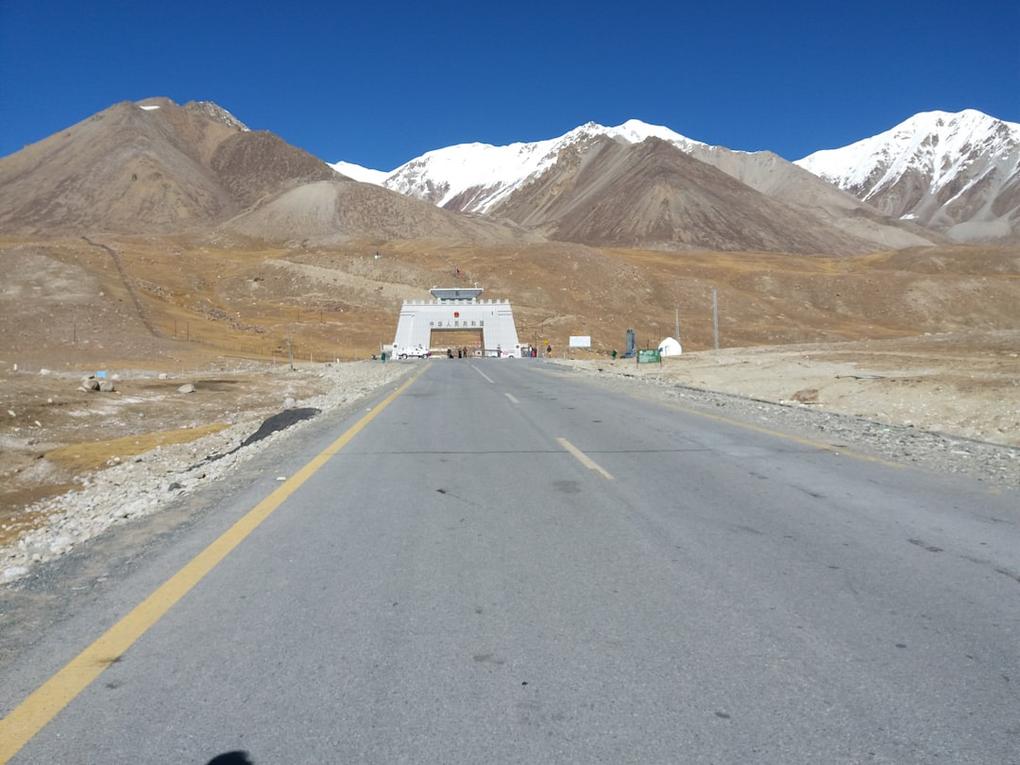
Most visitors will find taxis or ride-hailing apps the safest and most practical way to get around cities. For rural or long-distance travel, intercity coaches and domestic flights offer reliable alternatives. Self-driving is generally not recommended due to road conditions and safety concerns, especially outside major urban areas. Public transport in cities is limited, so plan accordingly. Renting a car is feasible only if you are prepared for challenging driving conditions and strict adherence to local rules.
| Mode | Flexibility | Cost | Safety | Tip |
|---|---|---|---|---|
| Ride-hailing app | High – available in cities, quick pickup | Mid-range, roughly $3-8 per ride within city | Moderate – safer than self-driving, driver vetted | Use popular local apps, confirm fare upfront |
| Taxi (metered) | Moderate – available in urban areas, less in rural | Mid-range, around $2-6 per km | Moderate – safer than self-driving, check driver credentials | Agree fare before starting, avoid unmarked taxis |
| Intercity coach | Moderate – scheduled routes, limited stops | Low, roughly $10-25 for major routes | Moderate – roads outside cities can be poor, drive cautiously | Book tickets in advance, verify schedules |
| Domestic flight | High – covers large distances quickly | Roughly $50-150 depending on route and season | Moderate – reliable but check airline safety record | Book early, confirm baggage policies |
| Bicycle | Low – best for short distances in cities | Low, roughly $5-10 per day | Low – traffic and road quality pose risks | Use dedicated bike lanes where available, wear helmet |
| Walking | Low – best in city centres or tourist zones | Free | Moderate – watch for traffic, avoid night walks | Stay on sidewalks, keep valuables secure |
Tolls and parking logistics
Major highways are typically tolled, with payment often via prepaid tags or cash at toll booths. Parking in city centres is limited; most parking is in garages or designated lots. Street parking can be scarce and is often restricted or metered. Always lock vehicles securely and avoid leaving valuables in plain sight. Budget roughly $2-5 per hour for parking in urban areas. Tolls and parking fees can add up quickly, so plan routes and budget accordingly.
Fuel types and prices
Gas stations typically sell petrol (gasoline) and diesel. Petrol grades are usually 92 or 95 octane, with diesel available at most stations. Prices hover around $0.50-0.70 per litre, but verify locally as they fluctuate. Electric vehicle charging stations are sparse outside major cities, so plan routes if driving an EV. Rural stations may be few and far between, so fill up whenever possible. Fuel efficiency varies, but expect roughly 10-15 km per litre in most vehicles.
Traveling with children
Do
- Install child seats for children under 12 years old or under 150 cm tall, as per local law.
- Ensure helmets are worn on bicycles and scooters, especially for children under 16.
- Never leave children unattended in parked vehicles or outside in traffic areas.
- Keep children on the traffic side of the vehicle when waiting or walking near roads.
- Avoid letting children sit in the front seat if they are under the legal age or size limit.
Do not
Book transport the easy way
Compare and book buses, trains and transfers in one place, often cheaper than at the counter.
What to Do in an Accident
In Kazakhstan, if you are involved in a road accident or your vehicle breaks down, first ensure the scene is safe. Move to the side of the road if possible, and turn on hazard lights to alert other drivers. Call the emergency services using the numbers shown here – police at 102 and ambulance at 103 – to report the incident. Contact your rental company if you are driving a rental vehicle, and photograph the scene from multiple angles for documentation. Exchange contact and insurance details with other parties involved, and notify your travel insurer as soon as possible. Stay calm, avoid confrontations, and wait for professional assistance before moving the vehicle or discussing fault.
Pro tip
Secure a local SIM or eSIM before you travel to Kazakhstan. This ensures you have live maps, ride-hailing apps, and instant communication, which are crucial given the low English proficiency. Download offline maps of major cities and routes in advance to avoid getting lost or stranded in poor signal areas, especially outside urban centres.
Driving in Kazakhstan: Key Questions
1Do I need an International Driving Permit for Kazakhstan?
Yes, an International Driving Permit (IDP) is required for Kazakhstan, and it must conform to the 1968 Vienna Convention. Your home licence alone is not sufficient for legal driving here. Always carry both your national licence and the IDP when driving, especially in rural areas or outside major cities.
2Which side of the road do I drive on in Kazakhstan?
Kazakhstan drives on the right side of the road. Be prepared for aggressive overtaking and frequent disregard for lane markings, especially outside cities. Maintain vigilance and control at all times to avoid accidents on the high-traffic, high-difficulty roads.
3Is it safe to rent a scooter or motorcycle in Kazakhstan?
Given the high road-death rate of 17.6 per 100,000 people, renting a scooter or motorcycle is not advisable for most visitors. Roads are often poorly maintained and unpredictable, making two-wheeled travel risky. Stick to cars or public transport for safety and peace of mind.
4Can I use ride-hailing apps in Kazakhstan?
Ride-hailing apps are available in major cities like Almaty and Astana, but English proficiency is low, and app availability can vary. Confirm app operation locally before relying on them, and always verify driver details for safety. Using a local SIM ensures better connectivity and real-time tracking.
5Is it cheaper or smarter to hire a driver in Kazakhstan?
Hiring a driver can be safer and more convenient, especially outside urban areas where road conditions are poor. It costs roughly $65 per day, but it eliminates the risks associated with aggressive driving and poor signage. Consider this option if you prioritize safety and local knowledge.
6What should I do if I get pulled over by police in Kazakhstan?
Stay calm and respectful. Keep your documents ready – passport, driver’s license, IDP, and vehicle registration. Follow police instructions carefully; avoid arguing or making sudden movements. If you do not speak Kazakh or Russian, a translation app can help clarify the situation.
7How fast can I drive in Kazakhstan, and what if I am caught exceeding the limit?
Typical speed limits are around 60 km/h in urban areas, 90 km/h on rural roads, and 110-120 km/h on highways, but verify locally as rules can change. Exceeding limits can result in fines or other penalties, especially if caught by police using radar or cameras. Always stay within posted limits to avoid trouble.
Speed limits, alcohol limits and fuel prices are typical figures and change over time. Confirm the current rules and local signage before you drive.
Some links on this page are affiliate links. We may earn a small commission at no extra cost to you when you use them.