


Wear lightweight, breathable fabrics like linen and moisture-wicking synthetics to handle Aruba’s arid heat and strong sun. Prioritize sun protection with wide-brim hats and UV-blocking clothing.
Peak season runs from January to August with consistent heat and moderate humidity, while September to November is quieter but slightly more humid and rainy.
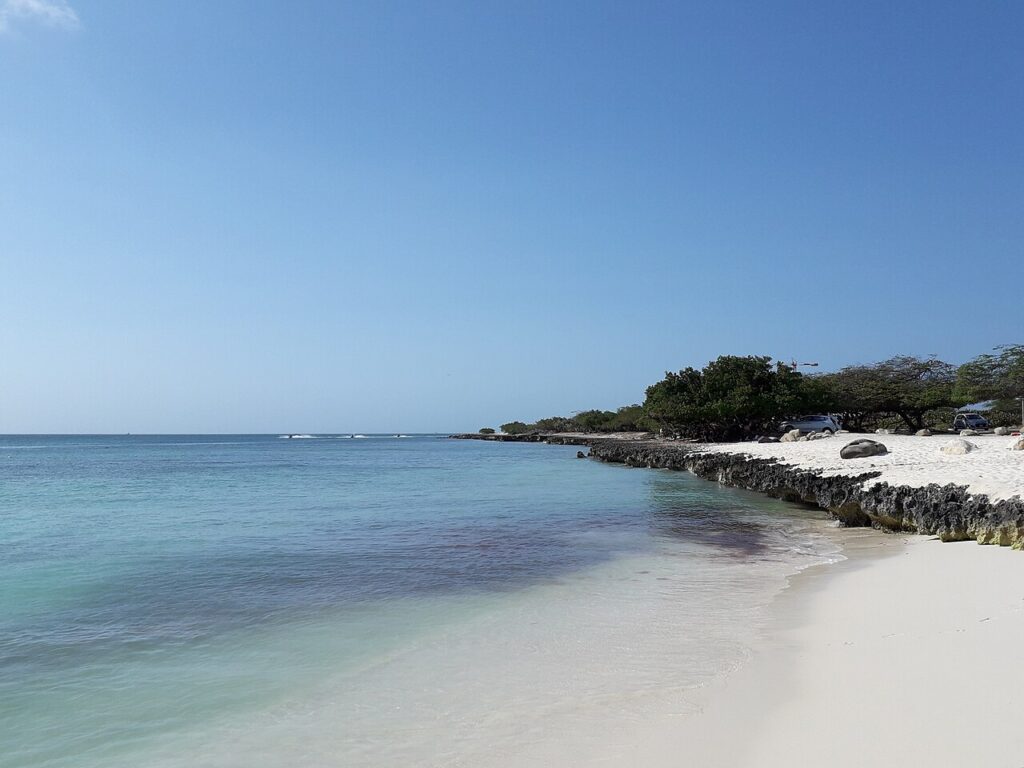
Stepping outside in Aruba feels like walking into a warm Caribbean breeze that never quits, with the sun blazing overhead and the steady trade winds brushing your skin. Tourists often get caught wearing heavy cotton or dark colors that trap heat and soak up sun, making them uncomfortable fast under the relentless UV rays and dry air.
This guide cuts through generic packing advice with month-by-month climate data, fabric science tailored for Aruba’s arid desert zone, and cultural dress insights. It also highlights what’s smart to bring versus what’s cheaper or easier to buy locally. Here’s everything needed to pack smart for Aruba.
Aruba: Packing Snapshot
Hotel and resort laundry $5-10/load. Coin laundry available.
Aruba by Month: What Each Season Demands
What to pack each month in Aruba
Peak season, driest stretch of the year outside November’s spike. Nothing here changes from the baseline in the fabric section.
Priority: lightweight
Mirrors January. No change from the baseline.
Priority: lightweight
Driest month of the year at 20mm. Sunscreen and hat coverage matter more than fabric choice here.
Priority: lightweight
Temperatures start climbing toward the summer peak. No change from March otherwise.
Priority: lightweight
Rainfall triples versus April, still light in absolute terms. Keep one packable layer within reach.
Priority: rain-ready
Hottest stretch begins. Rain drops back to a minimum.
Priority: lightweight
No change from June.
Priority: lightweight
Last month of the peak-season stretch. No change from July.
Priority: lightweight
Off-season
Off-season starts here. Hottest month of the year on the thermometer.
Priority: lightweight
Off-season
Rain drops to the year’s second-lowest reading, humidity eases slightly.
Priority: lightweight
Off-season
121mm, the wettest month by a wide margin, over three times October’s total. This is the one month a rain shell earns its space.
Priority: rain-ready
Rainfall settles back down from November’s spike. Peak season resumes.
Priority: lightweight
Climate Overview: Aruba
Rainfall: Aruba
Best time to visit (for clothing)
Aruba Climate Impact on Clothing

Humidity stays around 60-70% year-round, never exceeding 75%. Cotton can dry but feels damp on humid mornings. No risk of heavy wet retention or mildew, so cotton is usable but not ideal for active beachwear.
Average temperatures hold steady at 82-88°F (28-31°C) with UV index 9-11 year-round. UPF fabrics and sun-protective long sleeves are mandatory for daytime outdoor wear. Hats and sunglasses are non-negotiable to avoid sunburn.
Low mosquito and insect pressure year-round due to dry arid climate and constant trade winds. No need for insect-repellent clothing or long sleeves for bug protection.
Indoor AC drops temps by 10-15°F (6-8°C) in resorts and malls. A light, breathable layering piece is essential for indoor comfort, especially at night or in restaurants.
Dry and Hot (Jan – Apr), 82-88°F (28-31°C)
Wear UPF-rated loose shirts and shorts. Use hats; pack a light layer for AC.
Fabric focus: Synthetic quick-dry and bamboo/Tencel blends dominate. Linen works for evenings.
Tourist mistake
Relying on cotton T-shirts that stay damp from sweat.
Transition tip
Shift from heavier layers to lighter synthetics as heat rises in March.
Warm Trade Winds (May – Aug), 83-87°F (29-31°C)
Prioritize quick-dry fabrics for snorkeling and beach. Long sleeves for sun protection midday.
Fabric focus: Polyester/nylon sport fabrics with UPF lead. Bamboo/Tencel blends for softness.
Tourist mistake
Ignoring sun protection; many skip hats or long sleeves.
Transition tip
Add more UPF coverage and swap linen for synthetics as humidity rises.
Warm and Breezy (Sep – Nov), 82-86°F (28-30°C)
Maintain sun protection; light layers for evenings. Quick-dry pants for water activities.
Fabric focus: Bamboo/Tencel blends and synthetics remain best. Linen good for casual wear.
Tourist mistake
Packing heavy cotton pants; they feel sticky in 70% humidity.
Transition tip
Prepare for slightly cooler evenings by adding a light merino wool layer.
Cool and Breezy (Dec), 79-83°F (26-28°C)
Light layers mandatory indoors. Use breathable long sleeves and quick-dry pants.
Fabric focus: Merino wool light layers for AC shock. Bamboo/Tencel blends for comfort.
Tourist mistake
Skipping layers indoors, leading to chills in air conditioning.
Transition tip
Add merino wool base layers for AC indoors; swap out heavier synthetics.
Fabric Recommendations for Aruba
Aruba is technically a desert, not a jungle, so the fabric math is different from a typical Caribbean island. Consistent 9-11 UV index and near-zero rain most months mean sun protection matters more than breathability alone. A UPF polyester shirt quick-dry travel shirt blocks the sun on the walk from beach to lunch and dries before the next swim. Pair it with bamboo blend pants for the rare cooler evening; cotton stays wearable here because the arid air keeps it from staying soaked the way it would in a humid rainforest climate.
| Material | Best for | Avoid when | Country-specific note |
|---|---|---|---|
| Linen | Evening wear, casual outings | Midday sun, active beachwear | Dries quickly but wrinkles easily; good when humidity ~65% |
| Merino wool | Indoor AC layers, cool evenings | Daytime heat above 85°F / 29°C | Lightweight wool regulates temp; prevents AC shock |
| Synthetic (polyester/nylon sport) | Beach, snorkeling, high UV | Extended wear without washing (odor risk) | Quick-dry, UPF-rated; odor builds if not cleaned |
| Cotton | Casual wear, local inexpensive clothing | Active beach/snorkeling, high humidity mornings | Aruba’s dry air keeps cotton wearable longer than a humid island would; chafes if sweaty |
| Viscose/Rayon | Evening casual, low-activity wear | Water exposure, heavy sweating | Breathable but weak when wet; fragile in humidity |
| Bamboo/Tencel blend | All-day comfort, moisture management | Heavy rain (rare in Aruba) | Soft, wicks sweat, dries fast; ideal for arid humidity |
Rinse synthetics after beach use to prevent odor buildup.
Aruba Dress Code & Social Norms
Aruba has no religious dress code to navigate: there is no mosque, temple, or major cathedral on the island where shoulders or knees are checked at the door. The one rule that actually gets enforced is the beach-to-town line. Swimwear stays on the sand. Walk into a restaurant, shop, or casino in just a bikini or trunks and staff will either wave you off or seat you last. A lightweight sarong or cover-up takes ten seconds to throw on and clears that bar everywhere on the island, from a beach bar lunch to the walk back to the hotel lobby.

View all 4 dress code contexts
| Context | Required clothing | Avoid wearing | Why it matters |
|---|---|---|---|
| Beach vs. town | Cover-up over swimwear off the sand | Walking in a bikini or trunks beyond the beach | Staff will seat you last or ask you to change |
| Street/daily life | Resort casual: shirt, shorts or a sundress | Bare torso, dripping-wet swimwear | Reads as unprepared rather than disrespectful, mild social friction |
| Restaurants/nightlife | Smart-casual at upscale spots: collared shirt, closed shoes for the casinos | Flip-flops and tank tops at the nicer dinner spots | Some casinos and fine-dining rooms enforce a closed-shoe policy after dark |
| Government/banks | Collared shirts, long pants, closed shoes | Shorts, sandals, beachwear | Slower or refused service at official counters |
For women
Resort casual covers nearly every situation on the island: a sundress or shorts-and-top combo works from breakfast through most dinners. Save the tighter, dressier pieces for the casino or a nicer restaurant night. Cover shoulders are not required anywhere; the only hard line is swimwear off the sand.
For men
A collared shirt and shorts or light pants covers day-to-night. Board shorts are fine on the street but swap them for regular shorts or pants before a sit-down dinner. Closed shoes matter more than long pants at the casinos and the smarter restaurants after dark.
Aruba Dress Code Etiquette
Aruba runs on resort logic more than local custom: most of the island’s economy is built around tourism, and the dress expectations reflect that. The one place visitors slip up is the beach-to-street transition, walking into a shop or restaurant still dripping in swimwear. Staff rarely say anything directly, but service gets noticeably slower or you get seated by the door instead of the good table.
Do
- Throw on a cover-up before leaving the beach
Restaurants and shops seat swimwear-only guests last or ask them to wait - Wear quick-dry synthetic fabrics that handle humidity and salt spray
Cotton stays visibly damp through a full afternoon in the trade winds - Pack closed shoes for casino nights and upscale dinners
Flip-flops get you turned away at the door of the nicer casinos after dark - Bring a light layer for indoor AC
Malls and resort lobbies run 10-15°F colder than the street outside - Switch to resort-casual attire for evening dinners
Some upscale spots will seat beachwear guests in the least desirable tables
Don’t
- Walk through Oranjestad in only swimwear
Shopkeepers and resort staff treat it as a sign you’re not paying attention to where you are - Show flashy or expensive jewelry openly on crowded beaches
Pickpocket risk is genuinely low here, but it is still an easy target on a packed stretch of sand - Skip sun protection because the island feels casual
A UV index of 9-11 does not care that the dress code is relaxed - Pack heavy cotton as a main layer
It stays damp through the humid mornings and adds dead weight for a trip with almost no cold weather - Rely on flip-flops for every activity
Closed shoes matter at the casinos, and reef-safe water shoes protect against coral cuts snorkeling
Insider note
Aruba is one of the more forgiving Caribbean islands on dress code. There’s no colonial-era formal-wear tradition and no religious site to navigate. The only real rule is: cover up before you leave the sand, and bring one pair of closed shoes for the casino floor.
Build your packing list
Use our free Packing List Generator to create a personalized list for this destination.
Aruba Activity Clothing & Footwear Guide
Windsurfing and kitesurfing off Fisherman’s Huts, snorkeling the wrecks off Palm Beach, and cave-hopping through Arikok National Park are the three activities that actually shape the packing list here, more than generic “city walking.” A pair of versatile walking shoes handles Oranjestad’s uneven sidewalks and the trailhead at Arikok without repacking for each stop.

View all 6 activity recommendations
| Activity | Recommended clothing | Footwear | Pro tip |
|---|---|---|---|
| Beach (Eagle Beach, Palm Beach) | Quick-dry swim trunks, UV-protective rash guard | Water shoes or sandals | Use reef-safe sunscreen; the trade winds mean sunburn sneaks up on you |
| Snorkeling wrecks (Antilla, Baby Beach) | Lightweight wetsuit or rash guard, swim shorts | Neoprene booties or water shoes | Cover up to avoid coral scratches, not sunburn |
| Casino nights / going out | Collared shirt or a dress, smart shorts or slacks | Closed shoes | No flip-flops after dark at the larger resort casinos |
| Arikok National Park hiking | Moisture-wicking tee and shorts, long sleeves for cactus brush | Closed hiking shoes, not sandals | Terrain is volcanic rock and cactus, sandals leave your feet exposed |
| Windsurfing/kitesurfing (Fisherman’s Huts) | Board shorts or a swimsuit, rash guard | Water shoes | Wind is near-constant here; a rash guard beats sunscreen reapplication |
| Oranjestad shopping | Loose cotton or linen top, breathable pants | Closed-toe sandals or sneakers | Sidewalks near the cruise port are uneven, skip the flat flip-flops |
Laundry Options & Tips in Aruba
Laundry services vary by location and most travelers only need to do one load on a week-long trip. A lightweight packable rain jacket earns its space mainly during November’s wet stretch, and folds down small enough that it costs nothing to carry the rest of the year.
View all 5 laundry options
| Option | Where to find | How it works | Cost | Speed | Quality & risk | How to avoid problems | Best for |
|---|---|---|---|---|---|---|---|
| Hotel/Resort Laundry | Available at most hotels/resorts | Drop off; charged per load or item | $5-10 per load | Same day or next day | High quality; low risk of damage | Label items; use hotel bags | Resort guests; convenience seekers |
| Local Laundry Shops | Near downtown Oranjestad and tourist areas | Drop off by weight; self-service rare | $3-5 per kg | 1-2 days | Moderate risk; check reviews | Separate colors; confirm pricing upfront | Budget travelers; longer stays |
| Self-Service Laundromats | Limited; mostly in Oranjestad | Coin-operated machines; bring own detergent | $2-4 per wash | 1-2 hours | Low risk; user-controlled | Avoid peak hours; watch for coin jams | Independent travelers; backpackers |
| Hand Washing | Anywhere with sink or basin | Wash small items by hand; hang dry | Free | 6-12 hours drying | No damage; risk slow drying | Use quick-dry fabrics; wring well | Light packers; quick refresh |
| Dry Cleaning | Few upscale hotels and specialty shops | Drop off; priced per item | $10+ per item | 1-3 days | Professional quality; chemical exposure | Reserve in advance; check fabric care tags | Business travelers; formal wear |
Drying challenges
Humidity averages 73-80%, slowing line drying especially Nov-May. Use quick-dry fabrics and hotel dryers when possible. Early morning sun and trade winds help speed drying outdoors.
Where to Shop Smart in Aruba
Aruba has a mix of western malls, local markets, and specialty shops. Choose based on quality, price, and convenience for resort-focused beachwear and sun protection.

View all 5 shopping options
| Shop type | Where to find | What to buy | Price level | Quality | Bargaining | Payment | Tips |
|---|---|---|---|---|---|---|---|
| Shopping malls | Palm Beach Plaza Mall, Oranjestad | UV-protective hats, resort wear, branded sunglasses | Same as US, higher for imports | Reliable sizing, authentic brands | Fixed price, don’t try | Cards accepted, some mobile pay | Buy sun hats here, better UV protection than markets |
| Local markets | Oranjestad open-air market near the cruise port | Lightweight sarongs, beach cover-ups, cheap flip-flops | 1/3 to 1/2 US price | Variable; fabric may fade or shrink | Required (start at 40%) | Cash only | Inspect fabric closely; avoid 100% cotton |
| Supermarkets/convenience stores | Super Food Plaza, local gas stations | Socks, basic underwear, flip-flops | Slightly higher than US | Basic, functional but not durable | Fixed price | Cards and cash accepted | Buy extra socks here; cotton socks fail fast in humidity |
| Tailors | Oranjestad downtown, near Wilhelminastraat | Custom resort dresses, linen shirts | 1/2 to 2/3 US tailor prices | Quality varies; check stitching carefully | Possible for bulk or repeat customers | Mostly cash, some accept cards | Bring fabric samples or photos for best results |
| Brand outlets | None significant in Aruba | N/A | N/A | N/A | N/A | N/A | No factory outlets, shop malls for brands |
Sizing notes
Aruba clothing sizes align closely with US sizes but pants inseams run 1-2 inches / 25-51 mm shorter. Local brands rarely stock shoes above US size 11. Tailors can adjust lengths but expect slimmer fits in local ready-to-wear.
Essential gear for Aruba
Links go to Amazon. As an Amazon Associate we earn from qualifying purchases.
The Bottom Line: Packing for Aruba
Aruba’s arid desert climate demands breathable, UV-protective fabrics that handle heat and sun without trapping moisture. Bring specialized sun gear and technical fabrics from home, and save space by buying sandals and sarongs locally. One rain layer covers the entire year, most of it spent in the bag.
Aruba Clothing & Packing FAQs
Clear, direct answers to common questions about clothing, packing, and local customs for your Aruba resort vacation.
1Do expensive brands or jewelry attract pickpockets in Aruba?
No, Aruba is generally safe and pickpocket risk is low. Avoid flashy jewelry on crowded beaches or tourist spots to stay low-key.
2Are flip-flops acceptable in the city or seen as disrespectful?
Yes, flip-flops are widely accepted everywhere, including city and resort areas. They are the go-to footwear given the heat and sand. The exception is the casino floor after dark, where closed shoes are expected.
3How dressy do I need to be for restaurants? Are long pants required for men?
Most restaurants are casual to smart casual. Long pants for men are recommended but not strictly required; neat shorts often suffice outside the higher-end dinner spots.
4Do I really need a warm layer despite the heat?
Not for the weather. Aruba’s temperature rarely drops below 75°F (24°C). The one place a light layer earns its space is heavily air-conditioned malls and restaurants.
5What’s the one clothing item everyone forgets but needs here?
A wide-brim UV-protective hat. The sun is intense year-round at a 9-11 UV index, and the constant trade winds mask how much sun exposure you’re actually getting.
6Can I do the entire trip in one pair of sandals?
Almost, but not quite. Sandals cover the beach and most of town, but Arikok National Park’s volcanic rock and cactus terrain calls for closed shoes, and the nicer casinos want closed shoes after dark.
7Should I pack a rain jacket for Aruba?
A packable one, yes, mainly for November when rainfall triples every other month’s total. The rest of the year it stays in the bag.
8How often can I realistically do laundry in Aruba?
Laundry services at hotels cost $5-10 per load. Coin laundries are available but limited, mostly in Oranjestad. Plan to do laundry every 4-5 days.