


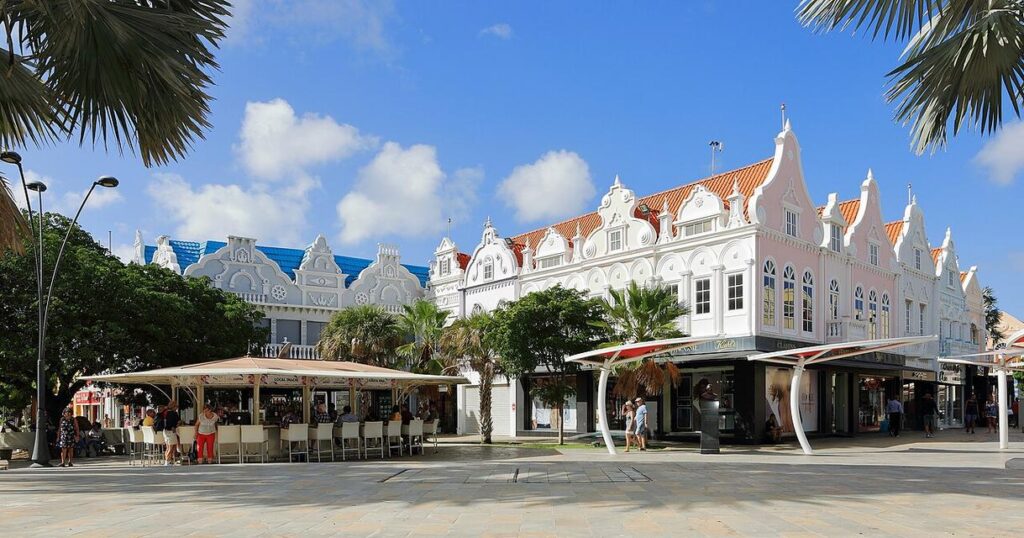
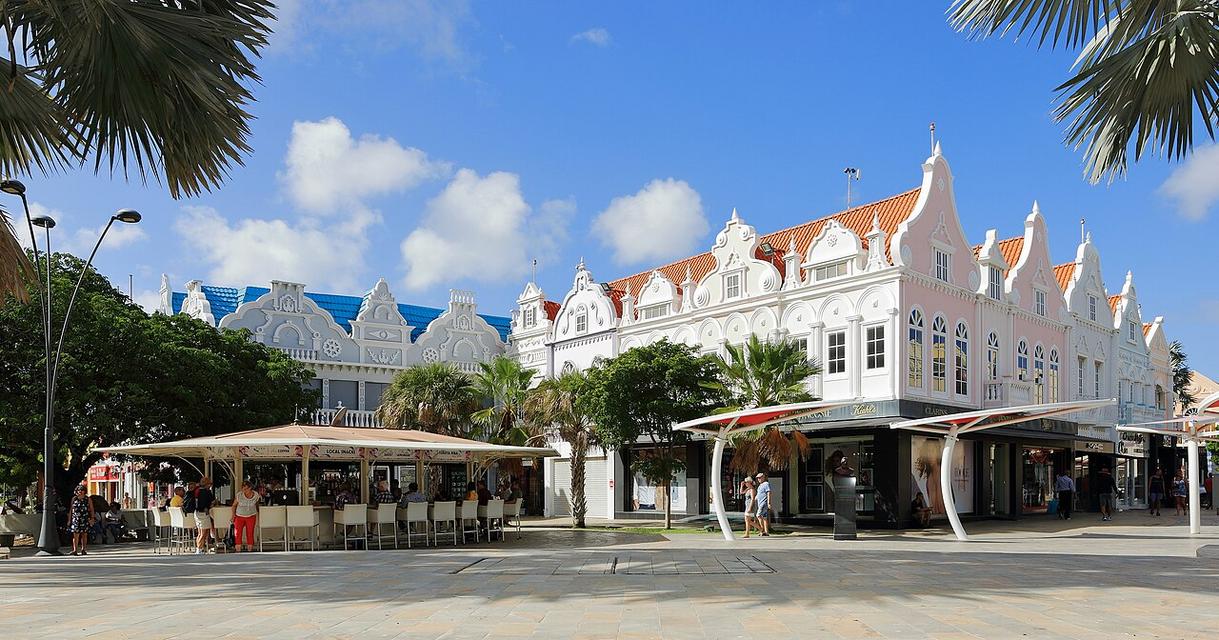
The salty breeze mixes with grilled seafood aromas at a harbor cafe on Wilhelmina Pier, just steps from the cruise port.
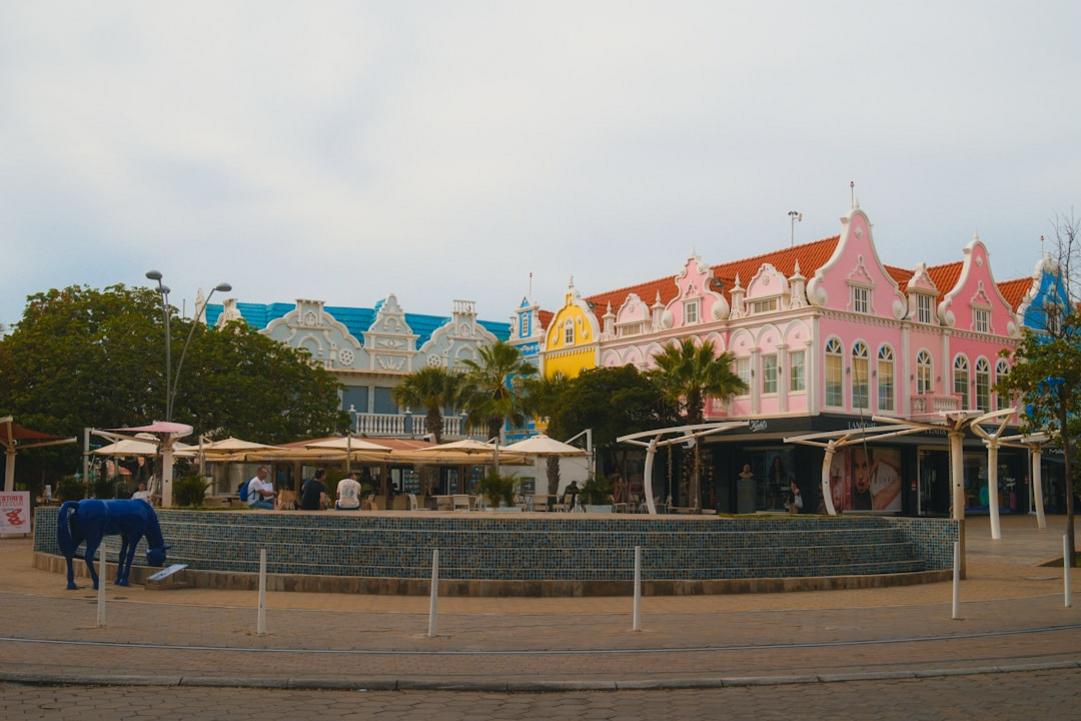
Oranjestad, Aruba’s capital with roughly 35,000 residents, blends Dutch colonial architecture and Caribbean beach life. Visitors come for the Renaissance Mall shopping and the swimmable Eagle Beach 3 miles / 5 km north. The city’s waterfront neighborhoods, like Wilhelmina Pier and the downtown plaza, offer calm spots for slow afternoons. Unlike busier beach towns, Oranjestad’s urban side feels quieter and more laid-back, with fewer party crowds. The trade-off: nightlife is low-key, so plan your evenings around sunset bars or relaxed waterfront cafes. The city’s compact size means you can stroll from the cruise port to local markets in under 20 minutes, making it easy to balance beach days with urban calm.
Snorkel at Eagle Beach for clear waters and reef life. Walk the Dutch colonial streets for architecture and local markets. Relax at Wilhelmina Pier’s harbor cafes for fresh seafood and sunset views. Shop at Renaissance Mall for a break from the beach rhythm.
Key takeaways
- Book Eagle Beach snorkel gear rental in advance, ~$20 for 4 hours, 2026.
- Stay near Wilhelmina Pier to access calm waterfront cafes and sunset spots.
- Visit Renaissance Mall weekdays before 5 PM to avoid cruise crowds.
- Plan beach time at Eagle Beach early morning for quieter water and shade.
- Public buses run every 30 minutes between downtown and Eagle Beach, ~$3 one-way.
- Carry cash for small seafood stands on the harbor; cards accepted at malls only.
- Avoid weekend midday at the central plaza market; it gets crowded with cruise visitors.
Why visit Oranjestad
Oranjestad stands apart from Aruba’s popular neighbors, Palm Beach and Eagle Beach, by blending vibrant Dutch colonial architecture with a bustling harborfront atmosphere. Unlike the resort-heavy Palm Beach, Oranjestad’s colorful streets invite exploration of local shops, museums, and cafes. Its waterfront district, including the historic Fort Zoutman, offers a unique glimpse into Aruba’s past alongside modern amenities. This layout creates a lively yet accessible urban experience distinct from the more resort-centric areas nearby.
- Fort Zoutman, Aruba’s oldest structure, anchors Oranjestad’s historic harbor district with a maritime museum and cultural events.
- The open-air Royal Plaza Mall integrates local crafts with international brands in a Dutch colonial setting.
- Oranjestad’s harbor hosts the annual Aruba Regatta, a major sailing event drawing regional competitors each November.
- Unlike Palm Beach, Oranjestad’s compact downtown encourages walking tours that reveal authentic street art and local eateries.
Best for
Travelers who appreciate a mix of history, shopping, and waterfront vibrancy will love Oranjestad. It suits those seeking urban exploration without the all-inclusive resort feel common in neighboring Palm Beach.
Skip if
Visitors focused solely on beach resorts or nightlife should choose Palm Beach instead, as Oranjestad offers fewer dedicated beach amenities and party venues.
Top things to do in Oranjestad

1. Eagle Beach ·
Eagle Beach is the crown jewel of Oranjestad, famous for its powdery white sand and tranquil waters ideal for unwinding and sunset views.
Eagle Beach stretches along the western coast just north of Oranjestad, offering wide swaths of soft white sand and calm, clear turquoise waters. Visitors can relax under the iconic fofoti trees or take a leisurely swim in the shallow sea. The beach is spacious and rarely overcrowded, making it perfect for sunbathing, beach games, or watching the sun set over the horizon. Nearby vendors sell cold drinks and local snacks, adding to the laid-back atmosphere.
This beach is preferred over the busier Palm Beach for its more tranquil environment and softer sand, making it ideal for those seeking peace without sacrificing beauty.
- When: Late afternoon to sunset offers the best light and cooler temperatures; weekdays are less crowded than weekends. The dry season from December to April is optimal.
- Cost: Free
- Duration: Flexible, from 1 hour to full day
- How to reach: From downtown Oranjestad, take a short taxi or rental car ride north along J.E. Irausquin Blvd; walking is possible but takes about 40 minutes.
2. Aruba Aloe Factory and Museum ·
Discover Aruba’s historic aloe industry at this museum and factory, a unique cultural experience showcasing local heritage and natural wellness.
At the Aruba Aloe Factory and Museum located on the outskirts of Oranjestad, visitors can tour the aloe processing plant to see how the island’s aloe plants are harvested and transformed into various skincare products. The museum presents the history of aloe cultivation in Aruba with vintage equipment and informative displays. Guests can also sample and purchase aloe-based products directly from the source. The guided factory tour is led by knowledgeable staff who explain the natural benefits and traditional uses of aloe vera.
Choosing this site over a generic museum provides a hands-on insight into Aruba’s unique aloe industry, combining cultural history with a wellness focus.
- When: Morning visits between 9am and 12pm are best to avoid midday heat; tours run daily except Sundays.
- Cost: ~$10, 2026
- Duration: 1 to 1.5 hours
- How to reach: A short taxi or rental car ride east from Oranjestad along L.G. Smith Blvd leads to the factory near the airport area.
Insider tip: If closed
Visit the nearby Aruba Historical Museum in Oranjestad to explore broader island history.
3. Wilhelmina Park ·
This tranquil urban park offers a green oasis in downtown Oranjestad, perfect for a slow stroll and people-watching amidst tropical flora.
Wilhelmina Park is a small, shaded green space located near the heart of Oranjestad’s shopping district. Visitors can wander along paved paths lined with palm trees and flowering plants, relax on benches, or watch local families and street performers. The park features monuments and a playground, making it a pleasant spot for a quiet break from the city bustle. Its proximity to cafes and markets allows for easy refreshment stops before or after a stroll.
This park is a more peaceful alternative to the busier Plaza Betico Croes, offering shade and greenery right in downtown Oranjestad.
- When: Early mornings or late afternoons are best to enjoy cooler temperatures and avoid midday sun; weekdays are quieter.
- Cost: Free
- Duration: 30 minutes to 1 hour
- How to reach: Within walking distance from the main shopping street, walk along Caya Betico Croes to reach the park near the cruise terminal area.
4. Fort Zoutman Historical Museum ·
Explore Aruba’s oldest building and museum to delve into the island’s colonial past and local traditions in a charming waterfront setting.
Fort Zoutman, built in 1798, stands at the edge of Oranjestad’s waterfront and houses the Historical Museum of Aruba. Inside, you can explore exhibits on the island’s colonial history, indigenous culture, and maritime heritage. The fort itself is a well-preserved example of Dutch military architecture. Visitors often combine the museum tour with a walk along the nearby harbor promenade, enjoying views of fishing boats and the Caribbean Sea.
Visiting Fort Zoutman offers a more authentic historical context than the newer Aruba Historical Museum, with the added appeal of a historic structure and waterfront location.
- When: Open weekdays from 9am to 4pm; morning visits avoid afternoon heat and crowds.
- Cost: ~$5, 2026
- Duration: 1 to 1.5 hours
- How to reach: A short 10-minute walk from central Oranjestad along Caya G.F. Betico Croes leads directly to the fort near the port.
Insider tip: If closed
Walk the Oranjestad Waterfront and visit the nearby Archaeological Museum for island history.
5. Oranjestad Street Art Walk ·
Experience the vibrant local creativity through a curated walk of street murals and public art that celebrate Aruba’s culture and history.
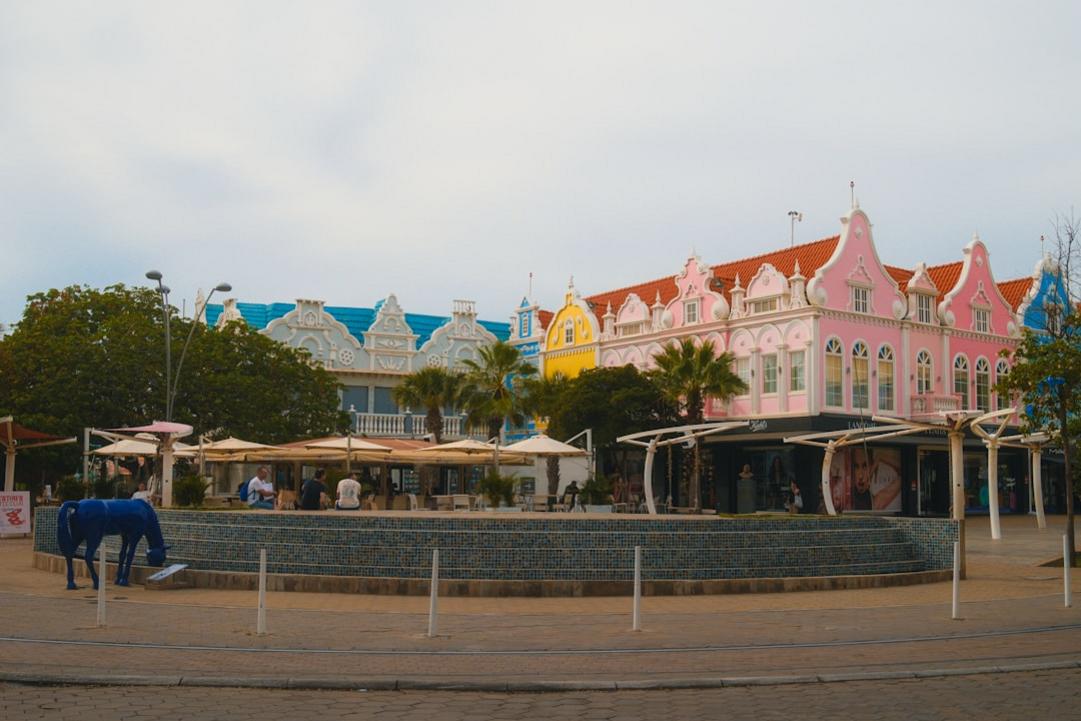
The Oranjestad Street Art Walk guides visitors through colorful murals and installations scattered primarily in the downtown area, including neighborhoods around Caya G.F. Betico Croes and the Renaissance Marketplace. Each mural tells a story reflecting Aruba’s heritage, nature, and contemporary life. Self-guided tours can be done at your own pace, with many artworks located near cafes and shops for convenient stops. The walk is an engaging way to experience local artists’ perspectives and vibrant urban culture.
This walk offers a more interactive and visually dynamic experience than standard city tours, highlighting contemporary art alongside historical themes.
- When: Daylight hours between 9am and 5pm are best to fully appreciate the colors and details; weekdays tend to be quieter.
- Cost: Free
- Duration: 1 to 2 hours
- How to reach: Most murals are within walking distance from the cruise terminal or downtown Oranjestad; start near Plaza Daniel Leo and explore streets on foot.
6. Arikok National Park Guided Hiking ·
Venture on a guided hike through Aruba’s rugged Arikok National Park to discover unique flora, fauna, and ancient cave paintings.
Join one of the licensed guide outfits in town for a hike along trails such as the Cunucu Arikok route, where you explore diverse desert landscapes and spot native plants like the divi-divi tree. Along the way, guides share history about indigenous Arawak cave paintings found in Fontein Cave. The terrain is rocky and uneven, offering a sense of adventure and quiet away from the coast. The experience ends near the park’s visitor center where you can rest and learn more about the local ecosystem. Book on GetYourGuide.
This guided hike offers expert insight into Arikok’s geology and culture, unlike self-guided walks which lack detailed historical context and naturalist knowledge.
- When: Morning hours from 8am to 11am are best to avoid midday heat; dry season from January to April offers clearer trails and views.
- Cost: ~$40, 2026
- Duration: 3 hours
- How to reach: From Oranjestad center, take a rental car or taxi east along J.E. Irausquin Blvd to the Arikok National Park entrance near Santa Cruz, about 20 minutes away.
Insider tip: If closed
If the park is closed, consider visiting the nearby California Lighthouse area for a coastal walk and scenic views.
7. Oranjestad Kayak and Snorkel Tour ·
Combine kayaking and snorkeling on a guided tour to explore Aruba’s coastal marine life and hidden coves just minutes from town.
This tour departs from a local watersports operator near Oranjestad harbor, where you paddle through calm waters to secluded snorkeling spots like Boca Catalina. Guides provide all equipment and point out colorful reef fish, sea turtles, and coral formations. The combination of kayaking and snorkeling makes for an active yet relaxed experience, with chances to spot marine life not visible from shore. The small group size keeps the outing intimate and focused on nature observation. Book on GetYourGuide.
Choosing this combined kayak and snorkel tour over a boat-based snorkeling trip means more direct contact with the water and less crowding at popular dive sites.
- When: Morning tours starting around 8am offer the calmest seas and best underwater visibility, especially from December through April.
- Cost: ~$60, 2026
- Duration: 2.5 hours
- How to reach: Walk or take a short taxi ride from Oranjestad center to the watersports operator near the cruise ship pier on J.E. Irausquin Blvd.
Insider tip: If closed
If conditions are too rough for kayaking, a glass-bottom boat tour departing from the same area is a good alternative to see marine life.
Solo female travel: Operators often offer small groups and women-only options upon request; booking in advance is recommended.
8. Aruba Local Food Tasting Tour ·
Sample authentic Aruban cuisine on a guided walking food tour that highlights the island’s rich culinary traditions and street eats.
Led by a local guide, this walking tour visits several family-run eateries and street food stalls in and around Oranjestad’s downtown. You taste dishes like keshi yena, pastechi, and fresh seafood ceviche while learning about the island’s multicultural influences. The tour offers a blend of savory and sweet flavors paired with stories about local food culture and ingredient sourcing. Walking between stops allows you to soak in the colorful streetscape and market atmosphere. Book on GetYourGuide.
This guided tasting tour is preferable to dining independently because it provides context and access to hidden gems that casual visitors might miss.
- When: Late afternoons from 3pm to 6pm are ideal to catch vendors before closing and to avoid the midday heat; all year round is suitable.
- Cost: ~$50, 2026
- Duration: 2.5 hours
- How to reach: The tour meets in central Oranjestad, easily reachable on foot or by taxi from most hotels and resorts in town.
Insider tip: If closed
If the tour is unavailable, visiting the Oranjestad Public Market offers a self-guided way to sample local foods.
48 hours in Oranjestad
This two-day itinerary in Oranjestad is tailored for curious travelers who want to balance immersive cultural experiences with relaxed local rhythms, following this trip’s slow-start mornings and thoughtful pacing. Whether you’ve just touched down or are gearing up to leave, this plan helps you savor the city’s highlights without rush, layering in timing and insider tips that Module 2 left waiting.
Day 1
Morning
After waking up to the soft morning glow filtering through the colonial shutters, start your day with a slow stroll along the waterfront promenade before the city fully stirs. By 9 AM, slip into the Heritage Walk, enjoying the cooler air and lighter crowds, then duck into the nearby café on Havenstraat—ask for the window table facing the harbor, where locals recharge with their first coffee. This gentle start lets you absorb Oranjestad’s layered history before the midday heat and crowds arrive.
Afternoon
Come noon, it’s time for your marquee effort: the Artisan Market tour combined with a hands-on workshop at the Craft Centre just a short walk away. This half-day dive into local creativity is best begun early afternoon when the market buzz peaks but before the late-afternoon lull. Refuel with a casual lunch of freshly grilled fish and island greens at the market’s shaded food stall cluster—choose the vendor with the longest queue for the freshest catch. Afterwards, wander the adjacent Art District’s alleys, taking the shaded shortcut through the small plaza to avoid the sun’s harshest rays.
Evening
As the sun dips westward, head uphill to the Sunset Viewpoint just outside the Old Quarter. The light here softens the pastel facades and casts a golden glow over the harbor, perfect for photos or quiet reflection. For dinner, settle into the intimate bistro on Oranjeplein that specializes in traditional stews with a modern twist, booking a table early to avoid the post-sunset crowd. The evening winds down with a leisurely walk back through the softly lit streets, soaking in the calm night air.
Day 2
Morning
Start early with a visit to the bustling Central Market, arriving just as the vendors set up around 7 AM to catch the freshest produce and artisan breads. The morning light spills eastward through the open-air stalls, creating a lively mosaic of colors and scents. Grab a strong local coffee and a sweet cassava pastry from the bakery stand, then linger for a slow walk through the adjacent botanical garden, where the cooler morning air invites a quiet moment before the day heats up.
Afternoon
By late morning, take the short bus ride to the Waterfront Marina district, a completely different vibe from the historic center. Here, enjoy a relaxed half-day boat tour that reveals hidden coves and snorkeling spots, a refreshing way to recharge after yesterday’s walking. Lunch is a waterfront affair at the marina’s seafood grill, where the catch of the day is paired with crisp island white wine. The afternoon unwinds with a gentle stroll along the marina promenade, stopping at the small galleries and artisan shops that line the docks.
Evening
For your final evening, explore the vibrant nightlife of the Eastside neighborhood, known for its lively street food scene and music bars. Begin with a casual dinner crawl, sampling spicy jerk chicken, fresh ceviche, and tropical fruit cocktails from different stalls and pop-ups. The music pulses softly from open-air venues, inviting you to linger or join in a local dance. This neighborhood’s energy is infectious yet laid-back, a perfect contrast to Day 1’s old town elegance and a memorable send-off before your night departure.
If you have a third day
If you had an extra day, I’d recommend a slow morning walk through the lesser-known Garden District, exploring its hidden murals and quiet cafés away from the tourist trail. Later, join a community-led cooking class that focuses on traditional recipes passed down through generations, offering a deeper taste of Oranjestad’s living culture.
Best time to visit Oranjestad
Quick answer
The best time to visit Oranjestad is from April to June and October to early December, when temperatures are pleasant and rainfall is lower, making outdoor activities more enjoyable.
| Months to go | April to June, October to early December |
|---|---|
| Months to avoid | July to September due to higher heat and increased rainfall |
Oranjestad experiences warm temperatures year-round, ranging from about 82°F / 28°C in January to highs near 90°F / 32°C in the summer months. The period from April to June and October to early December offers the most comfortable weather with average temperatures between 83°F / 28°C and 87°F / 31°C, coupled with lower rainfall, which is ideal for exploring the city and enjoying outdoor activities. The hotter months from July to September bring more rain and humidity, which can dampen outdoor plans and make walking tours less pleasant. While temperatures rarely drop below 80°F / 27°C, the increased precipitation during these months can close some nature trails and reduce wildlife viewing opportunities. The dry season months provide a better window for cultural events and beach visits, ensuring visitors experience Oranjestad at its best.
Average temperature (°F)
Monthly weather
Warm and relatively dry
Pleasant and dry
Warm with moderate rain
Comfortable and mostly dry
Warm with some showers
Warm, occasional rain
Hot and wetter
Hot with frequent rain
Hottest and wettest
Warm with less rain
Cooling, moderate rain
Warm and fairly dry
How to get to Oranjestad
Nearest airport
Queen Beatrix International Airport (AUA), 5 km from Oranjestad
From the airport
From Queen Beatrix International Airport, the easiest way to reach Oranjestad is by taxi or shuttle service. A metered taxi ride takes about 10 minutes and costs around ~$15 (2024). Alternatively, many hotels offer shuttle pickups booked directly through their front desks, typically priced similarly. Rental cars are also available at the airport for those planning to explore beyond the city.
Other ways to arrive
- From San Nicolas by bus: local bus service, approximately 45 minutes, cost band ~$3 (2024)
- From Palm Beach by taxi: direct taxi ride, about 20 minutes, cost band ~$20 (2024)
- From Savaneta by rental car: 25-minute drive, cost band ~$30 per day (2024)
- From Oranjestad ferry terminal by ferry: short ferry ride to nearby islands, cost band ~$10 (2024)
Getting around Oranjestad
Oranjestad’s compact size makes walking the most convenient way to explore its colorful streets and waterfront. For longer distances or day trips, renting a car offers flexibility, while local buses provide an affordable option for budget travelers.
- Walking – ideal for exploring downtown and waterfront areas, free
- Local bus – use for trips within the city and nearby neighborhoods, cost ~$2 per ride (2024)
- Taxi – convenient for quick trips or when carrying luggage, fares start at ~$5 (2024)
- Rental car – best for day trips and exploring the island at your own pace, prices start around ~$40 per day (2024)
- Bicycle rental – great for short distances and leisure rides, cost around ~$15 per day (2024)
Day trips from Oranjestad
Oranjestad’s central location on Aruba makes it a perfect base for exploring the island’s diverse attractions. These day trips offer a mix of natural beauty, cultural sites, and beach relaxation beyond the city limits.
Arikok National Park
Exploring Aruba’s largest national park with hiking trails, caves, and unique wildlife.
Why: This park showcases Aruba’s rugged interior and natural beauty, offering scenic views and a chance to see indigenous flora and fauna away from the crowds.
Baby Beach
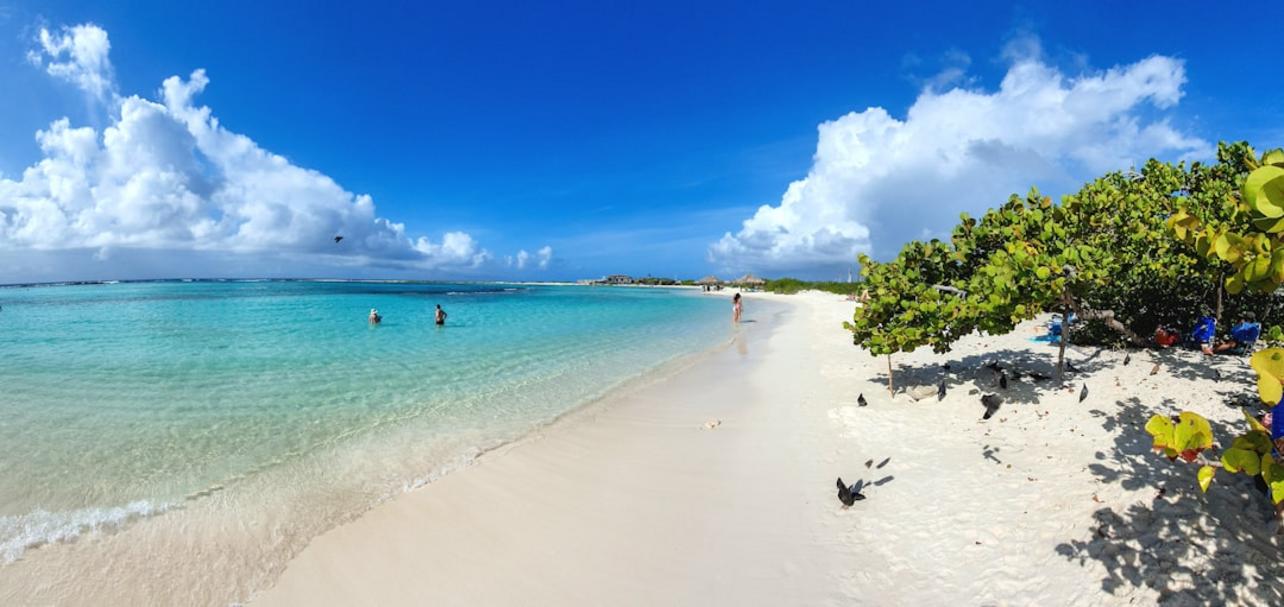
Relaxing on a calm, shallow lagoon perfect for swimming and snorkeling.
Why: Baby Beach is renowned for its tranquil waters and soft sands, making it ideal for families and snorkelers looking to enjoy Aruba’s marine life in a peaceful setting.
California Lighthouse
Visiting a historic lighthouse with panoramic views of Aruba’s coastline.
Why: The lighthouse offers photo opportunities and a glimpse into Aruba’s maritime history, plus nearby walking trails and beaches to explore.
Seroe Colorado
Discovering Aruba’s industrial heritage and dramatic eastern coastline.
Why: This former mining area features striking landscapes and historical ruins, providing insight into Aruba’s past and a contrast to its beach resorts.
Combine Oranjestad with
Extend your Aruba adventure by visiting other notable destinations on the island or nearby islands. These multi-night routes offer a deeper dive into the region’s culture, nature, and leisure options beyond a day trip.
Oranjestad – San Nicolas – Baby Beach Oranjestad, San Nicolas, Baby Beach
Start in the capital, then head to San Nicolas to experience Aruba’s artsy south side before relaxing at Baby Beach for a full beach day.
Oranjestad – Noord – Palm Beach Oranjestad, Noord, Palm Beach
Combine city exploration with a stay in Noord’s resorts and nightlife, finishing with the famous Palm Beach for sun and water sports.
Oranjestad – Arikok National Park – Savaneta Oranjestad, Arikok National Park, Savaneta
Mix nature and history by visiting the national park followed by Savaneta, a charming fishing village with authentic local dining.
Where to stay in Oranjestad
Compare prices across booking sites on the map below and see which neighbourhood fits your plans.
Oranjestad offers a variety of neighborhoods catering to different traveler preferences. The historic downtown area is perfect for those who want to be within walking distance of museums, shops, and colonial architecture. Surfside Beach attracts beach lovers and those seeking a lively atmosphere close to the water. For a quieter, more residential feel, the Eagle Beach district offers calm streets and upscale accommodations. Lastly, the Renaissance Marketplace zone appeals to travelers looking for modern amenities and convenient access to shopping and dining. These distinct zones make it easy to find lodging that fits your style and itinerary.
Surfside Beach
Budget travelers will find cozy guesthouses and small hostels in the Surfside Beach area, offering dorm-style rooms and simple private accommodations. These properties provide easy access to the beach and vibrant local eateries but lack some of the polished amenities found in more upscale hotels. Staying here means embracing a laid-back vibe with communal spaces that encourage meeting fellow travelers. However, expect basic facilities and occasional noise from nearby nightlife.
Insider tip: In Surfside Beach, budget guesthouses on Palm Avenue tend to be quieter than those closer to the main beach strip, especially during weekends.
Eagle Beach
Mid-range options in the Eagle Beach district include charming boutique hotels and family-run guesthouses that balance comfort and affordability. These properties often feature private balconies, pools, and easy beach access, making them ideal for couples and small families. While not as lavish as luxury resorts, they offer personalized service and a peaceful atmosphere away from the busiest tourist spots. Guests can enjoy a mix of tranquility and convenience with local dining just a short walk away.
Insider tip: Properties near the northern end of Eagle Beach have better sunset views and tend to be less crowded than those near the central beach area.
Renaissance Marketplace
For travelers seeking luxury, the Renaissance Marketplace zone boasts upscale all-inclusive resorts and river-view condos with premium amenities. These lavish properties provide spa services, gourmet dining, and private beach access. The modern design and prime location near shopping and nightlife ensure a high-end experience. However, prices here are significantly higher, and the atmosphere can be more commercial than intimate.
Insider tip: At Renaissance Marketplace, suites on the eastern side of the complex offer quieter surroundings and better views of the marina compared to those facing the main boulevard.
Where not to stay
The strip along Main Street is loud after 11 PM due to cruise crowds and bar noise, making it less ideal for light sleepers.
Solo female travelers
Solo female travelers should consider staying in Eagle Beach, where well-lit streets and boutique hotels provide a safe, relaxed environment with plenty of daytime and evening activity.
Booking through these links supports Pack Lightly at no extra cost to you.
Where to eat and drink in Oranjestad
Oranjestad’s culinary scene stands out in Aruba for its vibrant fusion of Caribbean flavors shaped by the island’s indigenous Arawak heritage and the Afro-Caribbean fishing communities settled here. The fresh catch from nearby coastal waters, especially the regional red snapper, is celebrated in local preparations unique to this city’s waterfront neighborhoods. Oranjestad’s food markets and the colorful Noord district also showcase a thriving street food culture influenced by the Afro-Aruban community, offering dishes and drinks you won’t find elsewhere in the country.
Must-try dishes
Red Snapper Pan Frito
Fresh red snapper, a regional coastal fish, fried in a traditional Oranjestad style with local herbs and spices.
This dish highlights the regional ingredient red snapper caught in the nearby waters and prepared by the family-run shacks along the Fisherman’s Wharf in Oranjestad, exemplifying regional ingredient + local producer.
Insider tip: Nothing beats the crispy skin and fresh aroma when you eat it right by the docks.
Kriyoyo Stoba (Afro-Aruban Goat Stew)
A hearty goat stew simmered with root vegetables and island spices, a signature dish of the Afro-Aruban community in Oranjestad.
This community-specific dish is deeply tied to Oranjestad’s Afro-Aruban population, especially in the Noord neighborhood where the stew is a staple at family gatherings and local celebrations.
Insider tip: A soulful dish that tells the story of Oranjestad’s Afro-Caribbean roots.
Noord Food Truck Arepa
A local street food twist on the Venezuelan arepa, stuffed with island-style pulled pork and tropical peppers.
Anchored to the city-known category of Oranjestad’s vibrant food truck scene in the Noord district, where creative Caribbean-Latin fusion thrives.
Insider tip: Perfect for a quick, flavorful bite that locals swear by.
Tamarind Shrub Soda
A tangy, sweet-tart soda made from tamarind pods, a local fruit, blended with sparkling water and island spices.
This drink is a local-only producer specialty made by the Oranjestad-based artisanal beverage company, Island Elixirs, known for crafting traditional Caribbean flavors with a modern twist.
Insider tip: A refreshing sip that perfectly complements the city’s spicy foods.
Fisherman’s Wharf Conch Salad
Fresh conch marinated with lime, peppers, and local herbs, a specialty seafood salad unique to Oranjestad’s harbor community.
This dish is tied to the regional ingredient conch and the local producers at Fisherman’s Wharf, where conch is caught daily and prepared fresh by family vendors.
Insider tip: Bright, zesty, and a perfect taste of Oranjestad’s coastal heritage.
Local drinks
- Island Elixirs Tamarind Shrub SodaIsland Elixirs’ tasting room in downtown Oranjestad and cafés in Renaissance Market.
An artisanal soda made from locally harvested tamarind pods, blended with Caribbean spices and sparkling water. - Noord Cold Brew CoffeeFound at the specialty café ‘Bean & Board’ in the Noord neighborhood.
Locally roasted Arabica beans brewed cold, representing Oranjestad’s emerging third-wave coffee culture.
Where to eat – by neighborhood
Fisherman’s Wharf
A bustling harbor area lined with family-run fish shacks and seafood vendors selling fresh catches daily.
Insider tip: Order your fish directly from the fishermen in the morning, then have it prepared at one of the nearby shacks for an unbeatable fresh meal.
Noord District
Known for its vibrant street food trucks, Afro-Aruban eateries, and emerging third-wave coffee spots.
Insider tip: Visit on weekend evenings when street vendors set up near the plaza and locals gather for music and food.
Renaissance Market Quarter
A colorful market area featuring artisanal food stalls, fresh produce, and specialty beverage vendors.
Insider tip: Try the tamarind shrub soda while browsing the craft stalls for a true local refreshment.
Local markets
| Renaissance Market | Tuesday to Sunday, 8:00 AM – 6:00 PM – Artisanal beverages, fresh tropical fruits, and local snacks. |
|---|
Dietary note
Vegetarian and vegan options are increasingly available in Oranjestad, especially in the Noord neighborhood’s street food scene and Renaissance Market, but gluten-free travelers should inquire locally as wheat-based products are common.
Daily budget for Oranjestad
Oranjestad, Aruba’s bustling capital, blends vibrant tourist attractions with a distinctly Caribbean charm, making daily costs slightly higher than other parts of the island. Its status as a Tier-2 tourist hub in a high-cost country means prices reflect both local luxury and the influx of international visitors.
Shoestring
- lodging – budget guesthouses or hostels slightly outside the main tourist area
- food – casual local eateries and street food
- transport – public buses and occasional shared taxis
- activities – free or low-cost beach access and self-guided walking tours
- buffer – small miscellaneous expenses or snacks
Trade-offs: You’ll sacrifice some convenience and central location for affordability, with simpler accommodations and fewer paid activities.
Comfort
- lodging – mid-range hotels or well-located guesthouses
- food – mix of casual dining and occasional nicer restaurants
- transport – taxis or rental scooters for flexibility
- activities – guided tours, snorkeling trips, or museum visits
- buffer – incidental costs or small souvenirs
Trade-offs: Comfort comes with better amenities and location but expect to pay premium prices typical of Aruba’s tourist hotspots.
Splurge
- lodging – luxury beachfront resorts or boutique hotels
- food – fine dining and gourmet experiences
- transport – private transfers or car rentals
- activities – premium excursions like private yacht charters or spa days
- buffer – tipping, extras, and spontaneous indulgences
Trade-offs: High-end comfort and exclusivity come at a steep price, but you get top-tier service and unique experiences.
Money-saver tip
Use the local public bus system, which is reliable and inexpensive, to get around Oranjestad and avoid pricey taxis.
Splurge that’s worth it
A private sunset sailing tour along Aruba’s coast offers breathtaking views and personalized service that truly justify the splurge.
Skip to save
Avoid the overpriced souvenir shops along the cruise port promenade, where prices are inflated and quality is often low.
Practical tips for Oranjestad
Money
Cash or card. In Oranjestad, credit and debit cards are widely accepted in hotels, restaurants, and larger shops, but small local vendors and some beachside snack stands still prefer cash. It’s useful to carry some Aruban florins or US dollars, especially for taxis and market stalls where cash is king.
ATMs. ATMs are plentiful in Oranjestad, mostly found near the main shopping streets and the cruise port. Foreign cards generally incur fees, so use cards with no foreign transaction fees, like Wise or Charles Schwab, to minimize costs.
Tipping. Tipping is customary but modest in Aruba, with around 10% expected in restaurants if service is good. For example, leaving a $2 tip on a $20 meal is appreciated but not mandatory.
Safety
Oranjestad is generally safe for travelers during the day, with low violent crime rates. However, petty theft can occur, especially near crowded tourist spots and the cruise terminal, so keep valuables secured. Nighttime walking is best limited to well-lit, busy areas.
Common scams:
- Overcharging taxi drivers who don’t use meters
- Timeshare salespeople pressuring tourists near the cruise port
- Fake charity collectors asking for donations on the street
Local warnings:
- Strong sun exposure requires sunscreen and hydration year-round
- Roads can be narrow and uneven outside the city center; watch for potholes
- The Caribbean sun can cause rapid sunburn even on cloudy days
Connectivity
Mobile data. Mobile coverage in Oranjestad is reliable and fast, with main providers like Digicel and Setar offering prepaid SIM cards starting around $15 for 3GB. eSIM options are available but less common among casual tourists.
Wi-Fi. Wi-Fi is generally available in hotels and cafes but can be slow or intermittent in busy areas. The Renaissance Mall area is known for having more consistent and faster public Wi-Fi hotspots.
Language
Main language: Dutch and Papiamento. English level: English is widely spoken in tourist areas, hotels, and restaurants, making it easy for visitors to get by. However, outside these zones, especially in local neighborhoods, knowledge of Papiamento or Dutch is limited, and communication may require patience.
Cultural notes
- Dress modestly when visiting churches or religious sites, covering shoulders and knees.
- Always ask permission before photographing people, especially in local neighborhoods.
- A firm handshake and direct eye contact are common greetings in business and formal settings.
- Avoid discussing local politics or the island’s political status to prevent awkwardness.
Solo female travel
Solo female travelers in Oranjestad will find a relaxed atmosphere with friendly locals, especially in tourist hubs. Evening public transport options are limited, so plan for taxis or rideshares after dark. Cafes and beachfront bars are welcoming but tend to quiet down early, so social hostel options are limited.
- Neighborhood: Stay near the Palm Beach area rather than the outskirts of Oranjestad, as it has more nightlife and safer streets after dark.
- Transport: Taxi drivers near the cruise port sometimes quote inflated prices; agree on the fare before starting the ride to avoid surprises.
Frequently asked questions about Oranjestad
1Is Oranjestad worth visiting?
Yes, Oranjestad offers a unique blend of Dutch colonial architecture, vibrant Caribbean culture, and beautiful beaches like Eagle Beach. Its colorful streets and lively markets make it a must-see on Aruba.
2What is Oranjestad known for?
Oranjestad is known for its brightly painted Dutch colonial buildings and the bustling Renaissance Marketplace. It’s also famous for its duty-free shopping and proximity to top snorkeling spots.
3When is the best time to visit Oranjestad?
The best time to visit is from April to August when the weather is warm and dry, and tourist crowds are smaller. Avoid September to November due to higher chances of rain and occasional hurricanes.
4Is it safe to walk around Oranjestad at night?
Yes, Oranjestad is generally safe at night, especially in the main tourist areas like the waterfront and downtown. Standard precautions apply, but violent crime is rare.
5Do I need a car to get around Oranjestad?
No, a car is not necessary within Oranjestad itself because the city is compact and walkable. However, renting a car is recommended if you want to explore Aruba’s more remote beaches and national parks.
6Can you swim and snorkel near Oranjestad?
Yes, you can swim and snorkel at nearby spots like Boca Catalina and Malmok Beach, both within a 15-minute drive. These areas have calm waters and abundant marine life.
7What does a typical day cost in Oranjestad?
Roughly $100-$150 per day covers meals, local transport, and entrance fees. Shopping and upscale dining can increase costs, but budget options like street food and public buses keep expenses moderate.
8Is Oranjestad better than Willemstad in Curaçao?
Yes, if you prefer smaller crowds and a more relaxed vibe with easy access to beaches. Willemstad offers more historic sites and nightlife, but Oranjestad excels in beach quality and shopping.
9Are there any local customs to be aware of in Oranjestad?
Yes, Aruba is friendly and casual, but it’s respectful to greet with a smile and use basic Dutch or Papiamento greetings. Also, tipping around 10-15% in restaurants is customary.