


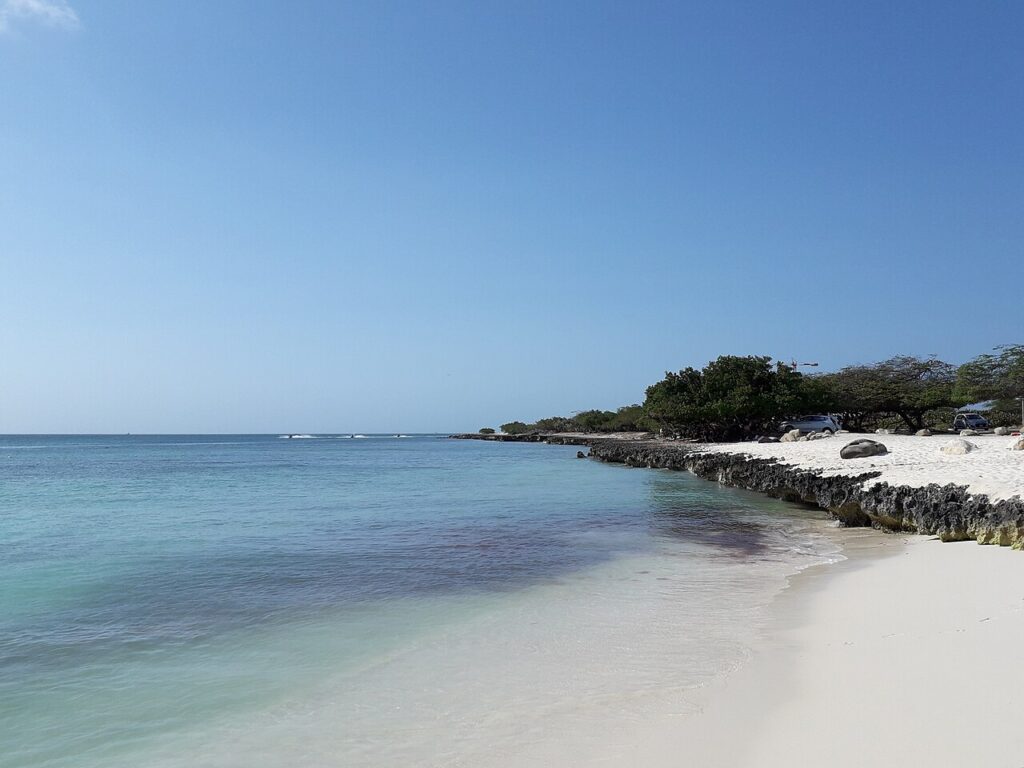
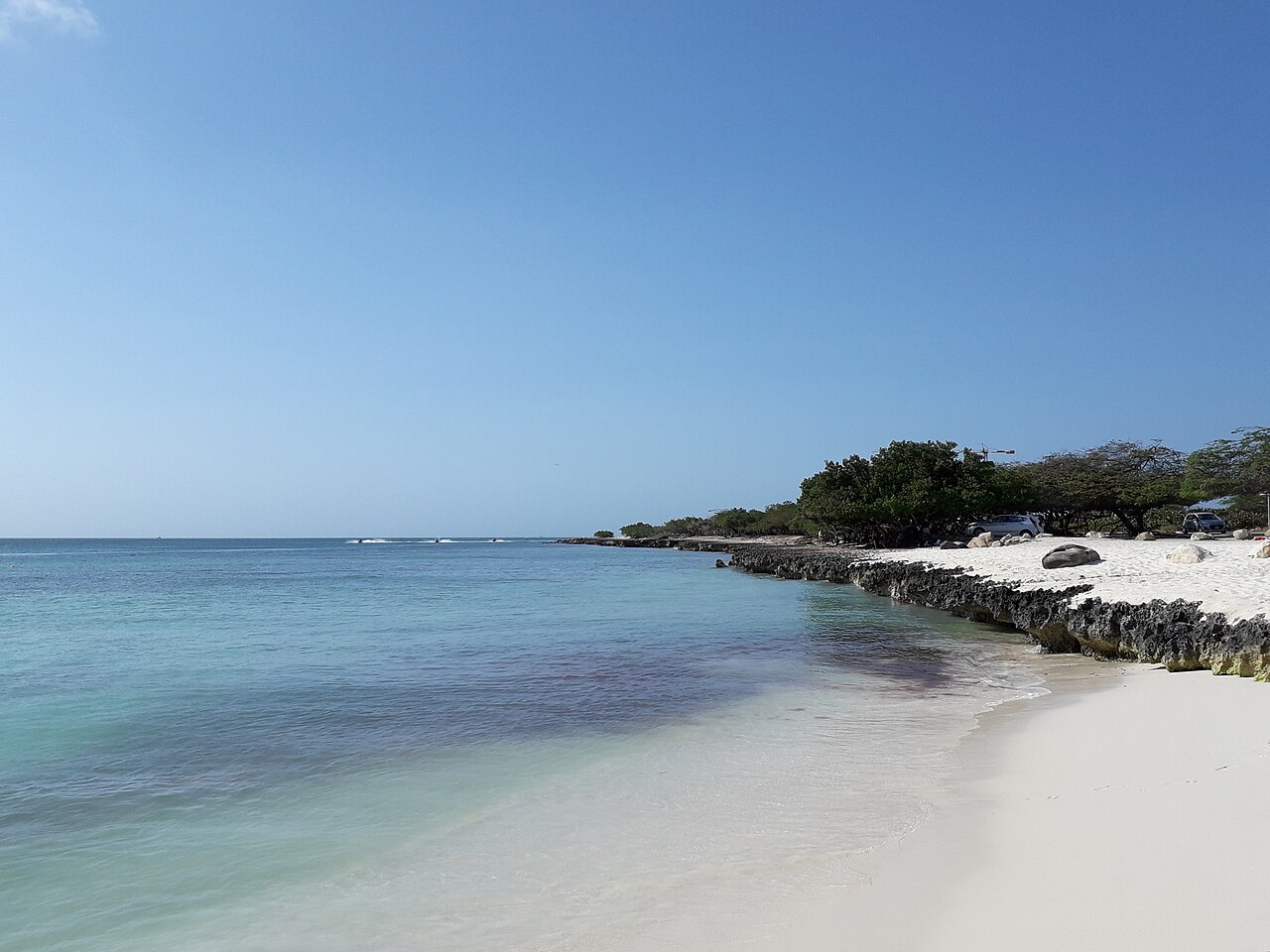
Stand beneath the vibrant murals on Calle Principal, where art colors the streets of San Nicolas.
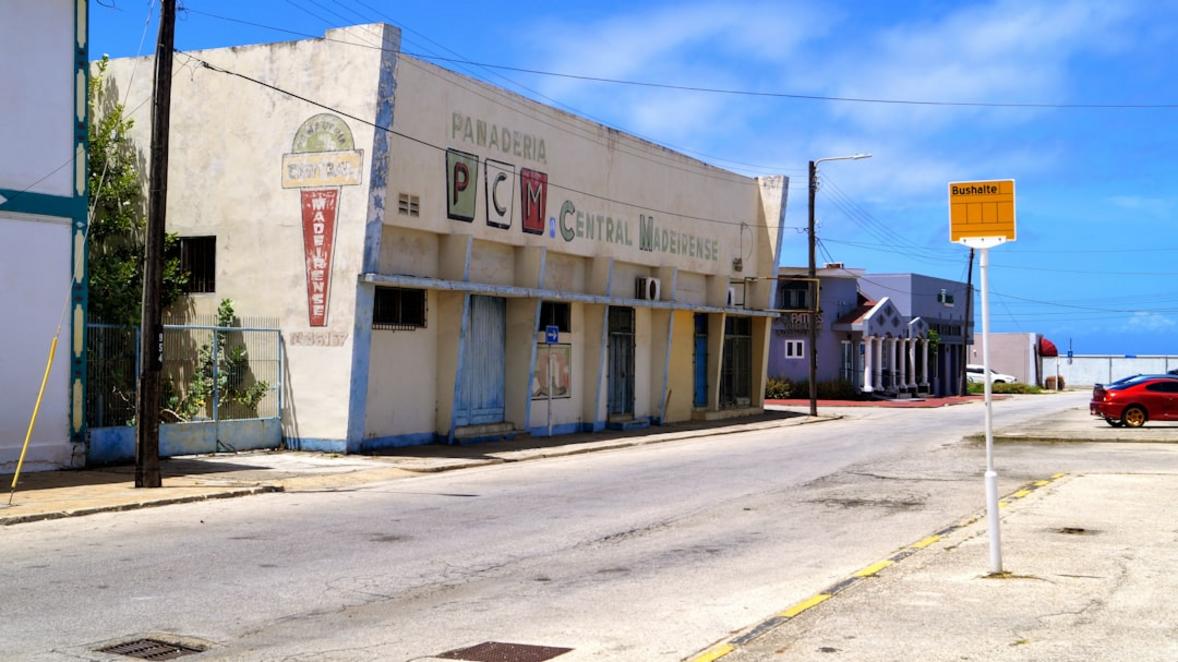
San Nicolas is Aruba‘s southern second city, home to roughly 15,000 residents and a former oil refinery port. Visitors come for its open-air murals that cover entire blocks, reflecting the town’s Carnival roots and working-class history. The Eagle Beach Pier anchors the waterfront, offering a glimpse into the town’s industrial past. Walking the grid reveals a community shaped by labor, art, and cultural resilience. This is a place to understand Aruba beyond the resorts, through its streets and stories.
Explore the San Nicolas street murals for local art history, visit the Eagle Beach Pier for industrial heritage, and join a Carnival workshop to connect with the town’s cultural roots.
Key takeaways
- San Nicolas has about 15,000 residents and a strong Carnival tradition.
- Murals cover over 20 blocks around Calle Principal and Wilhelmina Park.
- Eagle Beach Pier dates to the 1920s, reflecting refinery-era history.
- Carnival workshops run mainly January through February, $20-$30 entry.
- Public buses connect San Nicolas to Oranjestad in about 45 minutes.
Why visit San Nicolas
San Nicolas stands apart from Aruba’s more polished northern neighbors like Oranjestad and Palm Beach by offering a gritty, mural-covered urban landscape rooted in its oil refinery past. The city’s open-air street murals turn entire blocks into outdoor galleries, especially around the main plaza and industrial waterfront. Carnival traditions pulse here with a working-class pride that contrasts sharply with Aruba’s resort zones. The nearby Baby Beach adds a calm coastal backdrop but the real draw is the lived-in streets and local stories.
- Explore over 80 murals across downtown San Nicolas, reflecting its Carnival heritage and refinery history.
- Visit the central plaza’s weekend market for local crafts and food tied to the southern community.
- Catch Carnival rehearsals in February-March for a raw look at Aruba’s second city spirit before the main island events.
- Experience the working port area where industrial heritage meets street art, a contrast missing in Oranjestad.
Best for
Solo travelers focused on cultural context and urban art will find San Nicolas rewarding. Those comfortable navigating rougher buses and seeking neighborhood depth over polished tourism thrive here. It suits travelers who want to understand Aruba beyond resorts and beaches.
Skip if
Skip San Nicolas if seeking polished beach resorts and nightlife; instead, stay in Palm Beach or Oranjestad for smoother tourist infrastructure.
Top things to do in San Nicolas
San Nicolas stands out for its open-air murals that transform the city into a living gallery and a Carnival tradition that pulses through its streets. Start with the mural walk to grasp the city’s layered history before diving into its cultural festivals, local crafts, and port heritage.
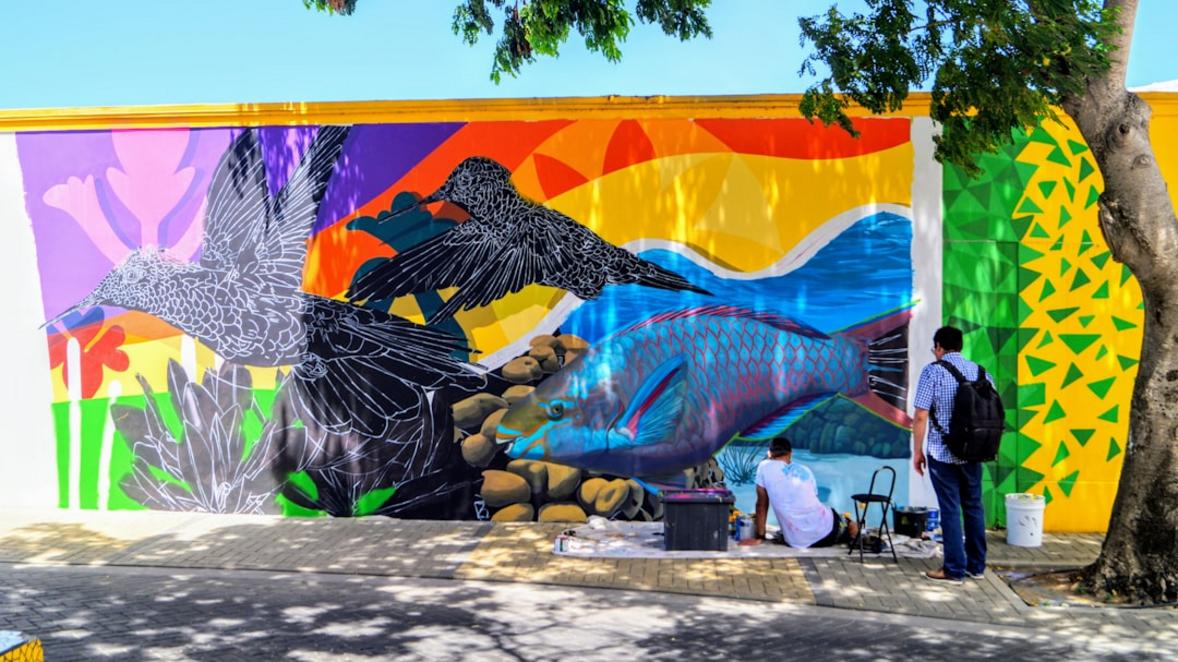
1. San Nicolas Mural Walk ·
Explore Aruba’s second city through its vibrant outdoor murals that narrate local history, identity, and Carnival culture.
Wander the main streets of the downtown neighborhood, especially around J.E. Irausquin Boulevard, where murals by local and international artists cover walls and buildings. Each piece tells a story connected to the city’s working-port past, Carnival heritage, and indigenous influences. Licensed local guides offer walking tours that add context beyond the visuals.
This mural walk gives you a direct encounter with San Nicolas’s unique visual narrative, unlike the generic art galleries in Oranjestad. The murals are public, accessible, and layered with social meaning.
- When: Best in the morning or late afternoon to avoid harsh midday sun, year-round.
- Cost: Free, guided tours around ~$15, 2026
- Duration: 1.5 to 2 hours
- How to reach: Walk or take a local bus to the downtown core near J.E. Irausquin Boulevard; the murals span several blocks.
Solo female travel: Walking routes are well-traveled and safe during daylight; avoid late evening strolls alone on quieter streets.
2. Carnival Museum and Cultural Center ·
Step inside the heartbeat of San Nicolas’s Carnival tradition to understand its roots, costumes, and community role.
Visit the museum on the city’s main plaza to see detailed displays of Carnival costumes, photos, and oral histories from performers and organizers. The center also hosts workshops on traditional Carnival crafts like mask-making and costume design, showcasing the living culture behind the festivities.
This museum offers unmatched context for the Carnival events that animate San Nicolas every year, unlike generic cultural centers in Aruba’s capital.
- When: Open weekdays 9 AM to 5 PM, best visited mid-morning to avoid local lunch hours.
- Cost: ~$10, 2026
- Duration: 1 to 1.5 hours
- How to reach: Located in the central plaza area, a 10-minute walk from most downtown accommodations.
Insider tip: If closed
Attend a local Carnival rehearsal or costume workshop if available, especially in January – February.
3. Port Heritage Walking Tour ·
Trace San Nicolas’s industrial past along the waterfront, including its former oil refinery legacy and working harbor.
Follow a self-guided or small-group tour along the southern waterfront near the former refinery site, now a mix of industrial ruins and active port facilities. Informational plaques explain the refinery’s impact on the city’s growth and labor history. Local fishermen and dockworkers sometimes share firsthand stories if approached respectfully.
This tour reveals San Nicolas’s economic backbone and social fabric, a contrast to Aruba’s tourist-focused north coast.
- When: Morning hours on weekdays when port activity is visible and accessible.
- Cost: Free
- Duration: 1 hour
- How to reach: Walk south along J.E. Irausquin Boulevard or take a local taxi to the harbor area.
Solo female travel: Daytime visits recommended; port areas are less populated after 6 PM.
4. Local Craft Workshop: Batik and Weaving ·
Engage hands-on with traditional Aruban batik and weaving techniques rooted in San Nicolas’s artisan community.
Join a workshop hosted by local artisans specializing in fabric dyeing and weaving, often held in small studios near the city center. Learn the step-by-step process of batik, from wax application to dyeing, and try simple weaving patterns using traditional looms. These studios often sell finished products directly, supporting local craftspeople.
This workshop connects you deeply with San Nicolas’s craft heritage, unlike tourist markets that only sell finished products.
- When: Weekday afternoons, booking ahead is advised to secure a spot.
- Cost: ~$40 per session, 2026
- Duration: 2 to 3 hours
- How to reach: A short walk or taxi ride from downtown, studios are usually on or near Kaya Grandi street.
Insider tip: If closed
Visit local artisan stalls on the weekend market near the central plaza.
Solo female travel: Small group sizes foster a welcoming environment; solo travelers often join others naturally.
5. Sunday Market at San Nicolas Plaza ·
Experience the city’s local flavors and crafts at the lively Sunday market centered around the main plaza.
Browse vendors selling fresh produce, handmade goods, traditional snacks, and Carnival memorabilia. The market offers a snapshot of daily life and local tastes, with food stalls serving Aruban specialties like funchi and pastechi. It’s also a social hub where locals gather and exchange news.
Unlike tourist-heavy markets in Oranjestad, this market reflects San Nicolas’s working-class roots and Carnival culture.
- When: Sunday mornings from 8 AM to 1 PM, best early to avoid the afternoon heat.
- Cost: Free entry; food and crafts range from ~$2 to $20
- Duration: 1 to 2 hours
- How to reach: Central plaza is walkable from most parts of the city; local buses stop nearby.
Solo female travel: The plaza is busy and social on Sundays; safe and easy to navigate for solo travelers.
6. San Nicolas Public Library and Cultural Events ·
Drop into the public library for rotating exhibits, local history archives, and community events centered on San Nicolas’s heritage.
The library hosts exhibitions on the city’s Carnival, mural projects, and port history, alongside talks and film screenings on local topics. It’s a quiet, air-conditioned space perfect for deeper research or resting between outdoor activities. Staff often help visitors access oral histories and archival photos unavailable elsewhere.
This spot offers a low-key cultural dive with resources that complement the murals and museum, unlike commercial galleries.
- When: Weekdays from 9 AM to 5 PM; check calendar for evening events.
- Cost: Free
- Duration: 1 to 2 hours
- How to reach: Located on Kaya Grandi, a 5-minute walk from the central plaza.
Solo female travel: The library is a safe, quiet daytime spot with friendly staff.
Book tours and tickets
Booking through these links supports Pack Lightly at no extra cost to you.
24 hours in San Nicolas
This day plan suits travelers eager to explore San Nicolas through its mural art, Carnival heritage, and working-port history. It offers a focused cultural rhythm with a deep dive into neighborhood life and local crafts.
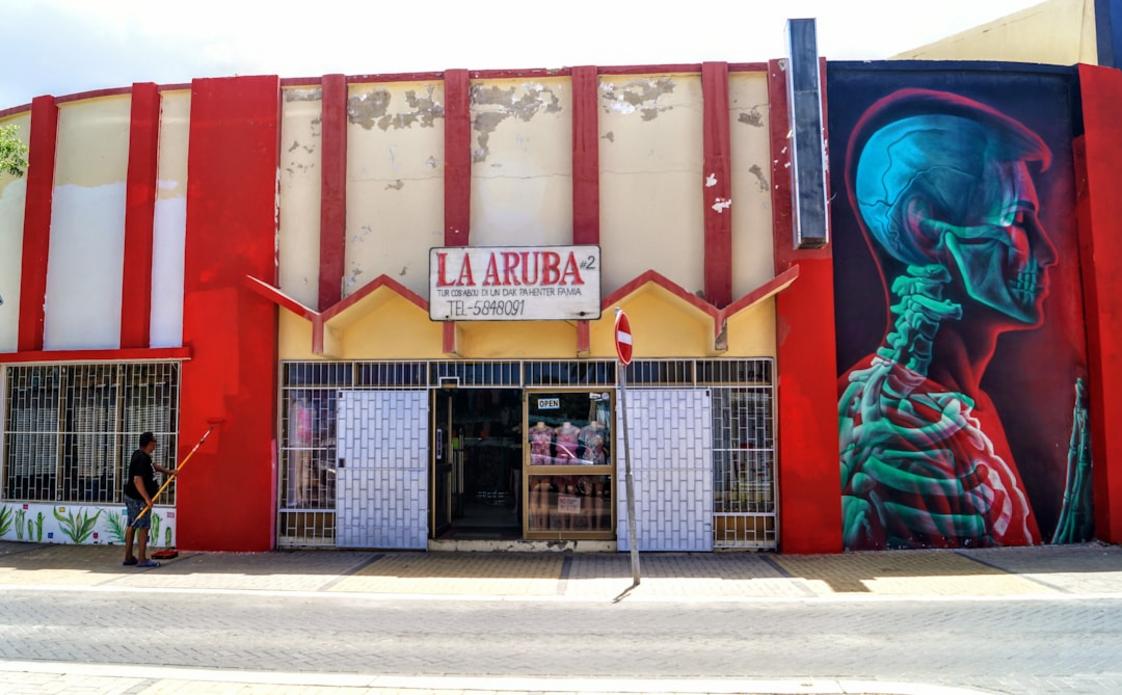
Morning
Start your morning at the local market near the central plaza by 8:00 AM, when vendors set out fresh produce and handmade crafts. Wander the streets of the downtown neighborhood to see the large-scale mural paintings come alive in the soft morning light. Head to a small café on J.E. Irausquin Boulevard for a strong Aruban coffee and a pastelito, securing a table by the window to watch locals start their day.
Afternoon
At noon, visit the San Nicolas Museum to understand the port’s refinery past and Carnival’s cultural roots – allow about two hours here. For lunch, choose one of the family-run eateries around the plaza serving local stewed goat or fish dishes, priced around $12-$15, 2026. Afterward, stroll through the Carnival Art District to observe artisans at work and chat with muralists if they’re around, gaining insight into the stories behind the vibrant wall paintings.
Evening
Plan to catch the sunset at the small harbor on the town’s south edge, where the light hits the murals differently and fishing boats return. Dine at a casual seafood restaurant near the waterfront serving freshly caught snapper and local sides, with meals around $18-$22, 2026. The evening winds down with a walk along the main street, where the relaxed pace and occasional street music reflect San Nicolas’s working-port roots without tourist crowds.
If you have a second day
Dedicate a second morning to a guided tour of the nearby refinery ruins and their industrial heritage. Follow this with an afternoon visit to the nearby indigenous craft cooperatives outside town for hands-on weaving demonstrations.
Best time to visit San Nicolas
Quick answer
Visit San Nicolas from April to June or October to early December for warm, dry weather ideal for exploring murals and Carnival heritage.
| Months to go | April to June, October to early December |
|---|---|
| Months to avoid | July to September due to higher rainfall and humidity that can disrupt outdoor mural walks and street events. |
San Nicolas stays warm year-round, with average temperatures ranging from 79°F / 26°C to 86°F / 30°C. The driest months, April through June, offer the clearest skies and best conditions for walking the open-air murals and visiting cultural sites. October to early December also provides comfortable weather with less rain, making it easier to explore Carnival-related neighborhoods. The wettest months, July through September, bring more frequent showers that can interrupt outdoor activities and reduce visibility for mural viewing. Unlike destinations with seasonal closures, San Nicolas remains accessible year-round, but the weather impacts the quality of cultural exploration.
Average temperature (°F)
Monthly weather
warm dry, low rain impact
pleasant dry, easy outdoor walks
warm dry, good mural visibility
dry sunny, ideal cultural strolls
warm dry, Carnival prep season
hot dry, best for murals
humid wet, rain disrupts walks
wettest month, outdoor limits
humid wet, mural viewing tough
drying out, easier street walks
pleasant dry, Carnival season start
warm dry, cultural events active
How to get to San Nicolas
Nearest airport
Queen Beatrix International Airport (AUA), about 20 miles / 32 km northwest, roughly a 30-minute drive
From the airport
Skip the overpriced airport taxis charging around $50; instead, book a prepaid shuttle or shared van from the airport terminal for about $15-$20, 2026. This is the most reliable and affordable way to reach San Nicolas without hassle or waiting for public transport.
Other ways to arrive
- Oranjestad, Aruba – Bus or taxi, 40 minutes, $20-$30, 2026
- Palm Beach, Aruba – Taxi or rental car, 45 minutes, $25-$35, 2026
- Santa Cruz, Aruba – Taxi or rental car, 20 minutes, $15-$25, 2026
Getting around San Nicolas
Walking covers most of San Nicolas’s compact mural districts and central plazas. For wider exploration, a rental scooter or taxi works best for flexibility and safety.
- Walk – Use for exploring the mural-lined streets and downtown; free.
- Taxi – Use for trips to the port or outskirts; expect $10-$15 per ride, 2026.
- Rental scooter – Rent for half-day or full-day trips around town and nearby beaches; around $30-$40 per day, 2026.
Avoid
Avoid renting a car if unfamiliar with local roads; narrow streets and occasional unpaved sections can be tricky.
Day trips from San Nicolas
These day trips complement San Nicolas’s industrial and artistic vibe with natural and cultural highlights nearby.
Arikok National Park, Aruba
Explore Aruba’s rugged terrain, caves, and indigenous flora.
Why: The park contrasts San Nicolas’s urban murals with raw landscapes and indigenous history, giving a fuller view of Aruba’s heritage.
Skip if: Skip if focused solely on urban culture and street art.
Baby Beach, Aruba
Relax on calm, shallow waters favored by locals and families.
Why: Baby Beach offers a peaceful counterpoint to San Nicolas’s working-port atmosphere and is ideal for a midday break after mural tours.
Skip if: Skip if short on time or uninterested in beach stops.
Oranjestad, Aruba
Visit Aruba’s capital for colonial architecture, museums, and shopping.
Why: Oranjestad’s historic core and museums provide context to Aruba’s colonial past, complementing San Nicolas’s industrial and Carnival heritage.
Skip if: Skip if you prefer to stay immersed in San Nicolas’s local scene.
Combine San Nicolas with
San Nicolas fits into Aruba trips as the southern cultural and industrial counterpoint to the island’s northern resort areas.
5-day Aruba cultural loop Oranjestad → San Nicolas → Baby Beach → Arikok National Park → Palm Beach
Start with Aruba’s colonial and commercial capital, then dive into San Nicolas’s mural art and working-port history before unwinding at Baby Beach and exploring natural landscapes, ending with Palm Beach’s lively dining scene.
3-day Aruba art and heritage trip San Nicolas → Oranjestad → Santa Cruz
Focus on San Nicolas’s Carnival and mural culture, then visit Oranjestad’s museums and colonial streets, finishing with Santa Cruz for local crafts and quieter village life.
Where to stay in San Nicolas
Compare prices across booking sites on the map below and see which neighbourhood fits your plans.
Stay near the central plaza for walkable access to San Nicolas’ mural-lined streets and local markets. The area around Baby Beach offers quieter, beachfront cabanas with easy access to cultural sites. For a more residential feel, explore neighborhoods along J.E. Irausquin Boulevard, where local life unfolds away from the port’s industrial edge.
Budget – Central Plaza neighborhood
Small guesthouses and family-run lodgings dominate the budget scene, offering basic rooms with shared bathrooms. These spots put you close to the old town murals but lack air conditioning and often have limited Wi-Fi.
Insider tip: Request a room on the street side to catch the morning light and avoid the port noise at night.
Mid-range – Baby Beach area
Mid-range options include boutique hotels and beach cabanas that balance comfort with local character. Expect air conditioning, private bathrooms, and some with small pools or patios, often within walking distance of public art and cultural venues.
Insider tip: Book directly through the property’s website or Booking.com for off-season discounts during Aruba’s Carnival lull.
Where not to stay
Avoid the immediate vicinity of the old oil refinery port; heavy truck traffic and industrial noise continue into late night, disrupting sleep and limiting evening walks.
Solo female travelers
Choose accommodations near the central plaza where street lighting stays on until 11 PM and local shops remain open, ensuring safe, well-trafficked routes back after evening cultural events.
Book your stay
Booking through these links supports Pack Lightly at no extra cost to you.
Where to eat and drink in San Nicolas

San Nicolas stands out in Aruba for its Afro-Caribbean culinary influence, shaped by the Garifuna community and the town’s oil refinery history. The local cooking leans heavily on fresh seafood from the nearby fishing port and regional ingredients like pumpkin and goat. The Sunday market near the central plaza offers a taste of these flavors in a lively setting.
Must-try dishes
Sopa Marinera (Seafood Soup)
A rich, spicy fish and shellfish broth simmered with pumpkin, root vegetables, and local herbs, served hot with crusty bread.
Insider tip: Order this early in the day when the catch is freshest; avoid the busy tourist spots near the refinery where the soup tends to be watered down.
Cabrito Stoba (Goat Stew)
Slow-cooked goat meat with pumpkin, onions, and local spices, served over white rice or funchi (cornmeal mush).
Insider tip: Eat this at lunchtime, as many kitchens close early; the best versions come from small, family-run spots rather than tourist-focused eateries.
Pastechi di Piska (Fish Pastry)
A deep-fried turnover filled with seasoned local fish, onions, and peppers, served as a snack or light meal.
Insider tip: Grab these fresh in the morning or late afternoon; avoid packaged or reheated versions sold at gas stations.
Local drinks
- Ponche Crema (Aruban Eggnog)Available at local bars and family kitchens around the central plaza, especially during Carnival season.
A creamy, spiced egg-based liqueur flavored with local rum and nutmeg, served chilled or over ice.
How to eat like a local in San Nicolas
Lunch is the main meal here – family kitchens close by mid-afternoon and reopen as bars later. Eat your biggest meal between 12:00 and 2:00 PM to catch the freshest home-cooked dishes.
Dietary note
Vegetarian options are limited and often revolve around funchi and pumpkin-based dishes; vegan and gluten-free travelers should prepare to request custom meals or buy fresh produce at the Sunday market.
Daily budget for San Nicolas
San Nicolas offers slightly lower daily costs than Aruba’s main tourist hubs due to its working-port roots and fewer luxury resorts. Expect better value on lodging and local eats but standard island prices on transport and activities.
Shoestring
- lodging – basic guesthouses or small cabanas on the outskirts
- food – local diners and small eateries around the central plaza
- transport – shared taxis or public buses within town
- activities – self-guided mural walks and free Carnival museum entry
- buffer – small emergency fund or occasional snacks
Trade-offs: You give up air conditioning, private bathrooms, and guided cultural tours.
Comfort
- lodging – mid-range hotels or well-reviewed guesthouses near downtown
- food – a mix of local restaurants and casual dining with some Caribbean flair
- transport – occasional taxi rides and short trips to nearby beaches
- activities – paid guided mural tours and Carnival heritage events
- buffer – flexibility for souvenirs or extra refreshments
Trade-offs: You sacrifice luxury resort amenities and upscale dining experiences.
Splurge
- lodging – boutique hotels or high-end stays with ocean views
- food – upscale dining featuring local seafood and fusion cuisine
- transport – private taxis or car rentals for full-day excursions
- activities – private art tours, Carnival VIP events, and cultural workshops
- buffer – unexpected expenses or premium shopping
Trade-offs: You accept paying premium prices for exclusivity and convenience rather than budget efficiency.
Money-saver tip
Book local mural tours directly through community art centers instead of commercial operators to save up to 40% and support local artists.
Splurge that’s worth it
Invest in a private guided Carnival heritage tour that includes behind-the-scenes access to costume workshops and local storytellers.
Skip to save
Skip the packaged port tours promising quick city drives; they charge double for what you can explore on foot or by public transport.
Practical tips for San Nicolas
Money
| Cash or card | Carry some cash for small vendors and murals tours, but most restaurants and shops accept credit cards. |
|---|---|
| ATMs | ATMs are available near the central plaza and work with major foreign cards, though fees can run around $3-$5 per withdrawal. |
| Tipping | Tip 10% in sit-down restaurants; rounding up small bills for taxi drivers or street food vendors is appreciated but not mandatory. |
Safety
San Nicolas is a working-port city with a straightforward vibe; stay in well-lit areas like the central plaza after dark and keep valuables secure.
Common scams:
- Overcharging by unlicensed taxi drivers near the bus terminal
- Street vendors inflating prices for tourists unfamiliar with local rates
Local warnings:
- Strong sun exposure requires sunscreen and hats year-round
- Roads near the port have heavy truck traffic; watch for large vehicles when walking
Connectivity
| Mobile data | Mobile coverage is solid with local providers like Digicel and Setar; buy a SIM at the airport or central shops for reliable data. |
|---|---|
| Wi-Fi | WiFi is common in cafes around the central plaza and guesthouses but expect slower speeds than in Oranjestad. |
Language
| Main language | Papiamento |
|---|---|
| English level | English is widely spoken in shops and restaurants, enough to navigate comfortably without Papiamento. |
Cultural notes
| Dress modestly when visiting churches or religious events in the historic district |
| Ask permission before photographing locals, especially during Carnival rehearsals |
| Use a casual handshake or nod for greetings; avoid overly familiar gestures on first meeting |
Solo female travel
Solo female travelers find San Nicolas approachable with its open street murals and community spaces; standard urban caution applies after dark.
| Neighborhood | Stay near the central plaza or the area around Wilhelminastraat for better lighting and evening activity. |
|---|---|
| Transport | Use registered taxis or pre-book rides after 8 PM; avoid walking alone near the industrial port area at night. |
| Meeting people | Check out local cafes near the main plaza that host community notice boards and occasional art events for meeting locals. |
Frequently asked questions about San Nicolas
1Is San Nicolas worth visiting for its mural art?
Yes, San Nicolas offers a concentrated open-air mural scene that reflects the town’s Carnival heritage and working-port history. The murals provide a colorful, tangible way to understand the community’s identity beyond Aruba’s resort areas.
2How many days do you need in San Nicolas to explore its cultural sites?
Plan 2 full days. Use day 1 to walk the mural-lined streets and visit the local art spaces, and day 2 for the nearby Carnival Museum and exploring the port area. This pace lets you absorb the town’s layered history without rush.
3Can you visit San Nicolas year-round?
Yes, Aruba’s dry climate keeps San Nicolas accessible year-round. The town’s outdoor murals and Carnival Museum stay open through all seasons, although Carnival events happen mainly in February or March.
4Do you need a car to get around San Nicolas?
No, San Nicolas is walkable for most cultural highlights, especially the mural district near the central plaza. A car helps if you plan to explore surrounding beaches or the industrial port zone but isn’t essential for a focused cultural visit.
5Is it safe to walk around San Nicolas at night?
Yes, the central mural district and main streets are well-lit and active into the early evening. Stick to the central neighborhoods around Wilhelminastraat and the plaza after dark to maintain control and ease.
6What is the food like in San Nicolas?
Expect local Caribbean flavors with a focus on fresh seafood and street food stalls near the plaza. The eateries reflect the town’s working-class roots, offering affordable, hearty meals rather than upscale dining.
7Where is the best place to see Carnival heritage in San Nicolas?
The Carnival Museum on Wilhelminastraat is the go-to spot. It showcases costumes, music, and history tied to San Nicolas’s annual Carnival, a key cultural event that shaped the town’s identity.
8What should you avoid doing in San Nicolas?
Avoid wandering into the industrial port area without a guide or clear purpose; it’s active and not designed for tourists. Also, skip late-night solo walks outside the main mural district to stay within well-traveled, safe zones.