


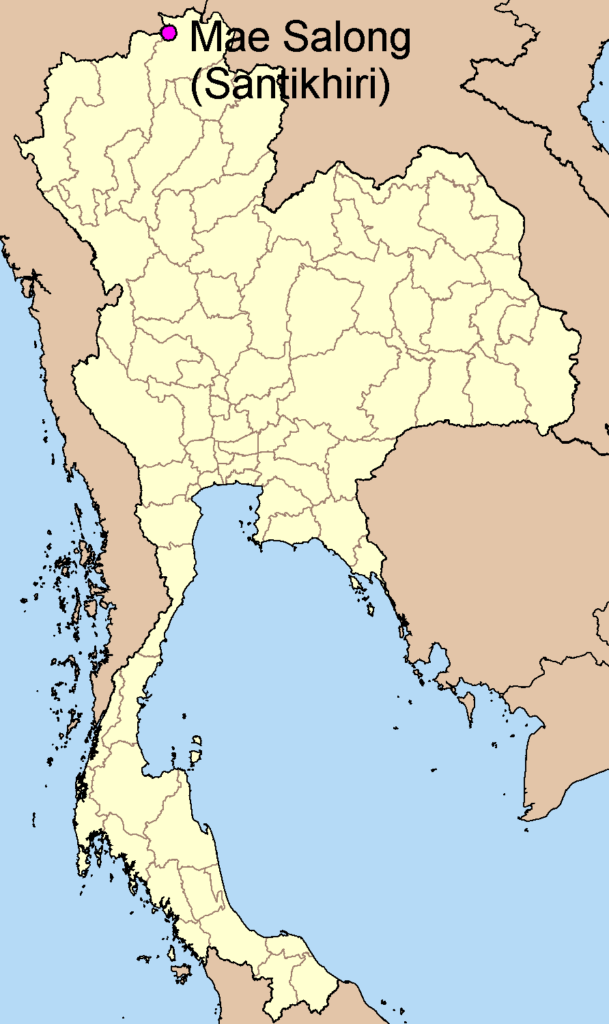
Doi Mae Salong offers a rare chance to walk through a hilltop town shaped by Chinese refugees and tea plantations near the Burma border.
This mountain town in Chiang Rai‘s Mae Fa Luang district stands 6 km from Burma, where Yunnanese culture mixes with Thai hill life. The streets hold tea shops, markets, and temples that tell the story of the Kuomintang soldiers who settled here after fleeing China. The layered history and ongoing tea production give Doi Mae Salong a distinct cultural identity worth exploring beyond the usual northern Thailand stops.
Visiting Doi Mae Salong requires a half-day commitment and a modest budget for local transport and food. The town has no entrance fee, but the day’s rhythm depends on market hours and tea shop openings, which close by late afternoon. This timing shapes when to arrive and how to pace your visit to catch the cultural pulse before the town quiets down.
What to expect
- Walk narrow streets lined with tea shops selling local oolong and black teas.
- Visit a Chinese-style temple reflecting the town’s refugee origins.
- Browse markets where hill tribe crafts and Yunnanese snacks appear side by side.
- Watch tea farmers drying leaves on wooden racks in village outskirts.
- Experience the mix of Thai and Chinese languages in daily conversations.
Weighing Doi Mae Salong’s Cultural Depth Against Time and Timing
Core cultural stopDoi Mae Salong’s value lies in its layered history as a settlement of Kuomintang refugees and its ongoing tea culture, which remains active and visible. The lack of an entrance fee means cost is not a barrier, but the town’s cultural sites and markets close early, forcing an early start or midday arrival. Crowds are light, so the experience is quiet rather than bustling, which suits travelers focused on culture rather than nightlife or shopping. Skip this if your schedule is tight or if you prefer more developed tourist infrastructure. For those interested in Sino-Thai history and hill tribe life, the visit delivers a clear cultural payoff without tourist traps.
Doi Mae Salong Visit Essentials
| Cost | No entrance fee; local purchases vary |
| Opening hours | Markets and shops open 8 AM to 4 PM |
| Time needed | Half-day visit recommended |
| Getting there | Accessible by local bus or private car from Chiang Rai |
| Dress code | Casual; respectful attire for temples |
| Best timing | Morning to early afternoon for full market and tea shop access |
Walking Through Doi Mae Salong’s Hilltop Town and Tea Fields
Start your visit in the main village area of Doi Mae Salong, where the influence of Chinese refugees from the 1960s is visible in the architecture and street layout. The town is compact, so spend your first hour exploring the local markets and tea shops along the main road. Avoid the tourist stalls near the entrance; instead, head deeper into the village for authentic tea tasting and local snacks. From there, walk uphill toward the tea plantations that surround the town. The path is paved but narrow, so watch your step and avoid the steepest sections if you have mobility concerns. Allocate about 90 minutes to stroll through the terraced tea fields, where you can see workers hand-picking leaves during the harvest season. Skip the temple at the summit if pressed for time; it offers limited cultural insight compared to the village and plantations. Instead, finish your visit at one of the small tea houses on the eastern edge of town, where you can sample freshly brewed Oolong or Assam teas while overlooking the valley. The entire visit takes about three hours, enough to cover the village, plantations, and a tea house stop without rushing.
Key Stops in Doi Mae Salong
Doi Mae Salong Market
This market runs along the main street and features stalls selling local tea, herbs, and Chinese-style snacks. It reflects the town’s mixed Thai-Chinese heritage and is the best place to observe daily life and pick up tea leaves directly from producers.
TipBuy tea from vendors inside the market rather than the roadside stalls; prices are lower and the quality is more consistent.
Tea Plantations Terraces
The terraced tea fields wrap around the hill and show the traditional cultivation methods still in use. Walking through these fields reveals the labor-intensive process behind the teas that made the town famous.
TipVisit during the morning harvest season to see workers picking leaves by hand, a practice that ends by midday when the sun gets too strong.
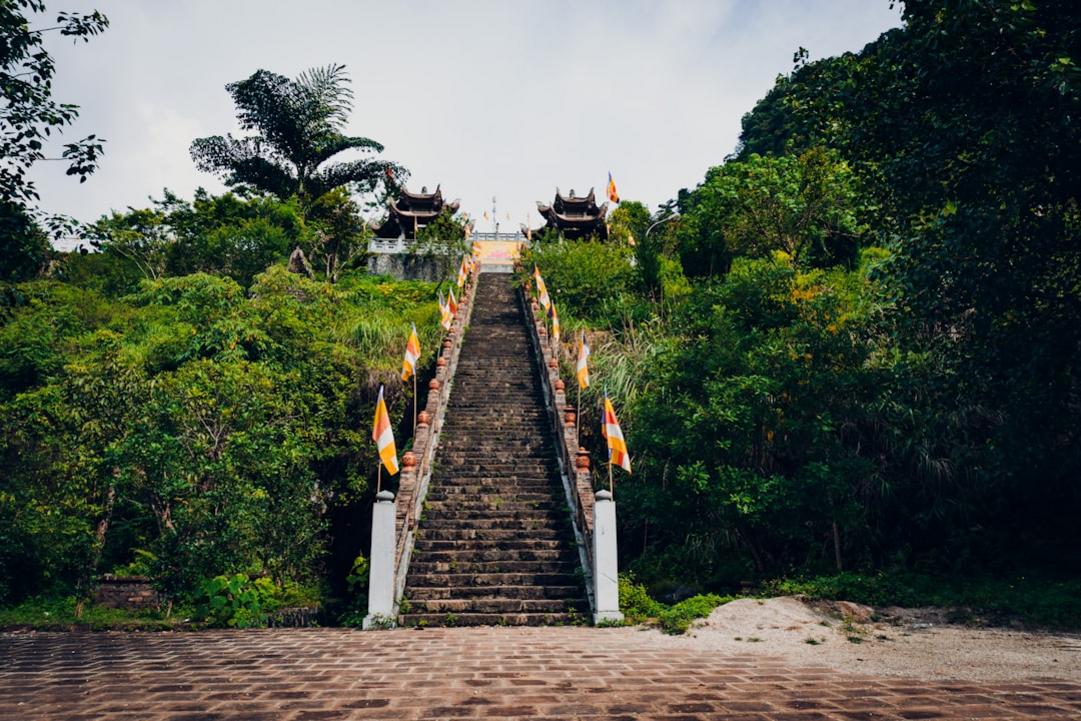
Chinese Temple at the Summit
The temple at the top of Doi Mae Salong hill offers insight into the spiritual life of the local Chinese community. It contains statues and altars that reflect a blend of Buddhist and Taoist traditions.
TipSkip this temple if short on time; it takes 30 minutes to reach and explore but adds little beyond what the village and plantations provide.
Eastern Tea Houses
Small tea houses on the eastern edge of town serve freshly brewed local teas with views over the valley. These spots are quieter and less commercialized than the main street shops.
TipOrder Oolong tea here and ask for a second steeping; the flavor changes noticeably and is a good test of the tea’s quality.
Essential Gear for Doi Mae Salong
- Cash in Thai Baht
Local vendors and tea houses may not accept cards, so bring enough cash for purchases. - Modest clothing
Doi Mae Salong has cultural sites where covering shoulders and knees is expected. - Comfortable walking shoes
The terrain includes uneven paths and steps around tea plantations, making sturdy footwear essential. - Reusable water bottle
Staying hydrated is important, especially during warm weather; refill at local shops. - Sunscreen
The elevation and open areas expose visitors to strong sunlight, so protect your skin.
Getting to Doi Mae Salong from Chiang Rai
Doi Mae Salong is approximately 40 kilometers from Chiang Rai, taking about an hour by car.
- Private taxi
Negotiate the fare before starting the trip to avoid surprises. - Songthaew (shared taxi)
Catch a songthaew from the Chiang Rai bus station; it’s cheaper but may take longer to fill up. - Motorbike rental
Rent a motorbike for flexibility; just ensure you have a valid license and wear a helmet.
Site-Specific Risks at Doi Mae Salong
- Crowded weekends
Visit on weekdays for a quieter experience and better access to tea houses. - Unregulated guides
Stick to official tours or well-reviewed guides to avoid scams. - Limited food options
Bring snacks if you plan to explore for several hours, as some eateries may close early. - Weather changes
Check the forecast before your visit; rain can make paths slippery.
Local Insight: Explore Tea Plantations
Take time to walk through the tea plantations; the views and fresh air are worth the detour.
Frequently Asked Questions about Doi Mae Salong
1Are there any restroom facilities available at Doi Mae Salong?
Yes, there are basic restroom facilities available near the main viewpoints. However, they may not be well-maintained, so plan accordingly and consider using facilities before your visit.
2Is it necessary to hire a guide for exploring Doi Mae Salong?
Hiring a guide is not necessary if you are comfortable navigating on your own, as the area is accessible and well-marked. However, if you want in-depth knowledge about the local culture and history, consider hiring a guide.
3What are the photography rules at Doi Mae Salong?
Photography is generally allowed throughout Doi Mae Salong, but be respectful of local customs and avoid taking photos of people without permission. Focus on capturing the landscape and tea plantations for the best shots.
4Are there any unofficial tickets or fees to be aware of?
There are no official tickets required to access Doi Mae Salong, but some local attractions or tea houses may charge a small fee for tours or tastings. Always confirm any costs before participating.
5What should I do if the weather turns bad during my visit?
If the weather turns bad, seek shelter in one of the local tea houses or cafes, where you can enjoy a warm drink while waiting for conditions to improve. If rain persists, consider visiting local shops instead of hiking.
6Is there a dress code for visiting Doi Mae Salong?
There is no strict dress code, but it is advisable to wear comfortable clothing and sturdy shoes for walking. If you plan to visit local temples, ensure your shoulders and knees are covered out of respect.
Explore Local Tea Plantations
After visiting Doi Mae Salong, head to one of the nearby tea plantations for a guided tour. This will give you insight into the tea production process and allow you to sample different varieties.
Hero image: Calliopejen, using base map by en:User:Ahoerstemeier (CC BY-SA 3.0), via Wikimedia Commons. Other photos via Unsplash and Wikimedia Commons.
Some links on this page are affiliate links. We may earn a small commission at no extra cost to you when you book through them.