



Krabi‘s cooking classes teach southern Thai flavors through market visits and hands-on kitchen sessions around Ao Nang and Krabi Town.
Cooking classes in Krabi focus on southern Thai cuisine, often starting with a market visit to select fresh ingredients. These classes go beyond recipes, revealing how local spices and herbs shape dishes unique to this coastal province. The setting ranges from open-air kitchens near Ao Nang to small groups in town, making the experience as much about place as food.
Cooking schools in Krabi cluster around Ao Nang, where most visitors stay, with a smaller number of options in Krabi Town itself. Names and branding at these schools change often as ownership and staff shift, so treat any specific school name as worth confirming before booking rather than assumed current. Most classes last half a day, so fitting one into a tight itinerary requires picking the right spot upfront.
Key takeaways
- Ao Nang holds the largest concentration of cooking schools, most combining a market visit with a hands-on class.
- Krabi Town has fewer options but suits travelers who want to skip the Ao Nang tourist strip.
- Southern Thai cooking classes here typically cover curry pastes, stir-fries, and a soup, using herbs and chilies grown locally.
- Classes commonly end with a shared meal of everything cooked during the session.
- Confirm a school’s current name and reviews before booking; small operators change branding and ownership more often than hotels do.
Which Krabi Cooking Class Area Fits Your Interest and Schedule
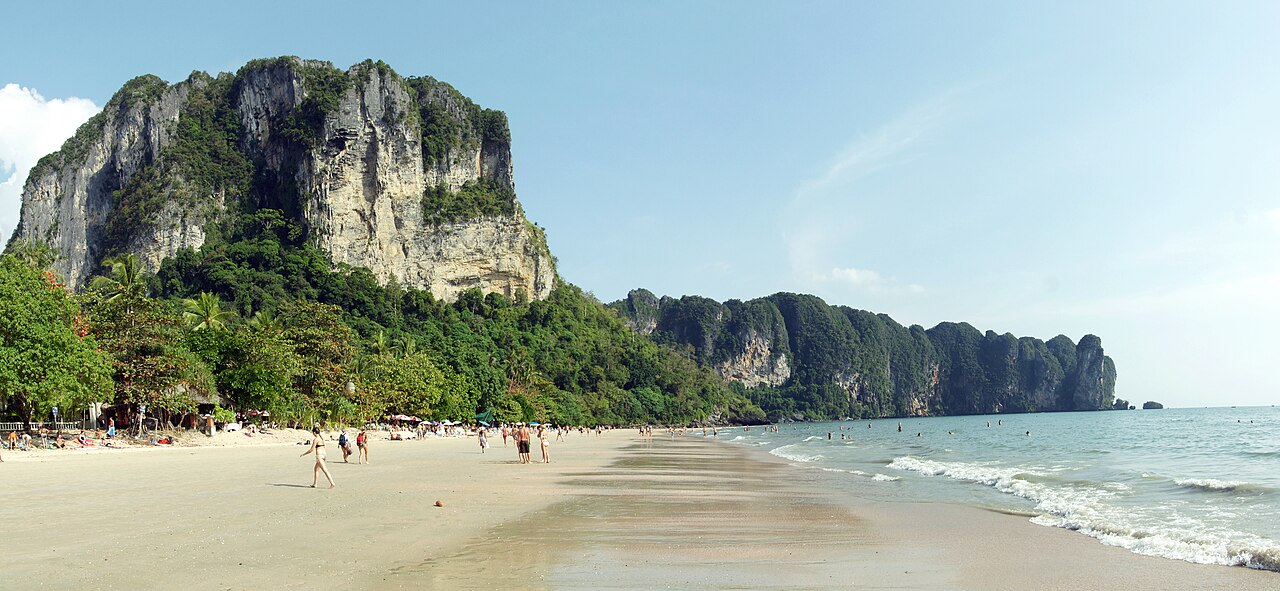
For those prioritizing convenience, Ao Nang is the obvious base: most schools here run daily sessions and pick up guests directly from beachfront hotels. Ao Nang classes typically pair a short local market visit with hands-on cooking of two to four southern Thai dishes, ending in a shared meal. Krabi Town options are fewer but suit travelers who want to skip the resort-strip feel of Ao Nang and see a working provincial town instead. Skip any class advertised as a “cooking experience” that turns out to be demonstration-only. If participation matters to you, ask directly before booking whether you cook every dish yourself or watch most of it. Overall, the best classes combine a real market stop, hands-on cooking of several dishes, and a sit-down meal, all confirmed through recent reviews rather than the school’s own marketing copy.
Where to go
These are Krabi’s two real cooking-class areas, Ao Nang and Krabi Town, described honestly rather than as a fixed list of named schools, since small operators here change names and ownership often enough that a specific brand can go stale between updates.
Ao Nang: Krabi’s Main Cooking Class Area
Ao Nang is where most of Krabi’s bookable cooking classes operate, typically a short walk or tuk-tuk ride from the beachfront hotel strip. Sessions commonly start with a visit to a local market or the school’s own herb garden to introduce southern Thai ingredients like fresh turmeric, galangal, and bird’s eye chili, then move into a hands-on class covering two to four dishes such as a curry paste made from scratch, a stir-fry, and a soup. Thai Charm Cooking School is one longer-running operator in the area with a track record of hands-on, small-group sessions; confirm current details and reviews before booking, as with any operator here. This suits travelers staying in Ao Nang who want cooking without a long transfer. Skip it if you want to avoid the busier tourist strip entirely.
Ask whether the class size is capped. Ao Nang’s busiest schools can run large groups during high season, which cuts into your hands-on time per dish.
Best for: Convenient, hotel-adjacent hands-on classes
Krabi Town: Fewer Options, Fewer Tourists
Krabi Town, the provincial capital about 40 minutes from Ao Nang, has a smaller number of cooking schools than the beach strip but a more local feel, with classes often held in family-run kitchens rather than purpose-built tourist venues. Sessions here follow a similar structure to Ao Nang, market visit, hands-on cooking, shared meal, but with smaller groups since the town draws fewer visitors overall. This suits travelers who want a quieter, more personal class and don’t mind the extra travel time from the beach. Skip it if convenience matters more than atmosphere, since Ao Nang options require far less transfer time.
Book a Krabi Town class a day or two ahead by phone or through your hotel. Smaller operators here often don’t run daily and confirm sessions based on demand.
Best for: A quieter, more local class away from the Ao Nang strip
Plan your visit
Optimal Times to Attend Cooking Classes in Krabi
The best time to take cooking classes in Krabi is during the dry season, from November to April, when the weather is more pleasant for outdoor activities. Avoid the rainy season from May to October, as heavy rains can disrupt classes and outdoor markets. Weekdays tend to be quieter, making it easier to focus on learning without distractions.
Navigating Between Ao Nang and Krabi Town
Ao Nang and Krabi Town sit roughly 40 minutes apart by road. Within Ao Nang, most cooking schools are reachable on foot or by a short tuk-tuk ride from the beachfront hotels. If you plan a Krabi Town class, arrange transport in advance through your hotel or a local taxi service, since songthaews (shared pickup trucks) between the two areas run less frequently in the evening.
Admission and Operating Hours for Cooking Classes
Most cooking classes in Krabi charge a fee that covers ingredients, the market visit where applicable, and the meal at the end. Classes usually run from morning until early evening, with many starting around 9 AM and concluding by 5 PM. It’s advisable to check specific class schedules and book in advance, especially during peak tourist season from December through February.
Essential Do’s and Don’ts for Cooking Classes in Krabi
| Do | Don’t |
|---|---|
| Book your class in advance, especially during peak season. | Assume walk-in availability, as classes can fill up quickly. |
| Ask about dietary restrictions when booking your class. | Expect all classes to accommodate special diets without prior notice. |
| Confirm whether the class is hands-on or demonstration-only before booking. | Assume every “cooking experience” involves you doing the cooking. |
| Wear comfortable clothing suitable for cooking. | Wear overly formal attire, as it may hinder your cooking experience. |
| Check recent reviews for the specific school, not just its marketing page. | Rely on an operator’s name alone; small schools change hands and branding. |
| Engage with the instructors for tips and tricks. | Be shy about asking questions; they are there to help you learn. |
Consider a Market-First Class
Classes that start with a real market visit, rather than a pre-cut ingredient tray, give a clearer sense of southern Thai produce and let you see what’s actually in season.
Want a guided option? Find a tour →
Frequently Asked Questions about Cooking Classes in Krabi, Thailand
1Where are most of Krabi’s cooking classes located?
Most cooking classes run in Ao Nang, close to the main hotel strip, with a smaller number of options in Krabi Town for travelers who want a quieter, more local setting.
2How long do cooking classes in Krabi typically last?
Most classes run around 4 to 5 hours, including a market or garden visit, hands-on cooking of several dishes, and a shared meal at the end.
3Are there any cooking classes in Krabi that cover vegetarian dishes?
Many Ao Nang and Krabi Town schools can adjust their menu for vegetarian diets if you notify them when booking, since southern Thai curries and stir-fries adapt easily without meat or seafood.
4Can I take a class if I have food allergies?
Most small-group schools can accommodate allergies if you inform them in advance, since dishes are cooked to order rather than prepared ahead of time. Confirm directly with the specific school before booking.
5What will I actually cook in a typical Krabi class?
Expect a curry paste made from scratch, one or two stir-fries, and often a soup such as tom yum, using local herbs like galangal, lemongrass, and bird’s eye chili sourced from the market or the school’s garden.
6Is it necessary to book a cooking class in Krabi in advance?
Yes, especially during peak season from December through February, when Ao Nang’s busier schools fill their small-group slots days ahead.
Explore Local Markets After Your Class
After your cooking class, visit the nearby Krabi Town Night Market to experience local flavors and shop for fresh ingredients. It’s a great way to complement your culinary skills with real-world shopping.
Photos via Unsplash and Wikimedia Commons.
Some links on this page are affiliate links. We may earn a small commission at no extra cost to you when you book through them.