


Baku’s markets map the city’s trade routes from Soviet-era stalls to modern night bazaars.
Markets in Baku are more than shopping stops; they mark the city’s layers of commerce and culture. From the Soviet-style stalls of Taza Bazaar to the open-air night market near Nizami Street, these spots reveal how locals source spices, textiles, and crafts. Each market reflects a different chapter of Baku’s urban and economic shifts, making them essential for understanding the city’s daily rhythms.
Only a handful of Baku’s markets draw consistent crowds and offer a full range of goods within walking distance of the city center. Most markets cluster in central districts like Yasamal and Sabail, but their scale and focus vary sharply. Time is the main limit here: a quick visit can cover one or two markets, so choosing based on what you want to find or see is key.
Key takeaways
- Taza Bazaar’s Soviet-era concrete halls hold fresh produce and local staples in a compact footprint.
- Nizami Street night market turns pedestrian space into a temporary bazaar with street food and crafts.
- Yasamal Market offers textiles and household goods in a no-frills, working-class setting.
- The Carpet Market near Icherisheher specializes in traditional rugs and weaving tools.
- Local vendors at the Green Market sell seasonal fruits and vegetables in an open-air layout.
How to Choose Which Baku Market Fits Your Interest and Schedule
Taza Bazaar is the top pick for a full market experience within a single building, combining fresh food, spices, and everyday goods at low prices. It suits visitors who want to see a functioning local market without wandering far. The Carpet Market near Icherisheher is the place to go if traditional Azerbaijani textiles are your focus, though it is smaller and more specialized. Skip the Green Market on a tight schedule: it is mostly an open-air produce market with limited variety beyond seasonal fruits and vegetables. Night markets near Nizami Street offer a different pace, with street food and crafts in a pedestrian zone, but they operate only in the evenings and are less about shopping essentials. Yasamal Market is a practical stop for textiles and household items but lacks the scale or atmosphere to justify a dedicated visit unless you have specific needs. Overall, prioritize Taza Bazaar for breadth and ease, the Carpet Market for cultural textiles, and the night market for evening browsing and snacks.
On the map
Where to go
This list covers the main markets in Baku where you can find everything from fresh produce and spices to traditional crafts and night-time street food. The spots are ordered by their relevance to cultural shopping and local market experience.
Taza Bazaar for Fresh Food and Spices
Taza Bazaar is the largest indoor market in Baku, offering a wide range of fresh fruits, vegetables, spices, and local food products under one roof. It suits visitors who want a comprehensive market experience without leaving the city center. Skip it if you are looking for crafts or textiles, as it focuses mainly on food and everyday goods.
Use the entrance near the vegetable section to avoid the busiest crowds around the spice stalls.
Best for: fresh food and spices
Carpet Market for Azerbaijani Textiles
The Carpet Market near Icherisheher specializes in traditional Azerbaijani carpets and textiles, making it the go-to spot for cultural souvenirs. It is smaller and more focused than other markets, so it suits those specifically interested in handmade rugs and fabric arts. Skip it if you want a broader market experience or fresh food.
Negotiate prices in the back rooms where carpets are stored, often away from the main tourist path.
Best for: traditional textiles and carpets
Green Market for Seasonal Produce
Green Market is an open-air market primarily selling seasonal fruits and vegetables, with limited variety beyond fresh produce. It is a practical stop for quick fruit shopping but lacks the scale or diversity to justify a longer visit. Skip it if you want crafts, textiles, or prepared foods.
Visit the north side stalls for better prices on local fruits compared to the main entrance area.
Best for: seasonal fruits and vegetables
Nizami Street Night Market for Evening Street Food
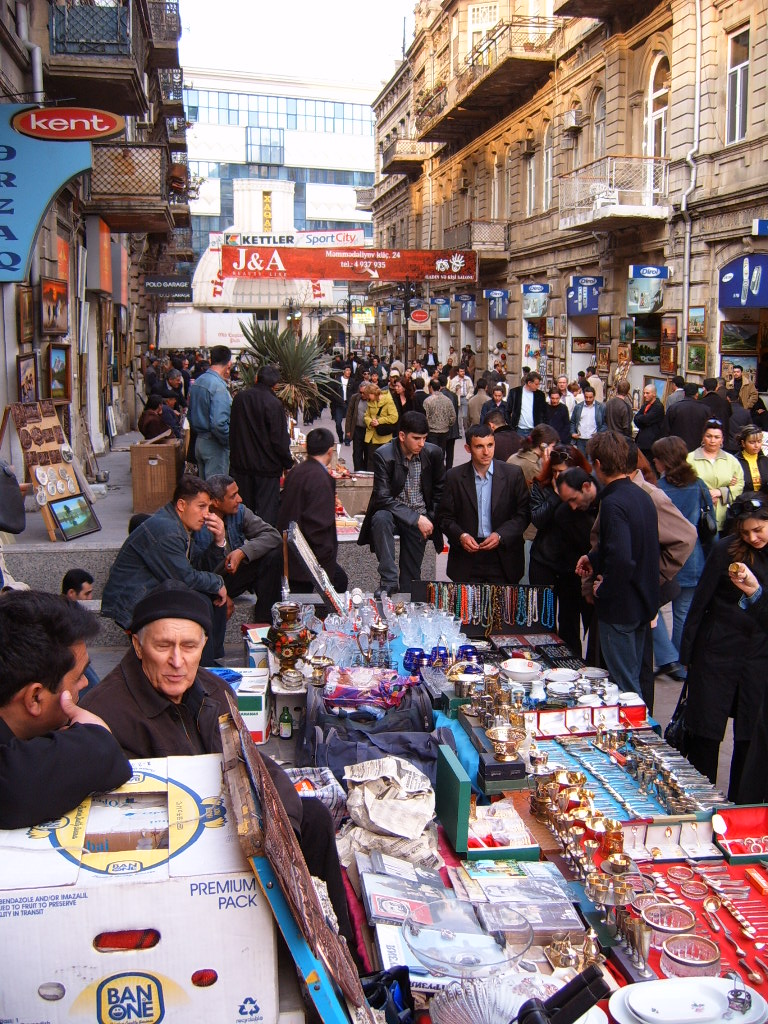
Operating only in the evenings, the Nizami Street Night Market offers street food, crafts, and souvenirs in a pedestrian zone. It is best for those interested in casual browsing and tasting local snacks after dark. Skip it if you want a traditional market or daytime shopping options.
Focus on the stalls near the Philharmonic Hall for a wider selection of crafts alongside food vendors.
Best for: evening street food and crafts
Yasamal Market for Textiles and Household Items
Yasamal Market offers textiles, household goods, and some food products but lacks the scale and atmosphere of larger markets. It is practical for specific shopping needs but not recommended for a general market visit. Skip it if you have limited time or want a more authentic market environment.
Check the second-floor textile section for better variety and quieter shopping conditions.
Best for: textiles and household goods
Plan your visit
Optimal Times to Visit Baku Markets
The best time to explore Baku’s markets is during the spring and fall months, when temperatures are mild and crowds are manageable. Avoid visiting in the peak summer months, as the heat can be intense and may deter you from fully enjoying the outdoor market experiences. Early mornings or late afternoons are ideal for a quieter atmosphere, especially on weekends.
Navigating Between Baku Markets
Baku’s markets are generally clustered in the city center, making them accessible on foot. You can easily walk between Taza Bazaar and the Nizami Street market. For a longer detour, consider taking a taxi to the Baku Boulevard market, which is a bit farther away but offers a different shopping experience. Public transport options like buses and the metro can also connect you to various market locations.
Admission and Operating Hours
Most markets in Baku are free to enter, allowing you to browse without any admission fees. Typical operating hours are from early morning until late evening, with some markets closing around 8 PM. It’s advisable to check specific hours before visiting, as they can vary by day and season.
Tips for Visiting Baku Markets
| Do | Don’t |
|---|---|
| Carry cash, as many vendors prefer cash transactions. | Assume that all vendors accept credit cards. |
| Visit during weekdays for a less crowded experience. | Expect the same variety of goods on weekends, as many vendors may be absent. |
| Bargain respectfully with vendors for better prices. | Be offended if a vendor declines to negotiate. |
| Try local snacks and drinks available at the markets. | Skip sampling food if you have dietary restrictions. |
| Wear comfortable shoes for walking between market stalls. | Wear formal attire, as markets are casual environments. |
| Take your time to explore different stalls. | Rush through the markets, as you’ll miss unique finds. |
Best Days to Visit
Consider visiting on a Tuesday or Wednesday, as these days typically see fewer tourists, allowing for a more relaxed shopping experience and better interactions with vendors.
Want a guided option? Find a tour →
Frequently Asked Questions about Baku Markets
1What is the best market to visit for local crafts?
Baku’s Taza Bazaar is the top choice for local crafts, offering a wide range of handmade goods and traditional Azerbaijani items. It’s a great spot to find unique souvenirs and support local artisans.
2Which market is ideal for fresh produce?
The Taza Bazaar is also the best for fresh produce, featuring a variety of fruits, vegetables, and spices. If you’re looking to experience local flavors, this market should be your first stop.
3Are there any night markets in Baku?
Yes, the Baku Night Market is a popular option for those looking to explore after dark. It features food stalls and local vendors, making it a lively spot for evening outings.
4How many markets can I realistically visit in one day?
You can comfortably visit two to three markets in a day, such as Taza Bazaar, Baku Night Market, and the Ganjlik Mall. Plan your route to maximize your experience without feeling rushed.
5Is there an entrance fee for the markets?
Most markets, including Taza Bazaar, do not charge an entrance fee, allowing you to explore freely. This makes them accessible for all visitors looking to experience local culture.
6Which market should I skip if I’m short on time?
If you’re pressed for time, consider skipping the Ganjlik Mall, as it focuses more on retail than local culture. Instead, prioritize Taza Bazaar for a more authentic experience.
Explore Baku’s Culinary Scene
After visiting the markets, head to one of Baku’s traditional restaurants to sample authentic Azerbaijani cuisine. This will enhance your cultural experience and allow you to taste the flavors you’ve seen at the markets.
Photos via Unsplash and Wikimedia Commons.
Some links on this page are affiliate links. We may earn a small commission at no extra cost to you when you book through them.