


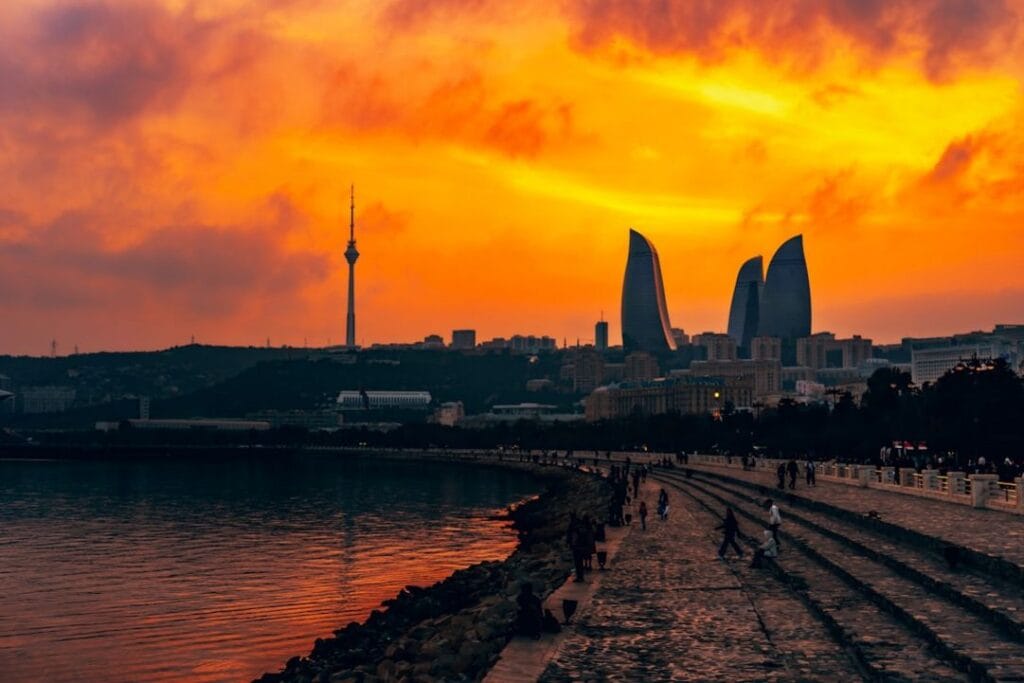
In Baku’s Old City, the scent of grilled kebabs mingles with the call to prayer echoing from Maiden Tower’s minarets.
Azerbaijan’s culture stands apart from neighbors like Armenia and Iran through its secular Shia majority combined with petrostate wealth. The country’s strict control over LGBTQ rights and political dissent marks a sharp contrast to regional norms. Ongoing tension over Nagorno-Karabakh underscores its unique social and political landscape, with documented extrajudicial harassment shaping daily life.
Never show public affection; Azerbaijan fuses petrostate glamour with strict LGBTQ crackdowns-no exceptions, no PDA anywhere.
Key takeaways
- Cover knees and shoulders when visiting Baku mosques for entry.
- Use Bolt app for safe, fixed-rate rides in Baku city.
- Bargain hard at Taza Bazaar; taxi fares are usually rounded up.
- Avoid photographing oil infrastructure and military zones near Absheron.
- Azerbaijan mixes Shia-Muslim traditions with oil wealth and strict social controls.
History that shaped Azerbaijan today
- 1918, Azerbaijan Democratic Republic declared independence, foundation of secular nationalism shapes modern state identity.
- 1920, Soviet Red Army invasion, entrenched cautious attitude toward external powers and centralized control.
- 1991, Collapse of USSR and renewed independence, sparked resurgence of national pride and oil-driven wealth ambitions.
- 2003, Ilham Aliyev elected president after Heydar Aliyev’s 1993-2003 presidency, solidified authoritarian governance and petrostate oligarchy.
- 2020, Nagorno-Karabakh war victory, intensified nationalist sentiment and strict social conformity under security concerns.
Resilience defines Azerbaijani mentality, rooted in the 1920 Soviet invasion. The brutal Soviet takeover crushed early independence dreams and imposed harsh control, creating a collective memory of survival under external domination. This memory feeds a deep-seated wariness of outsiders and authority, combined with a drive to protect national sovereignty. Tourists will notice this in the guarded social interactions and reluctance to openly discuss politics or sensitive topics. Locals often maintain a polite but reserved demeanor, especially in public or around strangers, reflecting a learned habit of self-censorship. This behavior can be misread as coldness or aloofness by visitors unfamiliar with Azerbaijan’s history of repression and control. Understanding this dynamic reveals that the distance is protective, not personal, rooted in decades of navigating authoritarian oversight and conflict.
indirect communication
1920 Soviet invasion imposed censorship and punishment for dissent, encouraging subtlety in speech.
For you as a traveler: Visitors will find locals often speak around sensitive topics and use nonverbal cues instead of direct answers.
respect for authority
2003 Heydar Aliyev’s presidency reinforced centralized power and loyalty to leadership structures.
For you as a traveler: Tourists will see unquestioning deference to officials and leaders in formal settings without open criticism.
suspicion of outsiders
Nagorno-Karabakh conflict since 2020 heightened security concerns and wariness of foreign intentions.
For you as a traveler: Strangers may encounter cautious or reserved behavior, especially around topics involving politics or ethnicity.
future-oriented economic pragmatism
1991 independence revival and oil wealth pushed focus on modernization and economic growth.
For you as a traveler: Tourists will notice a strong interest in business opportunities and material success in conversations.
Religion and spirituality
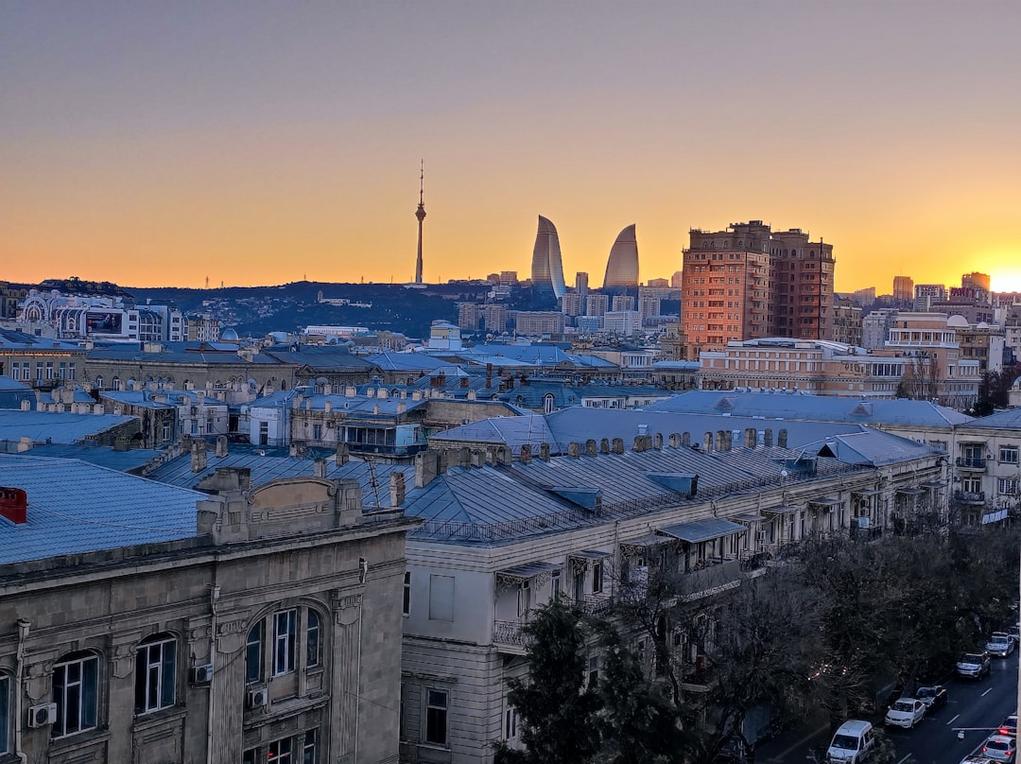
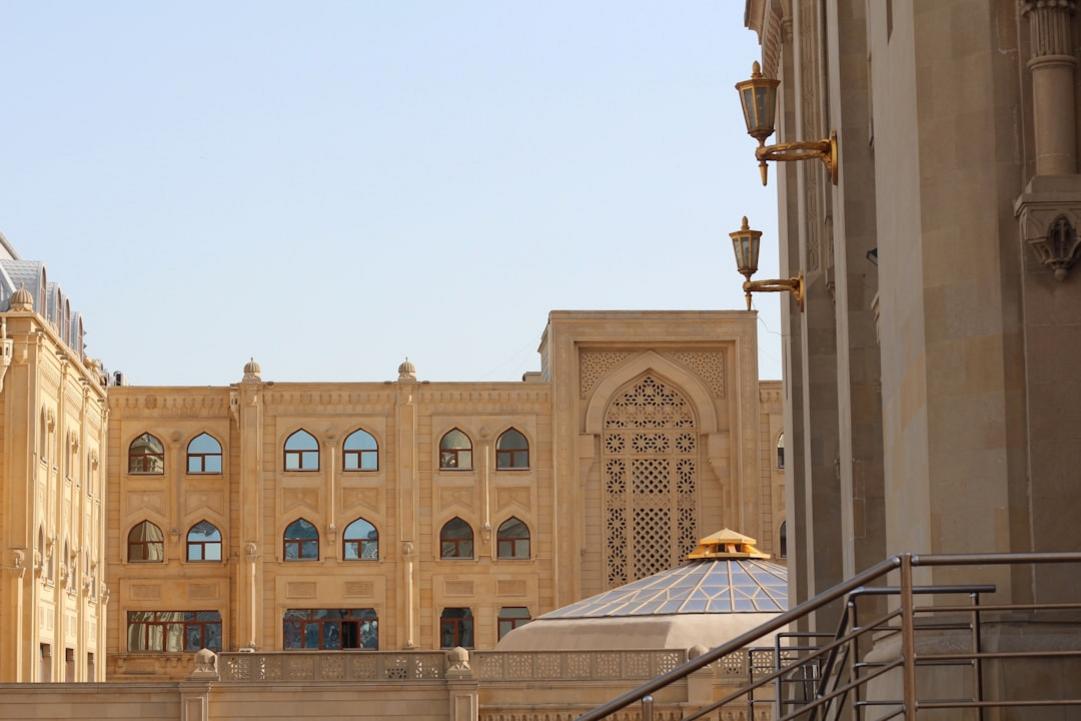
Religion shapes the sensory and social fabric of daily life in Azerbaijan, especially in Baku. The call to prayer echoes from minarets like those of the Bibi-Heybat Mosque and the Taza Bazaar area, marking rhythm and pause in the city’s bustle at prayer times. Mosques and mausoleums, such as the Shirvanshahs’ Palace complex, showcase Islamic architecture with intricate tilework and domes. The scent of incense and freshly baked flatbreads often fills the air near religious neighborhoods. Friday, the Muslim holy day, sees some shops close or reduce hours around midday prayers. Religious festivals, particularly during Ramadan, visibly alter dining and social schedules in some areas. Azerbaijan’s last census was in 2019 (the next is planned for 2029), and it underscores this religious presence, making faith a backdrop to urban life, audible, visible, and felt in daily routines and city soundscapes. Bibi-Heybat Mosque and the Taza Bazaar area, marking rhythm and pause in the city’s bustle. Mosques and mausoleums, such as the Shirvanshahs’ Palace complex, showcase Islamic architecture with intricate tilework and domes. The scent of incense and freshly baked flatbreads often fills the air near religious neighborhoods. Friday, the Muslim holy day, sees many shops close or reduce hours around midday prayers. Religious festivals, particularly during Ramadan, visibly alter dining and social schedules. Azerbaijan’s last census was in 2019 (the next is planned for 2029), and it underscores this religious presence, making faith a constant backdrop to urban life, audible, visible, and felt in daily routines and city soundscapes.
| Religion | % | Core value | What you see |
|---|---|---|---|
| Muslim | 97.3% | Community, prayer, modesty | Call to prayer broadcast five times daily |
| Christian | 2.6% | Faith, tradition, charity | Orthodox church bells ringing in neighborhoods |
| Other | 0.1% | Diversity, minority practice | Small religious gatherings in private homes |
At sacred sites
Photography and etiquette rules vary by site, so check locally before visiting. At Bibi-Heybat Mosque and the Shirvanshahs’ Palace, photography of military or border zones nearby is strictly forbidden. Visitors must cover knees and shoulders, remove shoes before entering prayer halls, and avoid pointing feet toward the Qibla wall. Head touching the prayer rug is reserved for worshippers; tourists should refrain. Donations go into designated boxes near entrances, never handed directly to imams. Interaction with clergy is respectful but minimal; avoid physical contact or prolonged conversation. Metro photography in Baku requires prior permission, and photography near active military or border installations, including around Nagorno-Karabakh, is restricted; check current rules before shooting.
Religion in Azerbaijan is mixed with specific carve-outs. It affects daily life mostly around sacred sites and Friday prayers but also shapes weekly rhythms and public behavior. Outside mosques, expect modest dress in urban centers like Baku, especially near religious neighborhoods. Food options adjust during Ramadan, with many restaurants closing during daylight hours. However, outside prayer times and religious holidays, secular life dominates city streets and tourist areas. Rural areas show stronger religious adherence in dress and social customs, but tourists generally experience religion as a structured part of specific moments, not constant pressure.
Handle with care
Strict ban on photographing military zones near Bibi-Heybat Mosque and Absheron oil infrastructure; violation risks arrest or denied entry.
How locals actually live
A median-income resident of Baku earns AZN 350 (~$200) monthly, living typically in a modest Soviet-era apartment in Nasimi or Narimanov districts. They commute mostly by metro or shared minibuses, costing around AZN 0.30 (~$0.17) per ride. Breakfast is simple: black tea with fresh bread and local cheese, roughly AZN 1.50 (~$0.85) at a neighborhood bakery. The workday runs from 9 AM to 6 PM in an office or government job, with a lunch break spent at a nearby canteen or street vendor, averaging AZN 4 (~$2.30). After work, evenings focus on family time or small social outings, often eating homemade meals featuring lamb or pilaf. Weekends include trips to parks like Dədə Qorqud or strolling Baku Boulevard, balancing relaxation with errands. This routine reflects a life shaped by steady but limited income, urban density, and a blend of traditional and modern influences in Azerbaijan’s capital.
The wealth gap in Baku is starkly visible between the glitzy, oil-rich district of Yasamal and the working-class settlement of Köhnə Günəşli nearby. Yasamal boasts luxury high-rises, designer shops, and upscale restaurants, while Köhnə Günəşli features cramped Soviet-era housing and informal markets. 5% of wealth (WID 2022). This gap reflects the uneven distribution of oil wealth and urban development. Tourists encounter both worlds easily: Yasamal hosts high-end hotels and embassies, while Köhnə Günəşli’s street bazaars and local eateries offer authentic urban experience. Popular sites like Fountains Square and the Old City bridge these divides, drawing visitors into diverse social layers.
| Region | What's distinctive | What it means for you |
|---|---|---|
| Baku/Absheron | Oil-wealth capital with a Shia-Muslim secular tilt. | Dress modestly for mosque visits; use metro or taxis for transport. |
| North (Quba, Qusar) | Lezgin and Tat minorities maintain Caucasus mountain culture. | Prepare for cooler temps; expect different languages and bargaining styles. |
| South (Lankaran) | Talysh ethnic region with distinct cuisine and Iranian border influence. | Try local dishes; modest dress advised near rural villages. |
| Nakhchivan exclave | Isolated by Armenia, governed with strict local rules. | Obtain special permits; expect stricter security checks. |
Most Baku households are nuclear but often live near extended family for support. Informal economy work accounts for about 20%, especially in services and small trade. Homeownership is common in older districts, while younger families tend to rent apartments in new developments. Rising housing costs push many to share flats or live in Soviet-era buildings with limited amenities. Multigenerational living is less frequent in the capital but persists in suburbs and smaller towns.
Where your path crosses theirs
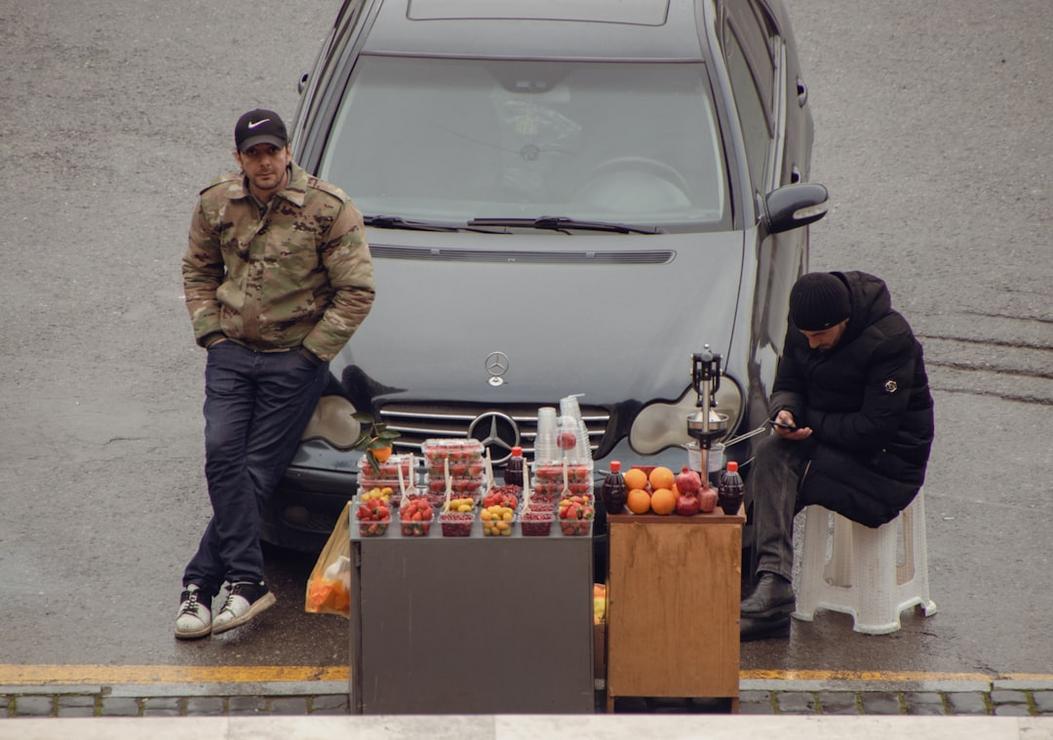
Tourists cross income lines daily: ordering street food at Taza Bazaar contrasts with shopping in Flame Towers’ luxury malls. Taxi rides with local Grab drivers offer a window into working-class life, while hotel concierges represent elite service. Night markets buzz with locals, rooftop bars cater to wealthy expats and oil-sector visitors. Tip small vendors with exact change; bargain politely at markets but pay fixed prices at upscale venues. Respect local norms by avoiding loud haggling near wealthy areas to blend in smoothly.
Etiquette and the behavior code
The default greeting: A firm handshake is the default greeting between men; women usually nod or smile and rarely initiate contact. A slight nod or bow is common in formal or elder interactions. A full phrase and pronunciation guide lives on the Azerbaijan language page.
Dining
Use a fork and knife for most dishes, but rice is traditionally eaten with a spoon or fingers, never a fork. Expect to share dishes family-style; avoid stabbing rice with a fork as it’s considered rude. The payer is usually the host or the highest-ranking guest; to ask for the check in a restaurant, catch the server’s eye or say it quietly-splitting bills is uncommon and may cause offense. Street meals cost around 5-10 AZN ($3-6), while midrange restaurants run 30-50 AZN ($18-30) per person. Alcohol is served but consumed moderately; hosts may offer vodka or wine, and refusing politely is acceptable. Drinking is usually separate from meals at home, with toasts marking special occasions.
What to wear where
| Context | Requirement | Why |
|---|---|---|
| temple/sacred-site | Cover knees and shoulders; women should bring a light scarf for head covering. | Denied entry if uncovered; strict enforcement at mosques like Bibi-Heybat. |
| beach/resort | Lightweight, quick-dry synthetic swimwear; cover-up for walking outside beach areas. | Cotton traps humidity (90%+), causing discomfort; modesty expected off-beach. |
| government/formal | Dark, breathable wool-blend suit or dress with closed shoes; no sleeveless tops. | Dress code enforced; casual attire risks denied access or disrespect perception. |
| everyday/street | Lightweight cotton or linen pants and shirts; closed shoes or sneakers; no shorts in city. | Shorts and tank tops draw unwanted attention; breathable fabrics prevent heat exhaustion. |
Photography rules
Photography of military and border areas is strictly banned, including Nagorno-Karabakh conflict zones. Metro photography in Baku requires prior official permission. Oil infrastructure sites, especially on the Absheron Peninsula, are off-limits for photos. Always ask permission before photographing individuals, especially religious figures like imams. Photographing police or military personnel without consent can lead to detention. Violating these rules risks camera confiscation and fines, with deportation possible for repeat offenders.
Gestures to avoid
1. Showing the soles of your feet is highly offensive, signaling disrespect. 2. Touching or patting someone's head is taboo, especially with elders or children. 3. Using the left hand to give or receive items is frowned upon in formal settings. 4. Pointing directly at people with a finger is rude and confrontational. 5. Beckoning someone with a finger palm up is considered impolite and can cause offense.
Temple / mosque conduct
Remove shoes at the entrance and place them neatly outside. Confirm knees and shoulders are fully covered; women must wear a scarf over their hair. Approach quietly from the side, avoiding direct eye contact with worshippers. Do not touch prayer rugs or religious objects. Donations go into designated boxes near entrances, never given directly to imams. Avoid addressing imams or religious leaders directly unless invited; maintain respectful silence. Follow mosque-specific rules strictly, especially at Bibi-Heybat Mosque and Shirvanshahs’ Palace.
Do's and don'ts in Azerbaijan
Do
- Cover knees and shoulders entering Bibi-Heybat Mosque
Temple entry requires modest dress to avoid being denied access.
- Ask permission before photographing locals in Taza Bazaar
Respect prevents social friction and possible refusal or hostility.
- Tip 5-10% in restaurants without service charge
Tipping is expected and appreciated, improving service quality.
- Bargain firmly at Taza Bazaar markets
Prices are inflated initially; hard bargaining saves up to 30%.
- Use Bolt app for rides after 9 PM in Baku
Bolt offers fixed fares and safer rides late at night.
- Wear long pants or skirts in public government offices
Respect for official spaces avoids unwanted attention or refusal.
- Pay with exact change or round up taxi fares
Drivers expect rounding up; exact payments speed transactions.
Don't
- Don't photograph military or oil infrastructure
Strict legal bans; violations risk fines, detention, or equipment confiscation.
- Don't discuss Nagorno-Karabakh conflict publicly
Political sensitivity can trigger police monitoring or harassment.
- Don't take photos inside metro without official permission
Unauthorized photography can lead to police fines or questioning.
- Don't criticize Aliyev family wealth openly
Political repression targets dissent; risks include arrest or interrogation.
- Don't enter border or restricted military zones
Strict enforcement with potential arrest and deportation.
- Don't share social media posts on human rights imprisonments
Authorities monitor online content; may provoke extrajudicial actions.
- Don't bargain taxi fares using apps with fixed pricing
Bolt and similar apps have fixed rates; bargaining causes conflict.
For solo female travelers
Use Bolt app for safe, fixed-price rides after dark in Baku. Avoid Sahil metro area late at night and Old City alleys solo after sunset. On everyday streets, wear casual but modest clothing-no headscarves needed, but keep shoulders and knees covered outside religious sites. Moderate harassment and staring occur, especially in crowded places, but it rarely escalates. Locals often use small handheld fans and carry bottled water to cope with humidity; travelers miss this simple comfort hack. This approach maximizes control and comfort without unnecessary restrictions.
For LGBTQ+ travelers
LGBTQ+ status has been legal since 2000, but Azerbaijan ranks worst in Europe per ILGA Rainbow 2024. Urban PDA is strictly prohibited everywhere, including liberal districts like Nizami Street, with no tolerance. Rural areas enforce this even more harshly with zero visible acceptance. No criminal penalties exist for homosexuality, but extrajudicial harassment, forced medical exams, and police raids occurred notably in 2017 and 2023. Social friction and fear of detention keep LGBTQ+ individuals discreet, with no public displays tolerated.
For couples
Holding hands is tolerated discreetly at beaches and restaurants but avoided on public transport and near religious sites. Same-sex couples face stricter social disapproval than different-sex couples, with no visible PDA allowed anywhere. Overstepping results in stares, possible denial of service, or police questioning, especially in conservative or official areas. Public displays are best kept minimal to avoid confrontation.
Traveling with kids
Children are welcomed in public spaces, with no age restrictions on outings. Baku sidewalks vary: central areas near Fountain Square are stroller-friendly, but many Old City streets have uneven cobblestones. Kid menus are rare, mostly found only at international chains like McDonald's or Pizza Hut. Breastfeeding in public is generally accepted without issue. Car seats or helmets for children are not legally enforced, but using them improves safety on busy city roads.
Frequently asked questions
1Do I tip at street food stalls in Azerbaijan?
Tipping at street food stalls is not expected but appreciated. At casual restaurants without a service charge, leave 5-10% of the bill. Small gestures like rounding up taxi fares are common but not mandatory.
2Is tap water safe to drink in Azerbaijan?
Tap water in Baku and major cities is generally not safe to drink without boiling. Bottled water is widely available and recommended for tourists to avoid stomach issues.
3Where can I bargain in Azerbaijan and where should I not?
Bargaining is expected and encouraged at Taza Bazaar and carpet shops, where vendors expect hard negotiation. Avoid bargaining on Bolt taxi fares, which are fixed, and in most restaurants and malls.
4Are alcohol and drugs legal in Azerbaijan?
Alcohol is legal and widely available but public drunkenness is frowned upon. Drug use is illegal with severe penalties. Post-2024, enforcement remains strict amid broader human rights concerns.
5Do I need to take off my shoes in Azerbaijan?
Shoes are usually removed when entering private homes and some mosques. In shops and restaurants, shoes stay on. Always watch for cues or ask when entering religious sites.
6What is one important public transport etiquette rule in Azerbaijan?
Priority seating is reserved for elderly, disabled, and pregnant passengers. Eating, loud phone calls, and loud music on buses or metro are considered rude and are best avoided.
7What hand gesture should I avoid in Azerbaijan?
Avoid the 'thumbs-up' gesture in certain contexts; it can be seen as rude or offensive, unlike in Western cultures. Use a firm handshake or nod instead.
8What is the one phrase worth learning in Azerbaijan?
Learning a polite greeting phrase opens doors and shows respect. It signals friendliness and willingness to engage with local culture, smoothing interactions in shops and social settings.
9Can I photograph people, religious ceremonies, or police in Azerbaijan?
Avoid photographing military or border areas, oil infrastructure, and police. Photographing people or religious ceremonies requires explicit permission. Metro photography also requires official approval.
10Is public affection allowed in Azerbaijan?
Public displays of affection are strictly prohibited for all, especially LGBTQ couples. Even holding hands can draw unwanted attention or harassment due to strict social norms and legal risks.
The bottom line
Azerbaijan blends Shia-majority traditions with a secular petrostate’s wealth and a firm social crackdown, demanding respect for strict local customs and legal realities.