


Heydar Mosque in Shamakhi stands as a modern religious landmark with clear ties to Azerbaijan‘s recent history.
This mosque, opened in late 2014 and named after former President Heydar Aliyev, offers a glimpse into Azerbaijan’s contemporary cultural identity. Its architecture and scale mark it as a deliberate statement rather than an ancient relic, making it a focused stop for those interested in post-Soviet religious and political symbolism. The mosque’s location in the Binqdi raion of Baku places it within reach for a half-day cultural outing.
Visiting the mosque requires minimal time, as the site is straightforward with no complex ticketing or guided tours. The main constraint is respecting the dress code and prayer times, which can limit access during certain hours. The mosque’s modern construction means it lacks the layered history of older sites but compensates with clear ties to Azerbaijan’s national narrative.
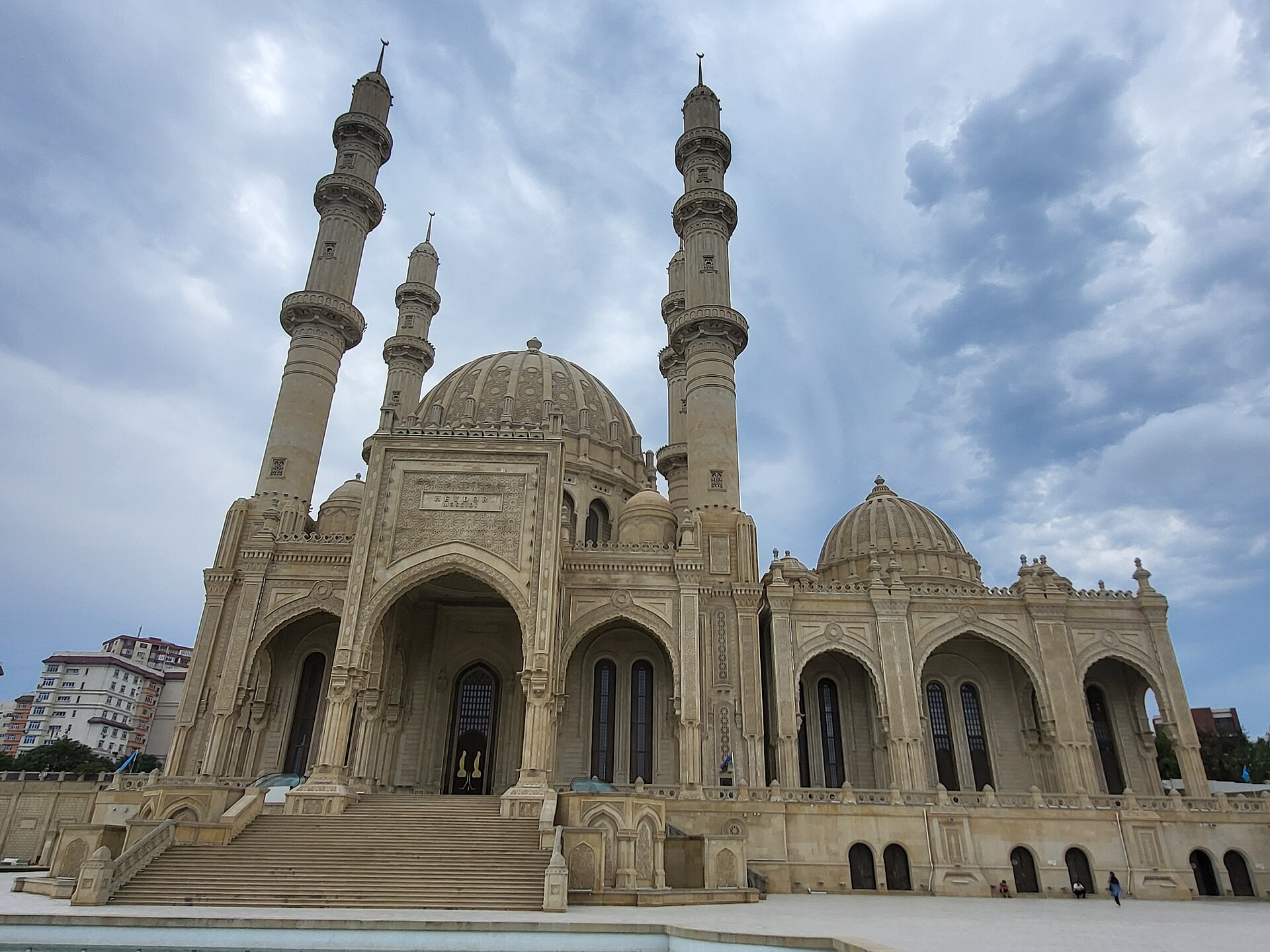
What to expect
- Notice the mosque’s large dome and minarets reflecting modern Islamic architecture.
- Observe the polished marble floors and clean, spacious prayer halls inside.
- Experience the quiet atmosphere shaped by ongoing religious use and local visitors.
- See the mosque’s exterior inscriptions and symbols linked to Heydar Aliyev’s legacy.
- Walk the surrounding grounds that contrast with Shamakhi’s older urban fabric.
Evaluating Heydar Mosque for Your Cultural Itinerary
Selective cultural stopHeydar Mosque’s appeal lies in its role as a modern symbol rather than a historic monument. The site demands respect for dress code and prayer schedules, which can restrict access during peak religious hours. Entry is free or low cost, and the visit takes under an hour, making it a low-investment stop. However, travelers seeking deep historical layers or architectural antiquity will find it lacking. Prioritize this mosque if your interest centers on Azerbaijan’s recent political history and contemporary religious architecture. Otherwise, allocate more time to older sites in Shamakhi for richer cultural context.
Heydar Mosque Visit Details
| Location | Binqdi raion, Baku, Azerbaijan |
| Opening Date | December 26, 2014 |
| Visit Duration | Under 1 hour |
| Entry Fee | Free or nominal |
| Dress Code | Modest clothing required; headscarf for women |
| Access Restrictions | Limited during prayer times |
Exploring Heydar Mosque: Architecture and Modern Azerbaijani Identity
Start your visit at the mosque’s main entrance, where the clean lines of the white marble facade and the tall minarets immediately signal its modern construction. The mosque opened in late 2014, so expect a contemporary feel rather than ancient ornamentation. Inside, move first to the prayer hall, where the high ceilings and large chandeliers create a spacious atmosphere. Note the geometric patterns on the walls and floors, which reflect traditional Islamic art but with a simplified, modern execution.
After the prayer hall, head to the courtyard. It offers a quiet space framed by arches and columns, giving a sense of openness uncommon in older mosques. Avoid lingering too long if a service is underway, as the mosque remains an active place of worship. The site has no formal ticket or entrance fee, so plan your visit around prayer times to avoid crowds. Finish by observing the exterior details, especially the calligraphy inscriptions near the minarets, which honor Heydar Aliyev, the mosque’s namesake and former president.
Key Features of Heydar Mosque
Main Prayer Hall
This large, open space is the mosque’s spiritual core, designed to hold hundreds of worshippers. The ceiling’s height and the arrangement of chandeliers emphasize verticality, while the floor’s patterned carpets mark individual prayer spots.
TipVisit the prayer hall just before midday prayers to see the space in use without blocking worshippers, as the hall empties quickly after the call to prayer.
Marble Facade and Minarets
The mosque’s exterior uses white marble to create a clean, modern look. The two minarets rise sharply, featuring calligraphy that references Heydar Aliyev’s legacy, linking the building to Azerbaijan’s recent political history.
TipPhotograph the minarets from the street corner just outside the mosque’s main gate for a symmetrical view that captures the inscriptions clearly.
Courtyard with Arches
The open courtyard is framed by a series of arches and columns, providing a transitional space between the mosque’s interior and the outside world. It serves as a gathering place during festivals and prayer overflow.
TipUse the courtyard’s benches to rest and observe local worshippers, but avoid peak prayer times when the area fills quickly.
Calligraphy Inscriptions
Near the minarets and entrance, Arabic calligraphy spells out Quranic verses and dedications to Heydar Aliyev, blending religious and political symbolism in the mosque’s design.
TipFocus on the inscriptions on the eastern minaret, where the lighting in the late afternoon highlights the carved letters without glare.
What to Bring
- Modest clothing
The Heydar Mosque requires visitors to dress conservatively, covering shoulders and knees. - Cash in Azerbaijani manat
While entry is free, having cash is useful for donations or nearby vendors. - Sunglasses
The mosque’s reflective surfaces can create glare, especially on sunny days. - Water bottle
Stay hydrated while exploring the mosque and its surroundings, especially in warmer months. - Notebook or sketchpad
The intricate architectural details and design elements are worth documenting.
How to Get There from Shamakhi
The Heydar Mosque is approximately 30 kilometers from Shamakhi, taking about 30 minutes by car.
- Taxi
Negotiate the fare before getting in to avoid surprises. - Bus
Check local schedules as buses may run infrequently; aim for morning departures. - Rental car
Consider renting a car for flexibility, especially if planning to visit other sites nearby.
Site-Specific Risks
- Dress code refusal
Ensure you wear appropriate clothing to avoid being turned away at the entrance. - Crowds during prayer times
Visit outside of prayer times to enjoy a quieter experience. - Limited facilities
Plan ahead for restroom breaks, as options may be limited near the mosque. - Photography restrictions inside
Ask staff about photography rules before taking pictures to avoid issues.
Timing Insight: Visit Early Morning
Arriving early allows you to experience the mosque with fewer visitors and better lighting for photos.
Frequently Asked Questions about Heydar Mosque
1Is there a dress code for visiting Heydar Mosque?
Visitors are expected to dress modestly, covering shoulders and knees. Women should bring a scarf to cover their hair, as this is required for entry. Prioritize respectful attire to ensure a smooth visit.
2Are there guided tours available at Heydar Mosque?
Guided tours are not officially provided, but local guides may offer their services outside the mosque. Hiring a guide can enhance your understanding of the mosque’s architecture and significance. Opt for a guide if you want in-depth insights; otherwise, explore on your own.
3Can I take photographs inside Heydar Mosque?
Photography is allowed inside the mosque, but be respectful of worshippers and avoid using flash. Capture the intricate details of the architecture and the serene atmosphere. Prioritize your photography during quieter times to avoid disturbing others.
4What facilities are available for visitors at Heydar Mosque?
There are no restrooms or lockers directly at the mosque, so plan accordingly before your visit. Consider using facilities at nearby cafes or public areas in Shamakhi. Arrive prepared to avoid discomfort during your visit.
5What should I do if I arrive during a prayer service?
If you arrive during a prayer service, it is best to wait outside until the service concludes. This shows respect for the worshippers and allows you to experience the mosque in a quieter atmosphere afterward. Plan your visit around prayer times to maximize your experience.
6Are there any unofficial tickets or fees to be aware of?
There are no unofficial tickets or fees required to enter Heydar Mosque, as it is open to the public. Be cautious of any individuals claiming otherwise, as they may be attempting to scam visitors. Enjoy your visit without worrying about hidden costs.
Explore the Shamakhi Region
After visiting Heydar Mosque, head to the nearby Juma Mosque, known for its unique architecture and historical significance. This short trip will deepen your understanding of the region’s cultural heritage.
Photos via Unsplash and Wikimedia Commons.
Some links on this page are affiliate links. We may earn a small commission at no extra cost to you when you book through them.