



Paying with Thai baht (THB) often feels straightforward, but many tourists face unexpected costs from dynamic currency conversion (DCC) scams at exchange counters and card payments. These hidden fees inflate expenses beyond official rates, complicating even simple purchases.
The Bank of Thailand actively fines operators running exchange scams, yet DCC remains the biggest cost trap for visitors. Travelers should prepare by understanding local currency handling and avoiding payment methods that trigger inflated conversion rates.
Live Thailand exchange rates
Check live Thai baht (THB) exchange rates before converting or withdrawing cash to avoid surprises. Use the for accurate, up-to-date currency values tailored to your trip.
Currency Basics: Thailand
| Currency name | Thai baht |
|---|---|
| ISO code + symbol | THB, ฿ |
| Issuing bank | Bank of Thailand |
| Coin denominations in circulation | 25, 50 satang; 1, 2, 5, 10 baht |
| Bill denominations in circulation | 20, 50, 100, 500, 1000 baht |
| Current series in circulation | King Rama X portrait series |
Thai baht notes feature tactile and visual security elements that vary by denomination. The 20 and 50 baht notes include a transparent window and embossed tactile marks. The 100, 500, and 1000 baht notes add color-shifting ink and a latent image of the royal emblem. All notes display intricate watermark portraits and security threads visible under light.
The 1000 baht note requires the most scrutiny due to its high value and frequent counterfeiting attempts. Travelers often encounter older King Rama IX design notes alongside the current King Rama X series, which differ in color tone and watermark style. Thai culture respects crisp notes, so vendors may reject heavily worn bills, especially in rural areas.
Counterfeit red flags
- 1000 baht notes lacking embossed tactile marks along the edge
- Color-shifting ink on 500 baht notes that does not change when tilted
- Transparent window on 20 and 50 baht notes appearing cloudy or missing
- Watermark portrait on 100 baht notes that is faint or absent under light
How Payment Works in Thailand
mixed – Thailand’s tourist spots accept cards widely, but cash remains essential outside major cities and markets
In Thailand, cash dominates daily life beyond tourist hubs. Street vendors, local markets, and rural areas rarely accept cards, pushing visitors to carry Thai baht (THB) in hand. Foreign cards work smoothly in hotels, upscale restaurants, and larger retail chains, but expect occasional declines or offline terminals in smaller shops.
ATMs are abundant in cities and tourist centers but sometimes limit withdrawals or charge fees. Card acceptance is decent but uneven; many places set minimum spend thresholds or add surcharges. Prepare to rely on cash for transport and small purchases, even if your card is widely accepted on paper.
Expect to use cash for tuk-tuks, local food stalls, and temple donations. Cards work best in urban areas and tourist hotspots but often with restrictions. Withdraw Thai baht (THB) at airport ATMs first to avoid high fees later.
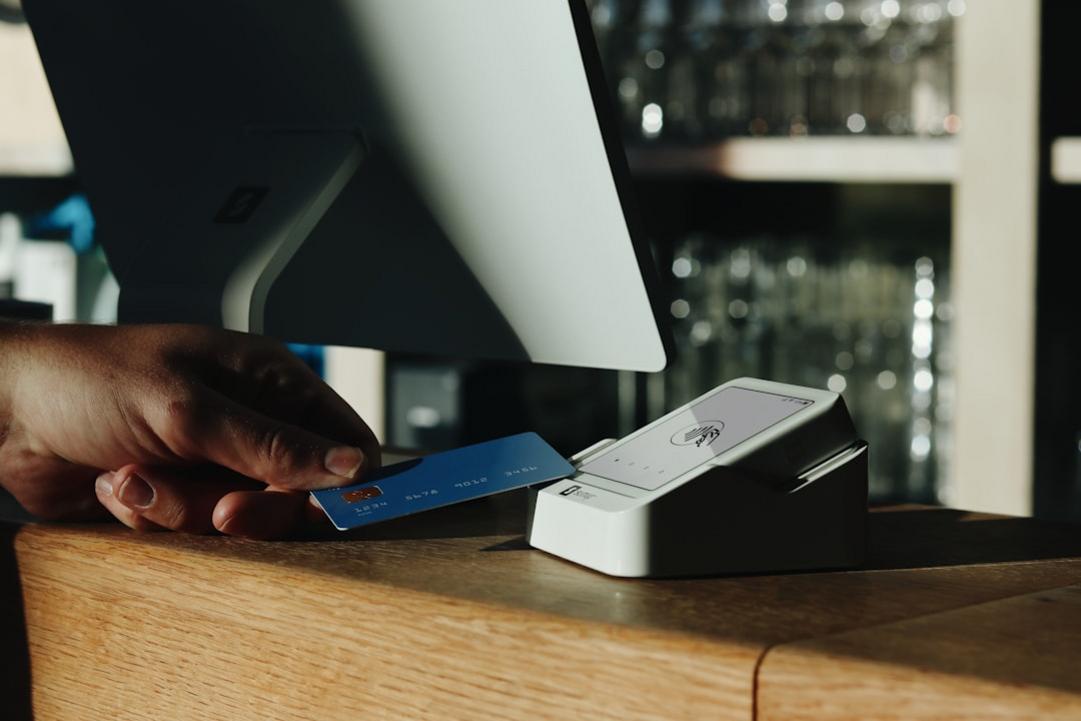
Where you need cash
| Situation | Why cash-only |
|---|---|
| local street food stalls | No card terminals due to low transaction value and lack of infrastructure; cash is the only option. |
| rural guesthouses | Limited or no internet connectivity prevents card terminal use; cash is preferred for simplicity. |
| minibus and shared taxi routes | Drivers operate informally without POS devices; cash-only fares are standard practice. |
| temple entrance fees and donations | Religious and cultural settings avoid electronic payments, relying solely on cash donations and fees. |
| night markets and local bazaars | Vendors prioritize cash to avoid card terminal fees and offline processing risks. |
Where cards work
| Situation | Caveat |
|---|---|
| mid-range and upscale hotels | Some hotels add a 2-3% surcharge on foreign card payments. |
| large shopping malls and department stores | Minimum spend of about 300 THB often required for card payments. |
| international fast-food chains | Foreign cards accepted but some locations may experience occasional terminal outages. |
| airport taxis with official booths | Cards accepted but with a fixed surcharge between 3-5%. |
| tour operators and activity centers in tourist zones | Card payment accepted but may charge a convenience fee or limit to Visa/Mastercard only. |
Card network acceptance (Visa, Mastercard, Amex, UnionPay)
| Network | Coverage | Surcharge |
|---|---|---|
| Visa | Widely accepted in urban and tourist areas, including hotels, malls, and restaurants. | Typically 2-3% surcharge on foreign cards in many venues. |
| Mastercard | Good coverage in major cities and tourist spots, slightly less than Visa in remote areas. | Similar 2-3% surcharge common on foreign card transactions. |
| Amex | Accepted mainly in high-end hotels, luxury retail, and some tour operators. | Higher surcharges of up to 4% and less widespread acceptance. |
| UnionPay | Limited acceptance mostly in tourist-heavy areas catering to Chinese visitors. | Surcharges vary; some merchants may refuse UnionPay due to lower demand. |
Digital wallets
| Wallet | How tourists can use it |
|---|---|
| Alipay Tourist Edition | Activate via app without local bank account; ideal for Chinese tourists but available to others for select merchants. |
| WeChat Pay (Tourist Mode) | Setup with passport and foreign card; works at major tourist venues accepting Chinese payment apps. |
| Revolut Wallet | Use linked Revolut card for QR payments where accepted; no local bank needed. |
Wallets that don’t work for tourists
| Wallet | Barrier |
|---|---|
| PromptPay | Requires Thai mobile number and bank account for registration; inaccessible to tourists without local SIM. |
| TrueMoney Wallet | Needs Thai national ID and bank linkage; foreign tourists cannot fully activate or top up. |
Wise vs Revolut in Thailand
Wise offers excellent exchange rates for Thai baht (THB) and charges a small fixed fee on ATM withdrawals, capped to keep costs low. However, some Thai ATMs limit withdrawal amounts or charge their own fees on top. Revolut’s exchange rates are competitive but occasional card declines occur in less urban areas due to local bank restrictions or terminal compatibility. Both cards work well in Bangkok and tourist hubs, but Wise’s transparent fees and better ATM fee caps give it a slight edge for longer stays. For quick trips, Revolut’s instant top-up and app interface can be more convenient.
ATMs & Currency Exchange
Best ATMs for foreign cards
| Bank / ATM | Why use it | Fee note |
|---|---|---|
| Bangkok Bank | Extensive ATM network across Thailand, widely accepts foreign cards with reliable uptime. | 220 THB (approx. $6.30) foreign transaction fee applies at most ATMs. |
| Siam Commercial Bank (SCB) | Strong presence in urban and tourist areas, accepts foreign cards consistently. | 220 THB foreign fee standard; avoid DCC prompts. |
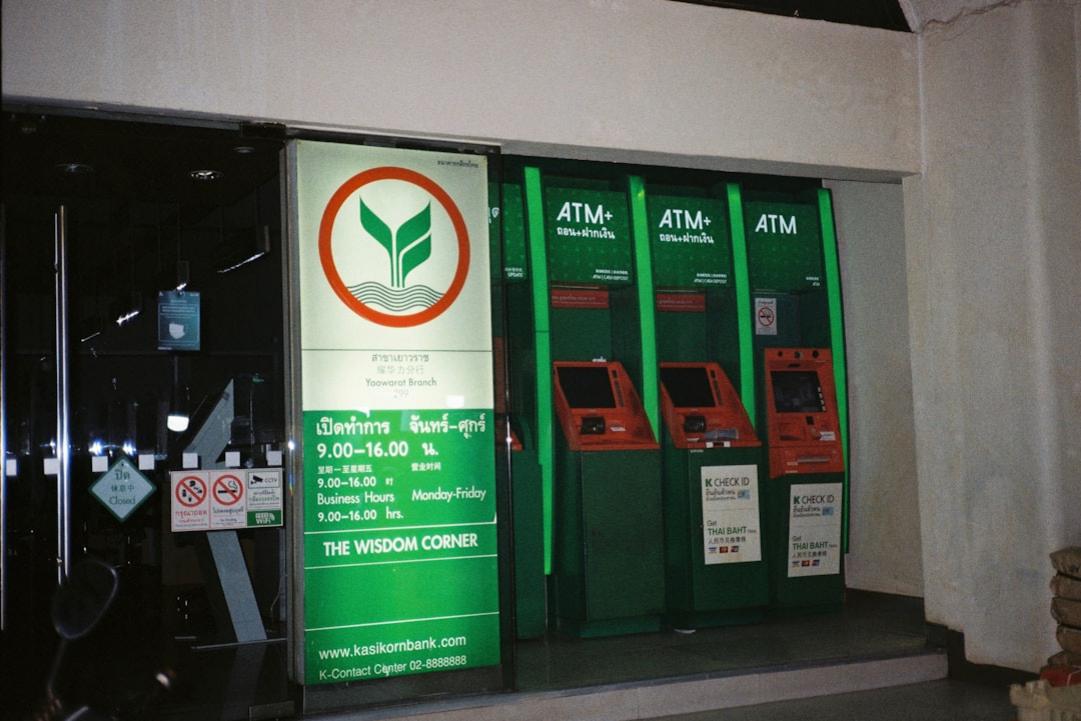
| Kasikorn Bank | Good coverage in cities, friendly to international cards with minimal local fees. | Foreign fee around 220 THB; decline DCC. |
| Krungthai Bank | Reliable ATMs in Bangkok and major tourist hubs, supports major foreign cards. | 220 THB foreign fee; no local withdrawal fee but watch for DCC. |
ATMs to avoid
| ATM type | Why to avoid |
|---|---|
| Airport Independent ATMs | High foreign fees often exceeding 300 THB; frequent DCC prompts with poor exchange rates. |
| 7-Eleven Standalone ATMs | Unreliable foreign card acceptance, frequent DCC offers, and limited cash denominations. |
Withdrawal strategy
Withdraw 10,000 THB (approx. $285) per transaction to minimize the fixed 220 THB foreign fee impact. Most ATMs allow up to 20,000 THB withdrawals, but 10,000 THB balances fee efficiency and local denomination availability. Limit withdrawals to once every 3-4 days to reduce cumulative fees while ensuring enough cash for daily expenses and transport, especially outside Bangkok where cash use is higher.
Dynamic Currency Conversion – always decline
Dynamic Currency Conversion (DCC) is offered at most Thai ATMs as a screen prompt asking: “Charge in USD or Thai baht (THB)?” Always select Thai baht (THB) to avoid poor exchange rates and extra fees. For example, the prompt will read: “Do you want to be charged 300 USD or 10,000 THB?” Choose 10,000 THB to pay in local currency.
Skimming & card fraud
High-risk ATMs include those at Suvarnabhumi Airport terminals, Khao San Road tourist strip, and standalone machines in convenience stores or bars. Check for wobbling card slots, keypad shields, and hidden cameras above or beside the keypad. Avoid using ATMs after dark or in isolated locations; use bank branch ATMs during business hours for safer transactions.
Currency exchange
| Where | Why it works |
|---|---|
| SuperRich Thailand | Known for competitive rates and transparent fees in Bangkok and tourist areas. |
| Vasu Exchange | Reliable chain with fixed rates, no commission, and multiple Bangkok locations. |
| Bank Counters (Bangkok Bank, SCB, Kasikorn Bank) | Official rates, no commissions, and secure transactions at bank branches. |
| TT Currency Exchange | Good rates and reputation in central Bangkok, especially near Sukhumvit. |
Exchange counters to avoid
| Where | Why to avoid |
|---|---|
| Airport Currency Exchange Booths | Poor exchange rates and extra commission fees. |
| Hotel Front Desk Exchange | High commissions and unfavorable rates compared to city exchanges. |
How much cash to carry
Carry $50 (1,700 THB) in cash for daily city expenses like transport, meals, and small purchases. In rural areas, increase to $70 (2,400 THB) due to limited card acceptance and fewer ATMs. For nightlife or tourist hotspots, carry $100 (3,400 THB) to cover cover charges, taxis, and cash-only vendors. Keep the rest securely stashed in a hotel safe or money belt.
Emergency backup
Use two cards: a primary chip-and-PIN Visa or Mastercard and a backup prepaid card like Wise or Revolut. Store emergency cash equivalent to $200 (6,800 THB) separately from your wallet. If a card is blocked, contact local bank hotlines (Bangkok Bank: +66 2645 5555), freeze cards instantly via Wise/Revolut apps, and avoid calling home before confirming local options to resolve issues faster.
Scams, Safety & Cash Handling
Common money scams in Thailand
Counterfeit Passing
How it works: Fake Thai baht (THB) bills, especially 1000 and 500 notes, are passed in busy markets or taxi transactions. They look genuine but fail UV or watermark checks. Scammers rely on quick exchanges and tourist distraction.
How to avoid: Always check bills under light for watermarks and security threads before handing over cash. Use smaller denominations for daily spending and avoid accepting large bills from street vendors or informal sellers.
Exchange Sleight of Hand
How it works: At unofficial currency exchange booths or street changers, the scammer quickly switches your genuine Thai baht (THB) notes with fakes or gives less money than agreed, exploiting tourists unfamiliar with local denominations.
How to avoid: Use official banks or licensed exchange counters. Count your money carefully in front of the exchanger. Familiarize yourself with Thai baht denominations and common security features before exchanging.
Taxi Meter Manipulation
How it works: Taxi drivers refuse to use the meter or reset it midway, charging inflated flat rates. In tourist areas, they may take longer routes to increase fare or claim meter breakdowns.
How to avoid: Insist on meter use before starting. If refused, decline the ride. Use app-based rides like Grab where possible. Agree on flat fare upfront only if you know the route cost.
ATM Change-Swap
How it works: At some ATMs, especially standalone machines in tourist zones, scammers install devices that skim cards or swap dispensed cash with fake notes. Sometimes, they distract users during withdrawal to switch bills.
How to avoid: Use ATMs inside banks or reputable malls. Inspect machines for unusual attachments. Count cash immediately in a secure spot. Avoid help from strangers near ATMs.
Wrong-Change Trick
How it works: Shopkeepers or tuk-tuk drivers give incorrect change by swapping bills or confusing denominations, banking on tourists’ unfamiliarity with Thai baht (THB) notes.
How to avoid: Know Thai baht denominations well. Count change carefully in front of the vendor. Avoid paying with large bills for small purchases.
Fake Police Money Inspection
How it works: Fake officers stop tourists, claiming to check for counterfeit money or illegal currency. They demand to inspect cash and may confiscate money or demand fines on the spot.
How to avoid: Real police always show official ID and rarely conduct random cash checks. If stopped, ask for identification and refuse to hand over money. Walk away and report suspicious behavior.
Anti-theft carry method
Use a neck wallet under your shirt when in crowded BTS Skytrain stations, night markets, and tourist hubs like Khao San Road. Pickpockets prefer backpacks and open bags. A neck wallet keeps cash and cards close, hidden from snatchers common in crowded, chaotic areas. Avoid money belts on beaches or scooters where heat and sweat cause discomfort.
The three-wallet system
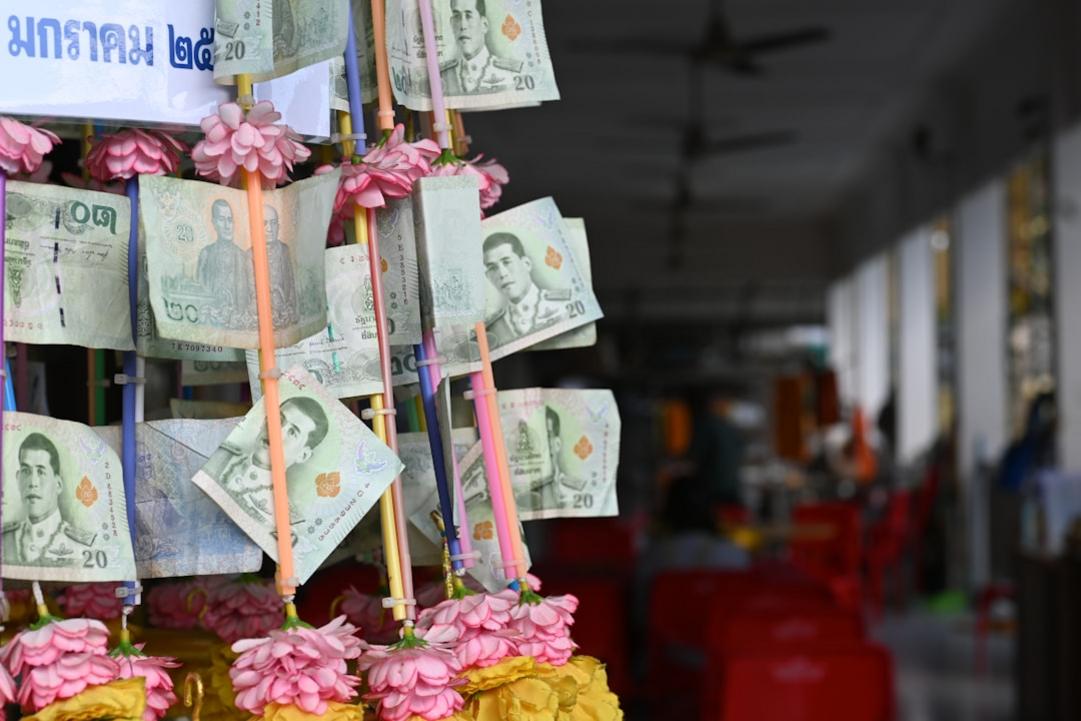
Carry a dummy wallet with 200-300 THB in small denominations (20, 50 baht) and a few low-value coins for street-level distractions. Use a day wallet with your main cards, ID, and 1000 THB in mid-sized notes, kept in a front pants pocket or zipped bag. Store passports, large sums, and backup cards in the hotel safe. Thai baht notes are practical for splitting cash this way.
Tipping in Thailand
| Situation | Amount | Local norm |
|---|---|---|
| Restaurant/sit-down dining | 10-20 THB ($0.30-$0.60) | Tipping is appreciated but not required; rounding up is common. Do not tip if a 10% service charge is included. |
| Taxi or private driver | 10-20 THB ($0.30-$0.60) | Tipping is optional; rounding up the fare is standard. Do not tip if the driver refuses to use the meter or overcharges. |
| Hotel staff (porter/cleaner) | 20-50 THB ($0.60-$1.50) | Tipping porters is normal; cleaners appreciate small daily tips. Avoid large tips that may cause discomfort or expectations. |
| Tour guide or day trip guide | 100-200 THB ($3-$6) | Tipping guides is customary for good service. Do not tip if the tour was booked through a package including guide fees. |
| Massage or spa | 20-50 THB ($0.60-$1.50) | Tipping therapists is common but not mandatory. Do not tip if a service charge is already included on the bill. |
Cash handling quirks
Thai baht (THB) bills must be clean and intact; many vendors reject torn or heavily worn notes. Small denominations (20, 50 THB) are essential for street markets and tuk-tuks. Change can be scarce in small shops, so break large bills (1000 THB) at banks or official vendors. Avoid using foreign currency except in border areas or tourist islands.
Bargaining
Bargaining is expected in open-air markets like Chatuchak and floating markets, for tuk-tuk rides, and informal guesthouses, with typical margins of 10-30%. Fixed-price stores, malls, hotels, and religious sites do not allow negotiation. Supermarkets and chain stores have strict pricing. Always start at 50-70% of the asking price and negotiate respectfully.
Quick Reference
5 money rules for Thailand
- Withdraw Thai baht (THB) from Bangkok Bank or Kasikorn ATMs to avoid the highest foreign transaction fees, which can reach $6 per withdrawal at smaller machines.
- Carry mostly 20- and 100-baht notes; 20-baht notes cover street food and transport, while 100-baht notes handle most market purchases and small eateries without needing change.
- Avoid exchanging money at airports or tourist hotspots; local currency exchange booths in Bangkok or Chiang Mai offer rates closer to the official mid-market rate.
- Use foreign cards with no ATM withdrawal fees like Wise or Revolut to bypass typical 200-220 THB ATM surcharges common with Thai bank machines.
- Declined cards often result from chip incompatibility or unregistered travel alerts; contact your issuer and try ATMs from Bangkok Bank or SCB for better compatibility.
| Daily cash to carry | 30 USD (~1,000 Thai baht (THB)) |
|---|---|
| Typical ATM fee | 200-220 THB (~6-7 USD) per withdrawal |
| Standard tip % | Tipping is not obligatory; rounding up or 10% at sit-down restaurants is appreciated but uncommon in street stalls. |
| Best foreign card | Wise, for zero ATM fees and mid-market exchange rates on Thai baht withdrawals. |
| Worst money mistake | Using airport or hotel currency exchanges with poor rates and high commissions. |
| Best wallet app for tourists | TrueMoney, widely accepted for QR payments and easy top-ups in Thailand. |
| Must-carry denomination | 20-baht notes, ideal for street food, local transport, and small purchases. |
A street meal in Thailand typically costs around 40-60 Thai baht (THB), so carrying 20-baht notes covers most food stops without waiting for change. For local transport, 20- and 50-baht notes handle fares efficiently. Larger market purchases often require 100-baht notes, which cover 80% of typical cash transactions without breaking bigger bills.
Frequently Asked Questions
1Should I exchange Thai baht (THB) before arriving or after landing?
Exchange a small amount before arriving for immediate expenses, but wait to convert most money at local exchange booths in Bangkok or Chiang Mai for better rates than airports.
2Is tipping expected in Thailand?
Tipping is optional. Rounding up or leaving about 10% in sit-down restaurants is polite but not required. Street vendors and casual eateries rarely expect tips.
3What should I do if my card is blocked or declined in Thailand?
Contact your card issuer immediately. Try ATMs from major banks like Bangkok Bank or Siam Commercial Bank (SCB), as they have better chip compatibility with foreign cards.
4Can foreign currency (USD, EUR, or other) be used directly in Thailand?
No. Thai baht (THB) is required for most transactions. Some tourist areas accept USD at poor exchange rates, but it’s inefficient and not recommended.
5How much cash should I carry for a typical day in Thailand?
Carry around 1,000 THB (~30 USD) daily to cover street food, transport, and small purchases without relying on cards or frequent ATM visits.
6Are ATMs safe to use at night in Thailand?
Use ATMs inside Bangkok Bank or SCB branches, which are open late and safer. Avoid standalone machines on the street after dark, especially outside tourist areas.
7Which app should I install before arriving in Thailand?
Install TrueMoney for QR code payments and easy top-ups, widely accepted across markets, food stalls, and transport services.
8What if I only have large-denomination bills in Thailand?
Large bills like 1,000 THB are hard to break in markets or small shops. Exchange them at banks or larger stores early to avoid payment issues.