



Live Taiwan exchange rates
Check live exchange rates before converting currency or withdrawing cash in Taiwan using the . This tool helps you track real-time TWD rates against USD and plan your withdrawals or exchanges with precision.
Currency Basics: Taiwan
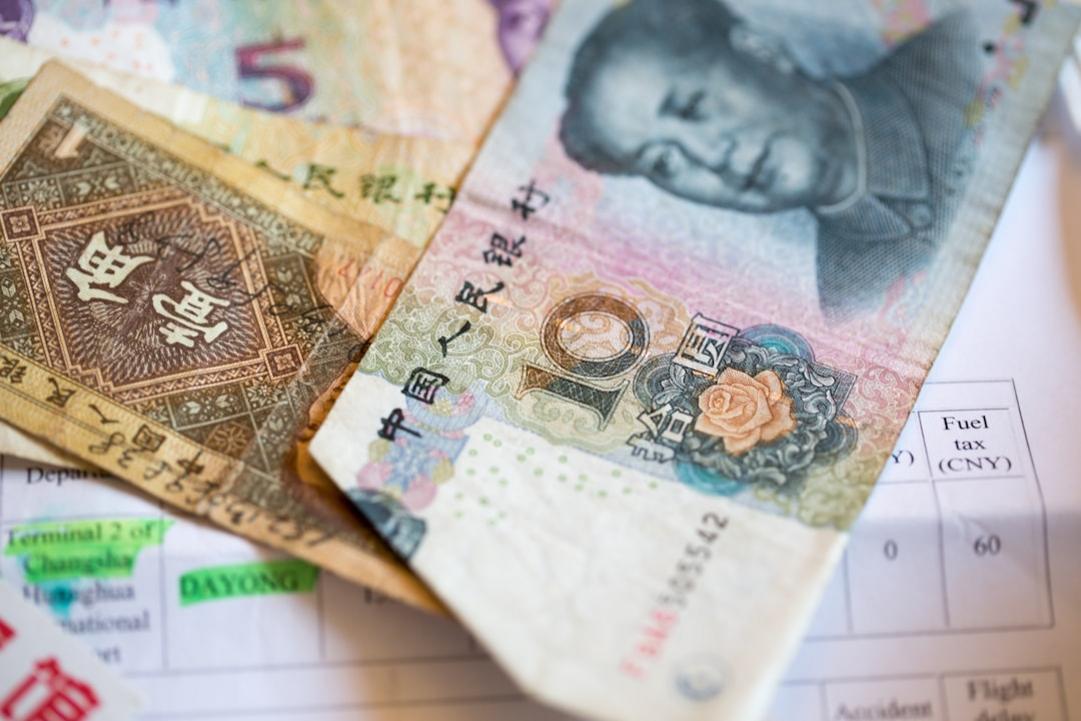
How Payment Works in Taiwan
card-friendly – Taiwan’s tourist spots and urban centers widely accept foreign cards, making plastic reliable for most payments outside small vendors and rural areas.
Taiwan’s payment scene is shifting quickly toward digital wallets, especially in Taipei and major cities where contactless payments and QR codes are everywhere. Tourists can activate wallets like Alipay Tourist Edition without a local SIM or bank account, easing transactions at convenience stores and chain retailers.
Cash remains essential in night markets, small food stalls, and traditional markets where card terminals are scarce. Foreign credit and debit cards work well in hotels, museums, and large stores, but expect occasional refusals at smaller merchants or places with minimum spend rules.
Set up Alipay Tourist Edition before arrival or at Taipei’s airport for seamless QR payments; it unlocks access to the most progressive digital payment infrastructure here.
Where you need cash
| Situation | Why cash-only |
|---|---|
| night markets | predominantly cash-only vendors lack card terminals and avoid digital payments to reduce fees and speed transactions. |
| small street food stalls | no card terminal infrastructure and low transaction values make cash the only accepted payment. |
| rural guesthouses | limited connectivity and small-scale operations prevent installation of card readers. |
| local temple donations and offerings | religious settings favor cash to avoid traceability and maintain tradition. |
| shared minibuses and local bus routes | drivers operate cash-only fare collection due to lack of POS devices. |
Where cards work
| Situation | Caveat |
|---|---|
| hotels and international chain restaurants | some require minimum spend around $10-$15 USD to accept cards. |
| museums and major tourist attractions | foreign cards accepted but expect occasional network connectivity delays. |
| large department stores and shopping malls | works reliably but some terminals add a 1-2% surcharge for foreign cards. |
| taxi apps and ride-hailing services | card payment accepted only if the app is registered with a local phone number. |
| convenience store chains (7-Eleven, FamilyMart) | accept most foreign cards but may ask for ID matching cardholder name. |
Card network acceptance (Visa, Mastercard, Amex, UnionPay)
| Network | Coverage | Surcharge |
|---|---|---|
| Visa | widely accepted in urban and tourist areas | up to 2% foreign transaction fee common |
| Mastercard | strong presence in hotels, malls, and restaurants | some merchants add 1-2% surcharge for foreign cards |
| American Express | accepted at large hotels and premium retailers only | less commonly accepted, with occasional surcharges up to 3% |
| UnionPay | gaining traction especially in tourist hotspots and Chinese traveler venues | generally no surcharge, but limited acceptance outside major cities |
Digital wallets
| Wallet | How tourists can use it |
|---|---|
| Alipay Tourist Edition | Download app pre-trip or at airport, register with passport and foreign number, then pay via QR codes at convenience stores, food stalls, and transport. |
| WeChat Pay (Tourist Mode) | Activate with passport and linked foreign card, use for QR payments in select urban merchants and tourist sites. |
Wallets that don’t work for tourists
| Wallet | Barrier |
|---|---|
| Taiwan Pay | requires local bank account and national ID, inaccessible to tourists without residency. |
| JKoPay | tied to local telecom and banks, demands Taiwanese SIM and ID verification. |
Wise vs Revolut in Taiwan
Wise and Revolut both offer multi-currency cards usable in Taiwan, but Wise edges out for ATM withdrawals. Wise charges no fees up to $250 USD per 30 days at local ATMs and uses mid-market rates, making it cost-effective for cash needs. Revolut offers competitive exchange rates but imposes withdrawal fees beyond a small monthly free limit, which can add up quickly in Taiwan’s cash-centric spots.
Revolut’s card sometimes triggers declines at smaller merchants due to local network quirks, whereas Wise’s card has smoother acceptance. Neither is blocked by Taiwanese banks, but Wise’s straightforward fee structure and ATM access make it preferable for travelers spending $150-$250 per day here.
ATMs & Currency Exchange
Best ATMs for foreign cards
| Bank / ATM | Why use it | Fee note |
|---|---|---|
| E.Sun Bank | Nationwide ATM network with reliable foreign card acceptance, especially convenient outside Taipei where many restaurants require cash. | Low local fees; typically no surcharge for foreign cards. |
| First Commercial Bank | Strong ATM presence across Taiwan, supports most international cards with minimal downtime. | Low withdrawal fees; widely available in urban and rural areas. |
| Taipei Fubon Bank | Good foreign card acceptance and extensive ATM coverage in Taipei and major cities. | Moderate fees but reliable and secure. |
| Taishin International Bank | Accepts foreign cards with low fees and has ATMs in convenient locations including transport hubs. | Low local fees; stable network. |
ATMs to avoid
| ATM type | Why to avoid |
|---|---|
| Mega International Commercial Bank | Higher ATM withdrawal fees for foreign cards and occasional DCC prompts that can confuse travelers. |
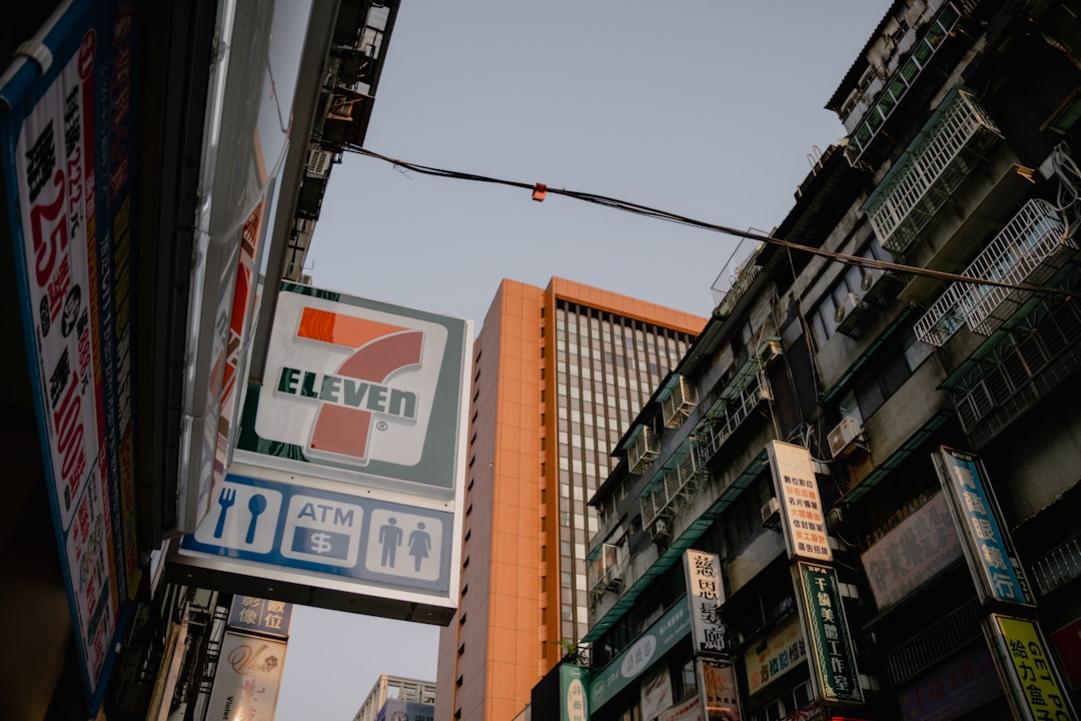
| Standalone Convenience Store ATMs | Often impose additional surcharges and have less reliable foreign card acceptance. |
Withdrawal strategy
Withdraw 3,000 New Taiwan dollars (approximately $100 USD) per transaction to minimize fees and match local denomination availability. E.Sun and First Commercial Bank ATMs have low fees and allow frequent withdrawals without penalty. Avoid multiple small withdrawals to reduce cumulative fees. Many restaurants outside Taipei require cash, so plan withdrawals every 3-4 days depending on spending.
Dynamic Currency Conversion – always decline
Mobile payment apps in Taiwan sometimes offer currency conversion at checkout, appearing as a toggle between local currency and your card’s currency. Avoid selecting your home currency to prevent hidden DCC fees. Always confirm transactions are processed in TWD before finalizing payments via QR code or NFC.
Skimming & card fraud
Card-not-present scams are rising; watch for QR code stickers placed over legitimate payment terminals near ATMs. These overlays redirect payments to fraudsters. Use official bank apps or terminals only. Avoid scanning QR codes posted on or near ATMs unless verified by the bank. Confirm payment amounts carefully before approving mobile transactions.
Currency exchange
| Where | Why it works |
|---|---|
| Bank counters (E.Sun, First Commercial Bank) | Offer competitive rates with transparent fees and no hidden charges. |
| Taipei Main Station official exchange booths | Regulated booths with fair rates and reliable service. |
| Authorized currency exchange chains like Travelex (limited locations) | Transparent pricing and clear fee disclosures. |
Exchange counters to avoid
| Where | Why to avoid |
|---|---|
| Airport exchange booths (Taoyuan and Songshan airports) | High commission fees and poor exchange rates. |
| Hotel front desk currency exchange | Marked-up rates and additional service fees. |
How much cash to carry
Carry about $50 USD (1,500 TWD) in your day wallet for cash-only meals, local transport, and small purchases, especially outside Taipei. Keep a secure stash of $200 USD (6,000 TWD) in a hotel safe or hidden travel pouch for emergencies. Rural areas and night markets rely heavily on cash, so plan accordingly.
Emergency backup
Use two cards from different networks (Visa and Mastercard) to avoid being stranded. Store emergency cash separately from your main wallet, preferably in a hotel safe or hidden pouch. If a card is blocked, contact your bank’s Taiwan hotline immediately (E.Sun Bank: +886-2-2175-8888). Freeze cards instantly via Wise or Revolut apps before calling home to avoid delays.
Scams, Safety & Cash Handling
Common money scams in Taiwan
QR Sticker Over Legitimate Payment Codes
How it works: Scammers place fake QR code stickers over official payment QR codes in night markets or small shops. When scanned, payments go to the scammer’s account instead of the vendor’s.
How to avoid: Always verify QR codes by asking the vendor to confirm the payment screen on their device before scanning or paying. Use official store apps or contactless card payments when possible.
Fake Police Money Inspection
How it works: Fake officers approach tourists claiming to check for counterfeit New Taiwan dollar (TWD) bills. They ask to inspect your cash and may swap genuine bills with fakes or demand a fine.
How to avoid: Ask for official identification and refuse to hand over cash. Real police do not conduct random money checks on the street. Report suspicious encounters to local authorities immediately.
Taxi Meter Manipulation
How it works: Some taxi drivers reset meters or use hidden buttons to increase fares, especially from airports or train stations to downtown. They may claim meter malfunction or fixed-price scams.
How to avoid: Use only metered taxis with official markings. Confirm estimated fare via apps or hotel staff beforehand. Insist meter runs from the start and refuse offers of flat rates.
Wrong-Change Trick
How it works: Cashiers or street vendors give incorrect change, often shortchanging tourists by confusing New Taiwan dollar (TWD) denominations, especially between 50 and 500 notes.
How to avoid: Count change carefully before leaving. Familiarize yourself with TWD bills and coins. Use exact change or electronic payments when possible.
Exchange Sleight of Hand
How it works: Currency exchange booths or street exchangers swap bills or shortchange customers during the transaction, often mixing damaged or low-value New Taiwan dollar (TWD) notes.
How to avoid: Use official banks or authorized exchange counters. Inspect bills immediately after exchange and refuse damaged or suspicious notes.
Currency Confusion (Mixing Denominations)
How it works: Scammers exploit tourists’ unfamiliarity with New Taiwan dollar (TWD) denominations by mixing similar-looking bills or coins to confuse and shortchange.
How to avoid: Study TWD denominations before arrival. Always count money carefully in front of the vendor or cashier.
Anti-theft carry method
Taiwan’s crowded night markets and metro systems demand a neck wallet under clothing for secure access to cash and cards. Pickpockets exploit shoulder bags and backpacks, especially at busy MRT stations. Avoid money belts that require removal for security checks; a slim neck wallet with RFID protection balances accessibility and theft prevention.
The three-wallet system
Carry a dummy wallet with small New Taiwan dollar (TWD) bills (100 and 200) and a few coins to surrender if targeted. The day wallet holds your main cards, one or two larger TWD bills (500 and 1000), and is kept in a front pants pocket or inside a zipped jacket pocket. Store passports, extra cash, and backup cards in the hotel safe. Enable card freeze and transaction notifications via your bank’s app for rapid fraud response.
Tipping in Taiwan
| Situation | Amount | Local norm |
|---|---|---|
| restaurant/sit-down dining | No tipping expected; 10% service charge usually included | Leaving extra tip can confuse staff or be refused; do not tip additionally unless exceptional service |
| taxi or private driver | No tipping customary; rounding up to nearest 10 TWD (approx. $0.30) is acceptable | Do not insist on tipping; drivers may refuse or find it awkward |
| hotel staff (porter/cleaner) | Small tip of 20-50 TWD ($0.60-$1.50) per service is appreciated but not required | Do not tip large amounts; can cause discomfort or confusion |
| tour guide or day trip guide | Tipping 100-200 TWD ($3-$6) per day is common for good service | Avoid excessive tipping; guides may expect but not demand tips |
| massage or spa | No tipping required; some places include service charge | Tipping can cause awkwardness; check if service charge is included before offering |
Cash handling quirks
New Taiwan dollar (TWD) bills must be clean and intact; torn or heavily worn notes are often refused, especially in banks and official exchanges. Small denominations (100, 200 TWD) are essential for street vendors and public transport. Larger bills (500, 1000 TWD) can be hard to break in small shops or markets, so carry some smaller notes. Change is generally available in convenience stores and markets but may be scarce in taxis or small eateries.
Bargaining
Bargaining is expected in traditional markets like Shilin and Raohe Night Market, and for some local transport like motorcycle taxis. Negotiation margins typically range from 10-20%. Fixed-price venues such as department stores, chain restaurants, supermarkets, and religious sites do not allow bargaining and attempting it is considered rude.
Quick Reference
5 money rules for Taiwan
- Taiwanese ATMs often charge a 15 TWD (~0.50 USD) fee per withdrawal for foreign cards; use large withdrawals to minimize repeated fees.
- The New Taiwan dollar (TWD) 1000 note covers most mid-range expenses like meals and transport without needing change.
- Currency exchange at Taiwan’s Taoyuan Airport offers less favorable rates than downtown Taipei’s banks like Mega Bank or Bank of Taiwan.
- Small vendors and markets in Taiwan rarely accept credit cards; carrying TWD 100 and TWD 500 notes ensures smooth transactions.
- Avoid exchanging cash at convenience stores; rates are poor and fees are hidden compared to official bank counters.
| Daily cash to carry | 30 USD (~900 TWD) |
|---|---|
| Typical ATM fee | 15 TWD (≈0.50 USD) per withdrawal |
| Standard tip % | Tipping is uncommon in Taiwan; rounding up or small change is sufficient if desired. |
| Best foreign card | Wise – low foreign ATM fees and good TWD exchange rates minimize withdrawal costs. |
| Worst money mistake | Using airport currency exchange counters for large sums due to poor rates. |
| Best wallet app for tourists | Line Pay – widely accepted in Taiwan, easy top-up with foreign cards, and supports QR code payments. |
| Must-carry denomination | 1000 TWD note – covers most meals, taxi rides, and typical daily expenses without needing change. |
A typical street meal costs about 100 TWD, so 100 TWD notes handle most food stops without waiting for change. For larger purchases like local bus fares or mid-range meals, 500 TWD notes are common. The 1000 TWD note covers most taxi rides and restaurant bills efficiently, reducing the need for multiple smaller bills.
Frequently Asked Questions
1Should I exchange New Taiwan dollars (TWD) before arriving or after landing?
Exchange after landing for better rates. Airport counters offer lower value than banks in Taipei like Mega Bank or Bank of Taiwan, which provide more favorable rates and lower fees.
2Is tipping expected in Taiwan?
Tipping is not customary in Taiwan. Service charges are included in bills at restaurants and hotels. Rounding up small change is enough if you want to show appreciation.
3What should I do if my card is blocked or declined in Taiwan?
Contact your bank immediately. Use ATMs from Mega Bank, Bank of Taiwan, or Taipei Fubon Bank, which have reliable networks. Carry backup cash as many smaller vendors don’t accept cards.
4Can foreign currency (USD, EUR, or other) be used directly in Taiwan?
No. Only New Taiwan dollars (TWD) are accepted for payments. Foreign currencies must be exchanged at banks or exchange counters before spending.
5How much cash should I carry for a typical day in Taiwan?
Carry about 900 TWD (~30 USD) daily. This covers street food, local transport, and small purchases where cards are not accepted.
6Are ATMs safe to use at night in Taiwan?
ATMs at 7-Eleven or FamilyMart stores in Taipei and major cities operate 24/7 and are generally safe. Avoid isolated or poorly lit ATMs in suburban areas.
7Which app should I install before arriving in Taiwan?
Install Line Pay before arriving. It’s widely accepted across Taiwan for contactless payments and QR codes, with easy setup for foreign cards.
8What if I only have large-denomination bills in Taiwan?
Large bills like 1000 TWD are accepted widely, but small vendors and markets often lack change. Break large bills at banks or convenience stores before shopping in markets.
9Can I go completely cashless in Taiwan?
Not fully. Major stores and transport accept cards and mobile payments, but street vendors and night markets rely on cash. Carry some TWD for small transactions.