


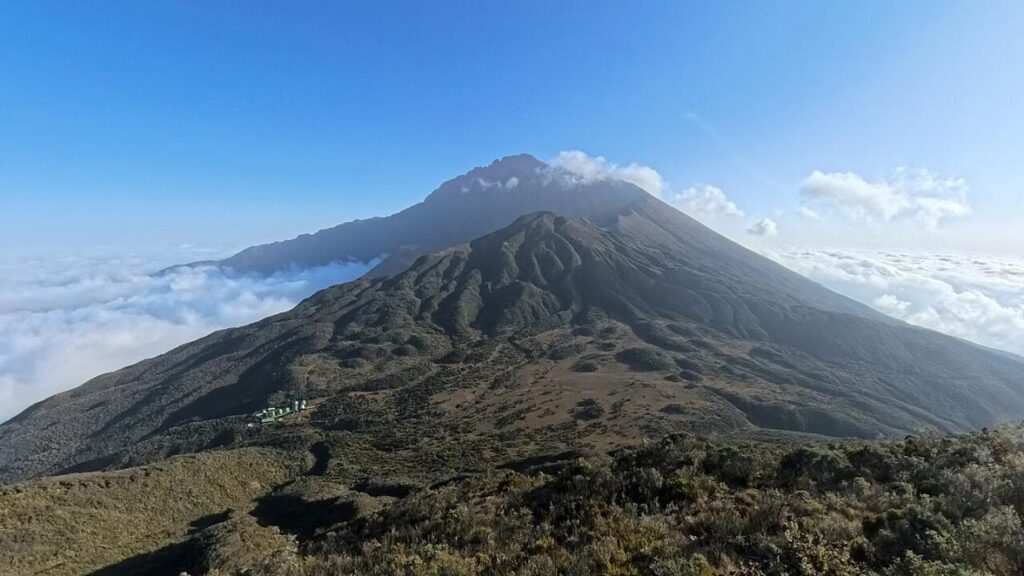
Hear the crunch of dry leaves underfoot on the Momella Gate trailhead, where forest scents mix with distant wildlife calls.
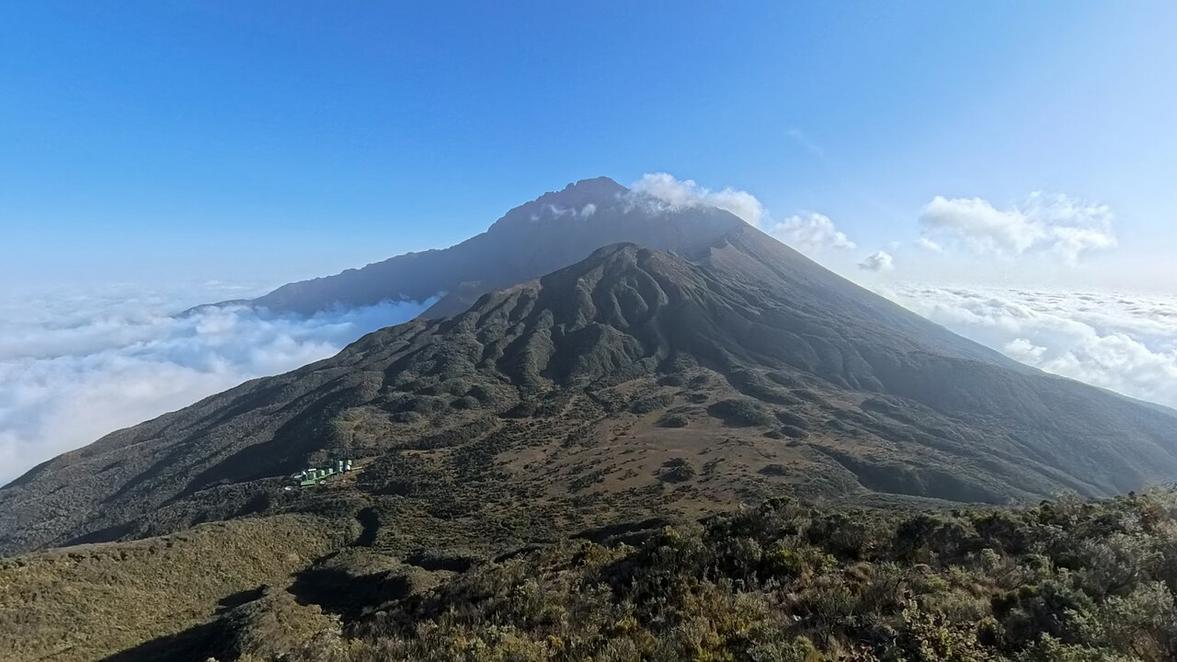
Mount Meru is a dormant volcano inside Arusha National Park, rising roughly 14,980 feet / 4,570 m (~4,560 m). It draws hikers aiming to summit Tanzania’s second highest peak and acclimatize before Kilimanjaro. The Momella Gate area serves as the main trailhead, while the nearby Momella Lodge zone offers gear rental and guide services. Unlike Kilimanjaro’s crowded routes, Mount Meru’s trails provide a tougher, less trafficked climb with a knife-edge summit ridge. The trek demands solid fitness and preparation but rewards with forest wildlife sightings and panoramic views. Expect fewer amenities than Arusha town, about 30 miles / 48 km away, so plan logistics carefully for a focused adventure day.
Climb Mount Meru’s summit trail for serious altitude training, explore wildlife on the Momella Gate route, visit local Meru villages for cultural insight, and rest at Momella Lodge for gear and guides.
Key takeaways
- Start the summit trek at Momella Gate by 6:00 AM to avoid afternoon storms and maximize daylight.
- Book a certified guide and porter in advance through Momella Lodge, costing around $100-$150 total, 2026.
- Stay near Momella Gate trailhead for early starts; Arusha town is 30 miles / 48 km away and adds transit time.
- Carry water purification gear; tap water is unsafe on the mountain and bottled water costs ~$2 per liter.
- Expect park entry fees around $70, 2026, payable at Arusha National Park gate before the trek.
- Rent hiking gear like poles and jackets at Momella Lodge to avoid heavy packing from Arusha town.
- Avoid the rainy season (March-May) when trails get slippery and visibility drops sharply.
Why visit Mount Meru
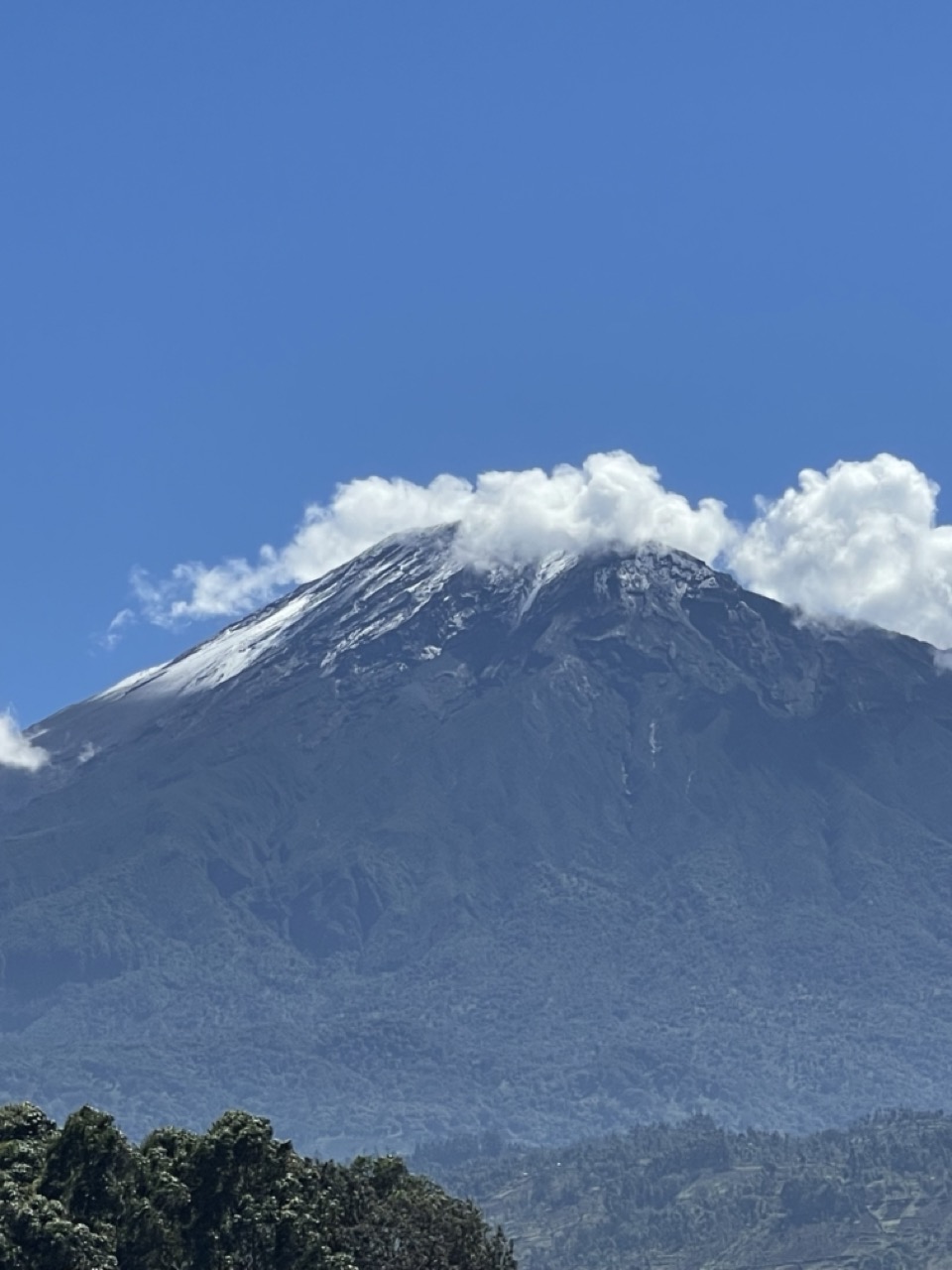
Mount Meru stands out from Kilimanjaro and the Ngorongoro Crater by offering a challenging trek with a sharp summit ridge and active wildlife on its forested slopes. Unlike Kilimanjaro’s popular routes, Meru’s climb demands technical skill and rewards with fewer crowds and a rawer wilderness feel. The Momella Gate area provides a clear trailhead and access to Arusha National Park’s diverse wildlife, making it a solid warm-up for Kilimanjaro. Its mix of volcanic terrain and forested lower slopes creates a distinct adventure that combines altitude training with wildlife viewing.
- Climb the knife-edge summit ridge, a technical challenge absent on Kilimanjaro’s standard routes.
- Start from Momella Gate inside Arusha National Park, blending trekking with wildlife sightings like buffalo and giraffes.
- Use Mount Meru as a proven acclimatization trek before Kilimanjaro, reducing altitude sickness risk.
- Trek operators like Mount Meru Trekking Company specialize in personalized, small-group climbs with certified guides.
- Unlike Kilimanjaro, Meru’s trail is less commercialized, offering a quieter, more rugged experience year-round.
Best for
Adventure hikers who want a serious climb with technical sections and wildlife encounters will thrive here. Solo travelers or pairs with moderate trekking experience benefit most, especially those preparing for Kilimanjaro. Avoid if seeking easy hikes or well-established tourist infrastructure.
Skip if
Skip Mount Meru if looking for a straightforward trek or more developed facilities; Kilimanjaro offers easier routes and more support.
Top things to do in Mount Meru
1. Mount Meru Summit Trek ·
Climb Mount Meru’s demanding trail for a technical summit with sharp ridges and essential altitude prep for Kilimanjaro.
The Mount Meru Summit Trek starts at the Momella Gate inside Arusha National Park, following the Momella Trail through dense forest and wildlife zones. The route gains serious elevation, passing Miriakamba Hut before tackling the knife-edge summit ridge that demands sure-footedness and a guide. Along the way, expect views of Kilimanjaro’s peak and the chance to spot colobus monkeys and buffalo near the lower slopes. The trail requires technical hiking skills and acclimatization, making it a solid warm-up for Kilimanjaro.
This trek offers a more challenging and less crowded alternative to Kilimanjaro, providing crucial altitude prep and technical ridge experience that the Kilimanjaro Marangu route lacks.
- When: Start pre-dawn (around 5:00 AM) to avoid afternoon clouds; best from June to October during the dry season for stable trail conditions.
- Cost: ~$250-$350, 2026
- Duration: 2-3 days
- How to reach: Reach the Momella Gate by shuttle or rental car from Arusha town, a 30-minute drive on the Meru-Arusha road; the trailhead is well marked at the park entrance.
Insider tip: If closed
If the summit trek is closed due to weather, opt for the Ngurdoto Crater Hike for volcanic terrain and forest views.
Solo female travel: Book a certified guide from a licensed operator in Arusha town who offers women-only groups or solo female-friendly teams.
2. Wildlife Safari in Arusha National Park ·
Combine your trek with a guided safari in Arusha National Park to spot giraffes, buffalo, and colobus monkeys near Mount Meru’s base.
This safari explores the diverse habitats around Mount Meru’s base, including the Momella Lakes and Ngurdoto Crater, with a focus on spotting giraffes, buffalo, waterbucks, and black-and-white colobus monkeys. A 4×4 vehicle with a licensed guide navigates the park’s dirt roads, offering close encounters with wildlife against the backdrop of Mount Meru’s forested slopes. The safari also includes birdwatching opportunities at the alkaline lakes, where flamingos and pelicans gather seasonally. The drive covers roughly 20 miles / 32 km of terrain, making it a compact but wildlife-rich experience. Book on GetYourGuide.
This safari pairs perfectly with the Mount Meru trek, offering wildlife viewing without the long drives of Serengeti or Ngorongoro, saving time and energy for your hiking schedule.
- When: Morning safaris starting at 7:00 AM maximize animal activity; dry season from June to October improves visibility and road access.
- Cost: ~$120-$180, 2026
- Duration: Half day
- How to reach: Depart from Arusha town by rental car or arranged safari vehicle; the park entrance is about 20 minutes from the city center via the Arusha-Ngorongoro road.
Insider tip: If closed
If the park is closed, visit the Momella Lakes separately for birdwatching and short walks.
3. Miriakamba Hut Overnight Camp ·
Break the summit climb with an overnight stay at Miriakamba Hut, gaining altitude gradually and resting in a basic but strategic camp.
Miriakamba Hut sits roughly halfway up Mount Meru’s ascent, providing a simple shelter with dorm-style bunks and basic facilities. Staying overnight here breaks the climb into manageable segments, helping with altitude acclimatization before the summit push. The camp is surrounded by forest and offers views of the crater rim and distant Kilimanjaro. Expect a rustic setting with limited amenities, so bring your own gear and food or arrange meals through your guide.
This camp is the only practical overnight stop on the summit route, making it essential for pacing and altitude adjustment compared to a single-day summit attempt.
- When: Book during the dry season, June to October, to avoid muddy trails and cold nights; arrive by late afternoon to rest before the early summit start.
- Cost: ~$40-$60, 2026
- Duration: Overnight
- How to reach: Reach the hut by hiking from the Momella Gate trailhead; the trek to the hut takes about 5-6 hours uphill on the Momella Trail.
Insider tip: If closed
If the hut is unavailable, camp at the nearby Miriakamba campsite with similar conditions.
4. Ngurdoto Crater Hike ·
Explore the Ngurdoto Crater’s forested rim and marshy floor on a moderate hike that reveals Mount Meru’s volcanic origins.
The Ngurdoto Crater hike circles the rim of this volcanic caldera inside Arusha National Park, passing through montane forest and open grasslands. The trail descends into the crater floor, where marshy wetlands attract hippos and diverse bird species. The hike covers roughly 3 miles / 5 km and offers views of Mount Meru’s peak from the rim. This moderate trek suits those looking for a less technical but scenic volcanic landscape experience near Arusha.
Ngurdoto Crater offers a volcanic landscape alternative to the summit trek, ideal for days when technical climbing isn’t feasible or as a warm-up hike.
- When: Morning hikes starting between 7:00 and 9:00 AM avoid afternoon rains common in the wet season from November to May.
- Cost: ~$20-$30, 2026
- Duration: 2-3 hours
- How to reach: Access the crater trailhead via a short drive from Arusha town on the Arusha-Ngorongoro road, then a brief walk to the rim trail.
Insider tip: If closed
If the crater trail is closed, use the Momella Lakes area for birdwatching and flat walking trails.
5. Momella Lakes Birdwatching ·
Visit the Momella Lakes for a half-day birdwatching trip spotting flamingos and pelicans with easy walking trails and scenic views.
The Momella Lakes are a cluster of alkaline lakes inside Arusha National Park, accessible by vehicle and short walks along well-maintained trails. Birdwatchers find flamingos, pelicans, and various waterfowl here, especially during the dry season when water levels concentrate wildlife. The flat terrain and open views make this a low-effort outing that complements a Mount Meru trek or safari day. Licensed guides provide spotting scopes and local bird knowledge, enhancing the experience. Book on GetYourGuide.
Momella Lakes birdwatching fits into a half-day schedule and pairs well with a morning safari or afternoon trek, unlike longer safaris that require full days.
- When: Visit early morning between 6:30 and 9:00 AM for the best bird activity and lighting; dry season June to October offers clearer skies.
- Cost: ~$40-$60, 2026
- Duration: Half day
- How to reach: Drive from Arusha town via the Meru-Arusha road to the Momella Gate, then continue inside the park to the lakes area; vehicles can park near the trailheads.
Insider tip: If closed
If the lakes are inaccessible, try the Ngurdoto Crater hike for forest and wetland bird species.
6. Guided Forest Walks on Mount Meru’s Lower Slopes ·
Take shorter guided walks through the lower forest zones to see colobus monkeys and endemic plants without the summit effort.
Join one of the licensed guide outfits in Arusha for a forest walk along the Ngare Nanyuki or Momella trails on Mount Meru’s lower slopes. These walks focus on spotting colobus monkeys, blue monkeys, and endemic plants like the African violet. The forest canopy and occasional clearings offer a mix of wildlife and views without the physical strain of the summit climb. Guides share insights on local flora and fauna, making it a focused nature outing. Book on GetYourGuide.
This walk offers wildlife viewing and forest immersion without the full-day effort or altitude challenge of the summit trek, unlike the longer Meru summit routes.
- When: Morning from 7:00 AM to 11:00 AM is best for active wildlife; avoid midday heat. Dry season (June to October) offers clearer trails.
- Cost: ~$30-$50, 2026
- Duration: 2-3 hours
- How to reach: Take a shuttle or taxi from Arusha town center to the Momella Gate area, about 12 miles / 19 km northeast along the Arusha-Moshi road. The trailheads are a short walk from the gate.
Insider tip: If closed
If forest walks are unavailable, visit the Momella Gate Visitor Center for wildlife exhibits and park info.
7. Visit the Momella Gate Visitor Center ·
Stop at the Momella Gate Visitor Center for park orientation, local wildlife exhibits, and arranging guided tours or safaris.
The Momella Gate Visitor Center serves as the main entry point to Arusha National Park and Mount Meru. It offers informative displays on the park’s wildlife, geology, and conservation efforts. Visitors can arrange guided tours, safaris, and get up-to-date trail conditions here. The center also provides maps and permits, making it a practical stop before heading into the park or starting a trek.
This center is the logistical hub for Mount Meru activities and Arusha National Park, unlike informal park entrances without visitor services.
- When: Open daily from 8:00 AM to 5:00 PM; best to visit early to arrange tours or permits before afternoon hikes.
- Cost: Free
- Duration: 30 minutes to 1 hour
- How to reach: Reachable by taxi or shuttle from Arusha town via the Arusha-Moshi road, about 12 miles / 19 km northeast. The visitor center is adjacent to the Momella Gate entrance.
Insider tip: If closed
If closed, arrange permits and tours through your accommodation or local guide operators in Arusha town.
8. Arusha National Park Canoe Trip on Momella Lakes ·
Paddle a canoe on the calm Momella Lakes for a low-impact way to spot hippos and water birds, ideal for a weather backup activity.
Rent a canoe at the Momella Lakes inside Arusha National Park and paddle quietly through the shallow waters. This trip offers close views of hippos, buffalo, and a variety of water birds like pelicans and kingfishers. The calm lakes provide a low-effort alternative to hiking, especially when weather conditions make trekking less appealing. Local guides can accompany you to point out wildlife and ensure safety on the water. Book on GetYourGuide.
This canoe trip offers wildlife viewing with minimal physical effort, unlike the more demanding summit or forest hikes.
- When: Morning hours between 7:00 AM and 10:00 AM are best for wildlife activity; avoid midday heat and afternoon winds. Dry season (June to October) improves water clarity.
- Cost: ~$40-$60, 2026
- Duration: 2 hours
- How to reach: From Arusha town, take a taxi or shuttle northeast along the Arusha-Moshi road to the Momella Gate area, then walk to the lakeshore rental point.
Insider tip: If closed
If canoe trips are unavailable due to weather, opt for a guided forest walk on the lower slopes of Mount Meru.
Solo female travel: Book canoe trips through licensed operators at the visitor center to ensure a guide accompanies solo travelers for safety.
48 hours in Mount Meru
This two-day plan focuses on tackling Mount Meru’s challenging trek and recovering with local flavors and views, ideal for adventure hikers prepping for Kilimanjaro. Expect a high-effort morning followed by paced afternoons that balance activity and downtime.
Day 1
Morning
Start pre-dawn with the Mount Meru summit trek, aiming to hit the trailhead by 5:30 AM to avoid midday heat and crowds. The early light filters through the forested slopes, making the wildlife sightings more vivid. Carry snacks and water from your guesthouse near the park entrance to keep energy steady.
Afternoon
Descend by early afternoon and head straight to a casual lunch spot in the nearby village, where you can refuel on grilled nyama choma and ugali for roughly $8, 2026. Use the afternoon to dry your gear at your guesthouse and rest, avoiding strenuous activity to let your legs recover.
Evening
Catch sunset from the Momella Gate viewpoint, where the fading light casts sharp shadows on the crater rim. For dinner, choose a family-run kitchen in the village serving local stews and fresh vegetables, offering a quiet atmosphere to wind down after the day’s exertion.
Day 2
Morning
Take a slower start with a guided forest walk on the lower slopes, focusing on birdwatching and spotting colobus monkeys. Begin around 7:30 AM to catch the morning chorus and cooler temperatures. Stop at a roadside stall for chai and mandazi before heading back.
Afternoon
Spend midday exploring the Arusha town market, a 30-minute drive from the mountain base, where you can browse fresh produce and local crafts. Grab lunch at a small diner specializing in regional dishes like mishkaki skewers and fresh chapati, priced around $7, 2026. This change of pace offers a cultural contrast to the mountain trek.
Evening
Return to the village for a relaxed dinner at a small eatery known for its roasted fish and vegetable sides, perfect after a day of lighter activity. Finish with a stroll along the quiet streets, soaking in the calm village vibe before an early night.
If you have a third day
Add a morning visit to a nearby coffee cooperative outside the main town, where you can see the bean processing firsthand and sample fresh brews. This offers a hands-on cultural layer without repeating the mountain or market experiences.
Best time to visit Mount Meru
Quick answer
Visit from April to June and October to early December for the best trekking conditions.
| Months to go | April to June, October to early December |
|---|---|
| Months to avoid | March and November due to heavy rainfall that can close trails. |
The best trekking conditions on Mount Meru occur during the dry seasons from April to June and October to early December. During these months, temperatures range from 50°F / 10°C to 75°F / 24°C, making for comfortable hiking. The trails are typically open, allowing for full access to the stunning landscapes and wildlife in Arusha National Park. Conversely, March and November experience significant rainfall, which can lead to muddy trails and increased difficulty in navigation. Wildlife viewing is also less favorable during these wetter months, as animals tend to be less active.
Average temperature (°F)
Monthly weather
Mild temperatures, some rain.
Warm and drier than January.
Rainy season begins.
Heavy rainfall, trails may close.
Cool and wet, difficult hiking.
Drying out, great hiking.
Cool and dry, ideal conditions.
Perfect trekking weather.
Dry and mild, excellent visibility.
Start of the short dry season.
Rain returns, trails can be muddy.
Mild temperatures, good hiking.
How to get to Mount Meru
Nearest airport
Kilimanjaro International Airport (JRO), 30 miles / 48 km
From the airport
Take a metered taxi from the airport to Mount Meru, costing around $40-$50, 2026. Alternatively, use a shuttle service, which is slightly cheaper but may take longer due to stops.
Other ways to arrive
- From Arusha, take a shared taxi to Mount Meru, about 30 minutes, costing around $10, 2026.
- From Moshi, hire a private car to Mount Meru, taking about 1 hour, costing around $60-$80, 2026.
- From Nairobi, fly to Kilimanjaro International Airport, then follow the airport transfer options.
Getting around Mount Meru
The best way to get around Mount Meru is by hiring a local guide or using a private vehicle. This ensures you reach trailheads and attractions efficiently.
- Hire a local guide for personalized tours, costing around $50-$100 per day, 2026.
- Use a private vehicle for flexibility, costing around $60-$80 per day, 2026.
- Take a shared taxi for short distances, costing around $5-$10, 2026.
- Rent a bicycle for local exploration, costing around $15 per day, 2026.
Day trips from Mount Meru
These day trips offer a chance to explore the stunning landscapes and wildlife surrounding Mount Meru. Each destination provides a unique experience that complements your stay.
Arusha National Park
Explore diverse wildlife and beautiful landscapes.
Why: Arusha National Park features stunning views of Mount Meru and a variety of wildlife, including giraffes and buffalo. It’s a great way to experience Tanzania’s natural beauty without the crowds.
Lake Manyara National Park
See unique ecosystems and wildlife.
Why: Lake Manyara is famous for its tree-climbing lions and diverse birdlife. The park’s stunning scenery makes it a rewarding day trip for nature lovers.
Skip if: You prefer to stay closer to Mount Meru.
Tarangire National Park
Experience large elephant herds and baobab trees.
Why: Tarangire offers a less crowded safari experience with impressive wildlife sightings, particularly elephants. It’s a perfect complement to your Mount Meru adventure.
Skip if: You have limited time and want to focus on Mount Meru.
Combine Mount Meru with
Extend your adventure by combining Mount Meru with these nearby destinations. Each route offers unique experiences and stunning landscapes.
Mount Meru to Serengeti National Park Mount Meru, Ngorongoro Crater, Serengeti National Park
This route allows you to experience the breathtaking Ngorongoro Crater before heading to the iconic Serengeti for wildlife viewing.
Mount Meru to Zanzibar Mount Meru, Arusha, Kilimanjaro International Airport, Zanzibar
After your trek, fly from Kilimanjaro International Airport to Zanzibar for a relaxing beach getaway.
Where to stay in Mount Meru
Compare prices across booking sites on the map below and see which neighbourhood fits your plans.
Mount Meru offers a range of lodging options that cater to different traveler types. The areas around the trailhead, such as Ngare Nanyuki, are ideal for those focused on hiking, while Arusha town provides a lively atmosphere with easy access to amenities. For a quieter experience, consider staying in the outskirts near the national park. Each neighborhood has its unique vibe, making it essential to choose based on your travel style and needs.
Ngare Nanyuki
Hostels and budget guesthouses dominate this tier, providing basic amenities and shared facilities. Expect a social atmosphere, perfect for meeting fellow travelers. While you may sacrifice some privacy, the camaraderie makes up for it, especially after a long day of trekking.
Insider tip: Look for places that offer group hikes; it’s a great way to connect with others and share costs.
Arusha town
Family-run guesthouses and small hotels offer comfortable stays with personalized service. These properties often include breakfast and have a cozy atmosphere, making them a great choice for those wanting a balance of comfort and affordability. While they may lack some luxury amenities, the local charm is a significant draw.
Insider tip: Choose a guesthouse with a garden; it’s a peaceful retreat after a day of exploring.
near Arusha National Park
Boutique hotels and lodges provide a luxurious experience with stunning views and high-end amenities. These properties often feature fine dining options and guided tours, catering to those looking for a premium stay. While they come at a higher price, the quality of service and comfort is exceptional.
Insider tip: Request a room with a view of the mountain; the sunrise is breathtaking and worth the extra cost.
Where not to stay
Avoid the area near the bus station; it can be noisy and crowded, especially during peak travel times.
Solo female travelers
Opt for a hostel in Ngare Nanyuki with a strong social vibe; it’s well-lit at night and popular among solo travelers.
Booking through these links supports Pack Lightly at no extra cost to you.
Where to eat and drink in Mount Meru
Mount Meru’s culinary scene is shaped by its proximity to rich agricultural lands and diverse communities. The region is known for its fresh produce, particularly avocados and coffee, which influence local dishes. The blend of traditional Tanzanian flavors with influences from the Chaga community creates a unique dining experience that stands out from other areas in Tanzania.
Must-try dishes
Chaga Ugali
A staple dish made from maize flour, similar to polenta, often served with stews.
This dish is a signature of the Chaga community, reflecting local culinary traditions and ingredients.
Insider tip: Pair it with a spicy meat stew for an authentic taste of Chaga culture.
Avocado Salad
A refreshing salad made with locally sourced avocados, tomatoes, and onions, dressed with lime.
Mount Meru is known for its high-quality avocados, making this salad a local favorite.
Insider tip: Opt for the version topped with grilled chicken for a heartier meal.
Kachori
Deep-fried pastries filled with spiced lentils or peas, often served with chutney.
Kachori is popular in local markets, particularly among the Indian community in the region.
Insider tip: Enjoy them fresh and hot for the best flavor.
Coffee from Mount Meru
Locally grown coffee known for its rich flavor and aroma, often served as a traditional brew.
Mount Meru’s climate is ideal for coffee cultivation, making it a local specialty.
Insider tip: Ask for a pour-over to experience the full depth of flavor.
Local drinks
- Kilimanjaro BeerAvailable at many bars and restaurants in Usa River and Arusha.
A popular local lager brewed in Tanzania, known for its crisp taste.
Where to eat – by neighborhood
Usa River
This area features a mix of local eateries and cafes serving traditional Chaga cuisine and fresh produce.
Insider tip: Order your meal with a side of fresh avocado to truly enjoy the local flavors.
Arusha Central Market
A vibrant market filled with stalls selling fresh fruits, vegetables, and local snacks.
Insider tip: Try to visit in the morning for the freshest produce and to see locals bargaining.
Dietary note
Vegetarians will find plenty of options, especially with fresh salads and vegetable dishes available.
Daily budget for Mount Meru
Mount Meru’s daily costs can be higher than other areas in Tanzania due to its status as a popular trekking destination. Expect to pay a premium for quality guides and accommodations that cater to hikers.
Shoestring
- lodging – Dormitory in a local hostel.
- food – Street food and casual dining.
- transport – Shared taxis or local buses.
- activities – Park fees and basic guided treks.
- buffer – Miscellaneous expenses.
Trade-offs: Expect basic accommodations and limited dining options.
Comfort
- lodging – Private room in a guesthouse.
- food – Meals at mid-range restaurants.
- transport – Private transport for convenience.
- activities – Guided treks and park fees.
- buffer – Miscellaneous expenses.
Trade-offs: Enjoy more comfort but may miss out on local experiences.
Splurge
- lodging – Luxury lodge with amenities.
- food – Fine dining experiences.
- transport – Private driver for the day.
- activities – Premium guided treks and excursions.
- buffer – Miscellaneous expenses.
Trade-offs: Experience high-end services but at a significantly higher cost.
Money-saver tip
Eat at local markets like the one in Arusha for affordable and authentic meals.
Splurge that’s worth it
Invest in a certified guide for the trek; their expertise enhances safety and experience.
Skip to save
Avoid overpriced souvenir shops near the park entrance; local markets offer better deals.
Practical tips for Mount Meru
Money
Cash or card. Most businesses in the area accept cards, but smaller shops and local markets often prefer cash. Always carry some Tanzanian shillings for these transactions.
ATMs. ATMs are available in Arusha, but they may charge foreign transaction fees. Standard Chartered and CRDB banks are reliable options for withdrawing cash.
Tipping. Tipping is customary in Tanzania, typically around 10% for services. For a guide, consider tipping around $10 per day.
Safety
Mount Meru is generally safe for travelers, but it’s wise to stay aware of your surroundings, especially in crowded areas. Stick to well-lit paths at night and avoid isolated spots.
Common scams:
- Overcharging for services or goods, especially in tourist areas.
- Fake guides offering tours without proper credentials.
Local warnings:
- Altitude sickness can affect climbers; acclimatize properly.
- Beware of sandflies in lower forest areas; use insect repellent.
Connectivity
Mobile data. Mobile coverage is decent around Mount Meru, with Vodacom being a popular choice for local SIM cards. Expect to pay around $5-$10 for a data plan.
Wi-Fi. Wi-Fi is available in many cafes and accommodations, particularly in Arusha. The area around the central market has several spots with reliable connections.
Language
Main language: Swahili. English level: English is commonly spoken in tourist areas, but proficiency varies among locals. You may encounter language barriers in more remote regions.
Cultural notes
- Dress modestly, especially when visiting local villages or religious sites.
- Always ask permission before taking photos of people.
- Greet locals with a friendly ‘Jambo’ to show respect.
Solo female travel
Solo female travelers can navigate Mount Meru with confidence, especially in tourist areas. While the atmosphere is generally welcoming, it’s advisable to travel during daylight and choose accommodations with good reviews.
- Transport: Use registered taxis or rideshare apps for safe transport, especially at night.
- Meeting people: Consider staying at hostels with mixed dorms to meet other travelers and share experiences.
Frequently asked questions about Mount Meru
1Is Mount Meru better than Kilimanjaro?
No, Kilimanjaro is the more famous peak and offers a different experience. However, Mount Meru is an excellent acclimatization trek before tackling Kilimanjaro, with stunning views and diverse wildlife.
2What is Mount Meru known for?
Mount Meru is known for its challenging trek, knife-edge summit ridge, and rich wildlife in Arusha National Park. It provides a less crowded alternative to Kilimanjaro while still offering breathtaking scenery.
3How many days do you need to hike Mount Meru?
Plan for about 4 days to complete the trek. This allows time for acclimatization and enjoying the diverse landscapes on the way to the summit.
4What is the best time to hike Mount Meru?
The best time to hike is during the dry seasons, from June to October and January to February. These months offer clearer skies and more stable weather conditions.
5Is Mount Meru safe for solo female travelers?
Yes, Mount Meru is generally safe for solo female travelers, especially when trekking with a reputable guide. Stick to organized tours and avoid hiking alone.
6What does a day cost on Mount Meru?
Expect to spend roughly $150 to $200 per day, including guide fees, park entrance, and accommodation. This can vary based on the tour operator and services included.
7Do you need a 4×4 vehicle to reach Mount Meru?
Yes, a 4×4 vehicle is recommended to navigate the rough roads leading to the trailhead. Many tour operators provide transportation as part of their packages.
8Can you see wildlife while hiking Mount Meru?
Yes, you can spot various wildlife, including monkeys, birds, and even elephants in the lower forested areas of Mount Meru. Keep your camera ready for some great shots!