


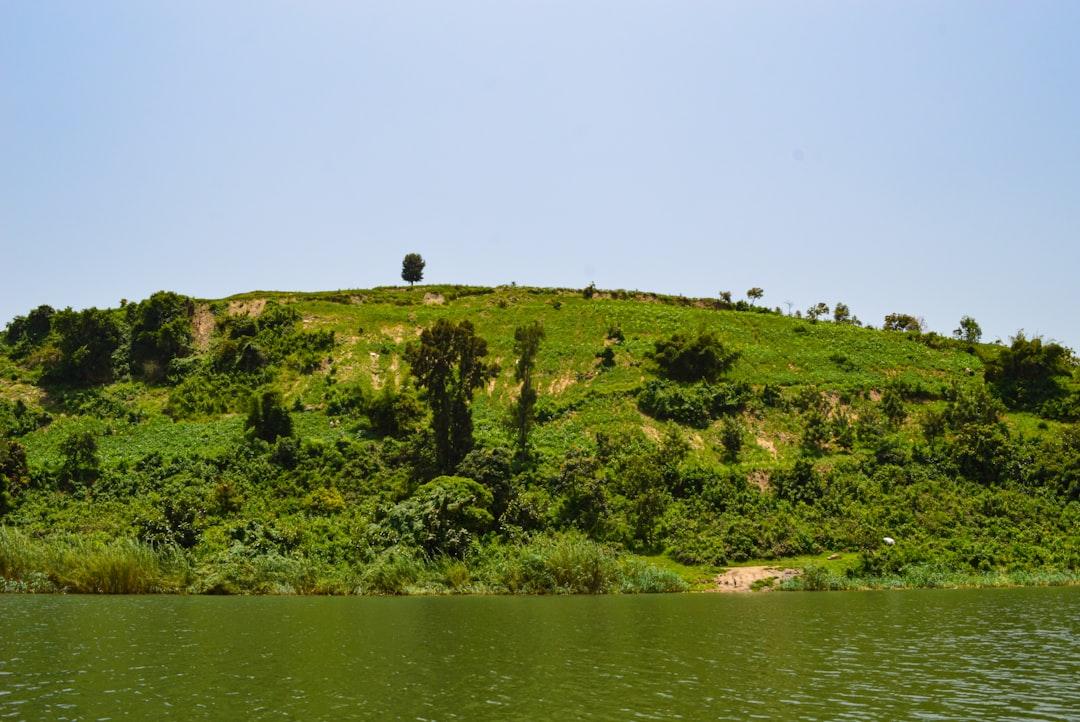
Stand in the serene gardens of the Kigali Genocide Memorial, surrounded by lush greenery and quiet reflection.
The Kigali Genocide Memorial serves as a poignant memorial and education center, honoring over 250,000 victims of the 1994 genocide against the Tutsi. Visitors come to learn about Rwanda‘s history through powerful exhibitions and to reflect in its tranquil gardens. Located just 3 miles / 5 km from downtown Kigali, this site is essential for understanding the country’s past and its journey toward reconciliation.
Visit the memorial exhibitions, explore the gardens, and attend educational programs to grasp Rwanda’s history and resilience.
Key takeaways
- Over 250,000 victims are buried here.
- Exhibitions detail the 1994 genocide against the Tutsi.
- Gardens provide a peaceful space for reflection.
- Located 3 miles / 5 km from central Kigali.
- Entry is free, donations appreciated.
Why visit Kigali Genocide Memorial
Kigali Genocide Memorial stands out in Rwanda for its profound historical significance and educational focus, unlike the natural attractions of Volcanoes National Park or Lake Kivu. This memorial is not just a site of remembrance; it serves as a vital educational center about the 1994 genocide against the Tutsi. The serene gardens provide a reflective space, enhancing the experience beyond mere observation.
- Over 250,000 victims are buried here, making it a central site of remembrance.
- The memorial features powerful exhibitions that detail the genocide’s history and impact.
- Visit during the rainy season for fewer crowds and a more intimate experience.
- Engage with local guides who provide personal insights often missed in larger tours.
Best for
This site appeals to culture seekers and solo travelers interested in history and social justice. It’s perfect for those wanting a meaningful, reflective experience rather than nightlife or adventure.
Skip if
If you’re looking for outdoor activities or vibrant nightlife, consider heading to Gisenyi by Lake Kivu instead.
Top things to do in Kigali Genocide Memorial
The Kigali Genocide Memorial offers profound insights into Rwanda’s history, making it essential for understanding the nation’s resilience. Start your visit with a guided tour to grasp the memorial’s significance.

1. Guided Tour of the Memorial ·
Experience a deep dive into Rwanda’s history with a knowledgeable guide.
Join a guided tour led by one of the licensed operators in Kigali, where you’ll explore the memorial’s exhibitions and learn about the events of the 1994 genocide against the Tutsi. The guide will share personal stories and historical context, making the experience both educational and moving.
This guided experience provides insights that self-guided visits simply can’t match, helping you connect emotionally with the history.
- When: Tours run daily from 9:00 AM to 5:00 PM, but aim for a morning slot for a quieter experience.
- Cost: ~$15, 2026
- Duration: 2 hours
- How to reach: From the center of Kigali, take a taxi or a local bus to the memorial, located about 4 miles / 6 km away.
Solo female travel: The memorial is safe for solo female travelers, with many visitors throughout the day.
2. Visit the Gardens ·
Reflect in the serene gardens surrounding the memorial.
Stroll through the beautifully landscaped gardens that provide a peaceful space for reflection. The gardens are designed to honor the victims and offer a tranquil environment to process the information from the memorial.
These gardens complement the memorial experience, allowing for quiet contemplation amidst the historical context.
- When: Visit in the late afternoon when the light softens, enhancing the peaceful atmosphere.
- Cost: Free
- Duration: 1 hour
- How to reach: The gardens are adjacent to the memorial, easily accessible on foot after your tour.
3. Explore Local Art Galleries ·
Discover contemporary Rwandan art that reflects the nation’s journey.
Visit nearby art galleries showcasing works by local artists, many of whom address themes of resilience and hope. These spaces often host exhibitions that provide a modern perspective on Rwanda’s culture and history.
Engaging with local art offers a different lens on Rwandan life, contrasting the historical focus of the memorial.
- When: Galleries are typically open from 10:00 AM to 6:00 PM, making afternoon visits ideal.
- Cost: Free to enter, but consider purchasing art or supporting local artists.
- Duration: 1-2 hours
- How to reach: Most galleries are within a short taxi ride from the memorial, around 1-2 miles / 2-3 km away.
Insider tip: If closed
If galleries are closed, explore local craft markets for unique handmade items.
4. Attend a Local Cultural Event ·
Experience Rwandan culture through music and dance performances.
Check local listings for cultural events happening during your visit, such as traditional dance performances or music festivals. These events often celebrate Rwandan heritage and provide a lively atmosphere to engage with locals.
Cultural events offer a vibrant contrast to the memorial’s somber tone, showcasing the country’s spirit and resilience.
- When: Events are often scheduled on weekends, so plan your visit accordingly.
- Cost: ~$10, 2026
- Duration: 2-3 hours
- How to reach: Venues are typically located within Kigali, easily accessible by taxi from the memorial.
Solo female travel: Cultural events are generally safe and welcoming for solo female travelers.
5. Visit the Campaign Against Genocide Museum ·
Learn about Rwanda’s ongoing efforts for peace and reconciliation.
This museum, located about 1.5 miles / 2.4 km from the memorial, focuses on the country’s journey towards healing and unity post-genocide. Exhibits detail the efforts made to prevent future atrocities and promote human rights.
It complements your understanding of the memorial by highlighting Rwanda’s progress and commitment to peace.
- When: Open daily from 9:00 AM to 5:00 PM, making it easy to fit into your schedule.
- Cost: ~$5, 2026
- Duration: 1-2 hours
- How to reach: A short taxi ride from the memorial will get you there in about 10 minutes.
Book tours and tickets
Booking through these links supports Pack Lightly at no extra cost to you.
24 hours in Kigali Genocide Memorial
This itinerary offers a culturally rich day in Kigali, perfect for those seeking to understand the city’s history and local life.
Morning
Start your day at 8:00 AM with a visit to the Kigali Genocide Memorial. Arrive early to avoid the crowds and take your time exploring the exhibitions that document the 1994 genocide against the Tutsi. The morning light enhances the serene gardens, providing a reflective atmosphere as you walk through the memorial grounds.
Afternoon
At around 12:30 PM, head to a nearby local eatery for lunch. Try a plate of ‘ugali’ with grilled vegetables, a staple dish that offers a taste of Rwandan cuisine. After lunch, stroll through the Nyamirambo neighborhood, known for its vibrant street art and local crafts. Engage with artisans and perhaps pick up a handmade souvenir.
Evening
As the sun sets around 6:30 PM, make your way to the top of Mount Kigali for panoramic views of the city. This spot is ideal for capturing the sunset. For dinner, choose a local restaurant in the city center where you can enjoy traditional Rwandan dishes, such as ‘isombe’ (cassava leaves) paired with grilled meat.
If you have a second day
If you have another day, consider visiting the Inema Arts Center to explore contemporary Rwandan art and meet local artists. Alternatively, take a guided tour of the local markets to experience daily life in Kigali.

Best time to visit Kigali Genocide Memorial
Quick answer
Visit from April to June and October to early December for the best weather and fewer crowds.
| Months to go | April to June, October to early December |
|---|---|
| Months to avoid | January and February due to heavy rainfall. |
The dry season from April to June and October to early December offers pleasant temperatures averaging 70-80°F / 21-27°C, ideal for exploring the memorial and gardens. January and February see increased rainfall, which can hinder outdoor activities and reflection time. The cooler months provide a more comfortable experience for walking through the exhibits and engaging with the educational aspects of the memorial. Expect fewer visitors during these shoulder months, allowing for a more personal experience.
Average temperature (°F)
Monthly weather
humid wet, off-peak prices
humid wet, off-peak prices
warm wet, fewer tourists
cool dry, best value
cool dry, fewer crowds
cool dry, peak visits
cool dry, peak visits
cool dry, peak visits
cool dry, fewer tourists
warm dry, fewer crowds
warm wet, fewer tourists
warm wet, off-peak prices
How to get to Kigali Genocide Memorial
Nearest airport
Kigali International Airport (KGL), about 6 miles / 10 km from the memorial
From the airport
Take a taxi from Kigali International Airport directly to the memorial for around ~$15, 2026. Book taxis at the official airport taxi stand for a fixed rate and avoid haggling or unofficial drivers.
Other ways to arrive
- From Kigali city center, walk or take a short moto-taxi ride (5-10 minutes) for under $2, 2026
- From Nyamirambo neighborhood, take a moto-taxi for about 10 minutes, costing ~$1, 2026
- From Remera, use a local bus or moto-taxi for 15 minutes and under $2, 2026
Getting around Kigali Genocide Memorial
Walking covers the memorial grounds and nearby neighborhoods efficiently. For longer trips or to explore Kigali neighborhoods, moto-taxis offer quick, affordable rides while taxis provide comfort for solo female travelers.
- Walking – best for exploring the memorial and adjacent areas, free
- Moto-taxi – use for short hops around Kigali, expect $1-$3 per ride, 2026
- Taxi – book via official stands or apps for secure, fixed fares around $10-$15 within central Kigali, 2026
Avoid
Avoid renting a car; Kigali’s traffic and road conditions near the memorial are challenging without local driving experience.
Day trips from Kigali Genocide Memorial
These day trips complement your visit by deepening context on Rwanda’s history and culture beyond the memorial.
Ntarama Genocide Memorial (Eastern Province, Rwanda)
A smaller memorial site offering a quieter, more intimate reflection on the genocide’s impact.
Why: Less crowded than Kigali’s memorial, it provides a different perspective with preserved church ruins and survivor stories.
Skip if: You have limited time or prefer to focus on Kigali’s central memorial.
Kimironko Market (Kigali, Rwanda)
Experience local daily life and buy crafts or produce near the memorial district.
Why: Offers insight into post-genocide Kigali’s urban culture and economy, contrasting the memorial’s solemnity.
Skip if: You prefer to keep your visit focused solely on historical sites.
Kigali City Cultural Tour (Kigali, Rwanda)
Explore Kigali’s neighborhoods, art centers, and markets to understand Rwanda’s culture today.
Why: Adds layers to the memorial visit by showing how Kigali rebuilt and evolved after 1994.
Skip if: You want a purely memorial-focused itinerary without urban exploration.
Combine Kigali Genocide Memorial with
Include the memorial as a central stop on a Rwanda itinerary focused on history, culture, and reconciliation.
5-day Rwanda history and culture loop Kigali Genocide Memorial → Ntarama Genocide Memorial → Nyamata Genocide Memorial → Butare Museum → Kigali
This route follows key genocide memorials and cultural institutions, offering a comprehensive understanding of Rwanda’s past and present within manageable travel distances.
7-day Kigali and surrounding cultural sites Kigali Genocide Memorial → Kimironko Market → Inema Arts Center → Nyamirambo Neighborhood → Kigali
Focuses on combining the memorial with urban cultural experiences, local markets, and art scenes to balance history with contemporary life.
Where to stay in Kigali Genocide Memorial
Compare prices across booking sites on the map below and see which neighbourhood fits your plans.
Kigali offers a range of accommodations primarily in the city center and nearby neighborhoods. The Nyamirambo area is popular for its vibrant atmosphere and local culture, while the central district provides easy access to the memorial and other attractions.
Mid-range – Nyamirambo
Choose from family-run guesthouses or boutique hotels that provide a comfortable stay with local charm. These options often lack extensive amenities but offer a more personal touch.
Insider tip: Look for guesthouses that offer local breakfast options to experience authentic Rwandan cuisine.
Solo female travelers
Opt for guesthouses in Nyamirambo, which are known for their welcoming atmosphere and are well-lit at night.
Book your stay
Booking through these links supports Pack Lightly at no extra cost to you.
Where to eat and drink in Kigali Genocide Memorial
Kigali Genocide Memorial features a unique culinary scene influenced by local traditions and ingredients. Expect to find dishes that highlight the region’s agricultural bounty, particularly the use of fresh vegetables and beans, often prepared in communal settings.
Must-try dishes
Isombe (Cassava Leaves)
A dish made from cassava leaves cooked with ground peanuts and spices, often served with rice or plantains.
Insider tip: Visit during lunchtime for the freshest preparation, as many places serve it as a daily special.
Akabenz (Grilled Pork)
Grilled pork marinated in local spices, often served with a side of vegetables or fried plantains.
Insider tip: Try it in the evening when the grills are at their busiest for the best flavor.
Ubugari (Cassava Porridge)
A starchy side dish made from cassava flour, often served with stews or grilled meats.
Insider tip: Pair it with a spicy sauce for a more authentic taste.
Local drinks
- Ikivuguto (Fermented Milk)Available at local markets and traditional cafes throughout the city.
A traditional fermented milk drink, often enjoyed for its tangy flavor and health benefits. - Amataba (Local Beer)Sample it at any local bar or pub, especially in the Nyamirambo area.
A locally brewed beer made from sorghum, known for its distinct flavor.
How to eat like a local in Kigali Genocide Memorial
Lunch is the main meal of the day in Kigali, with many family-run kitchens closing by 4:00 PM. Aim to eat your big meal around 1:00 PM to experience the best of local dining.
Dietary note
Vegetarian options are widely available, especially in local markets where fresh vegetables are abundant.
Daily budget for Kigali Genocide Memorial
Kigali Genocide Memorial tends to be on the higher end of costs within Rwanda due to its significance and the quality of services offered. Expect to pay a bit more for lodging and guided tours compared to other areas in the country.
Shoestring
- lodging – dormitory in a budget hostel
- food – local eateries and street food
- transport – public transport or shared taxis
- activities – entry fees and self-guided tours
- buffer – miscellaneous expenses
Trade-offs: You may miss out on guided tours and more comfortable lodging.
Comfort
- lodging – private room in a mid-range guesthouse
- food – meals at local restaurants
- transport – private taxi for convenience
- activities – guided tours and entry fees
- buffer – miscellaneous expenses
Trade-offs: You might sacrifice some local experiences for comfort.
Splurge
- lodging – upscale hotel or boutique guesthouse
- food – fine dining or high-end restaurants
- transport – private driver for the day
- activities – exclusive guided tours
- buffer – miscellaneous expenses
Trade-offs: You give up budget flexibility for a more luxurious experience.
Money-saver tip
Use local buses instead of taxis for transport; they cost around $1 per trip compared to $10 for a taxi.
Splurge that’s worth it
Consider a guided tour of the memorial for around $20; it provides invaluable context and insights that enhance your visit.
Skip to save
Avoid overpriced souvenir shops near the memorial; local markets offer similar items at a fraction of the cost.
Practical tips for Kigali Genocide Memorial
Money
| Cash or card | Cash is preferred for small purchases, but cards are accepted at larger establishments. |
|---|---|
| ATMs | ATMs are available in Kigali and generally accept foreign cards, though fees may apply. |
| Tipping | Tip around 10% at restaurants; for example, if your bill is $20, leave $2. |
Safety
Kigali is relatively safe for travelers, but it’s wise to stay aware of your surroundings, especially at night.
Connectivity
| Mobile data | Mobile data coverage is good in Kigali; consider purchasing a local SIM from MTN or Airtel. |
|---|---|
| Wi-Fi | Most cafes and accommodations offer free Wi-Fi, but speeds may vary. |
Language
| Main language | Kinyarwanda |
|---|---|
| English level | English is widely spoken, especially in urban areas and among younger people. |
Cultural notes
| Dress modestly when visiting the memorial and other cultural sites. |
| Always ask for permission before taking photos of people. |
Solo female travel
Kigali is generally welcoming and safe for solo female travelers, with a friendly local attitude.
| Neighborhood | Consider staying in the Nyamirambo neighborhood, known for its vibrant atmosphere and community. |
|---|---|
| Transport | Use registered taxis or rideshare apps like Uber for safe transport at night. |
| Meeting people | Visit local cafes like Question Coffee, which often host events and are popular among travelers. |
Frequently asked questions about Kigali Genocide Memorial
1Is Kigali Genocide Memorial worth visiting?
Yes – it’s essential for understanding Rwanda’s history and the impact of the 1994 genocide. The memorial houses exhibitions and graves of over 250,000 victims.
2How many days do you need in Kigali Genocide Memorial?
One day is sufficient to explore the memorial and its exhibitions. Allocate a few hours for reflection in the gardens and to absorb the information.
3Is Kigali Genocide Memorial safe for solo female travelers?
Yes – the memorial is located in a secure area of Kigali. Many solo female travelers visit without issues, especially during daylight hours.
4What is the food like in Kigali Genocide Memorial?
Food options near the memorial include local eateries serving Rwandan dishes like brochettes and ibihaza (pumpkin). Try a nearby café for a taste of local flavors.
5Can you visit Kigali Genocide Memorial year-round?
Yes – the memorial is open year-round, but visiting during the dry season from June to September is ideal for pleasant weather.
6Where is the nearest airport to Kigali Genocide Memorial?
Kigali International Airport is about 10 miles (16 km) from the memorial. A taxi ride takes around 30 minutes, costing approximately $15.