


The aroma of freshly baked rye bread fills the air as you gather around a family table for breakfast.
Danish eating centers on smorrebrod, the open-faced sandwich, layered with ingredients like pickled herring and leverpostej. Family-run guesthouses often serve these dishes, emphasizing hospitality and communal dining. While exploring, don’t overlook frikadeller, savory meatballs that are a staple at lunch. Master the art of the open-sandwich stack before chasing the New Nordic names for a true taste of Denmark.
Quick answer
Eat smorrebrod for lunch, frikadeller for dinner, and enjoy local beer. Try pickled herring and leverpostej at breakfast.
Key takeaways
- Enjoy smorrebrod at family-run guesthouses for lunch, ~$20-30/day, 2026.
- Order frikadeller at local cafes for dinner; they cost around $15-20.
- Visit Torvehallerne market for a variety of local foods and drinks.
- Try pickled herring at breakfast; it’s a Danish classic.
- Plan to book ahead for popular guesthouses during summer.
- Avoid tourist traps near Nyhavn; seek out local recommendations instead.
Book a food tour or cooking class in Denmark
Cooking classes, market tours, and street-food walks led by local hosts in Denmark – skip the tourist menus and eat what locals actually eat.

Local Food & Drinks tool
Open the interactive Denmark food map – every dish and drink in this guide, plotted on a map with what to order, where to find it, and what it costs.
Why Denmark eats the way it does
Denmark’s food culture is deeply rooted in its geography and history, shaped by the country’s coastal access and agricultural traditions. The North Sea provides a bounty of seafood, while the fertile plains support dairy and grain farming. Hospitality is central to Danish culture, where sharing meals signifies warmth and community.
- Smørrebrød, the iconic open-faced sandwich, showcases layered ingredients and precision.
- Meals often feature pickled herring, reflecting a long-standing preservation tradition.
- Danish dining emphasizes communal experiences, with shared dishes and family-style meals.
- Contrary to popular belief, Danish cuisine is not solely about meat; vegetables play a significant role.
Best for: Curious foodies will thrive in Denmark’s culinary landscape, especially those seeking intimate dining experiences in family-run guesthouses or communal settings. Prioritize trying smørrebrød in local cafes for an authentic taste.
Must-try dishes in Denmark
Smørrebrød (Smørrebrød)
Smørrebrød is an open-faced sandwich built on dense rye bread, layered with ingredients like pickled herring, cold cuts, or liver pâté. The balance of textures and flavors demands precision, with each topping carefully arranged to highlight freshness and contrast. Locals often add a squeeze of lemon or fresh herbs to customize the bite.
Where to find it: Find smørrebrød in family-run guesthouses or communal dining rooms where sharing plates is common.
Best for: ideal for lunch shared with friends or family
Pickled Herring (Sursild)
Pickled herring arrives in vinegar brine with onions, spices, or mustard, offering a sharp, tangy bite that cuts through richer dishes. This preservation method reflects Denmark’s long tradition of storing fish for winter months. Locals often serve it alongside rye bread and fresh dill to balance acidity.
Where to find it: Enjoy sursild in family kitchens or at communal tables during shared meals.
Best for: pairs well with smørrebrød or as a starter
Leverpostej (Leverpostej)
Leverpostej is a smooth liver pâté spread thickly on rye bread, often topped with pickled beets or crispy bacon. It blends savory richness with tangy or crunchy accents, making it a staple in Danish home cooking. Locals consider it essential for a proper smørrebrød stack and often prepare it fresh in family-run kitchens.
Where to find it: Commonly found in family homes and small guesthouses serving traditional Danish fare.
Best for: best for hearty lunches or casual dinners
Frikadeller (Frikadeller)
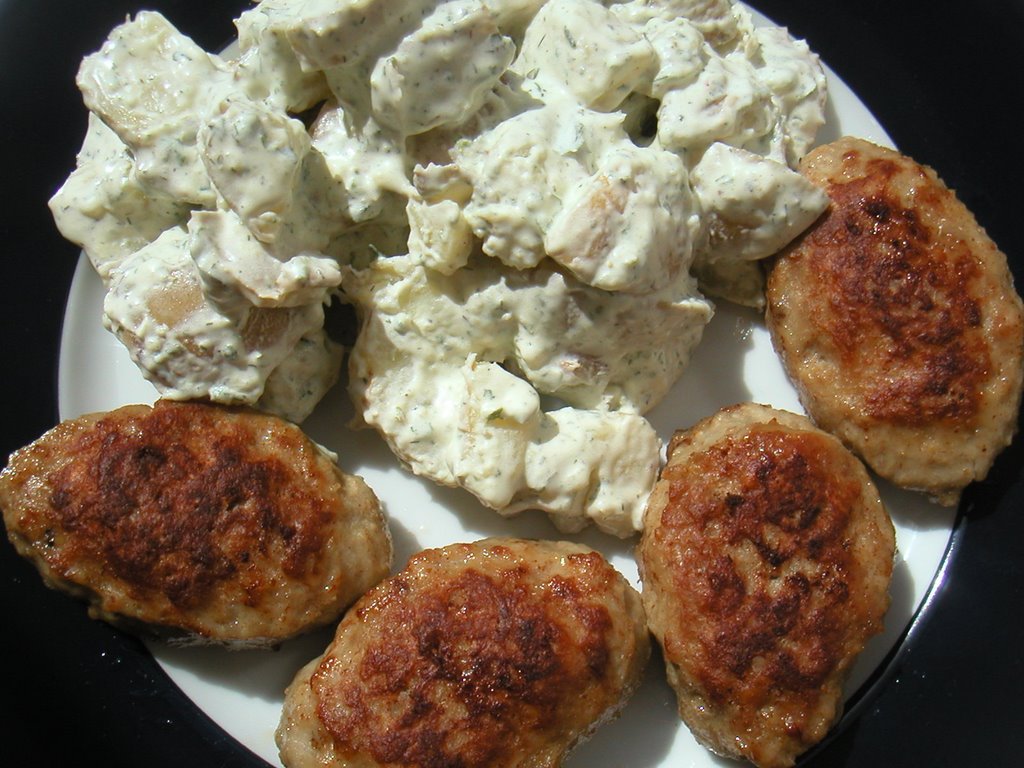
Frikadeller are pan-fried meatballs made from pork and veal, seasoned simply with onions and spices. They deliver a tender, juicy bite with a crisp exterior, often served with parsley sauce or pickled vegetables. This dish anchors many family meals and communal gatherings, where it’s passed around with potatoes or rye bread.
Where to find it: Best enjoyed in family-run guesthouses or communal dining settings focused on home-style cooking.
Best for: comfort food for dinner or shared meals
Rugbrød (Rugbrød)
Rugbrød is dense, dark rye bread with a chewy texture and slightly sour flavor from natural fermentation. It forms the foundation of smørrebrød and is prized for its hearty, earthy taste. Locals often slice it thick and toast it lightly before layering toppings, which enhances its nutty notes.
Where to find it: Available in family kitchens and communal meals where bread-making is a craft.
Best for: foundation for open-faced sandwiches
Stegt Flæsk (Stegt Flæsk)
Stegt flæsk features thick slices of crispy fried pork belly served with creamy parsley sauce. The contrast between crunchy pork skin and smooth sauce defines this dish’s appeal. It’s a traditional Danish favorite often prepared in family homes where the pork is fried fresh to order.
Where to find it: Find stegt flæsk in family-run guesthouses or communal dining rooms focusing on classic Danish dishes.
Best for: hearty dinner or weekend meal
Rødgrød med Fløde (Rødgrød med Fløde)
Rødgrød med fløde is a red berry pudding made from stewed currants and strawberries, served with cold cream. The sweet, slightly tart flavor contrasts with the rich cream, creating a refreshing finish to a meal. Locals often prepare it in summer using fresh berries from family gardens.
Where to find it: Commonly served in family homes or small guesthouses during summer months.
Best for: light dessert after dinner
Æbleskiver (Æbleskiver)
Æbleskiver are small, round pancakes cooked in a special pan, often dusted with powdered sugar and served with jam. Their light, fluffy texture contrasts with the crispy exterior. Traditionally enjoyed during winter holidays, locals treat them as a shared snack or dessert in family settings.
Where to find it: Best found in family kitchens or communal holiday gatherings.
Best for: seasonal snack or dessert
Kartoffelsalat (Kartoffelsalat)
Kartoffelsalat is a creamy potato salad often mixed with mayonnaise, herbs, and sometimes pickled cucumbers. It balances richness with fresh acidity, making it a common side dish at family dinners or communal meals. Locals adjust the herb mix depending on the season and occasion.
Where to find it: Served in family-run guesthouses and communal dining settings.
Best for: side dish for meat or fish meals
Rugbrødschips (Rugbrødschips)
Rugbrødschips are thin, crispy chips made from rye bread, offering a toasted, nutty flavor with a satisfying crunch. They serve as a modern snack or appetizer, often accompanying dips or spreads in family gatherings. Locals appreciate them as a lighter alternative to potato chips.
Where to find it: Found in family homes or small guesthouses serving casual snacks.
Best for: light snack or appetizer
Flæskesteg (Flæskesteg)
Flæskesteg is roast pork with crackling, seasoned with bay leaves and cloves, delivering a crispy skin and tender meat. It’s a centerpiece at family dinners, especially during holidays, served with red cabbage and potatoes. Locals insist on fresh crackling, which requires precise roasting technique.
Where to find it: Best experienced in family-run guesthouses or communal holiday meals.
Best for: holiday dinners or special occasions
Rugbrødsmadder (Rugbrødsmadder)
Rugbrødsmadder are open-faced rye bread sandwiches topped with combinations like cold cuts, cheese, or fish, arranged with care to balance flavors and textures. They emphasize layering and precision, often served in family or communal dining where sharing plates is common. Locals vary toppings seasonally, adding fresh herbs or pickles.
Where to find it: Common in family kitchens and communal dining rooms focused on shared meals.
Best for: light lunch or snack
Local drinks in Denmark
Beer (Øl)
Danish beer, particularly pilsners and lagers, is known for its crispness and refreshing taste. Many local breweries produce a variety of styles, often using traditional methods. Enjoy a cold beer with smørrebrød for a classic pairing.
When to drink it: Best enjoyed during casual meals or social gatherings.
Where to find it: Look for local breweries or pubs, especially in neighborhoods like Vesterbro and Nørrebro.
Aquavit (Snaps)
Aquavit is a traditional Danish spirit flavored with herbs and spices, often served chilled. It has a distinct caraway or dill flavor, making it a unique accompaniment to meals. Pair it with pickled herring for a true Danish experience.
When to drink it: Typically enjoyed during festive occasions or with traditional meals.
Where to find it: Available at bars and restaurants, particularly during holiday seasons.
Coffee (Kaffe)
Danish coffee is often strong and served black, reflecting the country’s coffee culture. Many locals enjoy a cup during breaks or social visits, making it a staple in daily life. Pair it with a slice of kage (cake) for a delightful treat.
When to drink it: Commonly consumed throughout the day, especially during social gatherings.
Where to find it: Find it in cafes and bakeries across the country, particularly in Copenhagen.
Cider (Cider)
Danish cider is often made from locally sourced apples, offering a refreshing alternative to beer. It can range from dry to sweet, appealing to various palates. Enjoy it with frikadeller for a delightful pairing.
When to drink it: Perfect for warm days or casual outdoor gatherings.
Where to find it: Available at local markets and specialty shops, especially in rural areas.
Mead (Mjød)
Mead is a traditional drink made from fermented honey and water, often flavored with spices or fruits. It has a sweet and rich flavor profile, making it a unique choice. Pair it with æbleskiver for a sweet finish.
When to drink it: Enjoy during festive occasions or as a dessert drink.
Where to find it: Look for it at specialty shops or during local festivals.
Where to Eat
Primary setting:
Eat like a local in Denmark
Meals in Denmark often revolve around the host-guest dynamic, with Sunday lunch being a significant occasion for family gatherings. Expect meals to last longer when shared with friends or family, as conversation and connection are prioritized. Locals enjoy multiple small meals throughout the day, often grazing on snacks like rugbrødschips or frikadeller.
- Use your right hand for eating and passing food – the left hand is considered unclean in this context.
- Pour for your neighbor before your own glass; leaving your glass empty is not considered rude.
- When sharing smørrebrød, offer to cut it into smaller pieces for others.
- Wait for the host to start the meal before digging in; this shows respect.
- Always thank your host after a meal; it’s a sign of appreciation.
Frequently asked questions about food and drinks in Denmark
1Is smorrebrod worth trying or is it overhyped?
Yes, smorrebrod is essential to Danish cuisine. The layers of flavor and presentation make it a standout dish, especially when enjoyed at a local cafe.
2What does a day of eating in Denmark cost?
Roughly $50 to $80 per day in 2026, depending on whether you choose street food or sit-down meals.
3Is Denmark good for vegetarians / vegans?
Yes, Denmark offers a growing selection of vegetarian and vegan options, especially in urban areas like Copenhagen.
4Where can I find frikadeller?
You can find frikadeller at many traditional Danish restaurants, particularly in the Vesterbro neighborhood, where they often serve them with potatoes and gravy.
5What is the local drink in Denmark?
Aquavit is the local drink, a traditional spirit flavored with herbs and spices, often enjoyed during meals or celebrations.
6What should I drink with smorrebrod?
Pair smorrebrod with a cold Danish lager for a refreshing complement to the rich flavors of the sandwich.
7How much does street food cost?
Street food typically costs around $5 to $15 per dish in 2026, offering a budget-friendly way to sample local flavors.
8Can I eat safely at street stalls?
Yes, street stalls in Denmark are generally safe. Look for busy vendors with high turnover to ensure freshness.