


Morning light hits Anglican churches on Bay Street, while the salty breeze carries cricket cheers from Kensington Oval.
Barbados stands apart from neighbors like Jamaica and Trinidad by its strong British colonial legacy, seen in cricket and Anglican parishes. The island’s 66% Protestant population influences daily life and public holidays. Despite tourism wealth, inequality remains stark, shaping social dynamics and local attitudes.
Always cover shoulders and knees off the beach; Barbados’s British-Caribbean identity demands modesty beyond resorts.
Key takeaways
- Remove shoes if you see lined-up footwear at any home or church entrance.
- Use licensed ZR vans or taxis during daytime; avoid Bridgetown alleys after dark.
- Tipping 10-15% is standard in resorts and restaurants; no bargaining in fixed-price shops.
- Public displays of same-sex affection should be discreet despite legal acceptance since 2022.
- Barbados’s identity centers on cricket, Anglican churches, and its 2021 republic status.
Religion and spirituality
Religion shapes much of Barbados’s visible culture, especially in Bridgetown and the parish of St. Michael. Anglican church spires punctuate the skyline, and the sound of church bells rings regularly, marking Sunday services and special occasions. The historic St. Michael’s Cathedral in Bridgetown and the St. John’s Parish Church in Holetown stand out as architectural landmarks reflecting the island’s British colonial religious heritage. Sundays slow down noticeably, with many shops closing or operating reduced hours for church attendance. Pentecostal congregations bring vibrant, rhythmic worship that you can hear spilling into streets during weekend afternoons, especially in urban neighborhoods. Religious festivals, mainly Christian, cluster around Christmas and Easter, visibly affecting local markets and public events. The 2010 census data underpins this religious landscape, showing a dominant Protestant presence that influences daily rhythms, public holidays, and community gatherings. Catholic and other minority faiths add to the mix but remain less visible in public spaces. The scent of incense or church candles is rare but present in Anglican and Catholic services, adding a sensory layer to the religious experience for visitors.
| Religion | % | Core value | What you see |
|---|---|---|---|
| Protestant (Anglican, Pentecostal) | 66% | Community, worship, tradition | Sunday church bells and closed shops |
| Catholic | 4% | Sacraments, ritual, hierarchy | Mass at St. Patrick’s Church |
| No religion | 21% | Secularism, individualism | No religious observance in daily life |
| Other | 9% | Diverse beliefs, minority faiths | Small community gatherings |
At sacred sites
At St. Michael’s Cathedral in Bridgetown, remove hats and avoid loud talking inside. Stand quietly during services, and do not take photos without permission; flash photography is forbidden. Donations go into the collection plate passed around during service, never left unattended. At the St. John’s Parish Church in Holetown, dress modestly—cover shoulders and knees—to gain entry. When lighting candles, use your right hand and avoid touching the flame directly. Interaction with clergy is formal; wait for them to approach before speaking. Both sites require respectful silence near altars and no physical contact like touching heads or shoulders. Shoes stay on unless explicitly requested to remove them at smaller chapels. These rules apply strictly during services and special ceremonies, with staff or ushers enforcing them visibly.
Religion affects your tourist day mainly at sacred sites, not in everyday city life. Outside churches, expect no dress code enforcement or prayer interruptions in markets or beaches. Sundays slow commercial activity due to church attendance, but no business shuts down completely. Religious festivals may cause traffic delays or event closures but won’t restrict access to public spaces. In Bridgetown, casual wear is fine everywhere except inside churches, where modesty is required. Food is secular; no religious dietary restrictions affect restaurants or street vendors. Overall, religion is temple-only in practical terms, with clear carve-outs for worship times and sacred spaces.
Handle with care
At St. Michael’s Cathedral, unauthorized photography results in denied entry or removal from the premises.
How locals actually live
A median-income resident in Bridgetown lives in a modest chattel house in the St. Michael district. They commute by bus, spending about $1.50 USD on the fare. Breakfast often consists of a local dish called cou-cou and flying fish, costing around $5 USD. The workday typically involves a 9 to 5 job in retail or services, with a lunch break at noon. In the evening, dinner might be a simple meal of rice and peas with chicken, costing about $7 USD. On weekends, they enjoy visiting the beach or attending local cricket matches, engaging with community activities.
The wealth gap in Bridgetown is starkly visible between the upscale district of Holetown and the working-class area of The Pine. 4% of wealth (WID 2022). Tourists often find themselves in both worlds by visiting local markets in The Pine and upscale shopping areas in Holetown.
| Region | What's distinctive | What it means for you |
|---|---|---|
| Bridgetown/South coast | Capital and tourism core, lively atmosphere. | Expect vibrant nightlife and local events. |
| West coast (Platinum Coast) | Upscale resorts cater to luxury travelers. | Dress upscale for beach clubs and fine dining. |
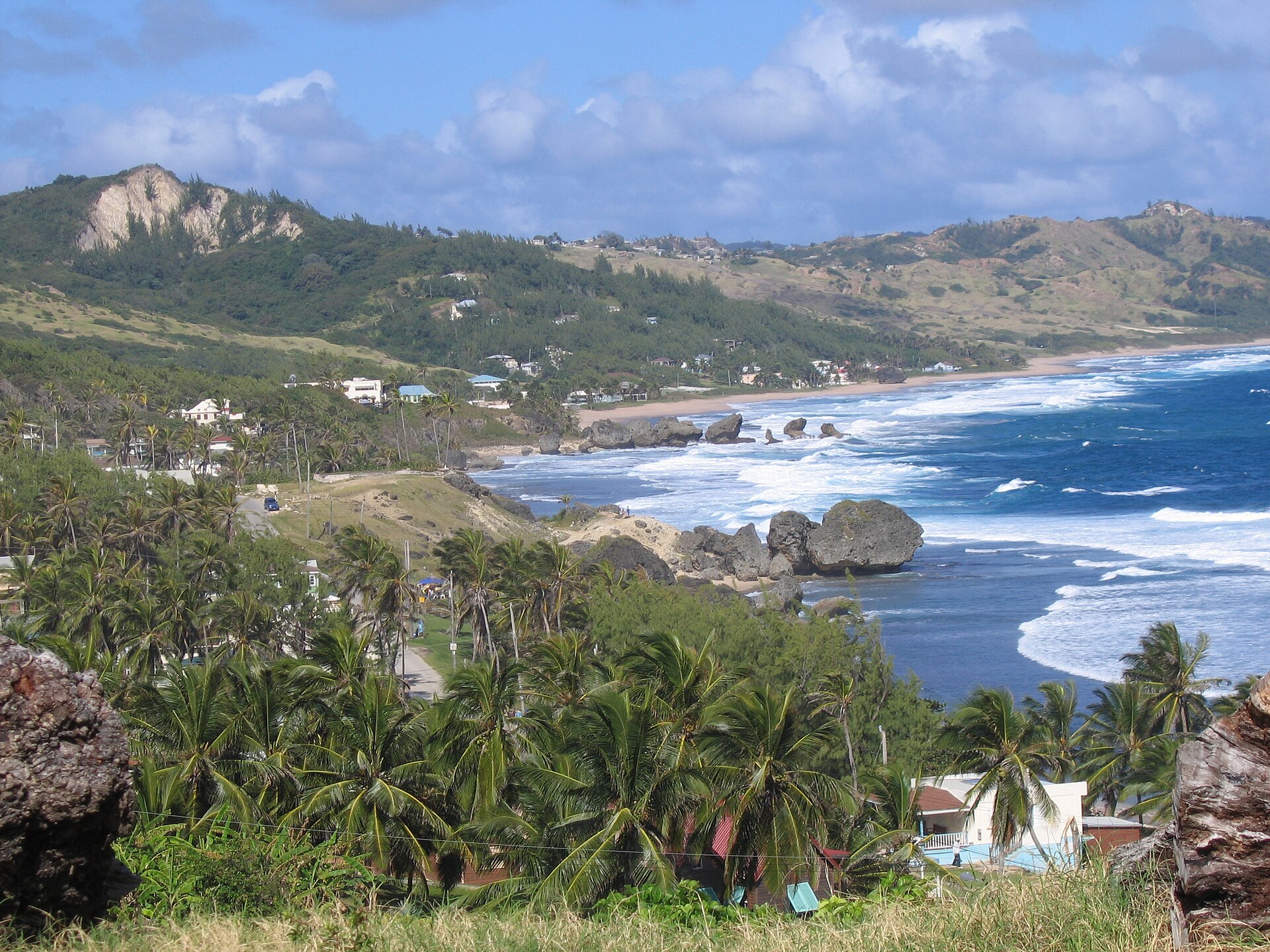
| East coast (Bathsheba) | Rugged Atlantic coast attracts surfers and nature lovers. | Bring sturdy shoes for coastal hikes. |
| Interior (St George) | Plantation-heritage countryside showcases local history. | Engage in local markets for authentic crafts. |
Households in Bridgetown are often nuclear, with some multigenerational living. A significant portion of the workforce is engaged in the informal economy, though exact percentages are not published. In the capital, many residents rent their homes, reflecting a tendency toward renting over ownership.
Where your path crosses theirs
Tourists cross income groups by visiting street-food stalls in The Pine and shopping at luxury malls in Holetown. Interactions with Grab drivers and hotel concierges also highlight this divide. To navigate the class gap, always ask about prices before buying street food to avoid overpaying, ensuring a fair exchange.