


Driving in Belize is doable for a prepared visitor but comes with real friction. With a moderate traffic difficulty rating and a concerning road-death figure of 26 per 100k, the risk is significant. Unmarked speed bumps and poor lighting on highways add to the chaos, making defensive driving essential. This means planning your routes carefully and being aware of local driving habits.
This page provides a clear verdict on whether to self-drive, along with insights on the International Driving Permit, which is not legally required here. You will drive on the right side of the road. For those who prefer not to drive, there are reliable alternatives available that ensure safety and convenience.
The verdict
Self-driving is fine for a prepared, defensive driver, risky for a nervous one. The key is to drive only during daylight hours to avoid hazards like livestock and pedestrians. Confidence in navigating the local roads can make for a rewarding experience.
Essential tips
- Carry your IDP. An International Driving Permit is not legally required, but carrying one is still recommended.
- Drive on the right. You must drive on the right side of the road, which can be challenging for first-time visitors.
- Avoid night driving. Due to high road deaths at 26 per 100k, avoid driving after dark to minimize risks.
- Watch for speed bumps. Unmarked speed bumps, known as ‘sleeping policemen’, are common and can catch you off guard.
- Consider public transport. Using buses or taxis can be safer and more convenient than self-driving in certain areas.
- Stay alert for livestock. Be vigilant for livestock on the roads, especially in rural areas, as they pose significant hazards.
How the traffic flows
Driving in Belize presents a unique challenge, with a moderate difficulty rating and a high road-death rate of 26 per 100,000. The main highways are paved but lack proper street lighting and markings, creating an environment where unwritten rules govern the road. Expect to encounter unmarked speed bumps and livestock on the roads, especially after dark. This is not just about following traffic signs; it’s about understanding the local driving culture to navigate safely. Defensive driving is essential, as the flow can be unpredictable, and being prepared for anything is key to a successful trip.
RIGHT OF WAY
In Belize, larger and faster vehicles often take priority, regardless of traffic signs. Expect to yield to buses and trucks, as they dominate the roads. Foreign drivers should be prepared to assert themselves in merging situations, as local drivers may not always yield as expected. Roundabouts are typically followed, but watch for unexpected entries from smaller vehicles. Always be cautious and ready to give way, especially to larger vehicles.
SIGNALS AND THE HORN
The horn in Belize serves as a friendly reminder of your presence rather than a warning. Drivers often use their horns to announce their approach, especially when overtaking. Indicators may not be consistently used, so anticipate that vehicles might change lanes without signaling. High beams can signal an intention to overtake, so be vigilant when driving at night. Understanding this local communication style is crucial for safe navigation.
LANE DISCIPLINE AND FLOW
Lane markings are often treated as suggestions rather than strict rules. Expect to see vehicles weaving in and out of lanes, especially in busy areas. As a foreign driver, maintain your lane and allow local drivers to flow around you. Do not be surprised if vehicles overtake on the left or right; this is common practice. Stay alert and adapt to the fluidity of traffic patterns.
ANTICIPATING THE ROAD
Always be on the lookout for pedestrians, cyclists, and livestock that may appear unexpectedly on the road. In rural areas, livestock can wander onto the road, particularly during the day. Maintain a calm and steady pace, especially in congested areas or when driving after dark. Be prepared for sudden stops and ensure you have a clear view of the road ahead. This mindset will help you navigate the challenges of driving in Belize safely.
Do
- Honk to announce
Use your horn to signal your presence when overtaking or approaching blind corners.
- Yield to larger vehicles
Always give way to buses and trucks, as they have the right of way in most situations.
- Stay alert for livestock
Watch for livestock on rural roads, especially during daylight hours.
- Drive during the day
Avoid driving after dark to reduce the risk of encountering unlit vehicles and pedestrians.
- Keep a safe distance
Maintain a safe distance from the vehicle in front to allow for sudden stops.
Do not
- Do not drink and drive
Adhere to the zero-tolerance policy for drinking and driving to avoid severe penalties.
- Do not speed in towns
Respect speed limits, especially in urban areas where pedestrians are common.
- Do not engage with solicitors
Avoid interacting with anyone soliciting roadside bribes or assistance.
- Do not ride without a helmet
Always wear a helmet if riding a scooter or motorcycle, as it is mandatory.
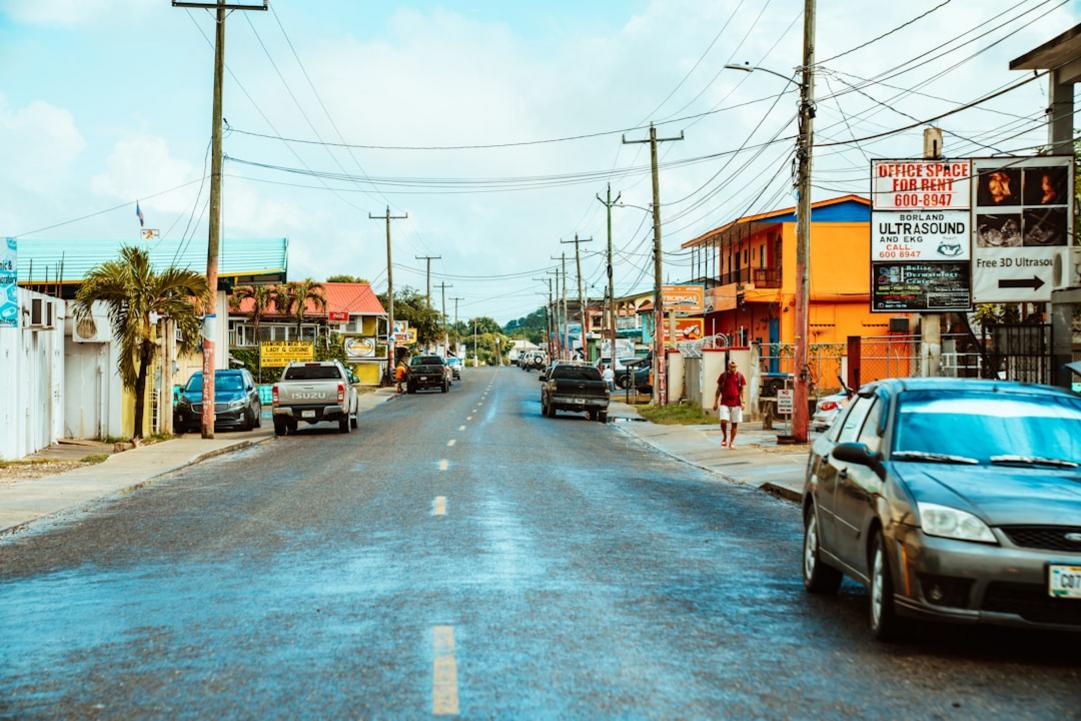
Road Conditions in Belize
Main highways like the Philip Goldson, George Price, Hummingbird, and Southern are paved but often lack street lighting, road markings, and shoulders. Expect unmarked speed bumps, known as ‘sleeping policemen’, which can catch you off guard. Rain can exacerbate road conditions, especially during the typhoon and flood season from June to November, leading to slippery surfaces and potential flooding. Rural and unpaved roads can be challenging, making a 4WD rental advisable in areas like Cayo and Toledo.
Traffic congestion is most severe in Belize City during weekday rush hours, typically from 7 AM to 9 AM and 5 PM to 7 PM. Outside of these times, traffic eases considerably. Avoid driving after dark, particularly in rural areas, due to poor lighting and the presence of livestock and pedestrians on the roads.
Traffic Facts
Here are essential driving facts for Belize.
| Metric | Value | What it means for you |
|---|---|---|
| Driving side | Right | Drive on the right side of the road, which is standard for most countries. |
| Traffic intensity | Moderate | Expect a moderate level of traffic, manageable for experienced drivers. |
| Road deaths per 100k | 26 per 100k | Belize has a high road death rate, indicating caution is necessary. |
| Self-drive verdict | Recommended | Self-driving is feasible but requires preparedness and caution. |
| Seasonal road hazard | Typhoon (June-November) | Be aware of potential flooding and road damage during this season. |
Traffic Rules and Limits
Traffic rules are typically enforced but can vary; confirm current limits and signage locally.
Drink-driving
The typical legal blood-alcohol limit is around 0.08%. Enforcement includes random checks, so it’s best to avoid drinking and driving altogether.
International Driving Permit in Belize
An International Driving Permit is not legally required to drive in Belize, but it is recommended as a precaution. It serves as a useful supplement to your home licence and can facilitate interactions with local authorities.
Carry your original home licence, the IDP if obtained, passport, and rental and insurance documents. The IDP is issued in your home country, typically by the national automobile association, for a small fee, and is valid for about a year. It cannot be issued once you are abroad.
Be aware that some rental companies may require additional documentation or impose age restrictions. Even with an IDP, consider whether driving is the best option for your trip.
Before you go
- Obtain an IDP before leaving your home country
- Carry your original driving licence at all times
- Keep your passport and rental documents handy
- Verify local driving rules upon arrival
- Check for any additional local requirements
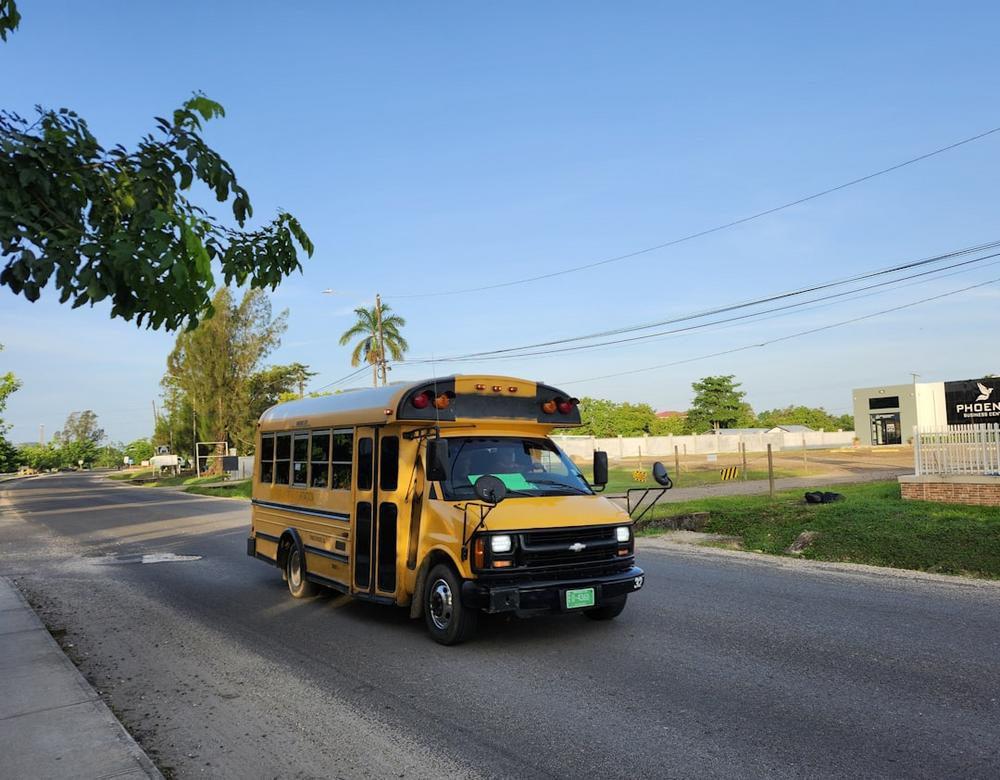
Transport options compared
For most visitors, these are the smart default, covering the most ground efficiently. While self-driving is workable, consider these alternatives for convenience and safety. Each mode offers unique advantages for navigating Belize’s landscapes and towns.
| Mode | Flexibility | Cost | Safety | Tip |
|---|---|---|---|---|
| Car rental | High – reaches villages a bus cannot | Mid-range, typically 30-60 a day | Moderate – safer than self-driving | Book in advance to secure the best rates |
| Private driver | High – tailored itineraries available | Budget, around 50-100 per trip | High – local drivers know the roads | Negotiate the fare before starting |
| Ride-hailing app | Moderate – limited to urban areas | Low, roughly 10-20 per ride | Moderate – vetted drivers, but check reviews | Use a popular app for reliability |
| Intercity coach | Moderate – connects major towns | Low, around 10-30 per trip | Moderate – generally safe, but check schedules | Book tickets ahead during peak seasons |
| Metered taxi | Moderate – available in cities | Mid-range, around 15-25 for short trips | Moderate – agree on fare before starting | Use reputable taxi services only |
Tolls and parking
Major roads in Belize are not tolled, allowing free travel across highways. Parking in urban areas can be challenging; street parking is common, but avoid leaving valuables in sight. Look for secure parking garages if available, especially in busy towns.
Fuel types and prices
Typically, petrol (regular and premium) and diesel are available. Prices tend to be around 1-1.50 per litre, but check locally as they can vary. Rural areas may have fewer stations, so fill up whenever possible to avoid running low.
Travelling with children
Do
- Use child seats for young children in cars
- Ensure children wear helmets on scooters
- Limit scooter passengers to one child at a time
- Keep kids away from the traffic side of the vehicle
Do not
- Do not allow children to ride in the front seat until age 12
Book transport the easy way
Compare and book buses, trains and transfers in one place, often cheaper than at the counter.
What to do after an incident
Ensure the scene is safe before taking any further action. Call the emergency services using the numbers shown here for any injuries or serious incidents. If driving a rental, contact the rental company to report the situation. Photograph the scene and exchange details with any other parties involved, and remember to notify your travel insurer about the incident. Staying calm and collected will help you manage the situation effectively.
Pro tip
Get a local SIM card or eSIM for reliable access to live maps and ride-hailing services. Download offline maps before you travel to ensure you can navigate without data issues. This will make your journey smoother and help avoid getting lost in unfamiliar areas.
Driving FAQs for Belize
1Do I need an International Driving Permit for Belize?
An International Driving Permit is not legally required in Belize, as the country follows the 1949 Geneva Convention. However, carrying one is still recommended as it can help avoid potential issues with local authorities. It is always wise to be prepared when driving in a foreign country.
2Which side of the road do they drive on in Belize?
In Belize, you drive on the right side of the road. This is important to remember, especially if you are coming from a country where driving is on the left. Familiarising yourself with local driving norms will enhance your safety on the roads.
3Is it safe to drive or rent a scooter in Belize?
Driving in Belize is manageable but comes with risks, as the country has a road death rate of 26 per 100,000 people, which is among the highest globally. Renting a scooter may not be the best option due to road conditions and traffic. It is advisable to drive defensively and be cautious of local traffic patterns.
4Can I use ride-hailing apps in Belize?
Yes, ride-hailing apps are available in Belize, providing a convenient way to get around without the stress of driving. These services can be particularly useful in urban areas like Belize City. Always check for availability and local options before your trip.
5Is it cheaper or smarter to hire a driver in Belize?
Hiring a driver can often be a smarter choice in Belize, especially for those unfamiliar with local roads and driving conditions. Given the moderate traffic difficulty and high road death rate, having a local driver can enhance your safety and reduce stress. It can also be cost-effective compared to rental fees and potential insurance costs.
6Can I drive in Belize with my home licence?
Yes, you can drive in Belize with your home licence, as it is recognised due to English being the official language. However, having an International Driving Permit is advisable to avoid any complications with local authorities. Ensure you have all necessary documents when driving.
7What are the speed limits in Belize?
Speed limits in Belize are typically around 50 km/h in urban areas and 90 km/h on highways. However, these limits can vary, and it is crucial to verify local regulations. Always be mindful of road conditions and adjust your speed accordingly.
8What is the safest way to get around Belize?
The safest way to get around Belize is to use ride-hailing services or hire a local driver. Given the high road death rate of 26 per 100,000 people, relying on experienced locals can significantly reduce your risk. Public transport options are also available, but they may not always be as reliable.
Speed limits, alcohol limits and fuel prices are typical figures and change over time. Confirm the current rules and local signage before you drive.
Some links on this page are affiliate links. We may earn a small commission at no extra cost to you when you use them.