


Ask a dozen travelers when to visit Europe and you get a dozen different answers, because each of them is picturing one region and speaking for the whole continent. The Athens local means June through September, when the ruins bake at 87°F / 31°C. The Reykjavik local means the last week of May, when the sun barely sets. The ski instructor in Innsbruck means January. All three are right, and none of them is answering your actual question, which is bigger than a single country and smaller than “anytime works.”
The short version: May-June and September are the strongest single window for most of Europe, warm enough without the July-August crowd peak or the steepest prices, though the right month still depends on the region, since Mediterranean Europe peaks June-September, Scandinavia peaks June-August for the midnight sun, and the Alps split between a June-September hiking season and a December-March ski season.
Europe by Region: When Each Part Is at Its Best
Europe is not one climate. It is six loosely stitched together, and the “best time” question only gets a useful answer once you split them apart. The table below is the fast version: match your region to the season that actually fits your trip, then read the section for the reasoning and the caveats.
| Region | Spring (Mar-May) | Summer (Jun-Aug) | Autumn (Sep-Nov) | Winter (Dec-Feb) |
|---|---|---|---|---|
| Mediterranean and Southern | Warming fast, thinner crowds | Peak heat, 87°F / 31°C or higher in Athens, most crowded and priciest window | Still warm through October, crowds ease | Mild by European standards: 59°F / 15°C days, 46°F / 8°C nights in Barcelona, Marseille, Athens and Rome |
| Western Europe | Best all-round shoulder window, mild and green | Warm, busiest cities, longest daylight hours | Second shoulder window, harvest season, fewer crowds | Cold, wet, short days, lowest prices |
| Central Europe and the Alps | Valleys wake up, high trails still closed | Hiking season, alpine meadows open | Larches turn gold, hiking season winds down by October | Ski season, December through March |
| Northern Europe and Scandinavia | Snow melts, daylight lengthens fast | Midnight sun, 17 to 19 hours of daylight in the capitals | Nights lengthen, aurora season opens late September | Long dark nights built for northern lights viewing |
| Eastern Europe | Mild, winter crowds already gone | Hotter summers than Western Europe, still the better-value ticket | Mild and colorful, strong value window | Colder winters than Western Europe, the cheapest season to fly and sleep |
| British Isles | Mild, unpredictable, green | The warmest and driest stretch of the year | Mild, damp, foliage turning | Mild compared to the continent but wet, dark and short on daylight |
Key takeaways
- May-June and September are the closest thing Europe has to a universal sweet spot: warm enough almost everywhere, before or after the July-August peak.
- Southern Europe runs on heat and crowds. Scandinavia runs on daylight, not temperature. The Alps run two opposite seasons depending on whether you hike or ski.
- Accommodation prices can double or triple between the quietest and busiest weeks in the same city, so timing is a budget decision as much as a weather one.
Mediterranean and Southern Europe: Beach and City Season
Athens in August is not subtle about it. Daytime highs average 87°F / 31°C, the marble at the Acropolis holds heat like a stovetop, and the crowd that shows up to stand on it arrives at the same hour every morning because every guidebook recommends the same “beat the heat” opening slot. Rome runs the same script: 86°F / 30°C afternoons or hotter through July and August, and a Colosseum queue that starts before the ticket booth opens.
Winter tells a gentler story than most people expect. Barcelona, Marseille, Athens and Rome all average around 59°F / 15°C by day and 46°F / 8°C overnight in January and February, an 18°F / 10°C swing from their summer peak rather than a true cold snap. That is coat-and-scarf weather, not the closed-shutters off-season some travelers picture, and it is exactly why city breaks to Italy’s month-by-month weather guide or Spain’s best travel time breakdown point toward the shoulder months rather than midsummer.
The honest recommendation for this region is late spring or early autumn:
- May and early June: warm enough to swim in most coastal spots, before the July-August surge and its matching prices.
- September and early October: the sea has spent all summer warming up, the heat has broken, and the beaches empty out on weekdays.
- July-August: reserve this for travelers who specifically want beach-club season and can tolerate 87°F / 31°C afternoons or hotter, plus the fullest crowds of the year.
Skip the temptation to treat the whole region as one block. When to visit Greece month by month and Croatia’s month-by-month guide both split further by island and coastline, since a Dalmatian September and an Aegean September do not behave identically.

Western and Central Europe: The Reliable Shoulder-Season Pick
Paris, Amsterdam, Munich and the cities between them do not have a single dramatic peak season the way the Mediterranean does. What they have is a long, dependable shoulder window that works better than either extreme. Spring brings tulip fields into bloom and river valleys back to green well before the summer coach-tour traffic arrives, and autumn brings harvest festivals and thinning crowds without the winter chill.
Summer here is warm and genuinely pleasant, but it is also when every European city break, school-holiday family and coach tour converges on the same handful of landmarks at once. Winter swings the other way: cold, often gray, short on daylight, but the cheapest flights and hotel rates of the year outside the two-week Christmas market rush.
The shoulder months, April-May and September-October, are the most consistently recommended window across this whole belt of Europe for exactly that reason: mild enough for full days of walking, thin enough crowds to actually get into the places worth seeing, and prices that have not yet spiked to peak-summer levels. The Netherlands’ month-by-month weather guide is worth a look before locking in dates, since tulip season is short and specific, and the same logic applies whether the trip runs through France, Germany or Portugal.

The Alps: Two Opposite Best Times (Hiking vs Skiing)
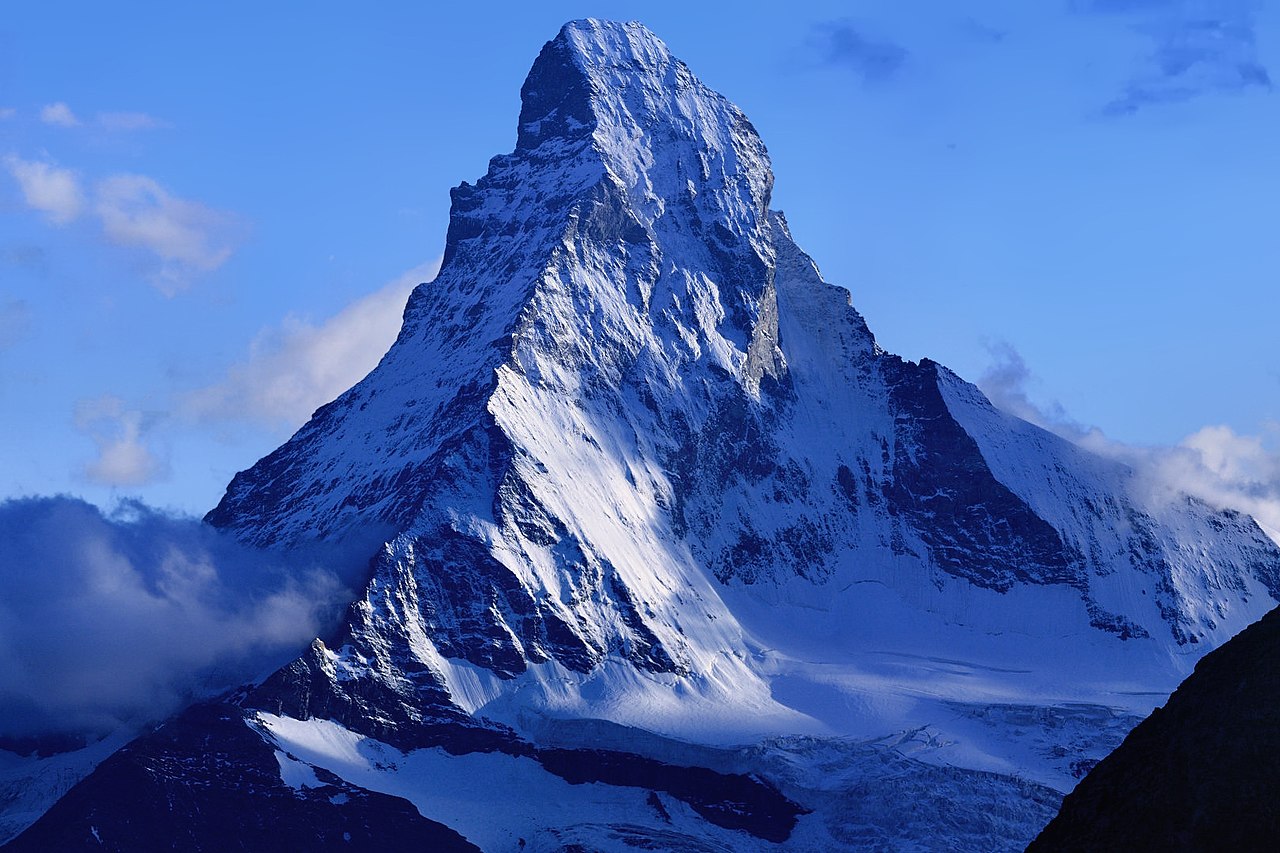
The Alps are the one region on this list with no single answer, because they run two entirely separate best seasons that share almost no overlap. Ski season runs December through March, built around snowpack rather than sunshine. Hiking season runs roughly June through September, when the high trails clear of snow and the alpine meadows open up. Ask “when is the best time for the Alps” without specifying which trip you mean, and the honest answer is “which Alps trip.”
Exact snow-reliability dates vary by resort, altitude and year, so treat December-March as the season, not a guarantee for any single week. What does not vary: the two seasons want opposite gear, opposite budgets, and largely opposite towns, since a summer hiking base and a winter ski base are not always the same village.
Do
- Book skiing by season, not by date: aim for the December-March window and check current snow conditions closer to the trip rather than locking a date a year out.
- Hike June through September: this is when high-altitude trails are reliably clear and mountain huts are fully open.
Don’t
- Plan a high-altitude hike in April or May: valley towns look like spring, the ridgelines above them are often still under snow.
- Assume one Alps region matches another: Switzerland’s ski-versus-hiking season guide and Austria’s month-by-month weather guide both cover resort-specific timing that a continent-level guide cannot.
Northern Europe and Scandinavia: Midnight Sun or Northern Lights
Scandinavia does not run on temperature the way the rest of this guide does. It runs on daylight. Summer in the Nordic capitals delivers 17 to 19 hours of daylight, and Reykjavik goes further still, edging close to 24 hours of usable light around the June 21 solstice. That is the whole draw of a Scandinavian summer trip: not heat, but light that lets a day of sightseeing stretch until what would normally be bedtime.
Iceland specifically runs cool even in its warmest months. May through July averages 50-59°F / 10-15°C, with Reykjavik highs reaching up to 64°F / 18°C on a good day, and the midnight sun window itself runs late May to late July. Pack for a mild, changeable spring even in the middle of summer.
Flip the calendar to late September through March and the region offers a completely different draw: long, dark nights built for northern lights viewing across Norway, Iceland and northern Sweden and Finland. This is the one part of Europe where winter is not a compromise season, it is the season, provided the trip is built around aurora chasing rather than beach weather.
- Chasing daylight and warmth: June-August, when the midnight sun is active and temperatures are as high as the region gets.
- Chasing the northern lights: late September through March, when nights are dark enough for aurora visibility.
- Skip the shoulder months if the goal is either extreme: April-May and September have neither reliable midnight sun nor dependable dark-sky viewing.
Norway’s midnight sun and Northern Lights timing and Iceland’s best time to visit, month by month both go further into which specific weeks work for each goal.

Eastern Europe and the British Isles: The Value Shoulder Seasons
Eastern Europe runs hotter summers and colder winters than Western Europe, a wider swing that also comes with a narrower crowd and a lower bill. Prague, Budapest and Krakow see nowhere near the July-August density of Paris or Rome, and the same shoulder-season logic that works in Western Europe applies here too, just with more room to breathe and better prices attached to it.
The British Isles run cooler and wetter than the continent year-round, without a dramatic seasonal swing in either direction. Summer is the warmest and driest stretch of the year, which is also why it draws the biggest crowds to Edinburgh, the Cotswolds and the coastal towns. Spring and autumn trade a few degrees of warmth for space and lower prices, a trade that is usually worth making given how mild the winters already run.
The UK’s month-by-month weather guide breaks the four nations down further, since Scotland’s weather window does not match southern England’s.

How to Pick Your Europe Trip Window
Six regions, four seasons, no single right answer. The decision comes down to which of four factors matters most for this specific trip.
Rank weather against crowds
If warm, reliable weather matters more than elbow room, lean toward summer in the region you have picked. If space and a slower pace matter more, shift to the shoulder months even if it costs a few degrees.
Set a crowd tolerance
July-August is the densest month almost everywhere south of Scandinavia. If queues and fully booked restaurants are a dealbreaker, that rules out midsummer for the Mediterranean, Western Europe and the Alps alike.
Put a number on the budget
Accommodation prices can double or triple between low season and peak season in the same city. Shifting a trip by even three or four weeks off peak is one of the largest single levers on total cost.
Check for an anchor event
A ski trip is anchored to snow, a midnight sun trip to the solstice, an aurora trip to long dark nights. If the goal has a built-in season, that season wins over the general shoulder-month advice above.
Find Your Exact Month, Country by Country
A region-level answer only goes so far. Italy in May and Iceland in May are not the same trip, and the right month for a Swiss ski week is not the right month for a Swiss hiking week even inside the same country. The country pages carry that next layer of detail: month-by-month temperatures, rainfall patterns and crowd levels for Germany, France, Croatia and Portugal, alongside the ones already linked above for Italy, Greece, Spain, the Netherlands, Switzerland, Austria, Norway, Iceland and the UK.
Check the actual climate data before you book
The Best Travel Time tool overlays real Open-Meteo climate data on a world map, so a region-level guide can turn into an exact month for any city on the itinerary.
For anything not covered above, or for a starting point on a country that has not made this guide yet, browse all 146 countries by best season and work from there.
FAQ
01What is the overall best month to visit Europe?
May and September are the strongest single-month picks for most of Europe: warm enough for outdoor sightseeing across the Mediterranean, Western and Central regions, without the July-August crowd peak or the steepest prices.
02Is it better to visit Europe in summer or spring?
Summer (June-August) suits beach regions, the Alps hiking season and Scandinavia’s midnight sun, but brings the highest prices and biggest crowds continent-wide. Spring (April-May) trades a few degrees of warmth for thinner crowds and lower costs, and works especially well in Western and Central Europe.
03When is the cheapest time to visit Europe?
November through March, outside the December holiday weeks, is consistently the lowest-cost window across flights and accommodation for most of the continent, with the trade-off of shorter days and colder, wetter weather in Western and Central Europe.
04What is the best time to see the Northern Lights in Europe?
Late September through March, in Norway, Iceland and northern Sweden and Finland, when nights are long and dark enough for aurora visibility away from the near-24-hour daylight of the Scandinavian summer.
05Is Europe in winter worth visiting?
Yes for specific goals: Christmas markets (late November-December), ski season in the Alps (December-March) and northern lights season in Scandinavia. It is not the season for Mediterranean beach or Alpine hiking trips.
06Does the best time to visit Europe differ by country?
Significantly. Southern Europe peaks in summer heat, Scandinavia’s best window is built around daylight rather than temperature, and the Alps run two opposite best seasons for skiing versus hiking, which is why a single continent-wide answer only goes so far before you need country-level detail.
Image credits: hero old town square, Berthold Werner / Wikimedia Commons (Public domain). Santorini caldera, Nubifer / Wikimedia Commons (CC BY-SA 4.0). Keukenhof tulip gardens, Urdulife / Wikimedia Commons (CC BY-SA 4.0). Matterhorn, chil (Camptocamp.org), derivative by Zacharie Grossen / Wikimedia Commons (CC BY-SA 3.0). Geirangerfjord, Andreas Trepte / Wikimedia Commons (CC BY-SA 2.5). Prague, Moyan Brenn / Wikimedia Commons (CC BY 2.0).


