


Brazil offers snorkeling in warm Atlantic waters shaped by reefs and tidal pools rather than tropical coral atolls. Visibility ranges from 5 to 25 metres, with Fernando de Noronha delivering the clearest water and abundant sea turtles. The northeast coast’s tidal pools contrast with open-water sites like Arraial do Cabo, where cooler currents bring different fish species. Expect varied underwater terrain, from rocky reefs to sandy bottoms with sponges and gorgonians. The water delivers unique marine life, but coral diversity is modest compared to Indo-Pacific reefs.
Twelve spots stretch from Fernando de Noronha’s boat-access reefs to northeast tidal pools like Praia do Forte and Ilha de Itamaracá, plus popular shore entries at Porto de Galinhas and Ilha Grande. Difficulty varies: Lopes Mendes Beach suits beginners, while Abrolhos Marine National Park demands boat rides and stronger swimming. If you want clear water and big marine animals, Fernando de Noronha leads; for easy shore snorkeling, look at Praia do Forte or Porto de Galinhas. Scuba divers should check separate guides for Brazil’s deeper dive sites.
Key takeaways
- Access Fernando de Noronha reefs by boat only; expect 20+ metre visibility and frequent sea turtles.
- Porto de Galinhas offers easy shore entry with calm water, ideal for beginner snorkelers.
- Avoid Arraial do Cabo in December – February when strong currents and crowds reduce safety and visibility.
- Explore tidal pools at Praia do Forte in the dry season for clear water and abundant small reef fish.
- Boipeba Island’s moderate currents and rocky bottom require stronger swimmers but reward with diverse marine life.
- Ilha do Campeche’s 10-metre visibility and sandy reef make it a good spot for intermediate snorkelers.
- Skip Lopes Mendes Beach on weekends due to heavy crowds and choppy water despite easy access.
- Abrolhos Marine National Park demands boat access and good swimming skills but offers the richest reef fish diversity.
Snorkel spots at a glance
| Spot | Access | Difficulty | What you see | Verdict |
|---|---|---|---|---|
| Porto de Galinhas | Walk-in from beach | Easy | Calm pools with reef fish and small rays | Best shore snorkel for beginners; avoid during high tide for clearer water. |
| Fernando de Noronha | Boat tour only | Moderate | Green turtles, dolphins, and clear blue water | Top choice for clear water and large marine animals; strong swimmers only. |
| Arraial do Cabo | Walk-in from beach | Hard | Cold-water fish and rocky reefs with strong currents | Skip in summer months; best for experienced snorkelers controlling currents. |
| Ilha Grande | Walk-in from beach | Moderate | Tropical fish and rocky reefs with moderate visibility | Good for intermediate snorkelers; avoid rough sea days. |
| Boipeba Island | Walk-in from beach | Moderate | Rocky bottom with diverse reef fish | Requires stronger swimmers; rewarding for diversity and fewer crowds. |
| Abrolhos Marine National Park | Boat tour only | Hard | Rich reef fish and sponges in protected area | Best for experienced snorkelers seeking rich marine life; boat required. |
| Praia do Forte | Walk-in from beach | Easy | Tidal pools with small reef fish and crustaceans | Ideal for calm water snorkeling and beginners during dry season. |
| Maragogi Reefs | Boat tour only | Moderate | Clear water with colorful reef fish and corals | Good visibility but crowded; best early morning tours. |
| Lopes Mendes Beach | Walk-in from beach | Easy | Sandy bottom with occasional reef patches | Skip weekends due to crowds; otherwise easy for beginners. |
| Praia do Sancho | Boat tour only | Moderate | Steep reefs with tropical fish and turtles | Great for confident snorkelers; boat access only. |
| Ilha do Campeche | Walk-in from beach | Moderate | Sandy reef with 10-metre visibility and reef fish | Good for intermediate snorkelers; avoid rough weather. |
| Ilha de Itamaracá | Walk-in from beach | Easy | Tidal pools with small fish and crustaceans | Best for calm water and easy access; avoid rainy season. |
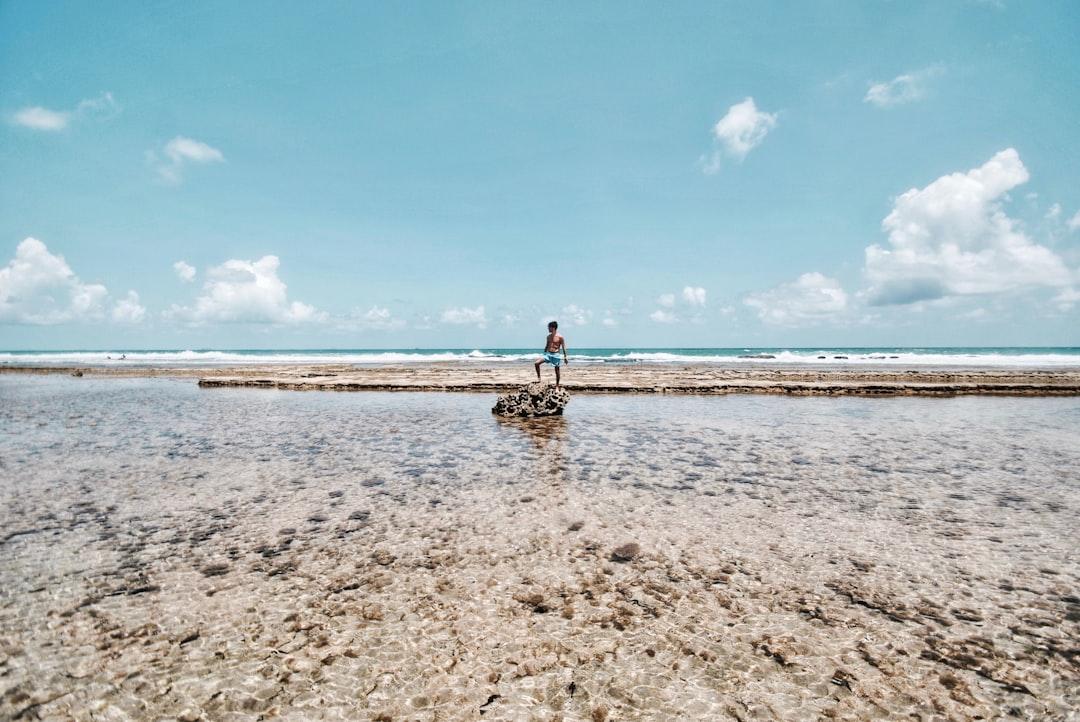
Where the snorkel spots are
The snorkel spots in detail
Porto de Galinhas – Tide Pools Alive with Colorful Fish
- Crowds: Moderate
- Time needed: 2 – 3 hours, 9 – 11 AM
Porto de Galinhas features natural tide pools at low tide, creating calm, shallow water perfect for shore snorkeling. The coral reefs just beyond the pools host vibrant tropical fish in clear water, offering easy underwater exploration without a boat. Snorkelers glide over starfish and small marine creatures near Pontal do Maracaipe beach.
This spot suits beginner snorkelers looking for hassle-free entry and colorful reefs close to shore. Visit between 9 AM and 11 AM to catch peak visibility and avoid crowds. Skip pricey boat tours; the best marine life is accessible from the beach and less crowded spots like Muro Alto.
Visibility peaks mid-morning with calm, shallow water ideal for beginners; no specific season limits apply.
- ▸ Colorful tropical reef fish near shore
- ▸ Starfish along Praia do Cupe
- ▸ Small marine creatures in tide pools
Getting in: Enter from Pontal do Maracaipe or Muro Alto beaches for calm, reef-protected waters. Walk into natural tide pools at low tide; gear rental is available near the village.
Skip boat tours to offshore reefs; shore snorkeling offers better value and easier access to marine life.
Who it suits: Pick this if you want easy shore snorkeling with calm water; skip if seeking challenging drift or deep-water reefs.

Fernando de Noronha – Dive into Brazil’s Richest Marine Park
- Crowds: Moderate
- Time needed: Half day, 8 – 11 AM
Fernando de Noronha offers crystal-clear waters revealing turtles, dolphins, and vibrant coral reefs in a strictly protected marine park. Snorkel in Atalaia Pool to see abundant fish and healthy corals in calm, shallow water. Early mornings bring calm seas and clearer visibility, with dolphins often spotted nearshore at sunrise.
This is Brazil’s premium snorkel destination, but expect a $65 daily park fee and visitor limits. Avoid weekends and crowded Sancho Bay; instead, book Atalaia Pool early for a quieter, richer experience. The marine park’s strict rules keep underwater life thriving, rewarding patient snorkelers.
Visibility is excellent early morning with calm seas; moderate difficulty due to conservation rules and visitor limits.
- ▸ Sea turtles in Baía do Sueste
- ▸ Dolphins near Dolphin Bay at sunrise
- ▸ Vibrant coral reefs in Atalaia Pool
Getting in: Access Atalaia Pool via a guided tour with limited daily visitors; shore entry is easy but strictly controlled. Boat tours serve Sancho Bay and Baía do Sueste but get crowded midday.
Skip Baía dos Porcos; coral damage and murky water reduce snorkeling quality by afternoon.
Who it suits: Pick this if you want diverse marine life in a protected park and can handle entry fees; skip if on a tight budget or weekends.
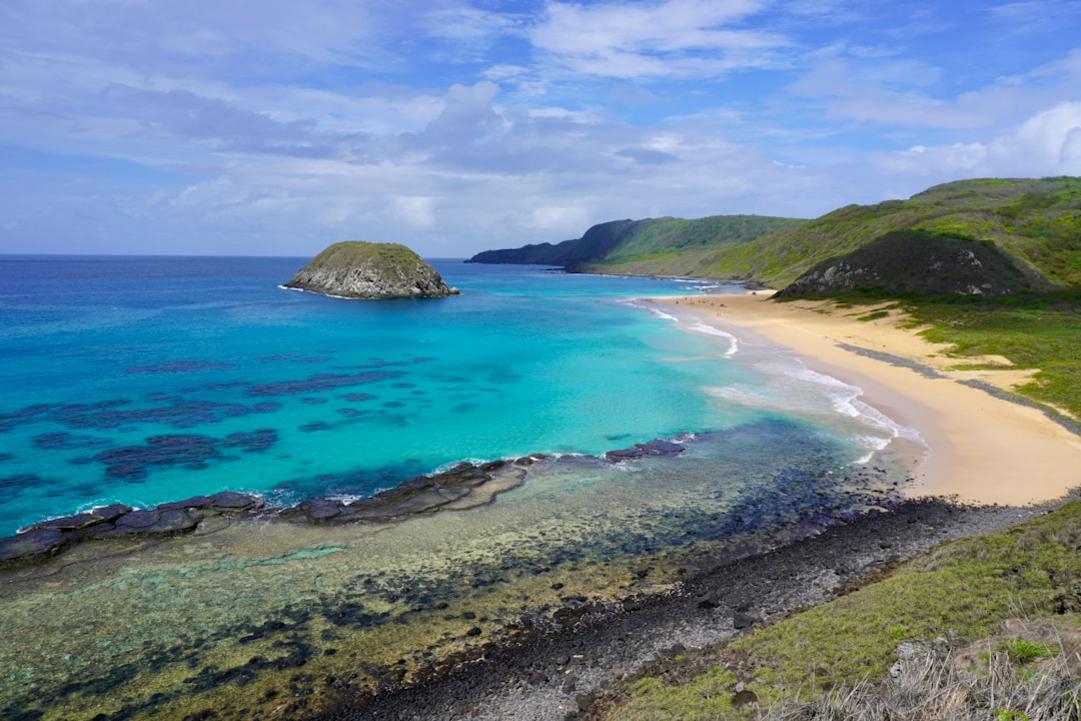
Arraial do Cabo – Brazilian Caribbean with Underwater Rock Formations
- Crowds: Moderate
- Time needed: Half day, 9 – 11 AM
Arraial do Cabo boasts some of Brazil’s clearest waters, often exceeding 30 metres visibility, revealing underwater rock formations teeming with colorful fish and occasional sea turtles. Snorkel Praia do Forno’s calm bay for easy entry and vibrant marine life in mid-morning light. The Blue Grotto cave offers a rare underwater cave snorkel inside a natural sea cavern.
This spot suits snorkelers wanting clear water and dramatic underwater landscapes without heavy crowds on weekdays. Avoid Praia Grande beach for snorkeling; visibility suffers and crowds swell. Book boat tours early for Ilha do Farol and Gruta Azul to avoid midday rush.
Water clarity peaks mid-morning with moderate difficulty; best on weekdays avoiding holidays.
- ▸ Colorful reef fish around rocky formations
- ▸ Occasional sea turtles near Praia do Forno
- ▸ Underwater cave snorkel at Gruta Azul
Getting in: Enter easily at Praia do Forno via a short shore walk; boat tours depart early for Ilha do Farol and Blue Grotto, requiring advance booking.
Skip Praia Grande beach for snorkeling due to poor visibility and crowding.
Who it suits: Pick this if you want clear water and underwater rock features; skip if you prefer calm sandy bottoms or beginner-only sites.
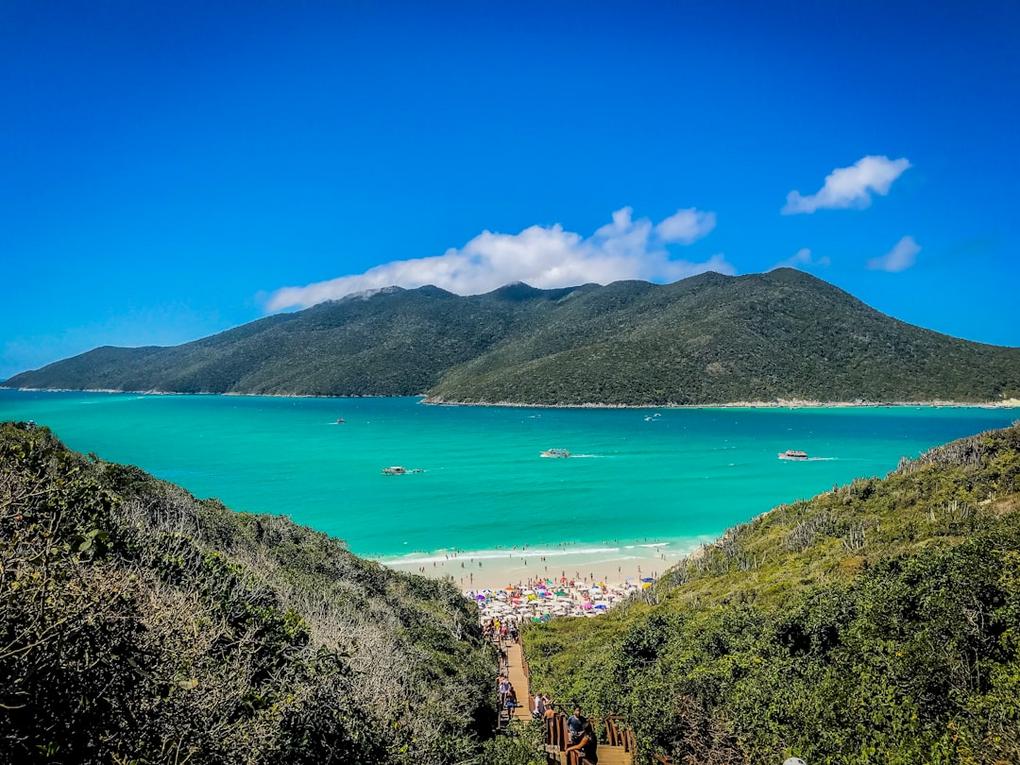
Ilha Grande – Calm Bays with Soft Corals for Beginners
- Crowds: Moderate
- Time needed: 2 – 3 hours, before 9 AM
Ilha Grande’s calm bays offer soft coral reefs and diverse fish species in shallow, clear water ideal for beginner snorkelers. Lagoa Azul presents abundant fish in easy conditions, while Praia do Aventureiro features soft corals in tranquil bays. The underwater scene is gentle, with no strong currents and plenty of sheltered spots.
This island suits snorkelers seeking relaxed, safe water without rough conditions. Visit early before 9 AM to avoid boat traffic and weekend crowds. Skip Lopes Mendes beach for snorkeling; strong waves and sand limit underwater visibility and marine life.
Visibility is good in calm bays with easy conditions year-round; best early mornings.
- ▸ Abundant fish species in Lagoa Azul
- ▸ Soft corals in shallow bays at Praia do Aventureiro
- ▸ Diverse marine life near calm shores
Getting in: Access snorkeling spots by short shore walks from Abraão village or local boats; gear rentals and guided tours are available but bring your own mask for reliability.
Skip Lopes Mendes beach for snorkeling; strong waves and sand reduce underwater life.
Who it suits: Pick this if you want calm water and easy snorkeling; skip if looking for challenging currents or advanced sites.
Boipeba Island – Turtle-Friendly Reefs in Calm Waters
- Crowds: Moderate
- Time needed: 2 – 3 hours, 9 – 11 AM
Boipeba Island’s unspoiled coral gardens thrive in calm, clear waters where sea turtles frequently appear. Moreré Beach offers shallow, tranquil snorkeling perfect for spotting turtles and colorful fish. Cueira Beach’s vibrant coral garden lies 15 minutes by boat from Moreré, rewarding snorkelers with abundant marine life and clear visibility.
This spot fits snorkelers focused on turtle encounters and peaceful reefs. Visit mid-morning between 9 AM and 11 AM for best visibility and low tide. Avoid weekends when local boats crowd the main snorkeling areas. Skip northern beaches where currents are strong and water murky.
Visibility peaks mid-morning with calm water; moderate difficulty due to occasional currents on northern beaches.
- ▸ Frequent sea turtles at Moreré Beach
- ▸ Colorful coral gardens at Cueira Beach
- ▸ Abundant fish species near Ponta do Morcego
Getting in: Enter from Moreré Beach for calm, shallow water; reach Cueira Beach by short boat ride. Gear rental is limited; bring your own equipment.
Skip the main village beach; it’s crowded and has limited underwater life compared to other island spots.
Who it suits: Pick this if you want calm water and turtle sightings; skip if you dislike boat transfers or strong currents.
Abrolhos Marine National Park – South Atlantic’s Largest Coral Reef
- Crowds: Moderate
- Time needed: Full day with overnight stay
Abrolhos Marine National Park protects the largest coral reef in the South Atlantic, featuring rare coral formations and rich marine fauna. Snorkel Parcel dos Abrolhos for vibrant coral heads and colorful reef fish. Santa Barbara Island offers clear water and frequent sea turtle sightings, while Siriba Beach provides calm waters ideal for beginners.
This remote park demands planning: it’s six hours by boat from Porto Seguro, requiring overnight stays nearby. Visit between 8 AM and 3 PM for best visibility and avoid weekends when tours crowd the reefs. The biodiversity and coral variety justify the effort for serious snorkelers.
Visibility is good during daytime hours with moderate difficulty due to remote location and boat access.
- ▸ Rare coral formations at Parcel dos Abrolhos
- ▸ Frequent sea turtles near Santa Barbara Island
- ▸ Colorful reef fish around coral heads
Getting in: Access requires boat trips from Porto Seguro with overnight stays; snorkel from boats or shore at Siriba Beach. No gear rental on site; bring your own equipment.
Skip mainland beaches; they lack coral and marine life compared to the park’s islands.
Who it suits: Pick this if you want rich marine biodiversity and don’t mind remote logistics; skip if you prefer easy shore access.
Praia do Forte: Calm Reefs with Regular Turtle Visits
- Crowds: Moderate
- Time needed: 1 – 2 hours, early morning
Praia do Forte features protected reefs 30 to 90 metres offshore with shallow, calm waters. The area hosts regular turtle nesting from November to March, offering snorkelers rare close encounters with turtles near the beach in clear, gentle water.
Ideal for early risers aiming for quiet water before 9 AM, this spot suits snorkelers seeking easy access and turtle sightings. Avoid afternoons when boat tours and swimmers reduce visibility and crowd the reefs.
Visibility is best early morning with calm, protected waters; snorkeling is easy with no strong currents. Best months: November to March for turtle activity.
- ▸ Regular turtle sightings near nesting beaches
- ▸ Shallow reef zones ideal for relaxed snorkeling
- ▸ Natural tidal pools at low tide
Getting in: Enter from the beach near the old lighthouse; reefs lie within a short swim. Calm water and easy shore access make gear rental unnecessary if you bring your own.
Skip the crowded main beach area midday; it offers poor snorkeling and noisy conditions.
Who it suits: Pick this if you want easy, calm snorkeling with turtles; skip if you prefer strong currents or advanced reefs.
Maragogi Reefs: Explore Shallow ‘Galés’ Coral Pools
- Crowds: Moderate
- Time needed: 2 – 3 hours, low tide mornings
Maragogi’s ‘galés’ are shallow natural pools formed at low tide, surrounded by coral gardens and tropical fish. The water is clear up to 9 metres deep, allowing close-up views of parrotfish and angelfish in calm, current-free conditions.
Best visited on weekdays before 9 AM to avoid overcrowding, Maragogi suits snorkelers who want easy, peaceful reef exploration. Avoid weekends when large tour groups fill the pools and ruin visibility.
Visibility reaches 9 metres in calm waters; snorkeling is easy with no currents. Avoid weekends; weekdays early morning offer best conditions.
- ▸ Parrotfish darting among coral heads
- ▸ Angelfish in clear coral gardens
- ▸ Tropical reef fish in shallow pools
Getting in: Access reefs via boat tours launching from Maragogi town center; local guides rent gear on site. Natural pools require timing with low tide for best snorkeling.
Skip weekends and holidays; large crowds degrade the snorkeling experience.
Who it suits: Pick this if you want calm, shallow reefs and clear water; skip if you dislike crowds or weekend chaos.
Lopes Mendes Beach: Clear Water and Vibrant Reefs
- Crowds: Moderate
- Time needed: 2 hours, mornings
Lopes Mendes offers clear waters and reefs just offshore, hosting colorful fish and occasional sea turtles. The white sand beach and shallow lagoon create a scenic snorkeling environment away from heavy tourist traffic.
Reachable after a 40-minute hike, this spot suits snorkelers seeking peaceful reefs and marine life early before crowds arrive. Avoid nearby Praia do Abraão, which lacks quality snorkeling and attracts many tourists.
Visibility is good before 11 AM in calm waters; snorkeling difficulty is moderate due to access hike. No specific best months noted.
- ▸ Colorful reef fish near southern rocks
- ▸ Occasional sea turtles in shallow lagoon
- ▸ Small reef fish in protected waters
Getting in: Enter from the beach after hiking in; reefs lie close to shore near the southern rocks. No gear rentals on site; bring own mask and fins.
Skip Praia do Abraão; it’s crowded and offers poor snorkeling.
Who it suits: Pick this if you want quiet, natural reefs with easy snorkeling; skip if you avoid hikes or want easy gear access.
Praia do Sancho: Underwater Cliffs and Frequent Turtles
- Crowds: Moderate
- Time needed: 1 – 2 hours, early mornings
Praia do Sancho boasts underwater cliffs dropping sharply into natural pools teeming with diverse fish species. Water clarity reaches 25 metres, revealing frequent turtle sightings near rocky feeding grounds.
Arrive before 9 AM to beat crowds and enjoy clear water. The 200-step descent demands sturdy shoes and minimal gear. Skip the busy Baía dos Porcos nearby, which offers shallow, crowded snorkeling.
Visibility up to 25 metres; snorkeling is moderate difficulty due to access. No specific best months, but mornings yield best conditions.
- ▸ Diverse colorful fish around cliffs
- ▸ Frequent sea turtle encounters feeding on rocks
- ▸ Natural pools rich in marine biodiversity
Getting in: Access requires descending a steep cliff staircase; enter from the beach below. Water is calm but expect moderate physical effort to reach entry point. No gear rental on site.
Skip Baía dos Porcos; it’s crowded and shallow for snorkeling.
Who it suits: Pick this if you handle stairs and want clear water with turtles; skip if you have mobility issues or dislike crowds.
Ilha do Campeche: Coral Reefs with Underwater Archaeology
- Crowds: Moderate
- Time needed: 2 – 3 hours, mornings
Ilha do Campeche offers crystal-clear water exceeding 30 metres visibility and colorful coral formations. Unique underwater archaeological rock inscriptions from thousands of years ago add a rare cultural layer to snorkeling here.
Book tours early from Florianópolis before 9 AM to avoid crowds and choppy water. The island caps daily visitors at 500, ensuring a manageable crowd. Mainland beaches lack these underwater features and should be skipped.
Visibility often exceeds 30 metres; snorkeling is moderate difficulty with calm waters best early in the day. No specific best months noted.
- ▸ Colorful coral formations on southern reefs
- ▸ Ancient underwater rock inscriptions
- ▸ Rich reef biodiversity near east shore
Getting in: Reach by boat from Florianópolis; tours depart early morning. Snorkeling spots are near shore with guided sessions available. Bring your own gear or rent locally.
Skip mainland beaches around Florianópolis; they lack Campeche’s underwater archaeology and coral diversity.
Who it suits: Pick this if you want clear water with cultural underwater sights; skip if you dislike boat rides or limited visitor quotas.
Ilha de Itamaracá: Calm Bays with Colorful Soft Corals
- Crowds: Moderate
- Time needed: 1 – 2 hours, early morning
Ilha de Itamaracá features shallow reefs in calm bays with abundant soft corals and tropical fish. The reefs lie in waters about 5 metres deep, offering safe snorkeling in gentle conditions close to shore.
Best visited early before 9 AM to avoid boat traffic and crowds. Local operators run guided tours from the main harbor around 8 AM. Avoid northern beaches where currents strengthen and visibility worsens.
Visibility is moderate in calm waters; snorkeling difficulty is easy to moderate. Avoid northern beaches due to currents and murky water.
- ▸ Soft coral gardens near Ponta do Pilar reef
- ▸ Tropical fish in calm bays of Fort Orange
- ▸ Colorful reef fish around Praia do Forte
Getting in: Enter from calm bays via shore or guided boat tours from the main harbor. Gear rental and tours available locally. Water is shallow and safe for beginners.
Skip northern beaches; currents and poor visibility reduce snorkeling quality.
Who it suits: Pick this if you want easy, calm snorkeling with soft corals; skip if you seek advanced reefs or strong currents.
Compare snorkeling trips and boat tours in Brazil

When to snorkel
Snorkeling in Brazil centers on a clear seasonal split: Fernando de Noronha and most southern island sites offer their best water clarity and conditions year-round, while the northeast coast’s natural tidal pools and reefs peak mainly from May through October. This divide means planning around these windows is essential to avoid murky water or rough seas. The northeast’s tidal pools demand timing for low tide and calmer seas, while Fernando de Noronha delivers consistent visibility and marine encounters almost any month.
Fernando de Noronha, Ilha Grande, Lopes Mendes Beach, Praia do Sancho, Ilha do Campeche
Visibility and calm seas hold steady year-round, making timing less critical here.
Porto de Galinhas, Boipeba Island, Abrolhos Marine National Park, Praia do Forte, Maragogi Reefs, Ilha de Itamaracá
Low tide and dry season months between May and October provide best clarity and access.
| Month | Snorkeling | What carries the month |
|---|---|---|
| January | Good | Fernando de Noronha and southern islands remain solid choices this month. |
| February | Good | Southern sites like Fernando de Noronha deliver clear water despite northeast off-season. |
| March | Good | Fernando de Noronha and southern islands still offer reliable snorkeling conditions. |
| April | Mixed | Transition month; northeast spots start to clear up but visibility varies. |
| May | Prime | Northeast reefs and tidal pools open up with optimal clarity and calm seas. |
| June | Prime | Best month for northeast coast snorkeling; Fernando de Noronha stays excellent. |
| July | Prime | Peak northeast season overlaps with year-round southern island conditions. |
| August | Prime | Northeast coast reefs and tidal pools shine; southern sites remain steady. |
| September | Prime | Still prime northeast season; excellent visibility and calm seas. |
| October | Good | Northeast season winds down; still possible to snorkel well here. |
| November | Mixed | Northeast spots degrade visibility; southern islands maintain steady conditions. |
| December | Mixed | Southern islands reliable; northeast coast water clarity drops into rainy season. |
Water conditions
Visibility ranges from 10 to 30 metres depending on spot and season, with Fernando de Noronha offering the clearest water year-round. Water temperature averages 24 – 28°C, warming in the northeast during the dry season. Swells are generally low in sheltered tidal pools like Porto de Galinhas but can reach 1 – 2 metres on open reefs such as Abrolhos. Currents vary strongly, especially around Fernando de Noronha’s channels; assess local tide charts before entering. A rash guard suffices for sun protection and minor stings; wetsuits are unnecessary except for sensitive skin or cooler months.

Marine life: what you see underwater
Brazil’s underwater life centers on the Atlantic reef systems from Fernando de Noronha to the northeast tidal pools. Expect moderate species variety dominated by reef fish and some turtles, with the Amazon river dolphin as a rare freshwater icon near Tefé, not coastal. Unlike Indo-Pacific reefs, Brazil’s reefs are less dense but offer solid encounters with reef fish, spiny lobsters, and occasional rays. Visibility and calm water dictate realistic sightings more than sheer biodiversity; do not expect large schools or pelagic species commonly found elsewhere.
Encounter these endangered dolphins in flooded forest waterways, not coastal reefs.
Where: Mamirauá Reserve and Anavilhanas Archipelago, freshwater snorkeling
When: May – October peak

Snorkel guide: gear, safety and the reef
Gear
Bring a high-quality mask with a good seal to handle occasional choppy waters around Fernando de Noronha and northeast tidal pools. Use short, stiff fins for efficient swimming in currents at Arraial do Cabo and Abrolhos Marine National Park. A lightweight rash guard suffices year-round; water rarely drops below 24°C. Always pack reef-safe sunscreen to protect Brazil’s fragile reefs. Rental gear is available but often basic and poorly maintained at popular spots like Porto de Galinhas and Maragogi Reefs, so bring your own if possible.
Staying safe
Strong currents hit Fernando de Noronha’s open reefs and Arraial do Cabo’s drift sites; check tide charts before entering. Boat traffic is heavy near Fernando de Noronha and Ilha Grande – stay clear of marked channels. Sun exposure is intense year-round; apply reef-safe sunscreen frequently. No dangerous marine species threaten snorkelers here, but maintain distance from rays and turtles to avoid defensive reactions. Always snorkel with a buddy and signal boats with a bright float or vest.
Reef etiquette
Never stand on coral at Abrolhos Marine National Park or the tidal pools along the northeast coast; these reefs are fragile and slow to recover. Keep at least two meters from turtles and spotted eagle rays common at Fernando de Noronha to prevent stress. Use only reef-safe sunscreen to avoid chemical damage. Do not touch or feed fish – species like colorful parrotfish and surgeonfish thrive only undisturbed. Follow local marine park rules, especially within protected areas like Praia do Sancho and Ilha do Campeche.
First time snorkeling?
Choose Porto de Galinhas for calm, shallow waters and easy shore access; avoid strong current spots like Arraial do Cabo if you’re new to snorkeling.
Frequently asked questions
1Can you snorkel straight from the beach in Brazil?
Yes, at Porto de Galinhas and Praia do Forte you can enter directly from the beach onto shallow reefs. Other spots like Fernando de Noronha require boat access to reach quality snorkeling sites.
2Which Brazil snorkel spot is best for a first-timer?
Porto de Galinhas is ideal for beginners due to calm waters and clear visibility around 5 – 10 metres. Avoid challenging currents at Arraial do Cabo or deep reefs at Fernando de Noronha.
3Do you need a boat to reach the best reefs in Brazil?
Yes. The best snorkeling reefs, especially at Fernando de Noronha and Abrolhos Marine National Park, are offshore and only accessible by boat. Northeast tidal pools offer shore access but limited depth.
4What marine life can I expect snorkeling in Brazil?
Expect to see hawksbill turtles at Fernando de Noronha, colorful parrotfish at Maragogi Reefs, and spotted eagle rays near Ilha Grande. Visibility varies but can reach 20 metres in dry season.
5When is the best time to snorkel in Brazil for clear water?
The dry season from August to December offers the clearest water and best visibility across most spots, especially Fernando de Noronha and the northeast tidal pools.
6Is snorkeling in Arraial do Cabo difficult?
Yes. Arraial do Cabo has strong currents and colder water (around 22 – 24°C), making it unsuitable for weak swimmers or beginners. Only experienced snorkelers should attempt drift snorkeling here.
7How crowded do snorkeling spots get in Brazil?
Porto de Galinhas and Maragogi Reefs get busy midday. For fewer people, arrive at Fernando de Noronha’s Praia do Sancho early morning or visit tidal pools like Ilha de Itamaracá during weekdays.
8Is snorkeling in Brazil worth the effort?
Yes, but expect varied conditions. Fernando de Noronha delivers outstanding marine life and clear water, while northeast tidal pools offer easy access but limited species diversity. Plan accordingly to match effort with reward.
Some links on this page are affiliate links. We may earn a small commission at no extra cost to you when you book through them.