


For most travelers, Greece wins for history and island variety; Croatia suits those seeking quiet beaches and lower costs.
Choose Croatia if you want a relaxed, budget-friendly coastal trip with fewer crowds.
Deciding between ancient ruins and crystal-clear beaches? This comparison cuts through the noise.
Planning your next getaway involves a key choice: do you chase Greece’s legendary islands and ancient history or opt for Croatia’s cleaner beaches and laid-back vibe? Both countries attract travelers craving sun, sea, and culture, but their core appeal differs sharply. Greece offers a dense mix of ruins, islands, and a long-standing reputation for history, while Croatia delivers a quieter, less crowded coast with stunning national parks and clear waters. Your decision hinges on whether you want a packed itinerary or a more relaxed pace. This comparison helps you see which country aligns with your travel style and budget.
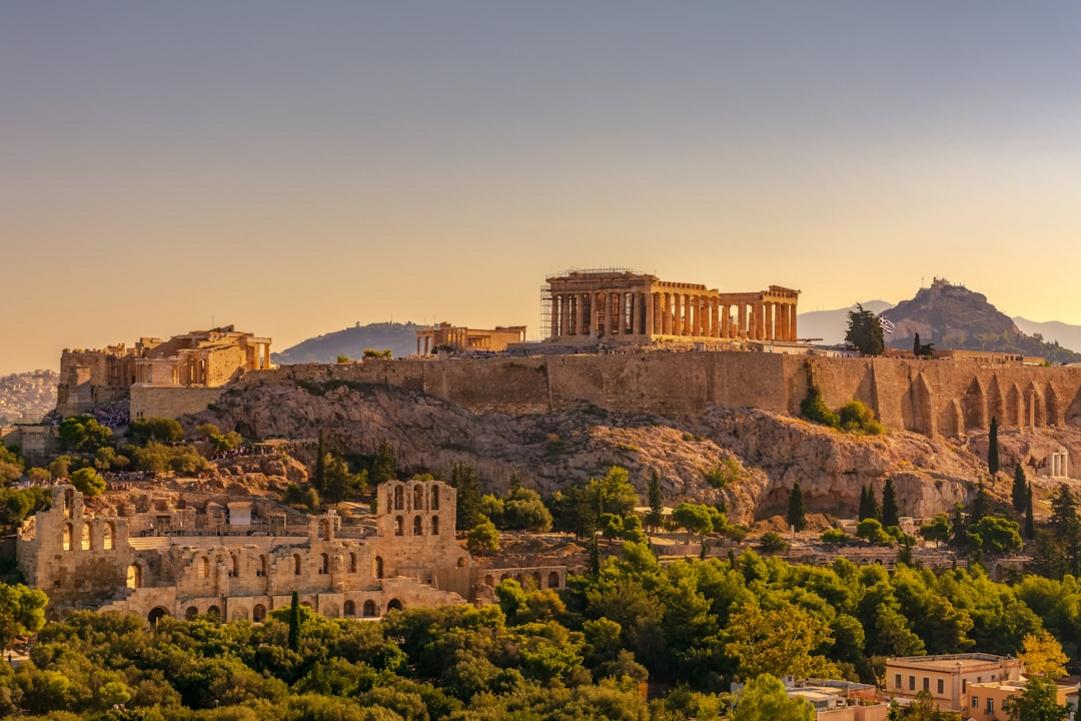
Timing matters now more than ever. Greece’s popular islands fill fast in summer, pushing prices higher, while Croatia’s beaches stay quieter into late September. If you’re after a straightforward trip with fewer logistical hurdles, Croatia’s smaller size and easier border crossings make a difference. But if you want a deep dive into history and iconic islands, Greece’s variety demands more planning and a bigger budget. Keep reading to see which destination suits your travel goals and practical needs best.
Insider tip: Book Greece’s ferries early in summer; Croatia’s bus routes are reliable but limited in shoulder seasons.
Greece generally requires longer flights from the US, impacting travel time for most visitors.
Key Differences Between Greece and Croatia
| Topic | Greece | Croatia |
|---|---|---|
| Travel vibe | Bustling islands with ancient ruins | Quiet beaches with national parks |
| Budget level | Average $100/day, higher in peak season | Average $80/day, more affordable |
| Top destinations | Santorini, Athens, Mykonos | Dubrovnik, Split, Plitvice Lakes |
| Nature & landscape | Mountains, islands, historic ruins | Coastal cliffs, lakes, forests |
| Food & cuisine | Feta, fresh seafood, local wines | Seafood, grilled meats, local olive oils |
| Accommodation quality | Luxury resorts, boutique hotels | Mid-range hotels, guesthouses |
| Crowds in peak season | Very crowded, especially July-August | Moderate, less crowded |
| Transport & infrastructure | Ferries, extensive bus network | Buses, limited ferry routes |
| Safety | High safety score | Very safe, slightly lower crime rate |
| Visa requirements | No visa needed for US citizens | No visa needed for US citizens |

Best for Greece
- History buffs wanting ancient ruins and museums
- Travelers seeking a variety of islands in one trip
- Those comfortable with higher costs and busy spots
Best for Croatia
- Budget travelers wanting quiet beaches and national parks
- Relaxed travelers avoiding crowds in shoulder seasons
- Visitors preferring shorter travel times and easier border crossings
Key Takeaways
- If you want a dense itinerary with historic sites, Greece offers more variety and culture, despite higher costs.
- Choose Croatia if you prefer quieter beaches, lower daily expenses, and easier logistics.
- Greece’s Pack Lightly safety score (85/100) means fewer worries about travel safety.
- Croatia’s smaller size makes internal travel faster, saving you time on logistics.
- Peak season in Greece hits July-August, pushing prices and crowds; Croatia stays manageable into September.
- Visa requirements are straightforward for US travelers in both countries, with no extra paperwork needed.
Pack Lightly Scores
11 categories scored from 0 (low) to 100 (high)
Still can’t decide?
Use our comparison tool to see how Greece and Croatia stack up across 11 categories tailored to your travel style. Filter by season and budget to find your perfect match.
Cost breakdown

For mid-range travelers, Greece is cheaper by about $15 per day compared to Croatia. Greece’s daily budget ranges from $80 to $120 USD, while Croatia’s is $95 to $135 USD. Both countries offer affordable options, but Greece’s overall costs are slightly lower across most categories.
Daily Budget Ranges and Typical Expenses
| Category | Greece (USD) | Croatia (USD) |
|---|---|---|
| Backpacker daily budget | $15 – $25 | $20 – $30 |
| Mid-range daily budget | $80 – $120 | $95 – $135 |
| Luxury daily budget | $200+ | $220+ |
| Street food meal | $4 – $8 | $5 – $10 |
| Restaurant meal | $10 – $20 | $12 – $25 |
| Local transport (per day) | $3 – $7 | $4 – $8 |
| Activities/tours (average) | $20 – $50 | $25 – $60 |
Greece is the cheaper choice for mid-range travelers, with daily costs about $15 less than Croatia. Greece’s Pack Lightly score is 65, while Croatia’s is 60, reflecting slightly more budget-friendly options. Book Hotels Greece in Greece for savings, but both countries offer good value if you plan carefully.
Pro tip: Opt for local tavernas in Greece’s islands to save on meals without sacrificing flavor.
Watch out: Hidden fees like city taxes or tourist charges can add up on accommodations and tours.
What you’ll eat
Greek street food shines with souvlaki skewers for about $3.50 each and gyros around $4.50 at local markets. Croatia offers cevapi sausages for $4 and burek pastries for $2.50, both found in Zagreb’s Dolac Market. Greece wins for variety and flavor intensity.
Vegetarian options are plentiful in Greece, with dishes like gigantes plaki (giant beans) for $6.50. Croatia’s vegetarian scene is decent but limited outside main cities. Halal options are easier to find in Greece, especially in Athens, thanks to a larger Muslim community.
Drinks are social in both countries. Greece’s local beer, Mythos, costs about $3.50 a pint, while Croatia’s Ožujsko is similarly priced. Raki in Greece and rakija in Croatia are popular spirits, both around $4 per shot, often enjoyed with friends.
Signature dishes and drink culture
| Signature dish | Street food quality | Vegetarian-friendly | Restaurant variety | Drink culture |
|---|---|---|---|---|
| Signature dish | Souvlaki | Ćevapi | ||
| Street food quality | Excellent | Good | ||
| Vegetarian-friendly | Very good | Decent | ||
| Restaurant variety | Wide | Wide | ||
| Drink culture | Vibrant | Vibrant |
Souvlaki
Affordable, flavorful, and a true Greek street staple.
Insider tip: Order souvlaki with extra lemon and tzatziki at a local taverna for authentic flavor.
Where to sleep

Greece’s hotel quality score is 80; expect a good range of options in Athens’ Plaka and Psirri neighborhoods. Croatia’s hotel quality is also 80, with Zagreb’s city center offering reliable stays. Both countries have plenty of budget hostels for $20 – $40 per night.
Weak spots include Greece’s islands, where quality can drop sharply outside major resorts, and Croatia’s coastal towns, which can be crowded and overpriced in summer. Avoid cheap listings on lesser-known booking sites to dodge scams. Hotels Greece in Athens and Hotels Croatia in Zagreb offer solid choices for budget travelers.
For unique stays, consider boutique hotels in Greece’s Thessaloniki or Croatia’s Split outskirts, which often go unnoticed by mainstream tourists.
See full lodging breakdown by budget
Accommodation options
| Type | Country A | Country B |
|---|---|---|
| Budget hostels | Athens Piraeus, $20 – $30 | Zagreb city center, $20 – $35 |
| Mid-range hotels | Koukaki, $70 – $120 | Zagreb downtown, $70 – $120 |
| Boutique stays | Thessaloniki, $80 – $150 | Split outskirts, $80 – $150 |
| Luxury resorts | Santorini, $250+ | Dubrovnik, $250+ |
| Alternatives | Airbnb apartments | Airbnb apartments |

Booking tip: Book mid-range hotels in neighborhoods with good reviews on Booking.com, ideally 2 months ahead.
What It Feels Like on the Ground
In Greece, mornings start with the scent of fresh bread in Athens’ Plaka, streets alive with chatter.
Croatia’s coast greets you with quiet mornings in Dubrovnik, where the sea breeze carries a hint of salt and pine.
Greece demands patience with its sprawling islands and busy ferries, while Croatia’s compact coastline makes for easy, relaxed exploration.
A trip to Greece often means navigating crowded sites and long waits, whereas Croatia offers smoother logistics and fewer crowds, especially outside peak season.
Greece highlights
- Acropolis(Athens)
Ancient ruins with panoramic city views, best early morning to beat crowds. - Santorini(Cyclades Islands)
Iconic white buildings and blue domes overlooking the caldera at sunset. - Delphi(Central Greece)
Historic site with mountain views, ideal for a half-day trip. - Mykonos Beaches(Mykonos)
Vivid turquoise waters and lively beach clubs, perfect for relaxing.
Croatia highlights
- Dubrovnik Old Town(Dubrovnik)
Walled city with marble streets and sea views, best early or late. - Plitvice Lakes(Central Croatia)
Stunning waterfalls and turquoise lakes, a full-day nature escape. - Hvar Island(Dalmatian Coast)
Lavender fields and lively harbor, ideal for a day trip. - Split Diocletian’s Palace(Split)
Ancient Roman palace turned lively city center, best explored over two days.
Ideal duration: Greece: 10 – 14 days, covers islands, historic sites, and city life without rushing. · Croatia: 7 – 10 days, enough for coast, islands, and a taste of inland culture.
Do
- Greece: Climb the Acropolis early morning.
- Greece: Watch sunset over Santorini from Oia.
- Greece: Take a ferry to Mykonos beaches.
- Croatia: Walk Dubrovnik’s city walls at sunrise.
- Croatia: Hike around Plitvice Lakes.
- Croatia: Sail to Hvar for the afternoon.
Don’t
- Greece: Skip crowded Acropolis midday.
- Greece: Avoid overhyped tourist traps in Mykonos.
- Greece: Don’t rush through Delphi; spend time exploring.
- Croatia: Avoid peak season crowds in Dubrovnik.
- Croatia: Skip over-touristed restaurants in Split.
- Croatia: Don’t try to see everything in one day.
Choose based on
- If you want iconic islands and historic ruins, choose Greece. Pack Lightly safety score 85 supports this.
- If you prefer less crowded beaches and easier logistics, pick Croatia, 90 safety score favors this.
- For a longer trip with island hopping, Greece is better; for a shorter, relaxed coast stay, Croatia wins.
- If budget is tight, Croatia’s lower costs make it more appealing.
Greece offers more historic sites but demands patience with crowds; Croatia’s beaches are calmer but less diverse.
Real safety picture
Safety overview
Greece
Croatia

Greece scores 85 on safety, Croatia hits 90. Croatia is safer overall, especially for solo female travelers. Both countries are low risk, but Greece’s pickpocketing is more common in Athens. Croatia’s natural disaster risk is minimal, especially along the coast. Stay alert in crowded areas and avoid isolated spots at night. Use Google Maps to stay aware of your surroundings.
See detailed safety factors table
Safety Factors Comparison
| Factor | Greece | Croatia | Practical Tip |
|---|---|---|---|
| Pickpocketing | Moderate risk in Athens, especially around Monastiraki and Plaka. | Low risk, but watch out in Dubrovnik’s Old Town. | Keep valuables in front pockets or inside bags, especially in crowded markets. |
| Tourist scams | Common in Athens, especially around the Acropolis entrance. | Rare, but beware of taxi overcharging in Zagreb. | Use official taxis or ride apps like Bolt. |
| Solo female traveler safety | Generally safe, but avoid poorly lit areas at night. | Very safe, especially in tourist zones. | Stick to busy streets and avoid isolated beaches after dark. |
| Health risks | Minimal, ensure hydration and sun protection. | Minimal, but watch for dehydration in summer. | Carry water and sunscreen at all times. |
| Road safety | Moderate, Athens traffic can be chaotic. | Good, but watch for narrow coastal roads. | Use reputable car services or avoid driving in Athens. |
| Natural disasters | Low risk, but earthquakes can occur. | Very low risk, especially along the coast. | Stay aware of local alerts, especially during summer. |
Scam spotlight: Athens, near the Acropolis and Syntagma Square
How it works: Fake tour guides or vendors distract tourists while pickpocketing bags or wallets.
How to avoid: Stay with official guides and keep valuables close, especially in crowded areas.
Watch out: Getting overcharged for taxis or tours can cost $50 – $100 extra per trip.
Insider tip: Avoid carrying all valuables in one place; split cash and cards across different bags.
Visa & entry requirements
US citizens do not need a visa for Greece or Croatia for stays up to 90 days. Both countries require an ETIAS authorization, costing $22, valid for 90 days. ETIAS must be applied for online before travel, and approval takes minutes to hours. No on-arrival visas are available, and extensions are not permitted beyond 90 days. Be aware that ETIAS is subject to updates, so check official sources before booking.
Full visa & entry requirements table
Visa & Entry Requirements
| Factor | Greece | Croatia | Practical Note |
|---|---|---|---|
| Visa requirement | No visa needed, ETIAS required. | No visa needed, ETIAS required. | Apply online at travel-europe.europa.eu/etias_en before departure. |
| Visa type & cost | ETIAS, $22 | ETIAS, $22 | Cost is the same; ensure approval before travel. |
| Application process | Online via travel-europe.europa.eu/etias_en | Same as Greece | Complete the form at least 48 hours before departure. |
| On-arrival option | Not available | Not available | Both require pre-approval; no on-arrival visas. |
| Max stay & extension | 90 days, no extension | 90 days, no extension | Stay within the 90-day limit to avoid penalties. |
Visa rules can change quickly; always verify with official government sources before travel. ETIAS updates may alter requirements without notice, so check travel-europe.europa.eu/etias_en close to your trip.
Getting around efficiently
Greece and Croatia both have solid transport options, each with strengths. Greece scores 80 on tourist infrastructure, Croatia matches with 80, making both destinations fairly accessible. Greece’s larger size means more internal flights, while Croatia relies more on ferries and buses.
Compare every transport option side-by-side
Transport comparison between Greece and Croatia
| Mode | Greece | Croatia | Practical Note |
|---|---|---|---|
| Domestic flights | Available between major islands and Athens, ~$70, 45 min | Available between Zagreb and coastal cities, ~$60, 50 min | Useful for quick island-hopping in Greece; Croatia’s flights are limited. |
| Buses | Extensive network, ~$2 per hour, 30 min-8 hours | Reliable, ~$2 per hour, 1-12 hours | Both countries have good bus coverage; Greece’s routes are more frequent. |
| Trains | Limited, mostly mainland, ~$10-20, 1-4 hours | Better network along coast, ~$8-15, 2-6 hours | Croatia’s train system is more developed for coastal travel. |
| Taxi/ride-hailing | Widely available in cities, ~$1.50 per mile | Readily available, ~$1.50 per mile | Both countries are easy for short hops within cities. |
| Ferries | Frequent between islands, ~$10-30, 30 min-2 hours | Numerous routes, ~$8-25, 30 min-3 hours | Ferries are the backbone of Greek island travel; Croatia’s are reliable too. |
| Scooter rental | Popular on islands, ~$20/day | Common in coastal cities, ~$15/day | Great for short distances; both countries have good options. |
| Bicycle rental | Available on many islands, ~$10-15/day | Widely available, ~$8-12/day | Ideal for exploring towns and coastlines at a relaxed pace. |
Both countries offer solid transport options, but Greece’s extensive island flights and ferries make it easier for island-hopping. Croatia’s reliable buses and trains suit mainland travel better. For quick island access, Greece wins; for mainland flexibility, Croatia is a better fit. Book transport
App tip: Use Rome2rio for route planning across both countries.
Clear English Access and Local Phrases
English is widely spoken in major tourist areas of Greece, especially Athens and the islands. Expect less fluency in rural regions or small towns. In Croatia, English works well in Zagreb and along the coast, but less so inland. Download Google Translate for quick translations when needed, especially in remote spots. Basic phrases like ‘Hello,’ ‘Thank you,’ and ‘Where is…?’ will get you far in both countries.
App tip: Google Translate app, available on iOS and Android, offers instant translation and offline mode for rural areas.
Wi-Fi, Mobile Data, and Payment Options
Wi-Fi is common in hotels, cafes, and airports across both countries. Mobile data is reliable in cities but can be spotty in remote areas. Credit cards are accepted at most businesses, but cash is still king in small shops and rural spots. eSIM Greece and eSIM Croatia make staying connected easy without local SIMs. Expect to find free Wi-Fi in most urban centers, but carry cash for rural transactions.
eSIM picks:
Greece: Airalo, $10, 3GB
Croatia: GigSky, $12, 3GB
Cash is still preferred at small shops, markets, and rural eateries. Cards work in most urban spots.
Optimal Months to Visit
When to go, month by month
Greece
Croatia
Greece
Croatia

The best months to visit Greece are late spring and early fall, especially May, June, September, and October. Croatia shines from late spring through early fall, with June and September offering the best weather and fewer crowds. The shoulder seasons are more forgiving in Greece, avoiding the intense heat and tourist rush of summer.
Full season-by-season climate breakdown
Seasonal Climate Comparison
| Season | Greece | Croatia | Best Pick | Notes |
|---|---|---|---|---|
| Winter (Dec – Feb) | Temps 11 – 30°F / -12 – -1°C, rain 4.8 – 152.8mm. Cold, rainy, less crowded. | Temps 2.5 – 24.7°F / -16 – -4°C, rain 43.3 – 151.2mm. Cold, wet, fewer tourists. | depends | Avoid winter unless you prefer off-season prices and solitude. |
| Spring (Mar – May) | Temps 13.4 – 20.3°F / -10 – -7°C, rain 9.7 – 58.2mm. Mild, pleasant, some rain. | Temps 9.6 – 16.5°F / -12 – -9°C, rain 37.7 – 127.2mm. Cooler, variable rain, fewer crowds. | Greece | Ideal for sightseeing with moderate weather and fewer tourists. |
| Summer (Jun – Aug) | Temps 29.1 – 30°F / -2 – -1°C, rain 2.9 – 69.2mm. Hot, dry, perfect for beaches. | Temps 21.2 – 24.7°F / -6 – -4°C, rain 43.3 – 151.2mm. Warm, humid, crowded tourist hotspots. | depends | Peak season for beaches; expect crowds and higher prices. |
| Fall (Sep – Nov) | Temps 13.8 – 24.2°F / -10 – -4°C, rain 4.8 – 69.2mm. Warm, less crowded, some rain. | Temps 5.2 – 17.4°F / -15 – -8°C, rain 70 – 151.2mm. Cooler, wetter, fewer visitors. | Greece | Great for sightseeing and beach days before winter sets in. |
Climate tip: Visit Greece in May or September for warm weather and fewer tourists.

The Final Call
For most travelers, Greece offers a more flexible travel window, especially in spring and fall. Its milder shoulder seasons and reliable weather make it easier to plan. Croatia is best if you want peak summer beach days and don’t mind the crowds or wetter weather in spring and fall. Budget travelers will find Greece slightly more accommodating outside peak season.
Key Factors Comparison
| Topic | Winner | Reason |
|---|---|---|
| Budget | Greece | Lower prices outside peak season, more accommodation options. |
| Nature | Croatia | Cleaner beaches, less crowded, more scenic coastlines. |
| Culture | Greece | Rich ancient history, iconic ruins, more archaeological sites. |
| Cities | Greece | More diverse urban experiences, Athens and beyond. |
| Food & drinks | Greece | Wider variety, iconic dishes, vibrant street food. |
| Accommodation | Greece | More options, better value outside high season. |
| Transport | Greece | More internal flights, better infrastructure. |
| Safety | tie | Both are very safe for travelers. |
| Crowds | Croatia | Less crowded beaches and towns in peak season. |
| Digital infrastructure | Greece | Better connectivity and services. |
The bottom line
Greece is the better overall choice for most travelers seeking variety and ease.
Choose Greece if you want a mix of history, culture, and flexible travel dates. Croatia suits beach lovers seeking quieter, scenic coastlines. Both are safe, but Greece offers more variety and easier logistics.
Book your trip
Using these links supports Pack Lightly at no extra cost to you.
Your questions, answered
01Which country is safer for solo travelers?
Both Greece and Croatia are very safe, with safety scores of 85 and 90 respectively. Croatia has a slight edge for solo travelers, especially for women, thanks to its higher safety rating and lower crime rates.
02What are the visa requirements for US citizens?
US citizens need an ETIAS authorization for both Greece and Croatia. The process costs $22 and takes about 10 minutes online, valid for 90 days. No visa needed for short stays.
03Which country offers better beaches and island hopping?
Greece wins here. Its islands are iconic, with more variety and famous spots like Santorini and Mykonos. Croatia’s beaches are cleaner and less crowded, but Greece’s islands are the clear choice for beach lovers.
04When is the best time to visit Greece and Croatia?
Visit Greece in late spring (May) or early fall (September) for warm weather and fewer crowds. Croatia is best in June or September, avoiding peak summer heat and tourist crush.
05Which country is more budget-friendly?
Greece is slightly cheaper overall, with a cost gap of about $20 per day. Expect to spend around $80-120 daily in Greece, versus $100-140 in Croatia, depending on your style.
06Which has richer cultural experiences and historical sites?
Greece takes the lead. Its history spans thousands of years, with Athens, Delphi, and ancient ruins. Croatia offers good history, but Greece’s cultural depth is unmatched.
07Can you combine both countries in one trip?
Yes, but expect travel time. Flying between Athens and Zagreb takes about 2 hours. Overland routes are longer and less practical for a short trip.
08Which country is better for active vacations and outdoor adventures?
Croatia edges out with its stunning national parks and coastline for hiking, kayaking, and water sports. Greece offers more cultural sightseeing, but Croatia is better for outdoor action.
Insider tip: Travel in shoulder seasons to avoid crowds and get better deals on accommodations and flights.
Still weighing your options? See how Greece stacks up against Turkey or Greece against Cyprus for another Mediterranean angle, or check Italy against Greece if ancient history is the deciding factor.


