


Choose Italy if you want city culture and quick logistics; Greece if you prefer relaxed island hopping and beaches.
Travelers with limited time should pick Italy; island lovers should go to Greece.
Deciding between Italy’s cities and Greece’s islands can make or break your trip budget and pace.
Planning a trip to the Mediterranean often boils down to Italy or Greece. Both promise sun, history, and food, but the choice impacts your travel pace, costs, and experience. If you want a city-heavy itinerary with world-famous art and cuisine, Italy’s dense urban centers deliver. For a laid-back vibe with stunning coastlines and island hopping, Greece’s over 6,000 islands offer a different pace. Your decision hinges on whether you prefer Italy’s bustling streets or Greece’s relaxed seaside towns. This comparison cuts through the noise to help you pick what matches your travel style and schedule.

Right now, travelers face tighter flight options and fluctuating costs. Italy’s cities are more accessible with direct flights from major US hubs, but Greece’s islands can add travel time and expense. Knowing the logistical differences and what each country offers in terms of safety, costs, and vibe will help you avoid surprises. Keep reading for a clear breakdown of what makes each destination work for different types of travelers, so you can plan smarter and get the most out of your trip.
Greece offers over 6,000 islands and islets, providing unmatched variety for island hopping and coastal stays.
Key Differences: Italy vs Greece
| Topic | Italy | Greece |
|---|---|---|
| Travel vibe | Urban centers like Rome and Milan, lively and historic | Relaxed seaside towns, island hopping, slow pace |
| Budget level | Average $100/day, higher for city stays | Average $80/day, cheaper on islands |
| Top destinations | Rome, Venice, Florence | Santorini, Mykonos, Crete |
| Nature & landscape | Alpine Alps, lakes, rolling hills | Cliffs, beaches, turquoise waters |
| Food & cuisine | Pasta, wine, regional dishes | Seafood, grilled meats, fresh salads |
| Accommodation quality | High-end hotels, boutique options | Affordable guesthouses, boutique hotels |
| Crowds in peak season | Very crowded in summer | Crowded on popular islands |
| Transport & infrastructure | Excellent train network, airports | Ferries, limited rail, internal flights |
| Safety | Pack Lightly safety score 80 | Pack Lightly safety score 85 |
| Planning effort | Requires reservations for museums, trains | Ferry schedules, island transfers |

Best for Italy
- City lovers wanting art, history, and nightlife
- Travelers with 10+ days for city-focused trip
- Those comfortable navigating train networks
Best for Greece
- Beach and island seekers with 7-14 days
- Relaxed travelers avoiding big cities
- People willing to plan ferry transfers
Which Trip Fits Your Style?
- If you prefer city sightseeing and cultural museums, Italy’s urban centers deliver more variety.
- For budget travelers, Greece’s islands and small towns generally cost less daily.
- Italy’s high-speed trains cut travel time between cities, saving days.
- Greece’s ferry system offers access to over 6,000 islands, but adds planning complexity.
- Italy’s tourist infrastructure scores higher (85/100), making city logistics smoother.
- Greece’s safety score (85/100) is slightly better, especially on islands.
Pack Lightly Scores
11 categories scored from 0 (low) to 100 (high)
Still can’t decide?
Use our comparison tool to see how Italy and Greece stack up across 11 categories tailored to your travel style. Filter by timing to find the perfect window for your trip.
Watch: Italy vs Greece in motion

What you’ll actually spend

For mid-range travelers, Italy is about $15 more per day than Greece. Using the exchange rates, Italy’s daily budget ranges from $80 to $150, while Greece’s is $65 to $135. Expect to spend more on accommodation and dining in Italy, but Greece offers cheaper local transport and activities.
Cost Breakdown
| Category | Italy (USD) | Greece (USD) |
|---|---|---|
| Backpacker daily budget | $15 – $30 | $12 – $25 |
| Mid-range daily budget | $80 – $150 | $65 – $135 |
| Luxury daily budget | $200+ | $180+ |
| Street food meal | $5 – $10 | $4 – $8 |
| Restaurant meal | $15 – $30 | $12 – $25 |
| Local transport (per day) | $3 – $8 | $2 – $6 |
| Activities/tours (average) | $20 – $50 | $15 – $40 |
Italy is roughly $15 more expensive daily at mid-range. Pack Lightly scores Italy 95 for food and culture, Greece 90. If you want more city variety and dining options, Italy’s worth the extra. For budget-conscious trips, Greece’s lower transport and activity costs save you money. Hotels ItalyHotels Greece
Pro tip: Book accommodation outside city centers for cheaper rates and better value.
Watch out: Overlooking hidden fees like city taxes or service charges can inflate costs unexpectedly.
What you’ll eat

In Italy, pizza Margherita costs around $12 at a local pizzeria in Naples, while Greece offers souvlaki for about $8 in Athens. Italy’s pizza wins for variety and authenticity.
Vegetarian options are plentiful in Italy, with pasta primavera and caprese salads. Greece struggles with vegan options but excels in fresh vegetable dishes. Halal and gluten-free are available but require some planning.
Greece’s local drinks include ouzo and retsina, often enjoyed with meals or at tavernas. Italy favors wine and Aperol spritz, perfect for social sipping. Both countries have lively drinking scenes, but Greece’s outdoor tavernas create a more relaxed vibe.
Signature dishes and drink culture
| Signature dish | Street food quality | Vegetarian-friendly | Restaurant variety | Drink culture |
|---|---|---|---|---|
| Signature dish | Pizza Margherita | Souvlaki | ||
| Street food quality | High in Naples, fresh and quick | Good in Athens, flavorful but inconsistent | ||
| Vegetarian-friendly | Excellent, pasta and salads | Moderate, relies on vegetables and cheese | ||
| Restaurant variety | Wide, from trattorias to fine dining | Good, tavernas and modern eateries | ||
| Drink culture | Wine, Aperol spritz | Ouzo, retsina, local beers |
Risotto alla Milanese
A creamy saffron risotto, a staple in northern Italy’s cuisine, worth seeking out.
Insider tip: Order a pizza in Naples for the best crust, avoid chain spots near tourist areas.
Where to sleep
Italy offers hotelQuality score of 85, with high-end stays in Rome’s Trastevere and Florence’s historic center. Budget options in Bologna or Venice start at $40 per night. Greece’s hotelQuality is 80, with good choices in Athens’ Plaka and Thessaloniki’s waterfront. Budget stays in Crete or Rhodes can be found for $35.
Weak spots include Italy’s overbuilt tourist zones with inconsistent quality, especially in Venice. Greece’s islands often have limited options for higher-end stays, and some areas lack reliable Wi-Fi. Both countries have hidden gems in lesser-known neighborhoods, like Pigneto in Rome or Ano Poli in Thessaloniki.
See full lodging breakdown by budget
Accommodation options by type
| Type | Italy | Greece |
|---|---|---|
| Budget hostels | Dorm beds in Trastevere, $20-30 | Shared rooms in Athens, $15-25 |
| Mid-range hotels | 3-star in Florence, $80-120 | 4-star in Athens, $70-110 |
| Boutique stays | Design hotels in Milan, $150-200 | Charming guesthouses in Santorini, $130-180 |
| Luxury resorts | Lakeside in Lake Como, $250+ | Seaside in Mykonos, $300+ |
| Alternatives | Airbnb apartments in Rome | Villas in Crete |
Booking tip: Book mid-range hotels 2-3 months ahead via Booking.com, especially in summer in Italy’s cities.
On the ground

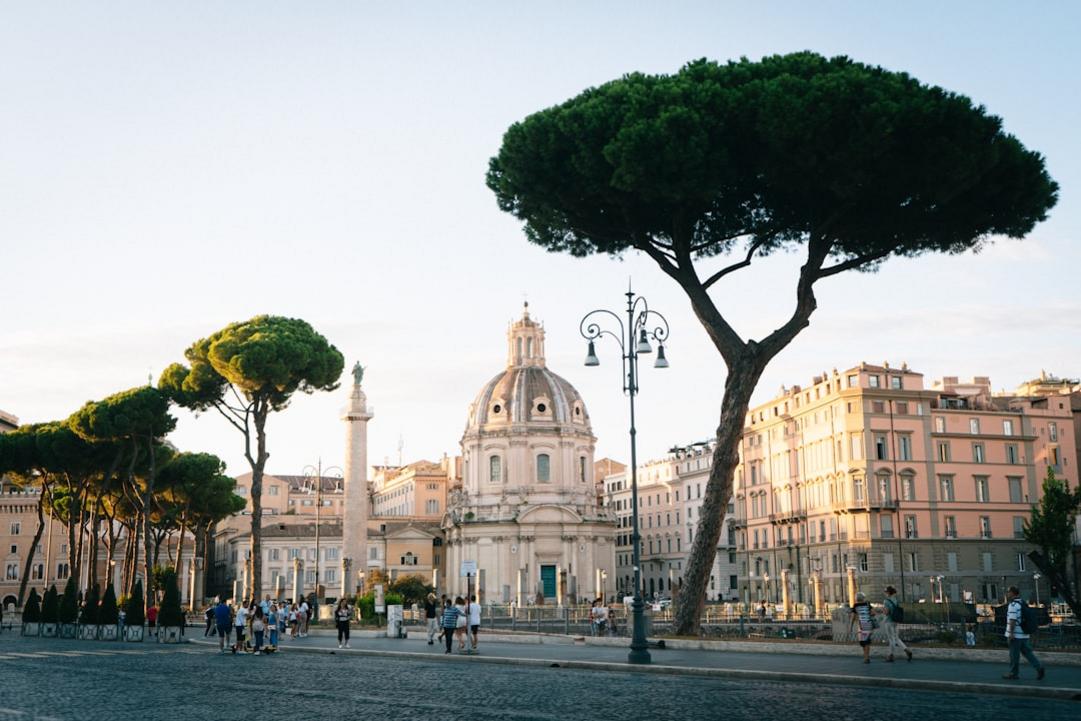
Italy feels like stepping into a bustling city square at sunset, with aromas of fresh pasta filling the air.
Greece offers a laid-back coastal vibe, where whitewashed buildings and the scent of sea breeze dominate mornings.
Italy demands your attention with its crowded streets and historic sites, often requiring patience and strategic planning.
Greece lets you unwind, with slow-paced island days and spontaneous swims, perfect for a relaxed escape.
Italy highlights
- Colosseum(Rome)
Ancient amphitheater with roaring crowds and vivid history. - Venice Canals(Venice)
Gondola rides through narrow waterways, with historic architecture. - Florence Duomo(Florence)
Renaissance masterpiece with panoramic city views from the dome. - Amalfi Coast(Southern Italy)
Cliffside villages with stunning sea vistas and lemon groves.
Greece highlights
- Santorini(Cyclades Islands)
Iconic white buildings with blue domes over volcanic caldera. - Acropolis(Athens)
Ancient ruins overlooking the city, with panoramic views. - Navagio Beach(Zakynthos)
Secluded cove with shipwreck and crystal-clear waters. - Mykonos Windmills(Mykonos)
Picturesque windmills with sunset views over the Aegean.
Ideal duration: Italy: 10 – 14 days, enough to cover major cities, coast, and countryside without rushing. · Greece: 7 – 10 days, ideal for island hopping and exploring Athens at a relaxed pace.
Do
- Italy: Tour the Vatican Museums and St. Peter’s Basilica in Rome
- Italy: Drive along the Amalfi Coast for scenic views
- Italy: Visit Uffizi Gallery in Florence
- Greece: Hike the Fira to Oia trail in Santorini
- Greece: Explore the Acropolis and Plaka district in Athens
- Greece: Relax on the beaches of Naxos or Paros
Don’t
- Italy: Skip overhyped tourist traps like Trevi Fountain at peak hours
- Italy: Avoid rushing through Pompeii without proper planning
- Italy: Don’t stay only in touristy areas; explore local neighborhoods
- Greece: Avoid over-touristed spots like Mykonos main town during peak season
- Greece: Skip long ferry waits without booking in advance
- Greece: Don’t miss the local tavernas for authentic meals
Choose based on
- If you prefer city life and historic sites, choose Italy. Pack Lightly safety score 80.
- If you want island beaches and a slow pace, pick Greece, 65 USD daily budget fits better.
- If you have 10+ days, Italy offers broader variety; Greece is better for a week.
- Choose Italy if you want more diverse active options; Greece leans toward relaxation.
Italy’s density offers more sights per day, but Greece’s relaxed pace means less stress and more spontaneous fun.
Real safety picture
Safety overview
Italy
Greece

Italy has a safety score of 80, Greece scores 85. Greece is slightly safer overall, especially for solo female travelers. Both countries are generally safe, but stay alert in crowded areas.
See detailed safety factors table
Safety Factors Comparison
| Factor | Italy | Greece | Practical Tip |
|---|---|---|---|
| Pickpocketing | Moderate risk in Rome and Milan, especially in tourist spots. | Lower risk, but watch out in Athens and popular islands. | Use a money belt and keep valuables close, especially in crowded markets. |
| Tourist scams | Common in Venice and Florence, like fake tour guides. | Occasional scams around Athens and Santorini, like fake taxi drivers. | Book tours through reputable agencies and avoid unmarked taxis. |
| Solo female traveler safety | Generally safe, but avoid poorly lit streets at night. | Very safe, especially in tourist zones; stay in busy areas after dark. | Download local safety apps and stick to well-lit, populated streets. |
| Health risks | Good healthcare, but beware of heat in summer. | Excellent healthcare; stay hydrated and avoid risky foods in remote islands. | Carry a basic first aid kit and drink bottled water. |
| Road safety | Moderate, watch for aggressive driving in cities. | Better, but driving on islands can be tricky. | Use GPS and avoid night driving in rural areas. |
| Natural disasters | Seismic activity in parts of Italy, especially near Naples. | Seismic risk in some islands and mountainous areas. | Stay aware of local alerts and avoid risky zones during tremors. |
Scam spotlight: Santorini taxis and Venice street vendors
How it works: Fake taxi drivers or vendors overcharge tourists with inflated prices.
How to avoid: Agree on a price before starting and use official transportation apps.
Watch out: Booking tours or taxis with unverified providers can cost hundreds of dollars in scams.
Insider tip: In Italy, avoid tourist trap restaurants near major landmarks; they overcharge and serve average food.
Visa & entry requirements
US citizens do not need a visa for Italy or Greece for stays up to 90 days. Both countries require an ETIAS authorization costing $22, valid for 90 days. Greece also requires travelers to register via E-Visas if staying longer or for specific purposes.
Full visa & entry requirements table
Visa Requirements Comparison
| Factor | Italy | Greece | Practical Note |
|---|---|---|---|
| Visa requirement | No visa needed for 90 days, ETIAS required. | No visa needed for 90 days, ETIAS required. | Apply for ETIAS online at travel-europe.europa.eu/etias_en; process takes minutes. |
| Visa type & cost | ETIAS, $22, valid for 90 days. | ETIAS, $22, valid for 90 days. | No other fees unless overstaying or changing purpose. |
| Application process | Apply online via official ETIAS portal. | Apply online via official ETIAS portal. | Ensure your passport is valid for at least 6 months. |
| On-arrival options | No visa on arrival, ETIAS required beforehand. | No visa on arrival, ETIAS required beforehand. | No physical visa stamps; ETIAS approval is electronic. |
| Max stay & extension | 90 days, no extension possible without special permit. | 90 days, no extension without legal process. | Overstaying results in fines or bans; plan accordingly. |
Visa rules change frequently; check official government sources before booking. Greece’s registration via E-Visas may update independently of ETIAS, so verify current requirements.
Getting Around Efficiently

Italy’s Pack Lightly touristInfrastructure scores 85; Greece’s is 80. Both countries have solid options, but Italy offers slightly more reliable internal transport options overall.
Compare every transport option side-by-side
Italy vs Greece Transport Options
| Mode | Italy | Greece | Practical Note |
|---|---|---|---|
| Domestic flights | Available between major cities, ~$50-150, 1-2 hours | Limited, ~$60-180, 1-3 hours | Italy has more frequent and affordable internal flights; Greece’s are fewer and pricier. |
| Buses | Extensive network, ~$2-15, 30 min-8 hours | Good coverage, ~$3-20, 1-10 hours | Both are reliable, but Italy’s network is more dense and punctual. |
| Trains | High-speed options, ~$10-50, 30 min-4 hours | Limited high-speed, ~$15-60, 1-6 hours | Italy’s rail system is faster and more extensive; Greece’s is more regional. |
| Taxi/ride-hailing | Widely available, ~$5-30 per ride | Available in cities, ~$6-35 | Both countries have good coverage; Italy’s taxis are more plentiful. |
| Ferries | Limited, mainly coastal routes | Extensive, connecting islands and mainland | Greece’s ferries are essential for island hopping; Italy’s are more seasonal. |
| Scooter rental | Popular in cities, ~$20/day | Common in tourist spots, ~$15/day | Both are convenient for city travel, but Italy’s scooters are more widespread. |
| Bicycle rental | Available in many cities, ~$10-20/day | Growing in popularity, ~$8-18/day | Both are good for short distances; Italy’s cities are more bike-friendly. |
Italy offers more comprehensive and frequent internal transport options, making travel smoother. Greece’s ferry routes are vital for island visits but less reliable outside peak season. Overall, Italy’s infrastructure supports faster, more flexible movement Book transport.
App tip: Use Rome2rio for route planning across both countries.
Language & Communication
English is widely spoken in tourist areas of Italy, especially in major cities like Rome, Florence, and Venice. In rural regions or small towns, expect limited English, so a translation app becomes essential. In Greece, English is common in Athens and popular islands, but less so in remote villages. Download Google Translate for quick help with local phrases and menu translations. Knowing basic greetings and directions will save you time and frustration.
App tip: Google Translate app for instant translation on Android and iOS.
Essential phrases cheat sheet
| English | Italy | Greece | When to use |
|---|---|---|---|
| Hello | Ciao | Yasou | Greeting locals in shops or restaurants |
| Thank you | Grazie | Efharisto | Expressing gratitude |
| Where is the bathroom? | Dove è il bagno? | Pou einai to lavatorio? | Asking for restroom locations |
Digital Infrastructure
Wi-Fi is available in most hotels, cafes, and airports, but expect spotty coverage in rural areas. Mobile data works well in cities; use local SIMs or eSIMs for cheaper rates. Cash is still king in many small shops and markets, but cards are widely accepted in urban centers. eSIM Italy and eSIM Greece offer convenient eSIM options for seamless connectivity.
eSIM picks:
Italy: T-Mobile, $10, 5GB
Greece: Vodafone, $12, 4GB
Cash remains essential in rural shops and markets; credit cards are accepted in most urban establishments.
When to go
When to go, month by month
Italy
Greece
Italy
Greece

Both countries are best visited in late spring or early fall. Italy’s shoulder seasons are more forgiving, especially in May and September. Greece peaks in summer, but May and September offer warm weather without the crowds.
Full season-by-season climate breakdown
Seasonal Comparison
| Season | Italy | Greece | Best Pick | Notes |
|---|---|---|---|---|
| Winter (Dec – Feb) | Average temps 8.1 – 12.6°F / -13 – -11°C, rain 19.9 – 148.7mm. Cold, wet, less crowded. | Temps 11.3 – 13.8°F / -12 – -10°C, rain 4.8 – 69.2mm. Slightly milder, but still off-peak. | depends | Avoid winter unless you love cold city visits. |
| Spring (Mar – May) | Temps 12.6 – 18.3°F / -11 – -8°C, rain 23.8 – 139.6mm. Pleasant, some rain, ideal for sightseeing. | Temps 13.4 – 20.3°F / -10 – -7°C, rain 9.7 – 58.2mm. Warm, less rain, perfect shoulder season. | Greece | Best months for outdoor activities and avoiding crowds. |
| Summer (Jun – Aug) | Temps 21.4 – 28.4°F / -6 – -2°C, rain 16.4 – 139.6mm. Hot, dry, peak season, crowded. | Temps 24.2 – 30°F / -4 – -1°C, rain 23.6 – 32.3mm. Hot, dry, ideal for beaches. | Greece | High heat and crowds, best for beach lovers. |
| Fall (Sep – Nov) | Temps 12.5 – 21.4°F / -11 – -6°C, rain 19.9 – 148.7mm. Cooler, some rain, good for city tours. | Temps 13.8 – 19.6°F / -10 – -7°C, rain 4.8 – 69.2mm. Mild, less rain, great for outdoor exploring. | Greece | Ideal for avoiding summer crowds and enjoying mild weather. |
Climate tip: Visit Greece in May or September for warm weather without summer crowds.

The call
Italy offers more variety and cultural density in a shorter time, especially in spring and fall. Greece shines in summer with its beaches and islands, but the heat and crowds can be intense. If your trip is flexible, spring and fall are best for Greece. For city-heavy itineraries, Italy’s shoulder seasons are more forgiving.
Comparison Summary
| Topic | Winner | Reason |
|---|---|---|
| Budget | Greece | Lower overall costs, especially in shoulder seasons. |
| Nature | Greece | More diverse coastline and islands. |
| Culture | Italy | Rich history, museums, and architecture. |
| Cities | Italy | More urban centers with extensive attractions. |
| Food & drinks | Italy | World-renowned cuisine and variety. |
| Accommodation | Italy | Broader range, more options in cities. |
| Transport | Italy | Better infrastructure, more internal flights. |
| Safety | Greece | Slightly higher safety ratings. |
| Crowds | Greece | Less crowded outside peak months. |
| Digital infrastructure | Italy | Better connectivity in urban areas. |
The bottom line
Italy is the better choice for city and culture-focused trips; Greece excels in beaches and outdoor relaxation.
Travelers seeking city culture and culinary excellence will prefer Italy. Beach lovers and island explorers should pick Greece, especially in summer. For a balanced trip, spring or fall in Greece offers the best experience. Still weighing options? See how Spain compares to Italy, how Greece compares to Croatia, or how Portugal compares to Greece for a similar Mediterranean trip.
Book your trip
Using these links supports Pack Lightly at no extra cost to you.
Your questions, answered
01Which country is cheaper in 2026?
Greece generally offers lower prices, especially on accommodations and dining, with a cost gap of about $20-30 per day compared to Italy. Expect to spend around $80-120 daily in Greece versus $100-150 in Italy.
02Best time to visit, month-by-month comparison
Visit Greece from May to October for warm weather and fewer crowds. Italy peaks in spring and fall, but July and August can be hot and crowded. For budget travel, late fall or early spring are best for both.
03Safety comparison for solo travelers
Both countries are safe for solo travelers, but Greece has a slight edge with lower petty crime rates. Stay alert in busy tourist spots, especially at night.
04Visa requirements and process for US citizens
US citizens need an ETIAS authorization for both Italy and Greece, costing $22 and valid for 90 days. Apply online via travel-europe.europa.eu/etias_en, and it takes minutes.
05Which country has better street food and local cuisine?
Italy wins with its world-famous pasta, pizza, and regional specialties. Greece offers excellent souvlaki, fresh seafood, and mezze, but Italy’s culinary diversity is unmatched.
06Which country is better for beaches and island hopping?
Greece dominates with its iconic islands. Santorini, Mykonos, Crete, and crystal-clear waters. Italy has stunning coastlines like Amalfi and Sardinia, but Greece’s islands are more accessible for hopping.
07Which has richer cultural experiences and historical sites?
Italy’s cities are packed with ancient ruins, art, and architecture. Rome, Florence, Venice. Greece offers legendary ruins like Athens and Delphi, but Italy’s density of cultural landmarks is higher.
08Which country is better for nature, hiking, and adventure?
Greece offers rugged mountains and scenic trails, especially in Crete and the Peloponnese. Italy’s nature is more curated, with national parks and alpine regions, but Greece’s wild landscapes are more adventurous.
Insider tip: Travel in shoulder seasons, late spring or early fall, for better prices, fewer crowds, and ideal weather in both countries.


